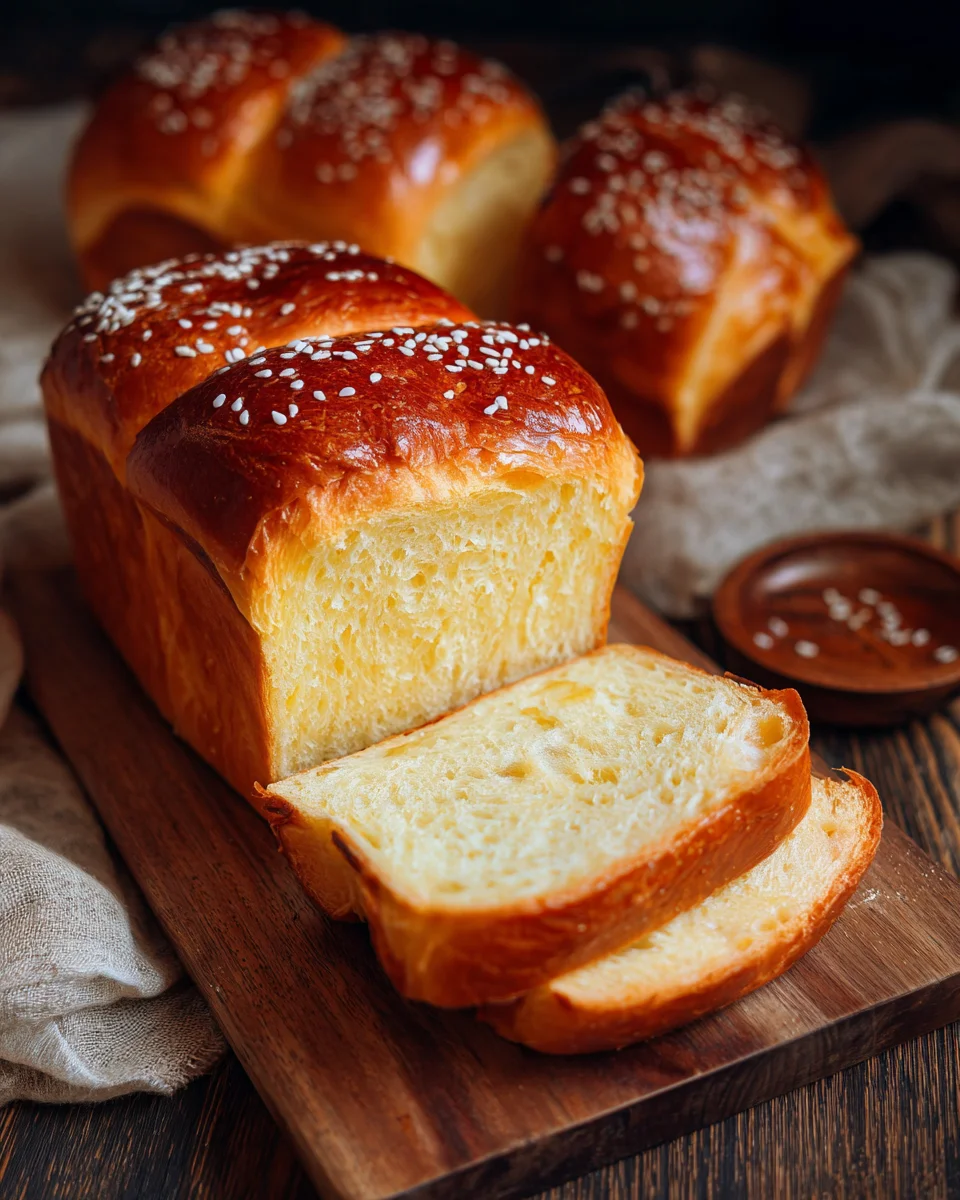
Introduction to Japanese Milk Bread (Shokupan)
Japanese Milk Bread, or Shokupan, is a beloved loaf that’s known for its soft, feathery texture and subtle sweetness. It’s a bread unlike any other—light, fluffy, and ideal for sandwiches, toast, or simply enjoyed on its own. The secret to achieving this melt-in-your-mouth texture lies in a unique technique known as Tangzhong, which involves pre-cooking part of the flour and liquid before incorporating it into the dough. This technique locks in moisture, resulting in a bread that stays fresh longer and maintains its softness.
In this article, we’ll walk you through a detailed recipe for making Japanese Milk Bread, from the origin of the recipe to a step-by-step guide, including variations to suit your tastes.

The Origins of Japanese Milk Bread (Shokupan)
The history of Shokupan can be traced back to the early 20th century in Japan. Inspired by Western-style bread, particularly the soft, square loaves popular in Europe and the U.S., Japanese bakers began experimenting with their own versions. The result? A loaf that is soft, pillowy, and slightly sweet—perfect for breakfast or lunch.
The use of Tangzhong, though a relatively modern innovation, has become a hallmark of Japanese Milk Bread, further enhancing its texture and flavor. This method was popularized in Japan in the 1970s and has since been adopted worldwide by bread enthusiasts and home bakers alike.
Ingredients for Japanese Milk Bread (Shokupan)
To make this light and fluffy bread, you’ll need the following ingredients:
For the Tangzhong (Starter):
- 3 tbsp bread flour
- ½ cup water
- ½ cup milk
For the Dough:
- 2½ cups bread flour
- ¼ cup sugar
- 2 tsp instant yeast
- 1 tsp salt
- ½ cup milk
- 1 large egg
- ¼ cup unsalted butter, softened
- Tangzhong (from above)
Step-by-Step Instructions for Making Japanese Milk Bread (Shokupan)

Step 1: Preparing the Tangzhong (Starter)
The Tangzhong starter is the foundation of this recipe. The technique ensures that the bread retains moisture, creating that soft, pillowy texture.
- In a small saucepan, whisk together bread flour, water, and milk.
- Place the saucepan over low heat and whisk constantly. The mixture will begin to thicken after 3–5 minutes.
- Continue cooking until lines begin to form at the bottom of the saucepan and the mixture resembles a smooth, thick paste.
- Remove from heat and let it cool to room temperature or until lukewarm.
The Tangzhong is now ready to be incorporated into the dough.
Step 2: Making the Dough
- In a large mixing bowl, combine bread flour, sugar, instant yeast, and salt.
- Add milk, the egg, and the cooled Tangzhong into the bowl. Mix until well combined.
- Once the mixture forms a dough, add the softened butter and knead until the dough is smooth and elastic. You can use a stand mixer for this, and knead for about 10–15 minutes.
- Once the dough is ready, cover the bowl with a damp cloth or plastic wrap and let it rise for 1–1½ hours, or until the dough has doubled in size.
Step 3: Shaping the Dough
- Once the dough has risen, punch it down to release any excess air.
- Divide the dough into four equal pieces. Roll each piece into a small rectangle.
- Fold the dough like a letter, then flatten it again and roll it up into a log.
- Place the logs seam-side down into a greased 9″x5″ loaf pan. Make sure the dough is arranged neatly.
Step 4: Final Rise and Baking
- Cover the loaf pan and allow the dough to rise for an additional 40–50 minutes, or until the dough has become puffy and risen slightly above the pan’s edges.
- Preheat the oven to 175°C (350°F) during the final stages of rising.
- Before placing the loaf in the oven, brush the top of the dough with a little milk for a golden finish.
- Bake for 30–35 minutes, or until the loaf is golden brown and the internal temperature reaches 190°F (88°C). If the loaf begins to brown too quickly, cover it with aluminum foil to prevent over-baking.
Step 5: Cooling and Enjoying
Once baked, let the bread cool for a few minutes in the pan. Afterward, transfer it to a wire rack to cool completely.
Tips & Variations for Japanese Milk Bread
- For extra richness, try replacing the milk with heavy cream. This will result in a slightly more decadent bread.
- Add milk powder to enhance the flavor and give the bread a fuller, creamier taste.
- For variations in shape, you can also roll the dough into individual rolls or even a braided loaf. Shaping into rolls gives each piece a soft, bite-sized portion that’s perfect for breakfast or snacks.
- This bread makes an amazing toast—its soft, slightly sweet texture pairs wonderfully with butter or jam. It’s also an excellent base for sandwiches.
FAQs about The Recipe
Q1: Why does Japanese Milk Bread stay so soft?
The key to the softness of Shokupan lies in the Tangzhong technique. This method locks in moisture during baking, which helps the bread stay soft and pillowy for days.
Q2: Can I make this bread without a stand mixer?
Yes! If you don’t have a stand mixer, you can knead the dough by hand. It may take a little longer, but the end result will still be soft and delicious.
Q3: Can I freeze Japanese Milk Bread?
Yes, you can freeze Shokupan. To freeze, allow the bread to cool completely, slice it, and wrap the slices tightly in plastic wrap or foil. Store in an airtight container or freezer bag. When ready to use, toast or reheat directly from the freezer.
Q4: Can I make this bread in a bread machine?
While it is possible to make this bread in a bread machine, you will need to follow the machine’s instructions for adding ingredients and use the dough cycle for kneading and rising. The Tangzhong can be added in at the beginning with the rest of the ingredients.
Conclusion
Japanese Milk Bread (Shokupan) is a delightful loaf that brings the best of both worlds—traditional bread-making techniques combined with a modern twist. The Tangzhong method not only ensures a soft, pillowy texture but also helps the bread stay fresh for longer. Whether you’re enjoying a slice for breakfast, making sandwiches, or simply savoring it with a cup of tea, this bread is bound to become a staple in your baking repertoire.
Now that you’ve mastered the recipe, why not experiment with variations? Try adding different fillings, shaping the dough into rolls, or even using a different kind of milk for added richness. Whatever you choose, your homemade Japanese Milk Bread will be a guaranteed hit. Enjoy baking, and most importantly, enjoy the soft, sweet taste of Shokupan!
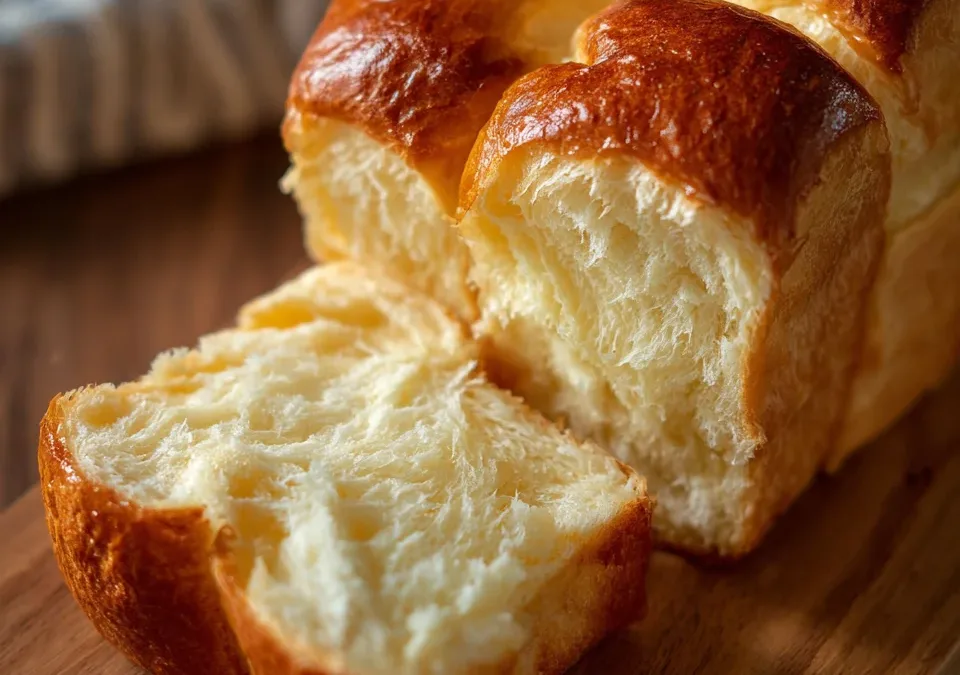
How to Make the Perfect Japanese Milk Bread (Shokupan) – A Soft and Pillowy Delight with the Tangzhong Technique
- Total Time: ~2 hours 30 minutes
- Yield: 1 loaf (12 slices) 1x
- Diet: Vegetarian
Description
Japanese Milk Bread, or Shokupan, is a beloved loaf that’s known for its soft, feathery texture and subtle sweetness. It’s a bread unlike any other—light, fluffy, and ideal for sandwiches, toast, or simply enjoyed on its own. The secret to achieving this melt-in-your-mouth texture lies in a unique technique known as Tangzhong, which involves pre-cooking part of the flour and liquid before incorporating it into the dough. This technique locks in moisture, resulting in a bread that stays fresh longer and maintains its softness.
Ingredients
Tangzhong (Starter)
- 3 tbsp bread flour
- ½ cup water
- ½ cup milk
Dough Ingredients
- 2½ cups bread flour
- ¼ cup sugar
- 2 tsp instant yeast
- 1 tsp salt
- ½ cup milk
- 1 large egg
- ¼ cup unsalted butter, softened
- Tangzhong (from above)
Instructions
Whisk ingredients in a saucepan over low heat until thick and lines form at the bottom (about 3–5 mins). Let cool to lukewarm
Instructions
1. Make the Dough:
- Combine flour, sugar, yeast, and salt in a bowl.
- Add milk, egg, and cooled tangzhong. Mix until combined.
- Knead in butter until dough is smooth and elastic (10–15 mins in stand mixer).
- Cover and let rise for 1–1½ hours until puffy.
2. Shape:
- Divide dough into 4 equal pieces.
- Roll each into a rectangle, fold like a letter, flatten again, and roll into logs.
- Place logs seam-side down in a greased 9″x5″ loaf pan.
3. Final Rise:
- Cover and let rise 40–50 minutes until puffy.
- Preheat oven to 175°C (350°F).
4. Bake:
- Brush top with milk.
- Bake for 30–35 minutes until golden and internal temp hits 190°F.
- Cool in pan briefly, then transfer to wire rack.
Notes
Japanese Milk Bread is loved for its pillowy-soft texture and slightly sweet flavor. It’s perfect for sandwiches, toast, or simply enjoyed warm with butter. Store in an airtight container for up to 3 days, or slice and freeze to keep it fresh longer.
- Prep Time: 25 minutes (plus 1.5–2 hours rising)
- Cook Time: 30 minutes
- Category: Bread
- Method: Baking
- Cuisine: Japanese
Nutrition
- Serving Size: 1 slice
- Calories: ~160
- Sugar: 4g
- Sodium: 150mg
- Fat: 3g
- Saturated Fat: 1.5g
- Unsaturated Fat: 1.2g
- Trans Fat: 0g
- Carbohydrates: 28g
- Fiber: 1g
- Protein: 5g
- Cholesterol: Low
Keywords: Shokupan, Japanese bread, soft milk bread, fluffy bread, Tangzhong bread
