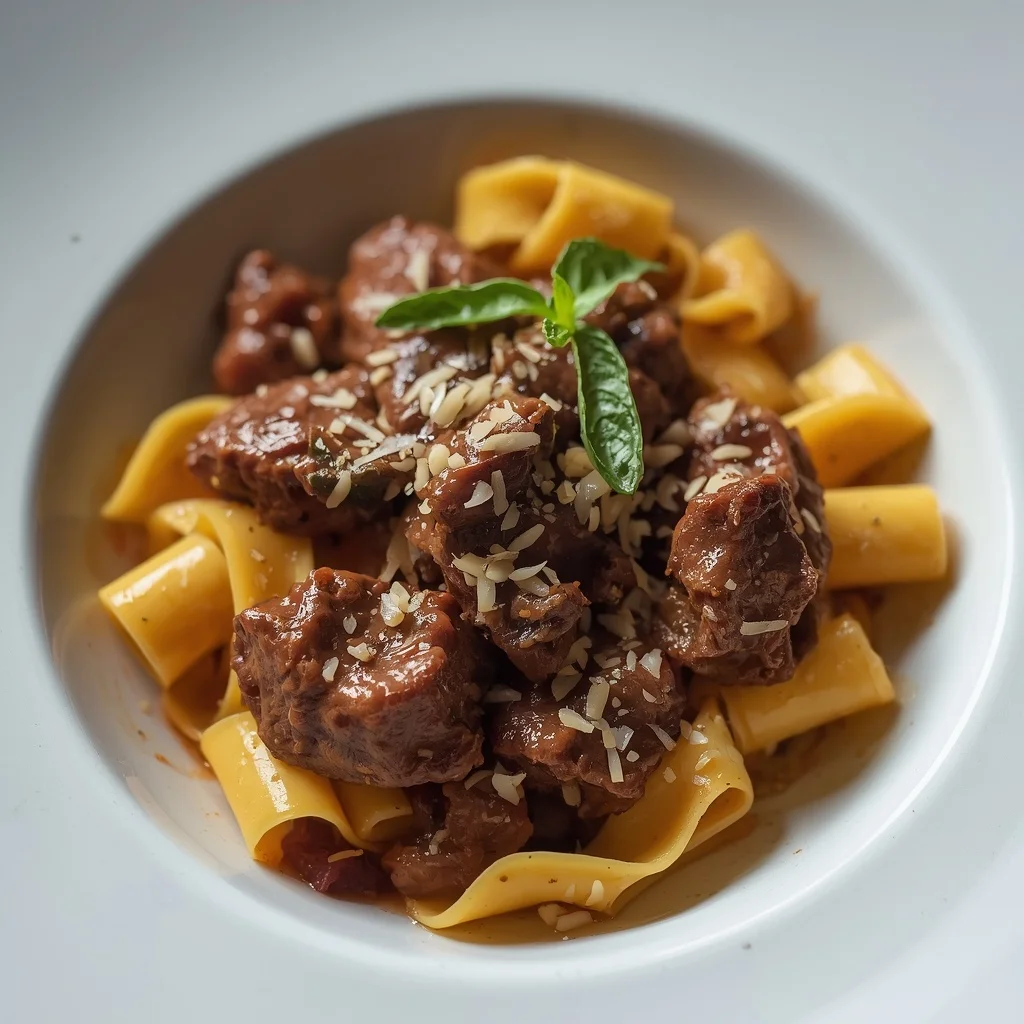
Nothing quite compares to the comforting aroma of a slow-simmered Italian sauce filling your home on a chilly afternoon. When you are looking for a meal that feels like a warm embrace from a rustic kitchen, a hearty beef short rib ragu pappardelle is the ultimate answer. This dish takes humble, tough cuts of meat and transforms them through time and patience into a velvety, deeply savory sauce that clings perfectly to wide, delicate ribbons of egg pasta. It is the kind of cooking that cannot be rushed, but the reward is a culinary masterpiece that far surpasses anything you could order at a conventional restaurant. In this extensive guide, we will unpack the secrets to mastering this comforting classic right in your own home kitchen.
Cooking with bone-in cuts requires a bit of culinary patience, but the depth of flavor it yields is incomparable. Unlike a quick weeknight meat sauce made with ground beef, a slow-braised ragu relies on the breakdown of collagen and connective tissues over several hours. This process creates an incredibly rich mouthfeel and a complex flavor profile that balances savory beef, sweet aromatic vegetables, a touch of bright acidity from tomatoes, and a deep undercurrent of oaky red wine. If you are ready to elevate your weekend cooking game and impress your family or dinner guests with a deeply satisfying Italian feast, let us dive into the details of this spectacular comfort food.
What is a Beef Short Rib Ragu Pappardelle Recipe?
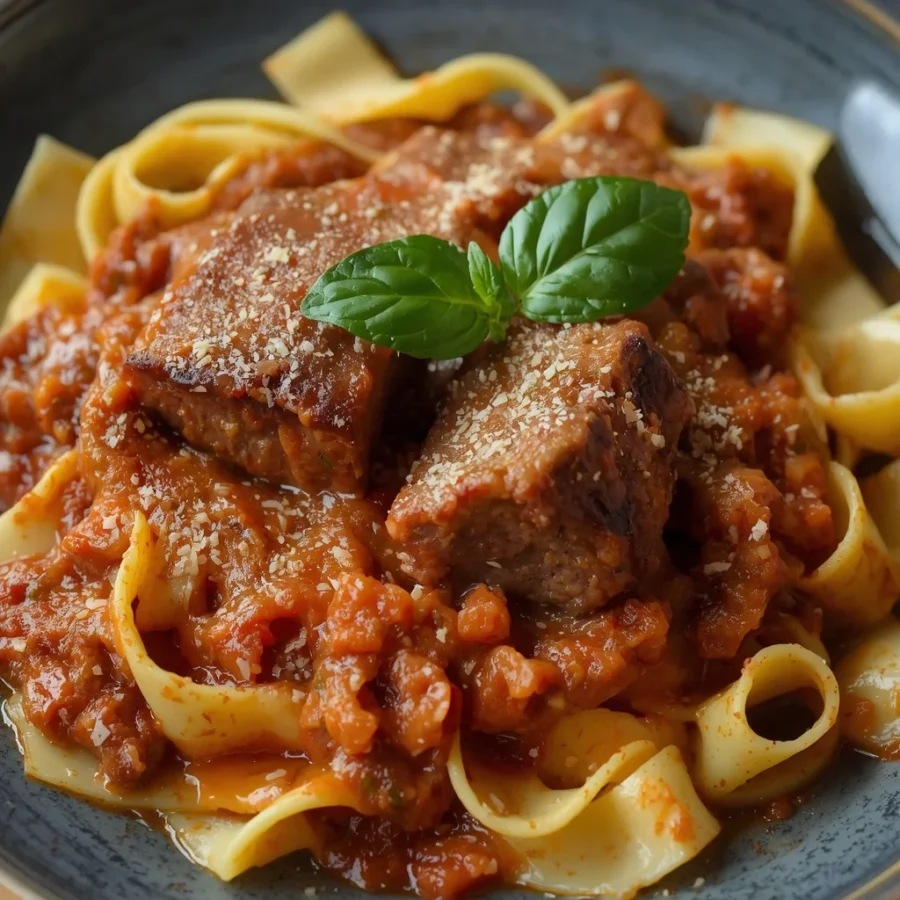
At its core, a beef short rib ragu pappardelle recipe is a slow-cooked Italian meat sauce served over broad, flat ribbons of egg pasta. The word ragu comes from a French culinary term that means to stimulate the appetite, and this dish does exactly that through its long, slow braising process. Instead of relying on ground meat, this authentic version utilizes whole bone-in beef ribs which are seared at a high temperature and then gently simmered in a seasoned liquid until the meat completely collapses into tender shreds.
The sauce itself is built on a foundation of aromatic vegetables, tomatoes, and red wine, which reduce down over hours into a thick, luxurious gravy. The choice of pasta is just as intentional as the meat. Pappardelle is a wide, flat noodle traditionally made with a high proportion of egg yolks, giving it a rich flavor and a sturdy structure. The broad surface area of each noodle acts like a canvas, capturing the thick pieces of shredded beef and allowing the emulsified sauce to coat every single bite. It is a harmonious marriage of meat and pasta where neither element outshines the other.
The Rich History and Origin of This Slow Cooked Comfort Food
To understand where this magnificent dish comes from, we have to travel back to the regional kitchens of northern and central Italy, particularly regions like Tuscany and Emilia-Romagna. Historically, ragu was not a everyday quick meal, but rather a celebratory dish prepared for Sunday family gatherings or special holidays. Each region developed its own variation based on the local livestock available, ranging from wild boar and hare in the forested hills of Tuscany to veal and pork in the fertile plains further north.
The concept of long-form braising evolved out of absolute necessity. Tougher cuts of meat that were muscular and fibrous were less expensive but required hours of gentle heat to become palatable. Italian home cooks mastered the art of the soffritto, a finely diced mixture of onion, carrot, and celery cooked gently in olive oil, to create a flavorful base for these tough cuts. Over time, as tomatoes were introduced to Italian cuisine and pasta making techniques became refined, these slow-cooked stews morphed into the refined pasta sauces we adore today. Serving a rich, heavy beef sauce with wide ribbons of egg pasta became a hallmark of comforting, cold-weather Italian hospitality that has now captured the hearts of food lovers worldwide.
Every Ingredient and Specific Quantity You Will Need
Creating a restaurant-quality braise requires sourcing high-quality components and measuring them out with care to ensure the flavors balance beautifully. Gather these essentials before you turn on your stove.
Preparing the Savory Meat Base
For the heart of the dish, you will need two and one half pounds of bone-in beef short ribs. Choose pieces that have a good amount of marbled meat attached to the bone, as the bone itself is vital for releasing gelatin into the sauce. To season the meat, keep plenty of salt and freshly ground black pepper nearby. For the searing process and building the foundation of the sauce, you will use two tablespoons of olive oil.
The aromatic foundation consists of one large onion, two carrots, and two celery stalks, all of which must be finely diced into uniform pieces. You will also need four garlic cloves, which should be minced or pressed right before cooking. To add depth and a concentrated umami punch, prepare two tablespoons of tomato paste.
The Braising Liquids and Herb Accents
To de-glaze your cooking pot and cut through the richness of the beef, measure out one cup of dry red wine, choosing something robust like a Cabernet Sauvignon or a Chianti. You will also need one large can of crushed tomatoes, specifically an twenty-eight ounce container. To provide enough liquid for the long simmer, prepare two cups of beef broth.
For extra complexity, you will want two teaspoons of Worcestershire sauce and an optional one teaspoon of smoked paprika for a subtle hint of warmth. The fresh herb bouquet is incredibly important, so gather two sprigs of fresh rosemary, three sprigs of fresh thyme, and two whole bay leaves.
Bringing the Pasta Element Together
To serve alongside your rich meat sauce, you will need one pound of pappardelle pasta, ideally an egg-based variety found in the specialty aisle. To finish the dish and create a glossy, emulsified coating on the noodles, prepare two tablespoons of unsalted butter and one half cup of freshly grated Parmesan cheese. Finally, keep a small handful of chopped fresh parsley ready to use as a bright, colorful garnish right before serving.
Step by Step Direction and Detailed Preparation Method: beef short rib ragu pappardelle
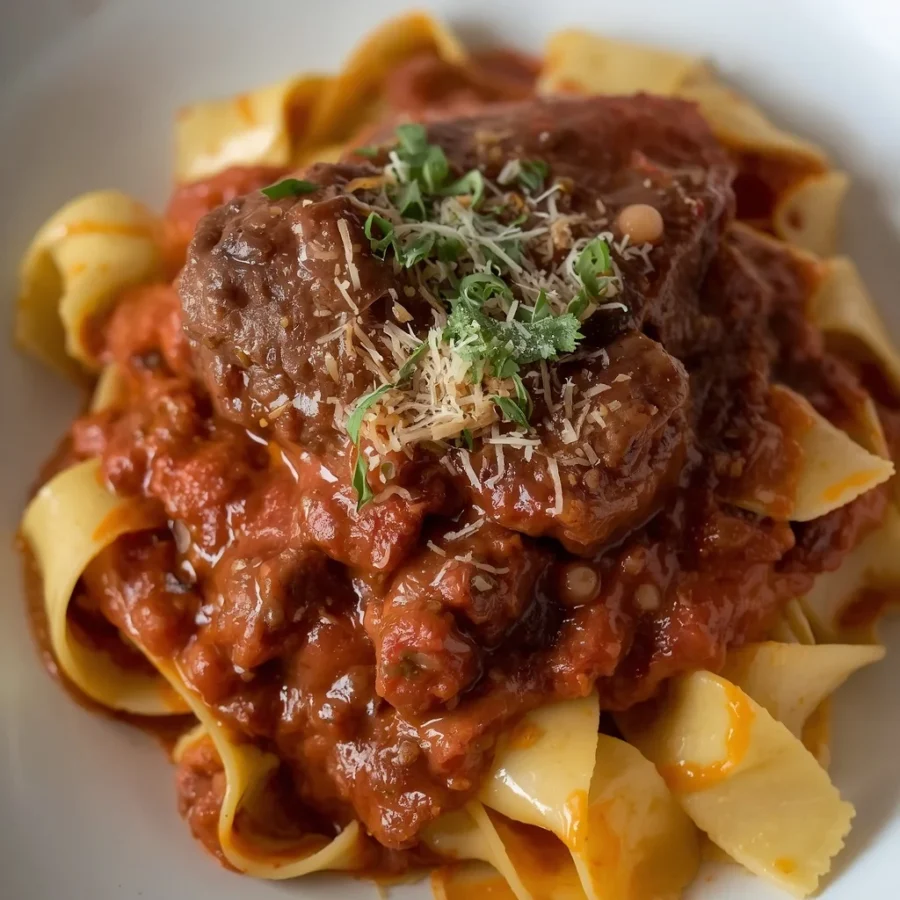
The secret to a flawless ragu lies in building layers of flavor. Each stage of the cooking process contributes to the final depth of the sauce, so take your time and enjoy the rhythmic process of traditional braising.
Searing the Meat to Build Deep Flavor
Begin by taking your short ribs out of the refrigerator about twenty minutes before cooking to take the chill off. Pat the meat completely dry with paper towels, as moisture will prevent a proper crust from forming. Season all sides of the beef very generously with salt and freshly ground black pepper.
Place a large, heavy-bottomed Dutch oven over medium-high heat and pour in the olive oil. Once the oil is shimmering hot but not smoking, carefully add the seasoned meat to the pan. Sear the pieces for about three to four minutes per side. Do not rush this step; you want to see a deep, rich brown crust develop on all visible surfaces of the meat. This browning process caramelizes the proteins, leaving behind flavorful bits on the bottom of the pot. Once fully seared, transfer the meat to a clean plate and set it aside.
Softening the Aromatics and De-glazing
Turn the heat down to medium. In the same pot with the rendered beef fat and olive oil, dump in your finely diced onion, carrots, and celery. Cook this mixture for about eight minutes, stirring occasionally, until the vegetables have softened completely and turned translucent. Stir in the minced garlic and cook for just one additional minute until you can smell its warm aroma.
Next, push the vegetables to the side of the pot and drop the tomato paste directly onto the hot surface of the pan. Cook the paste for about two minutes, stirring constantly, until it turns from bright red to a deeper brick-red color. This roasts out the raw metallic taste of the paste. Now, pour in the dry red wine. Use a wooden spoon to firmly scrape up all those delicious, caramelized browned bits stuck to the bottom of the pot. Let the wine simmer gently for about five minutes until it has reduced by half.
The Long and Slow Simmering Process
Pour the crushed tomatoes, beef broth, and Worcestershire sauce into the Dutch oven. Stir in the smoked paprika if you are using it. Tie your fresh rosemary, thyme, and bay leaves together with kitchen twine or simply drop them directly into the liquid.
Carefully slide the seared meat back into the pot, along with any savory juices that pooled on the plate. Ensure the pieces are mostly submerged in the tomato and broth mixture. Bring the liquid to a gentle boil, then immediately turn the heat down to its lowest setting. Cover the pot tightly with its lid and let it simmer undisturbed for roughly two and one half to three hours. You will know it is ready when the meat is completely fork-tender and practically falling away from the bone.
Shredding the Beef and Finishing the Ragu
Carefully lift the cooked ribs out of the liquid and place them on a large cutting board. Use a pair of tongs or a slotted spoon to fish out and discard the bare bones, loose cartilage, large chunks of excess fat, spent herb stems, and the bay leaves. Using two forks, shred the tender beef into bite-sized pieces.
Slide all the shredded meat back into the bubbling sauce. Leave the lid off the pot and let the mixture simmer uncovered on low heat for another ten to fifteen minutes. This allows the sauce to reduce slightly, thickening up into a rich, cohesive gravy that coats the meat beautifully. Taste the sauce and add an extra pinch of salt or pepper if needed.
Cooking the Pasta and Combining the Dish
While your sauce is doing its final simmer, bring a large pot of heavily salted water to a rolling boil. Drop in your wide egg noodles and cook them according to the package instructions until they are just al dente, meaning they still have a slight firmness when bitten. Right before you drain the noodles, carefully scoop out one half cup of the starchy pasta water and set it aside.
Drain the noodles and immediately transfer them either directly into the Dutch oven with the meat sauce or into a large serving bowl. Add the two tablespoons of unsalted butter, the freshly grated Parmesan cheese, and a splash of that reserved starchy pasta water. Gently toss everything together using large tongs. The starch in the water combined with the butter and cheese will create a smooth emulsion, helping the heavy meat sauce stick beautifully to the flat surface of the noodles. Transfer to warm bowls and garnish with a sprinkle of fresh parsley and extra cheese.
Exciting Flavor Variations: beef short rib ragu pappardelle
While the traditional beef version is undeniably perfect, you can easily tweak this recipe to suit different occasions or explore alternative flavor profiles common across Italy.
-
The Three Meat Combination: For an incredibly complex and traditional variation, try using a blend of meats. You can combine a smaller portion of beef ribs with a few pieces of bone-in pork shoulder and a piece of veal. The combination of different fats and textures creates a multi-layered sauce that tastes like it came straight from a professional Italian trattoria.
-
The Wild Mushroom Infusion: If you want to introduce an earthy, woodland flavor to your sauce, consider adding dried porcini mushrooms. Soak a handful of dried mushrooms in warm water for fifteen minutes, chop them finely, and add them along with their strained soaking liquid right when you pour in the beef broth. This amplifies the savory notes of the beef exponentially.
-
The Bianco Style Braise: If you want to skip the tomatoes entirely, you can make a ragu bianco, which is a white meat sauce. Omit the crushed tomatoes and tomato paste, increase the amount of beef broth slightly, and add a splash of heavy cream right at the very end of cooking. This version relies heavily on white wine and fresh herbs, offering a lighter but equally decadent pasta experience.
Frequently Asked Questions About Cooking Ragu
Can I make this dish using boneless short ribs instead?
Yes, you can certainly use boneless ribs if that is what is available at your local butcher shop. However, keep in mind that the marrow and connective tissues inside the bones release an immense amount of natural gelatin and flavor into the braising liquid as it simmers. If you go the boneless route, consider using a high-quality bone broth instead of standard beef broth to help make up for that lost depth of flavor.
What can I substitute for the dry red wine?
If you prefer to cook without alcohol, you can easily substitute the red wine with an equal amount of beef broth combined with a tablespoon of fresh lemon juice or red wine vinegar. The acidity is crucial because it cuts through the heavy fat of the beef, ensuring the finished sauce tastes balanced and vibrant rather than overly heavy.
Why is my pasta water so important for finishing beef short rib ragu pappardelle?
When you boil pasta, the noodles release starch into the water. This cloudy, starchy liquid acts as a natural binding agent. When you toss a few spoonfuls of it with hot pasta, melted butter, and cheese, it helps create an emulsion. This prevents the oil in the sauce from separating and ensures a velvety coat that sticks to the noodles rather than pooling at the bottom of the bowl.
How do I fix a sauce that turned out too thick or thin?
If your sauce looks a bit too thin after the meat is shredded, simply keep simmering it uncovered over medium-low heat for an extra ten minutes to let excess moisture evaporate. If it becomes too thick and dry, stir in a small splash of your reserved pasta water or a bit of extra warm beef broth to loosen it up back to a glossy consistency.
Proper Storage Methods and Reheating Instructions: beef short rib ragu pappardelle
One of the greatest attributes of a slow-cooked braise is that it actually tastes significantly better the following day. As the dish cools down and sits in the refrigerator, the fats, gelatin, and aromatic oils have time to thoroughly meld together, creating a much deeper and more cohesive flavor profile. If you have leftovers, allow the sauce to cool completely before transferring it into a clean, airtight container. It will keep beautifully in your refrigerator for up to four days.
For long-term storage, this meat sauce is an absolute champion in the freezer. You can store the finished ragu in a freezer-safe bag or container for up to three months. When you are ready to enjoy it again, let it thaw completely in the refrigerator overnight. To reheat, simply transfer the sauce to a saucepan and warm it gently over low heat, stirring occasionally. Always cook a fresh batch of pasta to toss with the warmed sauce right before serving, ensuring you get that perfect restaurant-quality texture every single time.
Conclusion: beef short rib ragu pappardelle
Taking the time to craft a authentic beef short rib ragu pappardelle is an incredibly rewarding kitchen journey that celebrates the beauty of slow cooking. By properly searing your meat, allowing your aromatics to sweat, and giving the braise the hours it needs to tenderize, you create a dish that is deeply comforting and packed with soul. It is a timeless recipe that turns simple ingredients into an extraordinary culinary experience, perfect for sharing around a crowded table with the people you love most. Tie on your apron, embrace the slow pace of the kitchen, and enjoy the rich rewards of a beautifully executed Italian classic.
Print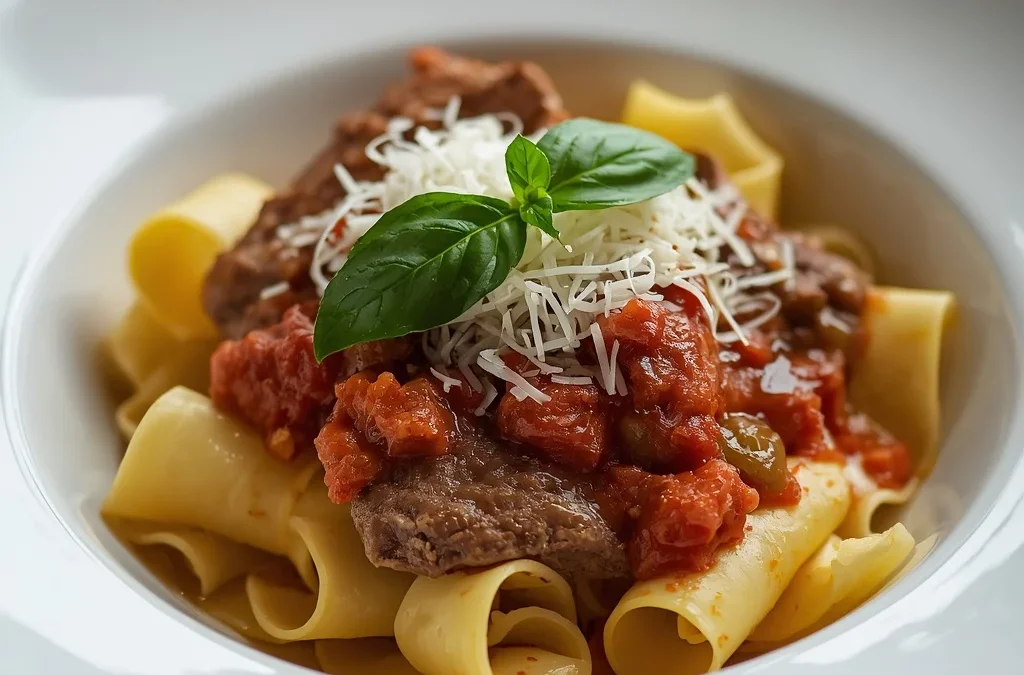
Beef Short Rib Ragu Pappardelle
- Total Time: 3 Hours 25 Minutes
- Yield: 6 Servings 1x
- Diet: Vegetarian
Description
At its core, a beef short rib ragu pappardelle recipe is a slow-cooked Italian meat sauce served over broad, flat ribbons of egg pasta. The word ragu comes from a French culinary term that means to stimulate the appetite, and this dish does exactly that through its long, slow braising process. Instead of relying on ground meat, this authentic version utilizes whole bone-in beef ribs which are seared at a high temperature and then gently simmered in a seasoned liquid until the meat completely collapses into tender shreds.
Ingredients
For the Beef Short Rib Ragu
- 2½ lbs (1.1 kg) bone-in beef short ribs
- Salt and freshly ground black pepper, to taste
- 2 tbsp olive oil
- 1 large onion, finely diced
- 2 carrots, finely diced
- 2 celery stalks, finely diced
- 4 garlic cloves, minced
- 2 tbsp tomato paste
- 1 cup (240 ml) dry red wine
- 1 can (28 oz/800 g) crushed tomatoes
- 2 cups (480 ml) beef broth
- 2 tsp Worcestershire sauce
- 2 sprigs fresh rosemary
- 3 sprigs fresh thyme
- 2 bay leaves
- 1 tsp smoked paprika (optional)
For the Pasta
- 1 lb (450 g) pappardelle pasta
- 2 tbsp unsalted butter
- ½ cup freshly grated Parmesan cheese
- Chopped fresh parsley, for garnish
Instructions
- Season the short ribs generously with salt and black pepper.
- Heat olive oil in a large Dutch oven over medium-high heat. Sear the short ribs for 3–4 minutes per side until deeply browned. Remove and set aside.
- In the same pot, cook the onion, carrots, and celery for about 8 minutes until softened. Add the garlic and cook for 1 minute.
- Stir in the tomato paste and cook for 2 minutes.
- Pour in the red wine, scraping up the browned bits from the bottom of the pot. Simmer for 5 minutes.
- Add the crushed tomatoes, beef broth, Worcestershire sauce, rosemary, thyme, bay leaves, and smoked paprika.
- Return the short ribs to the pot, ensuring they are mostly submerged in the sauce.
- Cover and simmer on low for about 2½–3 hours, or until the meat is fork-tender and falling off the bone.
- Remove the short ribs and discard the bones, excess fat, herb stems, and bay leaves. Shred the meat and return it to the sauce. Simmer uncovered for 10–15 minutes until thickened.
- Meanwhile, cook the pappardelle according to the package directions until al dente. Reserve ½ cup of pasta water before draining.
- Toss the pasta with the ragu, butter, Parmesan cheese, and a splash of reserved pasta water until well coated.
- Serve hot, garnished with additional Parmesan and fresh parsley.
Notes
- Prep Time: 25 Minutes
- Cook Time: 3 Hours
- Category: Main Course
- Method: Braising
- Cuisine: Italian
Nutrition
- Serving Size: 1 Serving
- Calories: 720 kcal
Keywords: slow cooked short rib ragu, shredded beef rib pasta sauce, tuscan style short rib pappardelle
