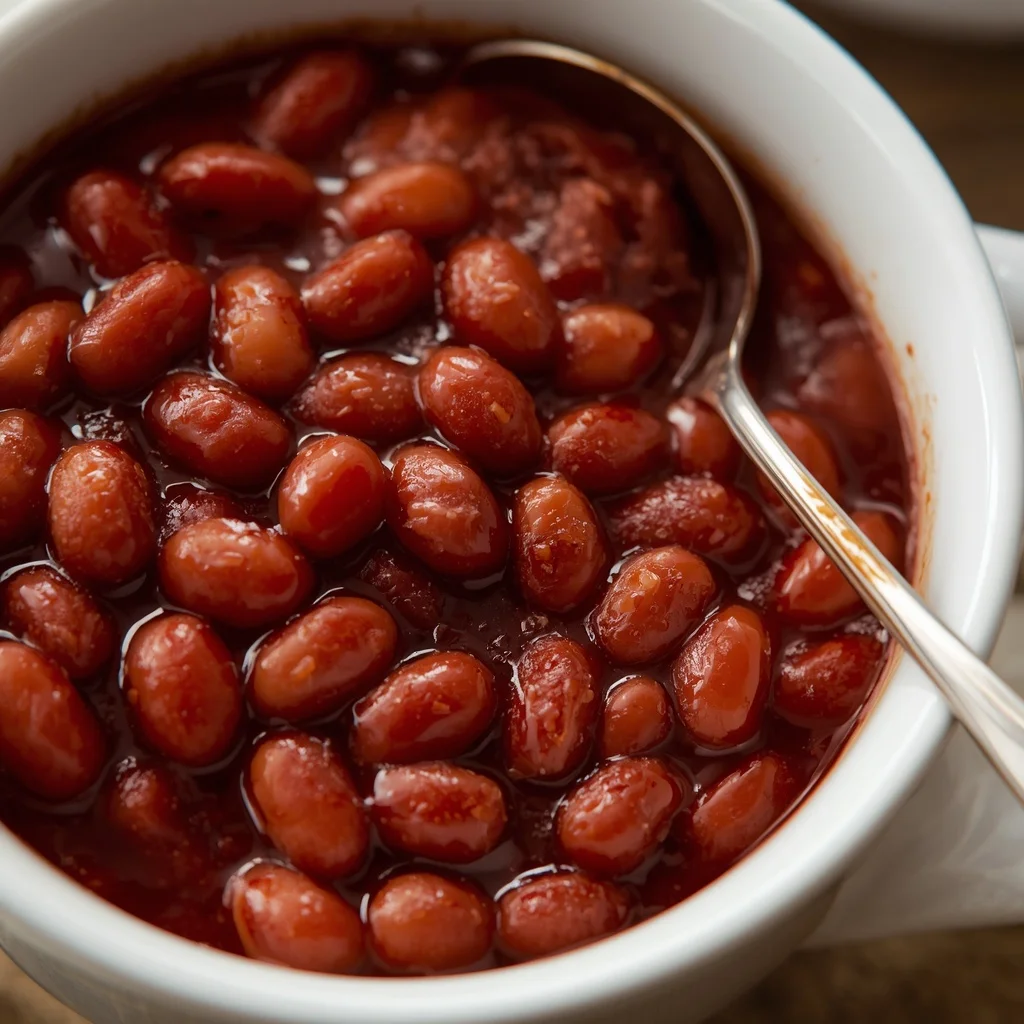
Few dishes in American regional cuisine carry as much history and comforting warmth as authentic Boston baked beans. This iconic New England side dish features small, tender navy beans slowly simmered inside a thick, glossy glaze made of dark molasses, brown sugar, tangy mustard, and smoky bacon. When baked low and slow for hours, the tough outer skin of the bean softens while absorbing deep caramel notes, yielding an irreplaceable sweet and savory flavor balance.
Whether you are hosting a summer backyard barbecue, preparing a cozy autumn Sunday supper, or looking for an authentic piece of American culinary heritage, mastering traditional Boston baked beans at home will take your cooking to a brand new level. Store-bought canned varieties simply cannot match the complex richness achieved when dry beans absorb smoked bacon fats and sticky sweet molasses over several hours in a warm oven. In this ultimate guide, we will unpack the origins of this legendary dish, review exact ingredient quantities, walk step by step through preparation, and explore essential cooking variations for the perfect batch every single time.
What is Boston Baked Beans?
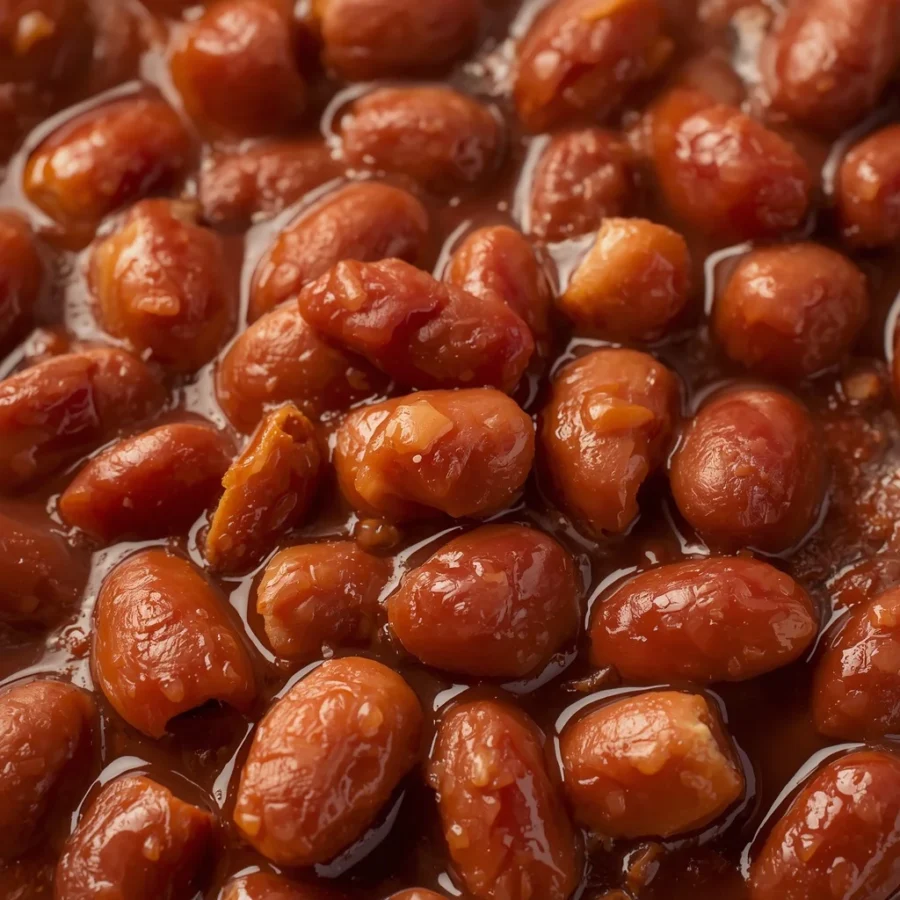
At its most fundamental level, traditional Boston baked beans is a slow-cooked casserole consisting of dried white beans, cured pork fat, aromatic yellow onions, and a deeply caramelized liquid base. Unlike quick stovetop bean dishes that rely on heavy tomato paste or chili powder, this recipe relies on dark molasses as its signature sweet flavor anchor.
The magic of the dish lies entirely within its texture and cooking technique. Dry navy beans are soaked overnight to rehydrate, boiled briefly to soften their core, and then baked inside a heavy covered pot or earthenware bean pot for several hours. As the sweet broth gently bubbles away, the starches from the navy beans mix with the rich molasses and rendered bacon fat to form a thick, dark sauce that clings beautifully to every single bean.
Origin of Boston Baked Beans
The colorful history of this side dish dates back hundreds of years to early colonial New England, where indigenous Native American tribes first taught European settlers how to cook local white beans using earthen pots buried in hot ash pits. The native populations traditionally sweetened their beans using native maple syrup and seasoned them with bear fat.
The Molasses Connection
During the seventeenth and eighteenth centuries, Boston became a major hub in the international triangle trade system. Ships brought massive quantities of raw molasses directly into Massachusetts distilleries to produce rum. Local cooks quickly substituted imported molasses for traditional maple syrup when baking their weekend beans, creating the distinctively dark, bittersweet taste profile we recognize today.
The Saturday Night Tradition
The dish also gained immense popularity due to early Puritan religious customs in New England. Observing strict Sabbath laws meant cooking on Sundays was strictly forbidden. Colonial homemakers would prepare a massive pot of Boston baked beans on Saturday morning, place it in a slow brick oven or local bakery oven, and let it bake continuously overnight. By Sunday afternoon, the family had a hot, fully cooked, highly nutritious meal waiting for them without breaking any religious observances. This longstanding cultural tradition ultimately earned Boston its famous, long-lasting nickname, Beantown.
Ingredients with Quantity: Boston Baked Beans
To prepare a traditional, crowd-pleasing batch from scratch, gather the following ingredients in these precise amounts:
-
One pound of dried navy beans or small white pea beans
-
Six cups of fresh water for boiling, plus extra water reserved for soaking
-
One medium yellow onion, finely chopped
-
Four ounces of thick-cut bacon or salt pork, diced into small pieces
-
One half cup of dark unsulfured molasses
-
One quarter cup of packed dark brown sugar
-
Two tablespoons of Dijon mustard or yellow mustard
-
One tablespoon of apple cider vinegar
-
One teaspoon of fine table salt
-
One half teaspoon of coarse black pepper
-
One half teaspoon of smoked paprika
-
Two cups of hot water or low-sodium vegetable or beef broth
Step by Step Direction and Preparation Method: Boston Baked Beans
Making authentic Boston baked beans requires patience rather than complex culinary skills. Taking your time through each phase ensures the beans cook evenly without drying out or breaking apart.
Step One: Soaking the Beans
Place your dried navy beans inside a large colander. Pick through them carefully to remove any tiny pebbles, damaged beans, or dirt particles, then rinse them under cold tap water.
Transfer the clean beans into a large bowl and cover them completely with fresh cold water, ensuring the water level sits at least two inches above the beans. Allow the beans to soak at room temperature overnight, or for a minimum of eight hours. Soaking softens the outer skin and reduces total oven baking time significantly.
Step Two: Parboiling the Navy Beans
Once the overnight soak is complete, drain the rehydrated beans inside a strainer and rinse them thoroughly with cool water. Transfer the beans into a heavy stockpot and pour in six cups of fresh water.
Bring the pot to a rapid boil over medium-high heat. As soon as the water boils, reduce your stove burner heat to low, cover the pot with a tight lid, and let the beans simmer gently for forty-five to sixty minutes. The beans are ready for the next step when they are partially tender but still hold a slightly firm center. Drain the cooked beans into a bowl, reserving at least one cup of the hot cooking liquid for later use.
Step Three: Whisking the Sweet Molasses Sauce
While your boiled beans drain, prepare the sweet seasoning mixture in a medium mixing bowl. Combine the dark unsulfured molasses, packed dark brown sugar, Dijon mustard, apple cider vinegar, salt, black pepper, and smoked paprika.
Whisk all the ingredients together vigorously until the brown sugar dissolves completely into the sticky molasses. The addition of apple cider vinegar provides a subtle acidity that cuts through the intense sweetness of the sugar and molasses.
Step Four: Layering and Combining in the Baking Dish
Preheat your kitchen oven to three hundred and twenty-five degrees Fahrenheit. Select a large Dutch oven, heavy ceramic casserole dish, or traditional stoneware bean pot.
Scatter half of your diced bacon and finely chopped yellow onion across the very bottom of the pot. Layer the partially cooked navy beans directly on top of the onions, then sprinkle the remaining diced bacon over the upper layer of beans. Pour the whisked molasses mixture evenly over the top, then pour in two cups of hot water or reserved warm bean liquid to submerge the ingredients. Stir gently using a long wooden spoon to distribute the thick sauce throughout the pot.
Step Five: Slow Baking in the Oven
Cover your Dutch oven tightly with its heavy lid or wrap aluminum foil tightly over the baking dish to lock in steam. Place the pot into the middle rack of your preheated oven.
Bake covered for two hours and thirty minutes. Check on the progress every hour, stirring gently to prevent the bottom beans from sticking or scorching. If the liquid level drops significantly and the upper layer looks dry, pour in a quarter cup of extra warm water or broth.
Step Six: Uncovering for the Final Glaze
After two and a half hours of covered cooking, carefully remove the lid from your Dutch oven using thick oven mitts. Return the uncovered pot to the oven and bake for an additional thirty to forty-five minutes.
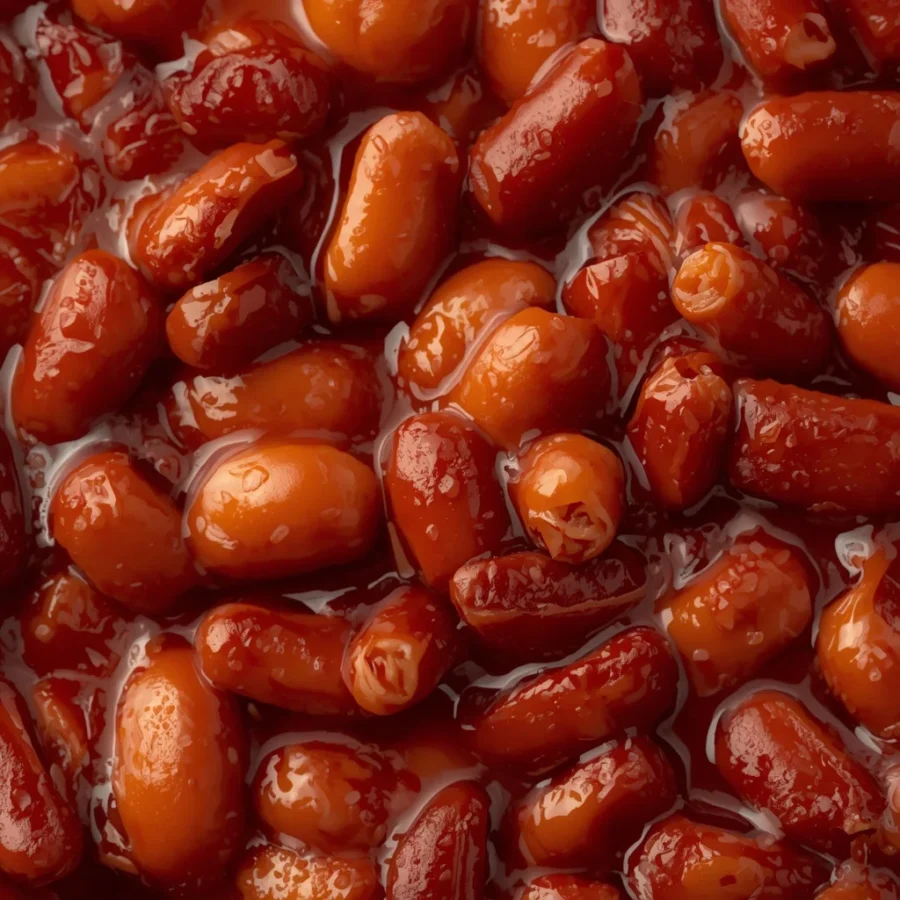
Baking uncovered allows excess steam to escape, which thickens the liquid into a dark, glossy, rich glaze that coats every bean. Watch closely toward the end of the cooking cycle so the natural sugars in the molasses do not burn.
Step Seven: Resting and Serving
Remove the pot from the oven and set it on a heat-safe trivet. Allow the dish to rest undisturbed for ten minutes before serving. As the pot cools slightly, the rich molasses sauce will continue to thicken and cling to the beans.
Serve your hot dish alongside grilled meats, smoky sausages, warm golden cornbread, or thick slices of crusty brown bread for an authentic colonial feast.
Variations for Boston Baked Beans
While classic navy beans cooked with bacon and molasses represent the traditional golden standard, home cooks can adapt this recipe to suit different dietary habits or kitchen appliances.
The Salt Pork Traditionalist Variation
In the oldest recorded recipes from Beantown, salt pork was used exclusively instead of sliced bacon. Salt pork is cured pork belly or fatback that has been preserved in salt brine without being smoked. Using four ounces of rinsed salt pork in place of bacon gives the dish a rich, authentic taste without introducing smoky bacon notes. If using salt pork, reduce your added table salt by half to avoid an overly salty dish.
Slow Cooker Adaptation
If you prefer a hands-off approach that does not require keeping an oven on for hours, a crockpot or slow cooker works remarkably well. Parboil your soaked beans as directed in step two. Transfer the beans, onions, bacon, and molasses sauce mixture into your slow cooker liner. Reduce the added liquid to one cup instead of two cups, as slow cookers retain much more steam. Cover and cook on the low heat setting for seven to eight hours until the beans reach melt-in-your-mouth tenderness.
Plant-Based Vegetarian Variation
To make this iconic side dish completely vegan and vegetarian-friendly, simply eliminate the bacon. To replace the natural smokiness and savory depth normally provided by cured pork, add one tablespoon of liquid smoke, one extra teaspoon of smoked paprika, and two tablespoons of dark soy sauce or tamari into your molasses mixture. The resulting side dish remains extraordinarily rich, sweet, and comforting.
Frequently Asked Questions: Boston Baked Beans
Why are my beans still hard after hours of baking?
Hard or tough beans are almost always caused by adding acidic ingredients or salt too early in the cooking process, or by using old dried beans. Acidic ingredients like vinegar or tomato products harden the cell walls of legumes, preventing them from softening. Always parboil your dry beans in plain water first until tender before combining them with acidic sauce bases. Furthermore, verify that your dried beans have not been sitting in your pantry for over a year.
Can I use canned navy beans instead of dried beans?
Yes, you can use canned navy beans or Great Northern beans if you are short on time. Skip steps one and two entirely. Rinse and drain four fifteen-ounce cans of white beans. Combine the drained canned beans with the onions, bacon, molasses sauce, and only one half cup of liquid in a baking dish. Bake uncovered at three hundred and twenty-five degrees Fahrenheit for roughly one hour until heated through and bubbly.
How do I store and reheat leftovers?
Store any remaining portions inside an airtight glass or plastic container in your refrigerator for up to five days. Like many slow-cooked dishes, the flavors actually improve and deepen overnight. Reheat individual portions in the microwave, or warm larger amounts inside a saucepan over low stove heat, adding a splash of fresh water if the molasses glaze feels too thick.
Can I freeze cooked Boston Baked Beans?
Yes, this dish freezes exceptionally well thanks to the high sugar content of the molasses glaze. Allow the cooked beans to cool down completely at room temperature. Transfer them into freezer-safe containers or heavy-duty zip-top freezer bags, leaving one inch of space at the top for expansion. Freeze for up to three months. Thaw frozen beans overnight in your refrigerator before reheating on the stovetop.
Preparing authentic, homemade Boston baked beans is a wonderfully rewarding cooking experience that connects your kitchen directly to centuries of American culinary history. By slow-baking simple white beans alongside sweet dark molasses, smoky bacon, and tangy mustard, you create a rich, comforting dish that surpasses any store-bought canned alternative. Serve this legendary Beantown staple hot at your next family gathering, and watch it quickly become a new household favorite.
Print
Boston Baked Beans
- Total Time: 3 hours 35 minutes
- Yield: 6 servings 1x
Description
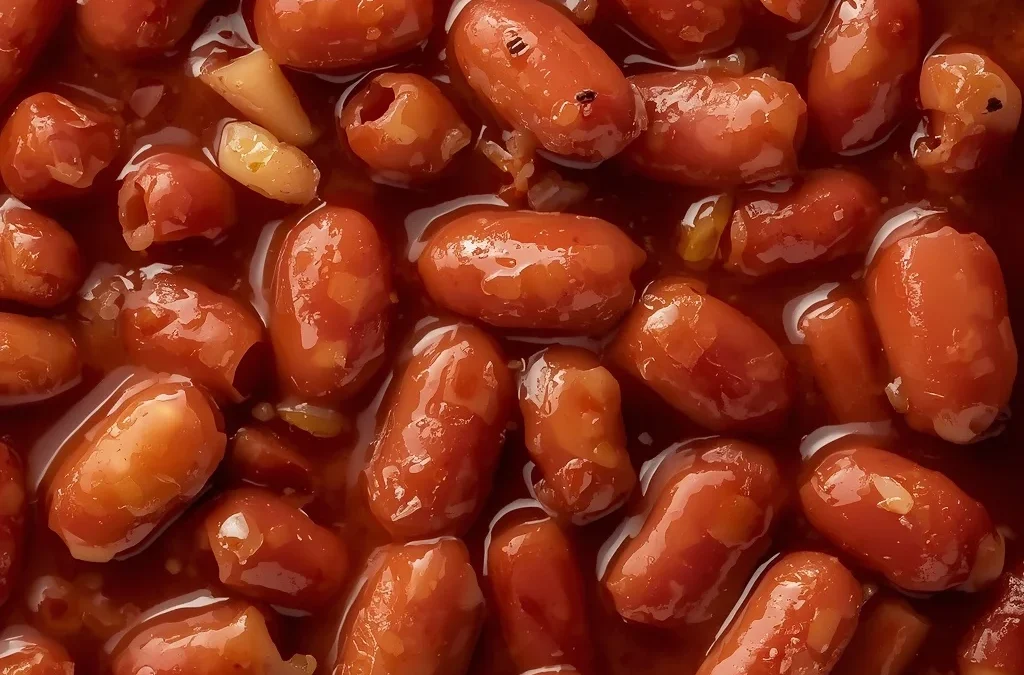
At its most fundamental level, traditional Boston baked beans is a slow-cooked casserole consisting of dried white beans, cured pork fat, aromatic yellow onions, and a deeply caramelized liquid base. Unlike quick stovetop bean dishes that rely on heavy tomato paste or chili powder, this recipe relies on dark molasses as its signature sweet flavor anchor.
Ingredients
Scale
- One pound dried navy beans
- Six cups water, plus additional water for soaking
- One medium onion, finely chopped
- Four ounces bacon, diced
- One-half cup molasses
- One-quarter cup brown sugar
- Two tablespoons Dijon or yellow mustard
- One tablespoon apple cider vinegar
- One teaspoon salt
- One-half teaspoon black pepper
- One-half teaspoon smoked paprika
- Two cups hot water or low-sodium broth
Instructions
- Soak the beans:
Place the dried navy beans in a large bowl and cover with plenty of water. Soak overnight, then drain and rinse. - Cook the beans:
Transfer the beans to a large pot and cover with fresh water. Bring to a boil, then reduce the heat and simmer for 45–60 minutes, until the beans are partially tender. Drain, reserving about 1 cup of the cooking liquid. - Prepare the sauce:
In a bowl, whisk together the molasses, brown sugar, mustard, apple cider vinegar, salt, pepper, and smoked paprika. - Combine:
Preheat the oven to 325°F (165°C). In a Dutch oven or deep baking dish, combine the beans, onion, and diced bacon. Pour the molasses mixture over everything and stir gently. Add the hot water or reserved bean liquid. - Bake:
Cover and bake for 2½ hours. Stir occasionally and add a little more hot water if the beans become too dry. - Finish uncovered:
Remove the lid and bake for another 30–45 minutes, until the beans are tender and the sauce is thick, glossy, and rich. - Rest and serve:
Let the beans rest for 10 minutes before serving. They’re delicious alongside grilled meats, sausages, cornbread, or crusty bread.
Notes
For the deepest traditional Boston flavor, use good-quality molasses and cook the beans slowly. The sauce should be sweet, savory, tangy, and rich without becoming overly sugary.
- Prep Time: 20 minutes
- Cook Time: 3 hours 15 minutes
- Category: Side Dish
- Method: Baking
- Cuisine: American
Nutrition
- Serving Size: 1 cup
- Calories: 390 kcal
Keywords: Authentic Boston baked beans, slow cooked navy beans, molasses baked beans, New England baked beans
