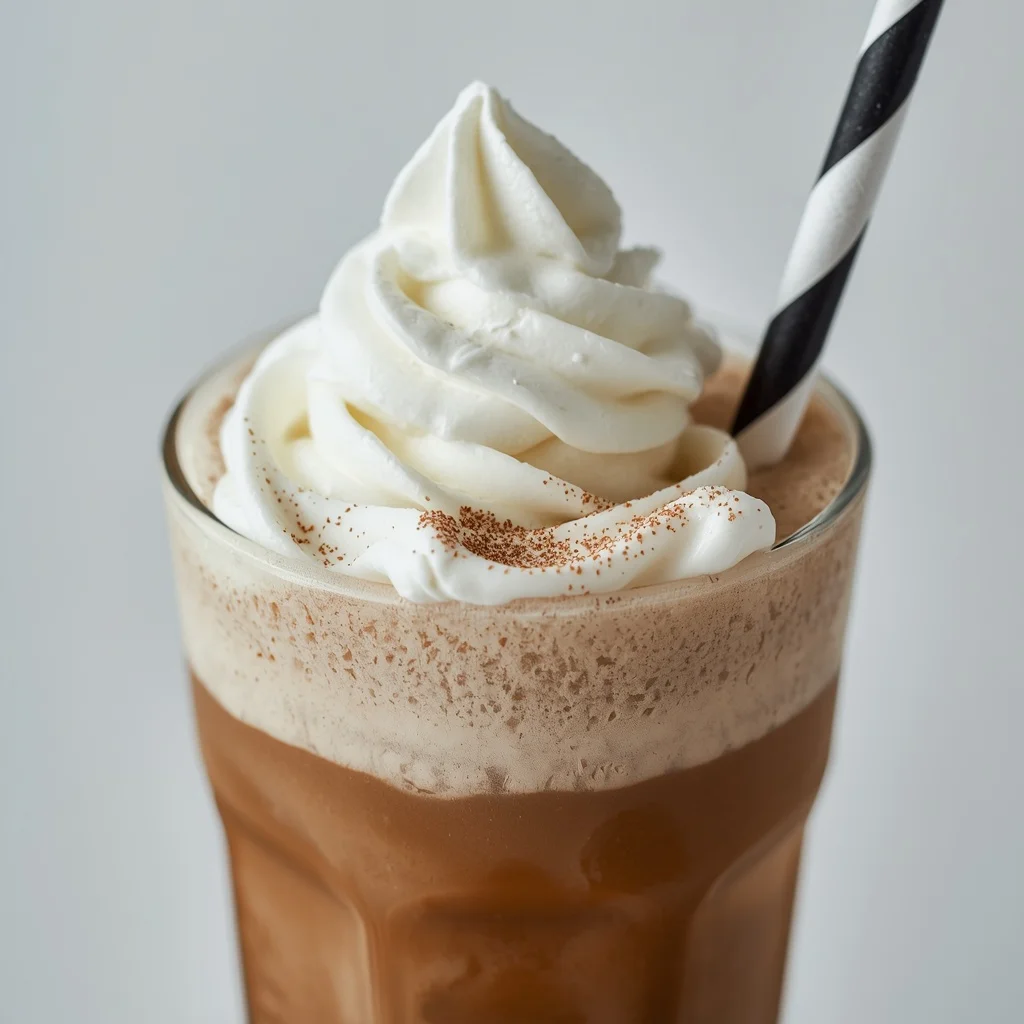
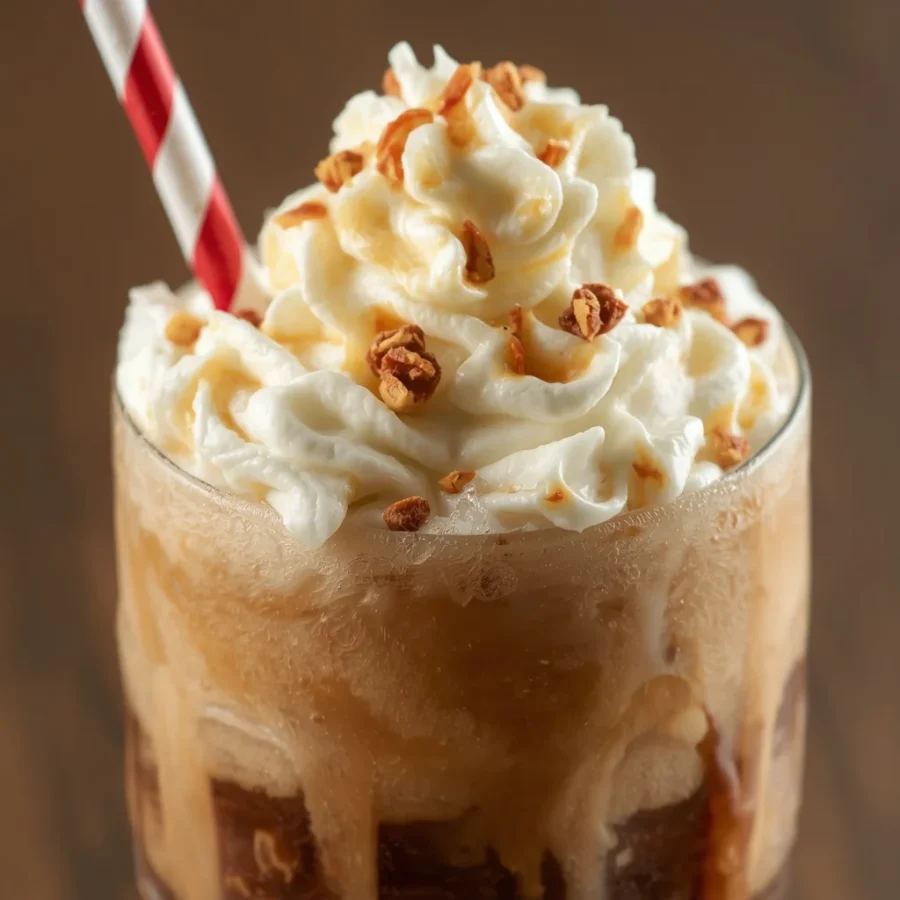
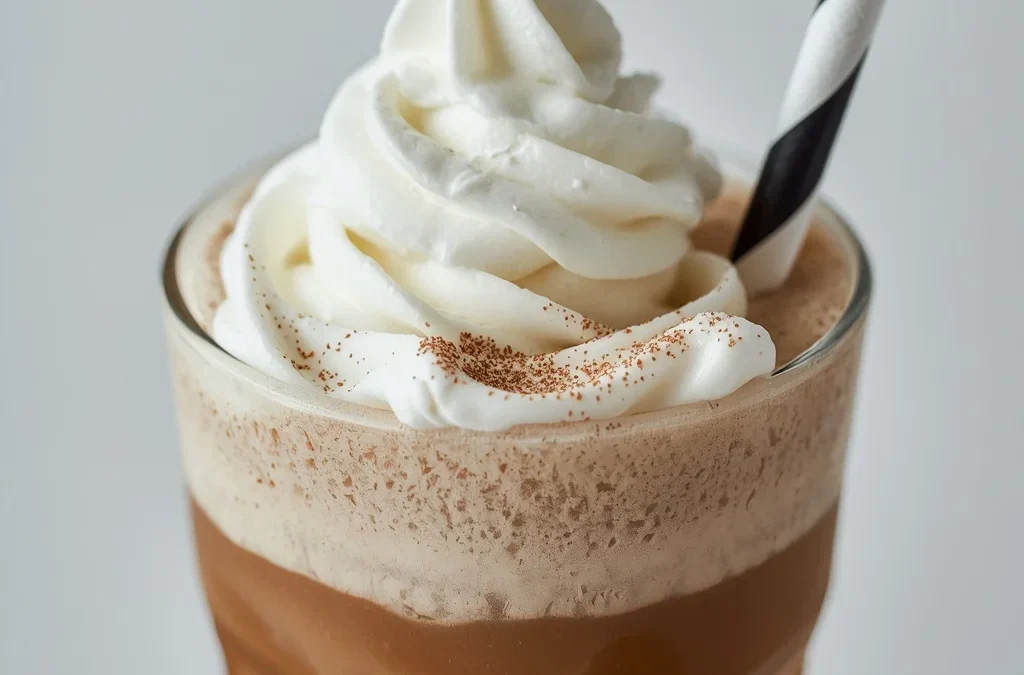
There is nothing quite like taking that first sip of a Classic Root Beer Float on a warm afternoon when you are craving something sweet, cold, and deeply nostalgic. When icy, spiced soda meets dense, velvety vanilla ice cream, something magical happens inside the glass. A thick, frothy layer of creamy foam rises to the top, blending the rich sweetness of real vanilla bean with the crisp, herbal bite of cold soda. Whether you remember ordering one at a neighborhood burger joint as a kid or you are introducing this iconic treat to your family for the very first time, learning how to make an authentic Classic Root Beer Float at home takes almost no effort and delivers pure comfort in every single spoonful.
Many people assume throwing ice cream and soda into a cup requires zero technique, yet anyone who has ended up with a sticky counter covered in overflowing foam knows there is a delicate art to getting the balance just right. From choosing the proper glassware to understanding why temperature matters so much, mastering this beloved fountain favorite turns an everyday snack into an unforgettable experience. Below, you will find everything you need to know about crafting the ultimate Classic Root Beer Float, along with its fascinating history, pro preparation secrets, creative twists, and answers to the most common questions home cooks ask.
What Is a Classic Root Beer Float
A
Classic Root Beer Float is a traditional American ice cream soda that pairs chilled root beer with generous scoops of vanilla ice cream. Unlike a milkshake, where dairy and flavorings are blended together into a uniform liquid, a float keeps its two main elements distinct at first, allowing them to interact naturally as you eat and
drink. The ice cream stays suspended in the effervescent soda—which is actually how the drink earned the name “float”—while the carbonation reacts with the dairy proteins and fats to generate a signature thick, airy head of foam.
People often refer to this treat as a “Black Cow” in certain regions of the United States, particularly throughout the Midwest. No matter what name you grew up calling it, the appeal lies entirely in the contrast of textures and temperatures. You get the brisk, bubbly sting of cold soda against your tongue, immediately followed by the smooth, rich melt of cold cream. Because it bridges the gap between a refreshing beverage and a decadent dessert, you typically serve it with both a drinking straw and a long-handled iced tea spoon so you can scoop up the delicious ice cream foam and sip the sweet liquid underneath.
Origin of the Classic Root Beer Float
The story behind the Classic Root Beer Float takes us back to the late nineteenth century in the Rocky Mountains of Colorado. In August of eighteen ninety-three, a man named Frank J. Wisner owned and operated the Cripple Creek Brewing Company in the bustling gold mining town of Cripple Creek. Late one evening, while gazing out his window at the snow-capped peak of nearby Cow Mountain illuminated by the bright full moon, Wisner was struck by a sudden burst of inspiration. The white snow resting atop the dark mountain peak reminded him of a scoop of vanilla ice cream floating in a dark glass of soda.
Excited by the vision, Wisner immediately went to work in his bar, dropping a scoop of vanilla ice cream into a glass of Myers Avenue Red root beer. He took a taste, loved the combination, and originally named his invention the “Black Cow Mountain,” which regulars quickly shortened to the “Black Cow.” The drink became an instant sensation among the local miners and townsfolk, spreading rapidly across soda fountains nationwide. By the early twentieth century, alongside the rise of iconic drive-in restaurants and corner drugstore fountains, the Classic Root Beer Float cemented its place in culinary history as an enduring symbol of American diner culture.
Essential Ingredients for Your Classic Root Beer Float
Because this recipe relies on just a handful of components, the quality of each ingredient makes a noticeable difference in your final glass. Keep everything simple, fresh, and properly chilled before you begin.
-
Vanilla ice cream: Two to three generous scoops of high-quality, full-fat vanilla bean or French vanilla ice cream. Look for a dense ice cream with real cream and minimal air whipped into it so it holds its shape instead of dissolving immediately.
-
Root beer: One cup, which equals two hundred forty milliliters, of your favorite brand of root beer. Make sure the bottle or can has been chilling in the refrigerator for several hours so it is icy cold.
-
Whipped cream: A generous swirl of freshly whipped cream or canned dairy whipped topping, completely optional for extra richness.
-
Maraschino cherry: One bright red maraschino cherry with the stem intact, optional for that authentic retro soda fountain presentation.
Step by Step Direction and Preparation Method
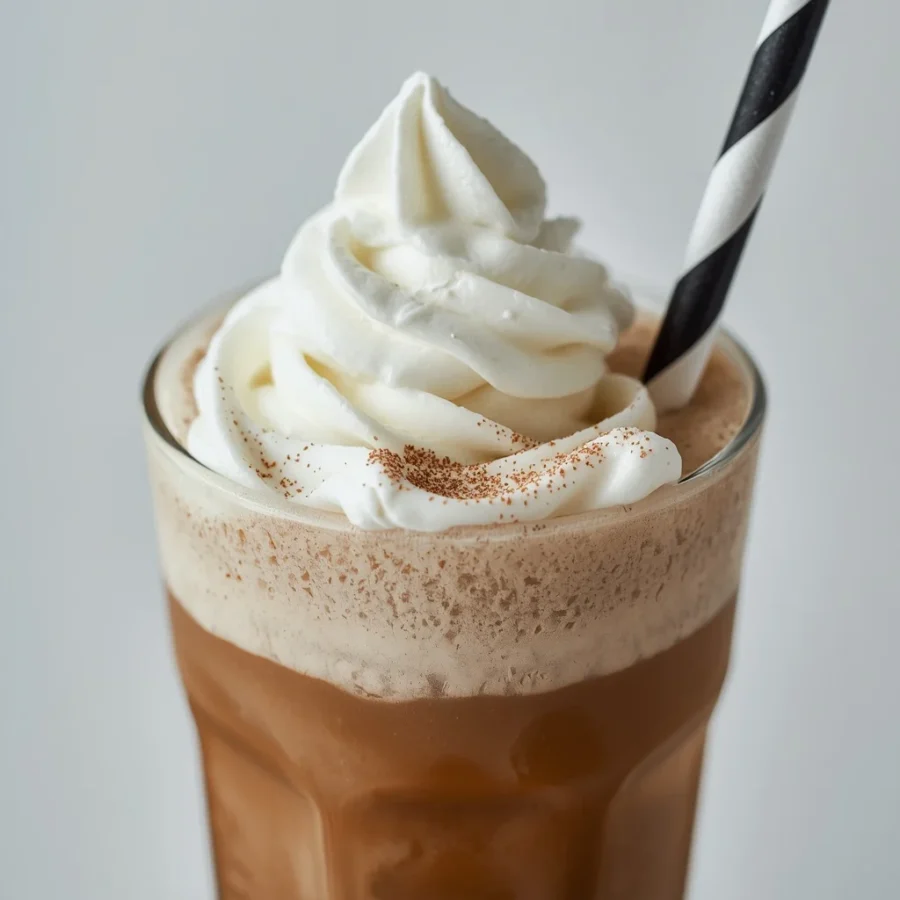
Follow this straightforward method to build a Classic Root Beer Float with the ideal ratio of creamy foam, cold soda, and solid ice cream without making a messy overflow on your kitchen counter.
Step One: Chill Your Serving Glass
Place a tall, heavy-bottomed fountain glass or frosted mug into your freezer for five to ten minutes before you plan to assemble your drink. Starting with a frosted glass prevents the ice cream from melting too fast on contact and keeps the soda crisp and lively from the first sip down to the very last drop.
Step Two: Add the Vanilla Ice Cream
Remove your frosted glass from the freezer and carefully place two to three firm scoops of vanilla ice cream directly into the bottom of the glass. Try not to pack the ice cream down too tightly; leaving little gaps around the scoops lets the soda flow all the way to the bottom, ensuring even flavor throughout the entire glass.
Step Three: Pour the Chilled Root Beer Slowly
Tilt the glass at a slight angle, just like you would when pouring a draft beverage, and slowly pour the cold root beer down the inside wall of the glass over the ice cream. Pouring gradually gives you complete control over the carbonation so the foam does not erupt over the rim.
Step Four: Let the Foam Rise Naturally
Pause pouring once the soda reaches about three-quarters of the way up the glass and allow the thick, creamy foam to rise naturally to the top. Once the bubbles settle down slightly, you can top off the glass with the remaining root beer until the frothy head sits right at the rim.
Step Five: Add Your Favorite Garnishes
If you want to dress up your float like a classic parlor treat, swirl a mound of whipped cream right on top of the foam and crown it with a single maraschino cherry.
Step Six: Serve Immediately
Slide a long spoon and a wide drinking straw into the glass and serve your Classic Root Beer Float right away while the soda is still fiercely bubbly and the ice cream edges are just beginning to freeze into delicious, crunchy ice crystals.
Expert Tips for the Best Results
Even an easy recipe benefits from a few insider tricks. Keep these helpful pointers in mind whenever you crave a fountain-worthy treat at home:
-
Use ice-cold soda every single time: Warm or room-temperature soda loses its carbonation rapidly upon hitting cold ice cream, creating a massive explosion of flat foam. Always chill your bottles or cans thoroughly beforehand.
-
Choose dense, premium ice cream: Economy ice creams often contain high amounts of overrun—air churned into the base—which causes them to turn into mush within seconds. A rich, dense vanilla ice cream creates that coveted icy shell where the soda touches the cold dairy.
-
Decide whether ice cream goes first or second: Putting ice cream in first gives you the classic layered look and maximum foam production. However, if you want less foam and more liquid soda, try pouring half the root beer into the glass first, gently lowering the ice cream scoops in with a spoon, and topping with the rest of the soda.
-
Soften the ice cream just slightly if desired: If you prefer a thicker, almost milkshake-like consistency right away, let your ice cream sit on the counter for about two minutes so the outer layer softens slightly before scooping.
Delicious Recipe Variations to Try
Once you have mastered the traditional preparation, you can easily customize your Classic Root Beer Float to match whatever flavors you are craving.
Extra Creamy Diner Float
Add a small splash of cold heavy whipping cream directly over the ice cream before pouring in your soda. The extra milkfat reacts with the carbonation to produce an ultra-luxurious, velvety foam that tastes remarkably rich.
Chocolate Root Beer Float
Drizzle a tablespoon of dark chocolate syrup or hot fudge along the inside of your chilled glass and over the vanilla ice cream before adding the root beer. The deep cocoa notes pair surprisingly well with the warm spices of sassafras, vanilla, and wintergreen found in traditional root beer.
Vanilla Deluxe Float
Stir a tiny drop of pure vanilla extract directly into your root beer right before pouring, or swap standard vanilla ice cream for double-fold vanilla bean gelato. This amplifies the aromatic warmth of the soda and elevates the entire dessert.
Classic Retro Parlor Style
Serve your float in a traditional flared soda fountain glass, pile high with freshly whipped cream, add a maraschino cherry, and place a crisp wafer cookie or rolled pirouette biscuit on the rim for dipping into the sweet foam.
Spiced Caramel Float
Swap regular vanilla ice cream for salted caramel swirl ice cream, or drizzle warm butterscotch sauce over the scoops. The buttery, toasted sugar flavors accentuate the natural molasses and herbal undertones in craft root beers.
Frequently Asked Questions
Why does root beer foam so much when it touches ice cream?
The dramatic foam happens because of a fascinating physical and chemical reaction. Carbonated soda holds dissolved carbon dioxide gas under pressure. When you pour it over ice cream, the microscopic rough surfaces and tiny air pockets on the frozen dairy act as nucleation sites, causing the gas bubbles to escape rapidly. At the same time, the proteins and fats in the melting ice cream trap those rising bubbles, stabilizing them into a thick, creamy foam that will not pop right away.
Should you put the ice cream or the root beer in the glass first?
Placing the ice cream in the glass first is the traditional method because it guarantees maximum fizz, produces that iconic thick foam crown, and forces the soda to weave around the scoops from bottom to top. However, pouring the root beer first and gently floating the ice cream on top prevents overflow if you are using a narrow glass or pouring quickly.
What is the best type of root beer to use for a float?
Full-bodied, cane-sugar craft root beers or classic nostalgic brands with strong notes of vanilla, birch, licorice root, and wintergreen work best. Diet root beers can certainly be used if you want to cut back on sugar, though artificial sweeteners sometimes react differently with dairy proteins and produce slightly larger, more fragile bubbles than real sugar sodas.
Can I make a dairy-free or vegan Classic Root Beer Float?
Absolutely. Most traditional root beers are naturally vegan and dairy-free, though you should always check the label just to be sure. Simply swap the dairy ice cream for a rich, full-fat coconut milk, oat milk, or cashew milk vanilla frozen dessert, which provides plenty of fat to create a lovely creamy foam.
How many calories are in a typical serving?
A standard single serving made with two scoops of regular vanilla ice cream and one cup of traditional cane-sugar root beer generally contains between three hundred fifty and four hundred fifty calories, depending on the specific brands of ice cream and soda you choose.
Conclusion: Classic Root Beer Float
Few
desserts manage to be as effortless, refreshing, and universally loved as a homemade
Classic Root Beer Float. With just five minutes of preparation, a frosted glass, rich vanilla ice cream, and a bottle of icy cold root beer, you can recreate the simple joy of an old-fashioned American soda fountain right in your own kitchen. Whether you keep yours strictly traditional or dress it up with whipped cream, chocolate drizzle, and a cherry on top, grab a tall spoon, pour slowly, and savor every fizzy, creamy bite.