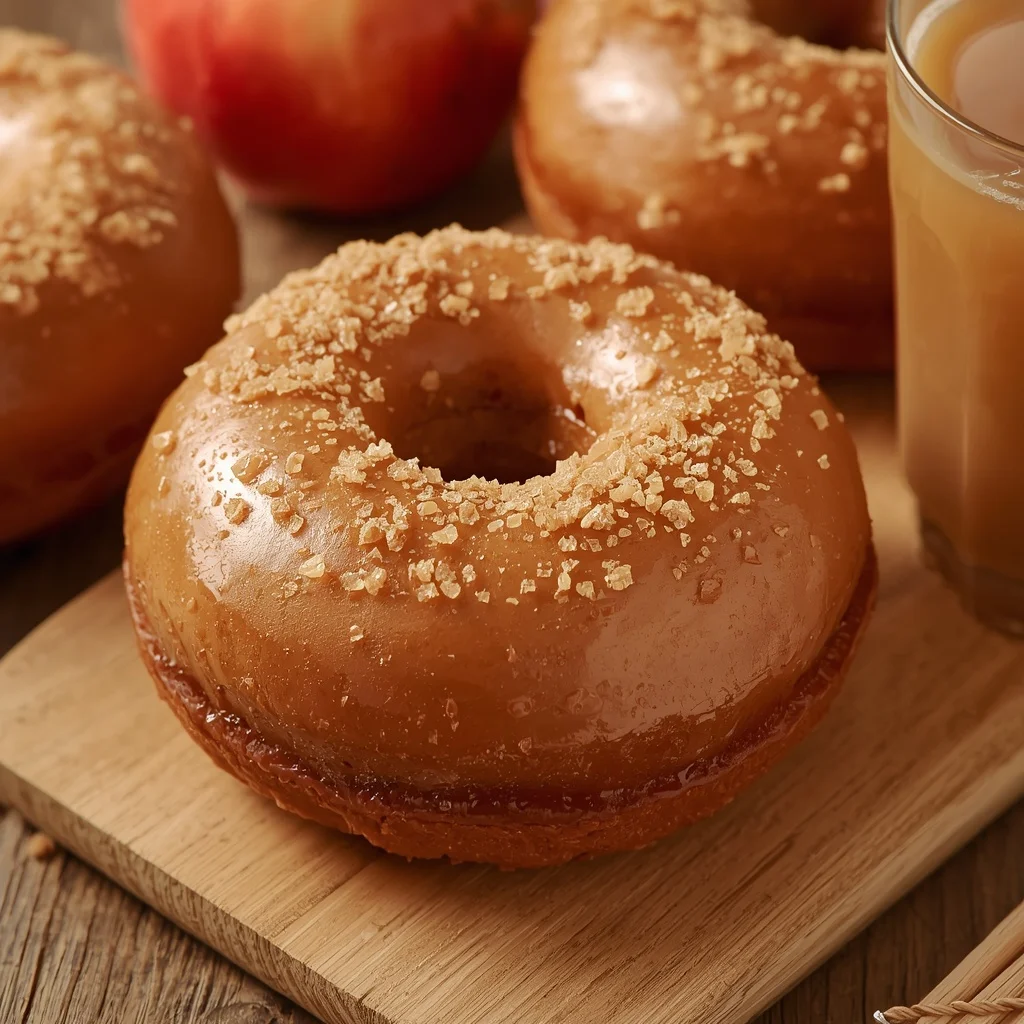
There is something entirely magical about the transition of seasons, especially when the crisp morning air starts hinting at autumn. It is a time when our kitchens naturally become the heart of the home, drawing people in with the promise of warmth and comforting aromas. If you are looking to capture that exact feeling in a single bake, the cozy apple cider doughnut loaf is your answer. This spectacular quick bread delivers all the nostalgic, spiced goodness of a classic autumn orchard trip right to your kitchen table. You get the iconic sugar-dusted crunch of a fresh-fried doughnut combined with the ultra-moist, tender crumb of a perfectly baked loaf cake. It is the ultimate weekend baking project that fills your entire house with the scent of sweet cinnamon and warm apples.
What is a Cozy Apple Cider Doughnut Loaf?
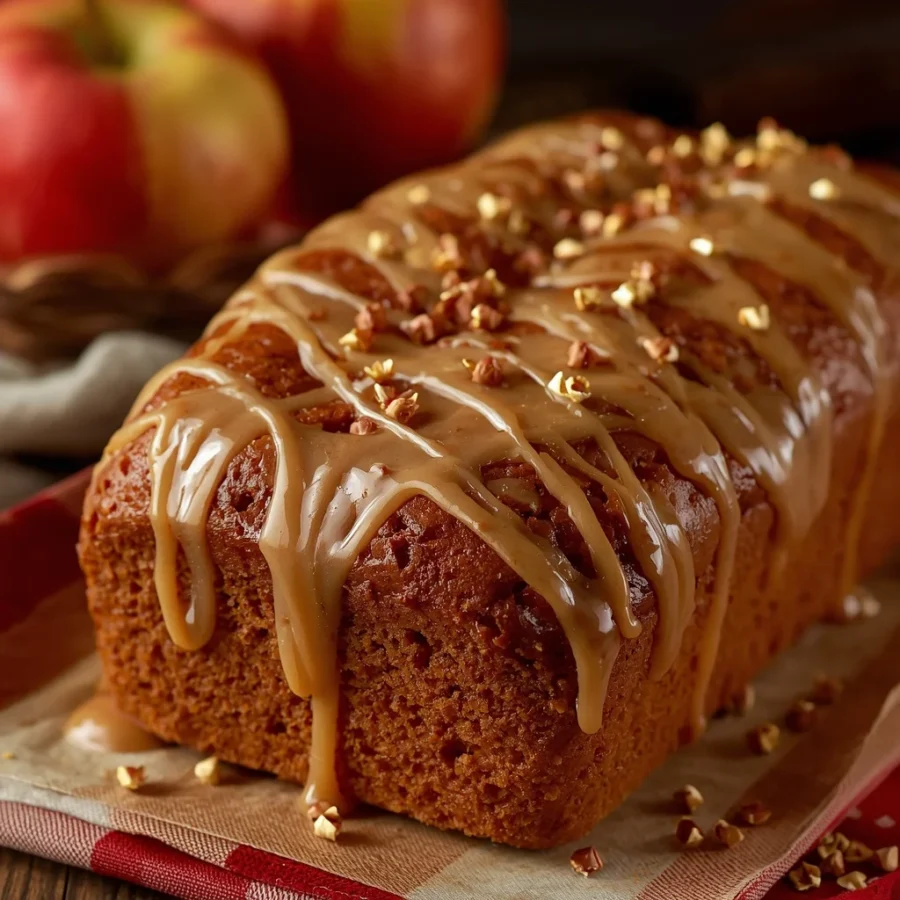
At its core, a cozy apple cider doughnut loaf is a brilliant culinary hybrid designed for anyone who loves autumnal flavors but wants to skip the mess of deep-frying. Traditional apple cider doughnuts are legendary for their cakey texture and spiced exterior, but they require rolling, cutting, and dealing with large pots of hot oil. This loaf version takes those identical, beloved flavor profiles and reimagines them into a user-friendly quick bread.
By utilizing a standard loaf pan, the batter bakes up incredibly tall, soft, and uniform. The secret to its signature texture lies in the balance of moisture-rich ingredients that mimic the richness of a fried dough without the heavy grease. Once the loaf emerges from the oven, it receives a generous brushing of melted butter followed by a heavy dusting of spiced sugar. This creates a distinct, sweet crust that perfectly replicates that first, unforgettable bite of a bakery-fresh doughnut.
Origin of Apple Cider Doughnuts and Quick Breads
To truly appreciate the cozy apple cider doughnut loaf, it helps to look back at the rich history of its components. Apple cider production has deep roots in North American agricultural history, particularly in areas like New England and the Midwest where apple orchards thrive. Historically, after the autumn harvest, excess apples were pressed into cider to preserve the bounty. Local bakers naturally looked for ways to incorporate this sweet, tangy liquid into their daily goods.
The concept of the cider doughnut emerged as a brilliant marketing and culinary staple at roadside farm stands during the mid-twentieth century. Automated doughnut machines made them a popular treat for families visiting orchards to pick apples. Meanwhile, quick breads—which rely on chemical leaveners like baking powder and baking soda rather than yeast—gained massive popularity because they allowed home cooks to bake delicious treats without hours of kneading and rising. Merging the two traditions into a single loaf is a modern innovation born from a desire for convenience and comfort, allowing busy families to enjoy orchard-quality treats any day of the year.
Ingredients for the Apple Cider Doughnut Loaf
Creating a masterpiece requires the right building blocks. Each ingredient in this recipe plays a vital role in ensuring your loaf is structurally sound, intensely flavorful, and perfectly moist.
For the Main Loaf Batter
-
All-purpose flour: Two cups or two hundred and fifty grams. This provides the essential structure for your quick bread, ensuring it rises beautifully without becoming tough.
-
Baking powder: One and a half teaspoons. This serves as a primary leavening agent to help the loaf lift.
-
Baking soda: One half teaspoon. This works in tandem with the acidic ingredients to create a tender crumb.
-
Salt: One half teaspoon. A crucial element that balances the sweetness and enhances the natural spices.
-
Ground cinnamon: One and a half teaspoons. The quintessential spice that gives the bread its signature warmth.
-
Ground nutmeg: One quarter teaspoon. A tiny but mighty addition that provides that authentic, old-fashioned bakery flavor.
-
Unsalted butter: One half cup or one hundred and thirteen grams. You will want to melt this completely and allow it to cool slightly before mixing.
-
Brown sugar: Three quarters cup or one hundred and fifty grams. This adds deep caramel notes and essential moisture.
-
Granulated sugar: One quarter cup or fifty grams. This assists with the structure and provides a clean sweetness.
-
Large eggs: Two pieces. Ensure these are at room temperature so they incorporate seamlessly into the batter.
-
Vanilla extract: One teaspoon. High-quality pure vanilla extract will elevate all the surrounding flavors.
-
Apple cider: Three quarters cup. Look for a high-quality, unfiltered apple cider rather than clear apple juice for the best results.
-
Sour cream or plain Greek yogurt: One half cup. This is the secret weapon for an incredibly soft, moist crumb that lasts for days.
-
Fresh apple: One piece. You will want to peel and finely dice this. While optional, it adds wonderful pockets of texture and moisture throughout the loaf.
For the Addictive Cinnamon-Sugar Topping
-
Unsalted butter: Two tablespoons, melted. This acts as the glue that holds your sweet topping in place.
-
Granulated sugar: One quarter cup. This creates that classic crystalline crunch.
-
Ground cinnamon: One teaspoon. This is mixed with the sugar to complete the doughnut experience.
Step-by-Step Directions and Preparation Method: Apple Cider Doughnut Loaf
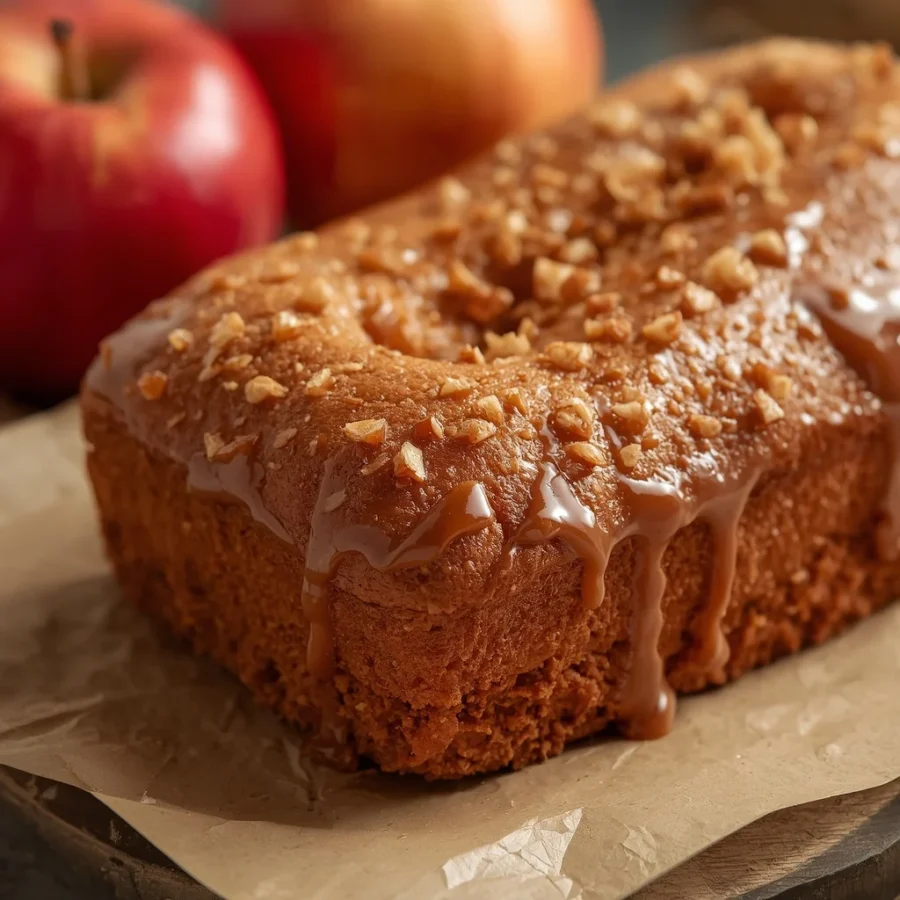
Now that you have gathered your high-quality ingredients, it is time to bring this cozy apple cider doughnut loaf to life. Follow these steps carefully to ensure a perfect bake every single time.
Step One: Preparing Your Workspace
Before you begin mixing, set your oven to three hundred and fifty degrees Fahrenheit or one hundred and seventy-five degrees Celsius. Proper preheating ensures that your loaf begins rising the moment it hits the oven. Next, grease a standard nine-by-five-inch loaf pan thoroughly. To make removal completely stress-free, line the pan with a strip of parchment paper, leaving a bit of overhang on the sides. This creates a helpful sling that allows you to lift the baked loaf out effortlessly later on.
Step Two: Sifting the Dry Ingredients
In a large mixing bowl, combine your all-purpose flour, baking powder, baking soda, salt, ground cinnamon, and ground nutmeg. Use a wire whisk to stir these ingredients together for at least thirty seconds. This process not only breaks up any stubborn lumps in the flour but also ensures that the leavening agents and spices are evenly distributed. Even distribution prevents large holes from forming in your finished bread and ensures every single bite has a balanced spice flavor.
Step Three: Emulsifying the Wet Ingredients
In a separate, medium-sized bowl, we will assemble the liquid foundation of our cozy apple cider doughnut loaf. Whisk together the melted and cooled unsalted butter, brown sugar, and one quarter cup of granulated sugar until the mixture looks like wet sand. Add the two large eggs one at a time, whisking vigorously after each addition until the mixture looks slightly pale and smooth. Stir in the vanilla extract, the apple cider, and the sour cream or Greek yogurt. Whisk until the liquid is completely uniform and free of yogurt lumps.
+-------------------------------------------------------------+
|                     TWO-BOWL MIXING METHOD                  |
+-------------------------------------------------------------+
|  [ Dry Bowl ]                                [ Wet Bowl ]   |
|  Flour, Spices, Leaveners               Butter, Sugars,     |
|                                         Cider, Eggs, Yogurt |
+------------------------------------+------------------------+
                                     |
                                     v
                        [ Combine Just Until Wet ]
                                     |
                                     v
                        [ Fold in Diced Apples ]
Step Four: Combining the Batter
Pour the wet mixture directly into the bowl with the dry ingredients. Switch from your whisk to a rubber spatula or a large wooden spoon for this step. Gently fold the ingredients together using a sweeping motion, lifting from the bottom of the bowl upward. Stop mixing the exact moment you no longer see streaks of dry flour. Overmixing at this stage activates the gluten in the flour, which can result in a dense, rubbery bread rather than a tender crumb. Once the batter is just combined, gently fold in your finely diced fresh apples until they are distributed throughout the mixture.
Step Five: The Baking Process
Scrape the thick, fragrant batter into your prepared loaf pan, using your spatula to smooth out the top surface evenly. Place the pan on the center rack of your preheated oven. Bake the loaf for fifty to sixty minutes. Because oven temperatures can vary slightly, begin checking the bread around the fifty-minute mark. Insert a clean toothpick or a wooden skewer directly into the center of the loaf. It is perfectly done when the toothpick comes out clean or with just a few moist crumbs attached. If you see wet batter, give it another five minutes.
Step Six: Cooling and the Magic Coating
Once fully baked, remove the pan from the oven and place it on a wire cooling rack. Let the loaf rest inside the warm pan for ten to fifteen minutes. This brief resting period allows the structure of the bread to settle, making it easier to turn out. Carefully lift the loaf out using your parchment paper sling and place it directly on the wire rack.
While the loaf is still notably warm, melt your remaining two tablespoons of butter. In a small bowl, mix the one quarter cup of granulated sugar with one teaspoon of ground cinnamon. Use a pastry brush to coat the top and sides of the warm loaf generously with the melted butter. Immediately afterward, sprinkle the cinnamon-sugar mixture over every buttered surface, pressing it gently with your hands if necessary to ensure it adheres. This creates that authentic, sweet doughnut shell.
Pro Tip for an Intense Apple Flavor
If you want to elevate your cozy apple cider doughnut loaf to an absolute gourmet level, consider taking one extra step before you mix your batter. Standard apple cider has a wonderful flavor, but it contains a high water content. To concentrate the sweetness and spice, pour one and a half cups of fresh apple cider into a small saucepan over medium heat.
Simmer the liquid gently until it reduces by exactly half, leaving you with about three quarters cup of a deeply amber, syrupy cider concentrate. Allow this reduced cider to cool down completely to room temperature before adding it to your wet ingredients. This simple trick infuses the entire crumb with an incredibly bold, rich orchard flavor that cannot be matched by standard methods.
Flavorful Variations to Try: Apple Cider Doughnut Loaf
While this recipe is absolutely spectacular in its classic form, bakeries often love to experiment. Here are a few wonderful variations you can try to customize your baking experience:
-
The Glazed Maple Twist: If you prefer a glaze over a sugar coating, skip the final cinnamon-sugar dust. Instead, whisk together one cup of powdered sugar, two tablespoons of pure maple syrup, and a splash of apple cider. Drizzle this thick glaze generously over the cooled loaf for a beautiful, glossy finish.
-
The Toasted Nut Addition: For those who love a bit of contrast in texture, fold one half cup of chopped, toasted pecans or walnuts into the batter along with the diced apples. The earthy crunch pairs beautifully with the soft crumb.
-
The Caramel Drizzle: Elevate this dessert by drizzling warm, salted caramel sauce over the cinnamon-sugar crust just before slicing and serving. It turns an ordinary afternoon snack into an decadent showstopper.
Frequently Asked Questions: Apple Cider Doughnut Loaf
Can I use apple juice instead of apple cider?
While you can technically use apple juice in a pinch, it is highly recommended to stick with authentic apple cider. Apple juice is filtered and pasteurized to a point where it loses the robust, rustic tartness found in cider. Cider provides the deep flavor profile that defines this entire recipe. If you must use juice, look for an unfiltered, cloudy version and consider adding an extra pinch of cinnamon.
Why did my loaf sink in the center?
A loaf that sinks in the middle usually happens for one of two reasons. The most common culprit is underbaking; if the interior structure hasn’t fully set before the bread is removed from the heat, the trapped steam will condense and cause a collapse. Always use the toothpick test to verify the center is done. Another reason could be expired baking powder or baking soda, which causes an initial rapid rise followed by a sudden structural failure.
How should I store the leftovers?
To keep your cozy apple cider doughnut loaf tasting fresh, store it in an airtight container or wrap it tightly in plastic wrap at room temperature. It will remain incredibly moist and delicious for up to three days. Avoid refrigerating the loaf, as the cold air can dry out the crumb prematurely and cause the sugar topping to melt into a sticky glaze.
Can this Apple Cider Doughnut Loaf be frozen for later?
Absolutely. This quick bread freezes beautifully. Allow the loaf to cool completely and apply the butter and sugar topping. Wrap the entire loaf, or individual pre-cut slices, tightly in a double layer of plastic wrap, followed by a sturdy layer of aluminum foil. It can be frozen for up to two months. When you are ready to enjoy it, thaw it on the counter at room temperature or warm individual slices in a toaster oven for a few minutes.
Conclusion: Doughnut Loaf
Baking a cozy apple cider doughnut loaf is more than just a way to satisfy a sweet tooth; it is an experience that celebrates the comfort of home baking. This recipe successfully captures everything we love about traditional autumn treats and packages them into an accessible, foolproof loaf that anyone can master. From the initial whisking of spiced flour to the final, satisfying crunch of the sugar coating, every step brings immense joy. It stands as a testament to how simple ingredients, combined with love and care, can create something truly extraordinary.
Print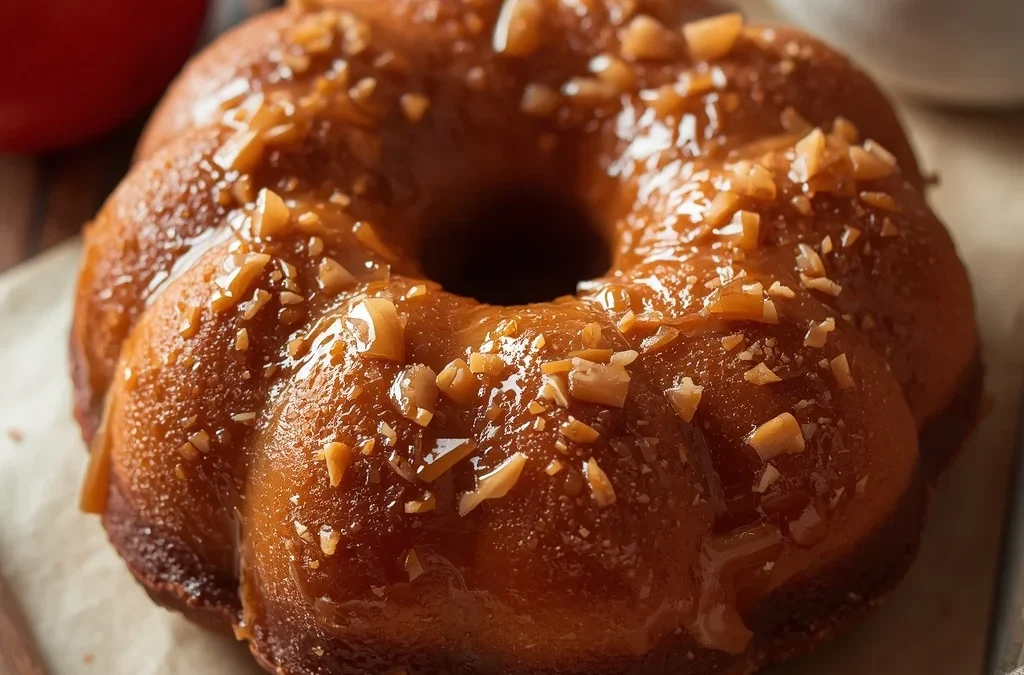
Cozy Apple Cider Doughnut Loaf Recipe
- Total Time: 1 hour 10 minutes
- Yield: 1 loaf (10 slices) 1x
- Diet: Vegetarian
Description
At its core, a cozy apple cider doughnut loaf is a brilliant culinary hybrid designed for anyone who loves autumnal flavors but wants to skip the mess of deep-frying. Traditional apple cider doughnuts are legendary for their cakey texture and spiced exterior, but they require rolling, cutting, and dealing with large pots of hot oil. This loaf version takes those identical, beloved flavor profiles and reimagines them into a user-friendly quick bread.
Ingredients
For the loaf
- 2 cups (250 g) all-purpose flour
- 1½ tsp baking powder
- ½ tsp baking soda
- ½ tsp salt
- 1½ tsp ground cinnamon
- ¼ tsp ground nutmeg
- ½ cup (113 g) unsalted butter, melted and cooled
- ¾ cup (150 g) brown sugar
- ¼ cup (50 g) granulated sugar
- 2 large eggs
- 1 tsp vanilla extract
- ¾ cup apple cider (reduced for stronger flavor if desired)
- ½ cup sour cream or plain Greek yogurt
- 1 apple, peeled and finely diced (optional but recommended)
Cinnamon-sugar topping
- 2 tbsp melted butter
- ¼ cup granulated sugar
- 1 tsp ground cinnamon
Instructions
- Preheat the oven to 350°F (175°C). Grease and line a 9×5-inch loaf pan.
- Mix dry ingredients: Whisk together the flour, baking powder, baking soda, salt, cinnamon, and nutmeg.
- Mix wet ingredients: In another bowl, whisk the melted butter, brown sugar, granulated sugar, eggs, vanilla, apple cider, and sour cream until smooth.
- Combine: Fold the dry ingredients into the wet mixture just until combined. Stir in the diced apple if using.
- Bake: Pour the batter into the prepared pan and bake for 50–60 minutes, or until a toothpick inserted in the center comes out with only a few moist crumbs.
- Cool: Let the loaf cool in the pan for 10–15 minutes, then remove to a wire rack.
- Add the topping: Brush the warm loaf with melted butter. Mix the cinnamon and sugar together and generously coat the loaf.
Notes
There’s nothing better than the aroma of apple cider and warm cinnamon filling the kitchen. This loaf is perfect for slow mornings, afternoon coffee breaks, or sharing with family and friends.
- Prep Time: 15 minutes
- Cook Time: 55 minutes
- Category: Dessert
- Method: Baking
- Cuisine: American
Nutrition
- Serving Size: 1 slice
- Calories: 290 kcal
