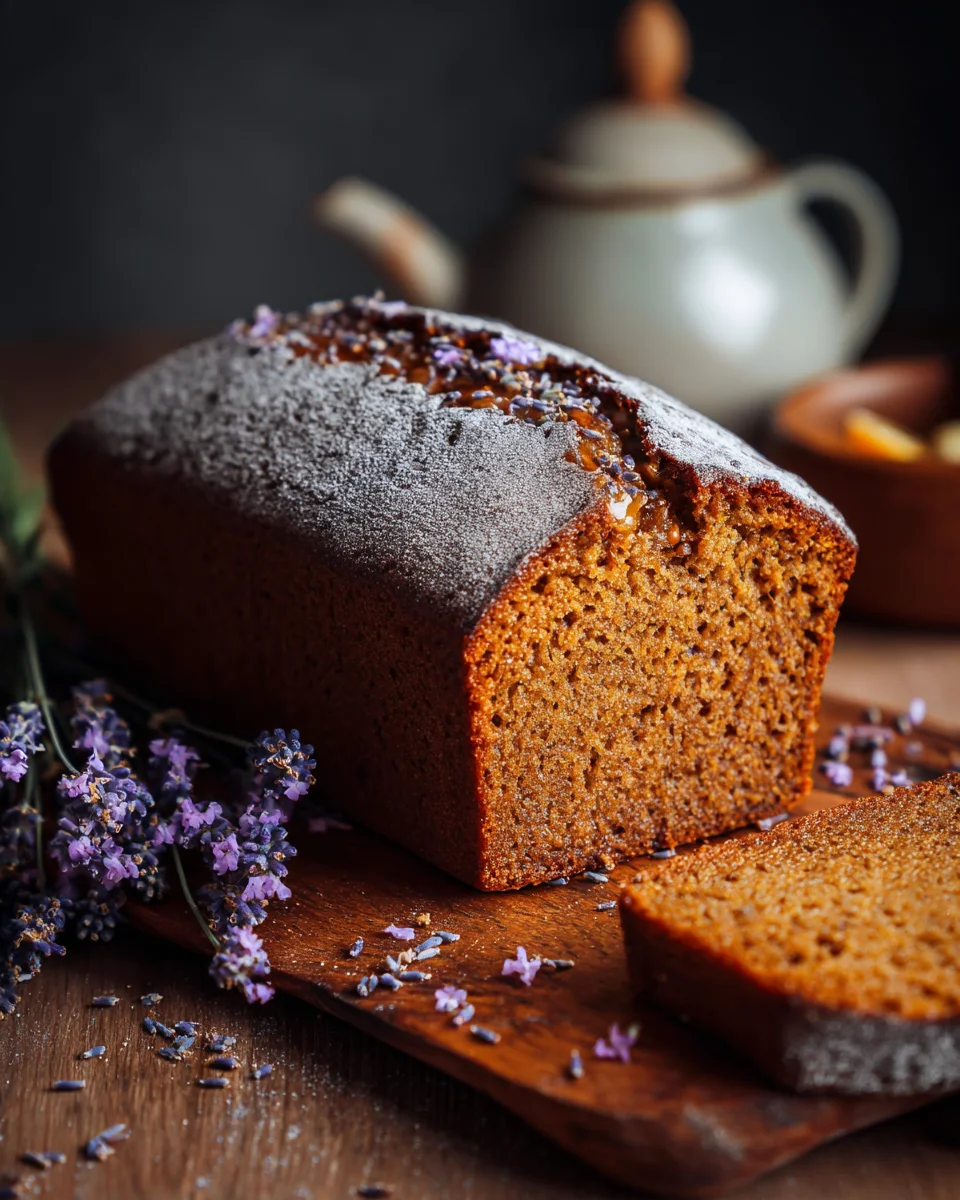
There is something inherently therapeutic about the ritual of afternoon tea, but combining those comforting beverage notes directly into a baked treat takes relaxation to a whole new level. When you want a decadent sweet but do not want a massive cake sitting on your counter tempting you for a whole week, a downsized dessert is the absolute perfect solution. This elegant and thoroughly comforting small batch earl grey lavender loaf cake is specifically designed for those quiet, cozy moments when you want a high-quality pastry without a mountain of leftovers.
It perfectly balances the deep, citrusy, and robust notes of classic black tea with the gentle, calming, floral essence of culinary blossoms. The resulting cake boasts an incredibly tender, tight crumb that melts beautifully in your mouth, capped off with a sweet, milky glaze that visually catches the eye and delights the palate. This guide will walk you through exactly how to craft this mini masterpiece from scratch, ensuring a flawless bake that easily rivals the pastry case of any boutique metropolitan café.
What is a Small Batch Earl Grey Lavender Loaf Cake?
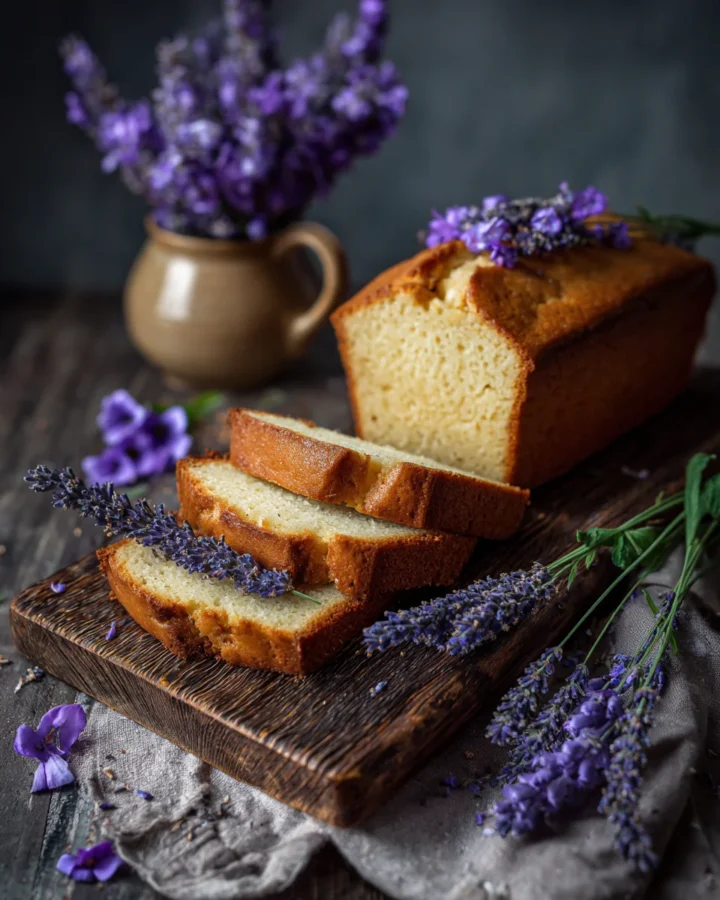
To truly appreciate this bake, it is helpful to look at how these distinct flavor components interact within a smaller baking format. This particular dessert is a scaled-down quick bread that infuses standard cake batter with milk that has been thoroughly steeped with whole tea leaves and purple floral buds. Instead of relying on artificial extracts or flavorings, the recipe extracts the natural oils and aromatics directly from the raw ingredients.
Earl grey tea is uniquely famous for being flavored with the essential oil of bergamot orange rind, giving it a distinctive smoky and bright citrus profile. When paired with the sweet, herbaceous notes of dried blossoms, the two ingredients create a sophisticated flavor pairing that is neither overly soapy nor unpleasantly bitter. The small batch designation means the ingredient ratios are explicitly balanced for a smaller baking pan, ensuring the cake rises perfectly, cooks evenly across the center, and retains its moist texture without drying out.
The Elegant Origin of earl grey lavender loaf cake
The practice of incorporating tea and aromatic flowers into baked goods dates back centuries and has deep roots in European, particularly British, culinary history. During the Victorian era, the afternoon tea ritual evolved from a simple bridge between lunch and dinner into an elaborate social affair filled with delicate finger sandwiches, scones, and small sweet breads.
Bakers during this period frequently experimented with adding popular household tea blends and garden herbs directly into their cake batters to impress guests and mirror the flavors of the hot beverages being served. Earl grey tea itself was famously named after Charles Grey, the second Earl Grey and British Prime Minister in the early nineteenth century, who received a gift of black tea flavored with bergamot oil. Over the decades, modern bakers have combined this classic British tea culture with the timeless French countryside tradition of using wild lavender in sweet desserts. This modern recipe brings those historical worlds together in a contemporary, accessible format that pays homage to old-world sophistication while remaining perfectly simple to execute at home.
Essential Ingredients with Exact Quantity Requirements: earl grey lavender loaf cake
To achieve the ultimate melt in your mouth texture and a perfectly balanced aromatic profile, measuring your components precisely is paramount. Because this is a scaled-down recipe, even a minor variance in flour or liquid can dramatically alter the final texture of your loaf.
Ingredients Required for the Cake Batter
-
Whole milk: One half cup, which will serve as the liquid vehicle to extract the full flavor of your loose tea leaves and blossoms.
-
Earl grey tea bags: Two high quality tea bags, or an equivalent of two teaspoons of loose leaf tea if you prefer to use a tea infuser.
-
Culinary dried lavender: One half teaspoon of dried buds. It is absolutely vital that you use culinary grade blooms to avoid an unpleasantly bitter or heavily medicinal taste.
-
Unsalted butter: One quarter cup, which must be completely softened to room temperature so it incorporates smoothly into the white sugar.
-
Granulated sugar: One half cup of fine white sugar to sweeten the loaf and keep the crumb delightfully moist.
-
Large egg: One single large egg, preferably brought to room temperature before mixing to ensure a stable batter emulsion.
-
Vanilla extract: One teaspoon of pure vanilla extract to add warmth and ground the floral notes.
-
All-purpose flour: One full cup, measured carefully using the spoon and level method to avoid a heavy or dry cake.
-
Baking powder: One teaspoon to give our compact loaf its gentle, uniform rise and airy internal structure.
-
Salt: One quarter teaspoon of fine table salt to balance the sweetness and amplify the complex tea and citrus notes.
Ingredients Required for the Optional Sweet Glaze
-
Powdered sugar: One half cup of confectioners sugar, sifted if necessary to eliminate any hard lumps.
-
Whole milk: One to two tablespoons, added slowly to reach your preferred thick drizzle consistency.
-
Vanilla extract: One quarter teaspoon to echo the warm vanilla tones present within the cake itself.
-
Culinary lavender: A small pinch, finely crushed between your fingertips, to use as an elegant visual garnish across the top of the glazed loaf.
Step by Step Direction and Preparation Method: earl grey lavender loaf cake
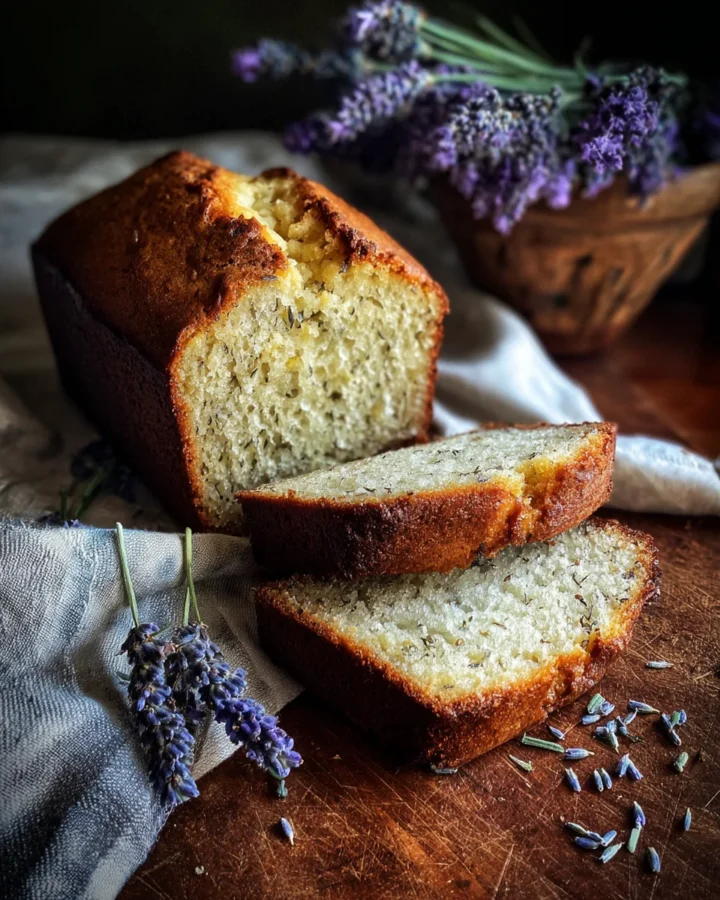
Precision and patience are your best friends when dealing with delicate floral flavors. Follow these detailed steps to properly infuse your liquids, mix your batter, and bake your small loaf to absolute perfection.
Infusing the Baking Liquid
The first and most critical stage of this recipe involves transferring the deep aromatics of the tea and herbs into your liquid base. Pour your one half cup of whole milk into a small saucepan and place it over medium low heat. Watch the pan carefully; you want the milk to become thoroughly warm and steaming, but you must prevent it from reaching a rolling boil or scalding on the bottom of the pan.
Once the milk is hot, remove the saucepan completely from the stove burner. Drop in your two earl grey tea bags and add the one half teaspoon of dried culinary blossoms. Stir the mixture gently, then cover the pan with a lid and allow the ingredients to steep undisturbed for ten full minutes. After the steeping time has concluded, remove the tea bags, making sure to gently squeeze them to extract all the concentrated flavor. Pour the milk through a fine mesh strainer into a small glass to remove the spent lavender buds, then set the beautifully tinted liquid aside to cool down until it is just lukewarm.
Preparing the Oven and Baking Pan
While your infused milk is cooling, take a moment to set up your kitchen environment. Preheat your baking oven to three hundred and fifty degrees. Prepare your small loaf pan, which should measure approximately five inches by three inches. Grease the inside surfaces thoroughly with a small bit of extra butter or nonstick baking spray, then line the bottom and long sides with a strip of parchment paper. Leaving a bit of overhang with the parchment paper creates a convenient sling that will allow you to easily lift the delicate baked cake out of the pan later without risking any breakage.
Creaming the Fats and Sugars
In a medium sized mixing bowl, combine your one quarter cup of completely softened unsalted butter and your one half cup of white granulated sugar. Using a hand held electric mixer on medium high speed, beat the two ingredients together for roughly three to four minutes. You want to continue this process until the butter looks remarkably light, fluffy, and pale yellow. Properly creaming your butter and sugar creates tiny air pockets that work in tandem with the baking powder to give the cake a beautiful, tender rise.
Building the Wet Emulsion
Once the butter mixture is fluffy, drop in your single large egg along with the one teaspoon of vanilla extract. Turn your mixer down to medium speed and beat the ingredients until they are fully integrated and smooth. The batter should look uniform and slightly thickened. If the mixture appears slightly curdled, do not worry; it will smooth out completely once we introduce our dry structured ingredients.
Combining and Alternating the Ingredients
In a separate dry bowl, whisk together your one cup of all purpose flour, one teaspoon of baking powder, and one quarter teaspoon of salt until the leavening agent is perfectly distributed. To ensure the smoothest possible batter without overworking the flour, you will want to add the dry ingredients and the infused tea milk to the butter mixture in alternating phases.
Add roughly one third of your flour mixture to the wet ingredients and mix on the lowest speed just until the flour begins to disappear. Next, pour in about half of your cooled, infused milk, stirring gently. Repeat this pattern, adding another third of the flour, followed by the remaining liquid, and finishing with the final portion of the flour mixture. Mix the batter only until the ingredients are just combined and no large pockets of dry flour remain. Overmixing at this stage will develop the gluten proteins in the flour, turning your delicate quick bread into a dense, gummy, and tough loaf.
Baking the Mini Loaf
Carefully pour the thick, fragrant batter into your prepared small loaf pan, using a flexible rubber spatula to scrape every last bit from the bowl. Smooth the top surface of the batter with the back of a spoon so it bakes evenly. Place the pan on the center rack of your preheated oven and bake for thirty to thirty five minutes.
Because small batch baking pans can vary slightly in depth and material, start checking the progress of your cake around the twenty eight minute mark. Insert a clean wooden toothpick directly into the thickest part of the center of the loaf. When the cake is perfectly done, the toothpick should come out completely clean or with just a few moist, crumbly specks attached. The edges should be golden brown and beginning to pull away slightly from the sides of the pan.
The Critical Cooling Process
Remove the pan from the oven and set it on a heat resistant surface. Allow the loaf to rest undisturbed inside the warm pan for exactly ten minutes. This brief resting period allows the delicate structure of the cake to firm up slightly. After ten minutes, use your parchment paper sling to carefully lift the cake out of the pan and transfer it directly onto a wire cooling rack. Let the cake cool completely to room temperature before attempting to apply the optional glaze, otherwise the residual heat will melt the sugar and cause it to run straight off the sides.
Mixing and Applying the Floral Glaze
If you choose to finish your cake with an elegant sweet topping, whisk together your one half cup of sifted powdered sugar, one quarter teaspoon of vanilla extract, and one tablespoon of whole milk in a small bowl. Whisk vigorously until the sugar dissolves into a thick, glossy, opaque white liquid. If the glaze feels too thick to pour, add a few more drops of milk. If it feels too runny, stir in an extra spoonful of powdered sugar. Drizzle the glaze artfully across the top of your completely cooled cake, then immediately scatter a tiny pinch of finely crushed dried lavender buds over the wet sugar so they stick beautifully.
Creative Variations to Customize Your Loaf
Once you have mastered this classic floral recipe, you can easily adapt the flavor profile to suit different seasons or personal preferences. Here are a few outstanding variations that elevate the flavor matrix even further.
The Citrus Burst Variation
If you want to emphasize the bright, fruity bergamot notes present within the black tea, try adding the finely grated zest of one fresh lemon or a small orange directly into the sugar before you cream it with the butter. Use your fingertips to rub the citrus zest into the sugar grains; this releases the essential oils and infuses the entire cake with a vibrant, sunny citrus aroma that beautifully complements the lavender notes. You can also replace the milk in the glaze with fresh lemon juice for a tart, punchy finish.
The Indulgent Earl Grey Honey Variation
For a deeper, more rustic sweetness that calls to mind a steaming mug of tea sweetened by the hive, substitute two tablespoons of the granulated white sugar in the cake batter with an equal amount of high quality raw honey. Honey acts as a natural humectant, meaning it draws in moisture from the air, keeping your small batch loaf incredibly soft and fresh for several days after baking.
The Earl Grey Latte Inversion
To create a richer flavor profile that mimics a popular coffee shop tea latte, swap out the traditional vanilla extract for an equivalent amount of almond extract in the batter. The warm, nutty flavor of almond provides a gorgeous backdrop for the smoky tea leaves and floral notes, creating a complex flavor dynamic that feels deeply luxurious.
Frequently Asked Questions: earl grey lavender loaf cake
Can I use regular lavender from my outdoor home garden?
You should only use lavender from your garden if you are absolutely certain it is a culinary variety, such as English lavender, and has never been treated with chemical pesticides or topical fertilizers. Ornamental varieties found in standard flower beds often contain much higher concentrations of natural oils, which can give your baked goods an overwhelming, soapy taste that completely ruins the subtle flavor of the tea.
Why did my small batch cake sink directly in the center?
One of three common issues typically causes a cake to sink in the middle. First, opening the oven door too early during the baking cycle can cause a sudden temperature drop that collapses the fragile rising structure before it has fully set. Second, using expired baking powder will prevent the loaf from holding its lift. Finally, adding too much liquid or overmeasuring the sugar can weigh down the crumb, causing the middle to collapse under its own weight.
How should I store my leftover earl grey lavender loaf cake to keep it moist?
Because this is a small batch recipe yielding roughly six to eight slices, it usually disappears quickly. However, if you have leftovers, store the loaf in a tightly sealed airtight container at room temperature for up to three days. Avoid storing the cake in the refrigerator, as the cold moving air will rapidly draw out the internal moisture and leave you with a dry, stale texture.
Can I double earl grey lavender loaf cake to fit a standard full sized loaf pan?
Yes, you can easily double all of the ingredient quantities listed above to bake a standard nine inch by five inch loaf cake. If you choose to expand the recipe to a full sized pan, you will need to extend the total baking time in your oven to approximately fifty to sixty minutes to ensure the larger volume of batter cooks thoroughly all the way through to the center.
Conclusion: earl grey lavender loaf cake
Mastering the delicate art of floral baking is an incredibly rewarding milestone for any passionate home cook, and this small batch earl grey lavender loaf cake offers the absolute perfect canvas for your culinary experimentation. By carefully infusing your liquids and respecting the delicate balance of aromatic herbs, you can transform a few simple pantry staples into a highly sophisticated, beautifully fragrant dessert that satisfies your sweet tooth without overwhelming your kitchen with excessive leftovers. It is a testament to the fact that thoughtful ingredient pairings and precise execution can elevate humble home baking into an elegant culinary art form.
Print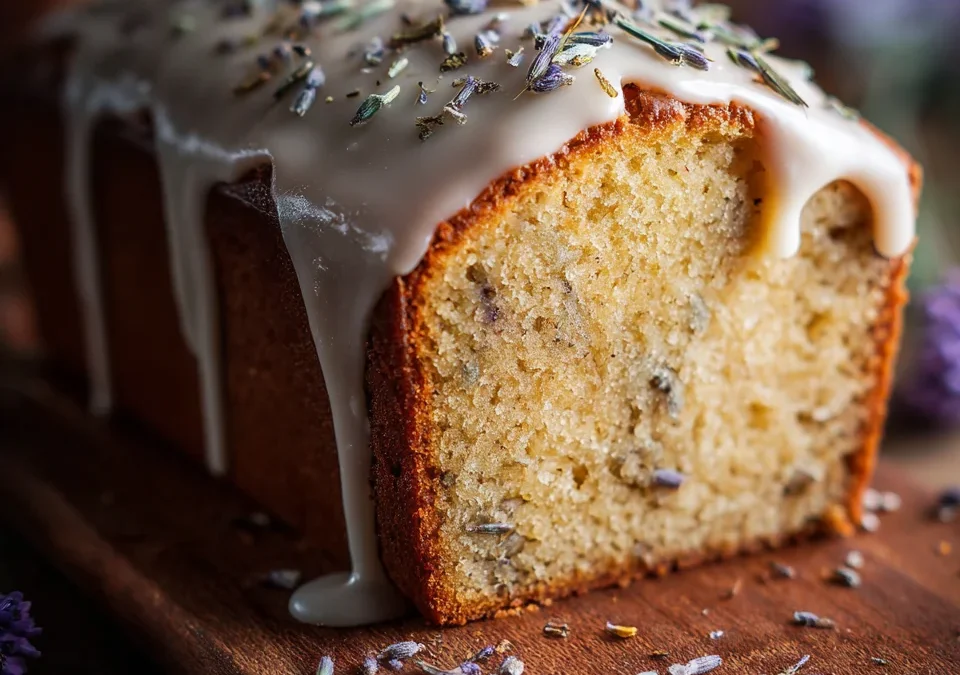
The Ultimate Small Batch Earl Grey Lavender Loaf Cake Recipe
- Total Time: 50 minutes
- Yield: 6–8 slices 1x
- Diet: Vegetarian
Description
To truly appreciate this bake, it is helpful to look at how these distinct flavor components interact within a smaller baking format. This particular dessert is a scaled-down quick bread that infuses standard cake batter with milk that has been thoroughly steeped with whole tea leaves and purple floral buds. Instead of relying on artificial extracts or flavorings, the recipe extracts the natural oils and aromatics directly from the raw ingredients.
Ingredients
For the Cake
- ½ cup (120 ml) milk
- 2 Earl Grey tea bags
- ½ tsp culinary dried lavender
- ¼ cup (57 g) unsalted butter, softened
- ½ cup (100 g) granulated sugar
- 1 large egg
- 1 tsp vanilla extract
- 1 cup (125 g) all-purpose flour
- 1 tsp baking powder
- ¼ tsp salt
For the Glaze (Optional)
- ½ cup (60 g) powdered sugar
- 1–2 tbsp milk
- ¼ tsp vanilla extract
- Pinch of culinary lavender, finely crushed
Instructions
- Preheat the oven to 350°F (175°C). Grease and line a small loaf pan (approximately 5 x 3 inches).
- Heat the milk until warm but not boiling. Add the Earl Grey tea bags and lavender. Steep for 10 minutes, then remove the tea bags and strain out the lavender. Let cool slightly.
- In a mixing bowl, cream together the butter and sugar until light and fluffy.
- Beat in the egg and vanilla extract until combined.
- In a separate bowl, whisk together the flour, baking powder, and salt.
- Add the dry ingredients to the butter mixture in three additions, alternating with the infused milk. Mix just until combined.
- Pour the batter into the prepared loaf pan and smooth the top.
- Bake for 30–35 minutes, or until a toothpick inserted in the center comes out clean.
- Allow the cake to cool in the pan for 10 minutes before transferring it to a wire rack to cool completely.
- If desired, whisk together the glaze ingredients and drizzle over the cooled cake before serving.
Notes
- Prep Time: 15 minutes
- Cook Time: 35 minutes
- Category: Dessert
- Method: Baking
- Cuisine: British
Nutrition
- Serving Size: 1 slice
- Calories: 210 kcal
Keywords: small batch earl grey lavender loaf cake
