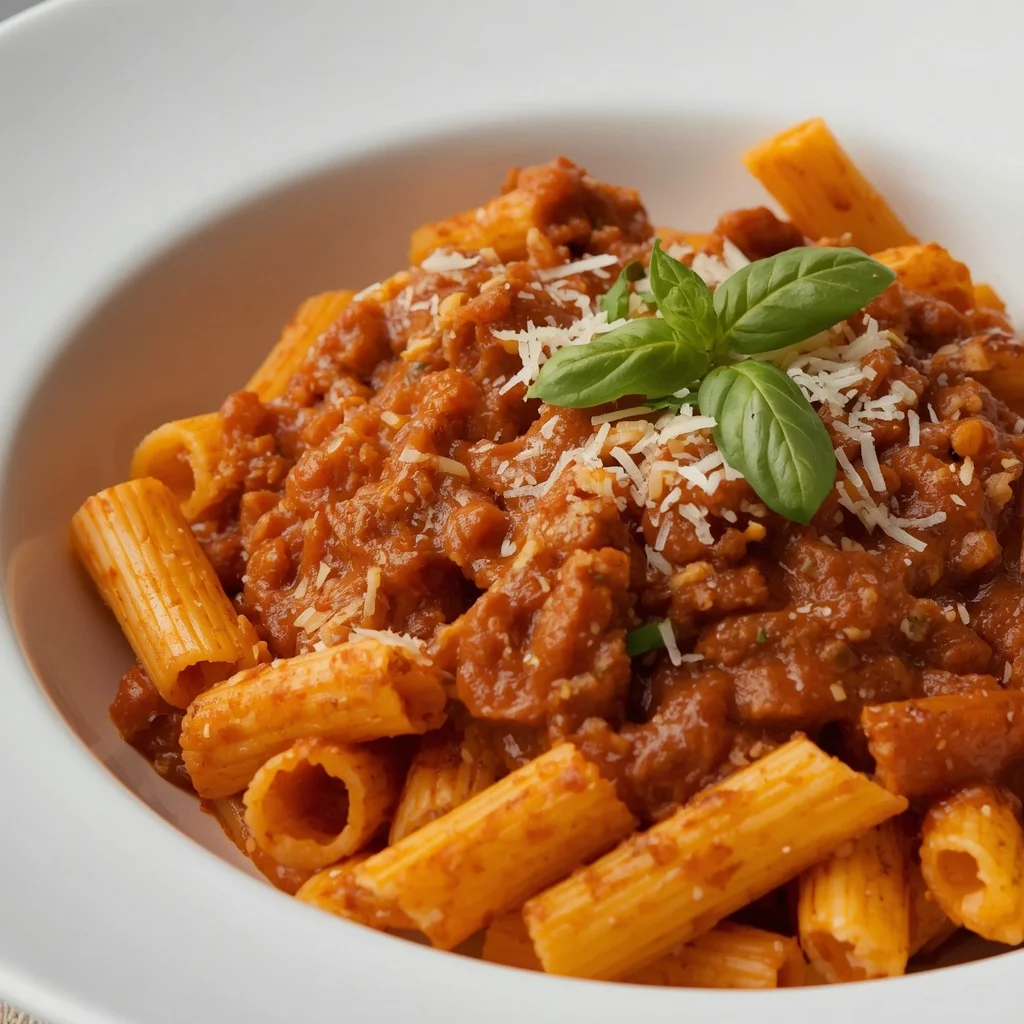
There is something extraordinarily comforting about sitting down to a steaming bowl of homemade pasta topped with a hearty, slow-cooked meat sauce. When you crave a meal that combines deep Italian flavors with simple preparation, mastering a traditional penne bolognese recipe is the absolute gold standard. This dish brings together tender tube pasta and a rich, savory ragu infused with aromatic vegetables, tomatoes, and ground beef. It is an absolute favorite for weeknight dinners, meal prepping, and cozy weekend feasts alike.
Unlike fast jarred sauces that rely heavily on excess sodium and artificial additives, making your own ragu from scratch unlocks an incredible depth of flavor. The meat turns wonderfully tender as it cooks alongside diced carrots, celery, and onions, while a dash of red wine and beef stock creates a silky, savory coating. Paired with penne pasta, the ridges and hollow centers of the noodles trap every bit of the thick sauce so that every single bite delivers maximum satisfaction.
In this complete guide, we will break down everything you need to know about preparing this timeless classic. You will learn about its historic origin, essential ingredients, step-by-step cooking methods, clever variations, and helpful answers to frequently asked questions.
What is a Penne Bolognese Recipe?
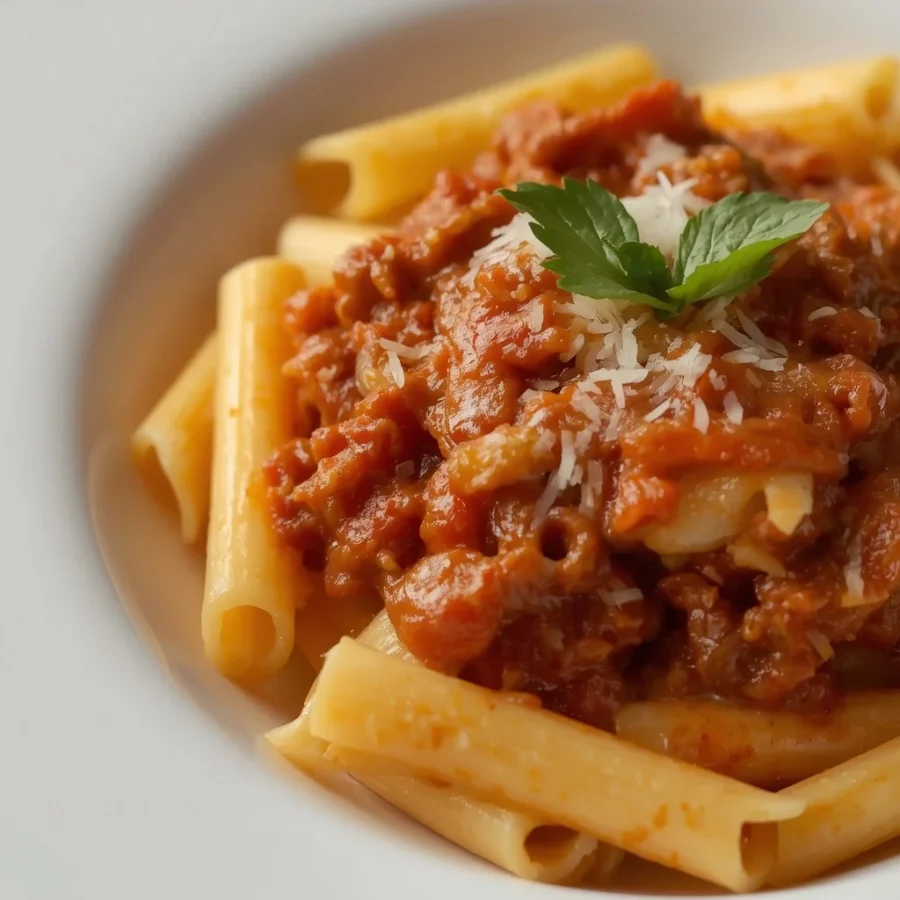
A penne bolognese recipe is an Italian-inspired pasta dish featuring penne noodles tossed in a slow-simmered, meat-based tomato sauce known as ragu alla Bolognese. While many fast pasta recipes focus primarily on acidic tomato purée, an authentic bolognese uses tomatoes merely as a supporting element to highlight tender ground meat and aromatic vegetables.
The choice of penne pasta plays a vital structural role in this recipe. Penne features cylindrical shapes with bias-cut ends, often textured with fine ridges along the outer walls. These specific ridges and hollow centers allow the thick, chunky beef sauce to cling effortlessly to the pasta rather than sliding off to the bottom of the bowl. The result is a harmonious balance where the pasta and sauce marry perfectly together.
Origin of the Classic Bolognese Ragu
To appreciate this dish fully, it helps to understand its origins in Northern Italy. The sauce originated in Bologna, the vibrant capital city of the Emilia-Romagna region. Historical records indicate that early iterations of meat-based ragu emerged during the late eighteenth century, initially served over fresh egg pasta like tagliatelle.
In traditional Italian cooking, regional customs strictly dictate which pasta shapes pair with specific sauces. In Bologna, ragu is traditionally served over broad tagliatelle or layered inside lasagne because wide surfaces hold heavy meat sauces best. However, as the dish traveled internationally across Europe and the Americas, tubular dried pastas like penne gained immense popularity due to their convenience and ability to capture chunky ingredients inside their hollow tubes.
Today, this non-traditional yet delicious pairing has earned a permanent place in home kitchens worldwide. It offers a comforting, accessible meal that honors old-world simmering methods while catering to modern busy lifestyles.
Ingredients and Exact Quantities: penne bolognese recipe
Creating an exceptional penne bolognese recipe relies on high-quality, whole ingredients. Using fresh aromatic vegetables alongside good ground beef ensures your sauce develops a rich, savory backbone during the simmering phase.
Primary Pasta and Meat Base
-
Penne pasta: Four hundred grams of dry penne pasta
-
Ground beef: Five hundred grams of quality ground beef
-
Olive oil: Two tablespoons of extra virgin olive oil
-
Yellow onion: One medium onion, finely chopped
-
Garlic: Two fresh garlic cloves, minced
-
Carrot: One medium carrot, finely diced
-
Celery: One celery stalk, finely diced
Sauces, Liquids, and Aromatics
-
Canned chopped tomatoes: Four hundred grams of canned chopped plum tomatoes
-
Tomato paste: Two tablespoons of concentrated tomato paste
-
Beef stock: One hundred and fifty milliliters of rich beef stock
-
Red wine: One hundred milliliters of dry red wine (optional, but adds great depth)
-
Dried oregano: One teaspoon of dried oregano
-
Dried basil: One teaspoon of dried basil
-
Salt: One half teaspoon of sea salt, or adjusted to personal taste
-
Black pepper: One half teaspoon of freshly ground black pepper
-
Granulated sugar: One teaspoon of granulated sugar (optional, used to balance acidity)
Garnish and Finishing Touches
-
Parmesan cheese: Fifty grams of freshly grated Parmesan cheese
-
Fresh herbs: A handful of fresh basil or flat-leaf parsley leaves for garnish
Step-by-Step Directions and Preparation Method
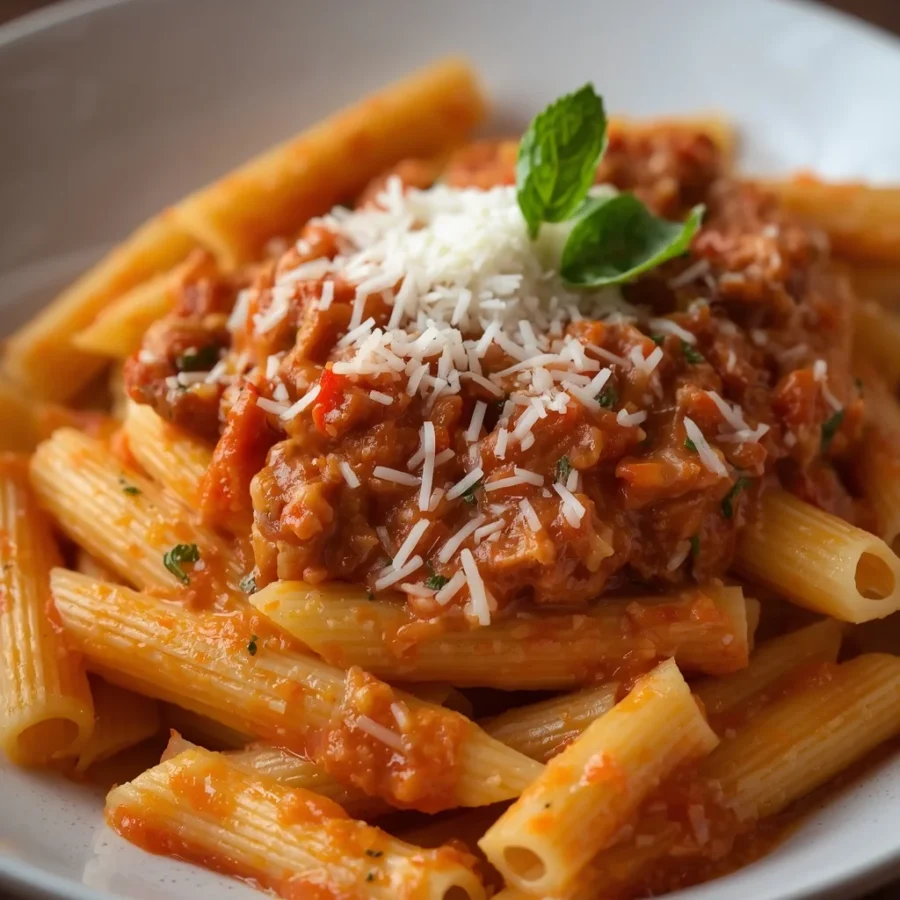
Preparing a restaurant-quality ragu requires patience during the initial vegetable softening and simmering stages. Follow these simple steps to build deep layers of flavor from scratch.
Cook the aromatic vegetable base
-
Set a large, heavy-bottomed pan or Dutch oven over medium heat and add two tablespoons of extra virgin olive oil.
-
Allow the oil to warm for one minute, then add the finely chopped yellow onion, diced carrot, and diced celery.
-
Cook the vegetable mixture for five to seven minutes, stirring occasionally with a wooden spoon. The vegetables should become soft, translucent, and sweet without burning.
Add garlic and brown the beef
-
Stir the minced garlic into the softened vegetables and cook for approximately thirty seconds until fragrant.
-
Add the five hundred grams of ground beef directly into the pan.
-
Cook the meat over medium-high heat for seven to ten minutes. Use your wooden spoon to break the beef apart into fine pieces as it browns evenly.
Build the rich tomato sauce
-
Stir two tablespoons of tomato paste into the browned meat and vegetable mixture, cooking for two minutes to intensify its flavor.
-
Pour in one hundred milliliters of dry red wine if using, scraping up any browned bits stuck to the bottom of the pan as the liquid bubbles.
-
Add four hundred grams of canned chopped tomatoes and one hundred and fifty milliliters of beef stock.
-
Sprinkle in the dried oregano, dried basil, salt, and freshly ground black pepper, stirring everything until well combined.
Simmer for flavor development
-
Bring the sauce mixture to a gentle boil over medium heat.
-
Reduce the heat down to low so that the liquid barely bubbles.
-
Leave the pan uncovered and let the sauce simmer gently for twenty-five to thirty minutes, stirring occasionally.
-
Taste the sauce near the end of cooking. Stir in one teaspoon of granulated sugar if the tomatoes taste overly sharp or acidic.
Cook the penne pasta
-
Bring a large pot of salted water to a rolling boil while the sauce finishes simmering.
-
Add four hundred grams of penne pasta to the boiling water.
-
Cook according to the package instructions until the pasta reaches an al dente texture, meaning it remains slightly firm to the bite.
-
Carefully scoop out roughly one half cup of starchy pasta water before draining the noodles.
Combine pasta with sauce
-
Transfer the drained penne pasta directly into the pan with the simmering meat sauce.
-
Toss the noodles gently to coat every piece thoroughly in ragu.
-
Pour in a small splash of the reserved starchy pasta water if the sauce appears too thick. The starch helps the sauce cling smoothly to the pasta.
Plate and garnish
-
Divide the warm pasta evenly among four shallow dinner bowls.
-
Top each serving with freshly grated Parmesan cheese and chopped fresh basil or parsley. Serve immediately while hot.
Pro Cooking Tips for Superior Results
To take your penne bolognese recipe to the next level, keep these expert cooking techniques in mind:
-
Finely dice your soffritto: The combination of onion, carrot, and celery is known in Italian cooking as a soffritto. Dicing these vegetables very small allows them to melt seamlessly into the sauce during cooking rather than leaving large crunchy chunks behind.
-
Do not skip the paste: Cooking the tomato paste briefly with the browned meat before adding liquids caramelizes its natural sugars, creating a deeper color and rich savory base.
-
Embrace a longer simmer: While thirty minutes produces a fantastic meal, letting the sauce simmer over very low heat for an hour or more renders the meat exceptionally tender and yields an even richer flavor.
-
Always cook pasta al dente: Overcooked, mushy pasta cannot hold heavy sauces well. Keeping the penne slightly firm allows it to finish absorbing the flavorful liquid without breaking down.
Flavor Variations and Recipe Adaptations: penne bolognese recipe
One of the best aspects of this recipe is its versatility. You can easily adapt the main components to suit different dietary preferences or ingredient availability.
Three-Meat Ragu Twist
For an authentic Italian flavor profile, replace half of the ground beef with ground pork or Italian sausage. The extra fat content in ground pork adds remarkable richness and a soft texture to the finished sauce.
Creamy Bolognese Variation
Near the final ten minutes of simmering, stir in three tablespoons of whole milk or heavy cream. Adding dairy mellows the tomato acidity, tenderizes the meat proteins, and gives the ragu a beautiful light orange hue and silky mouthfeel.
Mushroom and Vegetable Boost
If you want to incorporate extra vegetables, add finely chopped cremini or portobello mushrooms alongside the carrots and celery. Mushrooms absorb the savory seasonings and provide an earthy flavor that complements the ground beef wonderfully.
Gluten-Free Adaptations
Swap standard wheat penne for your favorite gluten-free penne made from brown rice, corn, or chickpea flour. Ensure your beef stock is certified gluten-free as well to keep the entire dish completely safe for gluten sensitivities.
Storage and Meal Prep Guidance: penne bolognese recipe
This dish is famously meal-prep friendly. In fact, many home cooks argue that meat sauce tastes even better the next day after the flavors have had time to meld together in the refrigerator.
-
Refrigeration: Store leftover sauce and pasta in an airtight container in the refrigerator for up to four days.
-
Freezing the sauce: If you want to plan meals far in advance, prepare double the amount of meat sauce and let it cool completely. Transfer portions into freezer-safe containers or bags and freeze for up to three months. Thaw overnight in the fridge before reheating.
-
Reheating instructions: Warm leftover pasta and sauce in a saucepan over medium-low heat with a small splash of water or broth to loosen the sauce. Alternatively, microwave individual portions in thirty-second bursts, stirring in between.
Frequently Asked Questions: penne bolognese recipe
Why is my bolognese sauce too acidic?
Canned tomatoes can sometimes impart a sharp acidity depending on the brand used. To fix this, stir in a small teaspoon of granulated sugar or a tiny pinch of baking soda near the end of cooking. Adding a splash of whole milk also neutralizes sharp acid efficiently.
Can I make penne bolognese recipe without red wine?
Yes, you can easily leave out the red wine without ruining the dish. Simply replace the wine with an equal amount of additional beef stock mixed with a teaspoon of balsamic vinegar to maintain a rich depth of flavor.
Why should I reserve pasta water before draining?
Starchy pasta water is a secret weapon in Italian cooking. When tossed with pasta and sauce, the starch acts as an emulsifier that binds the oil and tomato liquid together, helping the sauce stick to the smooth surface of the penne.
Conclusion: penne bolognese recipe
Mastering a classic penne bolognese recipe is an indispensable skill for anyone who loves hearty, comforting meals. By taking the time to sauté fresh aromatics, brown quality ground beef, and let the tomato sauce simmer gently, you create a dish that easily surpasses store-bought alternatives. The ridges of the penne trap every bit of the thick meat sauce, delivering rich Italian flavor in every bite. Whether you stick strictly to the classic steps or experiment with cream and extra herbs, this comforting meal is bound to become a staple in your dinner rotation. Cook up a fresh batch tonight, sprinkle over plenty of Parmesan cheese, and enjoy a truly satisfying homemade dinner.
Print
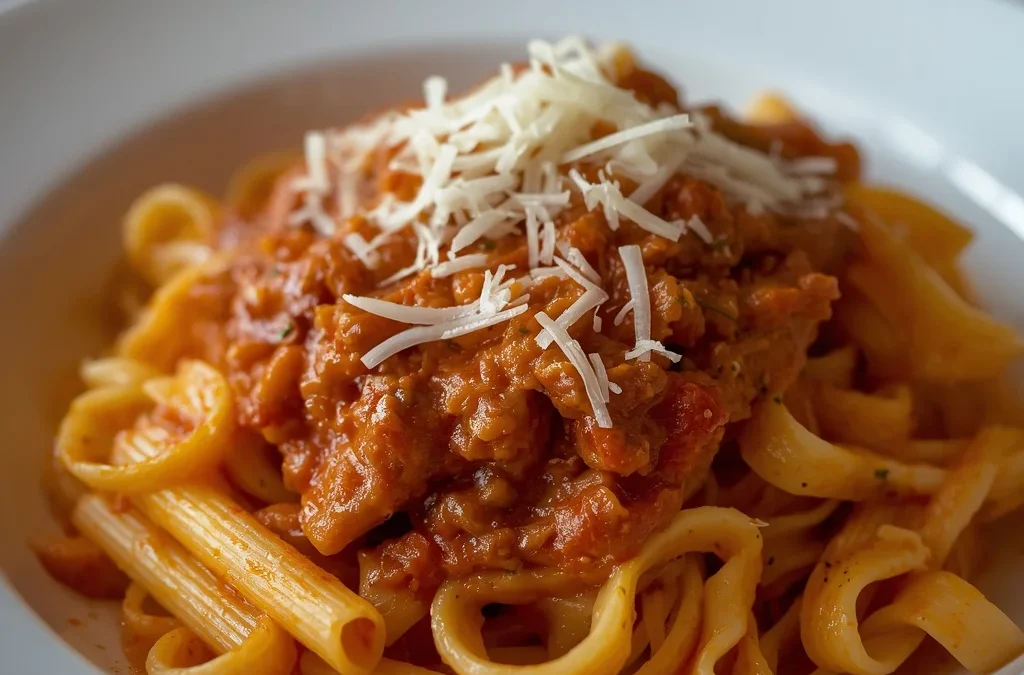
Ultimate Penne Bolognese Recipe
- Total Time: 55 minutes
- Yield: 4 servings 1x
Description
A penne bolognese recipe is an Italian-inspired pasta dish featuring penne noodles tossed in a slow-simmered, meat-based tomato sauce known as ragu alla Bolognese. While many fast pasta recipes focus primarily on acidic tomato purée, an authentic bolognese uses tomatoes merely as a supporting element to highlight tender ground meat and aromatic vegetables.
Ingredients
Scale
- 400 g penne pasta
- 500 g ground beef
- 2 tbsp olive oil
- 1 medium onion, finely chopped
- 2 garlic cloves, minced
- 1 carrot, finely diced
- 1 celery stalk, finely diced
- 400 g canned chopped tomatoes
- 2 tbsp tomato paste
- 150 ml beef stock
- 100 ml red wine, optional
- 1 tsp dried oregano
- 1 tsp dried basil
- ½ tsp salt, or to taste
- ½ tsp black pepper
- 1 tsp sugar, optional
- 50 g grated Parmesan cheese
- Fresh basil or parsley, for garnish
Instructions
- Cook the vegetables: Heat olive oil in a large pan over medium heat. Add the onion, carrot, and celery. Cook for 5–7 minutes until softened.
- Add garlic and beef: Add the garlic and cook for 30 seconds. Add the ground beef and cook for 7–10 minutes, breaking it apart with a spoon, until browned.
- Build the sauce: Stir in the tomato paste, then add the chopped tomatoes, beef stock, and red wine if using. Add oregano, basil, salt, and pepper.
- Simmer: Bring the sauce to a gentle simmer. Reduce the heat and cook uncovered for 25–30 minutes, stirring occasionally. Add the sugar if the sauce tastes too acidic.
- Cook the pasta: Meanwhile, cook the penne in a large pot of salted boiling water according to the package instructions until al dente. Reserve about ½ cup of pasta water, then drain.
- Combine: Add the cooked penne to the Bolognese sauce and toss well. Add a little reserved pasta water if the sauce is too thick.
- Serve: Divide among four plates and top with grated Parmesan and fresh basil or parsley.
Notes
- Prep Time: 15 minutes
- Cook Time: 40 minutes
- Category: Main Course
- Method: Stovetop
- Cuisine: Italian
Nutrition
- Serving Size: 1 serving
- Calories: 680 kcal
Keywords: penne pasta bolognese, homemade penne bolognese, penne ragu recipe, easy bolognese with penne
