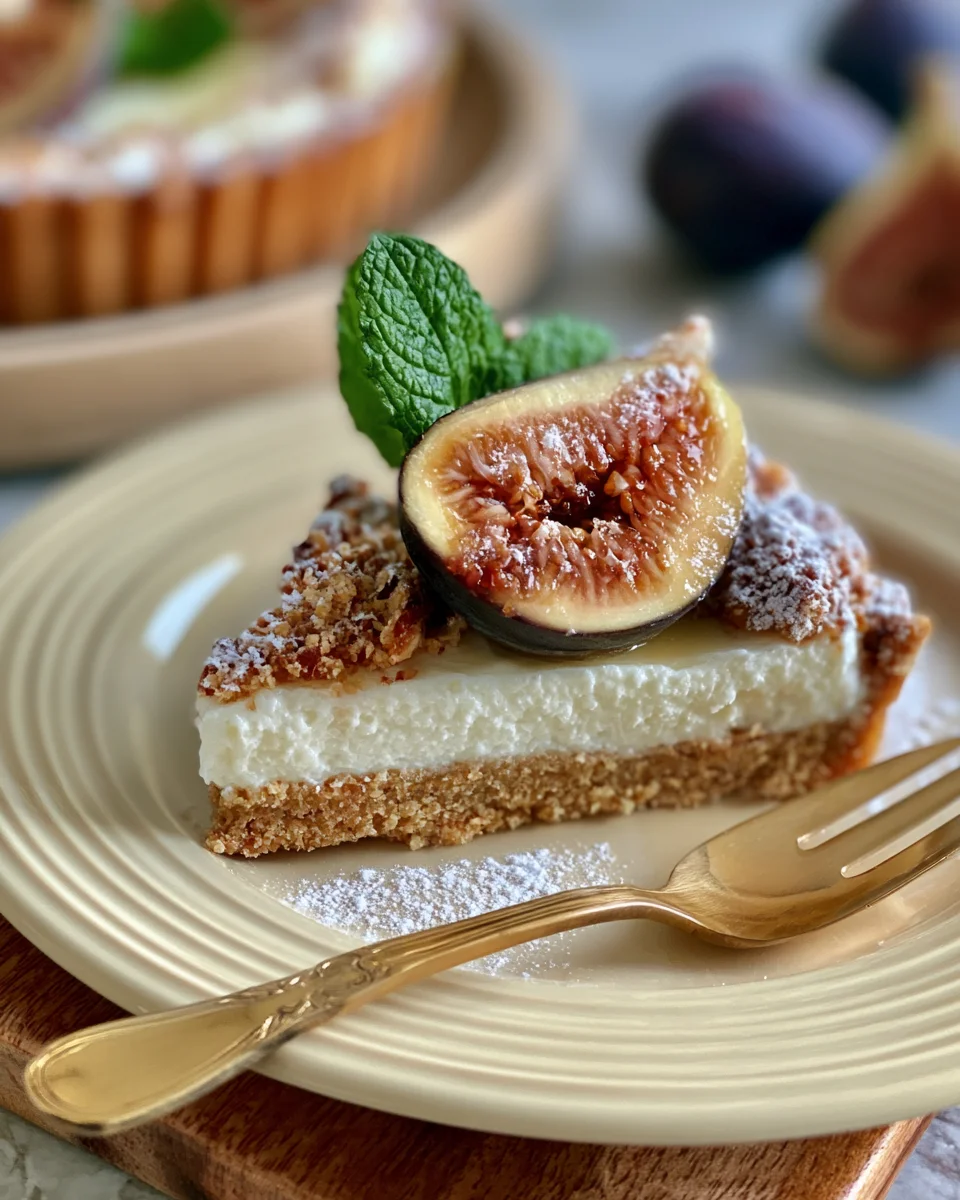
If you are searching for a dessert that effortlessly bridges the gap between rustic comfort and high-end culinary sophistication, look no further than this magnificent fermented honey fig and mascarpone tart. This recipe transforms simple, seasonal ingredients into a luxurious showstopper that will instantly elevate your baking repertoire. Combining the natural earthy sweetness of fresh fruit with the deep, complex notes achieved through wild fermentation, this dessert is designed to captivate your palate from the very first bite. It is a dish that speaks to the growing appreciation for artisanal techniques, offering an unforgettably rich experience that surpasses standard sweet pastries.
By layering deeply complex fermented fruit over a velvety, cloud-like cheese base, you create a beautiful harmony of textures and flavors. The buttery, crisp pastry shell acts as the ideal vessel, holding everything together while contributing a satisfying crunch. Whether you are aiming to impress guests at an elegant dinner gathering or you want to immerse yourself in a deeply rewarding weekend baking project, this pastry delivers on every level. It represents a thoughtful approach to modern dessert making, where patience yields extraordinary depth.
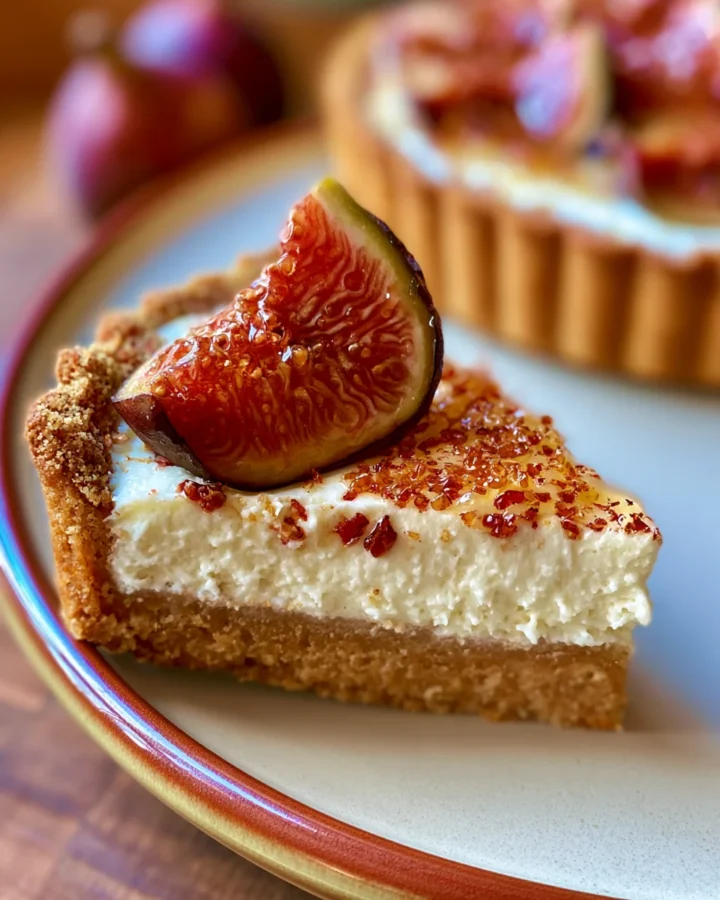
What is a Fermented Honey Fig and Mascarpone Tart?
At its core, a fermented honey fig and mascarpone tart is an elegant pastry that showcases the incredible flavor transformation that occurs when fresh fruit interacts with raw honey over time. Unlike standard fruit tarts that rely on heavy sugar glazes or quick stovetop compotes, this dessert relies on the gentle, natural magic of fermentation to create its signature profile. The star of the show is the sweet, slightly tangy fruit topping, which pairs masterfully with a thick, velvety Italian cheese filling.
The foundation of the dessert is a classic shortcrust pastry shell that mimics the texture of shortbread. Inside this shell sits a whipped filling made from rich Italian cream cheese, scented with fresh citrus zest and real vanilla. The entire creation is topped with sliced, honey-cured fruit and a drizzle of the resulting syrup, creating a beautiful contrast between the crisp pastry, the smooth dairy, and the glossy, decadent topping. It is a thoughtful study in flavor balance, ensuring that every slice is rich without feeling overwhelmingly heavy.
The Historical Origin of Fermented Fruit and Honey Tarts
To truly appreciate this modern creation, it helps to understand the historical journey of its primary components. Preserving fresh fruit in honey is an ancient culinary tradition that predates modern refrigeration by thousands of years. Early civilizations throughout the Mediterranean and the Middle East discovered that completely submerging seasonal fruits into raw honey prevented spoilage, allowing them to enjoy the harvest during the barren winter months. Over time, bakers realized that this preservation method did more than just save the fruit; it fundamentally altered and enhanced its texture and flavor profile.
As the fruit sat in the honey, natural wild yeasts present on the skins would initiate a very gentle fermentation process, breaking down complex sugars and introducing a subtle, complex acidity. When these ancient preservation methods met the refined pastry techniques of Western Europe, iconic desserts began to take shape. This recipe draws heavily on traditional Italian pastry philosophies, which frequently pair fresh or preserved summer fruits with rich, local dairy like fresh Italian cream cheese. By combining these time-tested traditions into a single cohesive pastry, we honor the ancient art of live-culture preservation while delivering a highly polished, contemporary dessert.
Ingredients Needed for Fermented Honey Fig and Mascarpone Tart
Creating this gourmet masterpiece requires a handful of high-quality ingredients. Because each component plays a critical role in the final flavor profile, sourcing the freshest fruit and high-fat dairy will make a noticeable difference in your results.
For the Fermented Fruit Component
-
Eight plump fresh figs, carefully quartered
-
One half cup of pure raw honey
-
One tablespoon of freshly squeezed lemon juice
-
One small whole cinnamon stick, which is completely optional
Shortcrust Pastry Shell
-
One and one quarter cups of standard all-purpose flour
-
One quarter cup of fine powdered sugar
-
One half teaspoon of fine sea salt
-
One half cup of very cold unsalted butter, cut into small cubes
-
One large egg yolk
-
Two to three tablespoons of ice-cold water
For the Velvety Cheese Filling
-
Two hundred and fifty grams of premium mascarpone cheese
-
One quarter cup of heavy whipping cream
-
Two tablespoons of fragrant liquid honey
-
One teaspoon of pure vanilla extract
-
The finely grated zest of one fresh lemon
For the Final Presentation and Garnish
-
Extra liquid honey for a final glossy drizzle
-
A handful of raw pistachios or almonds, finely chopped
-
A few sprigs of fresh thyme leaves, completely optional for an herbaceous touch
Mastering the Fermented Honey Fig and Mascarpone Tart Technique
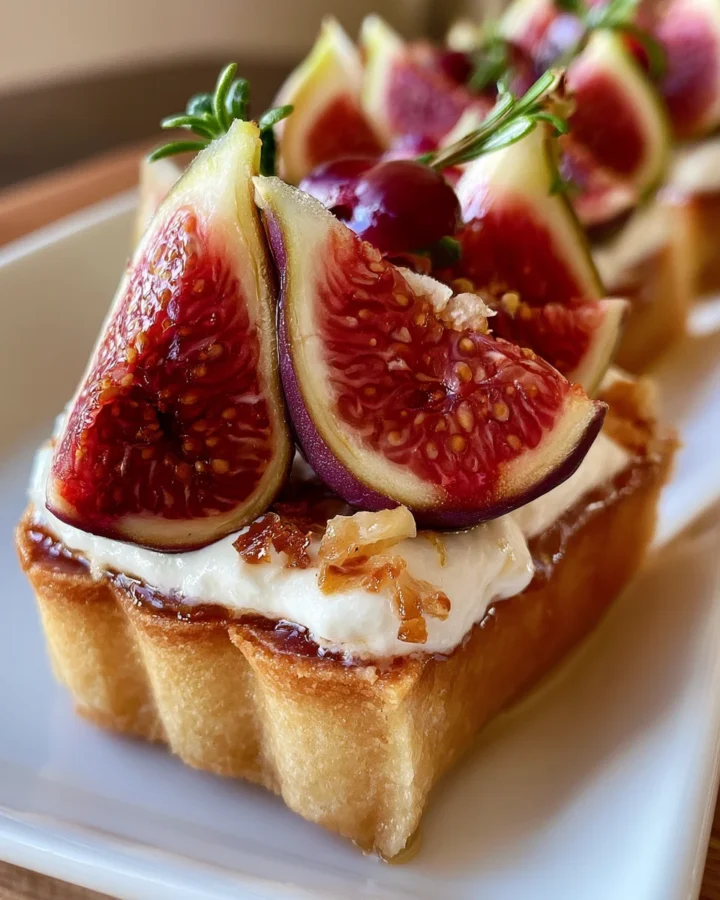
Creating this elegant dessert is a multi-step journey that requires a bit of foresight, particularly because the fruit requires time to steep and develop its unique flavor characteristics. Follow these comprehensive instructions closely to ensure your pastry shell remains beautifully crisp and your filling turns out perfectly smooth.
Activating the Honey Fermentation Process
The very first step of this recipe must be completed a few days before you intend to bake and assemble the pastry. Begin by thoroughly washing your fresh fruit, drying the skins gently with a paper towel, and slicing each one into clean quarters. Place the quartered pieces carefully inside a small, meticulously cleaned glass jar.
+------------------------------------------------------------------------+
|                      THE ESSENCE OF HONEY FERMENTATION                 |
+------------------------------------------------------------------------+
| Raw honey contains wild yeasts. When mixed with the natural moisture   |
| of fresh fruit, these yeasts awaken, creating a gentle, bubbly         |
| fermentation that introduces a complex, structural depth of flavor.    |
+------------------------------------------------------------------------+
Pour the half cup of raw honey and the tablespoon of fresh lemon juice directly over the fruit inside the jar. If you choose to use the optional cinnamon stick, slide it down into the jar now. Use a clean spoon to gently stir the mixture, ensuring that every piece of fruit is completely submerged and coated in liquid.
Cover the jar loosely with its lid; you want to allow gases to escape as the mixture develops. Leave the jar sitting at room temperature in a dark corner of your kitchen for two to three days. Once every day, give the jar a gentle stir or a swirl. By the second or third day, you will notice tiny bubbles forming around the edges and a delightfully fragrant, slightly floral aroma emerging. Once the mixture reaches this state, seal the lid tightly and place the jar into your refrigerator to slow down the process until you are ready to assemble your pastry.
Mixing and Baking the Shortcrust Pastry
In a large bowl, whisk together the flour, powdered sugar, and salt. Add the cold, cubed butter and work it into the dry ingredients using a pastry cutter or your fingertips until the mixture resembles coarse crumbs with a few small butter pieces remaining.
Mix the egg yolk with 2 tablespoons of ice water, then stir it into the flour mixture until the dough begins to come together. If needed, add the remaining ice water a little at a time. Shape the dough into a disc, wrap it, and chill for 30 minutes.
Roll the chilled dough on a lightly floured surface into a 12-inch circle. Transfer it to a 9-inch tart pan, gently pressing it into the base and sides. Trim any excess dough and prick the bottom with a fork. Chill the tart shell for another 15 minutes.
Bake in a preheated oven at 180°C (350°F) for 18–20 minutes, or until golden brown and fully baked. Remove from the oven and let the tart shell cool completely on a wire rack before filling.
Preparing the Whipped Mascarpone Layer
While your pastry shell is cooling down completely, you can quickly whip up the luxurious cream filling. In a medium mixing bowl, combine the fresh Italian cream cheese, the heavy whipping cream, two tablespoons of honey, the vanilla extract, and the finely grated lemon zest.
Using a hand mixer or a sturdy balloon whisk, beat the ingredients together on medium speed for roughly one to two minutes. You want to continue mixing just until the components are thoroughly combined and the mixture transforms into a smooth, fluffy, and spreadable consistency. Be careful not to overbeat the mixture, as excessive mixing can cause the heavy dairy fat to separate and turn grainy. Once it looks perfectly smooth and holds its shape, set the bowl aside.
Assembling and Garnishing Your Pastry Masterpiece
Now that all your individual components are ready, you can begin the joyful process of assembly. Take your cooled pastry shell and use a spatula to spread the whipped cheese filling evenly across the bottom, smoothing out the top surface to create a clean, uniform layer.
Carefully lift the fermented fruit quarters out of their honey syrup using a slotted spoon or a pair of tongs. Arrange the fruit pieces in a beautiful, concentric circular pattern over the top of the cheese filling, pressing them down very gently so they nestle into the cream. Once the fruit is artfully arranged, take a spoon and drizzle a few tablespoons of the remaining fermented honey syrup directly over the top of the fruit and cream.
For the final aesthetic and textural touch, scatter your finely chopped pistachios or almonds evenly across the surface. If you are using fresh thyme, strip the tiny leaves from their stems and sprinkle them sparingly over the tart. The green color of the nuts and herbs provides a stunning visual contrast against the deep red fruit and golden honey. Place the completed dessert into the refrigerator to chill for twenty to thirty minutes before slicing, as this short rest allows the flavors to meld and makes slicing significantly cleaner.
Flavor Variations to Explore Throughout the Baking Seasons: Fermented Honey Fig and Mascarpone Tart
One of the most wonderful aspects of mastering this fermented honey fig and mascarpone tart is how beautifully the core technique adapts to different times of the year. You can easily substitute the fruit and herbs to reflect the very best of what each season has to offer.
The Autumn Spiced Pear Alternative
When fresh summer fruit is no longer available, you can pivot this recipe beautifully into the late autumn months by using firm, ripe pears. Slice the pears thinly and submerge them in the raw honey alongside a whole star anise, a few whole cloves, and a cinnamon stick. The firmer texture of the pears responds wonderfully to the honey curing process, yielding a deeply aromatic dessert that pairs perfectly with a warm cup of spiced tea.
The Summer Berry and Basil Fusion
During the height of summer, try replacing the figs with a vibrant mixture of fresh blackberries, raspberries, and sliced strawberries. Ferment the summer berries in the raw honey for just twenty-four to forty-eight hours, as their delicate structures break down much faster than denser fruits, and pair the finished berry topping with finely chiffonaded fresh basil leaves instead of thyme for a incredibly refreshing, bright, and modern flavor profile.
Frequently Asked Questions Regarding Honey Fermentation and Pastry Assembly
Is it completely safe to ferment fruit in honey at room temperature?
Yes, this process is entirely safe when conducted properly. Raw honey is naturally high in sugar and exceptionally low in moisture, which naturally inhibits the growth of harmful bacteria. When you introduce the moisture from fresh fruit, you dilute the honey just enough to allow wild, beneficial yeasts to wake up and begin a safe, gentle fermentation. Adding a splash of fresh lemon juice introduces acidity, which acts as an additional safety buffer. Just ensure your glass jar is spotlessly clean before beginning, and discard the mixture if you ever see mold forming on the surface.
How can I prevent my tart crust from becoming soggy after assembly?
To maintain a beautifully crisp pastry base, you must ensure that your baked shell is completely cold before you introduce the whipped cheese filling. Additionally, when you are removing your fermented fruit from the jar, make sure to let the excess syrup drain off the pieces thoroughly before placing them onto the cream. If the fruit is dripping wet with syrup, the excess moisture can seep through the cheese layer and soften the pastry shell prematurely.
Can I make the individual components of Fermented Honey Fig and Mascarpone Tart ahead of time?
This recipe is incredibly friendly for advance meal preparation. You can ferment your fruit up to a week in advance and simply keep the jar stored safely inside your refrigerator once the initial room-temperature fermentation is complete. The shortcrust pastry dough can also be mixed, wrapped tightly, and stored in the refrigerator for up to two days, or frozen for up to a month or you can even bake the pastry shell a full day before assembly, keeping it wrapped gently at room temperature.
Conclusion: Fermented Honey Fig and Mascarpone Tart
Bringing this breathtaking fermented honey fig and mascarpone tart to your table is an incredibly rewarding culinary achievement that showcases the beauty of patience and balanced flavors. By taking the time to gently ferment fresh fruit in raw honey, you unlock an extraordinary depth of flavor that perfectly complements the clean, citrus-scented richness of the whipped cheese filling. Enclosed in a beautifully crisp, golden shortcrust pastry shell, this dessert offers a magnificent symphony of textures and aromas that easily surpasses conventional, overly sweet grocery store pastries. It is a sophisticated, deeply satisfying creation that celebrates natural ingredients and artisanal techniques, ensuring that your final dessert is a memorable masterpiece that your family and friends will rave about for years to come.
Print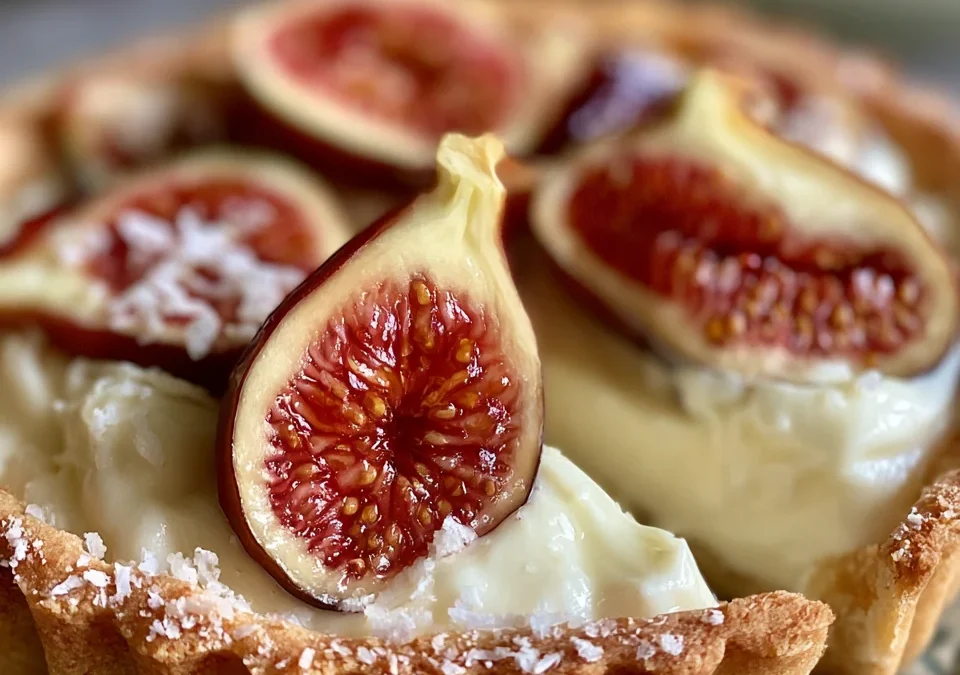
Fermented Honey Fig and Mascarpone Tart
- Total Time: 1 hour 5 minutes (active time)
- Yield: 8 servings 1x
- Diet: Vegetarian
Description
At its core, a fermented honey fig and mascarpone tart is an elegant pastry that showcases the incredible flavor transformation that occurs when fresh fruit interacts with raw honey over time. Unlike standard fruit tarts that rely on heavy sugar glazes or quick stovetop compotes, this dessert relies on the gentle, natural magic of fermentation to create its signature profile. The star of the show is the sweet, slightly tangy fruit topping, which pairs masterfully with a thick, velvety Italian cheese filling.
Ingredients
For the Fermented Honey Figs
- 8 fresh figs, quartered
- ½ cup raw honey
- 1 tbsp lemon juice
- 1 small cinnamon stick (optional)
For the Tart Crust
- 1¼ cups all-purpose flour
- ¼ cup powdered sugar
- ½ tsp salt
- ½ cup cold unsalted butter, cubed
- 1 egg yolk
- 2–3 tbsp ice water
For the Mascarpone Filling
- 250g mascarpone cheese
- ¼ cup heavy cream
- 2 tbsp honey
- 1 tsp vanilla extract
- Zest of 1 lemon
For Garnish
- Extra honey for drizzling
- Chopped pistachios or almonds
- Fresh thyme leaves (optional)
Instructions
1. Ferment the Figs
- Place the quartered figs in a clean glass jar.
- Pour honey and lemon juice over the figs, ensuring they are coated.
- Add the cinnamon stick if using.
- Cover loosely and leave at room temperature for 2–3 days, stirring once daily.
- Once slightly bubbly and fragrant, refrigerate until ready to use.
2. Make the Tart Crust
- In a bowl, combine flour, powdered sugar, and salt.
- Cut in the cold butter until the mixture resembles coarse crumbs.
- Mix in the egg yolk and enough ice water to form a dough.
- Shape into a disc, wrap, and chill for 30 minutes.
- Roll out and fit into a 9-inch tart pan.
- Prick the base with a fork and chill for 15 minutes.
- Bake at 180°C (350°F) for 18–20 minutes or until golden. Cool completely.
3. Prepare the Filling
- Beat mascarpone, cream, honey, vanilla, and lemon zest until smooth and fluffy.
- Spread evenly into the cooled tart shell.
4. Assemble the Tart
- Arrange the fermented honey figs over the mascarpone filling.
- Spoon a little of the fermented honey syrup on top.
- Drizzle with extra honey.
- Sprinkle with chopped pistachios and fresh thyme if desired.
5. Serve
Chill for 20–30 minutes before slicing and serving.
Notes
- Prep Time: 45 minutes (plus 2–3 days fermentation)
- Cook Time: 20 minutes
- Category: Dessert
- Method: Baking
- Cuisine: European
Nutrition
- Serving Size: 1 slice
- Calories: 380 kcal
Keywords: Fermented honey fig tart, honey fig mascarpone pastry, cultured honey fig dessert
