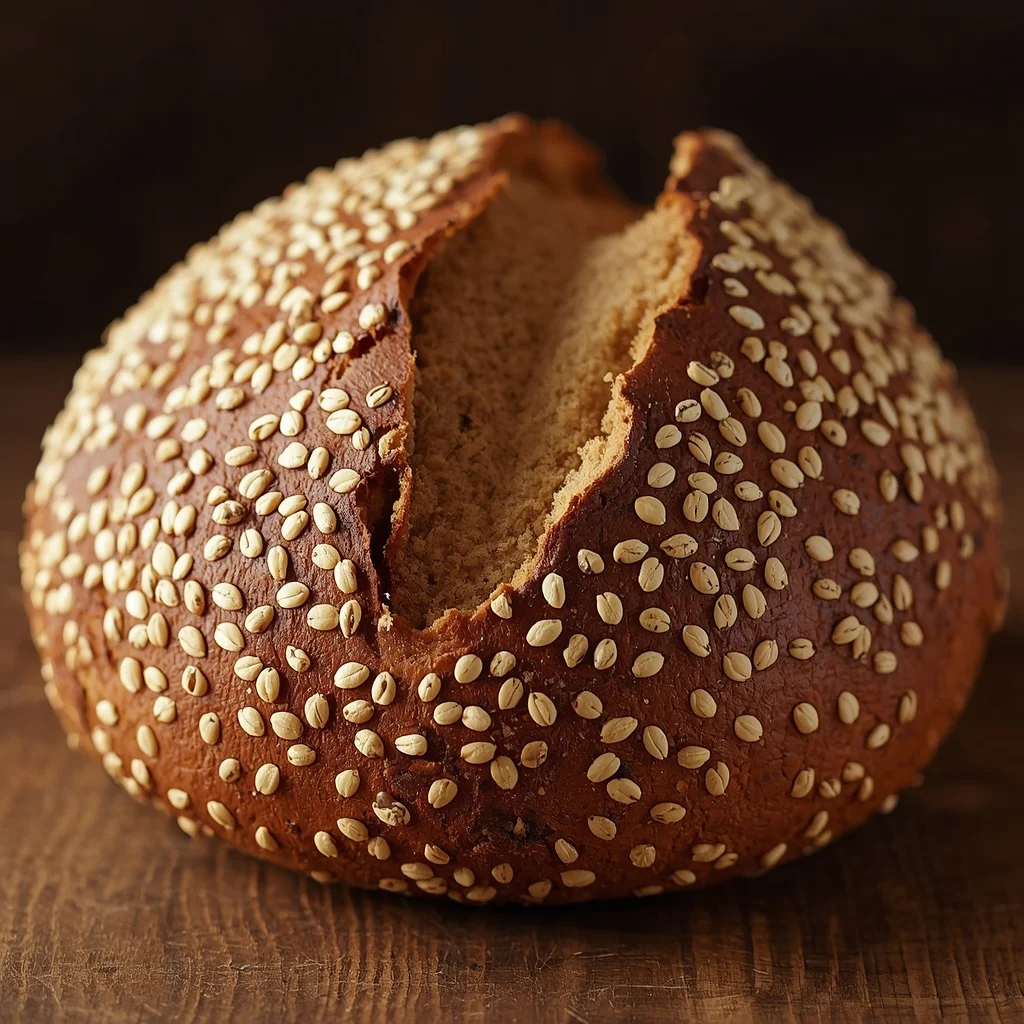
Good bread should nourish your body. Modern white bread often lacks true nourishment. Commercial loaves strip away essential bran and germ. They leave behind refined starch. This can cause sudden blood sugar spikes. It offers very little lasting energy. You deserve a better option. You can make nutritious bread at home. This Fibermaxxing Seeded Whole Grain Sourdough Loaf Recipe is the ultimate solution. It combines ancient wild yeast fermentation with plant fiber. The term fibermaxxing is a popular wellness movement. It focuses on maximizing natural fiber in daily meals. This recipe brings that healthy concept to life. You get a chewy slice of artisanal bread. It promotes strong digestive health. It keeps you full for many hours.
What is Fibermaxxing Seeded Whole Grain Sourdough Loaf?
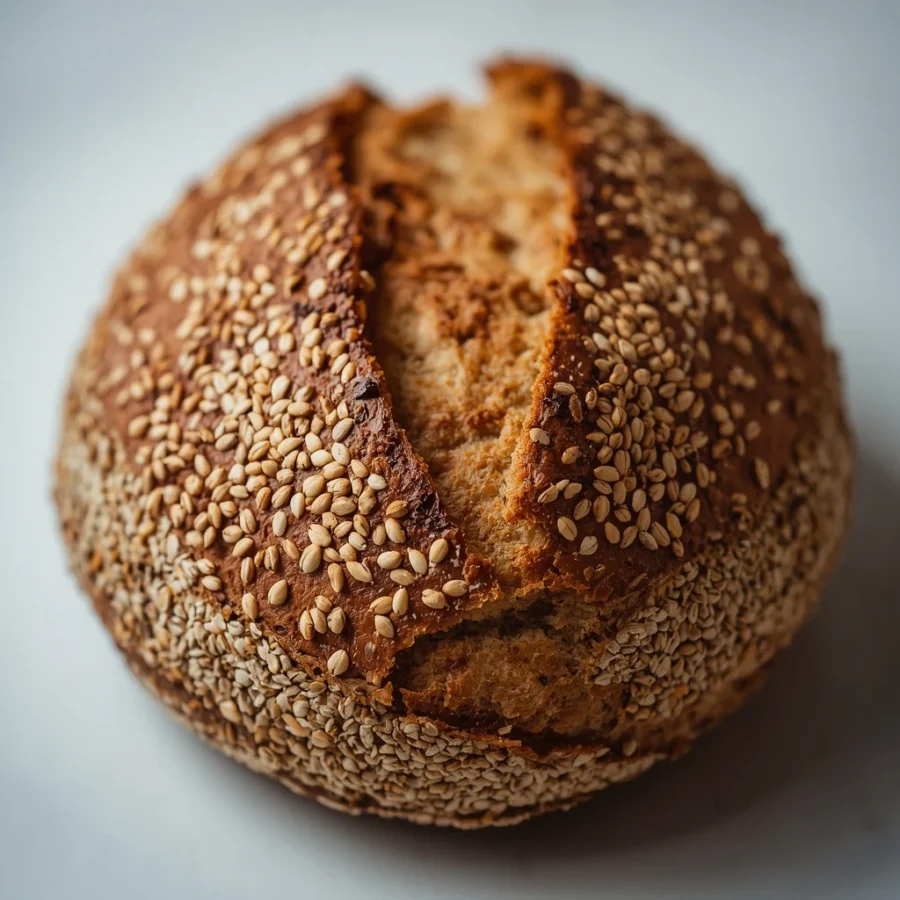
This specialized Fibermaxxing Seeded Whole Grain Sourdough Loaf Recipe is a nutrient-dense bread. It uses whole wheat flour instead of refined white flour. It features a large blend of organic seeds. You will find chia seeds in the dough. You will also use flaxseed and sunflower seeds. Pumpkin seeds and sesame seeds add extra crunch.
The secret lies in wild fermentation. Natural sourdough yeast breaks down heavy starches slowly. Lactic acid bacteria ferment the dough overnight. This process makes the nutrients easier to absorb. The finished loaf has a crisp, dark crust. The inside stays soft and moist. It has a complex, nutty flavor profile. It tastes much better than store-bought bread.
Origin of Fibermaxxing Seeded Whole Grain Sourdough Loaf
Sourdough baking is an ancient art form. Ancient Egyptians baked whole grain loaves thousands of years ago. They relied on wild airborne yeast. Every loaf was naturally fermented and rich in fiber. Industrial roller mills changed baking in the nineteenth century. Mills easily separated the wheat bran from the germ. White flour became cheap and shelf-stable. Unfortunately, white flour lost most of its natural dietary fiber.
Modern bakers now embrace traditional methods again. People want real nutrient density in their food. This Fibermaxxing Seeded Whole Grain Sourdough Loaf Recipe grew out of that healthy movement. It combines old-world hearth baking with modern nutrition science. Bakers added rich seed blends back into long-fermented doughs. The result is a rustic, fiber-heavy loaf made for modern health goals.
Ingredients with Quantity: Fibermaxxing Seeded Whole Grain Sourdough Loaf
Exact measurements help you achieve great results. Whole grain flours absorb a lot of water. Seeds also drink up moisture. These quantities ensure your loaf rises properly.
Main Dough Ingredients
-
Active Sourdough Starter: One and one half cups of active starter. It should be fully refreshed and bubbly.
-
Whole Wheat Flour: Two and one half cups of fine whole wheat flour. Stone-ground flour works best.
-
Bread Flour: One and one half cups of unbleached bread flour. This provides gluten strength.
-
Warm Water: One and three quarters cups of clean water. Heat it slightly above room temperature.
-
Fine Sea Salt: Two teaspoons of pure sea salt. Salt controls fermentation speed.
-
Ground Flaxseed: Two tablespoons of ground flaxseed. This adds healthy omega fatty acids.
-
Chia Seeds: Two tablespoons of black or white chia seeds. They absorb moisture and build texture.
-
Raw Sunflower Seeds: Three tablespoons of raw sunflower seeds. They offer a buttery crunch.
-
Raw Pumpkin Seeds: Three tablespoons of raw pepitas. They supply magnesium and zinc.
-
Sesame Seeds: Two tablespoons of raw sesame seeds. They bring a delicate nutty aroma.
-
Rolled Oats: Two tablespoons of whole rolled oats. This ingredient is optional but recommended.
Topping Ingredients
-
Mixed Seeds: One tablespoon of mixed seeds. Combine sesame, sunflower, and pumpkin seeds.
-
Rolled Oats: One tablespoon of rolled oats. This creates a bakery-style finish.
-
Water: Two tablespoons of clean water. Use this to brush the loaf exterior.
Step by Step Direction and Preparation Method: Fibermaxxing Seeded Whole Grain Sourdough Loaf
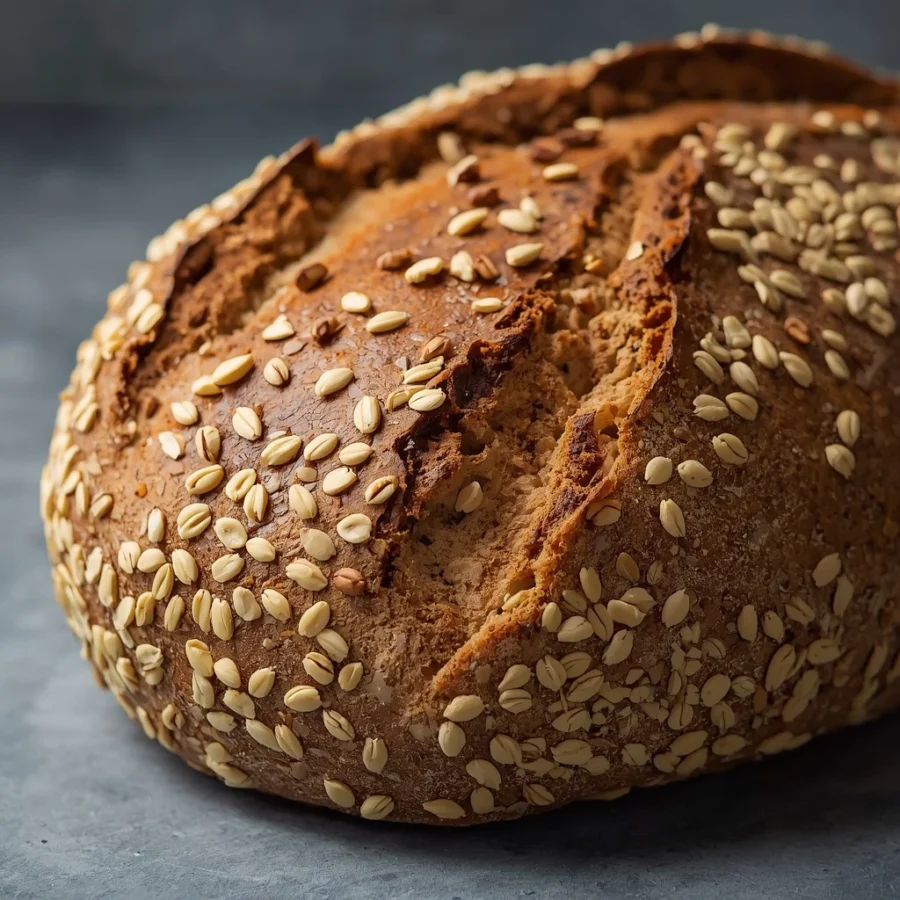
Baking sourdough requires time and patience. Follow these easy steps carefully. You will create a beautiful artisan bread.
Step One: Mixing and Autolyse
Grab a large glass mixing bowl. Pour in one and three quarters cups of warm water. Add one and one half cups of active starter. Stir the mixture with a wooden spoon. The starter should dissolve into a milky liquid.
Add two and one half cups of whole wheat flour. Add one and one half cups of bread flour next. Sprinkle two teaspoons of fine sea salt over the top. Stir everything together until no dry flour remains. A rough, shaggy dough will form. Cover the bowl with a damp towel. Let it rest for forty-five minutes. Bakers call this important rest phase the autolyse. The flour absorbs water during this time. Gluten structure begins to develop naturally.
Step Two: Adding the High-Fiber Seed Mixture
Uncover your bowl after the forty-five-minute rest. Measure out your flaxseed and chia seeds. Add the sunflower seeds and pumpkin seeds. Include the sesame seeds and rolled oats. Scatter the seeds across the rested dough.
Do not knead the dough roughly. Wet your hands with cool water. Reach under the dough gently. Lift one side up and fold it over the center. Rotate the bowl slightly. Repeat this folding motion for three minutes. The seeds will distribute evenly throughout the mixture.
Step Three: Bulk Fermentation and Stretching
Cover the bowl once again. Place it in a warm spot in your kitchen. Bulk fermentation takes five to six hours. You must build strength in whole grain dough.
Perform stretch-and-fold sets every thirty minutes during the first two hours. Wet your hands each time. Grab the edge of the dough. Stretch it upward without tearing it. Fold it back over the top. Turn the bowl ninety degrees. Repeat on all four sides. Perform four full sets over two hours. Let the dough sit undisturbed for the remaining time. It should grow by fifty percent. Look for small air bubbles on top.
Step Four: Shaping the Loaf
Lightly dust your work surface with whole wheat flour. Gently tip the fermented dough onto the surface. Do not pop the delicate gas bubbles inside.
Flatten the dough into a rough square shape. Fold the left side into the center. Fold the right side over it. Roll the dough up from the bottom into a smooth cylinder. Place your hands behind the dough ball. Pull it toward your body gently. This creates strong outer skin tension.
Step Five: Coating and Cold Fermentation
Brush the top of your shaped loaf with water. Scatter one tablespoon of mixed seeds on a plate. Add one tablespoon of rolled oats to the plate. Roll the top of the damp dough over the seeds. The seeds will stick firmly to the exterior.
Dust a proofing basket heavily with whole wheat flour. You can also use a towel-lined bowl. Lift the seeded dough carefully. Place it seam-side up into the basket. Cover it with a damp cloth. Place the basket inside your refrigerator. Let it chill for twelve hours overnight. Cold fermentation creates a richer sour flavor. It also makes scoring much easier.
Step Six: Scoring and Initial Bake
Place a heavy cast-iron Dutch oven in your oven. Put the lid on top. Preheat your oven to four hundred fifty degrees Fahrenheit. Let the pot heat for forty-five minutes.
Remove the dough basket from the refrigerator. Place a piece of parchment paper over the basket. Flip the basket upside down onto the paper. Lift the basket away carefully. Use a sharp razor blade to score the top. Make a swift cut down the center at a forty-five-degree angle. This cut directs steam expansion during baking.
Wear heavy oven mitts. Take the hot Dutch oven out of the main oven. Remove the hot lid. Grab the parchment paper edges. Lower the scored dough into the hot pot. Put the lid back on immediately. Bake covered for twenty-five minutes. The trapped steam keeps the crust soft initially. This allows maximum volume expansion.
Step Seven: Finishing and Cooling
Remove the Dutch oven lid after twenty-five minutes. Lower the oven temperature slightly if necessary. Bake uncovered for another twenty-five minutes. The crust will turn a deep golden-brown color. The seeds will toast nicely.
Lift the finished loaf out using the parchment paper. Place it on a wire cooling rack. Do not cut the hot bread immediately. Let it cool completely for one full hour. Cutting early traps internal steam. It will make the inner crumb gummy. Patience yields the best crumb texture.
Variations on the Seeded Whole Grain Loaf: Fibermaxxing Seeded Whole Grain Sourdough Loaf
You can customize this versatile bread easily. Adjust the ingredients to match your personal tastes.
Savory Olive and Herb Blend
Add one half cup of chopped kalamata olives to the dough. Mix in one tablespoon of dried rosemary. Add one teaspoon of oregano during the seed step. The salty olives match the earthy seeds. This variation pairs great with rich tomato soups.
Sweet Cinnamon Raisin Loaf
Try a sweeter version for morning toast. Add one half cup of golden raisins to the seeds. Include one teaspoon of ground cinnamon. The natural sweetness complements the sourdough tang. Spread it with almond butter for a healthy breakfast.
Ancient Grain Mix
Substitute part of the whole wheat flour with spelt flour. You can also use rye flour or einkorn flour. Ancient grains offer distinct earthy flavors. They contain gentler protein structures. The result is a tender crumb with deep flavor.
FAQs About Whole Grain Sourdough Baking: Fibermaxxing Seeded Whole Grain Sourdough Loaf
Why is fiber so helpful in Fibermaxxing Seeded Whole Grain Sourdough Loaf?
Fiber supports healthy human digestion. It feeds beneficial microbes in your gut. It slows down sugar absorption in your blood. Whole grains retain all natural bran layers. Seeds provide extra soluble and insoluble fiber. This makes the loaf very filling.
How should I store my baked sourdough?
Store the cooled loaf on your counter. Keep the cut side down on a wooden board. You can also use a cloth bread bag. It stays fresh for four days this way. Never store fresh sourdough in the refrigerator. Cold temperatures make bread turn stale faster. Slice the loaf completely for long storage. Keep individual slices in a sealed freezer bag. Freeze them for up to three months. Pop single slices into a toaster whenever you want bread.
Should I soak my seeds before baking?
Soaking seeds is a helpful technique. Dry seeds absorb water quickly. They can pull moisture away from your dough. Soak your seeds in warm water for thirty minutes first. Drain any excess liquid before mixing. This keeps your internal crumb moist and tender.
Why did my whole grain loaf turn out dense?
Whole wheat flour contains sharp bran particles. These particles cut delicate gluten strands. This can lower the overall rise. Make sure your starter is active and bubbly. Extend your autolyse resting period to soften the bran. Add a splash of extra water if the dough feels too stiff.
What are the benefits of cold fermentation?
Cold temperatures slow down yeast growth. Beneficial bacteria continue working slowly. They produce lactic and acetic acids. This creates a deep sourdough flavor profile. Cold dough holds its shape much better. It allows you to make sharp decorative cuts before baking.
Conclusion: Fibermaxxing Seeded Whole Grain Sourdough Loaf
Baking this healthy Fibermaxxing Seeded Whole Grain Sourdough Loaf Recipe is very rewarding. You take control of your nutritional health. You avoid chemical additives found in commercial brands. Simple whole grains transform into delicious food through slow fermentation. Every slice offers complex flavors and rich dietary fiber. The crunchy seed crust delivers unbeatable texture. Enjoy this bread alongside warm soups or fresh salads. Toast a thick slice for a satisfying breakfast. Start your wild yeast starter today. Enjoy the traditional process of healthy artisan baking at home.
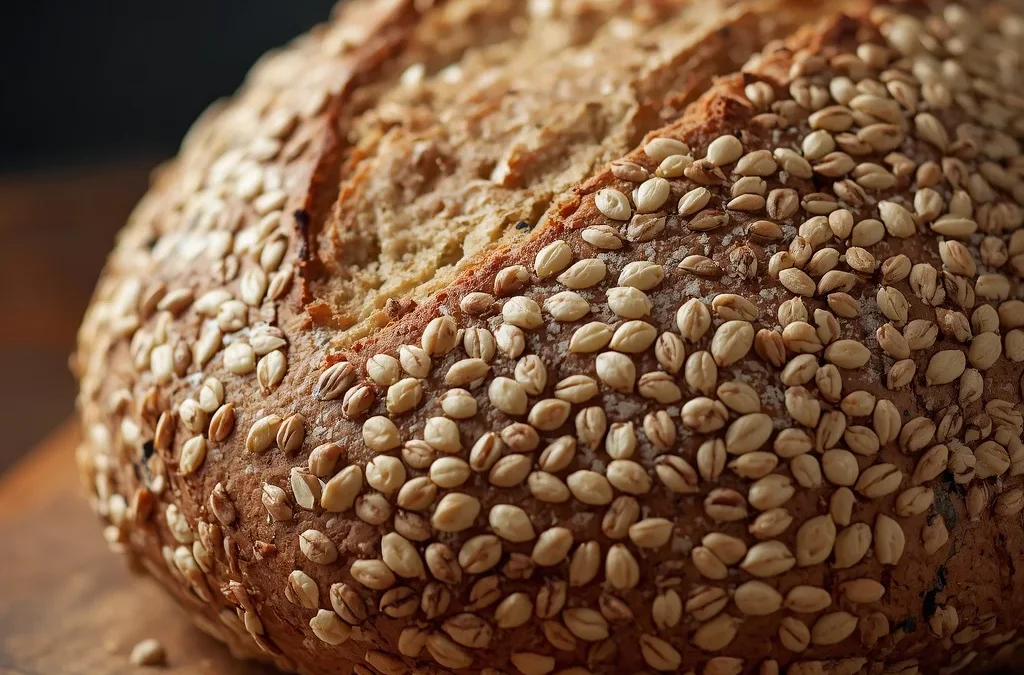
Fibermaxxing Seeded Whole Grain Sourdough Loaf Recipe
- Total Time: 12–18 hours
- Yield: About 13 hours 1x
- Diet: Vegetarian
Description
This specialized Fibermaxxing Seeded Whole Grain Sourdough Loaf Recipe is a nutrient-dense bread. It uses whole wheat flour instead of refined white flour. It features a large blend of organic seeds. You will find chia seeds in the dough. You will also use flaxseed and sunflower seeds. Pumpkin seeds and sesame seeds add extra crunch.
Ingredients
For the Dough
- 1½ cups (360 g) active sourdough starter (100% hydration)
- 2½ cups (300 g) whole wheat flour
- 1½ cups (180 g) bread flour
- 1¾ cups (400 ml) warm water
- 2 tsp sea salt
- 2 tbsp ground flaxseed
- 2 tbsp chia seeds
- 3 tbsp sunflower seeds
- 3 tbsp pumpkin seeds (pepitas)
- 2 tbsp sesame seeds
- 2 tbsp rolled oats (optional)
For Topping
- 1 tbsp mixed seeds
- 1 tbsp rolled oats
- A little water for brushing
Instructions
- Prepare the Dough:
In a large bowl, mix the sourdough starter and warm water. Add whole wheat flour, bread flour, and salt. Mix until a rough dough forms. - Rest (Autolyse):
Cover and let the dough rest for 30–45 minutes to allow the flour to hydrate. - Add Seeds:
Add flaxseed, chia seeds, sunflower seeds, pumpkin seeds, sesame seeds, and oats. Knead gently until evenly incorporated. - Bulk Fermentation:
Cover the dough and let it rise at room temperature for 4–6 hours, performing stretch-and-folds every 30 minutes during the first 2 hours. - Shape the Loaf:
Shape the dough into a round or oval loaf. Place it into a floured proofing basket or lined bowl. - Final Proof:
Cover and refrigerate for 8–12 hours (overnight) for deeper flavor and better texture. - Bake:
- Preheat oven to 450°F (230°C) with a Dutch oven inside.
- Score the dough, sprinkle with extra seeds, and carefully place it in the hot Dutch oven.
- Bake covered for 25 minutes.
- Remove the lid and bake another 20–25 minutes until deeply golden.
- Cool:
Let the bread cool completely for at least 1 hour before slicing to set the crumb.
Notes
Store the loaf in a bread bag or airtight container for up to 4 days. For longer storage, slice and freeze the bread, then toast slices directly from frozen.
- Prep Time: 30 minutes
- Cook Time: 50 minutes
- Category: 1 loaf (12 slices)
- Method: Artisan
- Cuisine: Bread
Nutrition
- Serving Size: Sourdough Baking
- Calories: 1 slice
Keywords: High Fiber Whole Grain Seeded Sourdough Bread, Gut Healthy Seeded Sourdough Loaf, Homemade Whole Wheat Seed Bread Sourdough
