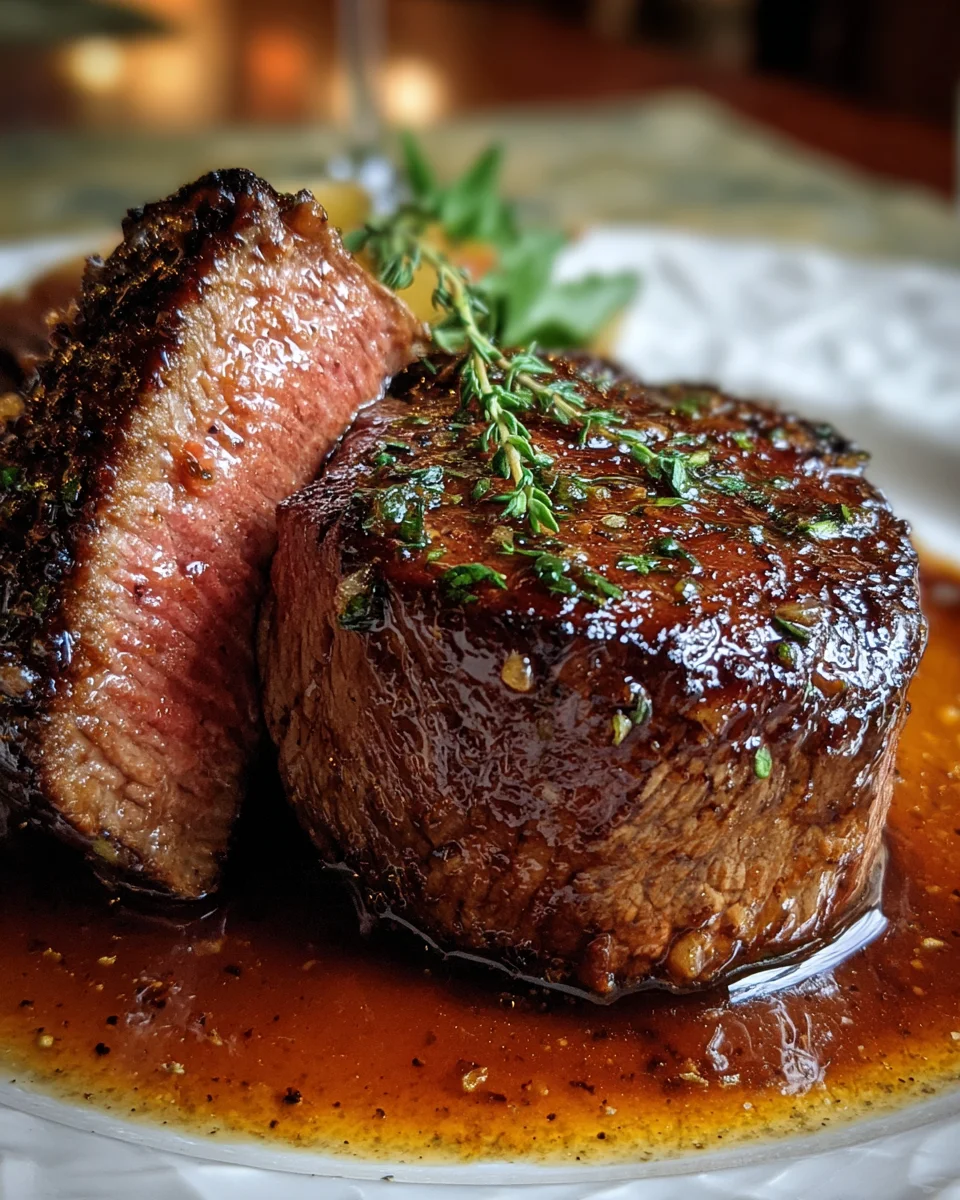
There is perhaps no cut of meat that commands as much respect and anticipation as the beef tenderloin. Often referred to as the king of steaks, a whole roast cut from this section is the pinnacle of holiday dinners and celebratory feasts. If you have been searching for a filet mignon roast recipe that delivers that melt-in-your-mouth, restaurant-quality experience without the intimidating price tag of a high-end steakhouse, you have come to the right place.
Cooking a large, expensive piece of meat can feel like a high-stakes endeavor. However, the beauty of the filet mignon roast lies in its natural tenderness. Unlike tougher cuts that require hours of slow braising, the tenderloin is lean, supple, and requires only a bit of seasoning and precise timing to shine. In this comprehensive guide, we are going to walk through everything from selecting the right cut to the crucial resting period that ensures every slice is as juicy as the last.
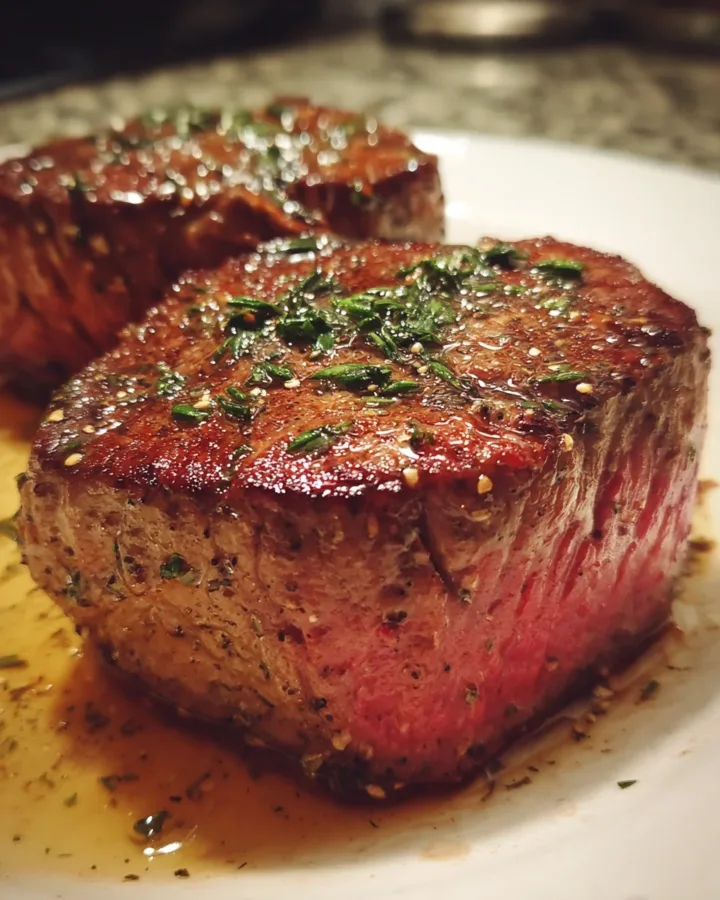
What is a Filet Mignon Roast Recipe?
A filet mignon roast recipe focuses on preparing the entire beef tenderloin—the most tender muscle on the animal—as a single, elegant roast rather than individual steaks. This cut comes from the loin of the cow, a region that does very little work, which is why the meat lacks the heavy connective tissue and tough fibers found in the shoulder or leg.
When we talk about a “roast” version of filet mignon, we are essentially looking at the “Chateaubriand” or the center-cut portion of the tenderloin. This preparation method is favored for large gatherings because it allows the cook to achieve a uniform edge-to-edge pinkness that is much harder to maintain when cooking multiple individual steaks at once. It is a dish characterized by its buttery texture, mild beef flavor, and sophisticated presentation.
The Origin of the Filet Mignon Roast
The term “filet mignon” is French in origin, with “filet” meaning a thick slice or thread and “mignon” meaning dainty or elegant. Historically, the French culinary tradition has always held the tenderloin in the highest regard. The specific center-cut roast is often associated with the nineteenth-century diplomat and writer François-René de Chateaubriand, whose personal chef supposedly created the method of roasting the center of the tenderloin between two lesser cuts of meat to protect it from the heat.
While we have moved away from the “meat sandwich” roasting technique, the spirit of the dish remains the same: protecting the delicate fibers of the tenderloin while maximizing flavor. Over the decades, it has evolved from an aristocratic luxury to the gold standard for special occasions across Europe and North America. Today, the filet mignon roast recipe is synonymous with Christmas dinner, anniversary celebrations, and any moment that requires a touch of culinary grace.
Essential Ingredients for an Elegant Roast
To achieve success with this dish, the quality of your ingredients is paramount. Since the tenderloin is a lean cut, we rely on aromatics and high-quality fats to enhance the natural flavor of the beef.
The Centerpiece
-
One and a half to two kilograms of beef tenderloin: When purchasing your meat, look for a roast that is evenly shaped from end to end. This is often called a “center-cut” or “barrel-cut” roast. If your roast has a tapered end, you may need to tuck it under and tie it with kitchen twine to ensure even cooking.
The Flavor Profile
-
Two tablespoons of olive oil: This acts as the carrier for our seasonings and helps create a beautiful sear.
-
Three to four cloves of garlic: These should be finely minced. Garlic provides a savory depth that penetrates the outer layer of the roast.
-
One tablespoon of fresh rosemary: Fresh rosemary offers a woodsy, pine-like aroma that is classic for beef. If you cannot find fresh, one teaspoon of dried rosemary will suffice.
-
One tablespoon of fresh thyme: This is optional but highly recommended for a more complex herbal profile.
-
One and a half teaspoons of salt: Use a coarse sea salt or kosher salt if possible, as it provides a better crust.
-
One teaspoon of black pepper: Freshly cracked pepper provides a necessary bite.
-
Two tablespoons of butter: This is for the searing process, adding a rich, nutty finish to the exterior of the meat.
Step by Step Direction and Preparation Method
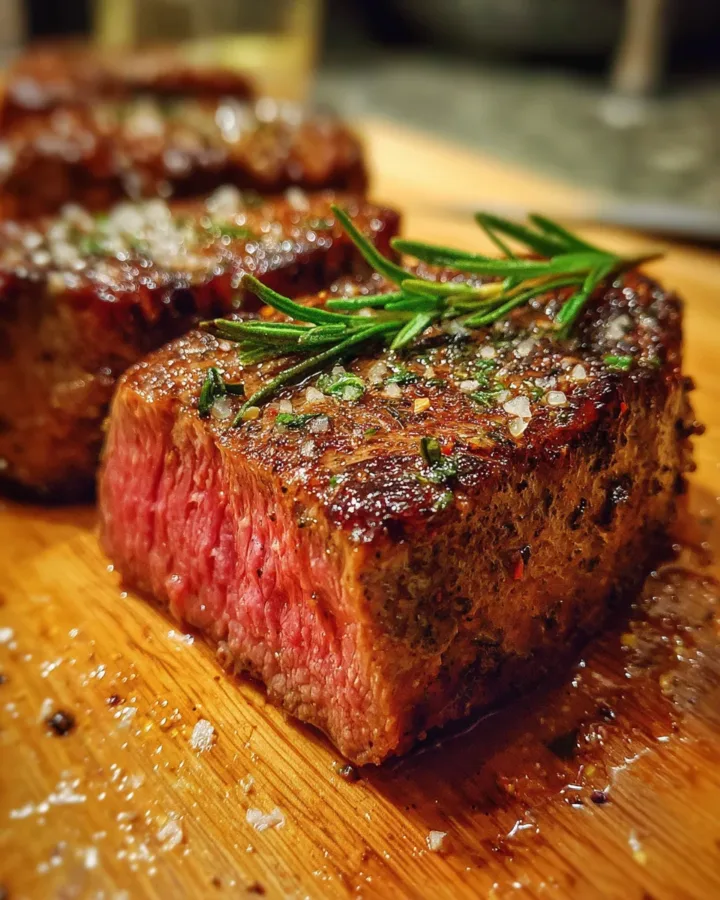
Preparing a filet mignon roast recipe requires a blend of stovetop searing and oven roasting. This dual-method approach ensures a crusty exterior and a perfectly tender interior.
Phase One: Preparing the Meat
Before you even think about the oven, take the beef out of the refrigerator at least thirty to sixty minutes before cooking. This allows the meat to come up toward room temperature, which is essential for even cooking. Once tempered, use paper towels to pat the beef completely dry. Moisture is the enemy of a good sear; if the meat is wet, it will steam rather than brown.
Phase Two: Seasoning the Roast
In a small bowl, mix the olive oil, minced garlic, salt, pepper, rosemary, and thyme. Rub this mixture all over the beef tenderloin, ensuring every inch is covered. The oil helps the salt and herbs stick to the meat, creating a flavor-packed rub that will eventually become your crust.
Phase Three: Searing for Maximum Flavor
While searing is technically optional, I strongly recommend it. Heat a large oven-safe skillet or a heavy cast-iron pan over medium-high heat and add the butter. Once the butter is foaming and slightly browned, place the roast in the pan. Sear every side of the meat for about two to three minutes per side. You want a deep, golden-brown color. This process, known as the Maillard reaction, creates flavor compounds that you simply cannot get from roasting alone.
Phase Four: The Roasting Process
Preheat your oven to two hundred degrees Celsius. If your searing pan is oven-safe, you can move it directly into the oven. If not, transfer the roast to a preheated roasting pan. Roast the meat for approximately twenty-five to thirty-five minutes. Because every oven and every piece of meat is different, the only way to be certain is to use an internal meat thermometer. You are aiming for an internal temperature of fifty to fifty-five degrees Celsius for a perfect medium-rare.
Phase Five: The Crucial Rest
This is the most important step of the entire filet mignon roast recipe. Once you remove the roast from the oven, transfer it to a cutting board and tent it loosely with aluminum foil. Let it rest for ten to fifteen minutes. During this time, the muscle fibers relax and reabsorb the juices. If you slice it too soon, all that delicious moisture will run out onto the board, leaving you with dry meat.
Phase Six: Serving with Style
After the rest, slice the roast into thick medallions, approximately two to three centimeters wide. The center should be a uniform pink. Serve the slices alongside roasted root vegetables, creamy mashed potatoes, or a decadent red wine reduction.
Flavorful Variations to Try: filet mignon roast
While the classic herb and garlic rub is timeless, the filet mignon roast recipe is a versatile foundation for other flavor profiles.
Peppercorn Crusted Roast
For those who enjoy a bit of spice and texture, omit the rosemary and thyme. Instead, press a large amount of coarsely cracked black, green, and pink peppercorns into the surface of the oiled meat. This creates a “steak au poivre” style roast that is incredibly bold and sophisticated.
Mushroom and Truffle Infusion
If you want to take the luxury to the next level, serve your roast with a side of sautéed wild mushrooms and a drizzle of truffle oil. The earthy, umami flavors of the mushrooms perfectly complement the mild, buttery notes of the beef tenderloin.
Blue Cheese Topped Filet
In the final five minutes of roasting, you can crumble high-quality blue cheese or gorgonzola over the top of the meat. The cheese will melt into a savory, tangy glaze that creates a stunning contrast with the tender beef.
Expert Tips for the Best Results: filet mignon roast
To truly elevate your filet mignon roast recipe above the rest, pay attention to these professional details. First, always use a digital meat thermometer. Because the tenderloin is so lean, the window between “perfectly medium-rare” and “overcooked” is very small. Relying on a timer alone is risky when dealing with such a premium cut of beef.
Secondly, consider the shape of your roast. If you have a whole tenderloin that is thick at one end and thin at the other, the thin end will overcook. To prevent this, fold the thin “tail” under the roast and secure the whole thing with kitchen twine at two-centimeter intervals. This creates a uniform cylinder that cooks at a consistent rate.
Lastly, do not forget the power of a pan sauce. After you remove the roast from the searing pan, you are left with “fond”—the browned bits of meat and herbs. Add a splash of beef stock or red wine to the hot pan, scrape the bottom, and let it reduce by half. Stir in a cold knob of butter at the end for a world-class sauce that took only minutes to make.
Frequently Asked Questions: filet mignon roast
How much meat should I buy per person?
For a filet mignon roast recipe, a good rule of thumb is to plan for two hundred to two hundred fifty grams of raw meat per person. This ensures everyone gets a generous portion with enough for a bit of seconds.
What is the best temperature for the oven?
Two hundred degrees Celsius is ideal because it is hot enough to continue browning the exterior while cooking the interior quickly enough to retain moisture. If you go much lower, the meat can take too long and begin to dry out.
Can I make this recipe in advance?
While you can season the meat several hours in advance, the actual roasting should happen just before serving. However, the leftovers make for incredible cold roast beef sandwiches the next day.
Why is my roast tough?
If your tenderloin is tough, it is almost certainly overcooked. Since this muscle does not have a lot of fat or connective tissue, it does not “tenderize” the longer it cooks; instead, it simply loses moisture and tightens up. Always aim for medium-rare or medium for the best texture.
What are the best side dishes for filet mignon?
The richness of the beef pairs perfectly with acidic or creamy sides. Think of a bright asparagus salad with lemon vinaigrette, or a rich gratin of potatoes with plenty of cream and garlic.
Conclusion: filet mignon roast
Creating a masterpiece in your own kitchen is entirely possible when you start with the right techniques and a high-quality filet mignon roast recipe. By focusing on the fundamentals—tempering the meat, searing for flavor, and respecting the internal temperature—you can produce a meal that rivals the finest dining establishments. The beef tenderloin is a cut that rewards simplicity; you do not need to hide its flavor behind heavy sauces or complex marinades. Instead, let the fresh rosemary, garlic, and butter enhance what is already the most tender cut of beef available. Whether you are hosting a quiet holiday dinner or a grand celebration, this roast is sure to be the star of the show. So, prepare your herbs, heat up your skillet, and get ready to enjoy a dining experience that is as elegant as it is delicious.
Print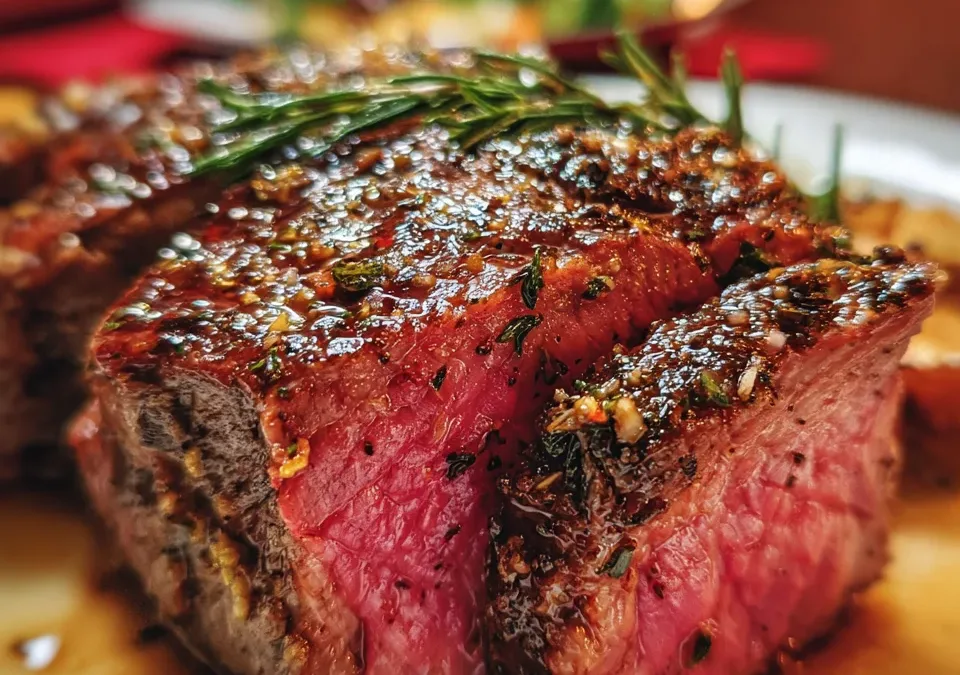
The Ultimate Guide to the Perfect Filet Mignon Roast Recipe for Home Chefs
- Total Time: 50 minutes
- Yield: 4–6 servings 1x
Description
A filet mignon roast recipe focuses on preparing the entire beef tenderloin—the most tender muscle on the animal—as a single, elegant roast rather than individual steaks. This cut comes from the loin of the cow, a region that does very little work, which is why the meat lacks the heavy connective tissue and tough fibers found in the shoulder or leg.
Ingredients
- 1.5–2 kg beef tenderloin (filet mignon roast)
- 2 tbsp olive oil
- 3–4 cloves garlic (minced)
- 1 tbsp fresh rosemary (chopped) or 1 tsp dried
- 1 tbsp fresh thyme (optional)
- 1½ tsp salt
- 1 tsp black pepper
- 2 tbsp butter
Instructions
- Prepare meat
- Pat beef dry with paper towels for better browning.
- Season
- Rub with olive oil, garlic, salt, pepper, rosemary, and thyme.
- Sear (optional but recommended)
- Heat a pan with butter and sear all sides until browned.
- Roast
- Place in oven at 200°C (400°F).
- Roast for about 25–35 minutes (until internal temp reaches ~50–55°C for medium-rare).
- Rest
- Let it rest for 10–15 minutes before slicing.
- Serve
- Slice into thick medallions and serve with vegetables, mashed potatoes, or sauce.
Notes
- Prep Time: 15 minutes
- Cook Time: 30–35 minutes
- Category: Main Course
- Method: Roasting
- Cuisine: French / American
Nutrition
- Serving Size: 150–180g slice
- Calories: ~350–500 kcal
