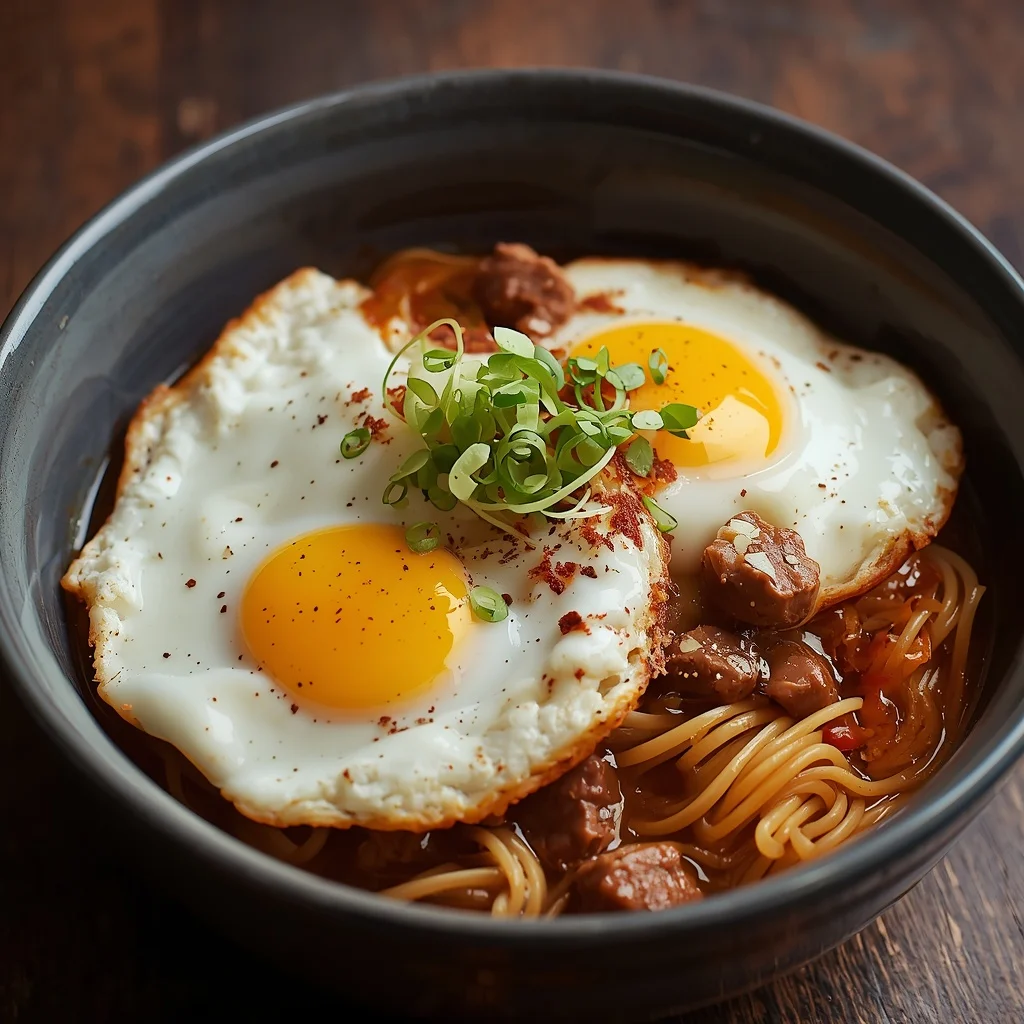
If you are looking for an ultra-satisfying, restaurant-quality meal that comes together in under thirty minutes, these gochujang beef noodles with crispy fried eggs are guaranteed to deliver everything you crave. Packed with bold Korean fermented chili paste, savory ground beef, tender noodles, and a golden runny yolk that coats every single bite, this dish hits every sweet, salty, spicy, and umami note imaginable. Whether you need a comforting weeknight dinner after a long day at work or want to treat your family to a vibrant Asian-inspired meal, mastering these gochujang beef noodles with crispy fried eggs will instantly upgrade your cooking routine.
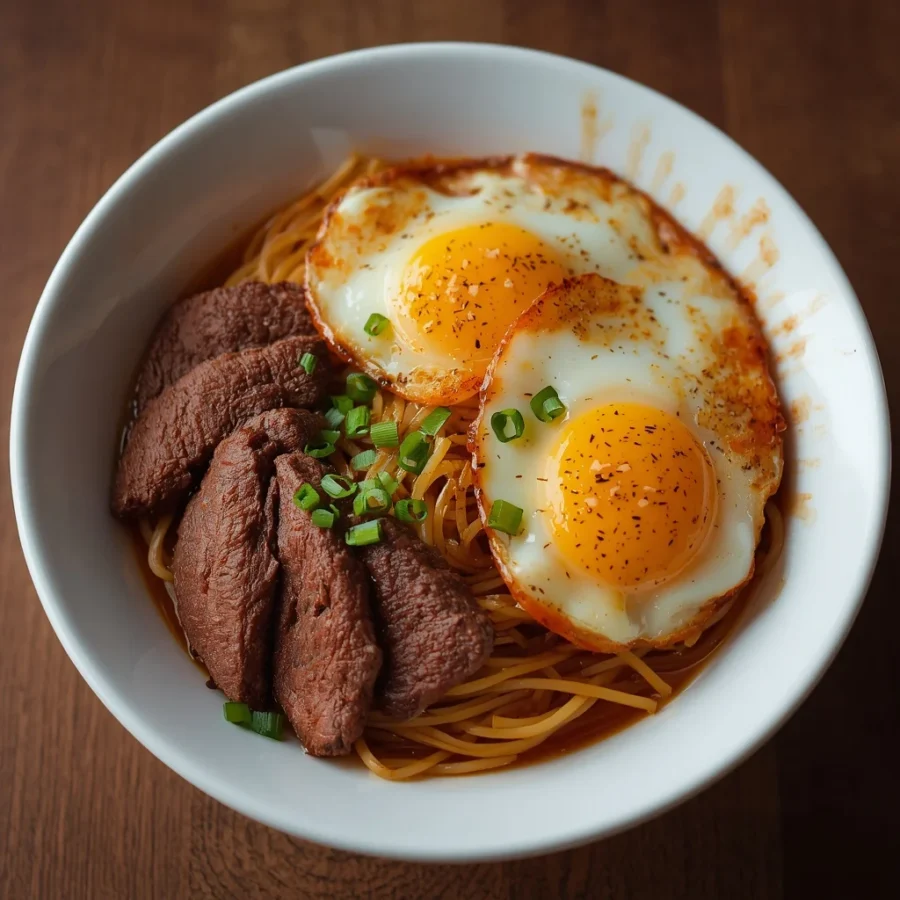
What are Gochujang Beef Noodles with Crispy Fried Eggs?
At its core, this dish is a harmonious blend of contrasting textures and deeply satisfying Asian flavors. The centerpiece is a savory ground beef and noodle mix tossed in a glossy, complex sauce anchored by gochujang, a traditional Korean fermented red chili paste. Unlike plain chili flakes or hot sauce, gochujang provides a nuanced heat that is naturally sweet, savory, and full of depth due to its fermented soybean and glutinous rice base.
The noodles—whether thick udon, springy ramen, or classic wheat noodles—absorb the spicy glaze while holding onto bits of browned beef, minced garlic, and grated ginger. The crowning glory of the dish is a fried egg with lacy, golden, super-crispy edges and a warm, velvety center. When you break the yolk over the piping hot bowl, it mixes with the sticky chili glaze to create a rich, creamy sauce that coats every strand.
Origin of gochujang beef noodles with crispy fried eggs
To understand the inspiration behind this meal, we look to the bustling food cultures of Korea and broader East Asian noodle traditions. While this exact recipe is a modern fusion creation tailored for home kitchens, its foundational ingredients come from centuries of Korean culinary heritage.
Gochujang has been a cornerstone of Korean cooking since the late Joseon Dynasty. Historically fermented in large earthenware pots called onggi under the sun, this vibrant red paste has long been used to flavor stews, marinades, and classic dishes like bibimbap and tteokbokki.
The pairing of noodles, minced meats, and rich chili sauces has deep roots across East Asia, evolving into popular comfort foods served at night markets and street stalls. Modern home cooks and fusion chefs began combining quick-cooking ground beef with gochujang and soft noodles, topping the dish with a hot oil fried egg to replicate the luscious texture of traditional egg-topped rice bowls. The result is a fast, vibrant meal that honors classic Korean flavor profiles while fitting effortlessly into busy modern schedules.
Ingredients with Quantity: gochujang beef noodles with crispy fried eggs
To prepare four satisfying portions of this incredible dish, gather the following ingredients. All measurements are written out in full words to ensure your preparation is smooth and accurate.
Ingredients for the Spicy Beef Noodles
-
Ground Beef: Three hundred grams (approximately ten and one-half ounces) of lean ground beef or ground chuck.
-
Noodles: Two hundred and fifty grams (approximately nine ounces) of your favorite noodles, such as udon, ramen, or wheat noodles.
-
Cooking Oil: One tablespoon of high-heat vegetable oil or neutral canola oil for browning the meat.
-
Garlic: Three fresh garlic cloves, finely minced.
-
Fresh Ginger: One teaspoon of peeled, finely grated fresh ginger root.
-
Gochujang Paste: Two full tablespoons of authentic Korean gochujang chili paste.
-
Soy Sauce: One tablespoon of regular soy sauce or tamari.
-
Sweetener: One tablespoon of light brown sugar or pure honey to balance the spice.
-
Rice Vinegar: One tablespoon of unseasoned rice vinegar for a bright, tangy kick.
-
Sesame Oil: One teaspoon of toasted sesame oil for nutty aroma.
-
Water: Two tablespoons of warm water to loosen the glaze.
-
Crushed Red Pepper Flakes: One-half teaspoon of crushed red pepper flakes for optional extra spice.
For the Crispy Fried Eggs
-
Eggs: Four large farm-fresh eggs at room temperature.
-
Cooking Oil: Two tablespoons of neutral vegetable oil for frying.
-
Seasoning: A generous pinch of fine sea salt and freshly cracked black pepper to taste.
Ingredients for Garnish and Serving
-
Green Onions: Two fresh green onions, thinly sliced on a diagonal.
-
Sesame Seeds: One teaspoon of toasted white or black sesame seeds.
-
Fresh Cilantro: A small handful of chopped fresh cilantro leaves, optional.
-
Red Chili: One fresh red chili, thinly sliced for extra heat, optional.
-
Lime Wedges: Four fresh lime wedges for squeezing over before eating, optional.
Step-by-Step Direction and Preparation Method: gochujang beef noodles with crispy fried eggs
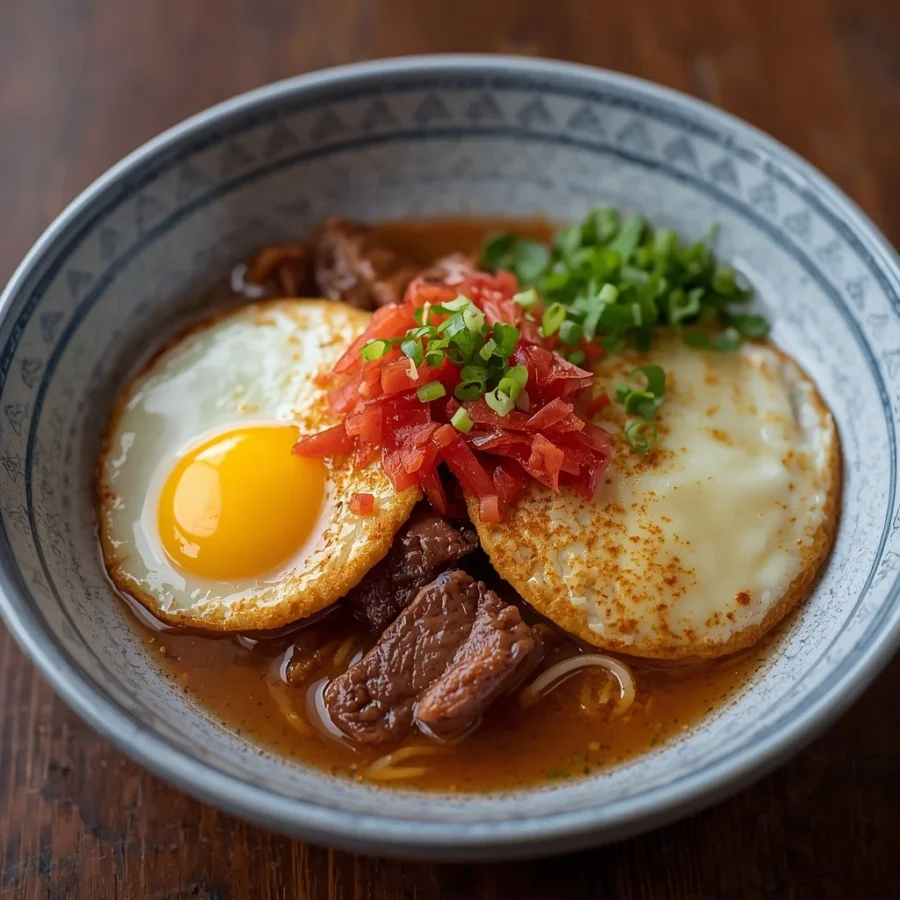
Creating these irresistible gochujang beef noodles with crispy fried eggs requires simple techniques executed in the right order. Following these detailed steps ensures your meat is beautifully caramelized, your sauce is perfectly balanced, and your eggs achieve those sought-after lacy edges.
Step One: Whisking the Sweet and Spicy Sauce
Before turning on the stove, prepare your sauce so it is ready to hit the hot pan instantly. In a small mixing bowl or glass measuring cup, combine two tablespoons of gochujang paste, one tablespoon of soy sauce, one tablespoon of brown sugar or honey, one tablespoon of rice vinegar, one teaspoon of toasted sesame oil, and two tablespoons of water. If you enjoy higher heat levels, stir in one-half teaspoon of crushed red pepper flakes.
Whisk the ingredients vigorously until the brown sugar is completely dissolved and the gochujang becomes a smooth, fluid red liquid. Set the bowl aside near your cooktop.
Step Two: Boiling the Noodles
Bring a large pot of water to a rolling boil over high heat. Add your chosen noodles—udon, ramen, or wheat noodles—and cook according to the package directions until they are just tender and chewy. Be careful not to overcook them, as they will spend another minute tossing in the warm beef sauce later.
Before draining the cooked noodles, carefully scoop out approximately one-quarter cup of the starchy noodle cooking water and set it aside. Drain the noodles in a colander and rinse briefly under lukewarm water to stop the cooking process if needed.
Step Three: Browning the Ground Beef
Place a large skillet or heavy wok over medium-high heat and add one tablespoon of vegetable oil. Once the oil begins to shimmer, add the three hundred grams of ground beef to the pan.
Using a wooden spoon or spatula, break the meat apart into small bits as it cooks. Allow the beef to brown undisturbed for two to three minutes so it develops a deep, flavorful crust, then stir and cook for another three to four minutes until fully cooked through and no pink remains.
Step Four: Blooming the Aromatics and Glazing
Reduce the burner heat slightly to medium. Add the three minced garlic cloves and one teaspoon of grated fresh ginger directly into the pan with the browned beef. Stir continuously for thirty to sixty seconds until the aromatics are soft, golden, and incredibly fragrant, taking care not to let the garlic burn.
Pour your prepared gochujang sauce directly over the seasoned beef. Stir well to coat every bite of meat. Let the mixture simmer over medium heat for one to two minutes until the sauce turns glossy, thickens slightly, and clings to the beef.
Step Five: Tossing the Noodles and Sauce Together
Add your drained noodles directly into the skillet with the spicy beef mixture. Using kitchen tongs, toss everything together thoroughly so the glossy gochujang sauce coats every single noodle strand.
If the sauce appears too thick or sticky, pour in a tablespoon or two of your reserved starchy noodle cooking water to loosen it up. Turn off the burner heat under the skillet and keep the pan covered while you cook the eggs.
Step Six: Frying the Crispy Eggs
Heat two tablespoons of vegetable oil in a separate nonstick skillet or cast-iron pan over medium-high heat. The oil must be hot before adding the eggs to achieve those famous lacy, golden, crunchy bottoms.
Carefully crack the four eggs directly into the hot oil, spacing them apart. As the egg whites hit the oil, they will bubble rapidly and turn crispy along the edges. Cook undisturbed for two to three minutes until the whites are fully set and golden-brown on the bottom while the yolks remain soft and runny. Season the tops with a pinch of salt and cracked black pepper.
Step Seven: Plating and Garnishing
Divide the warm spicy beef noodles evenly among four deep serving bowls. Using a spatula, carefully lift one crispy fried egg and place it on top of each noodle portion.
Garnish generously with thinly sliced green onions and toasted sesame seeds. If desired, add fresh cilantro leaves, sliced red chilies, and a fresh lime wedge on the side. Serve immediately while hot.
Delicious Recipe Variations to Try: gochujang beef noodles with crispy fried eggs
One of the best aspects of making gochujang beef noodles with crispy fried eggs at home is how easily you can customize the ingredients to fit your pantry contents or dietary preferences. Here are several exciting variations:
Ground Pork or Turkey Alternative
If you prefer different proteins, swap the ground beef for ground pork or dark meat ground turkey. Ground pork pairs exceptionally well with gochujang and ginger, creating an authentic flavor profile reminiscent of classic street dumplings. Ground turkey offers a leaner alternative while still absorbing the sweet and spicy glaze.
Plant-Based Vegetarian Gochujang Noodles
To make this recipe entirely vegetarian or vegan, replace the ground beef with plant-based ground meat, finely crumbled extra-firm tofu, or chopped king oyster mushrooms. Mushrooms add a wonderful earthy umami that complements the fermented chili paste. You can keep the crispy fried egg or substitute it with pan-seared crispy tofu slices.
Loaded Vegetable Stir-Fry Fusion
Boost the nutritional content of your meal by tossing fresh vegetables into the skillet right before adding the sauce. Thinly sliced shiitake mushrooms, shredded carrots, baby spinach, or sugar snap peas fold seamlessly into the dish, adding extra color, crunch, and fresh garden flavor.
Creamy Coconut Gochujang Twist
For a milder, velvety sauce with a tropical twist, substitute the two tablespoons of water in the sauce recipe with unsweetened canned coconut milk or a dollop of heavy cream. The fat in the cream tempers the chili heat slightly while creating a luxurious, silky texture across the noodles.
Expert Cooking Tips for the Best Results
-
Do Not Move the Eggs Early: To get those ideal lacy, crunchy edges, let the oil get hot before cracking in the eggs, and do not flip or disturb them while they fry.
-
Use Fresh Ginger and Garlic: Avoid bottled ginger or garlic pastes if possible. Freshly minced garlic and grated ginger yield a bright aroma that balances the rich, fermented notes of the chili paste.
-
Keep the Noodle Cooking Water: Starchy noodle water is a secret weapon in Asian noodle dishes. It helps emulsify the oil and gochujang paste into a smooth sauce that clings to the noodles rather than pooling at the bottom of the bowl.
-
Control the Heat Level: Gochujang brands vary in spice levels. If you are sensitive to spicy food, start with one tablespoon of gochujang and add an extra teaspoon of brown sugar or honey to keep the flavors balanced.
Frequently Asked Questions (FAQs): gochujang beef noodles with crispy fried eggs
What does gochujang taste like?
Gochujang is a complex Korean condiment that is simultaneously sweet, spicy, salty, and savory. Made from chili powder, glutinous rice, fermented soybeans, and salt, it offers a deep umami flavor with a slow-building heat that is far richer than standard hot sauce or simple chili oil.
Can I make this noodle dish ahead of time for meal prep?
Yes, you can cook the beef and noodles in advance and store them in an airtight container in the refrigerator for up to three days. However, for the absolute best experience, fry fresh eggs right before serving so you can enjoy the combination of hot, runny yolk and crunchy edges over warmed noodles.
What kind of noodles work best for this recipe?
Thick fresh udon noodles, wheat stir-fry noodles, or quality ramen noodles work best because their wide surface area holds onto the ground beef and thick chili glaze. You can even use simple spaghetti or linguine in a pinch with great results.
How do I store and reheat leftover gochujang noodles?
Store leftover noodles and beef in a sealed container in the fridge. Reheat them in a skillet over medium heat with a small splash of water to loosen the sauce, or microwave for sixty to ninety seconds until piping hot.
Is gochujang gluten-free?
Many commercially available gochujang brands contain wheat flour or barley malt as a thickener. If you require a strict gluten-free diet, look specifically for certified gluten-free gochujang made with tamari and gluten-free grains, and swap the regular soy sauce for gluten-free tamari.
Conclusion: gochujang beef noodles with crispy fried eggs
Making a bowl of homemade gochujang beef noodles with crispy fried eggs is an effortless way to bring rich, bold East Asian flavors into your kitchen in under thirty minutes. By combining caramelized ground beef, chewy noodles, and a balanced sweet-spicy chili glaze with the creamy texture of a crispy runny egg, you get a complete meal that satisfies every craving. Simple enough for quick weeknight dinners yet exciting enough to serve guests, this versatile recipe is destined to become a top favorite in your household. Grab your skillet, fry up your eggs, and enjoy every flavorful, comforting bite of this modern classic.
Print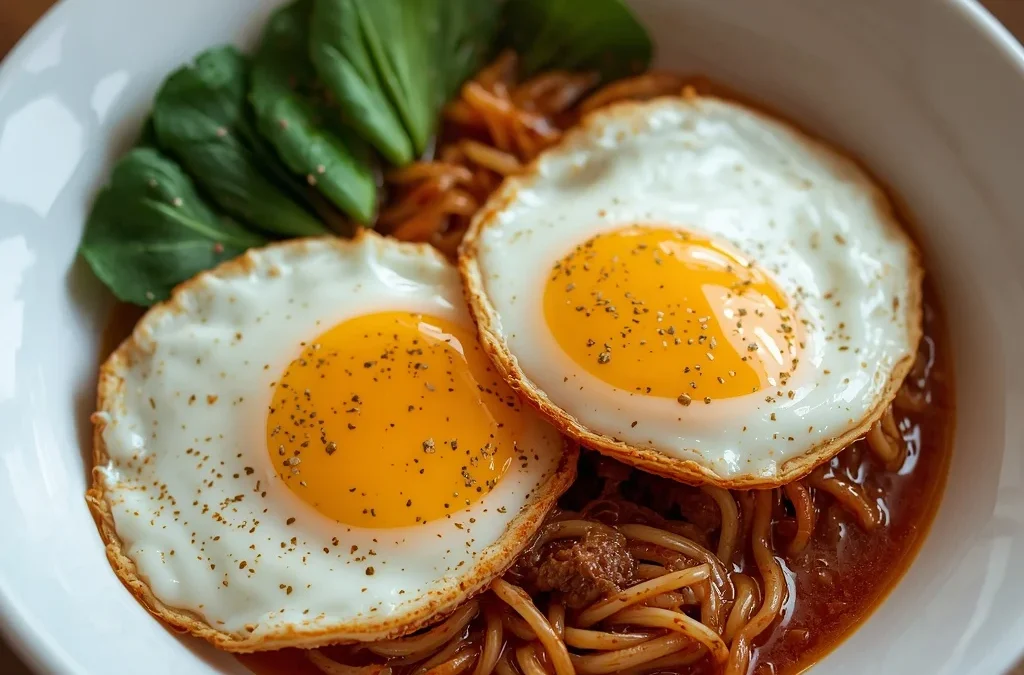
Gochujang Beef Noodles with Crispy Fried Eggs
- Total Time: 30 minutes
- Yield: 4 servings 1x
Description
At its core, this dish is a harmonious blend of contrasting textures and deeply satisfying Asian flavors. The centerpiece is a savory ground beef and noodle mix tossed in a glossy, complex sauce anchored by gochujang, a traditional Korean fermented red chili paste. Unlike plain chili flakes or hot sauce, gochujang provides a nuanced heat that is naturally sweet, savory, and full of depth due to its fermented soybean and glutinous rice base.
Ingredients
For the Beef Noodles
- 300 g (10½ oz) ground beef
- 250 g (9 oz) noodles, such as udon, ramen, or wheat noodles
- 1 tbsp vegetable oil
- 3 garlic cloves, minced
- 1 tsp fresh ginger, grated
- 2 tbsp gochujang
- 1 tbsp soy sauce
- 1 tbsp brown sugar or honey
- 1 tbsp rice vinegar
- 1 tsp sesame oil
- 2 tbsp water
- ½ tsp crushed red pepper flakes, optional
For the Crispy Fried Eggs
- 4 large eggs
- 2 tbsp vegetable oil
- Salt, to taste
- Black pepper, to taste
For Serving
- 2 green onions, thinly sliced
- 1 tsp sesame seeds
- Fresh cilantro, optional
- Sliced red chili, optional
- Lime wedges, optional
Instructions
- Prepare the sauce
In a small bowl, whisk together the gochujang, soy sauce, brown sugar, rice vinegar, sesame oil, and water. Add red pepper flakes if you want extra heat. - Cook the noodles
Cook the noodles according to the package instructions until just tender. Drain and set aside. Reserve about ¼ cup of the cooking water. - Brown the beef
Heat 1 tablespoon of oil in a large skillet over medium-high heat. Add the ground beef and cook for 5–7 minutes, breaking it apart with a spoon, until browned and cooked through. - Add the aromatics
Add the garlic and ginger and cook for about 30–60 seconds, until fragrant. - Add the gochujang sauce
Pour the sauce into the skillet with the beef. Stir well and cook for 1–2 minutes until glossy and slightly thickened. - Toss in the noodles
Add the cooked noodles and toss thoroughly to coat them in the beef and sauce. Add a splash of reserved noodle water if the sauce is too thick. - Fry the eggs
Heat 2 tablespoons of vegetable oil in a nonstick skillet over medium-high heat. Crack in the eggs and fry until the whites are crisp and golden around the edges while the yolks remain slightly runny, about 2–3 minutes. Season with salt and pepper. - Assemble
Divide the noodles between four bowls. Place a crispy fried egg on top of each serving. - Garnish and serve
Sprinkle with sliced green onions and sesame seeds. Add fresh chili or cilantro if desired, and serve immediately.
Notes
For the best crispy eggs, let the oil get hot before adding the eggs and avoid moving them while they cook. The runny yolk creates a rich sauce when broken over the spicy gochujang noodles.
- Prep Time: 10 minutes
- Cook Time: 20 minutes
- Category: Main Course
- Method: Stovetop
- Cuisine: Korean-inspired
Nutrition
- Serving Size: 1 serving
- Calories: 650 kcal
Keywords: spicy korean beef noodles, gochujang beef noodles, crispy egg beef noodles, korean ground beef noodles
