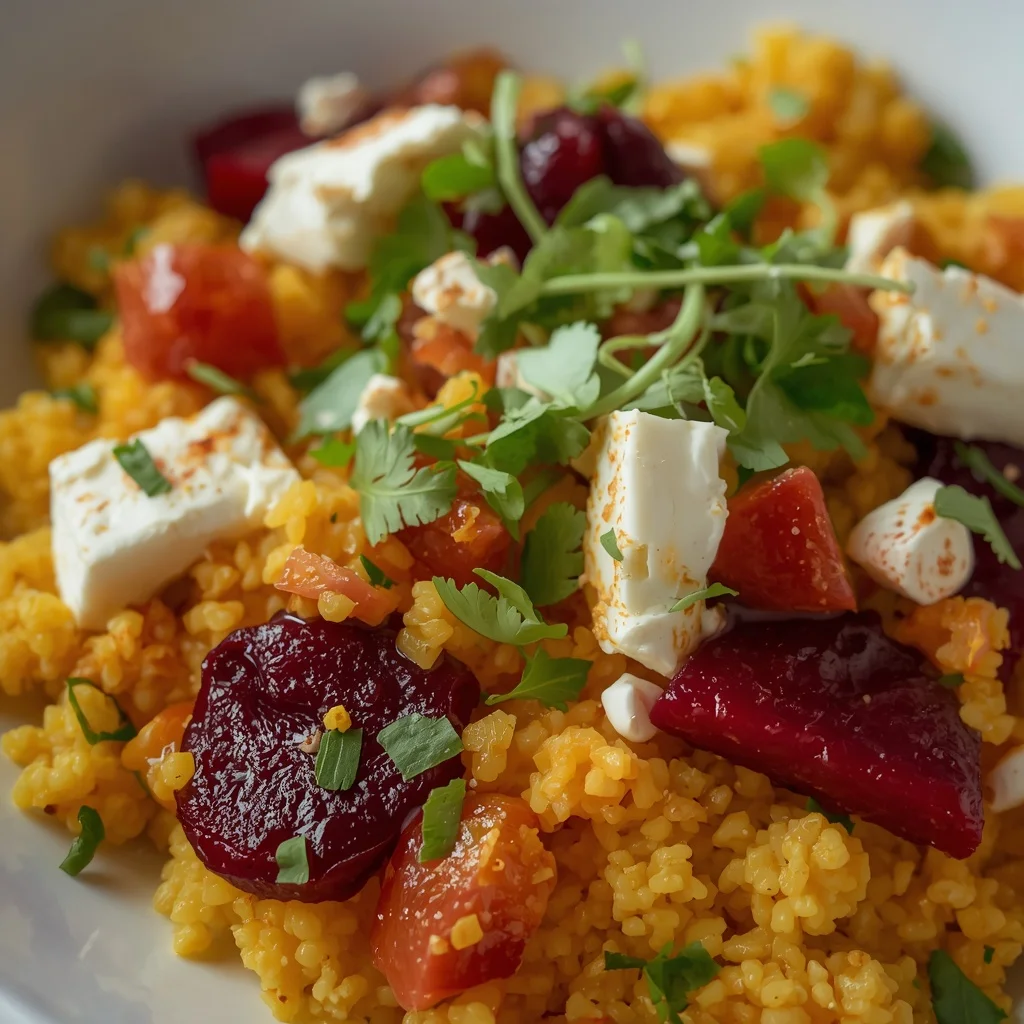
When you are looking for a meal that strikes the ideal balance between vibrant color, earthy sweetness, and creamy richness, few dishes satisfy quite like the Golden Beet & Goat Cheese Couscous Salad. This dish brings together tender roasted roots, fluffy grains, bright citrus, and tangy dairy in a harmony of flavors that elevates everyday dining into a gourmet experience. Whether you need an impressive side dish for a dinner party or a nourishing, prep-ahead lunch for busy weekdays, this golden beet goat cheese couscous salad delivers exceptional taste and visual appeal on every single forkful.
What Is the Golden Beet & Goat Cheese Couscous Salad?
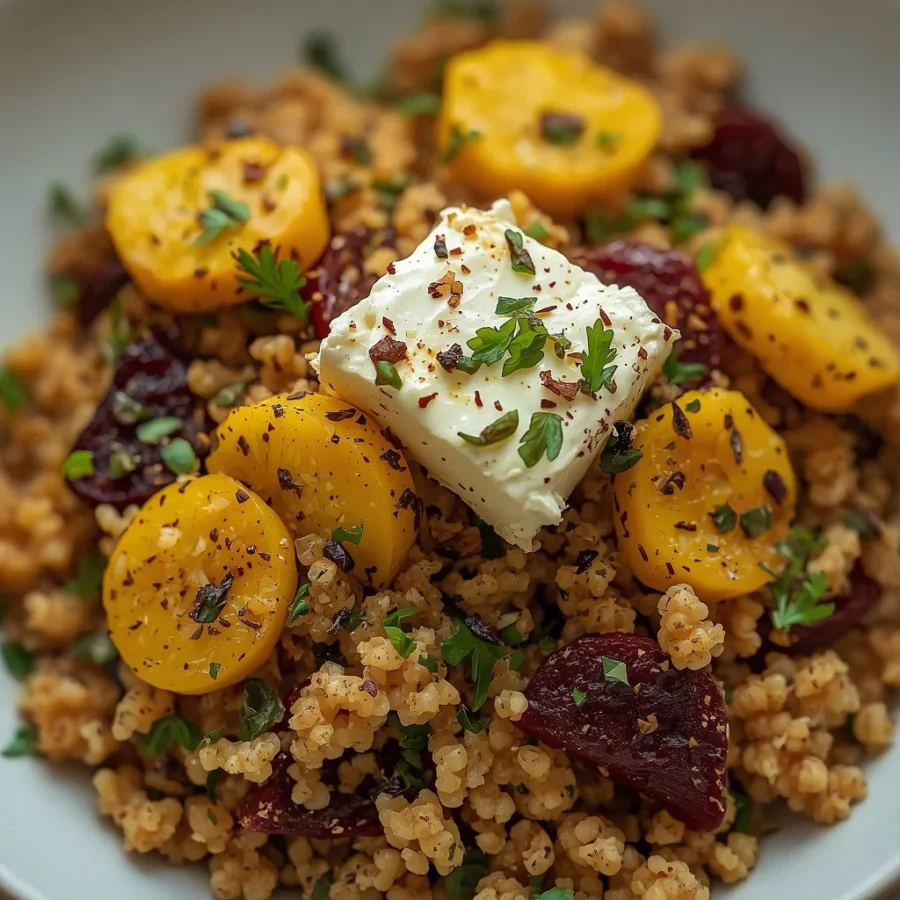
At its core, the Golden Beet & Goat Cheese Couscous Salad is a modern Mediterranean-inspired dish that marries classic culinary elements into a wholesome, texture-rich meal. It relies on the distinct personality of golden beets, which offer a milder, sweeter flavor than their red counterparts without the intense staining properties that often make red beets tricky to prepare.
When these golden jewels are cubed and roasted, their natural sugars caramelize, creating a delicate exterior and a tender, buttery interior. This sweetness finds its perfect counterpart in the pillowy base of cooked couscous, which absorbs the vibrant lemon dressing while providing a soft, comforting background.
What makes this salad truly memorable is the play of contrasting textures and tastes. Crumbled goat cheese introduces a velvety, tangy creaminess that coats the warm grains and roasted vegetables. Crunchy toasted walnuts or pecans add an essential earthiness and bite, while dried cranberries bring a delightful tart chewiness. Freshly chopped parsley and mint lift the entire profile with a clean, herbal brightness, making this golden beet and goat cheese couscous salad a complete visual and culinary masterpiece.
Origin and History of the Ingredients in Golden Beet Goat Cheese Couscous Salad
To truly appreciate this recipe, it helps to understand where its core ingredients come from and how they found their way into modern fusion cuisine.
The Story of Golden Beets
Beets have been cultivated around the Mediterranean basin for thousands of years. Early civilizations initially consumed the leafy greens rather than the roots. Over centuries of agricultural selection, farmers cultivated fleshy taproots, leading to the familiar red and yellow varieties we enjoy today. Golden beets were historically cherished in European cottage gardens for their delicate, honey-like sweetness and clear golden juice, which kept kitchen workspaces clean compared to deep red varieties.
Couscous: The North African Staple
Couscous originated among the Berber people of North Africa, with historical records dating back to at least the thirteenth century. Traditional couscous preparation involved hand-rolling coarse durum wheat semolina with sprinkled water and flour, then steaming it repeatedly over a simmering stew in a specialized pot called a couscoussier. Today, pre-steamed quick-cooking couscous allows home cooks across the globe to prepare light, fluffy grains in a matter of minutes, making it a beloved foundation for warm and cold grain salads.
The Tradition of Goat Cheese
Goat cheese, or chevre, represents one of the oldest forms of dairy production in human history. Domesticated goats supplied milk long before cattle were widely farmed across Mediterranean and Middle Eastern regions. The tangy, slightly acidic profile of fresh goat cheese developed naturally as a consequence of traditional artisan culturing techniques. Its sharp, clean flavor profile has made it a timeless companion to naturally sweet ingredients like roasted root vegetables, fruits, and honey.
Bringing the Elements Together
The combination of grain, roasted root, and fresh cheese reflects the evolution of modern farm-to-table culinary philosophy. Chefs in California and Europe began pairing roasted beet root with fresh goat cheese during the late twentieth century, creating an iconic flavor pairing. Incorporating couscous and fresh herbs transformed that starter into a satisfying, complete main or side salad that continues to captivate food lovers worldwide.
Full Ingredients and Exact Measurements: golden beet goat cheese couscous salad
Creating a high-quality golden beet goat cheese couscous salad relies on fresh, wholesome ingredients measured with care. Here is everything you will need to gather for your kitchen workspace.
For the Salad Base
-
Golden Beets: Three medium golden beets, thoroughly washed, peeled, and neatly diced into one-inch cubes.
-
Couscous: One cup of dry couscous, preferably coarse or fine durum wheat semolina couscous.
-
Liquid for Grains: One cup of low-sodium vegetable broth or clear filtered water.
-
Goat Cheese: Three ounces (eighty-five grams) of fresh goat cheese, gently crumbled.
-
Nuts: One-half cup of walnuts or pecans, roughly chopped and toasted for maximum flavor.
-
Dried Fruit: One-half cup of dried cranberries or golden raisins.
-
Fresh Herbs: One-fourth cup of fresh flat-leaf parsley, finely chopped, along with two tablespoons of fresh mint leaves, finely chopped.
-
Roasting Oil: Two tablespoons of quality extra-virgin olive oil for roasting the beets.
-
Seasoning: One-half teaspoon of fine sea salt and one-fourth teaspoon of freshly ground black pepper, adjusted to personal preference.
For the Tangy Lemon Vinaigrette
-
Olive Oil: Three tablespoons of cold-pressed extra-virgin olive oil.
-
Lemon Juice: Two tablespoons of freshly squeezed lemon juice (from about one whole fresh lemon).
-
Mustard: One teaspoon of smooth Dijon mustard to emulsify the dressing.
-
Sweetener: One teaspoon of pure liquid honey or pure maple syrup to balance the citrus acidity.
-
Garlic: One small clove of fresh garlic, finely grated or crushed into a smooth paste.
-
Dressing Seasoning: A pinch of sea salt and freshly ground black pepper to taste.
Step-by-Step Directions and Preparation Method: golden beet goat cheese couscous salad
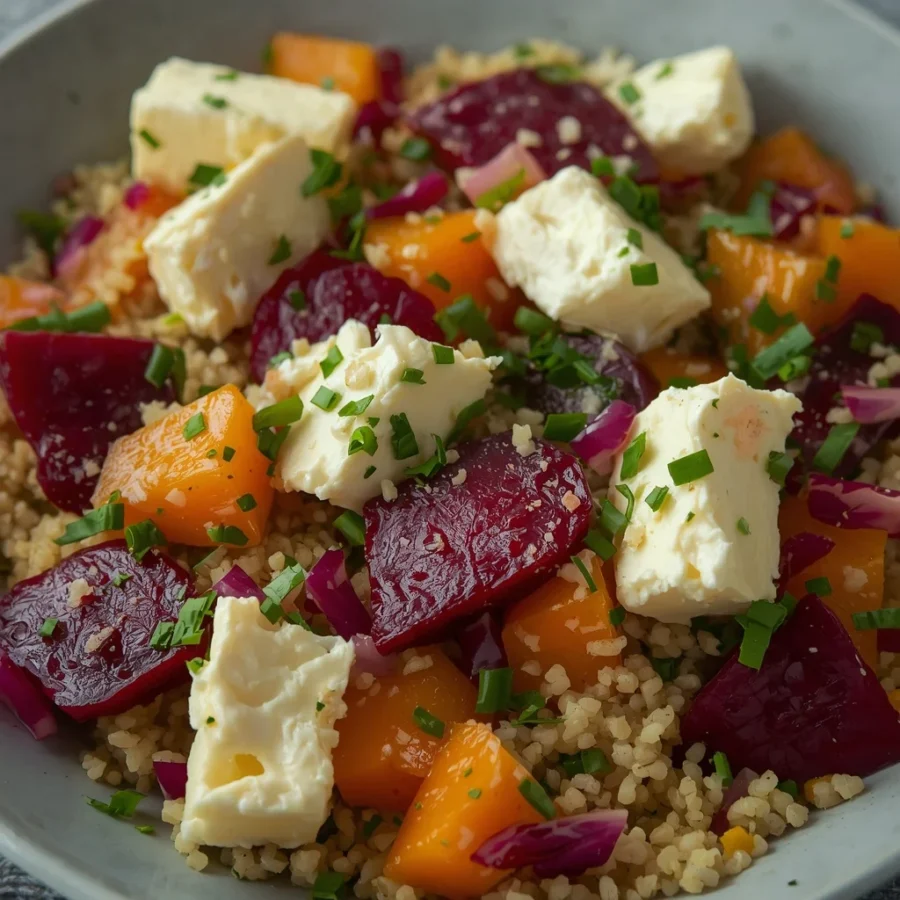
Follow these comprehensive, step-by-step instructions to create the ultimate golden beet & goat cheese couscous salad.
Step One: Preparing and Roasting the Golden Beets
Preheat your conventional oven to four hundred degrees Fahrenheit (two hundred degrees Celsius). Line a large rimmed baking sheet with parchment paper or aluminum foil for effortless cleanup.
Peel your three golden beets carefully using a sturdy vegetable peeler. Cut away the stem ends and root tips, then slice the beets into uniform one-inch cubes. Uniformity ensures that all beet pieces cook evenly without some burning while others remain tough.
Place the diced golden beets into a bowl and toss them with two tablespoons of extra-virgin olive oil, sea salt, and freshly ground black pepper. Spread the beets out in a single layer on your prepared baking sheet, ensuring space between the pieces so they roast rather than steam.
Roast in the preheated oven for twenty-five to thirty-five minutes. Halfway through the cooking duration, use a spatula to turn the beets over. They are ready when a sharp paring knife slides easily into the center of a cube and the edges display a light, caramelized golden brown color. Remove the tray from the oven and allow the beets to cool to warm room temperature.
Step Two: Cooking the Fluffy Couscous
While the beets are roasting in the oven, place one cup of low-sodium vegetable broth or water into a small saucepan over medium-high heat. Bring the liquid to a rolling boil.
As soon as the liquid boils, stir in one cup of dry couscous along with a light pinch of salt. Immediately remove the saucepan from the heat source, cover the pot tightly with a well-fitting lid, and allow it to sit undisturbed for five minutes. The steam trapped inside will rehydrate the grain granules perfectly.
After five minutes, remove the lid and use a fork to gently rake and fluff the couscous grains apart. Transfer the fluffy couscous into a large serving bowl and let it cool slightly so it remains warm without scalding delicate herbs.
Step Three: Whisking the Homemade Lemon Vinaigrette
In a small glass bowl or liquid measuring cup, combine two tablespoons of freshly squeezed lemon juice, one teaspoon of Dijon mustard, one teaspoon of liquid honey or maple syrup, and one finely grated garlic clove.
While whisking briskly with a wire whisk, slowly drizzle in three tablespoons of extra-virgin olive oil until the mixture becomes smooth, opaque, and well emulsified. Season the dressing with a pinch of salt and pepper, taste, and make minor adjustments if you prefer extra citrus tartness or sweetness.
Step Four: Assembling the Golden Beet Goat Cheese Couscous Salad
To your large bowl containing the warm, fluffed couscous, add the roasted golden beet cubes, one-half cup of chopped walnuts or pecans, one-half cup of dried cranberries or raisins, one-fourth cup of fresh chopped parsley, and two tablespoons of fresh chopped mint.
Pour the freshly whisked lemon dressing evenly over the ingredients. Using two large wooden spoons or salad servers, toss the salad gently from the bottom up until every grain of couscous and piece of golden beet is coated in the fragrant dressing.
Step Five: Adding the Goat Cheese and Serving
Gently fold three ounces of crumbled fresh goat cheese into the salad. It is best to fold the cheese lightly at the very end so that large, distinct pockets of creamy cheese remain intact throughout the dish rather than completely dissolving into the warm grains.
Taste a spoonful of the salad and adjust the salt or black pepper if necessary. You can serve this golden beet goat cheese couscous salad immediately while the beets and grains are pleasantly warm, at room temperature, or after chilling it in the refrigerator for two hours.
Creative Recipe Variations: golden beet goat cheese couscous salad
One of the highlights of this golden beet and goat cheese couscous salad is its versatility. You can easily adapt the formula based on dietary preferences, seasonal availability, or whatever ingredients you currently have in your pantry.
Protein Boosts for Main Course Dinners
-
Plant-Based Chickpea Addition: Rinse and drain one tin of chickpeas, toss them with a touch of olive oil and smoked paprika, and roast them alongside the golden beets before folding them into the salad.
-
Grilled Chicken or Turkey: Top individual bowls with sliced, warm grilled chicken breast or herb-roasted turkey for a high-protein dinner option.
-
Toasted Lentils: Stir in one cup of cooked brown or French green lentils to boost fiber and plant protein content without altering the flavor dynamics significantly.
Texture and Grain Alternatives
-
Pearl Couscous Swap: Substitute traditional fine couscous with Israeli or pearl couscous. Cook the larger pearls in boiling water for eight to ten minutes until al dente for a chewy, satisfying mouthfeel.
-
Gluten-Free Quinoa Variation: Replace the wheat-based couscous with fluffy cooked white or tri-color quinoa to make this entire recipe completely gluten-free.
-
Farro or Barley: Use hearty cooked farro or pearl barley to give the salad an earthy, nutty chew that stands up well to robust meal meal-prep storage.
Herb and Green Enhancements
-
Peppery Arugula Bed: Fold two cups of fresh wild baby arugula into the salad right before serving. The natural peppery bite of arugula cuts through the richness of the goat cheese beautifully.
-
Baby Spinach Base: Serve the salad over a bed of tender baby spinach leaves to increase green leaf nutrients effortlessly.
-
Alternative Herbs: If mint is unavailable, try using fresh basil or dill leaves to give the dish a unique garden flavor profile.
Nut and Fruit Alternatives
-
Pistachio Crunch: Swap out walnuts for shelled, lightly salted pistachios to add vibrant green colors and a delicate buttery crunch.
-
Pumpkin Seeds: Use toasted pepitas or pumpkin seeds instead of tree nuts to keep the salad safe for nut-free households and school lunchboxes.
-
Fresh Citrus Segments: Swap dried cranberries for fresh, juicy orange or grapefruit segments during winter months to introduce a bursts of natural fruit juice.
Frequently Asked Questions: golden beet goat cheese couscous salad
Can I make the golden beet and goat cheese couscous salad in advance?
Yes, this salad makes an exceptional meal-prep dish! If you plan to make it a day or two before serving, keep the goat cheese and the roasted nuts in separate airtight containers. Assemble the grains, beets, herbs, and dressing first. Fold in the crumbled goat cheese and sprinkle the toasted nuts on top right before serving so the nuts retain their crisp texture and the cheese stays distinct.
Do I have to peel golden beets before roasting them?
Peeling golden beets before roasting is recommended because beet skin can sometimes taste slightly earthy or tough. However, if you have young, thin-skinned organic golden beets, you can scrub the skin thoroughly with a vegetable brush under cold water, leave the skin intact, dice them, and roast them directly.
Can I use store-bought pre-cooked beets to save time?
Absolutely! If you are short on time, look for pre-cooked, vacuum-sealed plain golden beets in the produce section of your local grocery store. Simply slice them into one-inch cubes and toss them straight into the salad. Keep in mind that pre-cooked beets won’t have the caramelized edges of home-roasted beets, but the salad will still taste delicious.
How long does leftover golden beet goat cheese couscous salad keep in the fridge?
When stored in an airtight container in the refrigerator, leftovers will stay fresh and flavorful for three to four days. Note that as the salad rests, the couscous will continue to absorb the lemon vinaigrette. If it seems slightly dry on day three, simply drizzle a teaspoon of extra-virgin olive oil and fresh lemon juice over your portion and toss lightly before enjoying.
Is golden beet goat cheese couscous salad suitable for vegetarian diets?
Yes, this recipe is entirely vegetarian-friendly, provided you use vegetable broth rather than chicken broth to cook the couscous. To make it strictly vegan, substitute the fresh goat cheese with a plant-based soft cheese alternative and use pure maple syrup instead of honey in the lemon dressing.
What should I serve alongside this salad?
This hearty grain dish functions wonderfully as a standalone vegetarian main course. If you wish to serve it as a side dish, it pairs exceptionally well with roasted salmon fillets, grilled lamb chops, garlic lemon roasted chicken, or pan-seared pork loin.
Conclusion: golden beet goat cheese couscous salad
The golden beet & goat cheese couscous salad is a radiant, flavorful dish that demonstrates how simple, wholesome ingredients can come together to create something truly extraordinary. By combining the natural caramel sweetness of roasted golden beets with tender couscous, crunchy nuts, sweet dried cranberries, and creamy fresh goat cheese, this recipe delivers a perfect symphony of taste and texture in every single bite. Easy enough for a quick weeknight meal yet elegant enough to star at your next dinner party, this versatile salad is sure to become a cherished addition to your recipe collection. Gather your fresh ingredients, fire up your oven, and enjoy the delicious art of cooking from scratch today!
Print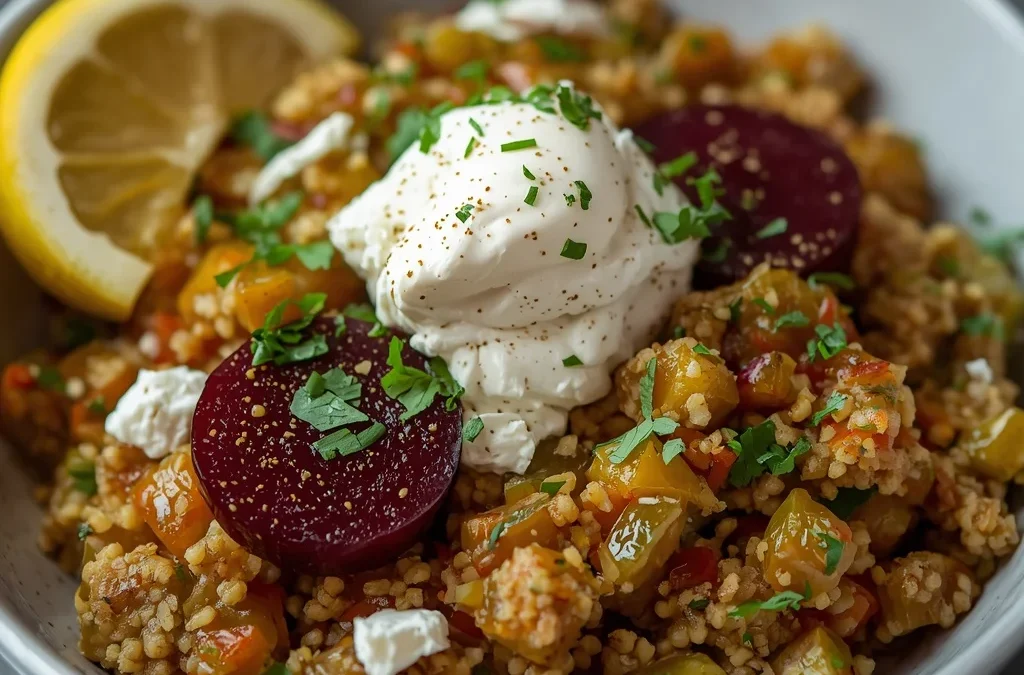
Golden Beet & Goat Cheese Couscous Salad
- Total Time: 45 minutes
- Yield: 4 servings 1x
Description
At its core, the Golden Beet & Goat Cheese Couscous Salad is a modern Mediterranean-inspired dish that marries classic culinary elements into a wholesome, texture-rich meal. It relies on the distinct personality of golden beets, which offer a milder, sweeter flavor than their red counterparts without the intense staining properties that often make red beets tricky to prepare.
Ingredients
For the salad
- 3 medium golden beets, peeled and cut into 1-inch cubes
- 1 cup couscous
- 1 cup vegetable broth or water
- 3 oz (85 g) goat cheese, crumbled
- ½ cup walnuts or pecans, roughly chopped
- ½ cup dried cranberries or raisins
- ¼ cup fresh parsley, chopped
- 2 tbsp fresh mint, chopped
- 2 tbsp olive oil
- Salt and freshly ground black pepper
For the lemon dressing
- 3 tbsp extra-virgin olive oil
- 2 tbsp fresh lemon juice
- 1 tsp Dijon mustard
- 1 tsp honey or maple syrup
- 1 small garlic clove, finely grated or minced
- Salt and black pepper, to taste
Instructions
- Roast the beets
Heat the oven to 400°F (200°C). Toss the diced beets with 2 tablespoons olive oil, salt, and pepper. Spread on a baking sheet and roast for 25–30 minutes, turning once, until tender and lightly caramelized. - Cook the couscous
Bring the vegetable broth to a boil. Stir in the couscous, remove from the heat, cover, and let sit for 5 minutes. Fluff with a fork and allow it to cool slightly. - Make the dressing
Whisk together olive oil, lemon juice, Dijon mustard, honey, garlic, salt, and pepper. - Combine
In a large bowl, combine the couscous, roasted golden beets, walnuts, cranberries, parsley, and mint. - Dress the salad
Pour the lemon dressing over the salad and gently toss. - Add the goat cheese
Fold in the crumbled goat cheese gently so it retains some texture. - Serve
Taste and adjust the seasoning. Serve warm, at room temperature, or chilled.
Notes
- Prep Time: 15 minutes
- Cook Time: 30 minutes
- Category: Salad
- Method: Roasting
- Cuisine: Mediterranean
Nutrition
- Serving Size: 1 serving
- Calories: 430 kcal
Keywords: golden beet and goat cheese couscous salad, roasted beet couscous salad with goat cheese, yellow beet couscous salad
