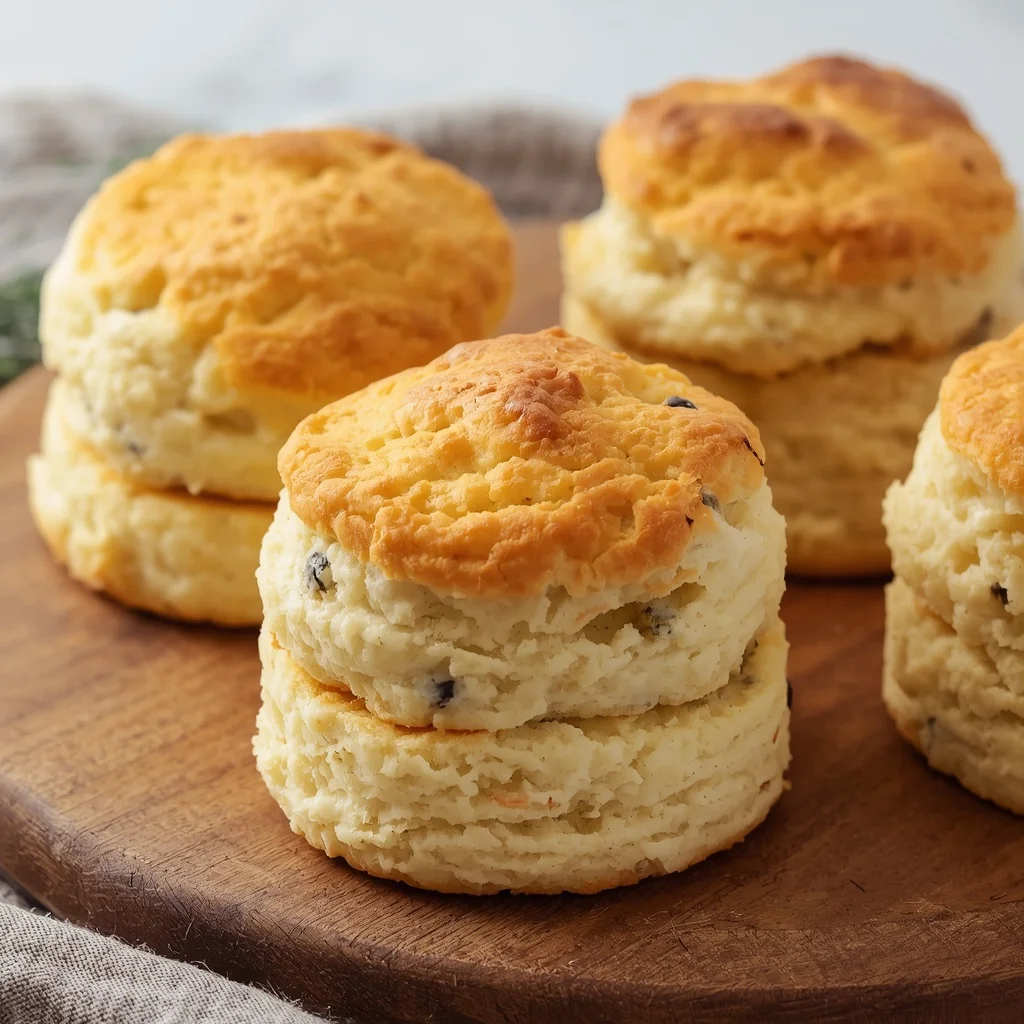
If you have been searching for a biscuit recipe that delivers an extraordinary melt-in-your-mouth tender texture combined with an authentic, rich savory depth, you have arrived at the perfect place. These homemade halal beef tallow buttermilk biscuits represent a remarkable return to classic baking techniques. For generations, traditional bakers knew that animal fats provided a superior tender crumb and distinct golden exterior that modern shortenings and commercial vegetable oils simply cannot match. By swapping standard shortening or butter for cold, rendered halal beef tallow, this recipe yields golden-brown tops, remarkable flaky layers, and a rich flavor profile that elevates breakfast, dinner, or any meal in between.
Whether you are seeking a fully halal-compliant alternative to classic Southern lard biscuits or simply want to discover how rendering traditional fats can transform your home kitchen, these halal beef tallow buttermilk biscuits offer a culinary experience that is both deeply satisfying and surprisingly easy to master. In this comprehensive guide, we will explore everything you need to know to make these savory gems from scratch, including the fascinating history behind tallow baking, essential ingredient breakdowns, step-by-step instructions, creative variations, and expert tips to guarantee success every time you turn on your oven.
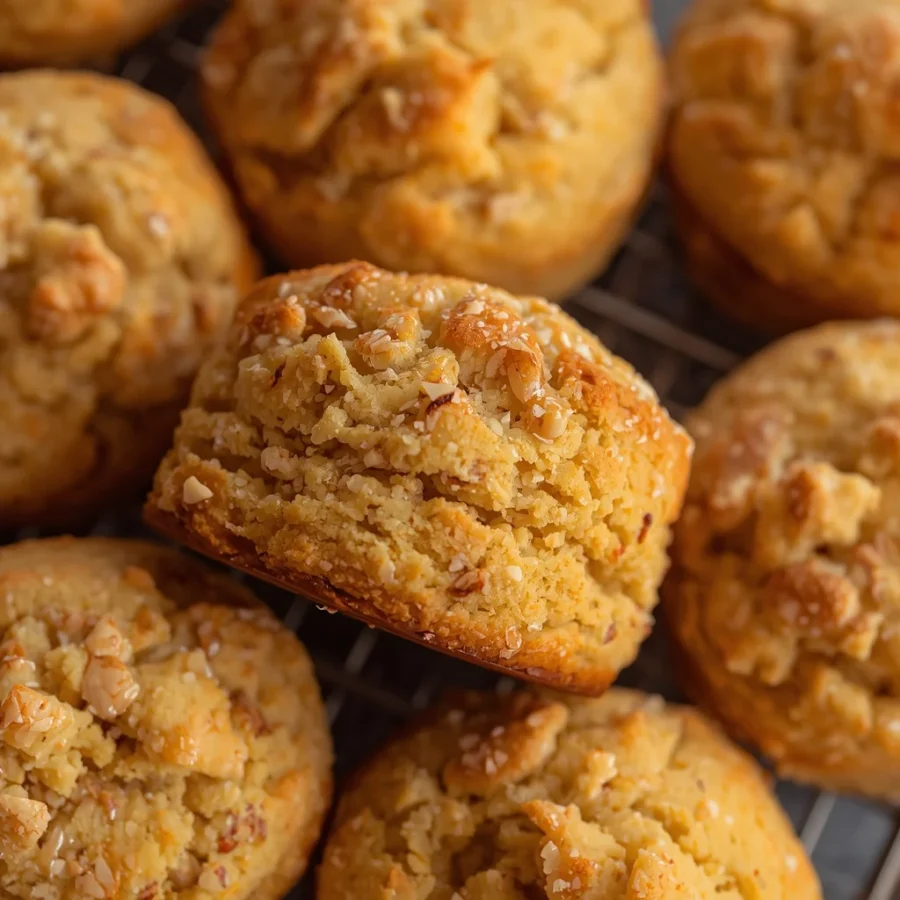
What Are Halal Beef Tallow Buttermilk Biscuits?
At its core, a biscuit is a quick bread reliant on the cold solid fat cutting technique to create delicate layers. When cold fat is dispersed throughout dry flour and then exposed to high oven heat, the moisture inside the fat vaporizes rapidly, creating tiny steam pockets that lift the dough into light, flaky layers.
What makes halal beef tallow buttermilk biscuits so special is the substitution of traditional fats with high-quality, rendered beef fat that complies with Islamic dietary guidelines. Beef tallow is created by slowly rendering beef fat until all water has evaporated and pure, clear fat remains, which then cools into a firm, creamy solid. When combined with acidic, creamy cold buttermilk, the tallow creates a biscuit with an unparalleled savory undercurrent. The buttermilk reacts with the leavening agents to produce a tender interior crumb, while the high melting point of beef tallow allows the biscuit structure to set firmly before the fat fully melts, resulting in incredible height and distinct physical layers.
The Historical Origin of Tallow Biscuits
To fully appreciate this recipe, it helps to understand the long and storied history of baking with animal fats. Long before the invention of processed vegetable shortenings and mass-produced margarines in the early twentieth century, home cooks across the globe relied almost exclusively on rendered animal fats like tallow and lard for cooking and baking.
In traditional European and American frontier cooking, rendered beef tallow was a prized kitchen staple. It was stable at room temperature, highly economical, and imparted a rich flavor to pastries, fried foods, and quick breads. In American Southern baking, quick biscuits were an everyday staple, and using rendered fats was standard practice for working farm households.
Across the Muslim world and regions with rich halal culinary heritages—such as the Middle East, Central Asia, and South Asia—beef fat and ghee have historically been utilized for cooking and pastry work. Beef fat was rendered carefully after halal slaughter to ensure that no part of the animal was wasted. By fusing traditional halal cooking principles with classic cold-fat biscuit laminated baking methods, halal beef tallow buttermilk biscuits bring together centuries of global culinary wisdom into one incredible dish.
Why Choose Halal Beef Tallow Over Butter or Shortening?
You might wonder how beef tallow compares to standard unsalted butter or hydrogenated shortening in a biscuit dough. While butter contains approximately eighty percent fat, sixteen to eighteen percent water, and small amounts of milk solids, pure beef tallow is one hundred percent fat with virtually zero moisture content.
This functional difference provides several unique baking advantages:
-
A Higher Melting Point: Beef tallow melts at a slightly higher temperature than butter. When placed in a hot oven, the flour structure around the tallow has more time to set before the fat completely liquefies, helping the biscuits rise taller without collapsing or spreading out flat.
-
Distinct Flakiness: Because tallow contains no water, it does not hydrate the gluten in the flour prematurely during the cutting step. This leads to a shorter, more tender crumb and distinctly defined flaky layers.
-
Savory Flavor Depth: While butter offers a sweet, creamy flavor, halal beef tallow brings a subtle, earthy, and rich savory baseline that pairs impeccably well with buttermilk, black pepper, and savory toppings like gravy, eggs, or halal sausage.
-
Purity and Stability: Pure rendered tallow is natural, minimally processed, and free from artificial trans fats or chemical preservatives often found in commercial shortening.
Ingredients and Exact Quantities
Creating exceptional halal beef tallow buttermilk biscuits requires simple, high-quality ingredients. Because quick bread recipes rely on precise chemistry, using the correct proportions ensures your dough turns out light rather than dense.
-
Two and One-Half Cups (315 grams) All-Purpose Flour: Standard all-purpose flour provides the ideal protein content (around ten to eleven percent) to form enough gluten structure to rise without making the biscuits tough.
-
One Tablespoon Baking Powder: The primary chemical leavening agent responsible for giving the biscuits their initial rapid lift in the oven.
-
One-Half Teaspoon Baking Soda: Works in tandem with the natural acid in the buttermilk to neutralize acidity and create additional carbon dioxide bubbles for an extra fluffy interior.
-
One Teaspoon Fine Salt: Enhances the natural flavors of the flour and tallow while balancing the tangy notes of the buttermilk.
-
One-Half Teaspoon Granulated Sugar: A small touch of sugar does not make the biscuits sweet; rather, it rounds out the savory profile and promotes delicate browning on the crust through caramelization.
-
Six Tablespoons Halal Beef Tallow (Cold and Solid): Ensure your rendered halal beef tallow is thoroughly chilled in the refrigerator so that it remains firm when worked into the dry flour mixture.
-
One Cup Cold Buttermilk (Plus One to Two Tablespoons as Needed): Real full-fat buttermilk supplies the necessary acid and moisture. Keep it thoroughly chilled right up until the moment you pour it into the bowl.
-
One Tablespoon Melted Halal Beef Tallow: Used for brushing over the biscuit tops prior to baking to promote a rich golden crust and appetizing sheen.
-
Optional – One-Half Teaspoon Freshly Ground Black Pepper: Adds a subtle warmth and specks of visual appeal that complement the savory character of the beef fat.
Step-by-Step Directions and Preparation Method: halal beef tallow buttermilk biscuits
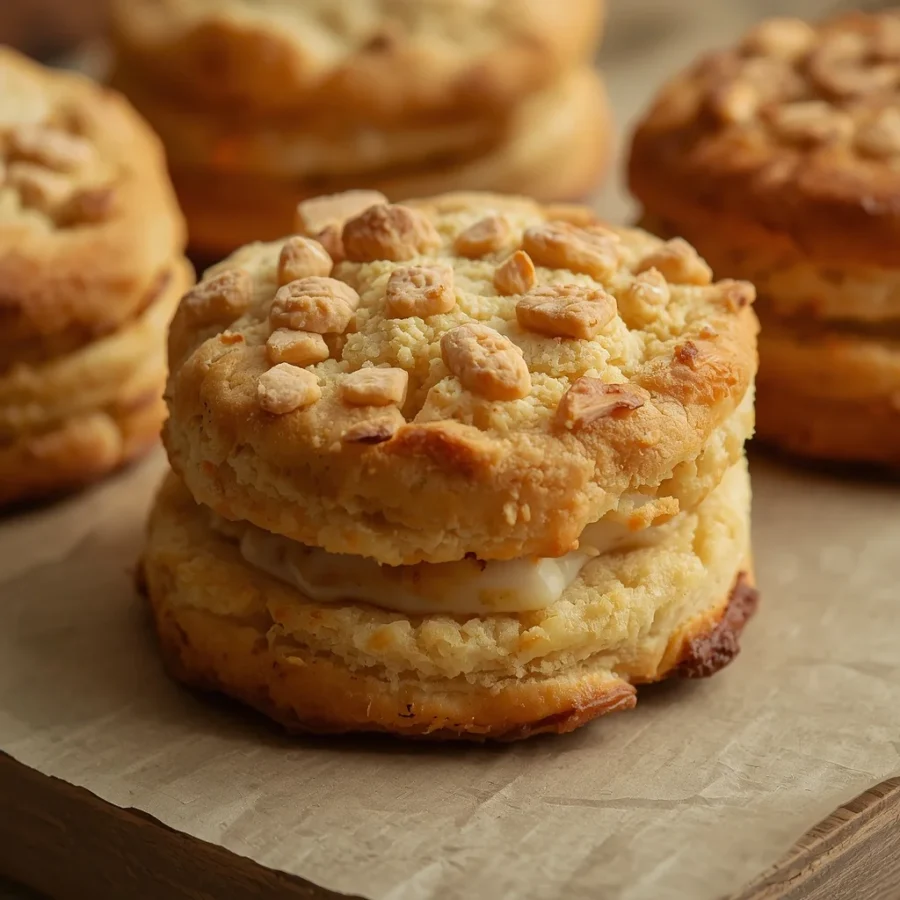
Follow these clear, detailed steps to prepare and bake your biscuits to perfection.
Step 1: Preheat the Oven and Prepare the Sheet
Preheat your conventional oven to four hundred twenty-five degrees Fahrenheit (which is approximately two hundred twenty degrees Celsius). High heat is essential for biscuit baking because it triggers the immediate production of steam within the cold fat pockets, causing the dough to expand upward rapidly. Line a heavy-duty baking sheet with parchment paper to prevent sticking and ensure even bottom browning.
Step 2: Combine the Dry Ingredients
In a large mixing bowl, thoroughly whisk together the all-purpose flour, baking powder, baking soda, salt, granulated sugar, and freshly ground black pepper if you are using it. Whisking for at least thirty seconds removes lumps and evenly distributes the leavening agents throughout the flour, preventing bitter spots of baking soda in the finished biscuits.
Step 3: Cut in the Cold Halal Beef Tallow
Take your cold, solid halal beef tallow out of the refrigerator. Using a pastry cutter, two butter knives, or your fingertips, cut the tallow into the dry flour mixture. Work steadily and gently until the mixture resembles coarse cornmeal interspersed with small, pea-sized pieces of tallow. These visible pieces of cold fat are critical because they will turn into flaky layers during baking. Avoid using your hands too much if they are warm, as you do not want the tallow to melt into the flour.
Step 4: Incorporate the Cold Buttermilk
Create a small well in the center of your dry ingredients and pour in one cup of cold buttermilk. Using a fork or a wooden spoon, gently stir from the inside out just until a shaggy, cohesive dough begins to form. If small patches of dry flour remain at the bottom of the bowl, add an additional one to two tablespoons of cold buttermilk. Be extremely careful not to overmix the dough at this stage, as excessive stirring develops gluten and creates dense, tough biscuits.
Step 5: Perform the Folding and Lamination Process
Turn the shaggy dough out onto a lightly floured work surface. Gather the dough together into a rough rectangle using your hands. To build dozens of delicate layers, pat the dough out flat until it is about one inch thick, then fold it in half like a book. Turn the dough ninety degrees, gently pat it down again, and fold it in half a second time. Repeat this patting and folding process three times total. This easy lamination technique creates alternating layers of flour and cold tallow.
Step 6: Cut Out the Biscuits
Gently pat the laminated dough down to a uniform thickness of approximately three-quarters of an inch (about two centimeters). Take a sharp, two-and-a-half to three-inch round biscuit cutter and press it straight down into the dough without twisting. Twisting the cutter seals the edges of the dough together, which prevents the biscuits from rising to their full height. Lift the cutter straight up and place the cut biscuit onto your prepared baking sheet. Gather any dough scraps gently, press them together, fold once, and cut out the remaining biscuits. You should yield approximately ten to twelve biscuits.
Step 7: Bake to Golden Perfection
Arrange the cut biscuits on the baking sheet so that their sides are gently touching one another. Placing them close together forces the dough to rise vertically rather than spreading outward. Lightly brush the tops of the unbaked dough rounds with the one tablespoon of melted halal beef tallow. Place the baking sheet on the middle rack of your preheated oven and bake for fifteen to eighteen minutes, or until the biscuit tops are light golden brown and the structure is firm to the touch.
Step 8: Cool and Serve
Remove the sheet from the oven and let the hot biscuits rest on the pan for three to five minutes to allow the interior crumb to set. Serve them warm while the crust is crisp and the center remains soft and steaming.
Delicious Variations on the Classic Recipe: halal beef tallow buttermilk biscuits
While classic halal beef tallow buttermilk biscuits are outstanding on their own, you can easily customize the base recipe to suit different meals and personal taste preferences:
-
Cheddar and Fresh Chive Tallow Biscuits: Fold three-quarters of a cup of sharp shredded cheddar cheese and two tablespoons of finely chopped fresh chives into the dry flour mixture before adding the buttermilk. This creates an savory biscuit that pairs amazingly well with soups and stews.
-
Spicy Jalapeño and Smoked Paprika: Add one finely diced fresh jalapeño pepper and one-half teaspoon of smoked paprika to the flour. The smoky warmth balances the creaminess of the tallow and buttermilk.
-
Garlic and Herb Brush: Instead of brushing the tops with plain melted tallow before baking, mix the melted tallow with one-half teaspoon of garlic powder and one teaspoon of dried Italian herbs or fresh parsley.
-
Sweet Hot Honey Glazed Biscuits: Right after pulling the fresh biscuits out of the oven, drizzle the hot tops with a mixture of warm halal honey and crushed red pepper flakes for an addictive sweet and spicy contrast.
Expert Tips for Achieving Extra-Flaky Biscuits
To consistently bake the best halal beef tallow buttermilk biscuits possible, keep these kitchen-tested guidelines in mind:
-
Keep Everything Cold: Temperature control is the single most crucial factor in biscuit baking. Keep your beef tallow, buttermilk, and even your mixing bowl cold. If your kitchen is warm, chill your flour mixture in the refrigerator for fifteen minutes before cutting in the fat.
-
Handle the Dough Gently: High gluten development is the enemy of tender biscuits. Use a light hand when gathering, patting, and folding the dough.
-
Never Twist the Cutter: Always press straight down and lift straight up. A clean cut leaves the sides of the layered dough exposed so steam can push the layers up freely.
-
Place Biscuits Close Together: Arranging the biscuits close on the sheet causes them to support each other as they rise, yielding significantly taller biscuits with softer sides.
-
Verify Halal Certification: Always check that your rendered beef tallow is certified halal by a trusted regulatory body. Ensure all other packaged items, such as baking powder and flour, are free from non-halal additives.
Serving and Pairing Suggestions: halal beef tallow buttermilk biscuits
These versatile biscuits can serve as the star of breakfast or as a comforting side for dinner. Here are a few popular ways to serve them:
-
Halal Sausage Gravy and Biscuits: Split warm biscuits in half and smother them in a rich white country gravy made with spiced halal beef or lamb sausage.
-
Breakfast Sandwiches: Fill a split biscuit with a fried egg, a slice of melted halal cheese, and crispy halal beef bacon or turkey bacon.
-
Sweet Breakfast Spread: Serve warm biscuits alongside pure butter, halal fruit jams, raw honey, or maple syrup.
-
Dinner Table Bread: Use them as a replacement for dinner rolls alongside slow-cooked halal beef stew, roasted chicken, grilled steaks, or hearty vegetable soups.
Storage, Freezing, and Reheating Instructions: halal beef tallow buttermilk biscuits
If you have leftover biscuits or want to prepare a batch in advance, follow these storage methods to preserve freshness:
-
Room Temperature Storage: Store completely cooled biscuits in an airtight container or a sealed zip-top bag at room temperature for up to two days.
-
Freezing Unbaked Dough: You can freeze unbaked biscuit rounds for quick future meals. Place cut biscuits on a parchment-lined pan in the freezer for two hours until frozen solid, then transfer them to a freezer-safe bag for up to three months. Bake frozen biscuits directly from the freezer at four hundred twenty-five degrees Fahrenheit, adding two to four minutes to the total baking time.
-
Freezing Baked Biscuits: Wrap fully baked, cooled biscuits individually in aluminum foil and store in a freezer bag for up to two months.
-
Reheating Methods: To restore crispness, reheat baked biscuits in an oven or toaster oven at three hundred fifty degrees Fahrenheit for six to eight minutes. Avoid using a microwave if possible, as it can make the dough chewy and tough.
Frequently Asked Questions (FAQs): halal beef tallow buttermilk biscuits
Can I render my own halal beef tallow at home?
Yes, you can easily render your own tallow at home. Purchase halal beef kidney fat or suet from your local halal butcher. Chop or grind the fat finely, then place it in a heavy pot or slow cooker over very low heat. Allow the fat to melt slowly for several hours, strain out any solid cracklings through a cheesecloth, and pour the clear liquid fat into glass jars. Once cooled, it turns into white, solid tallow that stores well in the refrigerator or freezer.
How does beef tallow compare to butter in biscuit recipes?
Beef tallow is pure fat with zero water content and a higher melting point, whereas butter contains water and milk solids. This means tallow creates extremely flaky, tall layers with a distinctly savory undertone, while butter creates a sweeter, slightly lighter crumb with more milk flavor.
Why turned out dense instead of light and flaky?
Dense biscuits usually result from overworking the dough, using warm fat, or twisting the cutter. Overworking creates excess gluten, warm fat melts into the flour prematurely instead of forming steam pockets, and twisting the cutter seals the dough edges, preventing maximum rise.
Can I use store-bought buttermilk or a homemade substitute?
Store-bought full-fat buttermilk provides the best consistency and acidity. However, if you do not have buttermilk, you can make a quick substitute by adding one tablespoon of fresh lemon juice or white vinegar to one cup of whole milk. Let it stand for five to ten minutes until slightly curdled before using it in the recipe.
Are these biscuits noticeably beefy in taste?
Well-rendered, pure white beef tallow has a mild, clean, savory taste rather than an overwhelming beef flavor. In the finished biscuit, it presents as a rich, deeply satisfying savory note that enhances the tangy buttermilk without tasting overly meaty.
Conclusion: halal beef tallow buttermilk biscuits
In summary, choosing to bake halal beef tallow buttermilk biscuits from scratch is an exceptionally rewarding way to bring heritage cooking methods into your modern kitchen, creating a tender, flaky texture and rich savory flavor profile that standard butter or shortening recipes simply cannot duplicate. By starting with simple ingredients, keeping your fats very cold, handling the dough with care, and following proper lamination folds, you can effortlessly master this traditional quick bread and serve hot, golden-brown biscuits that impress family and guests alike. Whether enjoyed plain with sweet honey, smothered in savory gravy, or served as a comforting side to your favorite meals, these flaky biscuits prove that traditional halal ingredients and time-honored baking techniques truly create an unbeatable dining experience.
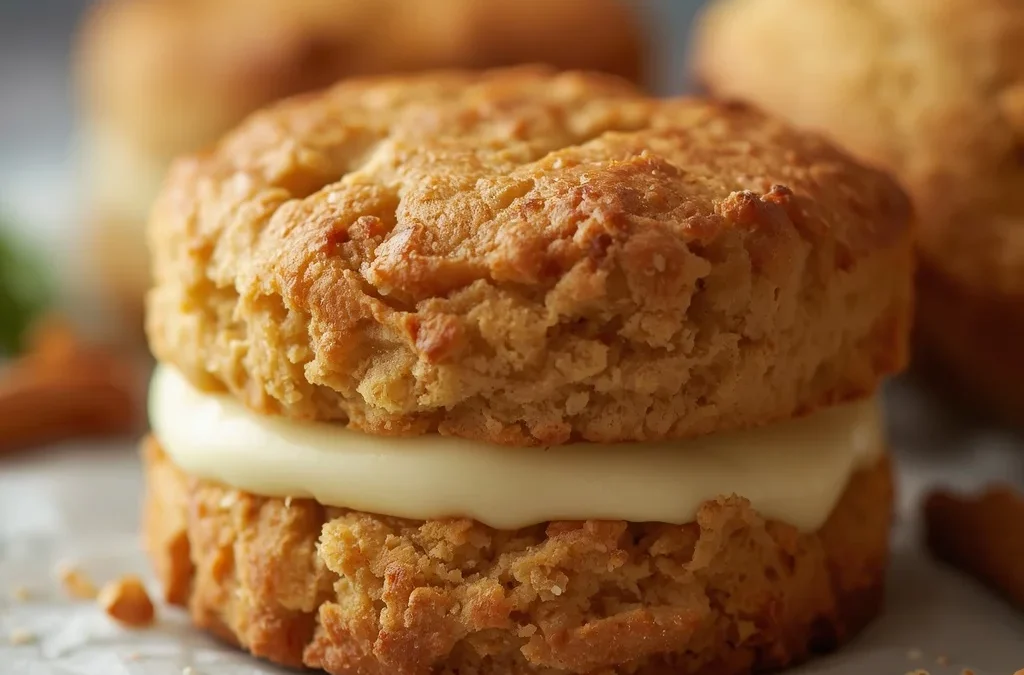
Halal Beef Tallow Buttermilk Biscuits: The Ultimate Flaky and Savory Heritage Recipe
- Total Time: 33 minutes
- Yield: 10–12 biscuits 1x
Description
At its core, a biscuit is a quick bread reliant on the cold solid fat cutting technique to create delicate layers. When cold fat is dispersed throughout dry flour and then exposed to high oven heat, the moisture inside the fat vaporizes rapidly, creating tiny steam pockets that lift the dough into light, flaky layers.
Ingredients
- 2½ cups (315 g) all-purpose flour
- 1 tbsp baking powder
- ½ tsp baking soda
- 1 tsp salt
- ½ tsp sugar
- 6 tbsp halal beef tallow, cold and solid
- 1 cup cold buttermilk, plus 1–2 tbsp if needed
- 1 tbsp melted beef tallow, for brushing
- Optional: ½ tsp freshly ground black pepper
Instructions
- Preheat the oven
Heat your oven to 425°F (220°C). Line a baking sheet with parchment paper. - Combine the dry ingredients
In a large bowl, whisk together the flour, baking powder, baking soda, salt, sugar, and black pepper if using. - Cut in the tallow
Add the cold beef tallow. Use a pastry cutter or your fingertips to work it into the flour until the mixture resembles coarse crumbs, with a few pea-sized pieces remaining. - Add the buttermilk
Pour in the cold buttermilk and gently stir with a fork until a shaggy dough forms. Do not overmix. Add a little extra buttermilk if the dough seems too dry. - Fold the dough
Turn the dough onto a lightly floured surface. Gently pat it into a rectangle, then fold it in half. Repeat 2–3 times to create flaky layers. - Cut the biscuits
Pat the dough to about ¾-inch (2 cm) thick. Cut out biscuits using a 2½–3-inch round cutter. Press straight down rather than twisting the cutter. - Bake
Place the biscuits close together on the prepared baking sheet. Brush the tops lightly with melted beef tallow. Bake for 15–18 minutes, until golden brown. - Serve
Let the biscuits cool for a few minutes before serving. They are best enjoyed warm.
Notes
- Prep Time: 15 minutes
- Cook Time: 18 minutes
- Category: Breakfast
- Method: Baking
- Cuisine: American
Nutrition
- Serving Size: 1 biscuit
- Calories: 220 kcal
Keywords: halal tallow biscuits, beef fat buttermilk biscuits, halal beef fat biscuits, halal savory buttermilk biscuits
