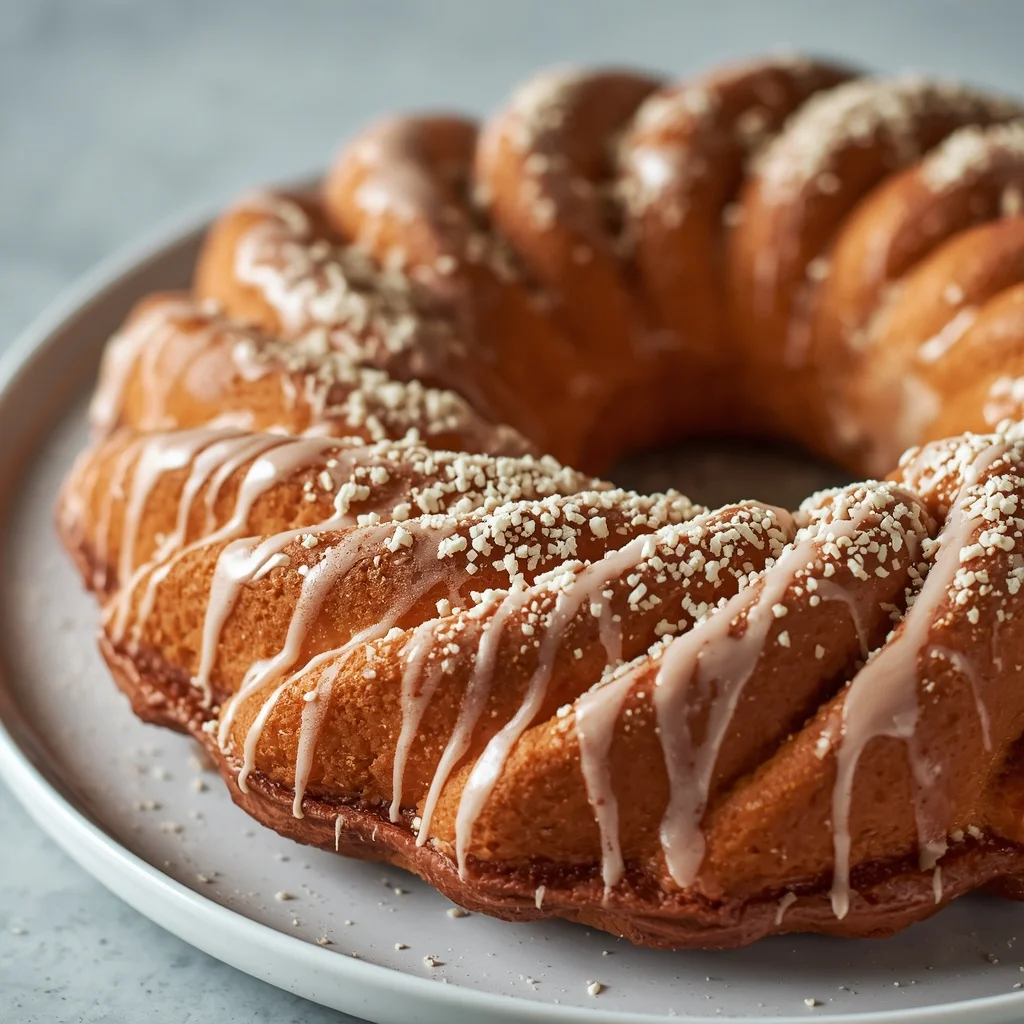
Few aromas capture the pure excitement of a summer carnival, county fair, or bustling boardwalk quite like the warm, sweet scent of a
Homemade Funnel Cake frying to golden perfection. That unmistakable combination of crispy, lacy fried dough on the outside and tender, pillowy softness on the inside—all buried beneath a snowstorm of powdered sugar—has delighted dessert lovers for generations. The best part is that you do not need to wait for the annual fair to roll into town or stand in long concession lines to enjoy this nostalgic
treat.
With just a handful of basic pantry staples and about twenty-five minutes in your own kitchen, you can recreate an authentic
Homemade Funnel Cake that rivals anything served from a carnival food truck.
Many home cooks hesitate to try deep-frying batter at home because they assume it requires specialized equipment or tricky pastry skills. In reality, making a
Homemade Funnel Cake is surprisingly forgiving, deeply satisfying, and downright fun once you understand a few simple techniques regarding batter consistency and oil temperature. Whether you are planning a festive backyard gathering, a fun weekend family activity, or simply craving an indulgent late-night sweet, this
comprehensive guide walks you through every detail—from its fascinating Pennsylvania Dutch heritage to troubleshooting tips, creative topping variations, and foolproof step-by-step instructions.
What Is a Homemade Funnel Cake
A
Homemade Funnel Cake is a classic American fried dough
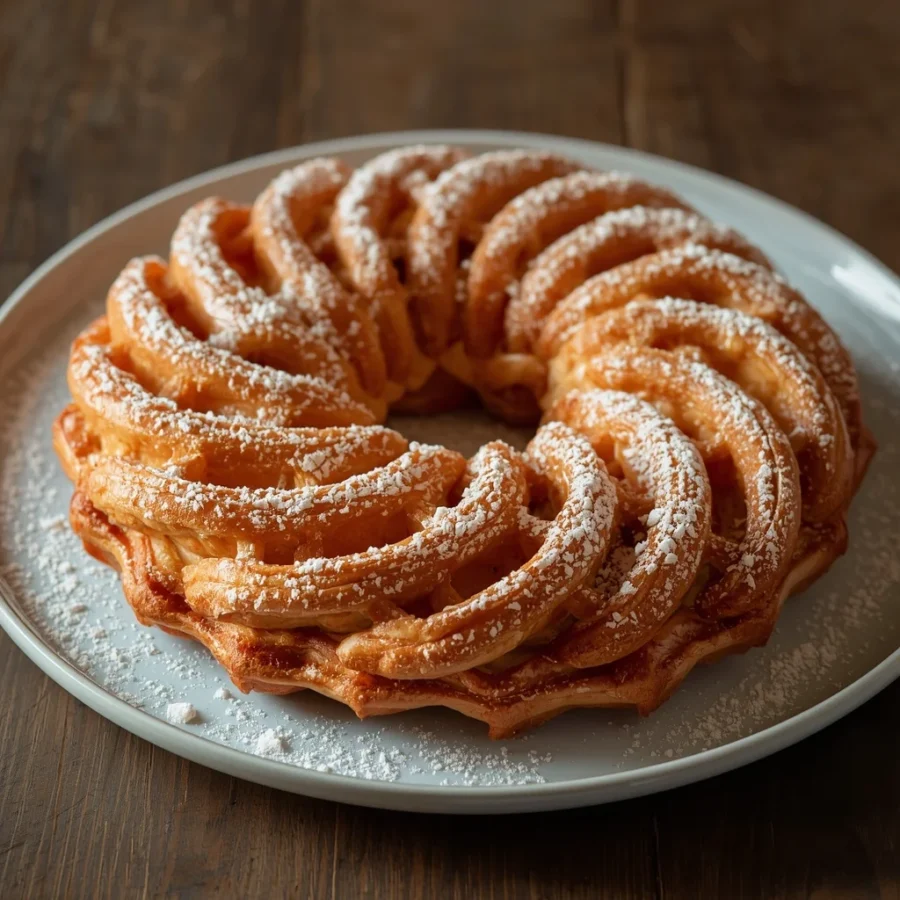
dessert created by pouring a thin, pancake-like batter through a funnel—or a simple squeeze bottle—directly into hot cooking oil in a continuous circular, crisscrossing motion. As the ribbon of batter hits the sizzling oil, it immediately puffs up and weaves together into an intricate, lacy web of golden strands. Once flipped and cooked until crisp on both sides, the cake is lifted from the oil, drained briefly, and finished with a generous dusting of confectioners’ sugar while still piping hot.
Unlike traditional yeast-raised doughnuts, which require hours of kneading, proofing, and shaping, funnel cake relies on chemical leavening from baking powder. This gives the finished pastry a uniquely light, airy texture with delicate crispy edges that snap softly when you pull a piece away, contrasted against a tender, custard-like interior. Because the strands interlock naturally during frying, everyone around the table can easily tear off warm, sugar-dusted pieces by hand, making it an inherently social and shareable treat.
Origin of the Homemade Funnel Cake
While most modern Americans associate funnel cakes with amusement parks, state fairs, and seaside boardwalks, the true roots of the Homemade Funnel Cake stretch back centuries into European culinary traditions and early American immigrant history. Fried batter pastries poured through funnels have existed in German and Austrian cuisine for hundreds of years, where they were historically known as Strauben—meaning “unkempt” or “tousled” due to their wild, tangled appearance—or Drechterkuche in regional dialects.
When German-speaking immigrants, widely known today as the Pennsylvania Dutch, settled in southeastern Pennsylvania during the seventeenth and eighteenth centuries, they brought their cherished baking and frying traditions with them. These resourceful home cooks transformed simple farm ingredients—flour, eggs, milk, and leavening—into festive treats cooked in hot lard or oil for holidays, harvest celebrations, and community gatherings. Over time, the Pennsylvania Dutch specialty moved beyond local farm kitchens and regional folk festivals into mainstream American fairgrounds during the twentieth century. Today, the Homemade Funnel Cake stands proudly alongside cotton candy and caramel apples as an undisputed icon of American comfort food.
Essential Ingredients for Your Homemade Funnel Cake
You likely already have everything needed to prepare this recipe sitting in your pantry and refrigerator. Using fresh baking powder and room-temperature dairy ensures your batter rises properly and fries into light, crisp ribbons rather than heavy dough.
For the Funnel Cake Batter
-
All-purpose flour: Two cups, which equals two hundred fifty grams, measured accurately by spooning into your measuring cup and leveling off so the batter stays light and pourable.
-
Granulated sugar: Two tablespoons of white granulated sugar to lightly sweeten the dough and promote gorgeous golden-brown caramelization in the hot oil.
-
Baking powder: One teaspoon of fresh baking powder to give the strands their signature lift and tender, fluffy interior.
-
Salt: One half teaspoon of fine table salt or kosher salt to balance the sweetness and sharpen all the flavors in the batter.
-
Eggs: Two large eggs, ideally brought to room temperature so they blend smoothly into the milk and melted butter without clumping.
-
Milk: One cup, equal to two hundred forty milliliters, of whole milk or two percent milk for rich flavor and proper batter fluidity.
-
Vanilla extract: One half teaspoon of pure vanilla extract to infuse the warm fried dough with classic bakery aroma.
-
Unsalted butter: Two tablespoons of melted butter, cooled slightly before mixing so it does not scramble the eggs while adding richness and crispness to the finished cake.
For Frying and Topping
-
Vegetable oil: Three to four cups of neutral, high-smoke-point cooking oil such as vegetable oil, canola oil, peanut oil, or sunflower oil for deep frying.
-
Powdered sugar: One half cup of confectioners’ sugar, or more as needed, for dusting generously over the warm cakes right before serving.
Step by Step Direction and Preparation Method
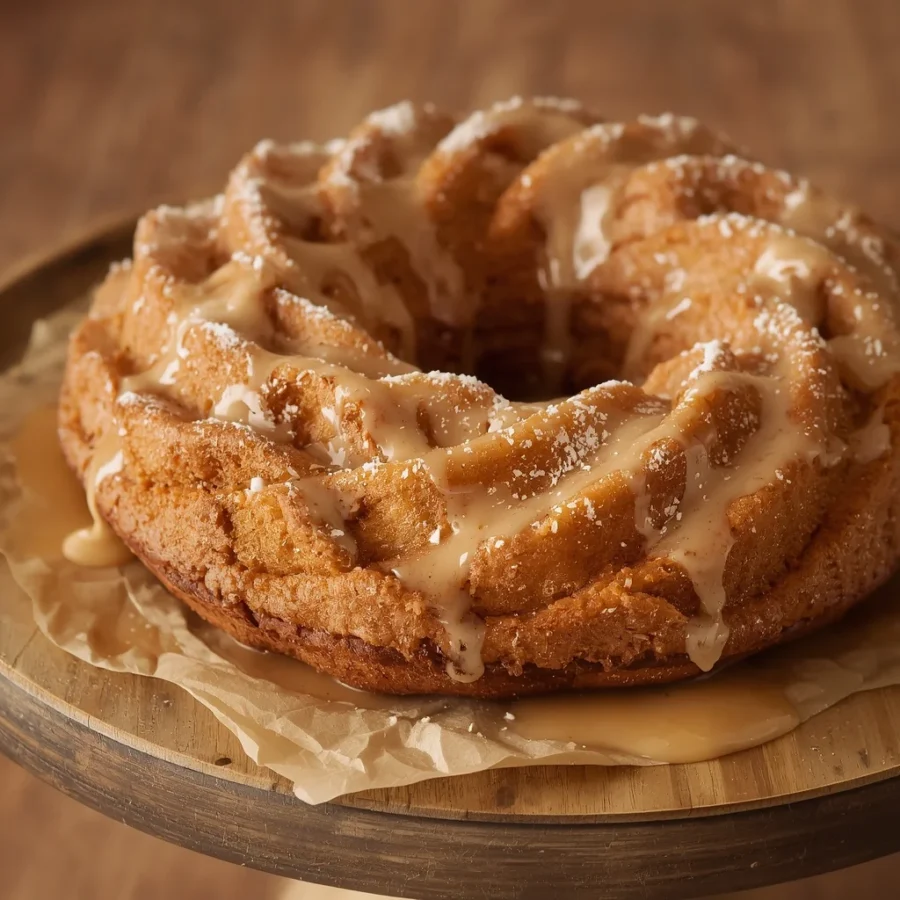
Follow these clear, chronological steps to make four generous, fairground-style cakes at home safely and effortlessly.
Step One: Whisk the Dry Ingredients
Grab a large mixing bowl and whisk together the all-purpose flour, granulated sugar, baking powder, and salt. Taking thirty seconds to whisk these dry ingredients thoroughly distributes the leavening agent evenly throughout the flour, preventing bitter pockets and ensuring uniform puffiness across every strand.
Step Two: Combine the Wet Ingredients
In a separate medium bowl or large liquid measuring cup, crack the two large eggs and whisk them well until the yolks and whites are completely beaten together. Pour in the milk, pure vanilla extract, and slightly cooled melted butter, whisking until the liquid mixture is smooth and uniform.
Step Three: Mix the Funnel Cake Batter
Slowly pour the wet mixture into the bowl of dry ingredients while whisking continuously. Mix just until the batter is smooth and completely free of large flour lumps. Check the consistency carefully: the batter should flow smoothly off your whisk in a steady, uninterrupted ribbon—similar to thin pancake batter or heavy cream. If it seems too thick to pour easily, whisk in an extra tablespoon or two of milk.
Step Four: Heat the Frying Oil
Choose a deep, heavy-bottomed skillet, Dutch oven, or wide saucepan with high sides to minimize splatters. Pour in enough vegetable oil to reach a depth of approximately two inches. Place the pan over medium to medium-high heat and warm the oil until it reaches three hundred fifty degrees Fahrenheit, which equals one hundred seventy-five degrees Celsius. Using a clip-on candy or deep-fry thermometer is the easiest way to track the exact temperature accurately.
Step Five: Fill Your Funnel or Squeeze Bottle
While the oil heats, transfer your smooth batter into a standard kitchen funnel—keeping one finger securely pressed over the bottom spout so nothing leaks out—or pour it into a wide-mouth plastic squeeze bottle or heavy-duty piping bag with the tip snipped off. A squeeze bottle offers wonderful precision if you are making a Homemade Funnel Cake for the very first time.
Step Six: Swirl the Batter into the Hot Oil
Position your funnel or squeeze bottle directly over the center of the hot oil, holding it just a few inches above the surface to avoid splashing. Release the batter in a steady stream, moving your hand in a continuous circular motion followed by overlapping crisscross lines across the center to bind the rings together into a lacy round cake roughly six to seven inches wide. Avoid making the batter layers too thick in one spot, as thin strands crisp up best.
Step Seven: Fry Until Golden Brown
Allow the funnel cake to fry undisturbed for about one to two minutes on the first side until the bottom turns a deep, appetizing golden brown and feels crisp when nudged. Slide a pair of metal tongs or a wide slotted spatula underneath the cake and carefully flip it over. Fry the second side for another one to two minutes until equally golden and crisp throughout.
Step Eight: Drain Excess Oil
Using tongs or a spider strainer, lift the finished cake out of the pan, letting excess oil drip back into the pot for a few seconds. Transfer the pastry onto a large plate or wire cooling rack lined with several layers of paper towels to blot away any remaining surface grease.
Step Nine: Dust with Powdered Sugar and Serve
While the Homemade Funnel Cake is still piping hot, place your powdered sugar into a fine-mesh sieve and tap the side gently to rain a thick, snowy blanket of sweetness over the entire top. Serve immediately while the outside is crackling crisp and the center remains warm and tender.
Expert Secrets for Foolproof Funnel Cake
Even though the ingredient list is remarkably simple, paying attention to temperature and technique separates an okay batch from an unforgettable fairground masterpiece. Keep these practical kitchen habits in mind:
-
Keep a close eye on oil temperature: If your oil drops below three hundred fifty degrees Fahrenheit, the batter will absorb excess grease before it crisps up, leaving you with a heavy, oily pastry. Conversely, if the oil smokes above three hundred seventy-five degrees Fahrenheit, the outside will burn dark brown before the inside finishes cooking. Allow the oil thirty seconds to recover its heat between cakes.
-
Do not overcrowd the pan: Fry only one funnel cake at a time unless you are working with an extra-wide commercial skillet. Giving each cake plenty of room lets the oil circulate freely and keeps the temperature stable.
-
Test your batter before pouring a full cake: Drop a single small drizzle of batter into the hot oil first. It should sink for just a fraction of a second before bobbing right back to the surface surrounded by lively, steady bubbles.
-
Save the powdered sugar for the very last moment: Dusting too early while heavy steam is still rising off the oil can cause the sugar to dissolve into a sticky glaze. Wait about twenty seconds after draining, dust generously, and bring straight to the table.
Delicious Variations and Topping Ideas
Once you master the classic powdered sugar version, your Homemade Funnel Cake becomes an irresistible blank canvas for endless dessert creations. Try these crowd-pleasing variations next time you whip up a batch:
Classic Boardwalk Powdered Sugar
Stick with pure tradition by piling on extra-fine confectioners’ sugar with a tiny pinch of ground cinnamon mixed in for subtle warmth.
Strawberries and Cream Carnival Style
Top your warm sugar-dusted cake with freshly sliced ripe strawberries, a spoonful of macerated berry syrup, and a generous swirl of freshly whipped heavy cream.
Decadent Chocolate Hazelnut Drizzle
Warm up chocolate fudge sauce or chocolate hazelnut spread until pourable, drizzle it back and forth across the crispy strands, and scatter mini chocolate chips and chopped toasted hazelnuts over the top.
Apple Pie Autumn Funnel Cake
Spoon warm spiced cinnamon apples over the fried dough, add a drizzle of salted caramel sauce, and crown the center with a cold scoop of vanilla bean ice cream for an unforgettable hot-and-cold contrast.
Cookies and Cream Indulgence
Dust the cake lightly with powdered sugar, drizzle with sweet vanilla icing, and sprinkle crushed chocolate sandwich cookies generously across the lacy surface.
Frequently Asked Questions: Homemade Funnel Cake
What can I use if I do not own a kitchen funnel?
You do not need an actual funnel to make great funnel cake at home. A standard plastic condiment squeeze bottle works wonderfully and actually gives beginners far better control over starting and stopping the batter flow. You can also use a zip-top freezer bag with a small quarter-inch corner snipped off, a pastry piping bag, or even a liquid measuring cup with a narrow pouring spout.
Why did my funnel cake turn out soggy or greasy instead of crispy?
Sogginess almost always happens when the frying oil is not hot enough. When batter enters lukewarm oil, it soaks up fat like a sponge instead of sealing quickly on the outside. Always preheat your oil fully to three hundred fifty degrees Fahrenheit, fry one cake at a time, and drain each finished pastry on paper towels immediately after removing it from the pan.
Can I make funnel cake batter ahead of time?
Yes, you can prepare the batter up to twenty-four hours in advance and store it covered in the refrigerator. Keep in mind that flour continues to absorb liquid as it rests, so chilled batter may thicken slightly overnight. Simply whisk in a splash of milk before frying until it returns to a smooth, pourable ribbon consistency.
How do I store and reheat leftover funnel cake?
While a Homemade Funnel Cake always tastes best fresh out of the fryer, leftovers can be stored in an airtight container at room temperature for up to two days. To bring back its signature crunch, place the cake on a baking sheet in a three hundred fifty degree Fahrenheit oven or an air fryer for three to five minutes, then add a fresh dusting of powdered sugar before serving.
What is the best oil for frying funnel cakes?
Choose a clean-tasting oil with a high smoke point so it withstands steady heat without burning or imparting heavy flavors to your sweet batter. Canola oil, vegetable oil, peanut oil, and refined sunflower oil are all reliable choices that let the sweet vanilla and buttery notes of the cake shine through.
Conclusion: Homemade Funnel Cake
Bringing the magic of the fairground into your own kitchen is easier than you ever imagined once you have a reliable
Homemade Funnel Cake recipe in your collection. With simple pantry staples, a steady pour, and hot oil, you can transform an ordinary afternoon into a festive celebration filled with golden, crispy ribbons of fried dough and clouds of sweet powdered sugar. Grab your favorite toppings, gather friends or family around the kitchen counter while the cakes are still warm, and enjoy every crunchy, tender bite of this timeless American classic.