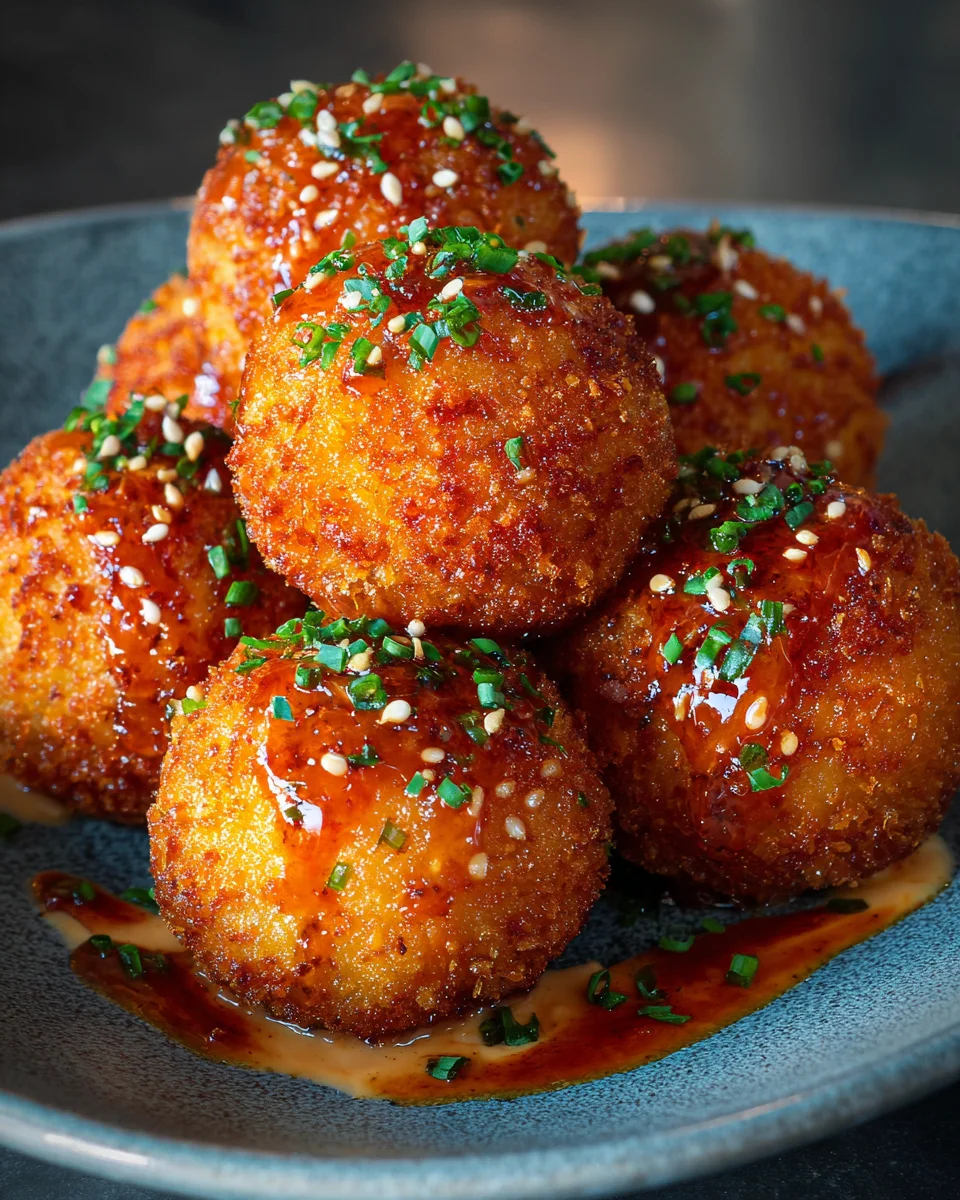
Food is one of the few things in life that truly knows no borders. When we think about comfort food, two specific images often come to mind: the crispy, cheese-filled rice balls from the streets of Sicily and the spicy, fermented tang of a traditional Korean kitchen. On their own, they are world-class staples. But when you bring them together, you create something entirely new and breathtaking. We are talking about the Kimchi Arancini with Gochujang Mayo. This fusion dish is a masterclass in balance, combining the crunch of a deep-fried snack with a complex, spicy interior that keeps you coming back for more.
In this deep dive, we are going to explore how to create this restaurant-quality appetizer in your own home. Whether you are a fan of Italian cuisine, a devotee of Korean flavors, or just someone who loves a good crispy snack, this recipe is designed to satisfy every craving. We will cover the history, the science of the perfect rice ball, and the step-by-step methods to ensure your kitchen produces the best arancini you have ever tasted.
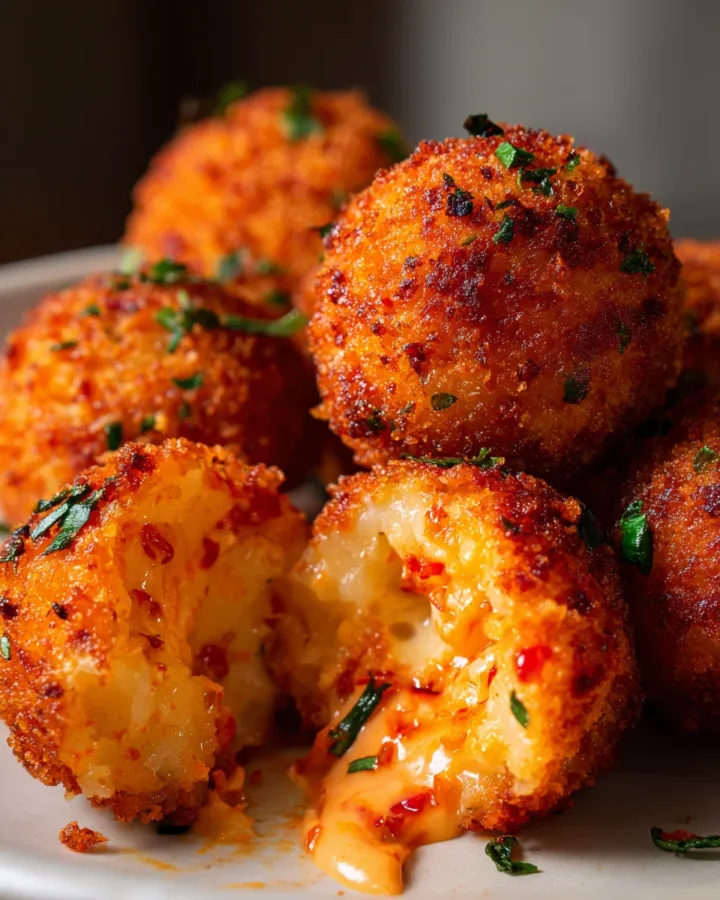
What is this Kimchi Arancini with Gochujang Mayo Recipe?
To understand this dish, we have to look at its two primary influences. Arancini are traditional Italian rice balls, typically filled with ragu, peas, and mozzarella, then breaded and fried. They are named after the little oranges they resemble once cooked. On the other side, we have Kimchi, the backbone of Korean dining, consisting of fermented vegetables seasoned with chili powder, garlic, and ginger.
The Kimchi Arancini with Gochujang Mayo recipe takes the structural brilliance of the Italian arancino and replaces the traditional Mediterranean flavor profile with a bold, East Asian twist. Instead of a saffron-infused risotto, we use short-grain rice mixed with finely chopped kimchi and a touch of its spicy juice. The heart of the ball still contains a molten core of mozzarella cheese, providing a creamy contrast to the heat. To tie it all together, the dish is served with a Gochujang-infused mayonnaise that adds a smoky, sweet, and creamy finish. It is a handheld explosion of flavor that represents the very best of modern fusion cooking.
The Origin of this Fusion Masterpiece
Fusion cooking is often born out of necessity or curiosity. While traditional arancini date back to tenth-century Sicily, the integration of Korean ingredients is a much more contemporary phenomenon. This specific pairing likely emerged from the thriving food truck and street food scenes in cities like Los Angeles, New York, and Seoul, where chefs are constantly looking for ways to reinvent classic comfort foods.
The popularity of the Kimchi Arancini with Gochujang Mayo has grown alongside the global “K-wave.” As people around the world fell in love with the health benefits and deep flavors of kimchi, they began looking for ways to incorporate it into familiar formats. Rice is the common denominator between Italian and Korean cuisines, making this transition feel natural rather than forced. By using the Italian technique of breading and frying, the pungent, acidic notes of the kimchi are mellowed out and complemented by the rich, fatty goodness of the cheese and oil. It is a dish that honors two distinct cultures while creating a flavor profile that is entirely unique.
Ingredients and Precise Quantities: Kimchi Arancini with Gochujang Mayo
To make these arancini truly stand out, you need to use the right type of rice and high-quality fermented cabbage. Here is exactly what you will need to gather before you start cooking.
For the Bold Kimchi Arancini
-
Two cups cooked short-grain rice: This is crucial. Long-grain rice will not stick together well enough. The rice should be cooled, and using day-old rice is actually preferred.
-
One cup kimchi: Ensure it is finely chopped and well-drained so the moisture does not make the balls fall apart.
-
One half cup mozzarella cheese: You can use small cubes or shredded cheese. This provides the “cheese pull” that everyone loves.
-
Two tablespoons kimchi juice: This is optional but highly recommended for a more intense orange color and deeper flavor.
-
One green onion: Finely chopped to add a bit of fresh, sharp bite to the filling.
-
One large egg: This acts as the binder for the rice mixture.
-
One half cup all-purpose flour: For the first stage of the breading process.
-
One cup panko breadcrumbs: These provide a superior crunch compared to traditional breadcrumbs.
-
Frying Oil: Use a neutral oil with a high smoke point, such as vegetable, canola, or grapeseed oil.
-
Salt and pepper: To be added to your personal taste.
For the Spicy Gochujang Mayo
-
One half cup mayonnaise: This provides the creamy, cooling base.
-
One to two tablespoons gochujang: This Korean chili paste is thick, savory, and pungent. Adjust according to your heat tolerance.
-
One teaspoon lemon juice: The acidity cuts through the richness of the mayo and the fried rice.
-
One teaspoon honey: An optional addition to balance the spice with a little bit of sweetness.
Step by Step Direction and Preparation Method: Kimchi Arancini with Gochujang Mayo
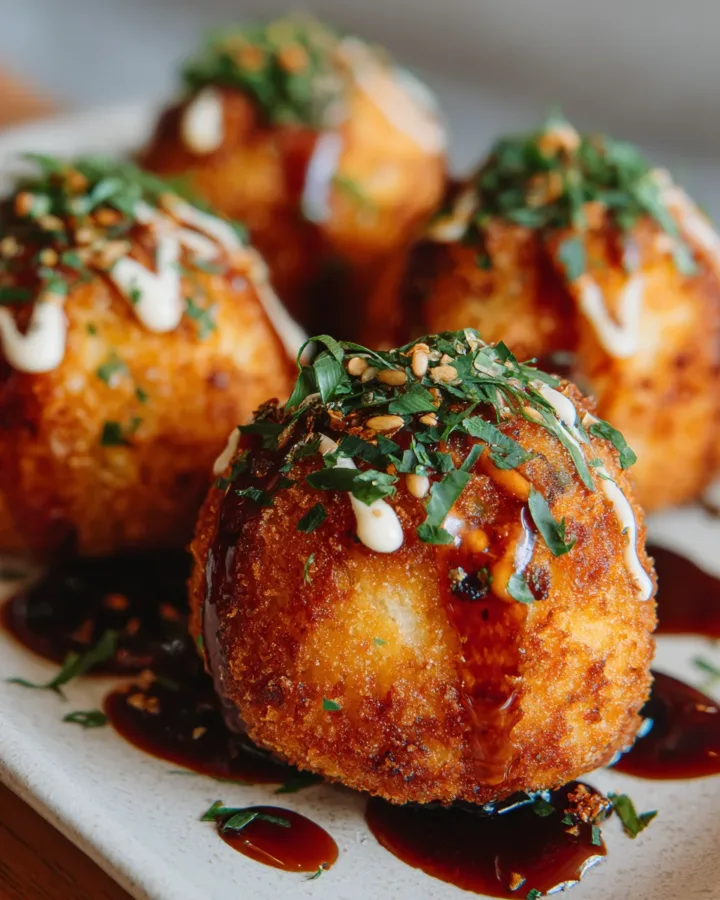
Creating the perfect Kimchi Arancini with Gochujang Mayo requires a bit of patience and a gentle touch. If you follow these steps, you will end up with a snack that is crispy on the outside and perfectly gooey on the inside.
Preparing the Rice Mixture
The foundation of a good arancino is the rice. In a large mixing bowl, combine your two cups of cooled short-grain rice with the finely chopped kimchi and the chopped green onion. If you want that signature spicy glow, pour in those two tablespoons of kimchi juice.
Next, add one beaten egg into the mix. This is vital because the egg will cook during the frying process, acting like glue to keep the rice ball from disintegrating. Season the mixture lightly with salt and pepper. Keep in mind that kimchi and cheese are already salty, so go easy on the extra seasoning. Stir everything together until the color is uniform and the ingredients are evenly distributed.
Shaping the Arancini
This is the part where you get your hands a little messy. Take a small portion of the rice mixture—roughly the size of a golf ball—and flatten it slightly in the palm of your hand. Place a cube of mozzarella or a pinch of shredded cheese in the very center.
Carefully fold the rice up and around the cheese, rolling it between your palms until you have a tight, smooth ball. It is important to make sure the cheese is completely encased in rice. If any cheese is sticking out, it will leak into the hot oil and cause a mess. Repeat this process until you have used all your rice mixture. You should end up with a tray of beautiful, orange-tinted rice spheres.
The Coating Process: Flour, Egg, and Panko
To get that professional-grade crunch, we use a three-step coating system. First, roll each rice ball in the all-purpose flour, shaking off any excess. This creates a dry surface for the egg to cling to. Next, dip the floured ball into a bowl of beaten egg. Finally, roll the ball in the panko breadcrumbs, pressing gently to make sure the crumbs adhere to the entire surface.
Once coated, let the arancini rest on a tray for a few minutes. This “set time” helps the crust stay attached during the frying stage. If you have the time, popping the tray into the refrigerator for fifteen minutes can make them even easier to handle.
Frying to Golden Perfection
Fill a deep pot or a high-sided skillet with enough oil to submerge the balls at least halfway. Heat the oil to three hundred and fifty degrees Fahrenheit. If you do not have a thermometer, you can test the oil by dropping in a single breadcrumb; if it sizzles immediately, you are ready to go.
Fry the arancini in batches. Do not overcrowd the pot, as this will drop the oil temperature and lead to greasy rice balls. Fry them for about three to four minutes, turning them occasionally, until they are a deep, golden brown. Remove them with a slotted spoon and let them drain on a wire rack or paper towels.
Mixing the Gochujang Mayo
While the arancini are cooling slightly, prepare your dipping sauce. In a small bowl, whisk together the mayonnaise, gochujang, lemon juice, and honey. The result should be a beautiful, pale pink sauce that is creamy, spicy, and slightly tangy. Taste it and adjust the gochujang if you want more heat.
Creative Variations to Try
One of the best things about the Kimchi Arancini with Gochujang Mayo recipe is how adaptable it is. Here are a few ways you can put your own spin on this dish:
-
Protein-Packed: Add some finely chopped cooked bacon or spicy pork bulgogi to the rice mixture for an extra layer of savory flavor.
-
The Seafood Twist: Incorporate some chopped cooked shrimp into the center along with the mozzarella for a “surf and turf” feel.
-
Vegan Version: Use a vegan-friendly kimchi (check for no fish sauce), a flax-egg binder, and a dairy-free cheese alternative. Swap the mayo for a vegan variety to finish the dish.
-
Healthier Alternative: If you want to avoid deep-frying, you can cook these in an air fryer. Spray the breaded balls generously with oil and cook at three hundred and seventy-five degrees Fahrenheit for about twelve to fifteen minutes, turning halfway through.
-
Extra Umami: Mix a little bit of toasted sesame oil or roasted seaweed flakes into the rice mixture before shaping the balls.
FAQs (Frequently Asked Questions): Kimchi Arancini with Gochujang Mayo
Can I use long-grain rice like Basmati or Jasmine?
It is not recommended. Long-grain rice contains less starch and is much more “fluffy,” meaning it will not stick together. Short-grain rice, like the kind used for sushi or risotto, is essential for keeping the balls intact during the frying process.
Why did my arancini fall apart in the oil?
This usually happens for three reasons: the rice was too warm when you shaped the balls, the mixture was too wet (too much kimchi juice), or the oil was not hot enough. Ensure your rice is cold and your oil is at three hundred and fifty degrees Fahrenheit before you start frying.
Is Gochujang very spicy?
Gochujang has a fermented, concentrated heat, but it is also quite sweet. It is generally considered a medium-heat ingredient. When mixed with mayonnaise, the spice level is significantly tamed, making it accessible even for those who are sensitive to heat.
How do I store and reheat leftovers?
You can store cooked arancini in an airtight container in the refrigerator for up to three days. To reheat, avoid the microwave, as it will make the breadcrumbs soggy. Instead, put them in a toaster oven or a regular oven at three hundred and fifty degrees Fahrenheit for ten minutes to restore the crunch.
Can I freeze Kimchi Arancini with Gochujang Mayo before frying?
Yes! You can assemble and bread the arancini, then freeze them on a tray. Once frozen solid, transfer them to a freezer bag. When you are ready to eat, you can fry them directly from frozen; just add an extra two minutes to the cooking time to ensure the cheese in the middle melts completely.
Conclusion: Kimchi Arancini with Gochujang Mayo
The Kimchi Arancini with Gochujang Mayo is a testament to the fact that when we share our culinary traditions, everyone wins. It takes the comfort of a cheesy, fried rice ball and elevates it with the complex, fermented power of Korean pantry staples. While it may seem like a complex undertaking, breaking it down into manageable steps—preparing the rice, shaping the cores, and the three-stage breading—makes it an achievable goal for any home cook.
When you take that first bite and experience the crunch of the panko, the heat of the kimchi-infused rice, and the satisfying pull of the melted mozzarella, you will understand why this fusion dish has captured so many hearts. It is bold, it is creative, and above all, it is incredibly delicious. So, next time you have some leftover rice and a jar of kimchi in the fridge, skip the fried rice and try your hand at these Italian-Korean treasures. Your taste buds will thank you for the adventure.
Print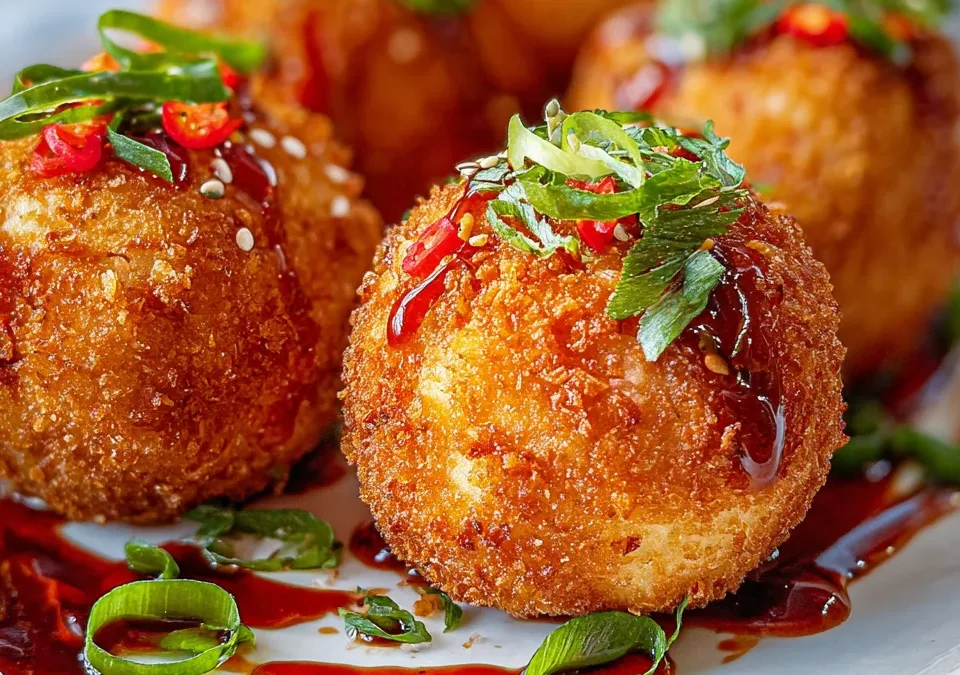
The Ultimate Guide to Kimchi Arancini with Gochujang Mayo
- Total Time: 40 minutes
- Yield: 12–14 arancini 1x
Description
To understand this dish, we have to look at its two primary influences. Arancini are traditional Italian rice balls, typically filled with ragu, peas, and mozzarella, then breaded and fried. They are named after the little oranges they resemble once cooked. On the other side, we have Kimchi, the backbone of Korean dining, consisting of fermented vegetables seasoned with chili powder, garlic, and ginger.
Ingredients
For the arancini:
- 2 cups cooked short-grain rice (cooled)
- 1 cup kimchi (finely chopped, drained)
- ½ cup mozzarella cheese (cubed or shredded)
- 2 tbsp kimchi juice (optional, for extra flavor)
- 1 green onion (chopped)
- 1 egg
- ½ cup all-purpose flour
- 1 cup breadcrumbs (panko works best)
- Oil (for frying)
- Salt & pepper (to taste)
For the gochujang mayo:
- ½ cup mayonnaise
- 1–2 tbsp gochujang (Korean chili paste)
- 1 tsp lemon juice
Instructions
🔪 Step 1: Prepare the Rice Mixture
- In a bowl, mix rice, chopped kimchi, green onion, and kimchi juice.
- Season lightly with salt and pepper.
- Stir in 1 beaten egg to help bind.
🧀 Step 2: Shape the Arancini
- Take a small portion of the rice mixture.
- Flatten slightly, add a piece of mozzarella in the center.
- Roll into a tight ball (golf ball size).
- Repeat with remaining mixture.
🍞 Step 3: Coat
- Roll each ball in flour.
- Dip in beaten egg.
- Coat with breadcrumbs.
- Set aside on a tray.
🔥 Step 4: Fry
- Heat oil to 350°F (175°C).
- Fry in batches for 3–4 minutes until golden brown.
- Remove and drain on paper towels.
Notes
These crispy arancini combine the tangy punch of kimchi with gooey melted cheese, finished with a spicy-creamy gochujang mayo for the perfect balance of heat and richness.
- Prep Time: 25 minutes
- Cook Time: 15 minutes
- Category: Appetizer
- Method: Frying
- Cuisine: Korean–Italian Fusion
Nutrition
- Serving Size: 3–4 pieces
- Calories: ~260 kcal
Keywords: Korean rice balls, kimchi risotto balls, spicy arancini recipe, deep fried kimchi rice, korean fusion appetizers
