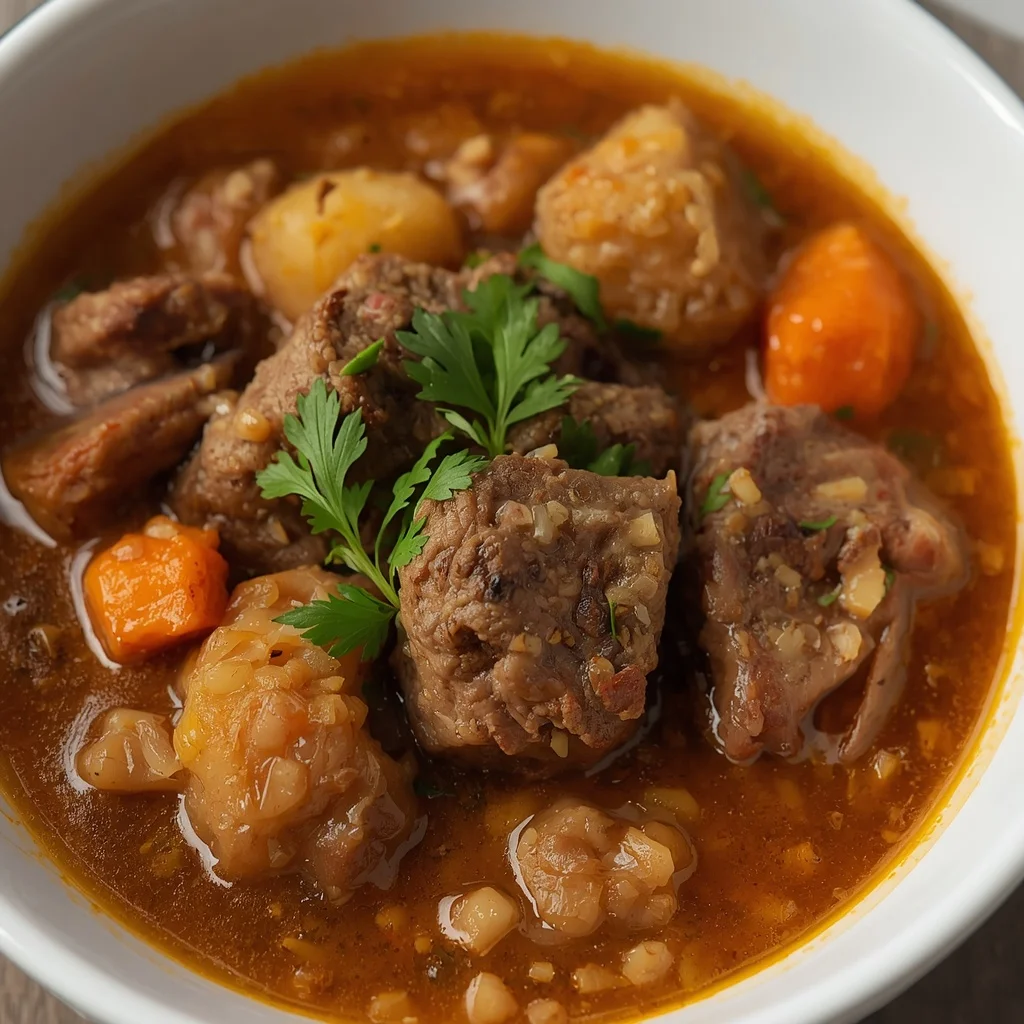
Few dishes capture the true essence of rustic culinary comfort quite like a lamb and barley stew. When the weather turns chilly or you simply crave a deeply satisfying, home-cooked meal, this rich and savory creation stands in a class of its own. Tender cubes of slow-simmered lamb shoulder mingle with soft pearl barley, root vegetables, and a luscious, fragrant broth to create a dining experience that feels like a warm hug in a bowl. Whether you are looking to nourish your family on a weeknight or master a classic comfort dish that tastes even better as leftovers, learning to craft a perfect lamb and barley stew is an essential culinary skill that will elevate your home cooking standard forever.
What is Lamb and Barley Stew?
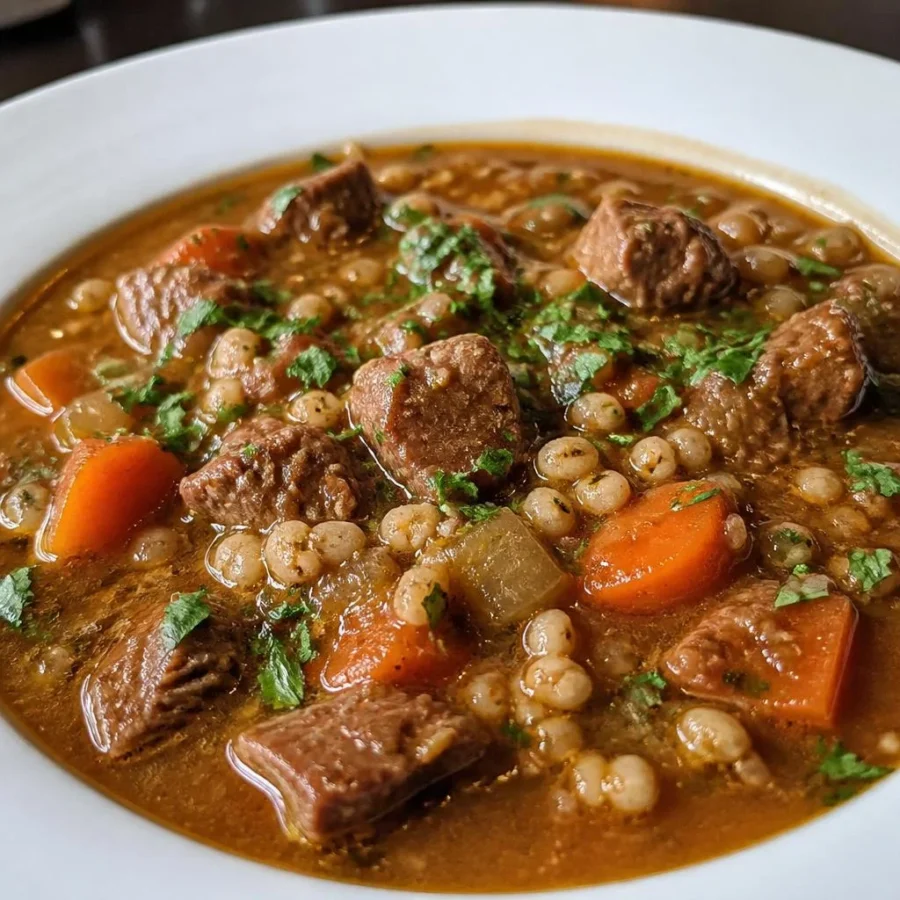
At its core, lamb and barley stew is a traditional thick soup or hotpot composed of diced lamb meat, pearl barley, aromatic vegetables, herbs, and broth. Unlike quick-cooking soups, a stew is defined by its low and slow simmer, which breaks down tough cuts of meat and allows complex flavor layers to meld together seamlessly.
The standout component of this particular dish is the pearl barley. Barley is an ancient grain valued for its pleasant, slightly chewy texture and nutty profile. As it simmers alongside the meat and vegetables, barley acts as both a star ingredient and a natural thickening agent. It absorbs the savory lamb and beef stock, swelling up to create a luxurious consistency without requiring excessive heavy creams or artificial thickeners. The end result is a balanced, highly nutritious, and remarkably filling centerpiece meal.
The Rich History and Origin of Lamb and Barley Stew
The pairing of lamb and barley dates back thousands of years. Barley is one of the earliest cultivated grains in human history, originating in the Fertile Crescent of the Middle East before spreading across ancient Europe, Asia, and North Africa. Because of its hardiness, barley thrived in cool, damp climates where wheat struggled to grow, particularly across the British Isles, Scotland, Ireland, and Northern Europe.
In region-specific traditional cooking—such as Scottish broth or classic Irish stew variants—lamb and mutton were primary livestock proteins. Pastoral communities combined cheap, available grain with pasture-raised lamb shoulder or neck to stretch meager ingredients into wholesome meals capable of feeding large families. Over centuries, these humble farming pots evolved into refined national treasures enjoyed by people across the world today.
Ingredients You Will Need: lamb and barley stew
To prepare an authentic, mouthwatering lamb and barley stew, fresh quality ingredients are critical. Here is everything required, along with precise quantities for five to six generous servings:
-
Lamb shoulder: One and a half pounds, trimmed and cut into uniform one and a half inch cubes.
-
Pearl barley: One half cup, thoroughly rinsed in cool water.
-
Cooking oil: Two tablespoons of vegetable oil or extra virgin olive oil.
-
Yellow onion: One large onion, finely chopped.
-
Carrots: Two large carrots, washed and sliced into rounds.
-
Celery: Two stalks of celery, sliced.
-
Fresh garlic: Three cloves, minced.
-
Tomato paste: Two tablespoons.
-
Broth: Five cups of quality beef stock or lamb stock.
-
Water: One cup of plain water, kept on hand to adjust thickness as needed.
-
Bay leaves: Two dried bay leaves.
-
Dried thyme: One teaspoon.
-
Dried rosemary: One half teaspoon.
-
Salt: One teaspoon, plus extra for final adjustment.
-
Black pepper: One half teaspoon of freshly cracked black pepper.
-
Potatoes: Two medium potatoes, peeled and cut into medium cubes.
-
Frozen peas: One cup of sweet frozen peas (optional, but recommended for color).
-
Fresh parsley: Two tablespoons of finely chopped fresh parsley for garnish.
Step by Step Direction and Preparation Method: lamb and barley stew
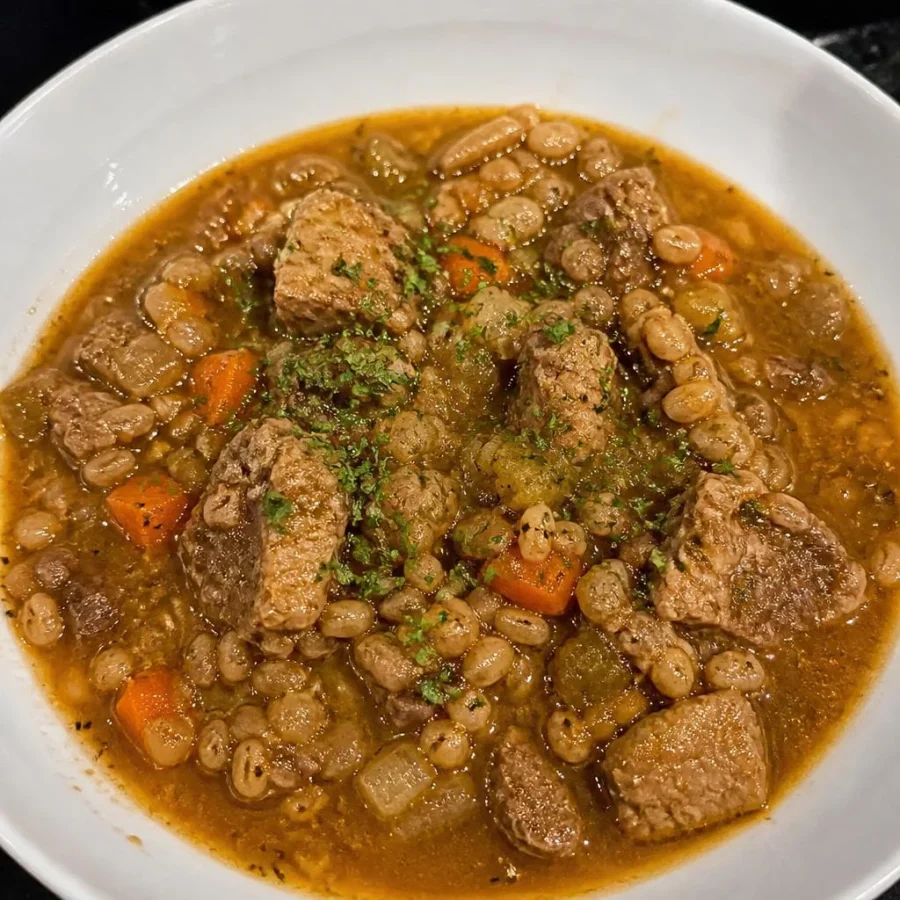
Creating a world-class lamb and barley stew does not require master chef technique, but it does demand patience and attention to foundational cooking methods. Follow these steps for best results.
1. Searing and Browning the Lamb
Heat two tablespoons of oil in a heavy-bottomed Dutch oven or large soup pot over medium-high heat. Pat the lamb shoulder dry with paper towels and season generously with salt and pepper. Working in small batches to avoid crowding the pan, add the lamb cubes. Brown each side for about four to five minutes until a deep brown crust forms. Remove the browned lamb and set it aside on a clean plate. Do not wipe out the pan, as those dark spots on the bottom contain tremendous depth of flavor.
2. Building the Aromatic Vegetable Base
Reduce the stovetop heat to medium. Add the chopped onion, sliced carrots, and sliced celery into the same pot with the rendered lamb fat. Sauté the mixture for five to six minutes, stirring with a wooden spoon to scrape up any browned lamb bits from the pot bottom. Once the vegetables begin to soften and become translucent, add the minced garlic and tomato paste. Cook for another sixty seconds until the garlic becomes fragrant and the tomato paste darkens slightly.
3. Assembling the Stew and Simmering
Return the browned lamb and any collected meat juices back into the pot. Pour in the rinsed pearl barley, beef stock, dried thyme, dried rosemary, and bay leaves. Stir all ingredients together thoroughly and bring the broth to a boiling point over high heat.
As soon as large bubbles appear, immediately drop the burner heat down to low. Cover the pot tightly with a lid and allow the mixture to simmer gently for sixty minutes. Stir the pot occasionally to make sure the barley grains do not stick to the bottom surface.
4. Adding Potatoes and Final Cooking
After sixty minutes of simmering, remove the lid and add the peeled, cubed potatoes into the pot. Stir to submerge them completely in the simmering broth. Cover the pot again and let everything cook for another twenty-five to thirty minutes. You will know it is ready when the lamb is fork-tender, the potatoes are soft, and the barley has expanded into plump, tender morsels.
5. Finishing Touches and Presentation
If you are using frozen peas, scatter them into the pot during the final five minutes of cooking so they retain their bright green color. Turn off the heat and discard the two bay leaves. Taste the broth and adjust the salt and black pepper according to your personal taste preference. Ladle the hot stew into wide bowls, sprinkle with fresh parsley, and serve immediately alongside warm, crusty bread.
Creative Variations for Your Stew: lamb and barley stew
While the classic formulation of lamb and barley stew is virtually perfect on its own, you can easily adjust the recipe based on dietary needs or seasonal pantry items.
-
Slow Cooker Adaptation: Sear your lamb and soften the vegetables in a skillet first to maximize depth. Transfer everything except the frozen peas into a slow cooker pot. Cook on low heat setting for seven to eight hours. Stir in the peas during the last fifteen minutes before serving.
-
Red Wine Enhancement: After sautéing your vegetables, pour in one half cup of dry red wine like Cabernet Sauvignon or Pinot Noir. Allow the wine to reduce by half before adding the broth to create a darker, rich sauce.
-
Root Vegetable Feast: Swap or augment the potatoes with cubed parsnips, turnips, or rutabaga to add an earthy, sweet undertone that pairs beautifully with lamb.
-
Gluten-Free Alternative: If you need a gluten-free option, replace the pearl barley with long grain brown rice, wild rice, or gluten-free sorghum grain. Adjust simmer times according to the grain used.
Frequently Asked Questions: lamb and barley stew
Why is my lamb tough in the stew?
Lamb contains collagen and tough connective tissues that require adequate time to break down properly. If your lamb feels tough or chewy, it simply has not simmered long enough. Continue cooking on low heat until the meat yields easily to a fork.
Can I make lamb and barley stew ahead of time?
Yes, stews are famous for tasting even better the next day. As the dish cools in the refrigerator overnight, the spices penetrate deeper into the meat and vegetables. Keep in mind that barley will continue absorbing liquid as it sits, so you may need to add extra water or broth when reheating on the stove.
How do I thicken a stew if it looks too watery?
If your broth appears thinner than you prefer, simply remove the pot lid during the final fifteen minutes of simmering. This allows moisture to evaporate naturally. Alternatively, mash a few cooked potato pieces against the side of the pot with a spoon to release starches directly into the liquid.
What is the best cut of lamb for stewing?
Boneless or bone-in lamb shoulder is the ideal choice for stewing because it contains a healthy balance of fat and connective tissue that yields tender, juicy meat after long simmering. Lamb leg can also work, though it is slightly leaner and can dry out if overcooked.
Conclusion: lamb and barley stew
Mastering a traditional lamb and barley stew brings timeless warmth, unbelievable flavor, and hearty nutrition right to your dining room table. By starting with quality cuts of meat, properly searing for depth, and allowing the ancient grain of barley to absorb every drop of seasoned stock, you create a dish that easily rivals any professional restaurant fare. Save this recipe for your next cool evening, share it with loved ones, and enjoy the unmatched satisfaction of an authentic classic pot stew.
Print
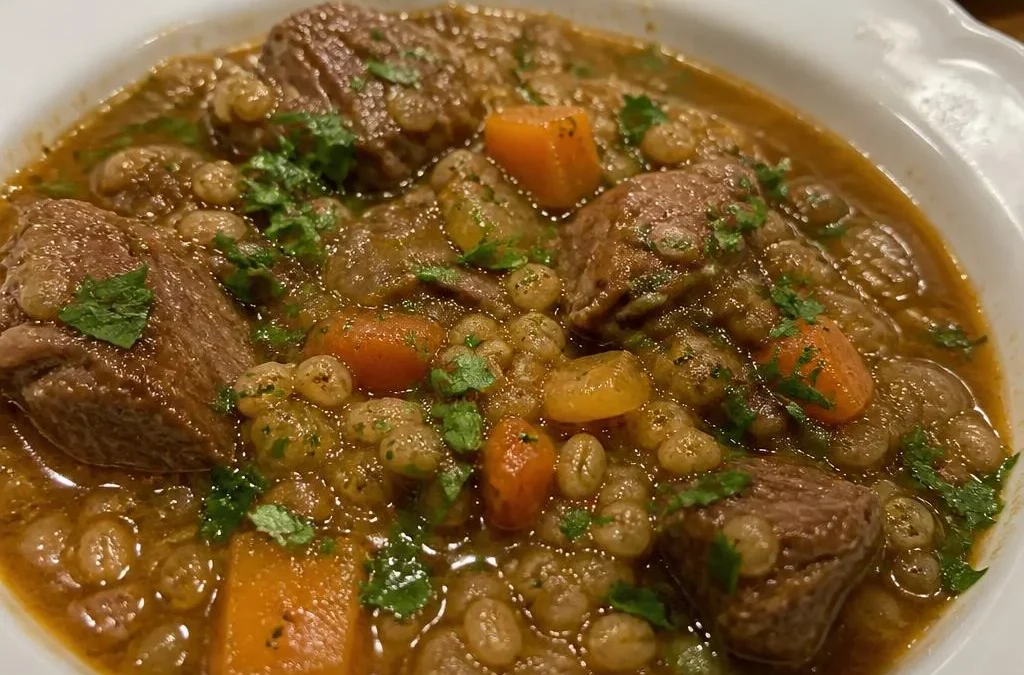
The Ultimate Lamb and Barley Stew Recipe: A Comforting Classic
- Total Time: 1 hour 50 minutes
- Yield: 5–6 servings 1x
Description
At its core, lamb and barley stew is a traditional thick soup or hotpot composed of diced lamb meat, pearl barley, aromatic vegetables, herbs, and broth. Unlike quick-cooking soups, a stew is defined by its low and slow simmer, which breaks down tough cuts of meat and allows complex flavor layers to meld together seamlessly.
Ingredients
Scale
- 1½ lb (700 g) lamb shoulder, cut into 1½-inch cubes
- ½ cup (100 g) pearl barley, rinsed
- 2 tbsp vegetable oil or olive oil
- 1 large onion, chopped
- 2 carrots, sliced
- 2 celery stalks, sliced
- 3 cloves garlic, minced
- 2 tbsp tomato paste
- 5 cups (1.2 L) beef or lamb stock
- 1 cup (240 ml) water, as needed
- 2 bay leaves
- 1 tsp dried thyme
- ½ tsp dried rosemary
- 1 tsp salt, plus more to taste
- ½ tsp black pepper
- 2 medium potatoes, peeled and cubed
- 1 cup frozen peas, optional
- 2 tbsp chopped fresh parsley
Instructions
- Brown the lamb:
Heat the oil in a large heavy-bottomed pot over medium-high heat. Season the lamb with salt and pepper. Brown it in batches for about 4–5 minutes, turning occasionally. Remove and set aside. - Cook the vegetables:
Add the onion, carrots, and celery to the same pot. Cook for 5–6 minutes until the vegetables begin to soften. Add the garlic and tomato paste and cook for another minute. - Build the stew:
Return the lamb to the pot. Add the stock, barley, bay leaves, thyme, and rosemary. Stir well and bring to a boil. - Simmer:
Reduce the heat to low, cover, and simmer for about 60 minutes, stirring occasionally. - Add potatoes:
Add the potatoes and continue cooking for another 25–30 minutes, or until the lamb is very tender and the barley is cooked. - Finish:
Stir in the peas during the final 5 minutes, if using. Remove the bay leaves and adjust the salt and pepper. - Serve:
Sprinkle with fresh parsley and serve hot with crusty bread.
Notes
For the best flavor, use lamb shoulder and allow the stew to simmer slowly until the meat is tender. You can add extra vegetables such as peas, mushrooms, or green beans according to your preference. The stew may thicken as it cools, so add a little extra stock when reheating if needed.
- Prep Time: 20 minutes
- Cook Time: 1 hour 30 minutes
- Category: Main Course
- Method: Stovetop
- Cuisine: British
Nutrition
- Serving Size: 1½ cups
- Calories: 430 kcal
Keywords: lamb barley soup, easy lamb stew, savory lamb soup, slow simmered lamb stew
