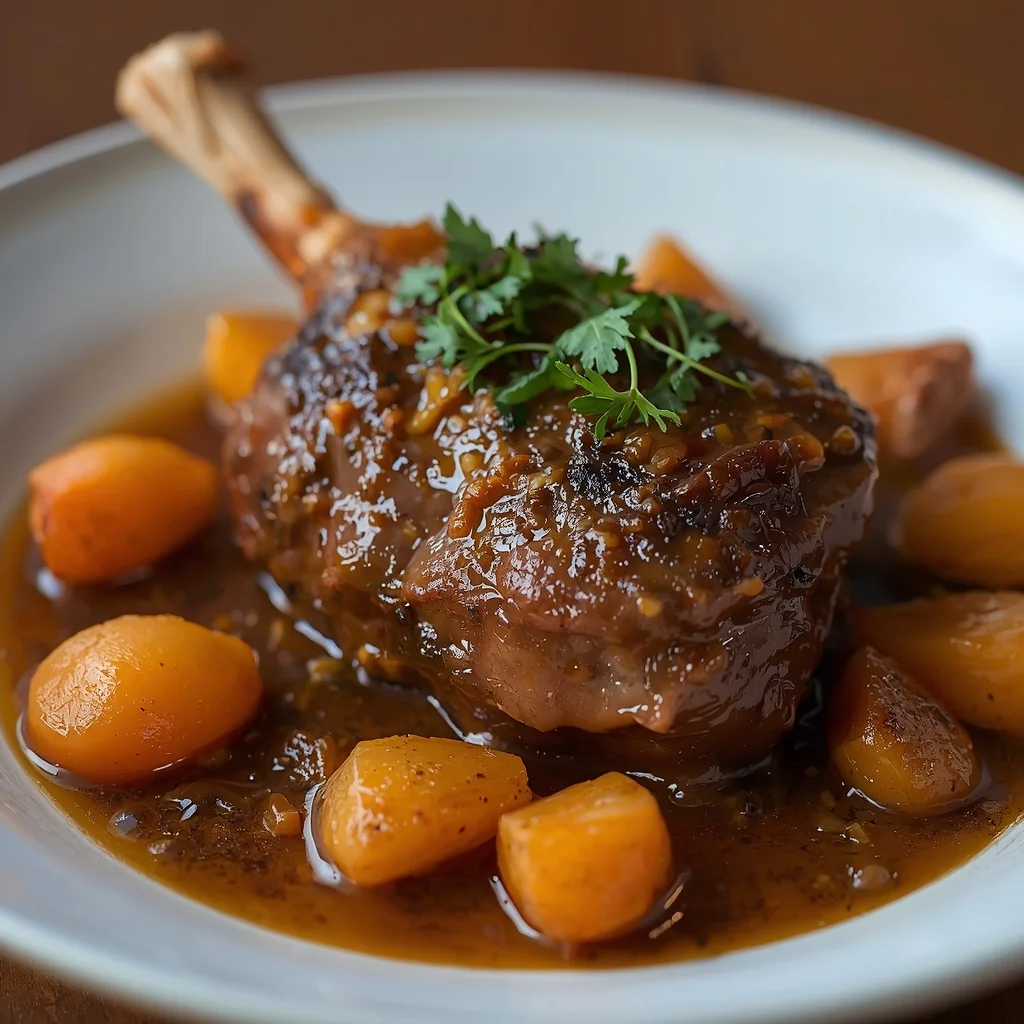
There is something truly magical about a meal that transforms your entire kitchen into a sanctuary of warm, inviting scents long before it ever hits the dinner table. If you are looking to elevate your culinary repertoire with a dish that balances complex flavors, deep comfort, and effortless elegance, this aromatic lamb shank tagine with apricots recipe is exactly what you need to create tonight. It combines incredibly tender meat with the sweet, honeyed notes of dried fruit and a blend of traditional North African spices that will make your guests feel like they have been transported to a bustling market in Marrakech.
When you take the time to prepare a slow-cooked masterpiece like this, you are not just making dinner; you are crafting an unforgettable dining experience. This guide will walk you through the rich history, the essential ingredients, and the exact steps needed to master this dish at home, ensuring perfect results every single time you cook it.
What is This Sweet and Savory Moroccan Dish?
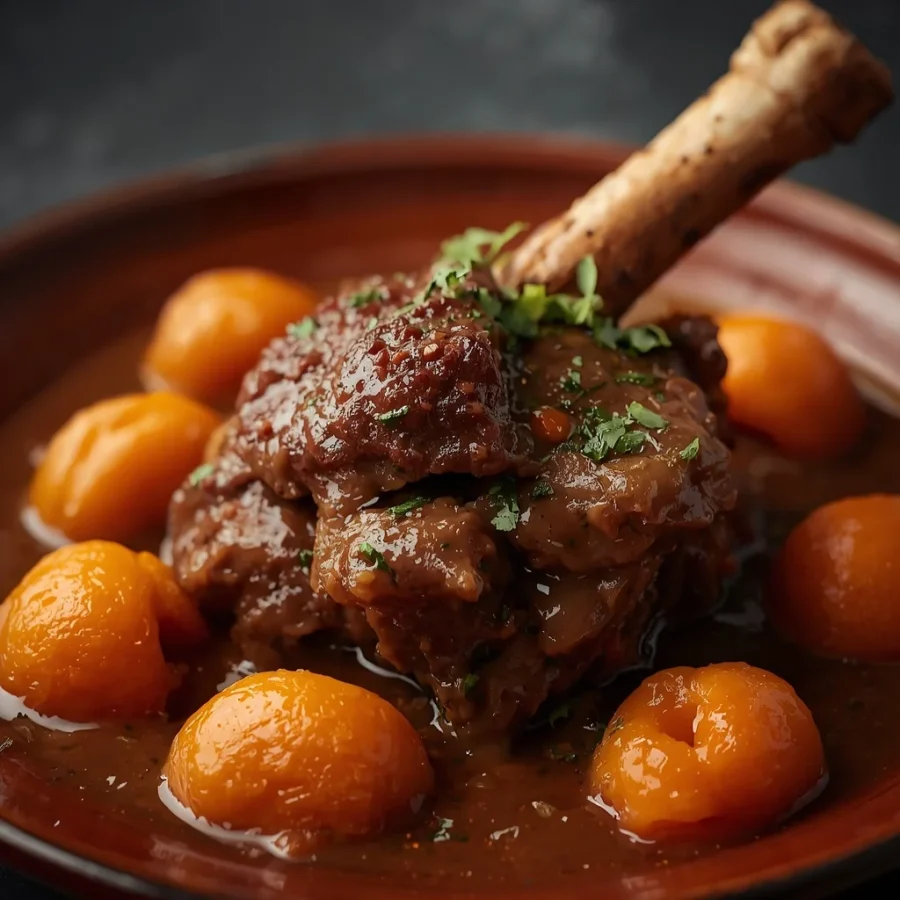
At its core, a tagine is both a style of slow-cooked stew and the specific vessel in which it is traditionally prepared. This particular lamb shank tagine with apricots recipe focuses on taking tough, bone-in cuts of meat and allowing them to gently break down over several hours in a deeply seasoned, moisture-rich environment. The magic happens when the rich, savory depth of the meat meets the natural sweetness of dried fruits and honey, creating a harmonious balance that defines Moroccan cuisine.
Unlike standard Western stews that rely heavily on wine or heavy flour thickeners, this dish achieves its velvety texture and incredible body through the slow reduction of natural juices, melted onions, and the softening of the fruit. The resulting sauce is intensely flavorful, clings beautifully to the meat, and demands to be scooped up with fluffy grains or crusty bread.
The Fascinating Origin of the Traditional Tagine
To truly appreciate the flavors in your bowl, it helps to understand where this cooking method comes from. The tagine traces its roots back centuries to the Berber people of North Africa, primarily in the region that is modern-day Morocco. The traditional cooking vessel consists of a shallow, circular base paired with a distinctive cone-shaped lid. This ingenious design was born out of necessity in regions where water was scarce.
As the food cooks, steam rises into the top of the cone, condenses on the cooler clay walls, and trickles right back down into the food. This continuous self-basting cycle keeps the meat exceptionally moist while requiring very little added liquid. Over the centuries, Arab, Moorish, and Ottoman influences introduced a wealth of spices and the characteristic pairing of meat with sweet elements like dates, prunes, and apricots, cementing the tagine as a cornerstone of global comfort food.
Ingredients You Need for This Lamb Shank Tagine with Apricots Recipe
To achieve the deep complexity that makes this dish stand out, you will want to gather high-quality ingredients. Each element plays a specific role in building the layers of flavor.
The Primary Ingredients
-
Four lamb shanks: Aim for pieces weighing roughly three hundred to four hundred grams each. Look for shanks with a good amount of meat around the bone.
-
Two tablespoons of olive oil: Used for searing the meat and building the foundational flavors.
-
Two large onions: These should be finely sliced. They will melt down during the long cook to naturally thicken the sauce.
-
Four garlic cloves: Minced thoroughly to distribute their savory punch.
-
One tablespoon of grated fresh ginger: Adds a bright, warm zests that cuts through the richness of the meat.
The Aromatic Spice Blend
-
Two teaspoons of ground cumin: Provides a warm, earthy, and slightly smoky base.
-
Two teaspoons of ground coriander: Offers a mild, citrusy, and sweet herbal note.
-
One teaspoon of ground cinnamon: Essential for that classic, sweet-savory North African profile.
-
One teaspoon of paprika: Adds a subtle sweetness and a beautiful red hue to the braising liquid.
-
Half a teaspoon of turmeric: Contributes a warm, woody flavor and a gorgeous golden color.
-
Quarter of a teaspoon of cayenne pepper: This is completely optional, but highly recommended if you like a tiny hint of background warmth.
-
Salt and freshly ground black pepper: Applied generously to taste to enhance all the other components.
The Braising Liquid and Sweeteners
-
Two tablespoons of tomato paste: Adds a concentrated umami depth to the sauce.
-
Two cups of beef or lamb stock: Equivalent to about four hundred and eighty milliliters. This serves as your rich braising base.
-
One cup of dried apricots: Roughly one hundred and sixty grams. These will plump up and absorb the spiced liquid.
-
Two tablespoons of honey: Brings a smooth, floral sweetness that ties the spices and fruit together.
-
One whole cinnamon stick: Simmers in the liquid to release a deep, woodsy aroma without overpowering the dish.
The Essential Garnishes
-
Half a cup of toasted almonds: Roughly chopped to provide a much-needed crunchy texture contrast.
-
Fresh cilantro and parsley: Finely chopped to add a burst of color and herbaceous freshness right before serving.
-
Zest of half a lemon: An optional addition that cuts through the richness with a beautiful hint of brightness.
Step-by-Step Direction and Preparation Method: Lamb shank tagine with apricots recipe
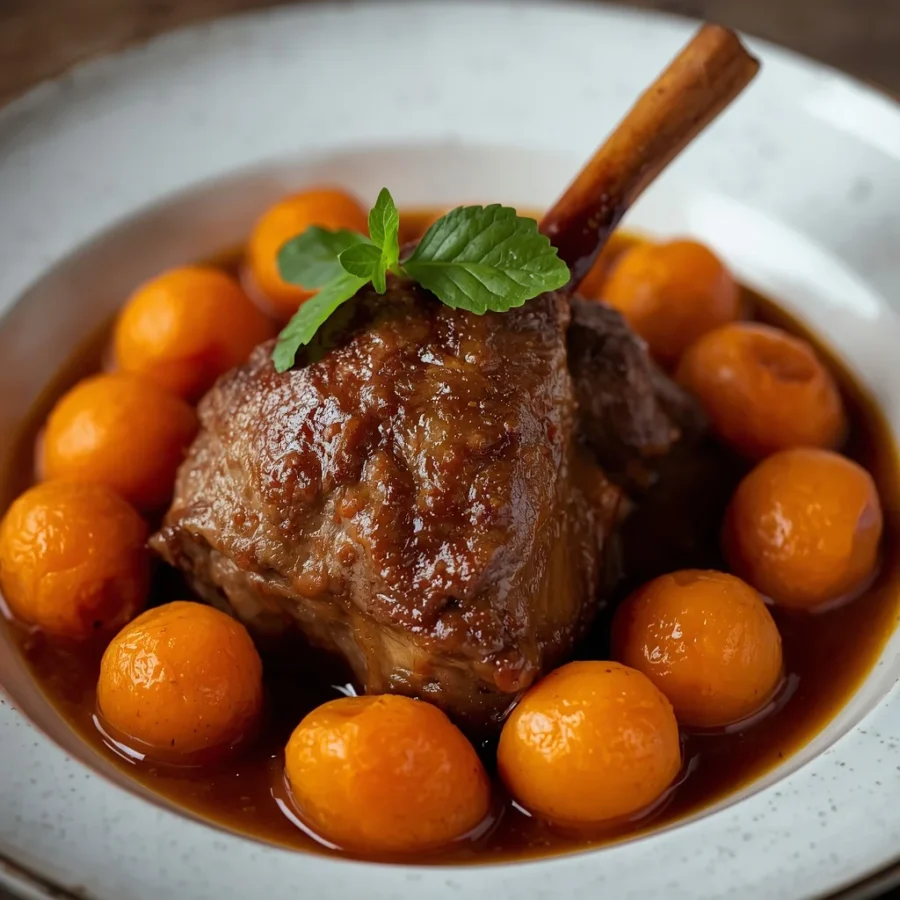
Mastering this lamb shank tagine with apricots recipe relies entirely on patience and layering flavors in the correct sequence. Follow these steps carefully to achieve meat that falls off the bone.
Searing the Meat and Cooking Aromatics
The first step is to maximize the savory flavor of your meat through browning. Pat the shanks completely dry with paper towels; removing excess moisture ensures a hard sear rather than steaming. Season them generously on all sides with salt and black pepper. Heat your olive oil over medium-high heat in a heavy Dutch oven or a traditional clay tagine. Add the shanks and sear them until a deep, golden-brown crust forms on all sides, which should take about eight to ten minutes. Once beautiful color is achieved, remove the shanks and set them aside on a plate.
Reduce your stovetop heat to medium. Drop the finely sliced onions directly into the remaining fat and oil. Cook them gently, stirring occasionally, for about eight minutes until they become completely softened, translucent, and sweet. Stir in your minced garlic and grated fresh ginger, letting them cook for just one minute until their aromas fill the room.
Blooming the Spices and Building the Sauce
Now it is time to wake up the dry spices. Add your ground cumin, coriander, cinnamon, paprika, turmeric, and optional cayenne pepper to the pan. Stir constantly for about thirty seconds. This process, known as blooming, toasts the spices in the hot fat, releasing their essential oils and multiplying their flavor potential. Next, stir in the tomato paste, cooking it for about two minutes while moving it around the pan until it turns a slightly darker brick-red color.
Pour in your beef or lamb stock, using a wooden spoon to firmly scrape up all those delicious, caramelized bits stuck to the bottom of the pot. Stir in the honey and drop in the whole cinnamon stick, bringing the entire liquid mixture to a gentle simmer.
The Long, Slow Braise
Return the browned shanks back into the pot, along with any juices that collected on the plate. Make sure the meat is nestled comfortably into the liquid. Cover the pot tightly with its lid.
If you prefer using your oven, preheat it to three hundred and twenty-five degrees Fahrenheit and cook the dish for two and a half to three hours. If you are keeping it on the stovetop, turn the heat down as low as it will go to maintain a very gentle, lazy simmer for the exact same timeframe of two and a half to three hours. Halfway through the cooking process, open the lid and carefully flip the shanks over to ensure even cooking.
The Perfect Finish
When there are only thirty minutes left in the cooking time, open the lid and stir in the dried apricots. Adding them at this specific stage allows them enough time to become incredibly plump, tender, and saturated with sauce without completely breaking down into mush.
Once the cooking time is up, carefully remove and discard the whole cinnamon stick. Taste the rich sauce and adjust the seasoning with an extra pinch of salt or pepper if needed. If you find that your sauce is a bit too thin for your liking, simply leave the lid off and let it simmer uncovered over medium heat for ten to fifteen minutes until it reduces into a glossy, velvety gravy.
Creative Variations to Try at Home: Lamb shank tagine with apricots recipe
While this traditional interpretation is absolutely stunning, you can easily adapt the recipe to suit your personal tastes or what you happen to have available in your pantry.
Alternative Fruits and Elements
If you want to experiment beyond apricots, dried prunes or dried figs make magnificent substitutes. Prunes offer a deeper, intensely jammy sweetness that pairs exceptionally well with the gaminess of lamb, while figs introduce a delightful, subtle texture from their tiny seeds. For a brilliant pop of savory contrast, you can stir in a handful of pitted green olives during the final twenty minutes of cooking. The brine and saltiness of the olives cut through the honeyed sweetness beautifully.
Upgrading the Spices and Liquids
For an ultra-luxurious version of this dish, take a small pinch of saffron threads and steep them in a few tablespoons of warm stock for ten minutes before adding it to the pot. Saffron introduces a brilliant golden hue and a hauntingly complex, earthy aroma that defines high-end Moroccan cooking. If you want a more vegetable-forward meal, you can also toss in large chunks of carrots, butternut squash, or sweet potatoes during the last hour of cooking, allowing them to absorb the aromatic broth.
Frequently Asked Questions: Lamb shank tagine with apricots recipe
Can I make Lamb shank tagine with apricots recipe in a slow cooker or instant pot?
Yes, you absolutely can adapt this meal for modern appliances. For a slow cooker, follow the steps to sear the meat, cook the aromatics, and bloom the spices in a skillet first, then transfer everything to your slow cooker. Cook on low for six to eight hours, adding the apricots during the last hour. For an electric pressure cooker, use the sauté function for the initial steps, then cook under high pressure for about forty-five minutes, followed by a natural pressure release.
What should I serve alongside a lamb tagine?
The absolute classic accompaniment is a bed of steaming, fluffy couscous, which acts like a sponge for the spectacular spiced sauce. Warm, fresh flatbread is also fantastic for scooping up the meat and fruit. To round out the meal, serve it with a side of simple roasted vegetables like zucchini and bell peppers, or a crisp, bright green salad dressed with lemon juice and olive oil to provide a refreshing contrast to the rich stew.
Why is my lamb shank still tough?
If your meat is still tough or chewy, it simply means it has not been cooked long enough. Lamb shanks are packed with connective tissue that requires prolonged, gentle heat to transform into meltingly tender gelatin. Keep the pot covered and let it simmer for another twenty to thirty minutes, checking it periodically until the meat easily pulls away from the bone with a fork.
Can I prepare Lamb shank tagine with apricots recipe a day in advance?
Not only can you make this ahead of time, but it actually tastes significantly better the next day. As the tagine sits in the refrigerator overnight, the spices mature, the sweetness of the apricots deeply penetrates the meat, and the flavors meld together into a much more cohesive, rich profile. Simply reheat it gently on the stovetop over low heat, adding a splash of extra stock or water if the sauce thickened up too much in the fridge.
Conclusion: Lamb shank tagine with apricots recipe
Bringing a traditional Moroccan meal into your home kitchen is one of the most rewarding culinary projects you can undertake. This slow-cooked lamb shank tagine with apricots recipe perfectly demonstrates how simple, rustic cuts of meat can be transformed into an extraordinarily luxurious feast through the patience of slow cooking and the thoughtful layering of warm spices and sweet fruits. By taking the time to properly brown your meat, bloom your spices, and let the dish simmer peacefully, you create a complex, comforting meal that effortlessly surpasses anything you could order at a standard restaurant. Gather your ingredients, clear your afternoon, and enjoy the wonderful journey of creating this aromatic masterpiece for the people you love.
Print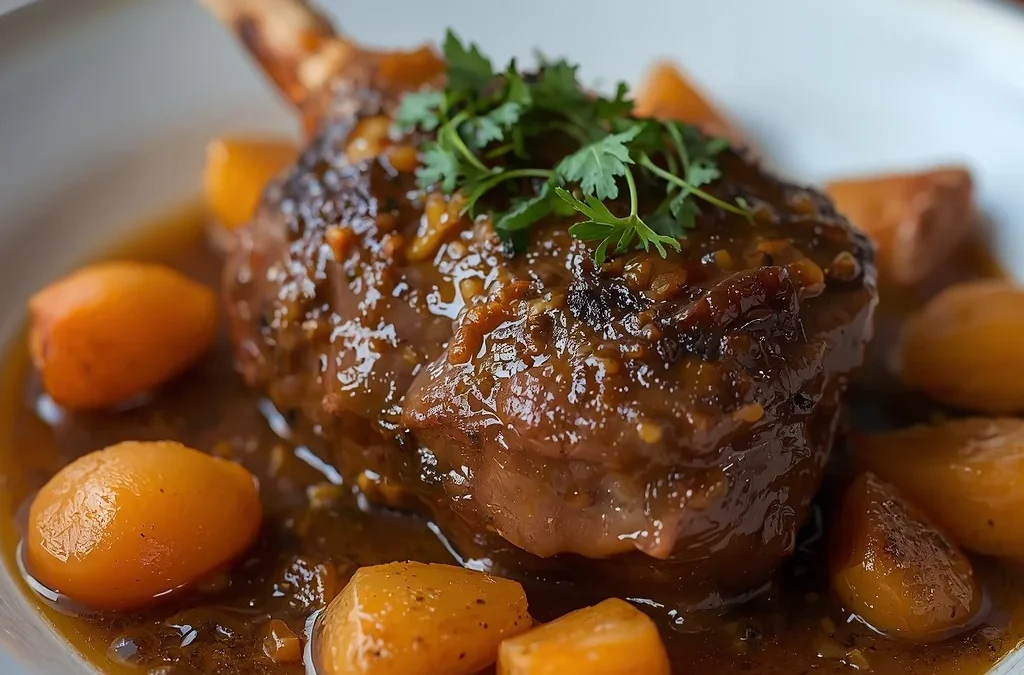
The Ultimate Slow-Cooked Lamb Shank Tagine with Apricots Recipe
- Total Time: 3 hours 20 minutes
- Yield: 4 servings 1x
Description
At its core, a tagine is both a style of slow-cooked stew and the specific vessel in which it is traditionally prepared. This particular lamb shank tagine with apricots recipe focuses on taking tough, bone-in cuts of meat and allowing them to gently break down over several hours in a deeply seasoned, moisture-rich environment. The magic happens when the rich, savory depth of the meat meets the natural sweetness of dried fruits and honey, creating a harmonious balance that defines Moroccan cuisine.
Ingredients
- 4 lamb shanks (about 300–400 g each)
- 2 tbsp olive oil
- 2 large onions, finely sliced
- 4 garlic cloves, minced
- 1 tbsp grated fresh ginger
- 2 tsp ground cumin
- 2 tsp ground coriander
- 1 tsp ground cinnamon
- 1 tsp paprika
- ½ tsp turmeric
- ¼ tsp cayenne pepper (optional)
- Salt and freshly ground black pepper
- 2 tbsp tomato paste
- 2 cups (480 ml) beef or lamb stock
- 1 cup (160 g) dried apricots
- 2 tbsp honey
- 1 cinnamon stick
- ½ cup toasted almonds, roughly chopped
- Fresh cilantro and parsley, chopped
- Zest of ½ lemon (optional)
Instructions
- Season and brown the lamb.
- Pat the lamb shanks dry and season generously with salt and pepper.
- Heat olive oil in a heavy Dutch oven or tagine over medium-high heat.
- Brown the shanks on all sides, about 8–10 minutes. Remove and set aside.
- Cook the aromatics.
- Reduce heat to medium.
- Add onions and cook until softened, about 8 minutes.
- Stir in garlic and ginger; cook for 1 minute.
- Bloom the spices.
- Add cumin, coriander, cinnamon, paprika, turmeric, and cayenne.
- Stir for about 30 seconds until fragrant.
- Build the sauce.
- Stir in tomato paste and cook for 2 minutes.
- Pour in the stock, scraping up any browned bits.
- Add the cinnamon stick and honey.
- Braise.
- Return the lamb shanks to the pot.
- Cover and cook:
- Oven: 160°C (325°F) for 2½–3 hours, or
- Stovetop: very gentle simmer for 2½–3 hours.
- Turn the shanks once halfway through cooking.
- Add the apricots.
- Stir in the dried apricots during the final 30 minutes of cooking so they soften without falling apart.
- Finish.
- Remove the cinnamon stick.
- Taste and adjust seasoning.
- If the sauce is too thin, simmer uncovered for 10–15 minutes.
Notes
This tagine tastes even better the next day, as the spices have more time to develop. Reheat gently over low heat and serve with fresh couscous or warm crusty bread.
- Prep Time: 20 minutes
- Cook Time: 3 hours
- Category: Main Course
- Method: Braising
- Cuisine: Moroccan
Nutrition
- Serving Size: 1 lamb shank with sauce (about 450 g)
- Calories: 620 kcal
Keywords: Moroccan lamb shank with apricots, Slow cooked lamb tagine recipe, Apricot lamb shank stew
