When the holiday baking season arrives, home kitchens everywhere fill with the cozy scents of warm butter, toasted nuts, and sweet spices. Among all the classic holiday treats that grace festive
dessert trays,
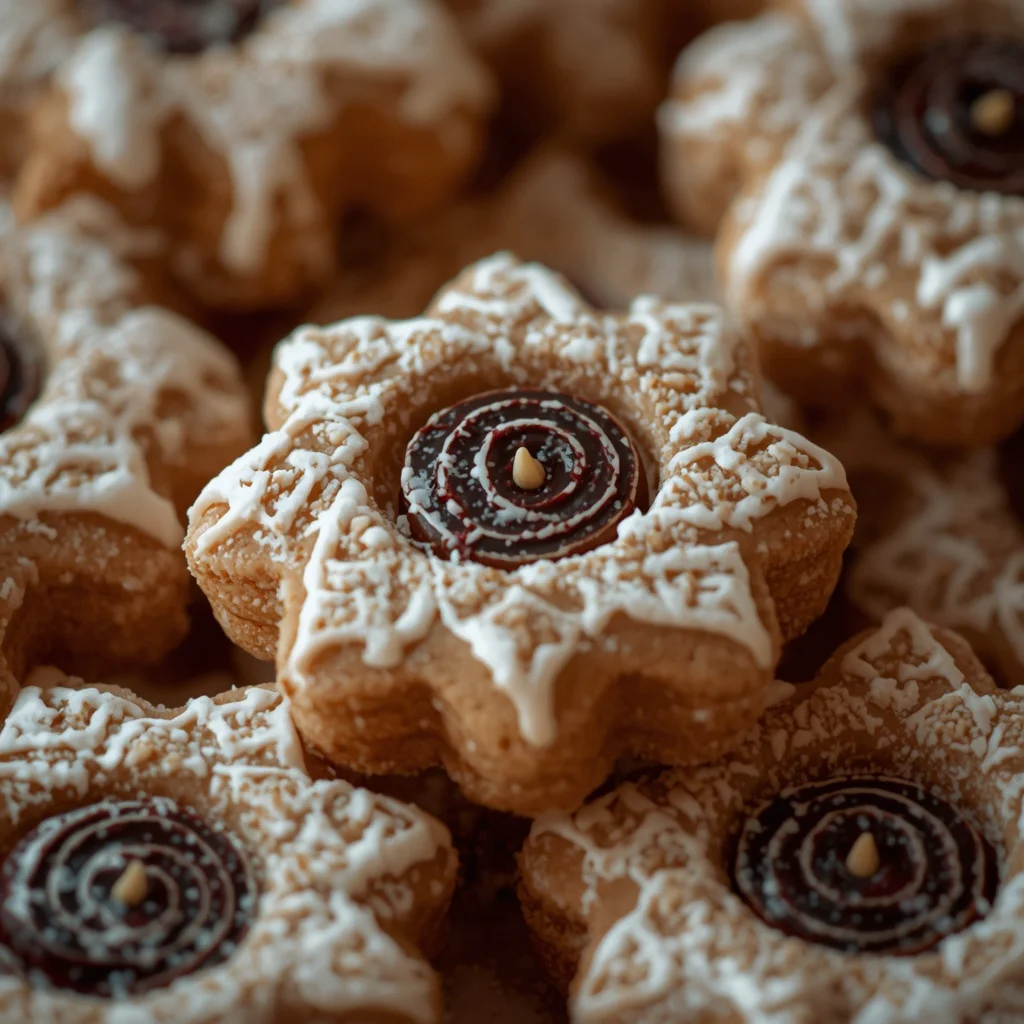
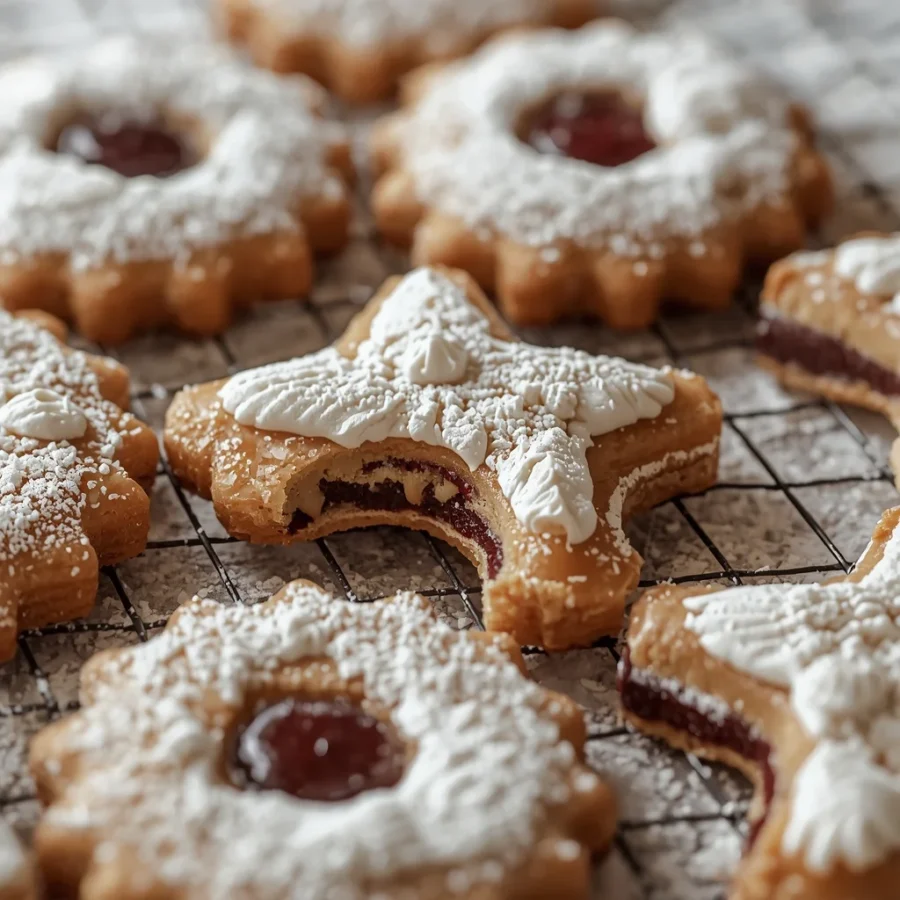
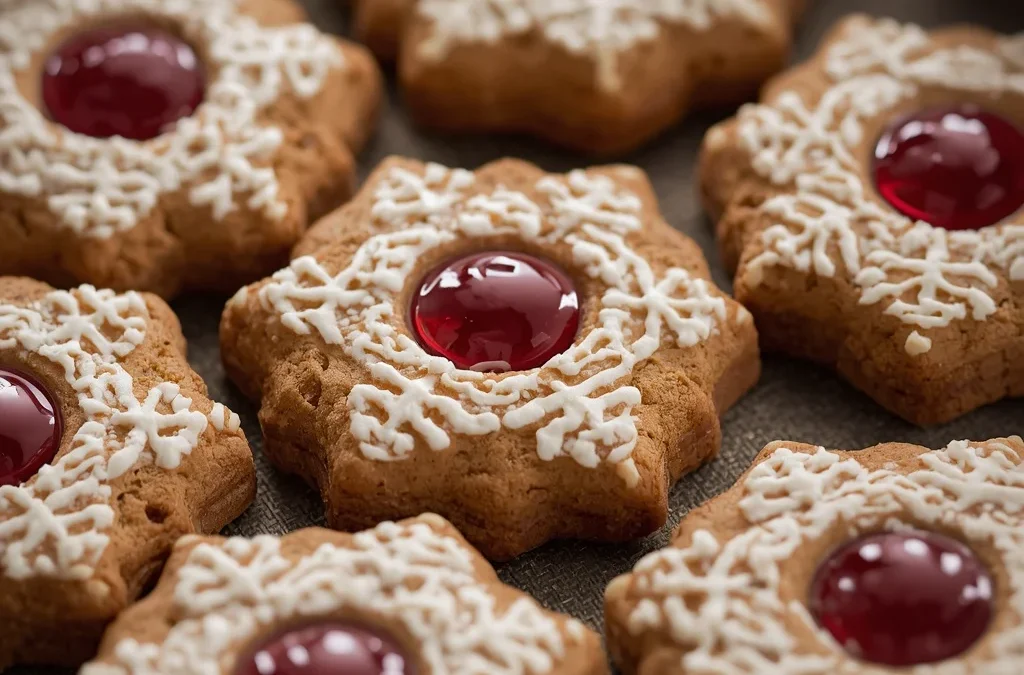
Linzer Christmas cookies stand out as an absolute centerpiece of holiday tradition. These delicate, Austrian-inspired sandwich cookies combine an tender, melt-in-your-mouth almond shortbread crust with a hint of warm ground cinnamon and a vibrant center of sweet raspberry or strawberry jam. Finished with a delicate dusting of powdered sugar that looks like freshly fallen snow, these festive
treats look as though they came straight from an European bakery window. Whether you are assembling a holiday cookie exchange box, hosting a festive afternoon tea, or crafting edible gifts for loved ones, this classic recipe offers a perfect balance of rich nuttiness and tart fruity sweetness.
In this ultimate guide, we will walk you through every single detail needed to create flawless holiday sandwich cookies in your home kitchen. From exploring the centuries-old tradition behind this world-famous confection to covering essential ingredients, step-by-step directions without short sentences, creative flavor variations, and key storage advice, this comprehensive article will help you master every step with confidence.
What are Linzer Christmas Cookies?
At their core, Linzer Christmas cookies are delicate sandwich cookies made from a rich, buttery dough infused with finely ground almonds, cinnamon, and subtle hints of lemon. The dough is rolled thin and cut into matching shapes, with half of the cutouts featuring a smaller window cut from the center, such as a star, heart, snowflake, or Christmas tree.
Once baked to pale golden perfection, the solid base cookies are spread with smooth fruit jam. The top cookies receive a generous dusting of powdered sugar before being placed over the jam base, allowing the bright red fruit filling to peek through the central window cutout. The resulting treat offers a delightful textural contrast between crisp, nutty shortbread and soft, chewy fruit preserves, making them one of the most recognizable and beloved holiday confections around the globe.
The Historical Origin of the Linzer Tradition
To appreciate this seasonal treasure fully, it helps to look back at its origins in European baking history. This delicate cookie is a smaller, handheld variation of the famous Linzertorte, which originated in the historic city of Linz, Austria during the seventeenth century. Culinary historians consider the Linzertorte to be one of the oldest known cake recipes in written history, with recipes appearing in monastic cookbooks as early as sixteen hundred and fifty-three.
The original Linzertorte consisted of a short, crumbly crust made with ground nuts, butter, sugar, flour, and baking spices, filled with red currant jam and topped with a woven lattice grid of dough. Over time, European bakers adapted this famous spiced pastry dough into smaller individual sandwich cookies, often called Linzer Sables or Linzer Augen, meaning eyes of Linz. German and Austrian immigrants brought these cherished recipes to North America and other parts of the world, where they quickly became an essential symbol of winter holiday baking and family gatherings.
Essential Ingredients and Exact Quantities: Linzer Christmas cookies
Creating authentic, melt-in-your-mouth sandwich cookies requires using precise proportions of fresh, high-quality ingredients. Gather the following items before starting your dough preparation:
Ingredients for the Spiced Almond Dough
-
All-purpose flour: two cups
-
Finely ground almonds or almond flour: one cup
-
Unsalted butter, softened to room temperature: three-quarters cup
-
Powdered confectioners sugar: two-thirds cup
-
Egg yolk from a large egg: one large egg yolk
-
Pure vanilla extract: one teaspoon
-
Ground cinnamon: one-half teaspoon
-
Fine salt: one-quarter teaspoon
-
Fresh lemon zest: one-half teaspoon (optional but highly recommended for brightness)
Ingredients for the Filling and Decoration
Step-by-Step Directions and Preparation Method: Linzer Christmas cookies
Preparing these elegant cookies requires patience and care, but the process is straightforward when broken down logically. Follow these steps to achieve bakery-quality results.
Step One: Cream the Butter and Sugar Base
Begin by placing your three-quarters cup of softened unsalted butter and two-thirds cup of powdered sugar into a large mixing bowl or the bowl of a stand mixer fitted with a paddle attachment. Beat the butter and sugar together on medium speed for approximately three minutes until the mixture turns pale, creamy, and completely smooth. Next, add the single large egg yolk, one teaspoon of pure vanilla extract, and one-half teaspoon of fresh lemon zest to the bowl. Mix on medium speed until these liquid ingredients are thoroughly incorporated into the butter base.
Step Two: Combine the Dry Nut and Flour Mixture
In a separate medium mixing bowl, whisk together the two cups of all-purpose flour, one cup of finely ground almonds, one-half teaspoon of ground cinnamon, and one-quarter teaspoon of fine salt. Once these dry ingredients are evenly distributed, gradually add them into your creamy butter mixture in three separate batches. Stir gently on low mixer speed or with a wooden spoon just until a cohesive, soft dough comes together. Be careful not to overwork the dough at this stage, as excessive mixing can yield tough cookies instead of a crumbly, tender shortbread structure.
Step Three: Chill the Cookie Dough Thoroughly
Divide the soft dough evenly into two equal portions. Shape each portion into a flat, round disk about one inch thick and wrap both disks tightly in plastic wrap. Transfer the wrapped dough disks to your refrigerator and allow them to chill for at least thirty to sixty minutes. Chilling hardens the butter content within the dough, making it significantly easier to roll out smoothly without sticking while helping the baked cutouts retain their crisp edges and distinct shapes in the oven.
Step Four: Roll, Shape, and Cut the Dough
Preheat your standard kitchen oven to three hundred and fifty degrees Fahrenheit and line two large baking sheets with parchment paper. Take one disk of chilled dough from the refrigerator, leaving the second disk cold until needed. Lightly flour your work surface and rolling pin, then roll the dough out to an even thickness of roughly three to four millimeters. Use a round or scalloped cookie cutter to cut out shapes, re-rolling dough scraps gently. Using a smaller star, circle, or tree cutter, punch out a small window from the center of half the cookies to create your top layers, leaving the other half completely whole to serve as cookie bases.
Step Five: Bake and Cool the Cookie Layers
Carefully transfer the cut dough shapes onto your prepared parchment-lined baking sheets, leaving about one inch of space between individual pieces. Place the baking sheets onto the middle rack of your preheated oven and bake for ten to twelve minutes. Watch the cookies closely toward the end of the baking time, as they should remain relatively pale with only the faintest golden brown hue along their bottom edges. Remove the pans from the oven, let the cookies rest on the hot sheets for five minutes to firm up, then transfer them carefully with a spatula onto wire racks to cool completely to room temperature.
Step Six: Fill, Dust, and Assemble the Cookie Sandwiches
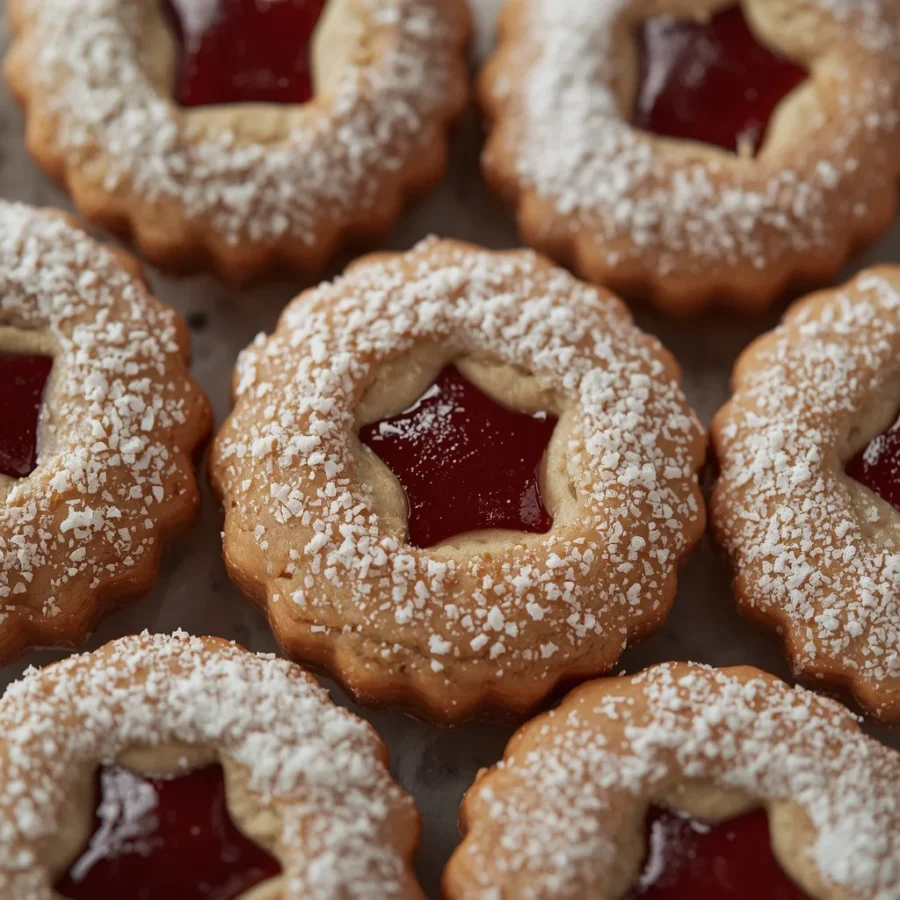
Place your one-half cup of seedless raspberry or strawberry jam into a small bowl and stir vigorously until smooth and spreadable; if the jam is very thick, warm it gently in the microwave for ten seconds. Flip all the solid base cookies upside down on a clean surface so their flat bottoms face up, then spread about one teaspoon of jam evenly over the center of each base. Lay all the window cut-out top cookies onto a separate tray and dust them generously with the one-quarter cup of powdered sugar using a fine mesh sieve. Finally, gently place a sugar-dusted cut-out top onto each jam-covered base, pressing lightly so the red preserves swell up through the decorative central opening.
Creative Variations for Your Holiday Dessert Spread: Linzer Christmas cookies
While classic seedless raspberry jam remains the traditional choice for these European sweets, you can easily alter the dough or filling components to match your personal tastes.
Spiced Pecan and Apricot Variation
Replace the ground almonds in the dough with an equal quantity of finely ground toasted pecans, which offer a deeper, butterier flavor profile. Pair this nutty pecan shortbread with a high-quality apricot jam filling for a warm, golden color contrast that looks gorgeous on winter dessert tables.
Dark Chocolate and Hazelnut Twist
Substitute ground hazelnut flour for the ground almonds to create an authentic Gianduja-inspired flavor. Instead of fruit jam, fill the assembled cookies with a smooth dark chocolate ganache or hazelnut chocolate spread, then dust the top cutouts with a light mixture of cocoa powder and powdered sugar.
Citrus Cranberry Holiday Edition
For a bright, tart contrast that cuts through the rich shortbread dough, use a smooth, strained spiced cranberry curd or spiced cherry preserves in place of standard raspberry jam. The brilliant crimson color of cooked cranberries creates a striking holiday appearance behind star or snowflake center cutouts.
Expert Baking Tips for Flawless Results: Linzer Christmas cookies
-
Keep the dough cold during handling: If your kitchen feels warm or the dough softens too much while rolling, return it to the freezer for ten minutes before cutting shapes to prevent tearing.
-
Dust tops before assembling: Always dust your top cutout cookies with powdered sugar before placing them on top of the jam bases so you do not cover the bright red fruit center with sugar powder.
-
Use seedless jam for a clean look: Seedless preserves spread much more smoothly and create a glass-like finish inside the center cutouts compared to seeded jams.
-
Bake cutouts and bases separately: The cutout top cookies bake slightly faster than the solid bottom cookies because they have less surface area, so group similar shapes on the same baking sheet for even baking.
Frequently Asked Questions: Linzer Christmas cookies
Why are my cookies spreading and losing their shapes in the oven?
Cookies spread when the butter inside the dough gets too warm before baking. Always chill your shaped dough disks thoroughly, and if the cut shapes feel soft after resting on the baking sheet, pop the entire tray into the refrigerator for ten minutes right before baking.
Can I make the cookie dough in advance?
Yes, this dough is wonderful for advance preparation. You can store the wrapped dough disks in your refrigerator for up to three days, or freeze them wrapped tightly in foil for up to two months before thawing overnight in the fridge and rolling.
How do I prevent the jam filling from making my cookies soggy?
Choose a thick, high-quality preserve or simmer thin jams in a small saucepan for a few minutes to evaporate excess water before cooling and spreading. Assembled cookies will naturally soften slightly over time, which creates their signature tender texture.
What is the best way to grind whole almonds for this recipe?
Pulse whole blanched almonds in a food processor along with a tablespoon of the measured flour to prevent the nuts from turning into almond butter paste. Stop pulsing as soon as the nuts resemble fine breadcrumbs.
Conclusion: Linzer Christmas cookies
Baking a memorable batch of holiday treats does not require complicated skills when you rely on time-tested traditional techniques and quality ingredients. By bringing together tender almond shortbread, warm cinnamon notes, smooth fruit preserves, and a delicate dusting of sugar, this
Linzer Christmas cookies recipe provides a timeless baking experience that delights guests of all ages. Their stunning appearance, delicate crumb, and harmonious balance of sweet and tart flavors guarantee they will become an instant favorite for your seasonal traditions. Prepare a batch for your next holiday event, share them with friends in decorative gift boxes, and enjoy every buttery, fruit-filled bite throughout the festive season.