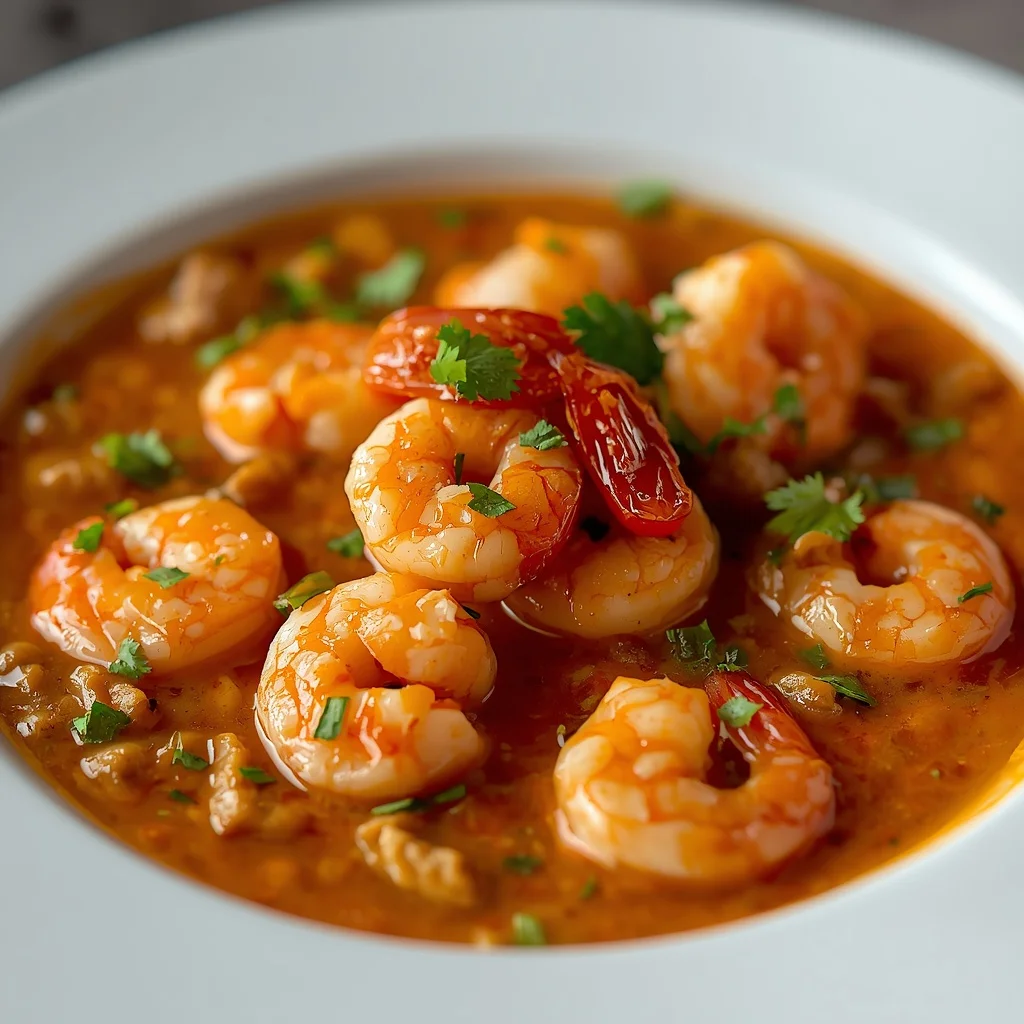
If you are looking for an authentic taste of southern comfort, preparing a traditional pot of Louisiana Shrimp Étouffée will instantly elevate your home cooking. This iconic Creole and Cajun classic features sweet, tender shrimp smothered in a rich, buttery, savory gravy built on a classic roux and the aromatic holy trinity of southern cooking. Served steaming hot over a bed of fluffy white rice, this comfort food staple delivers a perfect balance of smoky, spicy, and savory flavors in every single bite.
What is Louisiana Shrimp Étouffée?
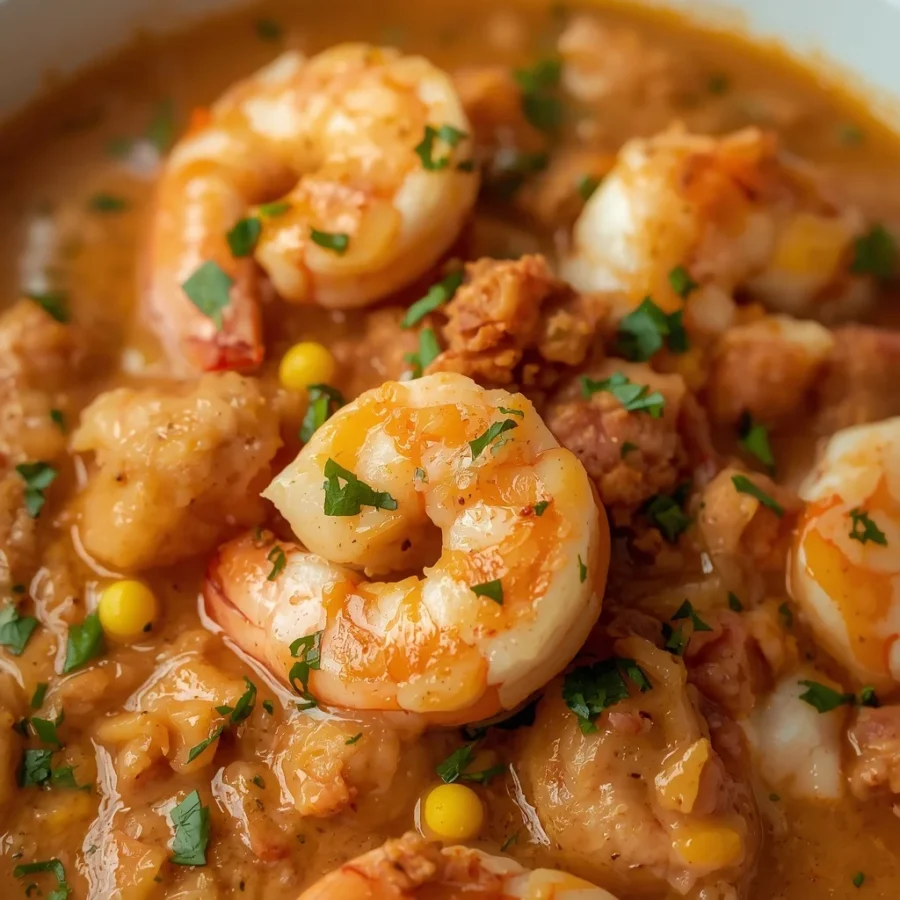
Understanding Louisiana Shrimp Étouffée begins with its classic name, which comes directly from the French verb meaning to smother or to suffocate. In culinary terms, smothering describes a regional cooking technique where seafood or meat is simmered gently inside a covered pot with a thick, velvety roux sauce and aromatic vegetables.
Unlike a light seafood stew or a thin broth, this dish boasts a thick, gravy-like consistency. The foundation relies on equal parts butter and flour cooked together slowly until reaching a rich blonde or light brown hue. Fresh local shrimp are folded into this fragrant, spiced gravy right at the end of the cooking process, allowing them to gently steam until tender without losing their sweet, delicate bite. Paired with warm white rice, it represents one of the most beloved centerpiece meals in regional American cuisine.
The Cultural Heritage and Origin of Louisiana Shrimp Étouffée
The historical origins of Louisiana Shrimp Étouffée trace back to the bayous of Acadiana during the nineteen twenties. According to regional food folklore, early versions of the dish were created in the town of Breaux Bridge, which was later officially named the Crawfish Capital of the World. Early Cajun home cooks and restaurant pioneers sought creative ways to prepare abundant seasonal catches of freshwater crawfish using simple pantry staples like butter, flour, onions, and field peppers.
As the recipe gained popularity across southern markets, home cooks along the Gulf Coast began adapting the original dish to feature fresh saltwater shrimp. Over time, both Cajun and Creole culinary traditions embraced the meal. The Cajun style traditionally relies on a simpler butter roux with basic green seasonings, whereas the Creole variation often incorporates diced tomatoes and seafood stock to enhance color and acidity. Today, this luxurious smothered seafood dish stands as a proud symbol of Louisiana heritage, served in family homes and fine dining establishments across the globe.
Ingredients You Will Need
To prepare a batch of genuine Louisiana Shrimp Étouffée, gather the following fresh ingredients. Using real butter and quality stock creates a smooth, restaurant-quality sauce.
For the Seasoned Seafood
-
One and one half pounds of large fresh shrimp, peeled and deveined
-
One teaspoon of Cajun seasoning blend
-
One half teaspoon of sweet paprika
-
One half teaspoon of freshly cracked black pepper
Golden Butter Roux
-
One half cup of unsalted butter
-
One half cup of all-purpose flour
For the Holy Trinity and Seasoning Base
-
One medium yellow onion, finely diced
-
One green bell pepper, finely diced
-
Two stalks of fresh celery, finely diced
-
Three full cloves of fresh garlic, finely minced
-
Two cups of rich seafood stock or chicken broth
-
One fourteen-and-a-half-ounce can of diced tomatoes, optional for Creole style
-
One tablespoon of Worcestershire sauce
-
One half teaspoon of dried thyme leaves
-
One whole bay leaf
-
One quarter teaspoon of cayenne pepper, adjusted for preferred heat
-
One teaspoon of fine salt, or adjusted to taste
-
Two tablespoons of fresh flat-leaf parsley, finely chopped
-
Two green onions, thinly sliced
-
One tablespoon of fresh lemon juice
For Serving and Garnish
-
Four cups of hot cooked white rice
-
Extra chopped fresh parsley and green onions for garnish
Step-by-Step Directions and Preparation Method: Louisiana Shrimp Étouffée
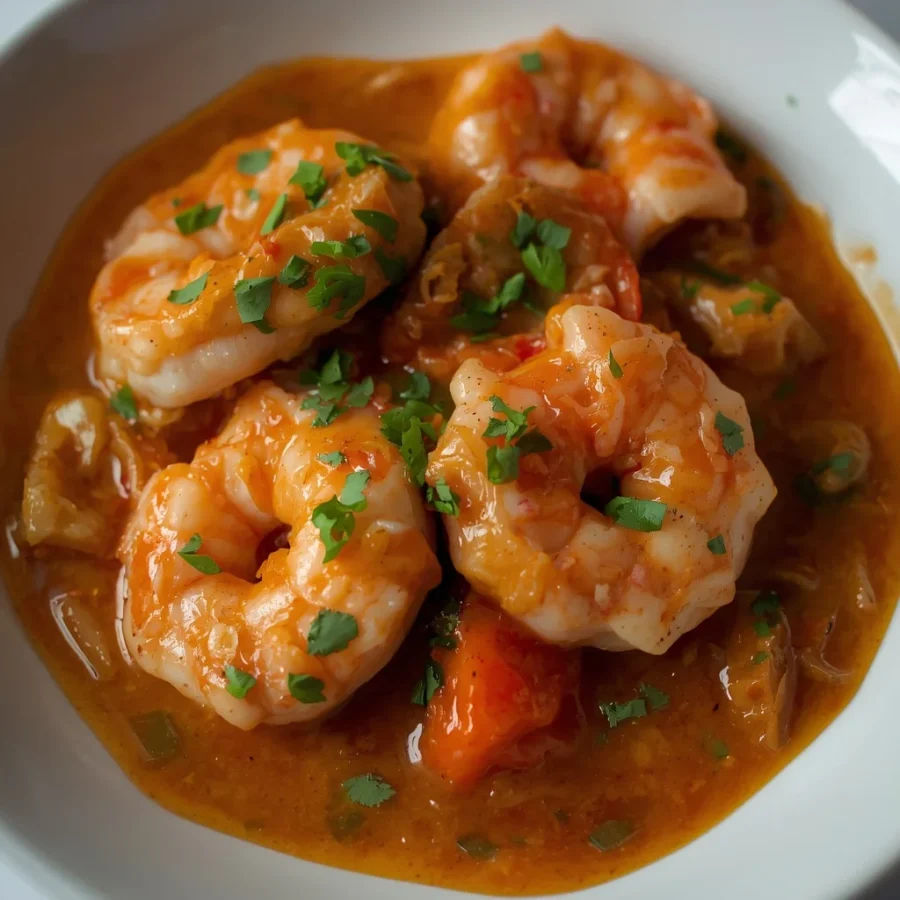
Creating an authentic Louisiana Shrimp Étouffée requires patience, constant attention to your roux, and gentle heat management. Follow these clear steps to achieve a perfectly balanced gravy and tender shrimp.
Step One: Seasoning the Fresh Shrimp
Pat your peeled and deveined shrimp dry using clean paper towels. Place the shrimp inside a medium mixing bowl. Sprinkle one teaspoon of Cajun seasoning, one half teaspoon of sweet paprika, and one half teaspoon of black pepper over the seafood. Toss gently with a spoon until every shrimp is evenly coated with spices. Cover the bowl and set it aside while you begin the sauce base.
Step Two: Making the Golden Butter Roux
Place a large heavy-bottomed Dutch oven or cast-iron skillet over medium-low heat. Melt one half cup of unsalted butter completely. Gradually sprinkle one half cup of all-purpose flour into the melted butter while whisking continuously to prevent clumps from forming.
Cook the roux low and slow for ten to fifteen minutes. You must stir the flour mixture constantly with a wooden spoon or silicone whisk, reaching every corner of the pan base. As the flour cooks, it will transform from a pale paste into a deep golden-brown color resembling smooth peanut butter. Keep a watchful eye on the stove to ensure the mixture browns evenly without scorching.
Step Three: Sautéing the Holy Trinity Vegetables
Once your roux reaches the desired golden hue, immediately add your finely diced onion, green bell pepper, and celery directly into the hot pot. The moisture from the fresh vegetables will stop the roux from browning further.
Stir the vegetables continuously into the thick roux base. Cook over medium-low heat for five to seven minutes until the onions become translucent and soft. Add the minced garlic cloves to the pot and sauté for another thirty seconds until fragrant.
Step Four: Building and Simmering the Savory Gravy
Slowly pour two cups of seafood stock into the vegetable and roux mixture, whisking constantly to keep the sauce silky and smooth. Add the optional diced tomatoes along with your Worcestershire sauce, dried thyme, bay leaf, cayenne pepper, salt, and the remaining Cajun seasoning.
Bring the liquid base to a gentle simmer over medium heat. Reduce the burner heat to low, leave the pot uncovered, and allow the gravy to simmer for fifteen to twenty minutes. Stir occasionally so the bottom does not stick. The liquid will reduce and thicken into a glossy gravy.
Step Five: Cooking the Shrimp to Perfection
Gently fold your seasoned shrimp directly into the simmering gravy. Maintain low heat and allow the seafood to simmer gently for four to six minutes. Watch the shrimp carefully as they cook; they should turn soft pink and form an oval shape. Avoid overcooking the seafood so it remains tender rather than tough.
Step Six: Finishing Touches and Plating
Remove the pot from the burner heat. Locate and discard the whole bay leaf. Stir in one tablespoon of fresh lemon juice, two tablespoons of fresh chopped parsley, and two sliced green onions to brighten the heavy sauce.
Place generous scoops of hot cooked white rice into deep warm bowls. Ladle the hot smothered shrimp and rich gravy over the rice. Garnish each bowl with additional green onions and fresh parsley, then serve immediately.
Delicious Recipe Variations to Try: Authentic Louisiana Shrimp Étouffée Recipe
While this traditional version of Louisiana Shrimp Étouffée is legendary, you can easily alter the components to match your local pantry or dietary preferences:
-
Classic Crawfish Style: Substitute one and one half pounds of peeled crawfish tails for the shrimp to recreate the historic Acadiana original.
-
Cajun Blonde Roux Variation: Omit the diced tomatoes completely and use chicken broth instead of seafood stock for a traditional Cajun version focused entirely on rich butter and black pepper notes.
-
Andouille Sausage Combo: Slice four ounces of smoked Cajun Andouille sausage into rounds, brown them in the skillet beforehand, and simmer them alongside the vegetables to add smoky complexity.
-
Gluten-Free Modification: Swap the all-purpose flour for a high-quality gluten-free baking blend or cup-for-cup flour substitute when making your initial butter roux.
-
Extra Spicy Heat: Double the amount of cayenne pepper and add a few shakes of Louisiana hot sauce to the gravy during the simmering stage for a fiery kick.
Frequently Asked Questions: Authentic Louisiana Shrimp Étouffée Recipe
What is the difference between gumbo, jambalaya, and étouffée?
While all three dishes originate from Louisiana, they have distinct structural differences. Gumbo is a thick, soup-like stew served over rice with a dark roux. Jambalaya is a one-pot rice dish where grains absorb the broth directly like paella. Étouffée is a thick, gravy-focused dish smothered over cooked rice, using a lighter golden roux.
Why did my roux burn, and can I save it?
A burnt roux happens when the burner heat is too high or the flour rests unwatched on the pan bottom. Burnt roux turns dark brown or black quickly and smells bitter. Unfortunately, a burnt roux cannot be salvaged, as the burnt taste will ruin your gravy. If it burns, discard it, wipe out the pot, and start fresh with butter and flour on lower heat.
Can I make the gravy base ahead of time?
Yes, you can prepare the vegetable and roux gravy base up to two days in advance. Cool the sauce completely and store it in an airtight container inside your refrigerator. Reheat the sauce slowly in a pot on the stovetop, adding a splash of fresh stock to restore its silky texture before stirring in fresh raw shrimp to cook right before serving.
How do I store and reheat leftover shrimp étouffée?
Store any leftovers in a sealed container inside the refrigerator for up to three days. When reheating, place the dish into a saucepan over low stovetop heat, adding a small splash of water or stock to loosen the gravy. Heat gently until hot throughout without boiling to prevent the shrimp from becoming tough.
Conclusion: Authentic Louisiana Shrimp Étouffée Recipe
Mastering a traditional batch of Louisiana Shrimp Étouffée at home connects your kitchen directly to centuries of rich southern culinary heritage. By combining a slow-cooked butter roux with fresh regional seasonings, aromatic vegetables, and sweet shrimp, you create a deeply satisfying meal that far surpasses simple weeknight dinners. Simple ingredients paired with attentive stove management yield a rich smothered dish that will delight your family and guests alike. Gather your ingredients, take your time with the roux, and enjoy sharing this timeless taste of Louisiana comfort food around your dinner table.
Print
Louisiana Shrimp Étouffée
- Total Time: 1 hour
- Yield: 6 servings 1x
Description
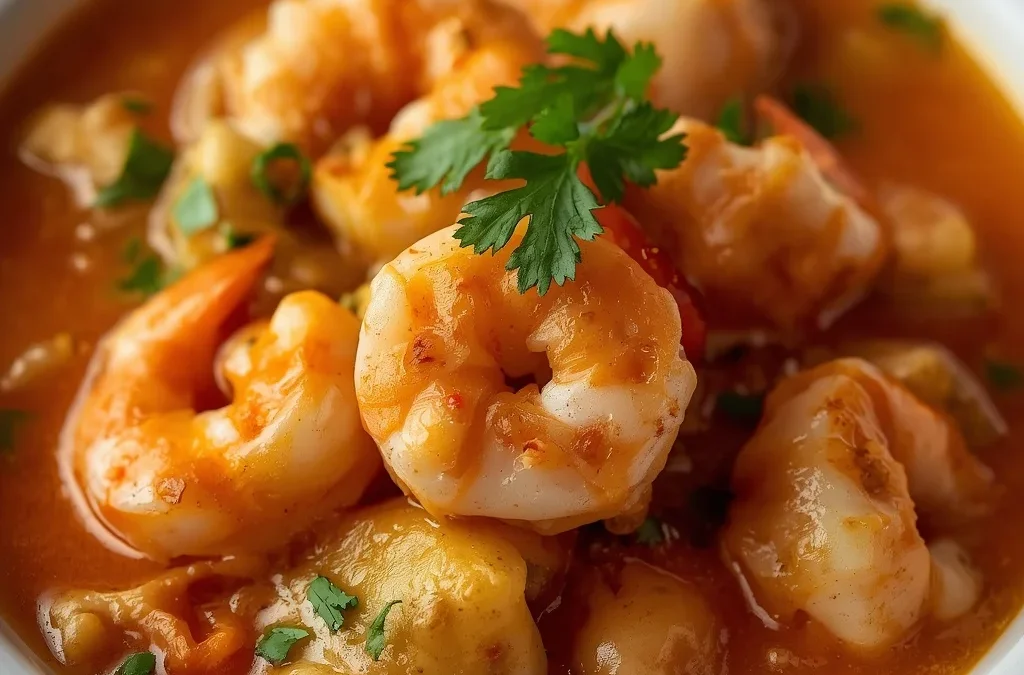
Understanding Louisiana Shrimp Étouffée begins with its classic name, which comes directly from the French verb meaning to smother or to suffocate. In culinary terms, smothering describes a regional cooking technique where seafood or meat is simmered gently inside a covered pot with a thick, velvety roux sauce and aromatic vegetables.
Ingredients
Scale
For the Étouffée
- 1½ lb (680 g) large shrimp, peeled and deveined
- ½ cup (115 g) unsalted butter
- ½ cup (65 g) all-purpose flour
- 1 medium onion, finely diced
- 1 green bell pepper, finely diced
- 2 celery stalks, finely diced
- 3 cloves garlic, minced
- 2 cups (480 ml) seafood or chicken stock
- 1 can (14.5 oz / 410 g) diced tomatoes, optional
- 1 tbsp Worcestershire sauce
- 1 tsp Cajun seasoning
- ½ tsp paprika
- ¼ tsp cayenne pepper, or to taste
- ½ tsp dried thyme
- 1 bay leaf
- 1 tsp salt, or to taste
- ½ tsp black pepper
- 2 tbsp chopped fresh parsley
- 2 green onions, sliced
- 1 tbsp fresh lemon juice
For Serving
- 4 cups cooked white rice
- Extra chopped parsley and green onions for garnish
Instructions
- Season the shrimp: Pat the shrimp dry and season lightly with Cajun seasoning, paprika, and black pepper. Set aside.
- Make the roux: Melt the butter in a large heavy-bottomed skillet or Dutch oven over medium-low heat. Gradually whisk in the flour.
- Cook the roux for 10–15 minutes, stirring constantly, until it becomes a deep golden-brown color similar to peanut butter. Be careful not to burn it.
- Add the vegetables: Stir in the onion, bell pepper, and celery. Cook for 5–7 minutes, until softened.
- Add the garlic and cook for another 30 seconds.
- Build the sauce: Slowly whisk in the stock until smooth. Add the tomatoes, Worcestershire sauce, thyme, bay leaf, cayenne, salt, and remaining Cajun seasoning.
- Bring to a gentle simmer and cook uncovered for 15–20 minutes, stirring occasionally, until the sauce thickens.
- Cook the shrimp: Add the shrimp and simmer gently for 4–6 minutes, just until they turn pink and are cooked through. Avoid overcooking.
- Remove the bay leaf. Stir in the lemon juice, parsley, and green onions.
- Serve: Spoon the shrimp étouffée generously over hot white rice. Garnish with additional parsley and green onions.
Notes
- Prep Time: 20 minutes
- Cook Time: 40 minutes
- Category: Main Course
- Method: Stovetop
- Cuisine: Cajun/Creole
Nutrition
- Serving Size: 1½ cups étouffée with ⅔ cup rice
- Calories: ~560 kcal
Keywords: Authentic Shrimp Étouffée, Cajun Shrimp Étouffée, Creole Shrimp Étouffée
