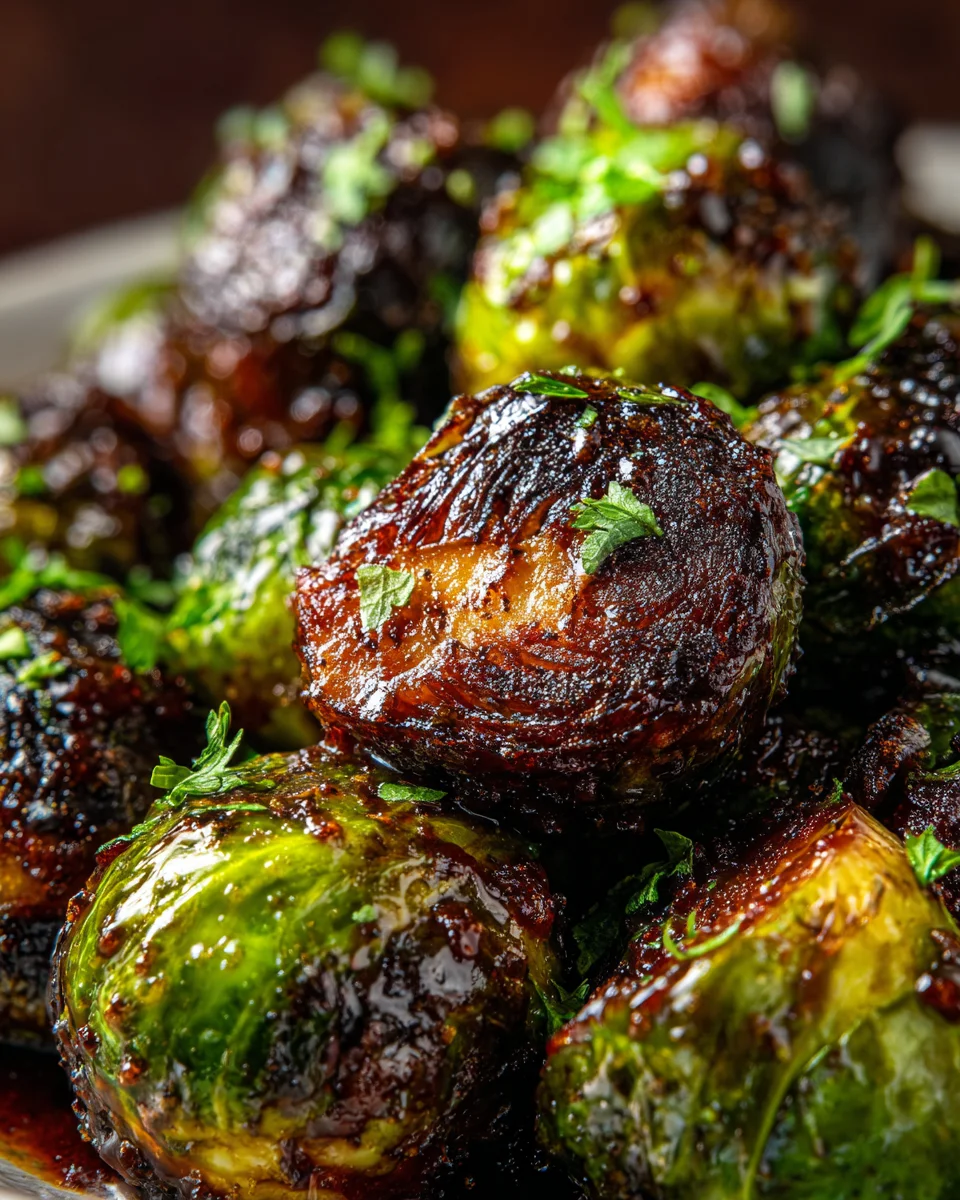
There is a remarkable transformation that happens when the humble green vegetable meets the intense, dry heat of a roaring oven. For generations, certain vegetables have suffered from a poor culinary reputation, primarily because they were boiled or steamed into a soft, unappealing state. If you are one of the many people who grew up avoiding these tiny, cabbage-like vegetables, it is time to completely rewrite your culinary perspective. You are about to discover a preparation method that turns a routinely avoided side dish into the absolute star of your dinner table. Today, we are deep-diving into the ultimate method for crafting maple glazed Brussels sprouts. This spectacular recipe strikes an impeccable balance between a deeply caramelized, savory vegetable base and a rich, natural sweetness.
By utilizing a high-temperature roasting technique and a simple, sophisticated glaze, you can elevate a basic weeknight dinner or create a holiday side dish that your guests will talk about for weeks. Let us explore the science, the history, and the simple kitchen steps required to master this incredibly addictive and deeply comforting vegetable dish.
What is This maple glazed brussels sprouts?
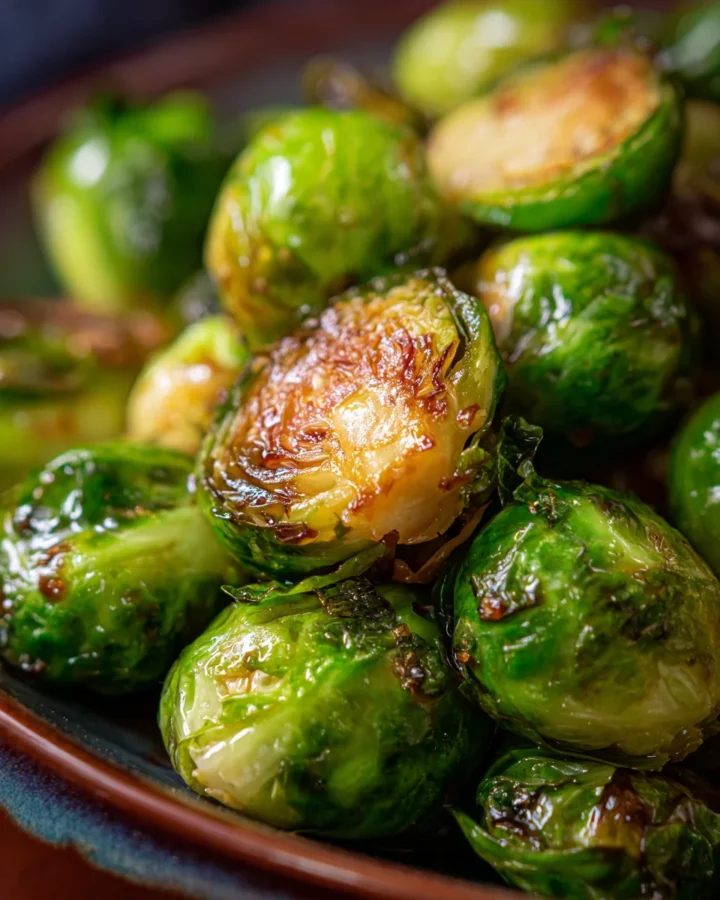
To fully understand why this particular dish has taken over modern restaurant menus and family dinner tables alike, it helps to understand what makes it work so beautifully. This recipe is an exploration of texture and flavor contrast. You take fresh, dense, leafy green sprouts and subject them to intense oven roasting, which coaxes out their natural sugars and crisps up the outer leaves into delicate chips.
The defining element of this preparation is the addition of a rich glaze made from pure maple syrup and a splash of dark vinegar. When applied during the final minutes of cooking, this liquid reduces into a sticky, glossy coating that clings to every nook and cranny of the roasted vegetable. Every single bite delivers a wonderful combination of a smoky, charred exterior, a tender, buttery interior, and a top note of sweet, tangy luxury. It is an approachable, elegant dish that fundamentally changes how people perceive green vegetables, turning a nutritional necessity into a pure flavor indulgence.
The Unexpected History and Culinary Journey: maple glazed brussels sprouts
From Mediterranean Wild Grass to Northern European Fields
While we often associate this vegetable with cozy autumn dinners in the modern Western world, its roots stretch back much further. The wild ancestors of these leafy globes were originally cultivated in the ancient Mediterranean region, likely by the Romans, who appreciated their hardiness and ability to grow in cooler climates. However, the vegetable as we recognize it today really began to develop during the thirteenth century in the regions surrounding northern Europe.
Local farmers in the area that is now modern-day Belgium began selectively breeding the plants to produce tight, compact clusters of miniature heads along thick, sturdy central stalks. Because these plants thrived so magnificently in the cool, damp soils around the capital city of Brussels, the vegetable eventually took on the permanent name of the region, spreading throughout Europe and eventually making its way across the Atlantic Ocean with early European settlers.
The Modern Rebirth Through Caramelization
For decades in American kitchens, these green globes were unfortunately prepared using cooking methods that focused entirely on convenience rather than flavor development. Boiling or over-steaming trapped volatile sulfur compounds within the leaves, creating an unpleasant aroma and a soggy texture that alienated entire generations of eaters. The modern culinary renaissance of the vegetable occurred when professional chefs began ditching the water pots and embracing the dry heat of roasting pans.
By introducing healthy fats, high heat, and natural sweeteners, cooks unlocked a completely hidden side of the plant. The combination of intense heat and a natural glaze completely neutralizes the bitter compounds, replacing them with a rich, nut-like complexity. Our modern recipe honors this culinary evolution, taking the best practices from professional kitchens and streamlining them for the home cook.
Ingredients with Quantity: maple glazed brussels sprouts
Achieving restaurant-quality results requires a precise collection of simple, wholesome ingredients. Because this recipe relies on a small number of components, selecting fresh, high-quality items will drastically impact the final flavor, crispness, and overall success of your maple glazed Brussels sprouts. Gather the following items before turning on your oven:
The Vegetable Foundation
-
One pound of fresh Brussels sprouts: Look for medium-sized, firm, heavy globes with tightly packed leaves that are a vibrant green color. Avoid any stalks that feel soft, spongy, or show significant yellowing or black spots on the outer leaves.
The Roasting Medium and Aromatics
-
Two tablespoons of high-quality olive oil: This fat coats the leaves evenly, helping to conduct the heat of the oven uniformly and encouraging a deep, golden-brown char rather than burning.
-
Two fresh cloves of garlic: These should be finely minced or grated. Fresh garlic provides a sharp, pungent, savory base note that cuts through the sweetness of the glaze beautifully.
The Balance of Seasonings
-
One-half teaspoon of fine sea salt: Salt is absolutely essential for drawing out internal moisture during the initial phase of roasting and highlighting the natural earthy flavors of the greens.
-
One-quarter teaspoon of freshly cracked black pepper: A touch of woody, slow heat to provide depth to the savory profile.
The Glossy Sweet and Tangy Glaze
-
Two tablespoons of pure maple syrup: Ensure you are using real, unrefined syrup tapped from maple trees rather than artificially flavored corn syrup pancake toppings. Real syrup contains complex caramel and vanilla notes that react perfectly with heat.
-
One tablespoon of balsamic vinegar: While this is technically optional, it is highly recommended. The dark, aged vinegar adds a sharp acidity and a deep fruitiness that cuts through the intense sweetness, balancing the entire flavor profile.
Optional Creative Textural Additions
-
A pinch of dried chili flakes: For those who enjoy a sweet-and-spicy flavor profile.
-
A handful of chopped raw pecans: These will toast beautifully alongside the greens, adding an earthy crunch.
-
A sprinkling of crispy bacon bits: To introduce a smoky, salty, savory meatiness to the final presentation.
Step-by-Step Direction and Preparation Method: maple glazed brussels sprouts
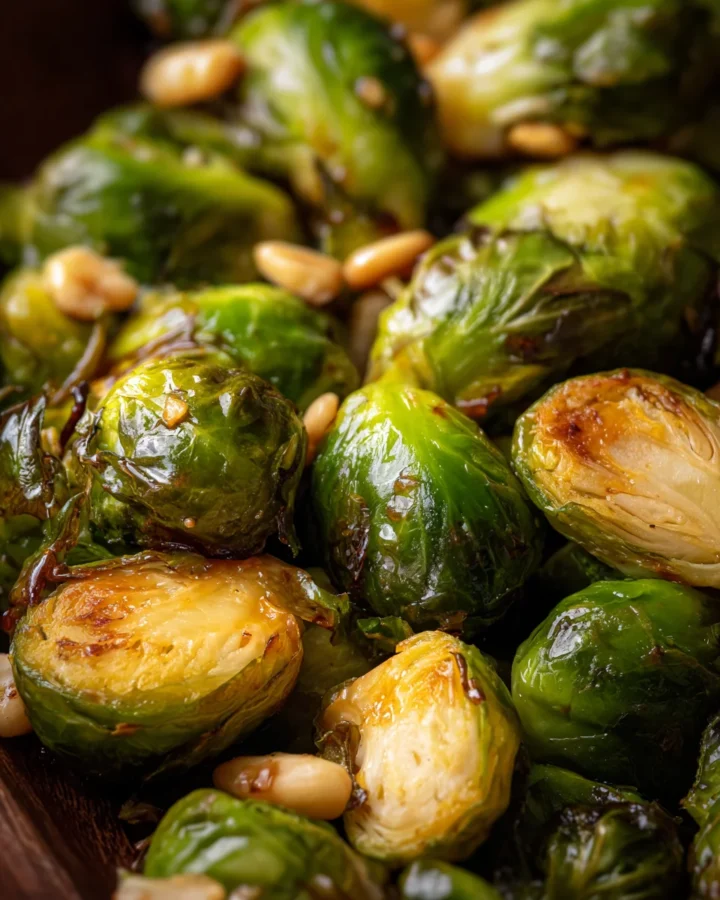
The process of creating these maple glazed Brussels sprouts is simple, but execution and timing are everything. Following these detailed kitchen steps precisely will prevent your vegetables from turning soggy or letting the sugars burn in the high heat of your oven.
Step One: Elevating the Temperature of Your Kitchen Oven
Before you begin trimming your fresh produce, you must ensure your cooking environment is ready. Turn on your home oven and set the temperature to four hundred degrees Fahrenheit. A high, steady heat is absolutely mandatory for this recipe. If your oven temperature is too low, the interior of the vegetables will cook entirely through and become mushy before the exterior leaves have a chance to develop those gorgeous, crispy, charred edges.
While the heating element is working, grab a large, heavy-rimmed baking sheet. You can line it with parchment paper for easier cleanup, but roasting directly on a dark, heavy metal pan often yields an even more dramatic caramelization on the flat surfaces of the vegetables.
Step Two: Cleaning and Seasoning the Greens
Take your fresh green globes and place them in a colander to rinse away any loose dirt. Pat them completely dry with a clean kitchen towel. Using a sharp chef’s knife, trim off the tough, woody stem end of each sprout, being careful not to cut too high, or the leaves will unravel completely. Slice each cleaned globe directly down the center to create two even halves.
Place the halves into a large mixing bowl. Pour your two tablespoons of olive oil over the top, then add your fine sea salt, cracked black pepper, and minced garlic. Use your hands or a large spoon to toss everything together thoroughly, ensuring every single piece is completely and evenly coated in oil and seasoning.
Step Three: Arranging for Maximum Crispness
Pour the seasoned greens directly onto your large baking sheet. Now, take a brief moment to perform the ultimate kitchen trick for vegetable success: turn every single piece over so that the flat, cut side is facing directly down against the metal surface of the pan.
When the flat surface of the vegetable maintains direct, continuous contact with the hot metal sheet, it undergoes a beautiful chemical reaction where the natural starches transform into a deeply browned, crispy crust. Ensure the pieces are spread out evenly across the pan and are not overlapping or crowded together. If they are piled on top of each other, they will trap steam, causing them to become soft and soggy instead of delightfully crisp.
Step Four: The Initial Savory Roast
Slide the loaded baking sheet into the center rack of your fully preheated oven. Let the vegetables roast undisturbed for twenty to twenty-five minutes. During this time, the intense heat will cook the interior until it is tender, crisp up the loose outer leaves, and create that deep golden-brown sear on the bottom surfaces. You will know they are ready for the next step when the edges look dark and caramelized and the kitchen smells wonderfully rich and savory.
Step Five: Mixing and Applying the Sweet Glaze
While the vegetables are finishing their initial roast, prepare your finishing liquid. In a small glass or ceramic bowl, combine your two tablespoons of pure maple syrup and your one tablespoon of balsamic vinegar. Whisk them together with a small fork until they form a smooth, uniform liquid.
Once the initial twenty-five minutes of roasting are up, carefully pull the hot baking sheet out of the oven. Drizzle the sweet and tangy liquid evenly over the hot roasted vegetables. Use a metal spatula to toss them gently right on the hot pan, ensuring the liquid coats every single piece. Slide the tray straight back into the hot oven for an additional five minutes. This brief final roast allows the natural sugars to bubble, reduce, and thicken into a sticky, glossy lacquer that bonds to the greens without burning.
Step Six: The Final Presentation
Remove the tray from the oven and set it safely on a wire cooling rack. The glaze should be bubbling actively and clinging tightly to the caramelized surfaces. If you are opting to include chili flakes, toasted pecans, or crispy bacon bits, scatter them over the top right now while the glaze is still hot and sticky. Transfer the beautifully glazed greens to a warm serving dish and serve them immediately while they are fresh, hot, and at their absolute peak of texture.
Exciting Flavor Variations to Taste: maple glazed brussels sprouts
Mastering the basic version opens up a world of culinary experimentation. You can easily modify this dish to match various flavor profiles, dietary preferences, or specific holiday themes.
The Smoky Bacon and Black Pepper Twist
For a deeply savory, comforting variation that appeals to meat lovers, you can incorporate smoky bacon into the cooking process. Chop three strips of thick-cut raw bacon into small squares and toss them directly onto the baking sheet with the raw vegetables. As the pan roasts, the bacon fat will render down, replacing some of the olive oil and infusing the green leaves with an incredible smoky richness. Finish with the standard glaze and a generous extra crack of coarse black pepper to create an exceptionally savory, bistro-style dish.
The Fiery Sweet Hot Honey Alternative
If you love a dish that delivers a pleasant kick of heat to contrast a sugary glaze, you can shift the flavor profile toward a spicy destination. Replace the traditional maple syrup with a high-quality hot honey, or simply stir a half-teaspoon of cayenne pepper or sriracha directly into your syrup and vinegar mixture. The combination of intense heat, sharp vinegar, and sweet sugar creates a complex profile that wakes up the palate and pairs magnificently with grilled meats or rich holiday roasts.
The Mediterranean Citrus and Herb Infusion
To create a brighter, lighter, and more herbaceous side dish that feels right at home alongside fresh seafood or Mediterranean chicken, you can lean into citrus flavors. Swap the heavy balsamic vinegar for fresh, tart lemon juice, and stir a teaspoon of fresh orange zest directly into the syrup. Toss the finished, roasted dish with fresh chopped rosemary or thyme and a handful of toasted pine nuts to create an aromatic, refreshing contrast to the natural earthiness of the vegetable.
Expert Tips for Consistent Kitchen Success: maple glazed brussels sprouts
To ensure your maple glazed Brussels sprouts turn out absolutely flawless every single time you make them, keep these essential professional kitchen principles in mind.
Avoid the Common Pitfall of Overcrowding the Pan
The single most common mistake home cooks make when roasting vegetables is trying to squeeze too much produce onto a single baking sheet. When vegetables cook, they release a substantial amount of internal water through evaporation. If the pieces are packed tightly together or piled on top of one another, that moisture cannot escape rapidly into the oven atmosphere. Instead, it gets trapped between the pieces, causing the vegetables to steam in their own juices. This results in a pale, mushy texture. Always use a large pan that allows for plenty of open space between each piece, or split the batch across two separate sheets if necessary.
Protect Your Sugars by Glazing at the End
Pure maple syrup is packed with natural, delicate sugars that begin to burn and turn bitter when exposed to high heat for an extended period. If you toss the raw vegetables in the sweet glaze at the very beginning of the cooking process, the twenty-five minutes of intense heat will blacken the sugars completely, creating an acrid, unpleasant taste. Always roast your vegetables using only heat-stable fats like olive oil first, and introduce your sugary glaze during the final five minutes of baking just to let it thicken and caramelize safely.
Uniform Slicing Ensures Even Cooking
When preparing your raw produce, pay close attention to the size of the pieces. If you have a mixture of massive globes and tiny button-sized pieces, they will cook at vastly different rates. The tiny pieces will burn to a crisp before the centers of the large pieces become tender. Try to select a batch of uniform size at the grocery store. If you do end up with varied sizes, cut the massive ones into quarters and leave the tiny ones whole so that every piece on the tray reaches perfection at the exact same moment.
Frequently Asked Questions: maple glazed brussels sprouts
Can I use frozen Brussels sprouts for maple glazed brussels sprouts?
While it is technically possible to roast frozen vegetables, it is highly recommended to use fresh produce for this specific recipe. Frozen vegetables are blanched before freezing, which breaks down their cellular structure and introduces an enormous amount of extra moisture. When you try to roast them, they will release too much water, making it nearly impossible to achieve that signature crispy, shattered-leaf exterior that makes this dish so spectacular. Fresh produce is the absolute secret to achieving that restaurant-quality crunch.
How should I store and reheat any leftover portions?
If you happen to have any leftover portions, let them cool down to room temperature before transferring them into a glass, airtight storage container. Keep them in your refrigerator, where they will remain safe to eat for up to three to four days. To reheat them and restore their crispy texture, spread them back out on a baking sheet and pop them into a hot oven at three hundred and fifty degrees for roughly five to ten minutes. Avoid using a microwave, as it will trap moisture and make the glaze soggy and watery.
What can I substitute for maple syrup if I run out?
If you do not have pure syrup in your pantry, you can easily substitute it with an equal amount of high-quality liquid honey or dark brown sugar dissolved in a splash of warm water. Both alternatives contain enough natural molasses and sugars to caramelize beautifully in the oven and provide that essential sweet contrast to the savory vegetable base.
Is this maple glazed brussels sprouts suitable for vegan and gluten-free diets?
Yes, the baseline version of this recipe is naturally one hundred percent vegan, plant-based, and completely gluten-free. It relies entirely on whole, natural ingredients, making it an incredibly safe and welcoming choice for dinner parties where guests may have diverse dietary restrictions. Just be sure to omit the optional bacon bits topping if you are serving individuals who follow a vegetarian or vegan lifestyle.
Conclusion: maple glazed brussels sprouts
Creating an extraordinary meal does not require an endless list of complex ingredients or hours of stressful preparation. This spectacular recipe for maple glazed Brussels sprouts demonstrates that when you apply the correct cooking techniques to simple, fresh produce, you can create a side dish that challenges expectations and delights the senses. By respecting the power of high-heat roasting, arranging your vegetables to maximize direct pan contact, and protecting your sweet glaze until the final moments of cooking, you unlock a deep, caramelized perfection that elevates the entire dining experience. It is a beautifully balanced, versatile addition to any menu that turns an ordinary evening into a memorable culinary celebration. Gather your fresh greens, heat up your oven, and enjoy the wonderful process of transforming these tiny green globes into a deeply comforting, glossy masterpiece.
Print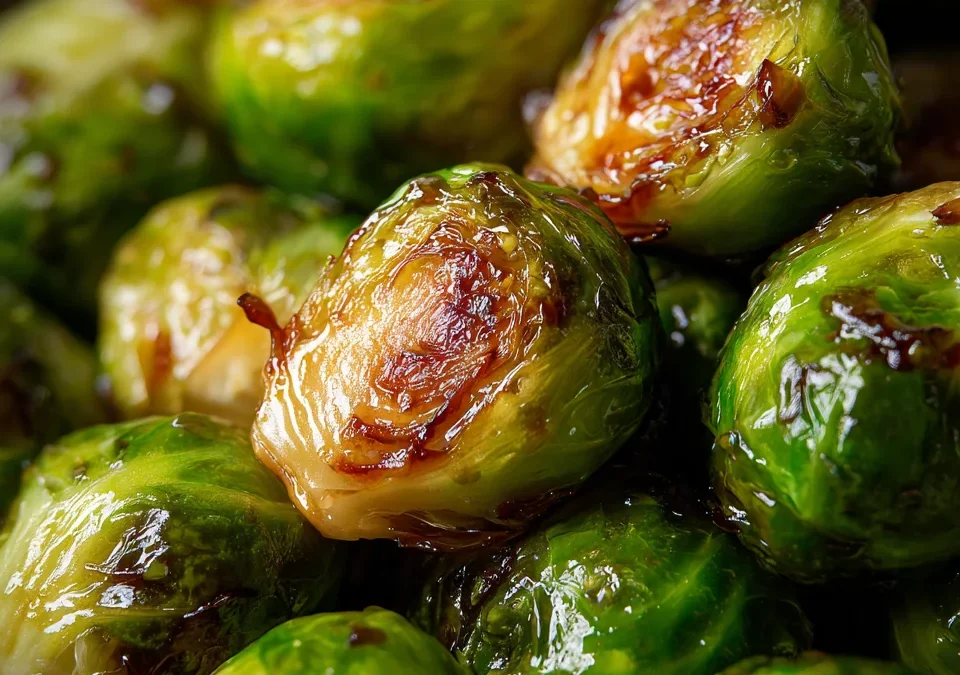
The Ultimate Recipe for Crispy Maple Glazed Brussels Sprouts
- Total Time: 35 minutes
- Yield: 4 servings 1x
- Diet: Vegan
Description
To fully understand why this particular dish has taken over modern restaurant menus and family dinner tables alike, it helps to understand what makes it work so beautifully. This recipe is an exploration of texture and flavor contrast. You take fresh, dense, leafy green sprouts and subject them to intense oven roasting, which coaxes out their natural sugars and crisps up the outer leaves into delicate chips.
Ingredients
- 1 lb Brussels sprouts, trimmed and halved
- 2 tbsp olive oil
- 2 tbsp maple syrup
- 1 tbsp balsamic vinegar (optional but recommended)
- 2 cloves garlic, minced
- 1/2 tsp salt
- 1/4 tsp black pepper
- Optional: chili flakes, chopped pecans, or bacon bits
Instructions
- Preheat oven
Heat oven to 400°F (200°C). - Season sprouts
Toss Brussels sprouts with olive oil, salt, pepper, and garlic. - Roast
Spread on a baking sheet cut-side down. Roast for 20–25 minutes until crispy and golden. - Make glaze
Mix maple syrup and balsamic vinegar in a small bowl. - Glaze and finish
Drizzle glaze over hot roasted sprouts and toss gently. Roast for another 5 minutes. - Serve
Serve warm with optional toppings like nuts or chili flakes.
Notes
These maple glazed Brussels sprouts are crispy, caramelized, and perfectly balanced with sweet maple and savory roasted flavor. They make a simple side dish that turns everyday vegetables into something truly irresistible.
- Prep Time: 10 minutes
- Cook Time: 25 minutes
- Category: Side Dish
- Method: Roasting
- Cuisine: American
Nutrition
- Serving Size: 1/2 cup
- Calories: 140
Keywords: roasted maple brussels sprouts, crispy maple balsamic sprouts, sweet and savory brussels sprouts
