What Is a Matcha Chiffon Cake?
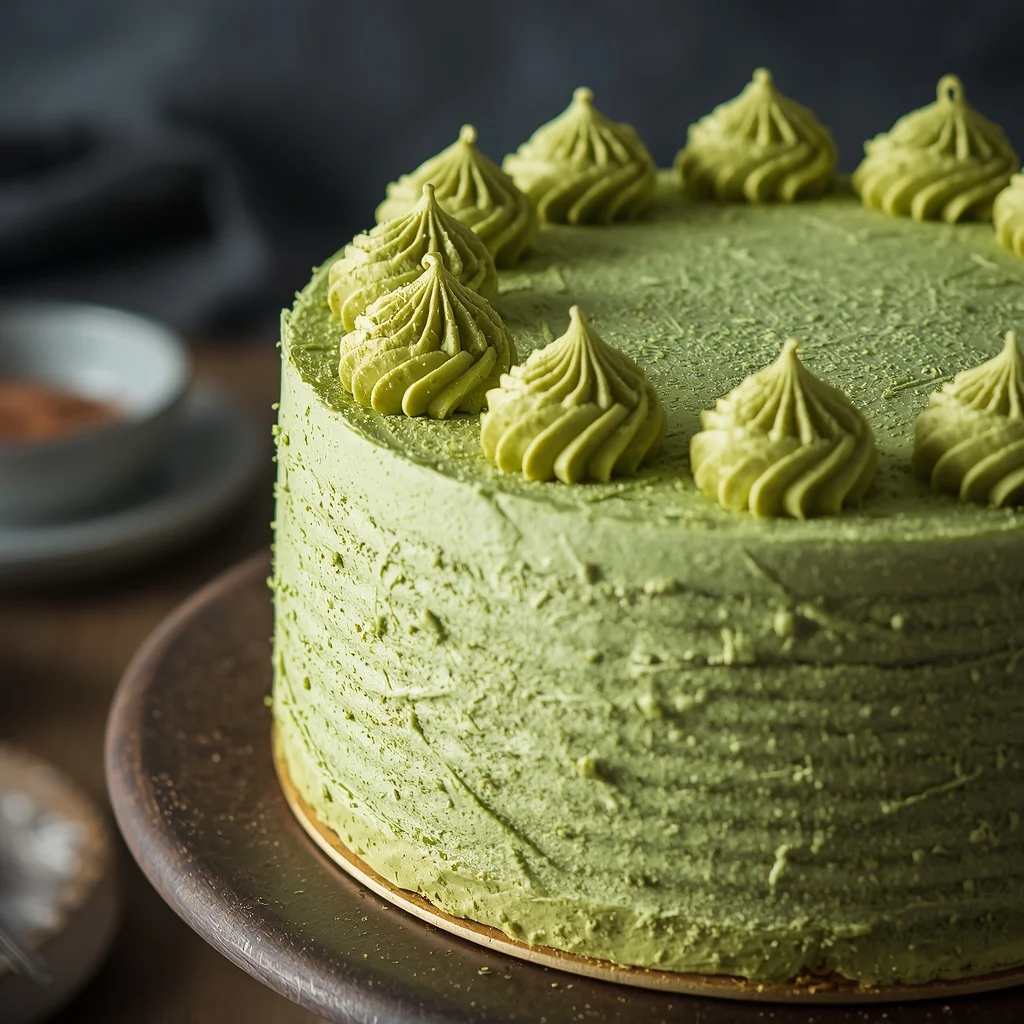
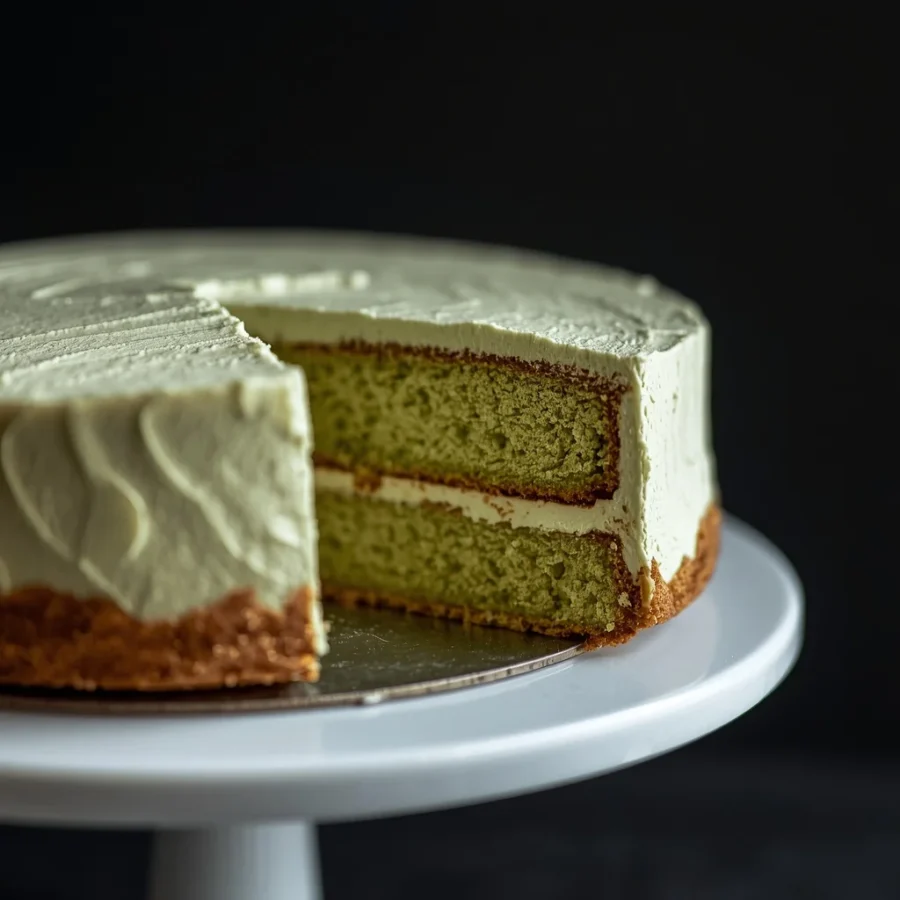
A matcha chiffon cake is a delicate, fluffy sponge cake infused with finely ground Japanese green tea powder, known as matcha. Unlike standard butter-based cakes or traditional European genoise sponges, chiffon cakes occupy a unique category in the baking world. They rely on oil rather than solid butter for fat, and they gain their dramatic height and cloud-like crumb structure almost entirely from whipped egg white meringue rather than heavy chemical leaveners.
The addition of high-quality green tea powder brings a unique complexity to the dessert. The earthy, slightly astringent, and umami-rich character of green tea cuts through the natural sweetness of the sugar, creating a beautifully balanced flavor profile. The result is a vibrant green cake that feels light as air, melts effortlessly on the tongue, and stays remarkably moist for several days without ever feeling heavy or greasy.
The Fascinating Origin of the Chiffon Cake and Matcha Baking
To understand the beauty of this Japanese tea dessert, it helps to examine how two distinct culinary traditions merged to create an international baking masterpiece.
The Invention of the Chiffon Cake in America
The chiffon cake was invented in Los Angeles, California, during the late nineteen twenties by an insurance salesman named Harry Baker. Seeking a cake that was lighter than a traditional butter cake yet far more moist than an angel food cake, Baker experimented secretly for years. His breakthrough discovery was using vegetable oil instead of solid butter, paired with a specialized technique for folding whipped egg whites into a rich yolk base.
Baker kept his recipe a secret for nearly two decades, baking his famous light cakes for Hollywood celebrities and the renowned Brown Derby restaurant. In the late nineteen forties, he sold his secret formula to General Mills, who popularized the chiffon cake across the globe as a modern baking sensation.
The Japanese Adaptation and Mastery of Matcha Chiffon
When chiffon cake recipes arrived in Japan during the mid twentieth century, Japanese bakers enthusiastically adopted the technique. Japanese pastry chefs appreciated the cake for its airy, cloud-like texture, which aligned perfectly with traditional Asian dessert preferences that favor subtle sweetness and delicate textures.
Concurrently, Japanese bakers began incorporating traditional local ingredients into Western baking methods. Matcha, which had been cultivated and cherished in Japan for centuries during traditional tea ceremonies, proved to be the perfect aromatic match for chiffon cakes. By whisking fine green tea powder into the egg yolk batter, Japanese bakers transformed a classic American creation into an iconic bakery staple enjoyed in patisseries across Asia and beyond.
Ingredients and Quantities Needed: Matcha chiffon cake
Creating a restaurant-quality matcha chiffon cake requires precise measurements and fresh, high-quality ingredients. Below is the complete breakdown of everything you will need.
Ingredients for the Egg Yolk Mixture and Dry Base
-
Egg Yolks: Six large egg yolks, separated cleanly from the whites while cold, then brought to room temperature before mixing.
-
Granulated Sugar (Yolk Mixture): Seventy-five grams (approximately three-eighths of a cup) of fine granulated white sugar to sweeten and emulsify the yolk base.
-
Whole Milk: One half cup (one hundred twenty milliliters) of liquid whole milk, warmed slightly to room temperature to dissolve dry ingredients smoothly.
-
Neutral Oil: One third cup (eighty milliliters) of light neutral oil, such as canola, vegetable, or sunflower oil. Avoid olive oil or unrefined coconut oil, as strong flavors will overpower the tea notes.
-
Vanilla Extract: One teaspoon of pure vanilla extract to round out the floral notes of the green tea.
-
Cake Flour: One cup (one hundred twenty-five grams) of finely milled cake flour. Cake flour has a lower protein content than standard all-purpose flour, which ensures a soft, tender crumb.
-
Matcha Powder: Two tablespoons (twelve to fifteen grams) of premium culinary or ceremonial grade Japanese green tea powder.
-
Baking Powder: One teaspoon of fresh baking powder to support the initial rise in the oven.
-
Salt: One quarter teaspoon of fine sea salt to balance the sweetness and bring out the natural flavors.
Ingredients for the Egg White Meringue
-
Egg Whites: Six large egg whites, kept completely free of any egg yolk oil or grease, brought to room temperature.
-
Granulated Sugar (Meringue Mixture): Seventy-five grams (approximately three-eighths of a cup) of fine granulated white sugar to stabilize the egg whites as they form glossy peaks.
Step by Step Baking Directions and Preparation Method: Matcha chiffon cake
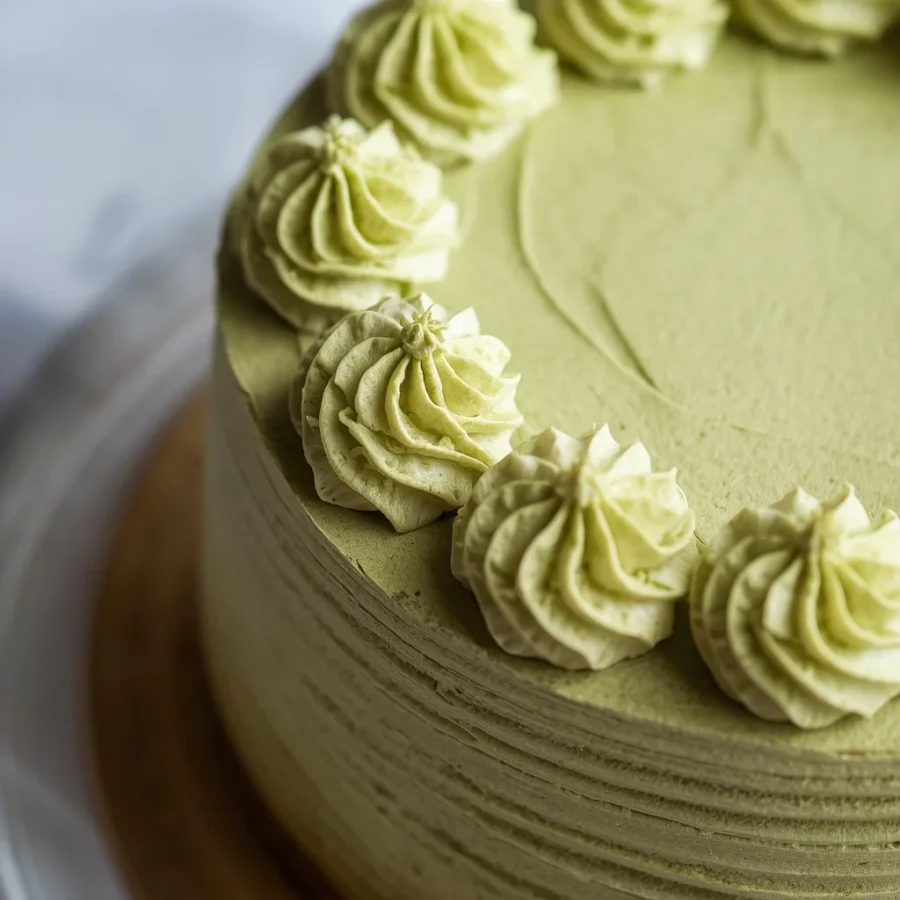
Achieving a high-rising, soft matcha chiffon cake requires following a structured method. Pay close attention to pan preparation, meringue whip stage, and gentle folding techniques.
+-----------------------------------------------------------------------+
|                       PREPARATION WORKFLOW                            |
+-----------------------------------------------------------------------+
| 1. PREHEAT OVEN     --> Set oven to three hundred twenty-five degrees.|
|                         Use an ungreased ten-inch tube pan.           |
| 2. SIFT DRY BASE    --> Sift cake flour, matcha, baking powder, salt. |
| 3. WHISK YOLK BASE  --> Whisk yolks with sugar, milk, oil, vanilla.   |
| 4. COMBINE BATTER   --> Gradually mix dry sifted ingredients into     |
|                         the yolk mixture until smooth.                |
| 5. WHIP MERINGUE    --> Beat egg whites and remaining sugar to        |
|                         medium-stiff, glossy peaks.                   |
| 6. FOLD GENTLY      --> Fold meringue into matcha batter in three     |
|                         separate additions.                           |
| 7. BAKE & COOL      --> Bake forty to fifty minutes; invert pan     |
|                         immediately to cool completely upside down.   |
+-----------------------------------------------------------------------+
Step One: Equipment Preparation and Oven Setup
Preheat your conventional baking oven to three hundred twenty-five degrees. Prepare an ungreased, clean ten-inch tube pan or chiffon cake pan featuring a removable bottom and a center chimney column.
Crucial Warning: Do not grease or flour the pan under any circumstances. Chiffon batter requires a dry, textured aluminum surface to cling to as it expands upward during baking. If the pan is greased, the batter will slip down and collapse back into a dense disk.
Step Two: Sifting Dry Ingredients
Place a fine-mesh sieve over a medium bowl. Add the cake flour, green tea powder, baking powder, and fine salt. Sift the mixture together two times. Sifting is non-negotiable when working with green tea powder, as the fine particles tend to clump together naturally when exposed to humidity.
Step Three: Emulsifying the Egg Yolk Base
In a large mixing bowl, combine the six egg yolks with seventy-five grams of granulated sugar. Whisk vigorously for approximately two minutes until the mixture turns pale yellow and slightly thickens. Pour in the whole milk, neutral vegetable oil, and pure vanilla extract. Whisk steadily until the liquid emulsifies into a smooth, uniform gold base.
Step Four: Mixing the Matcha Batter
Gradually sprinkle your sifted flour and green tea mixture into the bowl containing the egg yolk liquid. Whisk gently in small circular motions just until the dry powder dissolves and a smooth, vibrant green batter forms. Set this bowl aside while you prepare the meringue. Do not overmix the batter at this stage to prevent developing tough gluten.
Step Five: Whipping the Meringue to Perfect Peaks
In a completely clean, grease-free glass or stainless steel bowl, begin beating the six room-temperature egg whites on low speed using an electric hand mixer or stand mixer fitted with a whisk attachment. Once the whites become frothy and foamy, increase the mixer speed to medium-high.
Gradually stream in the remaining seventy-five grams of granulated sugar, adding it one tablespoon at a time while the beaters run continuous. Continue whipping until the egg whites transform into a bright, glossy meringue that holds medium-stiff peaks. When you lift the beaters, the tip of the whipped egg white peak should curl over slightly like a bird beak. Avoid whipping the whites until they become dry or clumpy.
Step Six: Folding Meringue into the Green Tea Batter
Scoop approximately one third of the whipped meringue directly into the bowl of green tea yolk batter. Using a balloon whisk or a large flexible silicone spatula, fold the mixture gently to lighten the dense batter.
Add half of the remaining meringue to the bowl. Switch to a rubber spatula and use a delicate bottom-to-top sweeping motion: cut down through the center, sweep along the bottom of the bowl, lift up the green batter, and fold it over the white foam while rotating the bowl. Add the final portion of meringue and continue folding only until no white streaks remain visible. Work gently and deliberately so you do not deflate the trapped air bubbles.
Step Seven: Pouring Batter and Air Bubble Release
Gently pour the airy green batter into your ungreased ten-inch tube pan from a height of about six inches above the rim. Pouring from this height helps break any large pockets of air trapped in the batter.
Once filled, run a wooden skewer or chopstick through the batter in concentric circles two or three times to eliminate large air pockets. Tap the filled tube pan firmly on your kitchen counter two times to level the top surface.
Step Eight: Baking and Temperature Control
Transfer the filled pan into the middle rack of your preheated oven. Bake at three hundred twenty-five degrees for forty to fifty minutes. Avoid opening the oven door during the first thirty minutes of baking, as sudden cold drafts can cause a rising chiffon cake to sink.
The cake is fully baked when the top dome springs back gently when pressed lightly with a fingertip, and a long wooden skewer inserted deep into the center cake portion comes out clean without wet batter attached.
Step Nine: Inverting and Cooling upside Down
Immediately after removing the hot cake from the oven, invert the entire pan upside down. If your tube pan has built-in metal legs around the rim, rest it directly on those legs on your countertop. If your pan lacks metal feet, slide the center hollow column over the neck of a tall glass wine bottle or heavy glass jar to elevate it off the counter.
Allow the cake to cool upside down completely for at least two to three hours. Cooling the cake upside down stretches the sponge structure while gravity holds it aloft, preventing the delicate cell walls from collapsing under their own weight as steam escapes.
Step Ten: Unmolding and Serving
Once the pan is completely cool to the touch, turn the pan right-side up. Gently press around the top perimeter of the cake with clean, dry fingers to detach the outer crust slightly from the aluminum wall.
Run a thin, flexible offset spatula or thin knife along the inner sides of the pan in one fluid motion, keeping the blade pressed firmly against the metal wall. Lift the center chimney column out of the outer ring base. Run your knife along the bottom plate and around the center column to release the cake completely onto a serving plate.
Creative Variations to Try: Matcha chiffon cake
While the classic matcha chiffon cake offers a timeless flavor profile, you can easily customize the recipe with these creative additions.
Marble Matcha Vanilla Chiffon
For a visually striking presentation, divide your basic chiffon batter into two separate portions before adding the green tea powder. Sift the green tea powder into one bowl while leaving the second bowl pure white with extra vanilla extract. Alternate pouring scoops of green tea batter and white vanilla batter into the tube pan, then swirl gently with a skewer before baking to create a marble pattern.
Azuki Red Bean Layered Chiffon
Green tea and sweet red bean paste are a classic combination in Japanese confectionery. After unmolding your cooled green tea cake, slice it horizontally into two equal layers using a sharp serrated bread knife. Spread a layer of sweetened azuki red bean paste along the bottom cake layer, top with lightly sweetened whipped cream, and gently reposition the top cake layer.
Black Sesame Glazed Chiffon
Complement the earthy notes of green tea with a rich, nutty black sesame drizzle. Whisk together three tablespoons of toasted black sesame paste, one half cup of powdered sugar, and two tablespoons of heavy cream until smooth. Drizzle the dark glaze over the top of the cooled green tea cake, allowing artistic drips to cascade down the sides.
Frequently Asked Questions: Matcha chiffon cake
Why did my matcha chiffon cake collapse after baking?
A chiffon cake typically collapses for three primary reasons: the pan was greased before filling, the egg whites were under-whipped or over-folded, or the cake was not inverted immediately upon removal from the oven. Ensure your tube pan is completely dry and free of fat, treat your whipped egg whites with care, and invert the pan immediately after baking.
Can I bake Matcha chiffon cake in a standard cake pan or springform pan?
It is strongly recommended to use a traditional two-piece aluminum tube pan with a central chimney column. The metal column conducts heat directly into the center of the deep cake batter, ensuring that the middle bakes at the exact same rate as the outer edges. Standard cake pans or non-stick springform pans lack this central heat conductor and cause the cake to sink in the middle.
What grade of matcha should I use for baking?
For the best color and flavor, use a vibrant culinary grade or accessible ceremonial grade Japanese green tea powder. Lower-grade cooking teas often have an olive-brown tone and an overly bitter finish, whereas high-grade powders preserve a emerald green color and a sweet, aromatic fragrance after baking.
How should I store leftovers to maintain freshness?
Keep your leftover cake covered under a glass cake dome or inside an airtight container at room temperature for up to three days. If you reside in a warm or humid climate, store the cake in the refrigerator for up to five days. Bring refrigerated slices back to room temperature for fifteen minutes before serving to restore their soft texture.
Conclusion: Matcha chiffon cake
Baking a homemade matcha chiffon cake is a rewarding culinary journey that brings the elegance of traditional Japanese patisseries right into your kitchen. By understanding how to whip a stable meringue, incorporating fine green tea powder carefully, and allowing the cake to cool upside down in an ungreased pan, you can consistently produce a cloud-like cake that impresses guests with its vibrant green color and delicate flavor. Pair your freshly sliced cake with a dusting of sweet powdered sugar, a dollop of whipped cream, or a cup of hot green tea, and enjoy every bite of this light homemade dessert.
Print
Matcha Chiffon Cake Recipe
- Total Time: 1 hour 5 minutes
- Yield: 10 servings 1x
- Diet: Vegetarian
Description
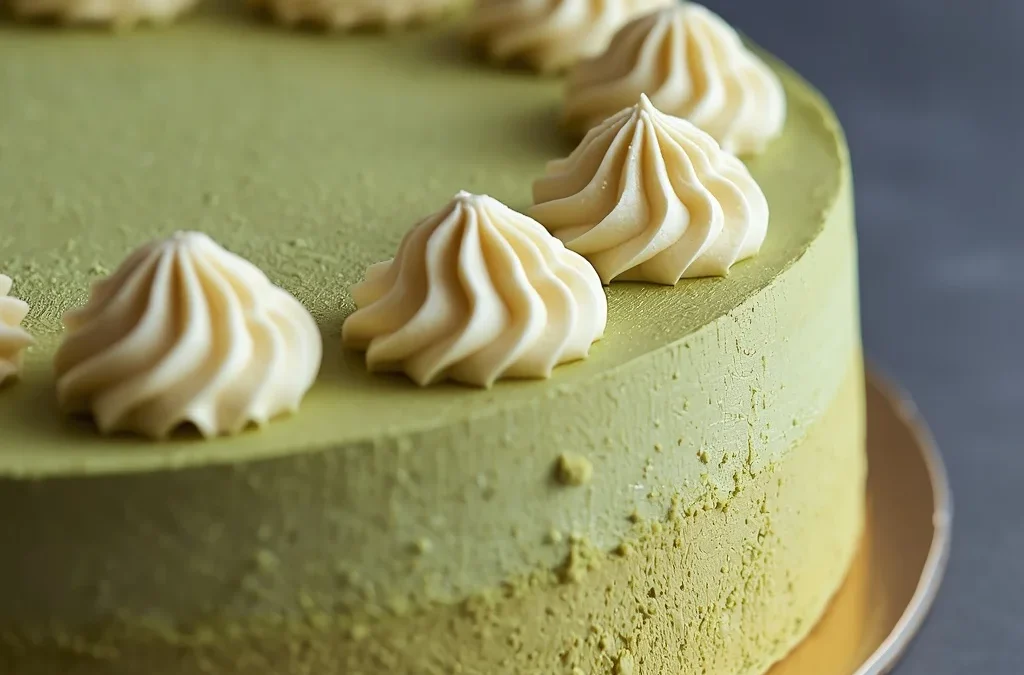
A matcha chiffon cake is a delicate, fluffy sponge cake infused with finely ground Japanese green tea powder, known as matcha. Unlike standard butter-based cakes or traditional European genoise sponges, chiffon cakes occupy a unique category in the baking world. They rely on oil rather than solid butter for fat, and they gain their dramatic height and cloud-like crumb structure almost entirely from whipped egg white meringue rather than heavy chemical leaveners.
Ingredients
Scale
For the cake
- 6 large eggs, separated
- ¾ cup (150 g) granulated sugar, divided
- ½ cup (120 ml) whole milk
- ⅓ cup (80 ml) neutral oil, such as vegetable or canola oil
- 1 tsp vanilla extract
- 1 cup (125 g) cake flour
- 2 tbsp (12–15 g) matcha powder
- 1 tsp baking powder
- ¼ tsp salt
Instructions
- Preheat: Heat oven to 325°F (165°C). Use an ungreased 10-inch tube/chiffon cake pan with a removable bottom.
- Mix dry ingredients: Sift together the cake flour, matcha powder, baking powder, and salt. Set aside.
- Make the yolk batter: Whisk the egg yolks with 75 g (⅜ cup) sugar until smooth. Add milk, oil, and vanilla and whisk until combined.
- Add dry ingredients: Gradually whisk the sifted dry ingredients into the yolk mixture until smooth. Do not overmix.
- Whip the egg whites: Beat the egg whites until foamy. Gradually add the remaining 75 g sugar, then continue beating until medium-stiff, glossy peaks form.
- Fold: Gently fold one-third of the egg whites into the matcha batter. Fold in the remaining whites in two additions, using a gentle motion to preserve the air.
- Bake: Pour the batter into the ungreased tube pan. Bake for 40–50 minutes, or until the top springs back when lightly pressed and a skewer comes out clean.
- Cool upside down: Immediately turn the pan upside down and let the cake cool completely. This prevents the delicate cake from collapsing.
- Remove: Once completely cool, carefully run a thin knife around the edges and remove the cake from the pan.
Notes
- Prep Time: 20 minutes
- Cook Time: 45 minutes
- Category: Dessert
- Method: Baking
- Cuisine: Japanese
Nutrition
- Serving Size: 1 slice
- Calories: ~210 kcal
Keywords: Japanese matcha chiffon cake, Green tea chiffon cake
