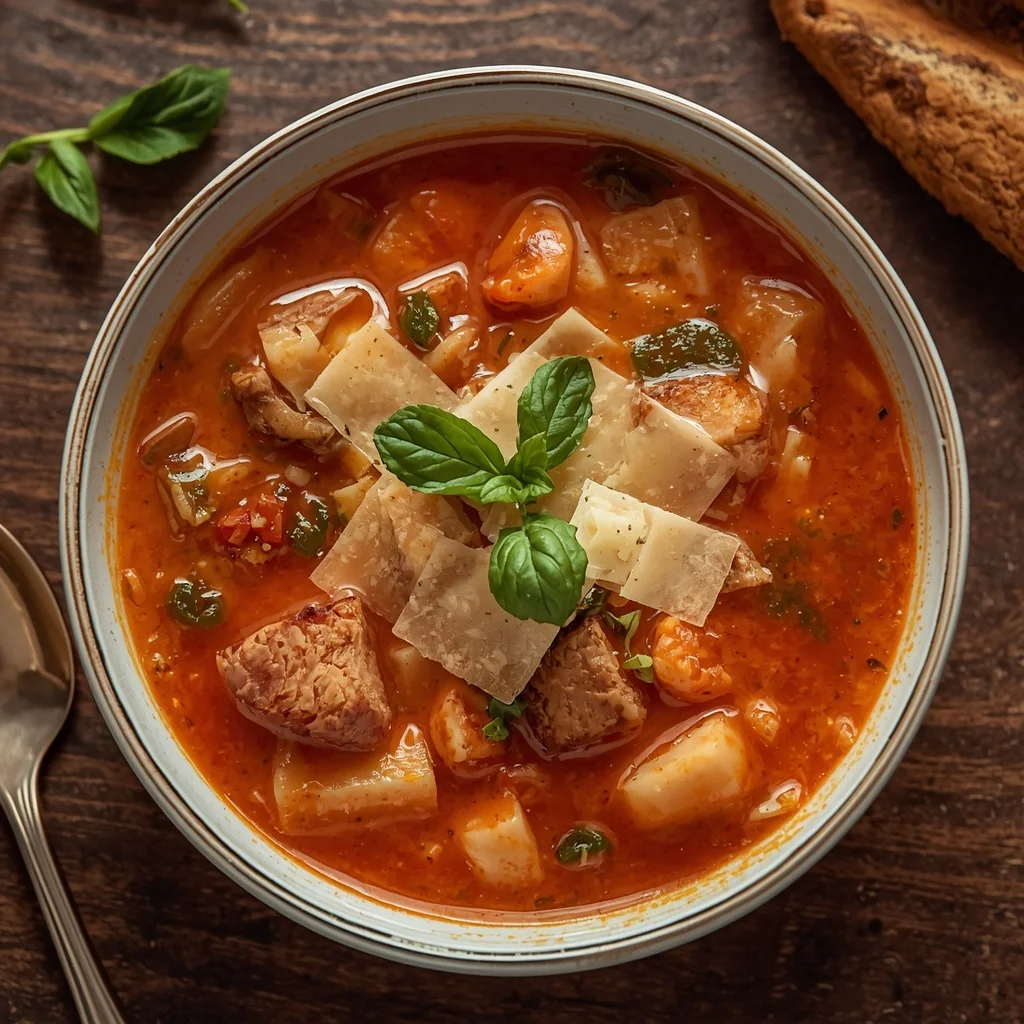
There is something undeniably magical about a steamy bowl of homemade soup waiting for you at the dinner table. When cool winds blow or when you simply crave a wholesome, nutrient-dense meal that satisfies the entire family, few dishes compare to a classic minestrone soup with parmesan. Packed with tender garden vegetables, hearty cannellini beans, delicate pasta, and finished with a rich, savory dusting of aged cheese, this dish hits every single sensory note. It represents the ultimate intersection of comfort food and health-conscious cooking, delivering a complete meal in a single pot.
Whether you are a seasoned home chef looking to perfect your Italian repertoire or a beginner looking for a foolproof weeknight dinner, learning how to make a restaurant-quality minestrone soup with parmesan will transform your weekly menu. In this complete culinary guide, we will break down everything you need to know about this iconic dish, including its rich history, exact ingredient quantities, step-by-step preparation, creative flavor variations, and frequently asked questions.
What Is Minestrone Soup with Parmesan?
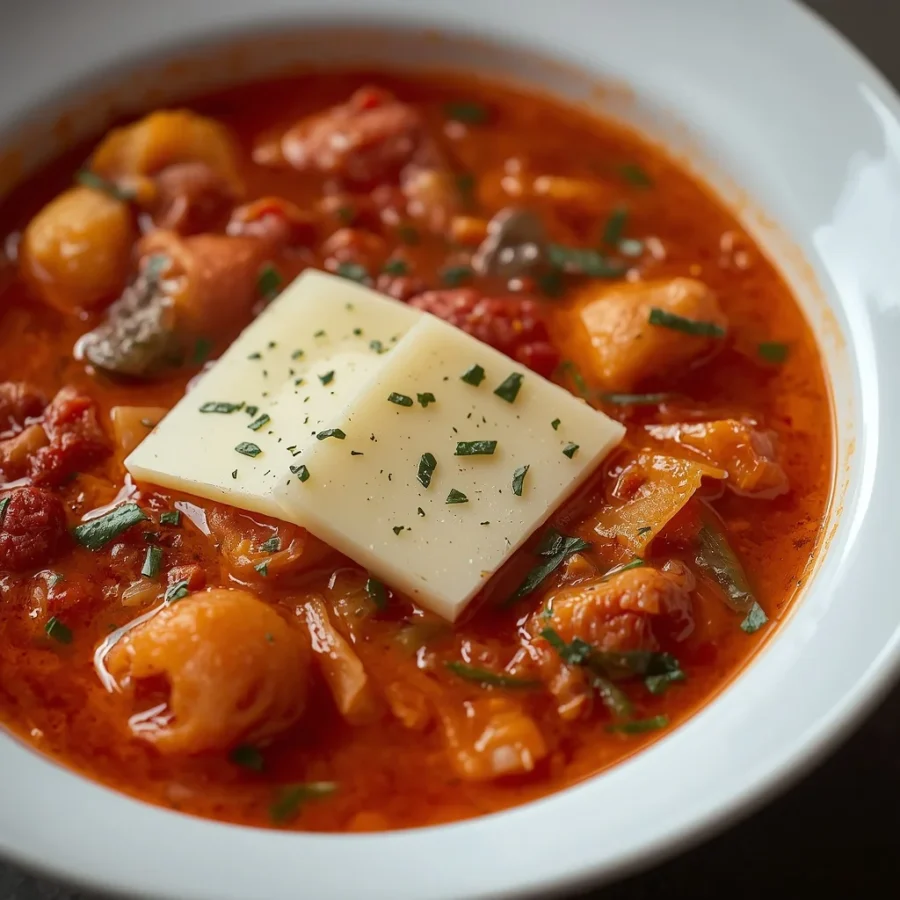
At its core, minestrone soup with parmesan is a thick, rustic Italian vegetable soup characterized by the inclusion of beans, seasonal vegetables, small pasta shapes, and a fragrant tomato-infused broth. Unlike smooth, pureed cream soups, minestrone celebrates bite-sized texture and vibrant color. Every single spoon delivers a satisfying combination of soft beans, tender zucchini, crisp green beans, leafy greens, and comforting pasta.
The true secret that takes this dish from simple to spectacular is the addition of aged Parmesan cheese. The sharp, nutty salinity of the cheese cuts through the sweet acidity of the tomatoes and vegetable broth, binding all the individual garden flavors into one unified taste profile. It is a hearty, self-contained feast that nourishes the body with essential vitamins, complex carbohydrates, and plant-based protein without feeling heavy or greasy.
Origin of That Recipe and the Tradition of Rustic Italian Cooking
The story of minestrone dates back to ancient Roman times, well before tomatoes were introduced to Europe from the Americas. Originally, early Roman diets relied heavily on a simple grain and vegetable porridge known as puls. As the Roman empire expanded and trade routes flourished, new vegetables and legumes became available to everyday households. Local cooks began boiling available field crops together in water, creating a flexible, thick vegetable stew designed to feed large families affordably.
The word minestrone stems from the Italian word minestra, which translates to soup, combined with the augmentative suffix -one, effectively meaning the big soup or the thick soup. Traditionally, minestrone was known as a classic dish of peasant cuisine, meaning that it had no single rigid set of ingredients. Italian grandmothers and farmers used whatever fresh vegetables were growing in the garden or whatever leftovers remained in the pantry. When tomatoes arrived in Italy during the sixteenth century, cooks incorporated them into the broth alongside beans, greens, and local cheeses like Parmesan, establishing the modern style of minestrone soup with parmesan enjoyed around the globe today.
Ingredients and Exact Quantities: minestrone soup with parmesan
Achieving the perfect balance of broth, vegetables, beans, and pasta requires thoughtful proportions. Here is the exact list of ingredients and quantities you will need to prepare six generous, mouthwatering servings:
The Fat and Aromatic Base
-
Olive Oil: Two tablespoons of extra virgin olive oil for sautéing.
-
Yellow Onion: One medium yellow onion, finely diced.
-
Carrots: Two medium carrots, washed, peeled, and diced into uniform pieces.
-
Celery: Two fresh celery stalks, cleaned and finely diced.
-
Garlic: Three fresh cloves of garlic, thoroughly minced.
The Fresh Vegetables and Broth
-
Zucchini: One medium fresh zucchini, washed and cut into small diced cubes.
-
Diced Tomatoes: One can, measuring fourteen ounces, of diced tomatoes with their natural juices.
-
Vegetable Broth: Six full cups of rich, high-quality vegetable broth or stock.
-
Cannellini Beans: One can, measuring fifteen ounces, of cannellini beans or white kidney beans, thoroughly drained and rinsed.
-
Green Beans: One full cup of fresh green beans, trimmed and cut into small bite-sized pieces.
-
Spinach or Kale: Two cups of fresh spinach or dark kale leaves, washed and roughly chopped.
The Starches, Herbs, and Finishing Ingredients
-
Small Pasta: One full cup of small dried pasta shapes, such as ditalini, small shells, or elbow macaroni.
-
Italian Seasoning: One teaspoon of dried Italian herb seasoning mix.
-
Dried Oregano: One half teaspoon of dried oregano leaves.
-
Black Pepper: One half teaspoon of freshly cracked black pepper.
-
Salt: Fine sea salt, added carefully to suit your personal taste preferences.
-
Parmesan Cheese: One half cup of freshly grated Parmesan cheese, plus extra for individual bowls.
-
Fresh Parsley: One tablespoon of fresh flat-leaf parsley, finely chopped for garnish.
-
Lemon Juice: One tablespoon of freshly squeezed lemon juice, optional for a bright finishing acidity.
Step-by-Step Direction and Preparation Method: minestrone soup with parmesan
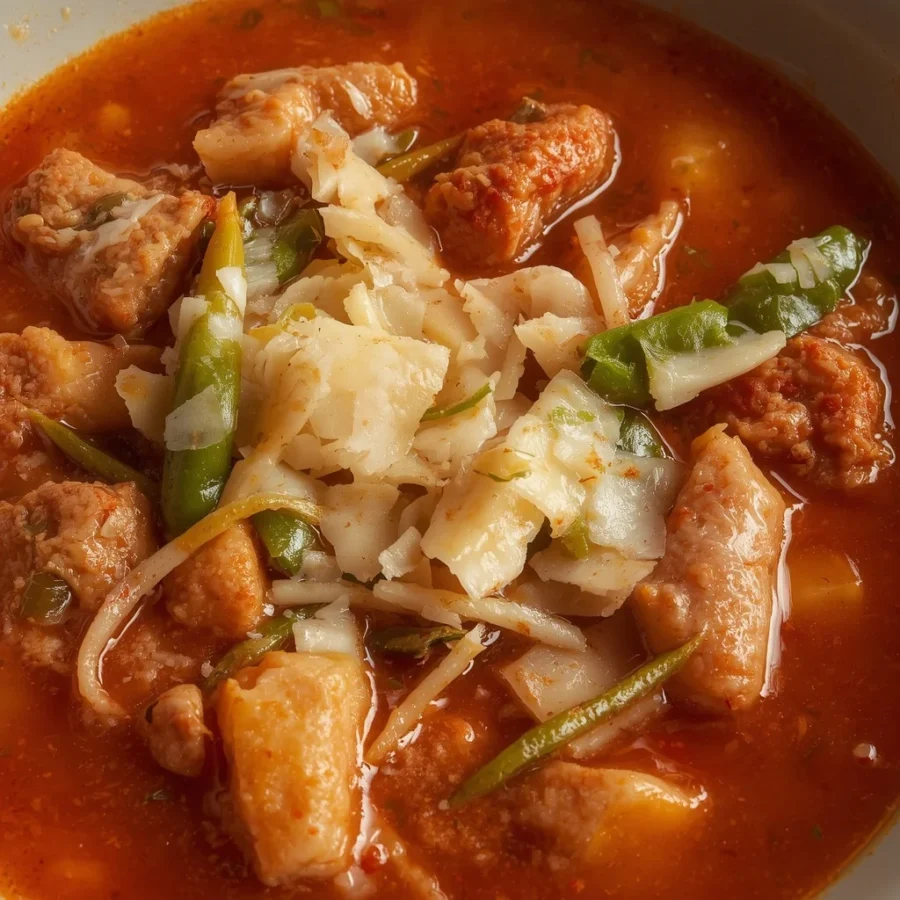
Preparing this comforting soup is an enjoyable, aromatic process. Following these step-by-step instructions ensures your vegetables remain vibrant, your pasta cooks to perfection, and your broth develops deep flavor.
Building the Aromatic Flavor Base
Place a large heavy-bottomed Dutch oven or soup pot over medium heat source on your stovetop. Pour in two tablespoons of extra virgin olive oil and allow it to shimmer gently. Add your diced yellow onion, diced carrots, and diced celery stalks to the hot oil. Cook the vegetable mix, stirring frequently with a wooden spoon, for five to six minutes until the onions become translucent and soft.
Next, add the three cloves of minced garlic and the diced zucchini into the pot. Stir constantly and cook for an additional two minutes. The garlic will release its irresistible aroma while the zucchini begins to absorb the seasoned olive oil.
Simmering the Broth, Vegetables, and Beans
Stir in the fourteen-ounce can of diced tomatoes along with all of their liquid. Pour six full cups of vegetable broth into the pot, followed by the drained cannellini beans and trimmed green beans. Sprinkle in one teaspoon of dried Italian seasoning, one half teaspoon of dried oregano, one half teaspoon of black pepper, and a light pinch of sea salt.
Raise the heat to high and bring the liquid to a rolling boil. As soon as bubbles break the surface, reduce the heat setting to low, cover the pot loosely with a lid, and let the soup simmer gently for fifteen minutes. This cooking phase allows the tough vegetables to soften while the herbs infuse the entire broth.
Cooking the Pasta and Leafy Greens
Remove the lid from your pot and stir in one cup of small dried pasta. Keep the soup at a gentle boil over medium-low heat and cook uncovered for eight to ten minutes, or until the pasta reaches an al dente texture. Stir the soup occasionally to prevent the small pasta shapes from settling or sticking to the bottom of the pot.
Once the pasta is tender, fold in two cups of chopped fresh spinach or kale. Cook for an additional two to three minutes until the greens become completely wilted and bright green. Turn off the heat source entirely.
Adjusting Seasoning and Serving
Taste the hot soup carefully. Adjust the salt and pepper if needed. If you enjoy a touch of bright acidity to balance the earthy beans and pasta, stir in one tablespoon of fresh lemon juice.
Ladle the hot soup into wide rimmed bowls. Generously top each bowl with a sprinkle of freshly grated Parmesan cheese and chopped flat-leaf parsley. Serve immediately alongside slices of warm crusty bread for dipping.
Flavorful Variations to Try: minestrone soup with parmesan
One of the best attributes of a homemade minestrone soup with parmesan is how easy it is to customize based on what you have in your refrigerator or pantry.
Protein-Boosted Meat Version
While the traditional recipe is vegetarian, meat lovers can easily add extra savory depth. Sauté four ounces of diced pancetta, sweet Italian sausage, or ground turkey in the pot before adding the onions, carrots, and celery. You can also toss in leftover shredded roast chicken during the last five minutes of simmer time.
Grain and Gluten-Free Alternatives
If you are following a gluten-free diet, replace the traditional wheat pasta with gluten-free ditalini or brown rice pasta. Alternatively, skip the pasta entirely and swap in cooked quinoa, farro, or long-grain brown rice to create a hearty ancient grain version.
Low-Carb and Keto Friendly Adaptation
To lower the overall carbohydrate count of this dish, omit the pasta and reduce the beans by half. Replace those starches with additional low-carb garden vegetables like diced cauliflower florets, yellow summer squash, chopped bell peppers, or additional leafy greens.
Vegan and Dairy-Free Modification
Making a plant-based version is simple. Simply swap the traditional dairy cheese for a high-quality nutritional yeast topping or use a vegan plant-based Parmesan alternative. The soup remains incredibly rich and filling even without animal products.
Frequently Asked Questions: minestrone soup with parmesan
Can I make minestrone soup ahead of time and freeze it?
Yes, you can freeze this soup, but with one major tip: leave out the pasta. Pasta continues to absorb liquid as it sits, turning mushy and soaking up your broth over time. If you plan to make a big batch for freezing, prepare the soup up to the step before adding pasta. Freeze the vegetable and bean broth in airtight containers for up to three months. When ready to serve, thaw the broth, bring it to a boil, and cook fresh pasta directly in the soup.
What are the best small pasta shapes for minestrone?
Ditalini is the classic Italian choice due to its small tube shape that catches tiny bits of broth and beans. However, small elbow macaroni, mini shells, tubetti, or broken vermicelli noodles work equally well. The key is using small shapes so every spoonful holds a balanced ratio of pasta, broth, and vegetables.
Should I cook the pasta separately or in the soup pot?
Cooking the pasta directly in the soup pot is convenient because the starch released from the pasta naturally thickens the broth, giving it a rich body. However, if you plan to store leftovers in the refrigerator for several days, cooking the pasta separately in salted water and adding a spoonful to individual bowls prevents the noodles from absorbing all the liquid overnight.
How do I store and reheat leftover portions?
Store cooled leftover soup in airtight glass containers in the refrigerator for up to four days. Reheat individual portions in a small saucepan over medium heat, or heat in a microwave-safe bowl for two minutes until steaming hot. Keep a small container of extra vegetable broth nearby, as you may need to add a splash of liquid to thin out the soup upon reheating.
Conclusion: minestrone soup with parmesan
Mastering a authentic minestrone soup with parmesan recipe is one of the most rewarding additions to your home cooking routine. It offers a perfect balance of wholesome garden vegetables, fiber-rich beans, satisfying pasta, and decadent melted cheese that pleases picky eaters and health enthusiasts alike. By taking advantage of seasonal produce and simple pantry staples, you can create an unforgettable, restaurant-quality meal in under an hour. Gather your ingredients, simmer your pot, and enjoy a warm bowl of pure Italian comfort tonight.
Print

Minestrone Soup with Parmesan Recipe
- Total Time: 50 minutes
- Yield: 6 servings 1x
- Diet: Vegetarian
Description
At its core, minestrone soup with parmesan is a thick, rustic Italian vegetable soup characterized by the inclusion of beans, seasonal vegetables, small pasta shapes, and a fragrant tomato-infused broth. Unlike smooth, pureed cream soups, minestrone celebrates bite-sized texture and vibrant color. Every single spoon delivers a satisfying combination of soft beans, tender zucchini, crisp green beans, leafy greens, and comforting pasta.
Ingredients
Scale
- 2 tbsp olive oil
- 1 medium onion, diced
- 2 carrots, diced
- 2 celery stalks, diced
- 3 cloves garlic, minced
- 1 medium zucchini, diced
- 1 can (14 oz/400 g) diced tomatoes
- 6 cups vegetable broth
- 1 can (15 oz/425 g) cannellini beans, drained and rinsed
- 1 cup green beans, cut into small pieces
- 1 cup small pasta, such as ditalini
- 1 tsp dried Italian seasoning
- ½ tsp dried oregano
- ½ tsp black pepper
- Salt, to taste
- 2 cups fresh spinach or kale, chopped
- ½ cup grated Parmesan cheese
- 1 tbsp fresh parsley, chopped
- 1 tbsp lemon juice, optional
Instructions
- Heat olive oil in a large pot over medium heat.
- Add onion, carrots, and celery. Cook for 5–6 minutes until softened.
- Add garlic and zucchini and cook for another 2 minutes.
- Stir in diced tomatoes, vegetable broth, beans, green beans, Italian seasoning, oregano, pepper, and a little salt.
- Bring to a boil, then reduce heat and simmer for 15 minutes.
- Add the pasta and cook for 8–10 minutes, or until tender.
- Stir in the spinach or kale and cook for 2–3 minutes until wilted.
- Taste and adjust the seasoning. Add lemon juice if desired.
- Ladle into bowls and top generously with grated Parmesan and fresh parsley.
- Serve hot with crusty bread.
Notes
Add the Parmesan just before serving for the best flavor. For a vegan version, omit the Parmesan or use a plant-based Parmesan alternative.
- Prep Time: 15 minutes
- Cook Time: 35 minutes
- Category: Soup
- Method: Simmer
- Cuisine: Italian
Nutrition
- Serving Size: 1 bowl
- Calories: ~290 kcal
Keywords: Italian minestrone with parmesan, classic vegetable minestrone soup, homemade parmesan minestrone
