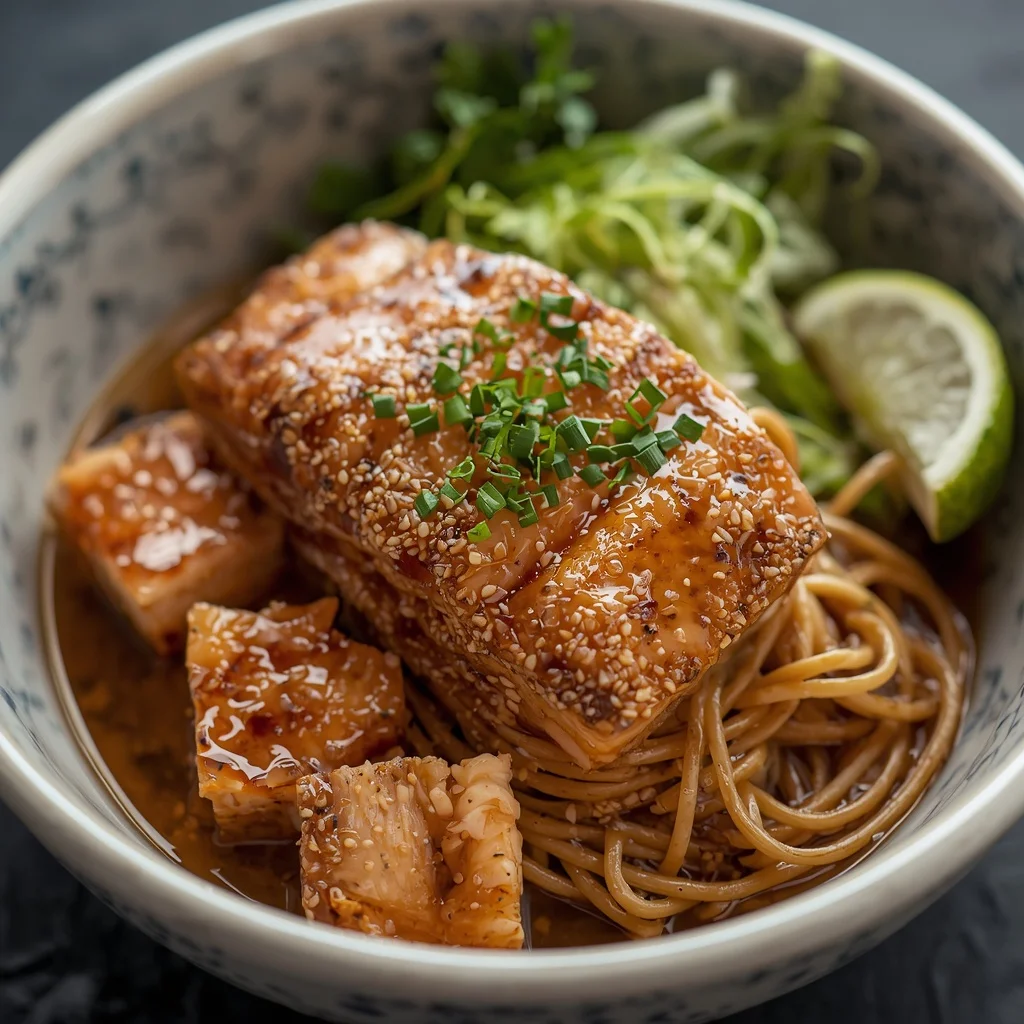
When you are craving a meal that strikes the ideal balance between rich flavor and wholesome nutrition, finding the right dish can feel like a challenge. That is precisely where a delicious miso halal salmon soba noodle salad comes into play. This stunning Japanese-inspired dish combines flaky, caramelized fish with delicate buckwheat noodles, crisp vibrant vegetables, and a luscious sesame-miso dressing. It is light yet thoroughly satisfying, making it a fantastic choice for lunch, dinner, or meal prep.
Many traditional Asian recipes rely on cooking wines like mirin or sake to build depth, which can pose a challenge for those following a strict halal lifestyle. However, this recipe proves that you do not need alcohol-based ingredients to achieve complex, mouthwatering umami flavor. By pairing authentic halal-certified condiments with naturally rich fermented soybean paste, you create a meal that is completely permissible, packed with healthy fats, and deeply delicious.
Whether you are hosting friends, looking to elevate your weeknight dinner routine, or searching for a colorful meal that nourishes your body, this step-by-step guide covers everything you need to know about making a restaurant-quality miso halal salmon soba noodle salad right in your own kitchen.
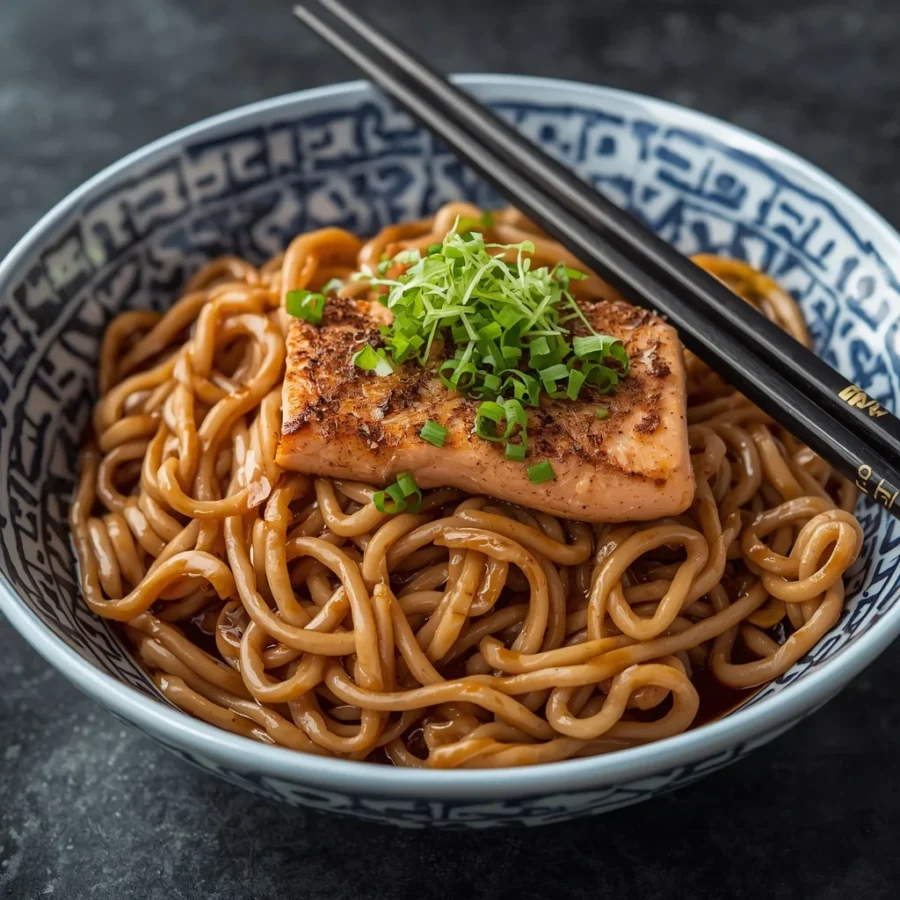
What is Miso Halal Salmon Soba Noodle Salad?
At its core, miso halal salmon soba noodle salad is a harmonious fusion dish centered around high-quality protein, complex carbohydrates, and refreshing raw vegetables. The star of the meal is fresh salmon marinated in a savory-sweet glaze of white miso paste, soy sauce, garlic, ginger, and honey. Once baked to tender perfection, the fish is flaked and served over a bed of chilled soba noodles tossed with colorful vegetables and an aromatic sesame dressing.
What makes this dish so special is its incredible balance of textures and tastes:
-
Savory Umami: The fermented white miso paste delivers a rich, savory depth that clings naturally to the salmon.
-
Crisp Freshness: Raw cabbage, juicy cucumber slices, sweet carrots, and shelled edamame provide an invigorating crunch in every single bite.
-
Chewy Noodles: Nutty buckwheat soba offers a pleasant texture that absorbs the tangy dressing effortlessly.
-
Tangy Dressing: A harmonious blend of lime, ginger, sesame oil, and sweet honey brings all the distinct elements together into one cohesive bowl.
By intentionally selecting verified halal soy sauce and ensuring no hidden cooking alcohol is present, this recipe transforms a classic favorite into an inclusive culinary masterpiece.
The Origin and Evolution of the Recipe
To truly appreciate this miso halal salmon soba noodle salad, it helps to understand where its core components come from. The roots of this dish span centuries of culinary history in East Asia, combined with modern dietary adaptions.
The Story Behind Soba and Miso
Soba noodles have been a fundamental staple in Japanese cuisine since the Tokugawa period. Made primarily from buckwheat flour, these thin noodles were historically valued not only for their earthly flavor, but also for their high nutritional content, particularly their natural supply of essential vitamins. Traditionally served either piping hot in a warm broth during winter or completely chilled on a bamboo mat during hot summer months, soba noodles are prized for their versatility.
Miso paste boasts an even longer history, originating as a fermented seasoning centuries ago. By fermenting soybeans with salt and a specialized koji culture, ancient cooks created a preserved paste that delivered unmatched depth of flavor. White miso, or shiro miso, is fermented for a shorter duration than red miso, giving it a milder, sweeter profile that pairs exquisitely with delicate seafood like salmon.
Adapting Asian Flavors for Halal Dining
As global food cultures blend, home cooks around the world have sought ways to enjoy authentic international flavors while respecting dietary requirements. Traditional Japanese marinades and glazes often utilize mirin, a sweet rice wine containing noticeable alcohol content.
The evolution of the miso halal salmon soba noodle salad addresses this by replacing traditional rice wines with a carefully balanced combination of halal-certified soy sauce, natural honey or maple syrup, pure sesame oil, and fresh citrus. This intelligent substitution retains the signature balance of sweet, salty, and acidic notes without compromising on dietary rules or flavor quality.
Ingredients and Exact Quantities: miso halal salmon soba noodle salad
Creating an exceptional dish starts with fresh, high-quality ingredients. Here is everything you need to assemble this magnificent miso halal salmon soba noodle salad.
For the Halal Miso Salmon
-
Salmon fillet: Three hundred to three hundred and fifty grams, skin removed and sliced into portions.
-
White miso paste: One and a half tablespoons of smooth, mild white miso.
-
Halal-certified soy sauce: One tablespoon (always double-check label certification).
-
Honey or maple syrup: One tablespoon for balance and caramelization.
-
Pure sesame oil: One teaspoon for rich aroma.
-
Rice vinegar: One teaspoon (ensure it is unseasoned rice vinegar without added alcohol).
-
Garlic: One small clove, finely grated.
-
Fresh ginger: One half teaspoon, finely grated.
Soba Vegetable Salad
-
Buckwheat soba noodles: One hundred and eighty grams.
-
Carrot: One medium carrot, julienned into thin matchsticks.
-
Cucumber: One half medium cucumber, thinly sliced into half-moons.
-
Red cabbage: One full cup, finely shredded for vibrant color and crunch.
-
Spring onions: Two whole spring onions, thinly sliced.
-
Edamame beans: One half cup, fully cooked and shelled.
-
Toasted sesame seeds: One tablespoon for nutty garnish.
-
Fresh coriander: A small handful, roughly chopped.
-
Red chili (optional): One small red chili, thinly sliced for a kick of heat.
For the Tangy Sesame Dressing
-
White miso paste: One tablespoon.
-
Halal-certified soy sauce: One and a half tablespoons.
-
Rice vinegar: One tablespoon.
-
Sesame oil: One tablespoon.
-
Honey or maple syrup: One tablespoon.
-
Lime juice: One teaspoon, freshly squeezed.
-
Fresh ginger: One half teaspoon, grated.
-
Warm water: One to two tablespoons, to loosen the dressing to your preferred consistency.
Step-by-Step Directions and Preparation Method: miso halal salmon soba noodle salad
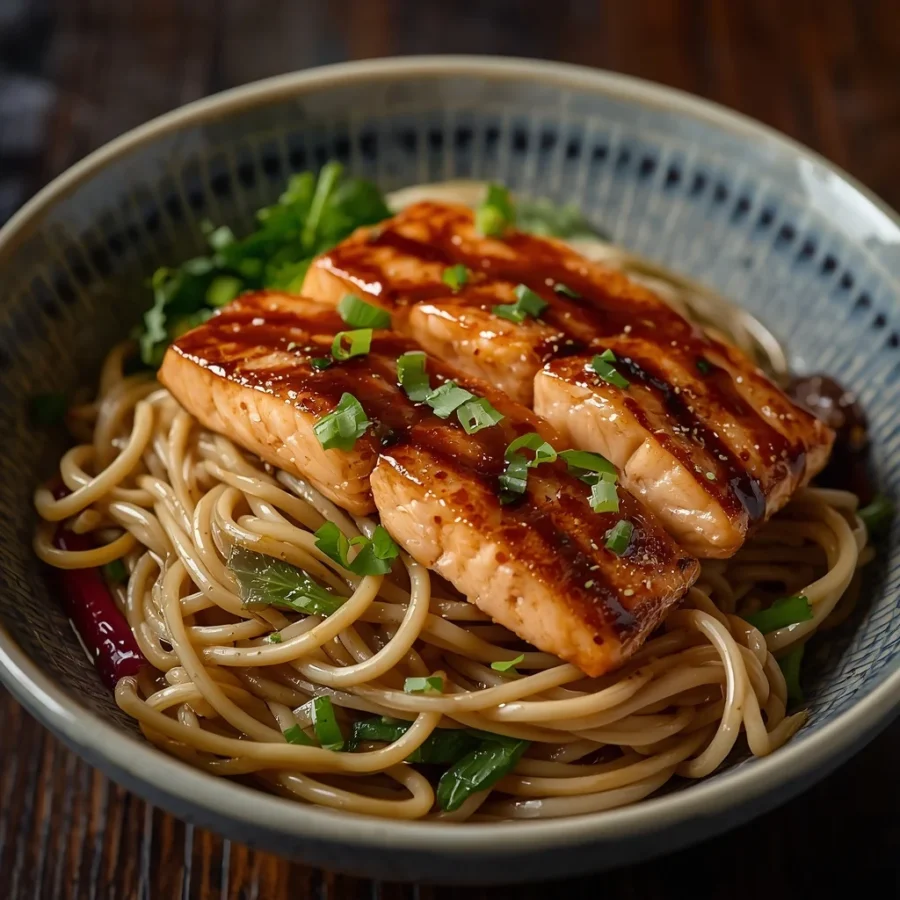
Follow these simple, precise instructions to craft your miso halal salmon soba noodle salad flawlessly.
Step One: Marinate the Salmon
In a small mixing bowl, combine the white miso paste, halal-certified soy sauce, honey, sesame oil, rice vinegar, grated garlic, and grated ginger. Whisk the mixture vigorously until smooth and completely blended.
Place the salmon fillets in a shallow dish or marinating bag. Pour the prepared miso mixture over the salmon, coating all sides thoroughly. Allow the fish to marinate at room temperature for ten to twenty minutes. Do not marinate the salmon for several hours, as the natural salt content in the miso paste can draw out moisture and make the surface of the fish overly salty.
Step Two: Bake the Salmon to Perfection
Preheat your conventional oven to two hundred degrees Celsius (which equals four hundred degrees Fahrenheit). Line a sturdy baking sheet with parchment paper.
Transfer the marinated salmon onto the prepared baking sheet. Bake in the center of the oven for approximately ten to fourteen minutes, depending on the thickness of your fillets, until the fish is just cooked through and flakes easily with a fork.
If you desire extra color and caramelization, brush a tiny bit of extra marinade over the top during the final two minutes of baking. Once done, remove the salmon from the oven and let it rest for two to three minutes. Gently break or flake the fish into large, tender pieces.
Step Three: Cook and Chill the Soba Noodles
Bring a large pot of unsalted water to a rolling boil. Add the buckwheat soba noodles and cook according to the package directions, which usually takes between four to six minutes. Be careful not to overcook them, as soba can become mushy quickly.
Once cooked, immediately drain the noodles into a colander and rinse them thoroughly under cold running water. Use your clean fingers to gently lift and separate the strands while rinsing. This crucial step washes away excess surface starch and stops the cooking process, ensuring the noodles maintain their signature springy, firm texture. Drain extremely well to remove excess water.
Step Four: Whisk the Sesame Dressing
In a measuring cup or small bowl, combine the white miso paste, halal-certified soy sauce, rice vinegar, sesame oil, honey, freshly squeezed lime juice, and grated ginger. Whisk vigorously. Slowly add one to two tablespoons of warm water while whisking until you reach a smooth, pourable liquid consistency.
Step Five: Assemble and Serve
Place the chilled, thoroughly drained soba noodles into a large salad mixing bowl. Add the matchstick carrots, sliced cucumber, shredded red cabbage, shelled edamame, spring onions, and chopped fresh coriander.
Pour roughly three-quarters of the sesame dressing over the noodle mixture. Toss gently using tongs until every vegetable strand and noodle is lightly coated.
Divide the dressed soba salad evenly between serving bowls. Top each bowl generously with the flaked miso-glazed salmon. Garnish with toasted sesame seeds, optional red chili slices, and drizzle the remaining sesame dressing over the top before serving.
Customization Ideas and Recipe Variations: miso halal salmon soba noodle salad
One of the brilliant features of this miso halal salmon soba noodle salad is its incredible versatility. You can easily adapt the recipe to match your personal dietary preference or seasonal ingredients.
The Spicy Chili Variation
If you enjoy a fiery kick in your meals, you can elevate the flavor profile easily. Simply add one half to one full teaspoon of halal-approved sriracha or spicy chili paste directly into the sesame dressing. The combination of sweet honey, tangy lime juice, rich miso, and spicy chili sauce creates an addictive flavor contrast that complements the buttery salmon remarkably well.
Plant-Based Tofu Swap
If you are serving vegetarian guests or want a meat-free meal, replace the salmon with extra-firm tofu. Press the tofu to remove excess moisture, cut it into thick cubes, and marinate in the same miso glaze. Pan-fry or bake the tofu until the edges turn crisp and golden brown before serving over the chilled noodle salad.
Crunchy Vegetable Swaps
Feel free to experiment with whatever crisp vegetables you have in your refrigerator:
-
Snap Peas or Snow Peas: Slice them diagonally for extra crunch.
-
Spiralized Zucchini: Mix raw zucchini strands with the soba noodles to increase volume while keeping calories light.
-
Bell Peppers: Thinly sliced red or yellow bell peppers add sweetness and bright visual contrast.
Frequently Asked Questions: miso halal salmon soba noodle salad
Can I make miso halal salmon soba noodle salad ahead of time for meal prep?
Yes! This dish is exceptionally well-suited for meal prep. Store the chilled noodle and vegetable mix in an airtight container separately from the baked salmon. Keep the dressing in a small container on the side and toss everything together right before eating. It will stay fresh in the refrigerator for up to three days.
Why is rinsing soba noodles in cold water so important?
Rinsing soba noodles under cold water is an essential step in Japanese cooking. Buckwheat noodles release a high amount of surface starch as they boil. If you do not rinse them immediately after draining, the residual heat will make them gummy, and they will stick together in a dense clump rather than remaining loose and springy.
How can I ensure all my condiments are certified halal?
When shopping for ingredients, carefully inspect label certifications. Ensure that the soy sauce you purchase is strictly alcohol-free and naturally brewed without non-halal additives. Additionally, verify that the rice vinegar contains no added alcohol or spirit vinegars. White miso paste is generally made simply from soybeans, rice koji, salt, and water, but checking for official halal seals provides complete peace of mind.
Conclusion: miso halal salmon soba noodle salad
In summary, preparing a miso halal salmon soba noodle salad is an absolute triumph for anyone seeking a wholesome, nutrient-dense, and restaurant-quality meal at home. By combining flaky, caramelized miso-glazed fish with bouncy buckwheat noodles, fresh crunchy vegetables, and a tangy sesame dressing, this recipe delivers an unforgettable dining experience. It proves beyond a doubt that adhering to halal dietary guidelines never means sacrificing rich umami flavor or sophisticated presentation. Easy to customize, quick to assemble, and packed with health-promoting omega-three fatty acids, this complete dish deserves a permanent spot in your weekly dinner rotation. Gather your fresh ingredients today, follow these straightforward culinary steps, and treat yourself to a deeply satisfying meal that nourishes both body and soul.
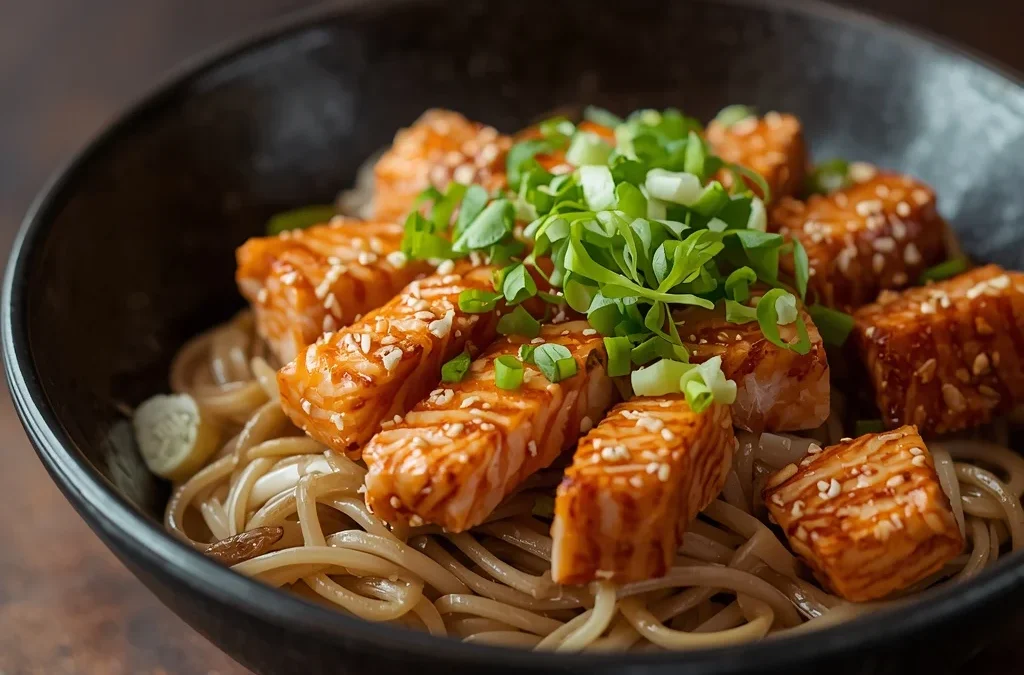
Miso Halal Salmon Soba Noodle Salad
- Total Time: 30 minutes
- Yield: 2–3 servings 1x
Description
At its core, miso halal salmon soba noodle salad is a harmonious fusion dish centered around high-quality protein, complex carbohydrates, and refreshing raw vegetables. The star of the meal is fresh salmon marinated in a savory-sweet glaze of white miso paste, soy sauce, garlic, ginger, and honey. Once baked to tender perfection, the fish is flaked and served over a bed of chilled soba noodles tossed with colorful vegetables and an aromatic sesame dressing.
Ingredients
For the salmon
- 300–350 g salmon fillet, skin removed
- 1½ tbsp white miso paste
- 1 tbsp halal-certified soy sauce
- 1 tbsp honey or maple syrup
- 1 tsp sesame oil
- 1 tsp rice vinegar
- 1 small garlic clove, grated
- ½ tsp grated fresh ginger
For the soba salad
- 180 g soba noodles
- 1 carrot, julienned
- ½ cucumber, thinly sliced
- 1 cup shredded red cabbage
- 2 spring onions, sliced
- ½ cup edamame, cooked and shelled
- 1 tbsp toasted sesame seeds
- Small handful fresh coriander or cilantro
- Optional: sliced red chilli
Sesame-miso dressing
- 1 tbsp white miso
- 1½ tbsp halal-certified soy sauce
- 1 tbsp rice vinegar
- 1 tbsp sesame oil
- 1 tbsp honey or maple syrup
- 1–2 tbsp warm water, to loosen
- 1 tsp lime juice
- ½ tsp grated ginger
Instructions
Mix the miso, soy sauce, honey, sesame oil, rice vinegar, garlic, and ginger.
Coat the salmon thoroughly and leave for 10–20 minutes. Avoid marinating for several hours because the miso mixture can make the surface quite salty.
Heat the oven to 200°C / 400°F.
Place the salmon on a lined baking tray and bake for approximately 10–14 minutes, depending on thickness, until just cooked through.
For extra caramelization, brush with a little more marinade during the final few minutes.
Let the salmon rest for 2–3 minutes, then flake it into large pieces.
Cook the soba according to the package directions.
Drain and immediately rinse thoroughly under cold water, separating the noodles with your fingers. This removes excess starch and keeps them springy.
Drain well.
Whisk together the miso, soy sauce, rice vinegar, sesame oil, honey, lime juice, and ginger.
Add warm water a little at a time until you have a smooth, pourable dressing.
Place the chilled soba noodles in a large bowl.
Add the carrot, cucumber, cabbage, edamame, spring onions, and coriander. Toss with most of the dressing.
Divide between bowls and top with the miso salmon.
Finish with sesame seeds, chilli, and the remaining dressing.
Notes
- Prep Time: 15 minutes
- Cook Time: 15 minutes
- Category: Salad
- Method: Baking
- Cuisine: Japanese-Inspired
Nutrition
- Serving Size: 1 bowl
- Calories: ~550 kcal
Keywords: halal miso salmon soba salad, Japanese halal salmon soba bowl, miso glazed salmon buckwheat salad
