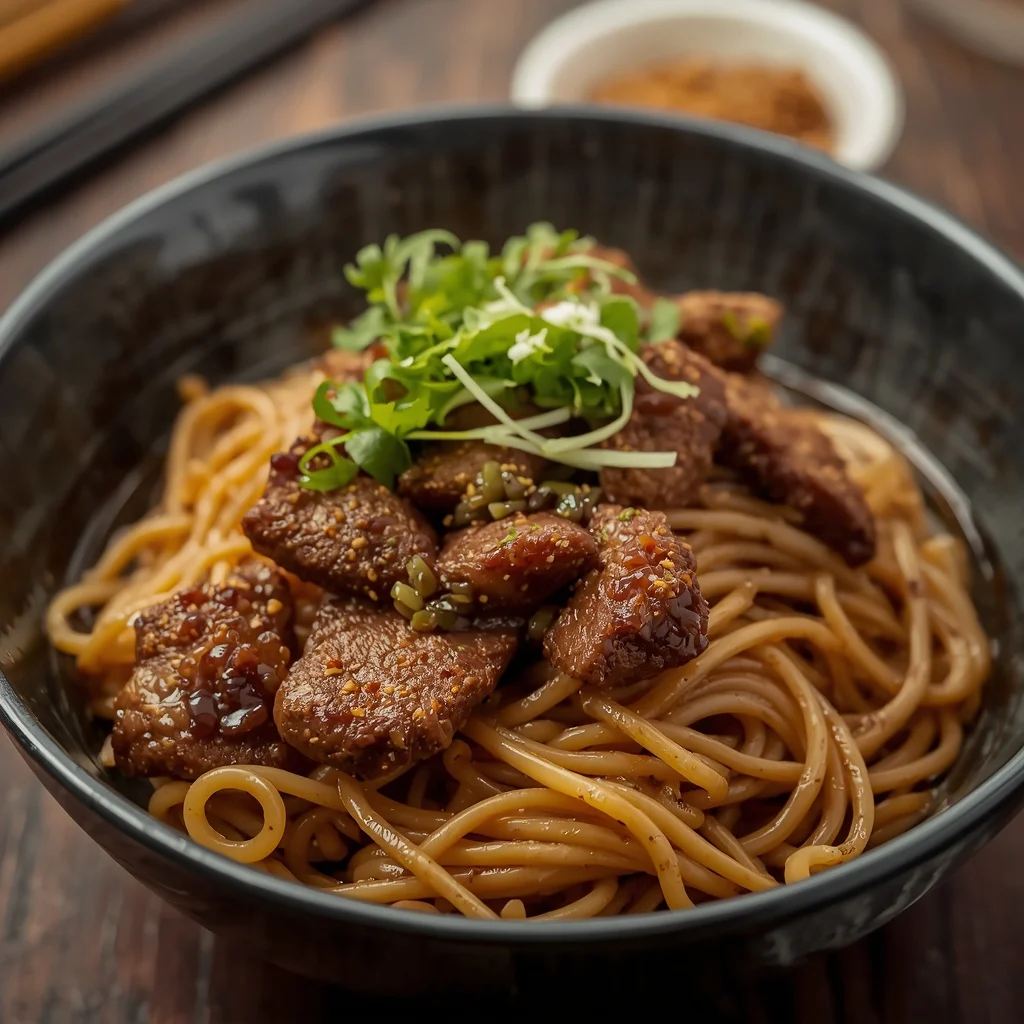
If you are craving a takeout meal that delivers maximum flavor with minimal effort, Mongolian Beef Noodles will instantly become your go-to weeknight dinner. This dish pairs tender, velvety slices of beef with perfectly cooked noodles and crisp vegetables, all brought together by a rich, glossy, sweet and savory sauce. Skip the delivery app fees and long waiting times; making restaurant-quality Mongolian beef noodles at home is surprisingly quick and straightforward.
Whether you need a reliable thirty-minute meal for busy evenings or want to impress friends with your stir-fry skills, this complete guide covers everything you need to know to master this classic dish.
What Is Mongolian Beef Noodles?
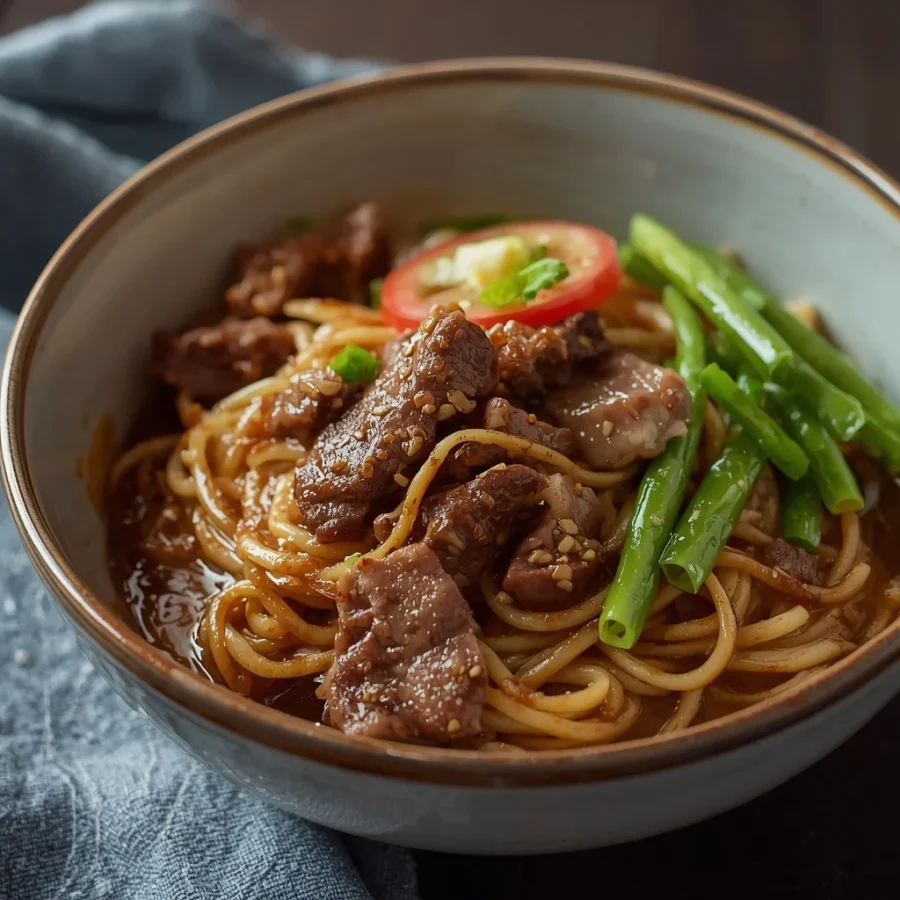
At its core, Mongolian Beef Noodles is a fusion-inspired stir-fry that combines thin strips of seared beef with long, slippery noodles tossed in a signature dark sauce. The dish strikes a perfect balance between sweet brown sugar, savory soy sauce, and aromatic garlic and ginger. Unlike standard noodle dishes that rely on heavy gravies, this recipe uses a light cornstarch coating on the meat to lock in moisture while allowing the savory sauce to cling to every single strand of noodle.
The beauty of this meal lies in its high-heat cooking method. By searing the ingredients rapidly in a hot pan, the vegetables retain a subtle crunch, the meat develops a delicious caramelization, and the overall dish gains a hint of smoky depth.
The Fascinating Origin of Mongolian beef noodles
Despite what the name suggests, Mongolian beef noodles did not originate in the traditional cuisine of Mongolia. Traditional Mongolian cooking relies heavily on boiled mutton, dairy products, and simple seasonings suited to nomadic steppe life.
Instead, Mongolian beef was created in Chinese restaurants in Taiwan during the mid-twentieth century. Chefs developed the dish to appeal to patrons who loved bold, quick-cooked beef meals served on hot iron plates. The style quickly spread to Western countries, particularly Chinese-American restaurants, where it evolved into a beloved comfort food staple. Adding noodles to the classic meat and green onion combination was a natural evolution, transforming a simple main dish into a complete, satisfying one-pan meal enjoyed around the globe.
Ingredients You Will Need: Mongolian beef noodles
To create authentic Mongolian beef noodles, source fresh ingredients so every bite yields vibrant taste and texture. Below is the complete shopping list formatted for four generous servings.
For the Beef and Noodle Base
-
Nodles: Ten ounces of lo mein, chow mein, fresh egg noodles, or standard spaghetti
-
Beef Steak: Eleven ounces of sirloin, flank steak, or ribeye, sliced paper-thin against the grain
-
Cornstarch: One tablespoon for dusting the beef
-
Cooking Oil: Two tablespoons of high-smoke-point oil, such as canola, vegetable, or peanut oil
-
Garlic: Three cloves, finely minced
-
Fresh Ginger: One teaspoon, finely grated
-
Yellow Onion: One small onion, thinly sliced
-
Bell Pepper: One medium bell pepper, thinly sliced
-
Green Onions: Three stalks, chopped into one-inch pieces
For the Signature Mongolian Sauce
-
Soy Sauce: One quarter cup of regular or low-sodium soy sauce
-
Brown Sugar: Two tablespoons of packed dark or light brown sugar
-
Oyster Sauce: One tablespoon for rich umami depth
-
Hoisin Sauce: One tablespoon for extra body and subtle spice
-
Water: One tablespoon to adjust sauce thickness
-
Sesame Oil: One teaspoon of pure toasted sesame oil
-
Red Chili Flakes: One half teaspoon for gentle warmth
-
Black Pepper: One half teaspoon of freshly cracked black pepper
Step-by-Step Directions and Preparation Method
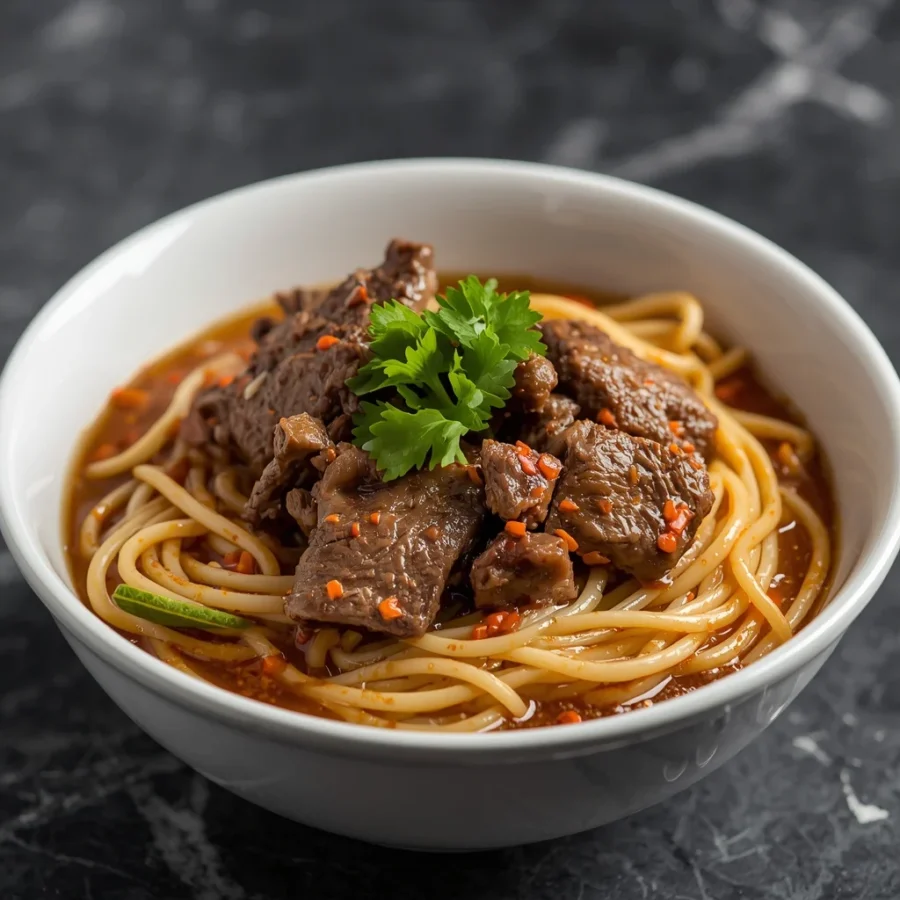
Preparing a great stir-fry requires organizing your ingredients before turning on the stove. Because stir-frying happens fast, having everything prepped ensures your ingredients cook evenly without burning.
Step One: Prepare the Beef
Pat the beef steak dry using paper towels. Moisture is the enemy of a good sear; removing excess surface liquid helps the meat brown rather than steam. Slice the steak across the grain into thin strips. Place the beef in a mixing bowl, sprinkle the cornstarch over the top, and toss until every slice carries a light coat. The cornstarch acts as a protective shield, keeping the beef tender and helping thicken the final sauce.
Step Two: Whisk the Sauce
In a small glass bowl or measuring cup, combine the soy sauce, brown sugar, oyster sauce, hoisin sauce, water, sesame oil, red chili flakes, and black pepper. Whisk vigorously until the brown sugar fully dissolves into the liquids. Taste a small drop and adjust the sweetness or heat according to your preference. Set the bowl near your cooking station.
Step Three: Cook and Drain the Noodles
Bring a large pot of salted water to a rolling boil. Add your chosen noodles and cook according to the package directions, stopping about one minute before they reach full tenderness. They will finish cooking later in the skillet. Drain the cooked noodles thorough in a colander. If your kitchen is cool and you worry about sticking, toss the warm noodles with a tiny splash of oil.
Step Four: Sear the Beef Strips
Place a broad wok or heavy skillet over high heat until it emits faint wisps of smoke. Pour in one tablespoon of cooking oil. Add the cornstarch-coated beef in a flat, single layer so every piece contacts the hot pan. Allow the meat to sear undisturbed for roughly two minutes until a golden crust forms on the bottom. Flip the strips and cook for another minute until browned. Immediately transfer the beef to a plate and set it aside; it does not need to be completely cooked through yet.
Step Five: Stir-Fry the Fresh Vegetables
Add the remaining tablespoon of cooking oil to the same hot pan. Toss in the sliced yellow onion and bell pepper strips. Stir-fry constantly for two minutes until the vegetables soften slightly while retaining a bright color and crisp texture. Add the minced garlic and grated ginger, stirring continuously for thirty seconds until fragrant. Keep an eye on the pan to ensure the garlic does not scorch.
Step Six: Bring the Components Together
Return the seared beef strips and any accumulated juices back into the wok with the vegetables. Stir the premixed sauce one more time to catch any settled sugar, then pour it over the sizzling beef and vegetables. Toss everything together over high heat for one to two minutes. You will watch the liquid transform into a glossy coating that clings to the meat.
Step Seven: Toss the Noodles into the Sauce
Add the drained noodles to the pan. Using tongs or two large wooden spoons, lift and toss the noodles continuously, ensuring the dark sauce coats every single strand evenly. Continue tossing over medium-high heat until the noodles absorb the flavors and warm completely through.
Step Eight: Garnish and Serve Hot
Turn off the heat and scatter the chopped green onions across the hot pan. Toss one final time so the green onions wilt slightly while keeping their fresh crunch. Transfer your homemade Mongolian Beef Noodles into wide serving bowls. Garnish with additional fresh green onions or toasted sesame seeds, and serve immediately while steaming hot.
Delicious Variations to Try at Home: Mongolian beef noodles
One of the best features of this recipe is its flexibility. You can adapt the core elements to fit dietary preferences, seasonal produce, or whatever happens to be inside your refrigerator.
Meat Alternatives
-
Chicken or Turkey: Swap the beef steak for thinly sliced chicken breast or turkey tenderloin. Keep the cornstarch step to keep the white meat moist.
-
Pork Tenderloin: Pork tenderloin absorbs stir-fry flavors beautifully. Slice thinly and sear just like beef.
-
Shrimp: Large peeled shrimp cook even faster than beef. Sear for about ninety seconds per side before setting aside.
Vegetarian and Vegan Adaptation
-
Tofu: Use extra-firm tofu that has been pressed, cubed, and tossed in cornstarch. Fry until crisp on all sides before adding the sauce.
-
Seitan or Plant-Based Meat: Plant-based steak strips work wonderfully with Mongolian sauce and mimic the traditional chew.
-
Vegan Sauce Swap: Replace the traditional oyster sauce with mushroom-based vegetarian stir-fry sauce to keep the authentic umami note without animal products.
Extra Vegetables for Color and Fiber
Feel free to expand the veggie profile by adding any of the following during step five:
-
Crisp broccoli florets
-
Matchstick carrots
-
Sliced button or shiitake mushrooms
-
Shredded cabbage or bok choy
-
Snap peas or snow peas
Expert Tips for Perfect Stir-Fry Success: Mongolian beef noodles
Creating exceptional stir-fry dishes requires mastering a few simple techniques:
-
Slice Against the Grain: When preparing beef, look for the direction of the muscle fibers and cut perpendicular to them. This shortens the fibers and guarantees every bite is melt-in-your-mouth tender.
-
Chill the Meat First: Put your beef steak in the freezer for twenty minutes before slicing. Firm meat is drastically easier to cut into thin, uniform strips.
-
Keep the Heat High: Stir-frying relies on intense heat to cook food quickly without boiling it. Use a heavy pan or carbon steel wok that retains high heat.
-
Avoid Crowding the Pan: If your skillet is small, sear the beef in two smaller batches. Placing too much meat in a cold pan lowers the temperature and causes the beef to steam rather than sear.
Frequently Asked Questions: beef noodles
What type of noodles work best for Mongolian beef noodles?
Fresh lo mein or egg noodles provide the best texture because their tender surface absorbs rich sauces effectively. However, dried chow mein noodles, ramen noodles with the seasoning packet discarded, or basic Italian spaghetti all yield fantastic results.
Can I make Mongolian beef noodles gluten-free?
Yes, converting this recipe is simple. Replace the standard soy sauce with tamari or coconut aminos, and verify that your hoisin and oyster sauces carry certified gluten-free labels. Use rice noodles or gluten-free spaghetti in place of wheat-based noodles.
How do I store and reheat leftovers?
Store leftover noodles in an airtight container inside the refrigerator for up to three days. Reheat individual portions in a skillet over medium heat with a tiny splash of water or broth to loosen the sauce. You can also heat them in a microwave, covered with a damp paper towel to preserve moisture.
Can I prepare beef noodles ahead of time?
Stir-fries are best enjoyed fresh, but you can chop all the vegetables, slice the beef, and whisk the sauce hours in advance. Store each prepped component in separate containers in the refrigerator until you are ready to heat the pan and cook dinner in minutes.
Making your own Mongolian Beef Noodles at home delivers better flavor, fresher ingredients, and total control over your meal’s nutrition compared to takeout options. By combining tender seared beef, fresh vegetables, and an easy homemade brown sugar and soy sauce mixture, you get a complete, high-quality dish right on your dinner table in just thirty minutes. Whip up this satisfying recipe tonight to experience how easy authentic stir-fry cooking can be!
Print
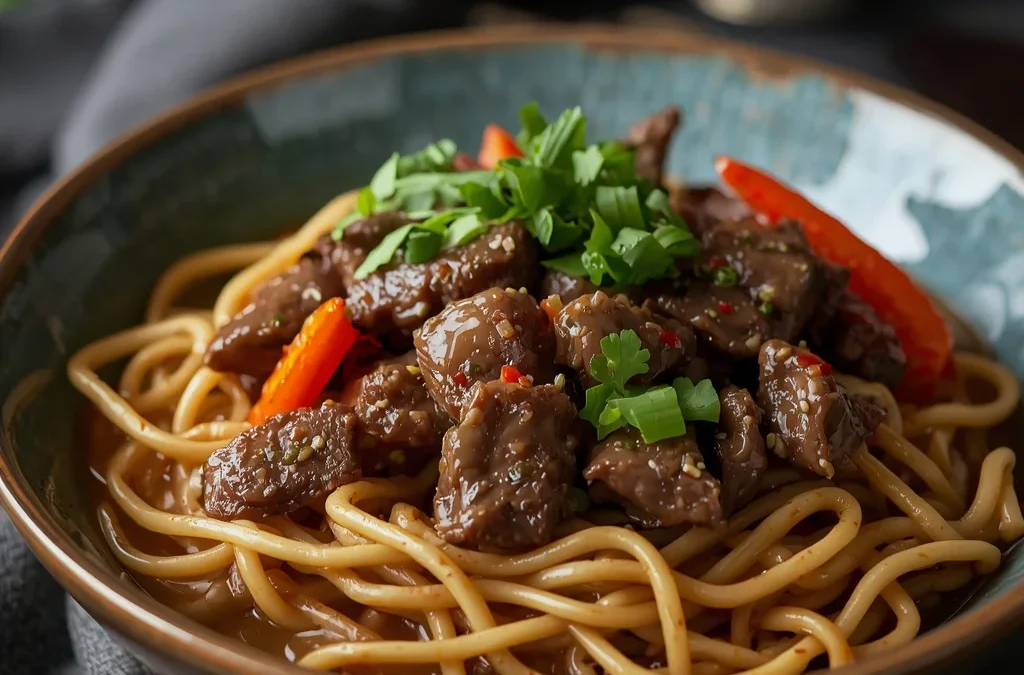
Mongolian Beef Noodles
- Total Time: 30 minutes
- Yield: 4 servings 1x
Description
At its core, Mongolian Beef Noodles is a fusion-inspired stir-fry that combines thin strips of seared beef with long, slippery noodles tossed in a signature dark sauce. The dish strikes a perfect balance between sweet brown sugar, savory soy sauce, and aromatic garlic and ginger. Unlike standard noodle dishes that rely on heavy gravies, this recipe uses a light cornstarch coating on the meat to lock in moisture while allowing the savory sauce to cling to every single strand of noodle.
Ingredients
Scale
For the noodles
- 250–300 g (9–10 oz) noodles — lo mein, chow mein, egg noodles, or spaghetti
- 300 g (10–11 oz) beef steak, thinly sliced
- 1 tbsp cornstarch
- 2 tbsp cooking oil
- 3 cloves garlic, minced
- 1 tsp fresh ginger, grated
- 1 small onion, sliced
- 1 bell pepper, sliced
- 2–3 green onions, chopped
For the sauce
- ¼ cup soy sauce
- 2 tbsp brown sugar
- 1 tbsp oyster sauce
- 1 tbsp hoisin sauce
- 1 tbsp water
- 1 tsp sesame oil
- ½ tsp red chili flakes, optional
- ½ tsp black pepper
Instructions
- Prepare the beef: Pat the beef dry and slice it very thinly against the grain. Toss with cornstarch until lightly coated.
- Make the sauce: Mix soy sauce, brown sugar, oyster sauce, hoisin sauce, water, sesame oil, chili flakes, and black pepper in a bowl.
- Cook the noodles: Cook according to the package directions. Drain and set aside. Toss with a tiny amount of oil if necessary to prevent sticking.
- Sear the beef: Heat 1 tbsp oil in a large wok or skillet over high heat. Add the beef in a single layer and cook for about 2–3 minutes, turning once, until browned. Remove and set aside.
- Cook the vegetables: Add the remaining oil. Stir-fry the onion and bell pepper for 2 minutes. Add garlic and ginger and cook for another 30 seconds.
- Combine: Return the beef to the wok. Pour in the sauce and stir for 1–2 minutes, until the sauce becomes glossy and slightly thickened.
- Add noodles: Add the cooked noodles and toss everything together until the noodles are evenly coated with sauce.
- Finish: Stir in the green onions and serve immediately.
Notes
- Prep Time: 15 minutes
- Cook Time: 15 minutes
- Category: Main Course
- Method: Stir-Fry
- Cuisine: Asian
Nutrition
- Serving Size: 1 serving
- Calories: 520 kcal
Keywords: Mongolian beef stir fry noodles, beef lo mein Mongolian style, sweet and savory beef noodles
