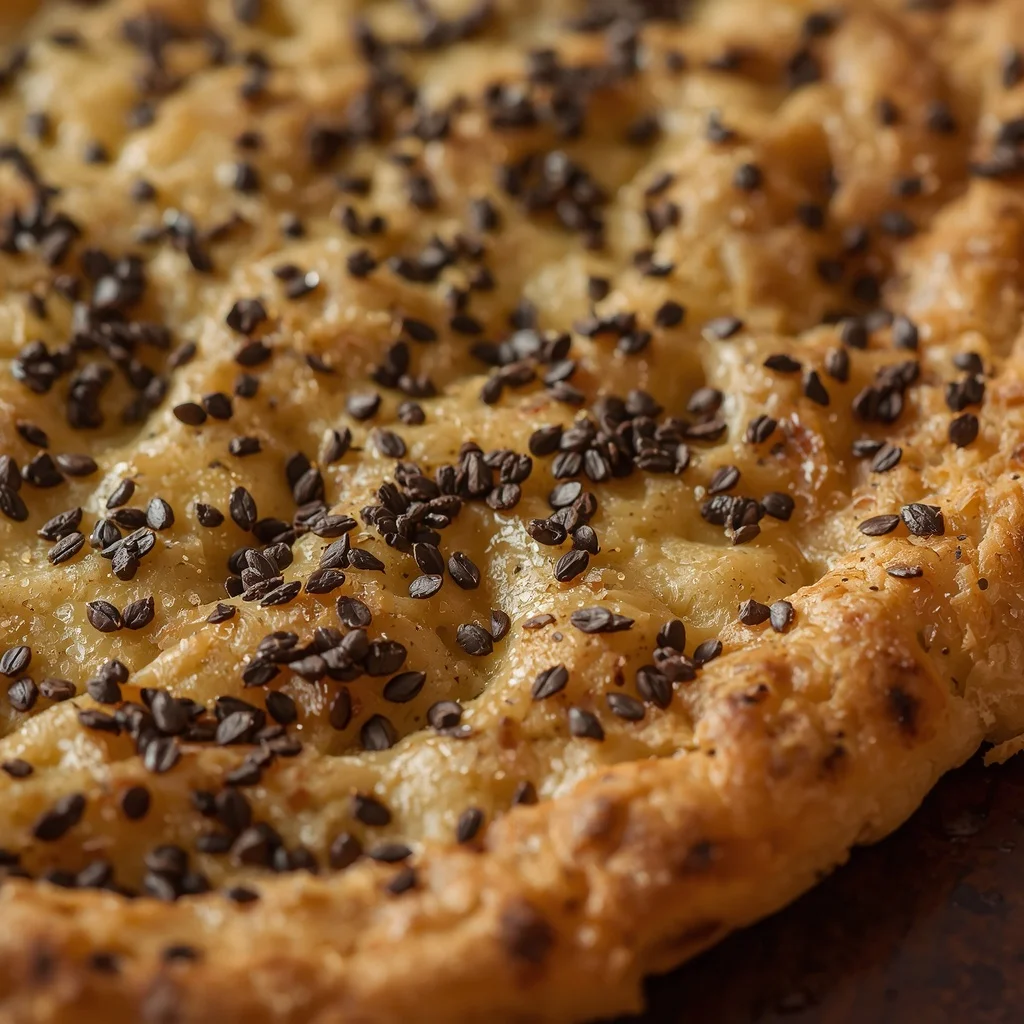
There is something deeply comforting about the aroma of freshly baked bread filling every corner of your home. If you are looking to elevate your baking experience with a historic, rustic, and incredibly flavorful loaf, this authentic Persian Barbari flatbread with nigella seeds recipe is the perfect place to start. Known for its distinctively thick texture, deeply grooved surface, and golden, shiny crust, this traditional Iranian bread offers an impressive balance of a crisp exterior and a tender, pillowy interior. Whether you are an experienced baker searching for your next culinary adventure or a beginner eager to master the art of artisanal flatbreads, this comprehensive guide will take you through every phase of crafting this legendary loaf from scratch.
What is Persian Barbari Flatbread?
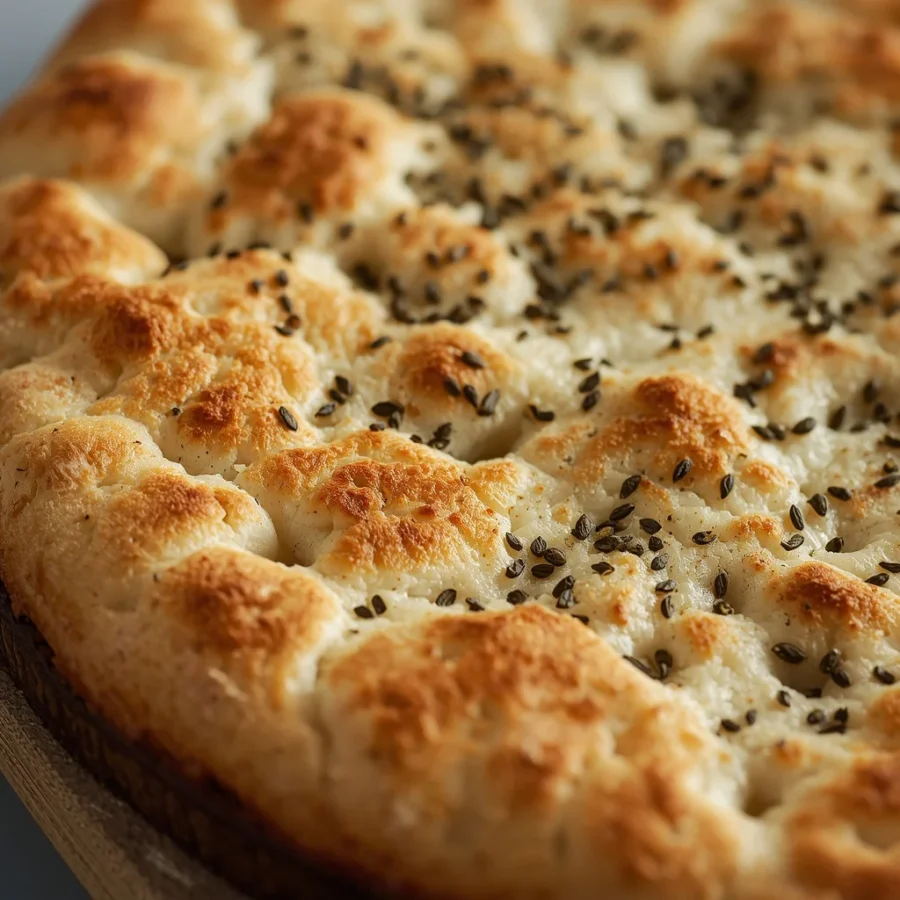
Persian Barbari flatbread is a magnificent yeast-leavened bread that holds a celebrated place in Iranian culinary heritage. Unlike thin flatbreads like lavash or pita, Barbari stands out due to its substantial height, impressive chewiness, and distinctive long oval shape. It is easily recognized by the deep longitudinal ridges pressed into its dough prior to baking, which create a delightful contrast between crispy high points and soft, pillowy valleys.
What truly elevates this flatbread above ordinary baking recipes is the traditional flour paste wash, known locally as roomal. Before entering a hot oven, the dough is brushed with this cooked glazy mixture, which promotes deep browned color, a light crunch, and a subtle sheen. Sprinkled generously with aromatic nigella seeds and nut-like sesame seeds, every single slice offers an incredible explosion of savory flavor and aromatic complexity.
The Fascinating Origin of Persian Barbari flatbread with nigella seeds
Understanding the roots of traditional recipes enriches the experience of baking them in your own kitchen. The term Barbari originally referred to the Hazara ethnic group, who lived near the eastern borders of Iran and the Khorasan region. Historically, these skilled bakers brought their unique bread-making techniques to Tehran during the Qajar dynasty, where the flatbread quickly captured the hearts and palates of locals.
Over the decades, Barbari transitioned from a regional specialty into an absolute staple of everyday Iranian life. In cities and villages across Iran, bakeries begin their work in the early morning hours, filling the streets with steam and rich aromas as long wooden paddles slide fresh loaves in and out of roaring brick ovens. It remains deeply tied to daily morning traditions, served alongside fresh herbs, rich cheeses, and steaming glasses of black tea.
Key Ingredients for Success
To achieve an authentic outcome, gathering quality ingredients is essential. The components required for this flatbread are delightfully simple, yet each plays an imperative structural or flavor role.
For the Dough Base
-
Bread Flour or All-Purpose Flour: Three and one half cups (four hundred fifty grams). High-protein bread flour gives the flatbread its signature chew, though all-purpose flour works wonderfully for a slightly tender crumb.
-
Warm Water: One and one half cups (three hundred sixty milliliters). Ensure the water temperature is comfortable to the touch, neither boiling hot nor cold, to properly activate the yeast.
-
Instant Yeast: Two teaspoons. This ensures a reliable, even rise throughout the fermentation process.
-
Salt: One and one half teaspoons of fine sea salt or table salt to enhance the wheat flavors.
-
Sugar or Honey: One tablespoon to feed the yeast and assist with golden exterior caramelization.
-
Olive Oil: Two tablespoons of quality extra-virgin olive oil to enrich the dough moisture.
Flour Glaze Paste (Roomal)
-
All-Purpose Flour: Two tablespoons.
-
Water: One half cup (one hundred twenty milliliters).
-
Baking Soda: One teaspoon. This creates an alkaline environment that accelerates browning and yields a glossy finish.
-
Olive Oil: One tablespoon.
For the Garnish and Finishing Touches
-
Nigella Seeds: One tablespoon. Often referred to as kalonji, these small black seeds bring a subtle hint of onion, oregano, and earthy warmth.
-
Sesame Seeds: One tablespoon of raw or lightly toasted white sesame seeds for a nut-like crunch.
-
Coarse Sea Salt: A gentle pinch for finishing flavor contrast.
-
Optional Dried Herbs: One teaspoon of dried thyme or za’atar for additional herbal complexity.
Step by Step Direction and Preparation Method: Persian Barbari flatbread with nigella seeds
Creating artisanal bread at home requires patience, proper technique, and attention to detail. Follow these clear steps to craft a perfect flatbread in your home kitchen.
Step One: Preparing and Activating the Dough
Begin by selecting a large mixing bowl. Pour in the warm water, instant yeast, and sugar or honey. Whisk the mixture gently to combine the ingredients. Allow the bowl to sit undisturbed for five to ten minutes at room temperature. You should notice small bubbles forming on the surface, accompanied by a light, yeasty aroma. This indicates your yeast is active and ready for baking.
Add the flour, fine salt, and olive oil into the liquid mixture. Use a sturdy wooden spoon or your hands to blend the ingredients together until a shaggy, cohesive dough begins to form, ensuring no dry pockets of flour remain at the bottom of the bowl.
Step Two: Kneading and Fermentation
Turn the dough out onto a clean, lightly floured work surface. Knead the dough rhythmically for eight to ten minutes. Push the dough away from you with the heels of your hands, fold it back over itself, and turn it ninety degrees. Continue this process until the dough transforms into a smooth, supple, and elastic ball that springs back slowly when pressed with a fingertip.
Lightly grease a clean bowl with a drizzle of olive oil. Place your kneaded dough ball inside, turning it once so all sides are thinly coated in oil. Cover the bowl securely with a damp kitchen towel or plastic wrap. Set the bowl in a warm, draft-free spot in your kitchen to rise for one hour to one hour and one half, or until the dough has doubled in total volume.
Step Three: Cooking the Traditional Roomal Glaze
While your dough is completing its rise, prepare the specialized flour paste glaze. In a small saucepan, combine two tablespoons of flour, one half cup of water, one teaspoon of baking soda, and one tablespoon of olive oil. Whisk vigorously while cold to smooth out any clumps.
Place the saucepan over low heat. Cook the mixture continuously, stirring constantly with a whisk or heat-resistant spatula. Within two to three minutes, the liquid will transform into a smooth, slightly thickened paste with a consistency similar to warm pudding or gravy. Remove the saucepan from the heat immediately and let the glaze cool to room temperature.
Step Four: Shaping and Creating Signature Ridges
Preheat your home oven to four hundred fifty degrees Fahrenheit (two hundred thirty degrees Celsius). If you own a baking stone or heavy baking sheet, place it on the middle rack while the oven heats up. Line a secondary baking tray with parchment paper.
Gently punch down the risen dough to release excess gas bubbles. Transfer the dough onto your prepared parchment paper. Using oil-slicked hands, gently press and stretch the dough outward into a long, uniform oval shape approximately one half inch in overall thickness.
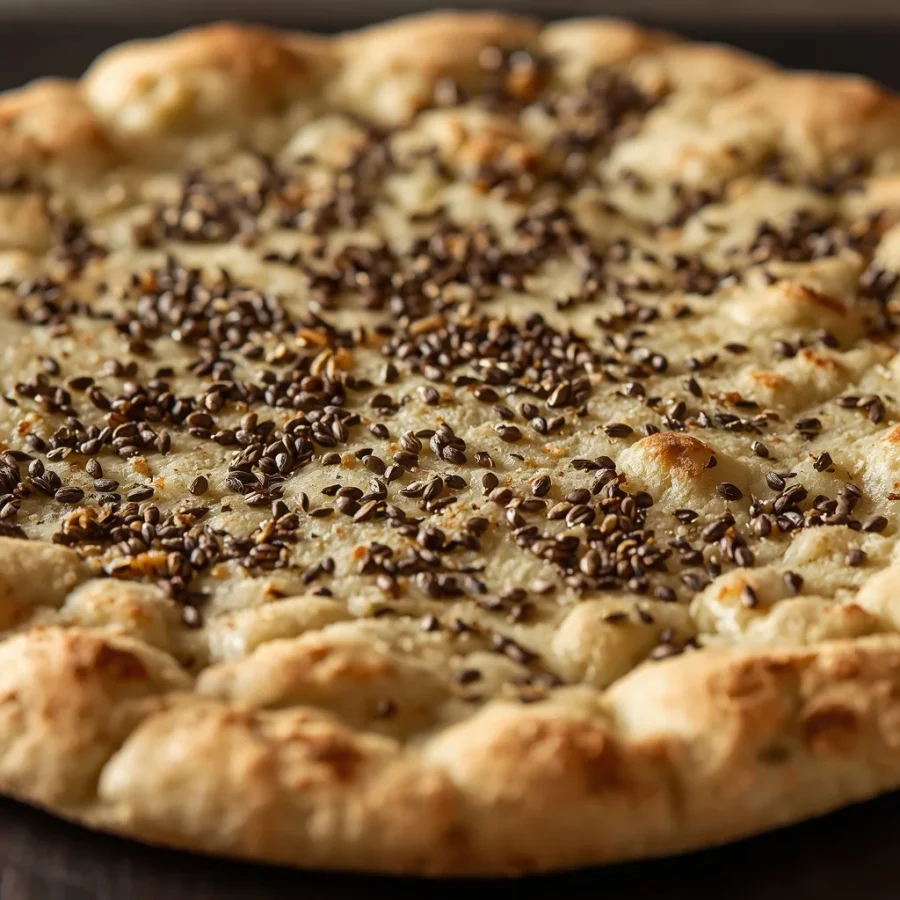
Now comes the signature shaping step. Dip your fingers generously into the roomal glaze or olive oil. Press your fingers firmly down into the dough to create long, parallel ridges running lengthwise from one end of the oval to the other. Ensure you press deep into the dough without tearing completely through it. These distinct channels give the bread its iconic shape and textured baking finish.
Step Five: Glazing, Garnishing, and Baking
Brush the cooled roomal glaze generously across the entire top surface of the stretched dough, filling the newly formed ridges. The paste should coat the dough evenly without leaving large pools in the crevices.
Garnish the top evenly by sprinkling the nigella seeds and sesame seeds over the glaze. Add a subtle pinch of coarse sea salt across the top. Carefully slide the parchment paper with the prepared dough onto your hot baking sheet or preheated baking stone.
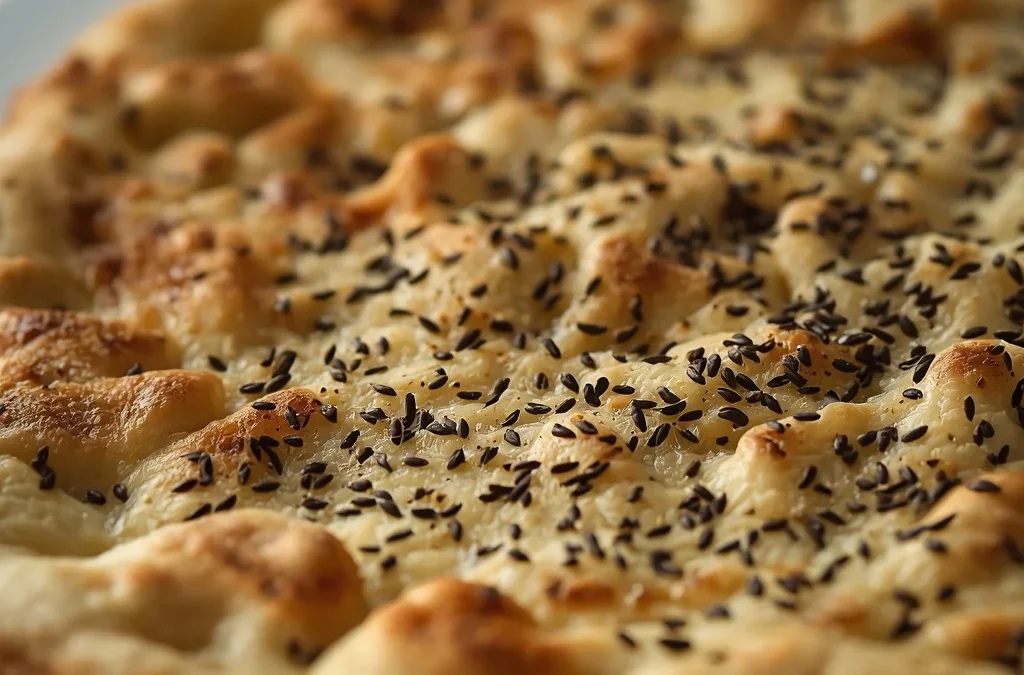
Bake in your preheated oven at four hundred fifty degrees Fahrenheit for fifteen to twenty minutes. Keep an eye on the oven during the final minutes; the bread is ready when the top exhibits a deep golden-brown crust, the ridges look distinct, and the bottom sounds hollow when tapped gently. Remove from the oven and transfer to a wire cooling rack.
Delicious Variations to Explore: Persian Barbari flatbread with nigella seeds
While the standard Persian Barbari flatbread with nigella seeds recipe remains a timeless classic, you can easily adapt the basic dough to match various culinary preferences or meal pairings.
Whole Wheat Barbari
For a heartier profile with extra dietary fiber, substitute half of the bread flour with whole wheat flour. Increase the warm water by two tablespoons to accommodate the higher absorption rate of whole grains. This variation yields a nuttier flavor profile that pairs exceptionally well with rich stews and aged cheeses.
Garlic and Herb Infused Flatbread
Enhance the roomal glaze by whisking in one clove of finely minced garlic along with half a teaspoon of dried rosemary or thyme. Sprinkle extra za’atar spice alongside the sesame and nigella seeds right before baking. This turns the flatbread into an incredible standalone appetizer or soup accompaniment.
Cheese and Seed Stuffed Flatbread
Before shaping the dough into its final oval, gently fold crumbles of creamy feta cheese and finely chopped fresh coriander directly into the dough. Shape and ridge as directed. The melted pockets of salty cheese inside the baked loaf offer an incredible surprise in every bite.
Frequently Asked Questions: Persian Barbari flatbread with nigella seeds
Can I prepare the dough in advance?
Yes, overnight cold fermentation works wonderfully for this recipe. After placing the dough in the oiled bowl, cover it tightly and place it in the refrigerator for up to twenty-four hours. Slow fermentation enhances the overall flavor depth. Allow the dough to come to room temperature for roughly forty-five minutes before shaping.
What if I cannot find nigella seeds locally?
Nigella seeds offer a distinct earthy taste, but if they are unavailable in your local market, you can substitute them with black sesame seeds, cumin seeds, or caraway seeds. While the flavor profile will shift slightly, the visual appeal and crunch will remain delightful.
How should I store leftover flatbread to maintain freshness?
Store fully cooled leftover bread wrapped tightly in a clean cloth or sealed inside an airtight bag at room temperature for up to two days. For longer storage, slice the bread into portions and freeze in a zip-top freezer bag for up to three months.
What is the best way to reheat Barbari flatbread?
To restore the crisp crust and soft interior, avoid using the microwave, which can render yeast breads rubbery. Instead, sprinkle a few drops of water onto the crust and heat the bread in an oven preheated to three hundred fifty degrees Fahrenheit for five to seven minutes.
Conclusion: Persian Barbari flatbread with nigella seeds
Mastering this authentic Persian Barbari flatbread with nigella seeds recipe brings an incredible slice of Middle Eastern culinary heritage straight into your home kitchen. From the rewarding process of working the yeast dough to the sensory pleasure of smelling seeds roasting atop a golden crust, every single step offers a magnificent baking experience. Whether served alongside fresh feta cheese and herbs for a traditional breakfast, sliced for sandwiches, or used to scoop up savory dips, this versatile flatbread never fails to impress. Gather your simple ingredients, heat your oven, and enjoy the unmatched comfort of hot, fresh Barbari straight from your kitchen.
Authentic Persian Barbari Flatbread with Nigella Seeds Recipe
- Total Time: 40 minutes (+ 1–1½ hours rising time)
- Yield: 1 large flatbread (8 servings) 1x
Description
Persian Barbari flatbread is a magnificent yeast-leavened bread that holds a celebrated place in Iranian culinary heritage. Unlike thin flatbreads like lavash or pita, Barbari stands out due to its substantial height, impressive chewiness, and distinctive long oval shape. It is easily recognized by the deep longitudinal ridges pressed into its dough prior to baking, which create a delightful contrast between crispy high points and soft, pillowy valleys.
Ingredients
For the Dough
- 3½ cups (450 g) bread flour or all-purpose flour
- 1½ cups (360 ml) warm water
- 2 tsp instant yeast
- 1½ tsp salt
- 1 tbsp sugar or honey
- 2 tbsp olive oil
For the Topping (Roomal)
- 2 tbsp all-purpose flour
- ½ cup (120 ml) water
- 1 tsp baking soda
- 1 tbsp olive oil
For Garnish
- 1 tbsp nigella seeds (kalonji)
- 1 tbsp sesame seeds
- A pinch of sea salt
- Optional: dried herbs such as thyme or za’atar
Instructions
- Prepare the Dough:
In a large bowl, combine warm water, yeast, and sugar. Let it sit for 5–10 minutes until slightly foamy. - Add flour, salt, and olive oil. Mix until a soft dough forms.
- Knead the dough for 8–10 minutes until smooth and elastic.
- Place the dough in an oiled bowl, cover, and let it rise for 1–1½ hours until doubled in size.
- Make the Topping:
In a small saucepan, whisk flour, water, and baking soda. Cook over low heat for 2–3 minutes until slightly thickened. Let cool. - Shape the Bread:
Transfer the dough to a lined baking tray. Flatten it into a long oval shape about ½ inch thick. - Use your fingers to create traditional lengthwise ridges across the dough.
- Brush generously with the topping mixture and sprinkle with nigella seeds, sesame seeds, and a little salt.
- Bake:
Bake in a preheated oven at 450°F (230°C) for 15–20 minutes, until golden brown and crisp on top. - Serve:
Let cool slightly and serve warm with feta cheese, fresh herbs, yogurt, hummus, or Persian tea.
Notes
- For the best texture, allow the dough enough time to rise slowly.
- Nigella seeds add a unique earthy, onion-like flavor, but sesame seeds can be used alone if preferred.
- Barbari is best enjoyed fresh but can be reheated briefly in the oven to restore its crisp crust
- Prep Time: 20 minutes
- Cook Time: 20 minutes
- Category: Bread
- Method: Baking
- Cuisine: Persian / Iranian
Nutrition
- Serving Size: 1 piece
- Calories: 180 kcal
Keywords: Iranian Barbari bread recipe, homemade Barbari flatbread, traditional Persian bread with seeds, golden Barbari flatbread recipe
