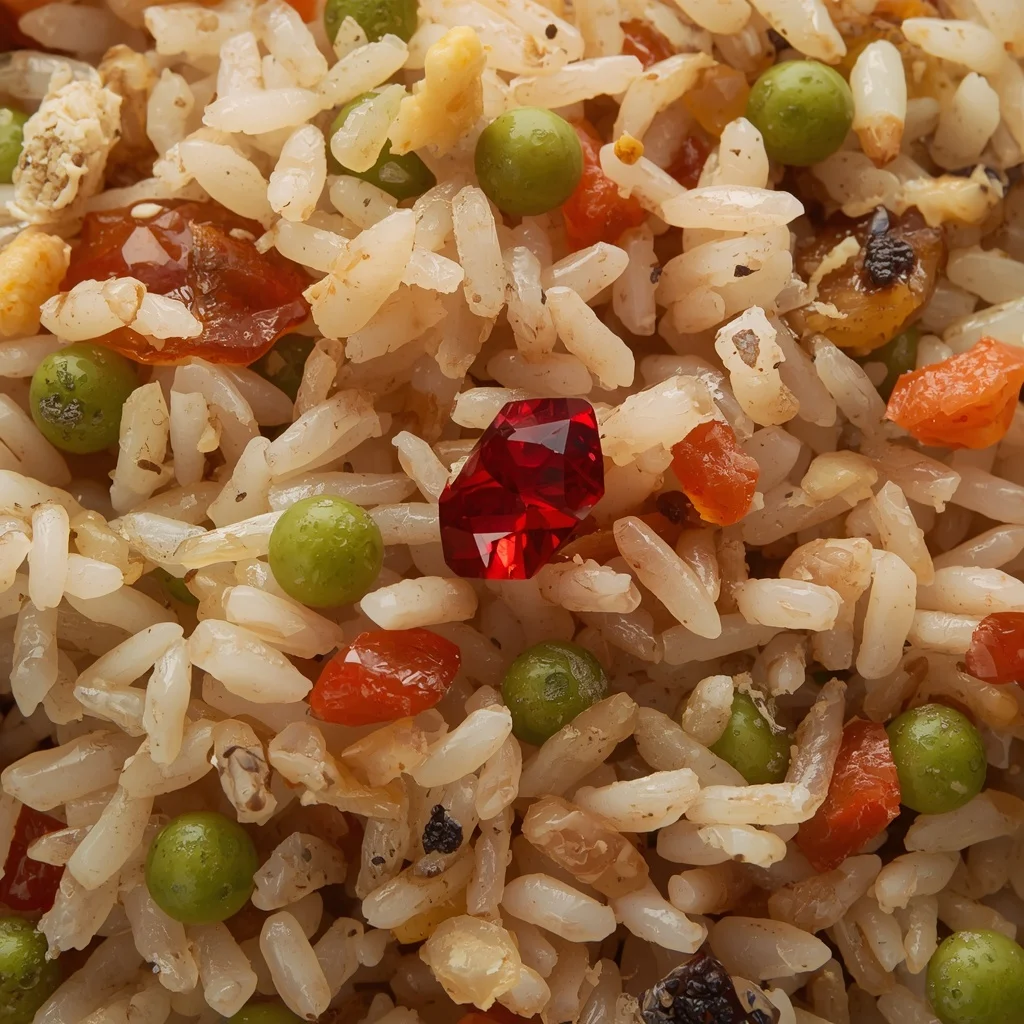
Gathering around a dining table for a festive occasion requires a center-stage dish that captivates both the eyes and the palate. If you want to impress your family and friends with a majestic centerpiece, mastering Persian jeweled rice is an absolute culinary triumph. Also known across Middle Eastern cultures as Javaher Polow, this aromatic masterpiece marries long-grain basmati rice with sweet dried fruits, crunchy toasted nuts, fragrant rose water, and earthy spices. Each grain of rice remains distinct and fluffy, cradling vibrant jewels of ruby cranberries, golden raisins, orange apricots, and emerald pistachios. Learning to craft this iconic celebration meal in your home kitchen allows you to share centuries of rich Persian hospitality and royal culinary traditions.
Creating an authentic rice pilaf requires an understanding of traditional steaming techniques and flavor layering. Far beyond a simple side dish, this recipe offers a harmonious balance of sweet and savory notes paired with varied textures in every forkful. Whether you are hosting a holiday dinner, a wedding feast, or a special weekend family gathering, this step-by-step guide walks you through every detail required to achieve a light, fluffy, and stunning rice presentation.
What Is Persian Jeweled Rice?
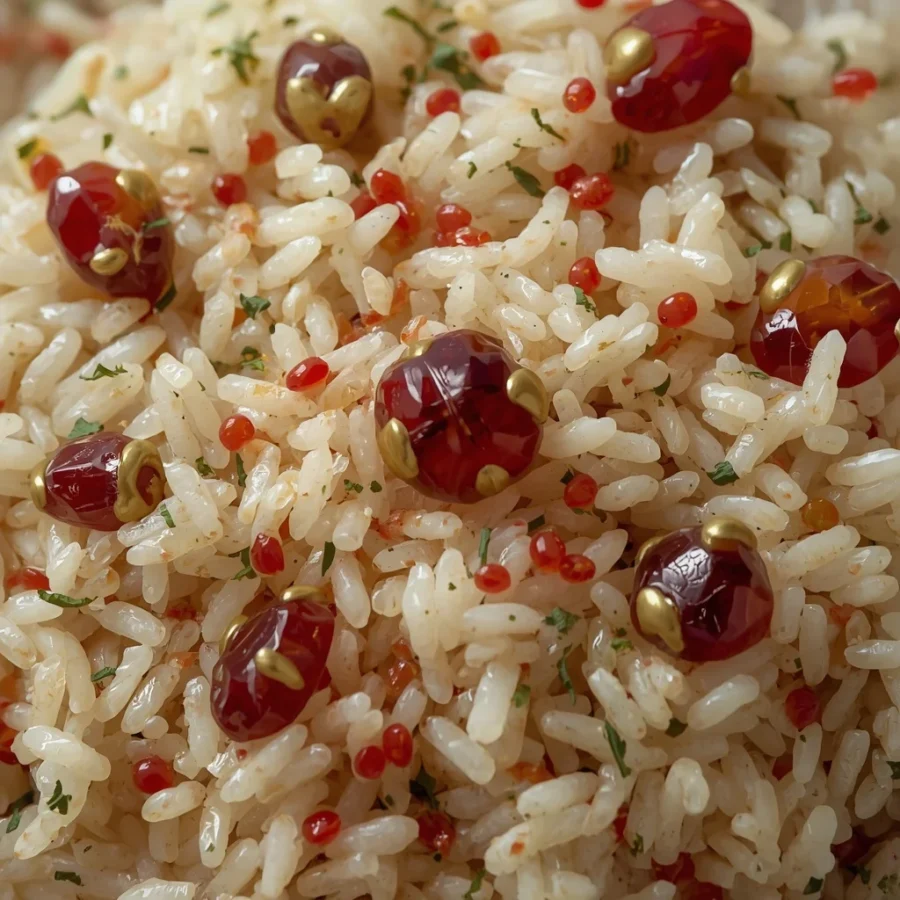
A batch of Persian jeweled rice is a traditional festive rice dish famous for its vibrant colors, rich textures, and royal history. In the Persian language, Javaher means jewels, and Polow refers to a cooked rice dish layered with fragrant ingredients. The dish earns its poetic name because the colorful garnishes scattered across the fluffy white and yellow rice resemble precious gems, including rubies, gold, emeralds, and pearls.
Unlike everyday steamed rice, this elaborate preparation relies on the classic Persian technique of parboiling and steaming long-grain basmati rice. The rice grains are carefully parboiled in salted water, drained, and then slowly steamed over low heat. Between or atop the delicate layers of rice sits a sweet mixture of caramelized onions, warm cinnamon, earthy cumin, citrusy orange zest, and plump dried fruits.
Topped with toasted slivered almonds, bright green pistachios, and a splash of rose water, this dish delivers a rich sensory experience. The subtle sweetness of the fruits balances the warm spices, while the floral notes of rose water elevate the overall aroma. It is a dish designed to represent wealth, joy, and celebration.
Origin of Javaher Polow
To appreciate the cultural significance of this recipe, it helps to explore its royal history within traditional Persian cuisine. Historical accounts place the origin of this luxurious meal during the Safavid Empire, a golden era of Persian art, culture, and gastronomy that flourished between the sixteenth and eighteenth centuries. During this period, royal palace chefs transformed cooking into a sophisticated art form, designing elaborate banquets for kings, diplomats, and foreign dignitaries.
Palace chefs sought to create dishes that showcased the vast wealth and global trade reach of the empire. They incorporated precious spices, exotic fruits, local nuts, and fragrant floral distillations into their rice creations. The colorful ingredients were chosen intentionally to mimic real gemstones:
-
Red barberries or cranberries symbolized precious rubies.
-
Chopped dried apricots and golden raisins represented yellow gold and amber.
-
Vibrant pistachios mimicked rich emeralds.
-
Slivers of almonds mirrored white pearls.
Historically, Javaher Polow was reserved strictly for major life celebrations, particularly weddings, seasonal festivals, and royal coronation banquets. Serving a dish containing such expensive, varied ingredients communicated prosperity and deep honor to visiting guests. Today, while ingredients are far more accessible to home cooks, the dish retains its celebratory status as a treasured anchor for major holiday feasts and special family gatherings.
Ingredients and Exact Quantities
Creating an authentic version of this festive meal requires sourcing high-quality, fresh ingredients. Below is the complete list of items needed for the rice base, spice blend, fruit mixture, and crunch-filled nut garnish.
Primary Rice Base
-
Two cups of high-quality basmati rice: Long-grain basmati rice offers the light, fluffy, and separated texture essential for Persian cooking.
-
Three tablespoons of vegetable oil or ghee: Pure clarified butter or quality oil provides richness and helps form the crispy bottom crust.
-
Two and one-half cups of water: Used for the final steaming phase alongside additional water for soaking and boiling.
Aromatic Spice and Sweetener Blend
-
One-half teaspoon of fine table salt: Used to season the rice during soaking and cooking.
-
One teaspoon of ground cinnamon: Delivers a warm, sweet woody note.
-
One-half teaspoon of ground cumin: Adds an earthy, savory undertone.
-
One-fourth teaspoon of ground cardamom: Brings a piney, citrusy, and warm aroma.
-
One-fourth teaspoon of ground turmeric: Lends a warm golden color and subtle earthiness.
-
Two tablespoons of granulated white sugar: Balances the natural tartness of the fruits.
-
Two tablespoons of fresh orange zest: Thinly scraped zest adds a bright, citrusy perfume.
-
Two tablespoons of pure rose water: Provides the signature floral scent.
-
Optional pinch of saffron threads: Dissolved in warm water for a golden color and luxury aroma.
Dried Fruit Jeweled Mixture
-
One large yellow onion: Thinly sliced to create sweet, golden caramelized strands.
-
One-fourth cup of golden raisins: Plumped in warm water for soft sweetness.
-
One-fourth cup of dried cranberries: Provides a bright red color and sweet-tart flavor.
-
One-fourth cup of dried apricots: Finely chopped into uniform bite-sized pieces.
Crunchy Nut Garnish
-
One-fourth cup of slivered almonds: Adds a mild, milky crunch and pearl-like appearance.
-
One-fourth cup of shelled pistachios: Delivers a rich green color and buttery nut flavor.
Step-by-Step Direction and Preparation Method: Persian jeweled rice
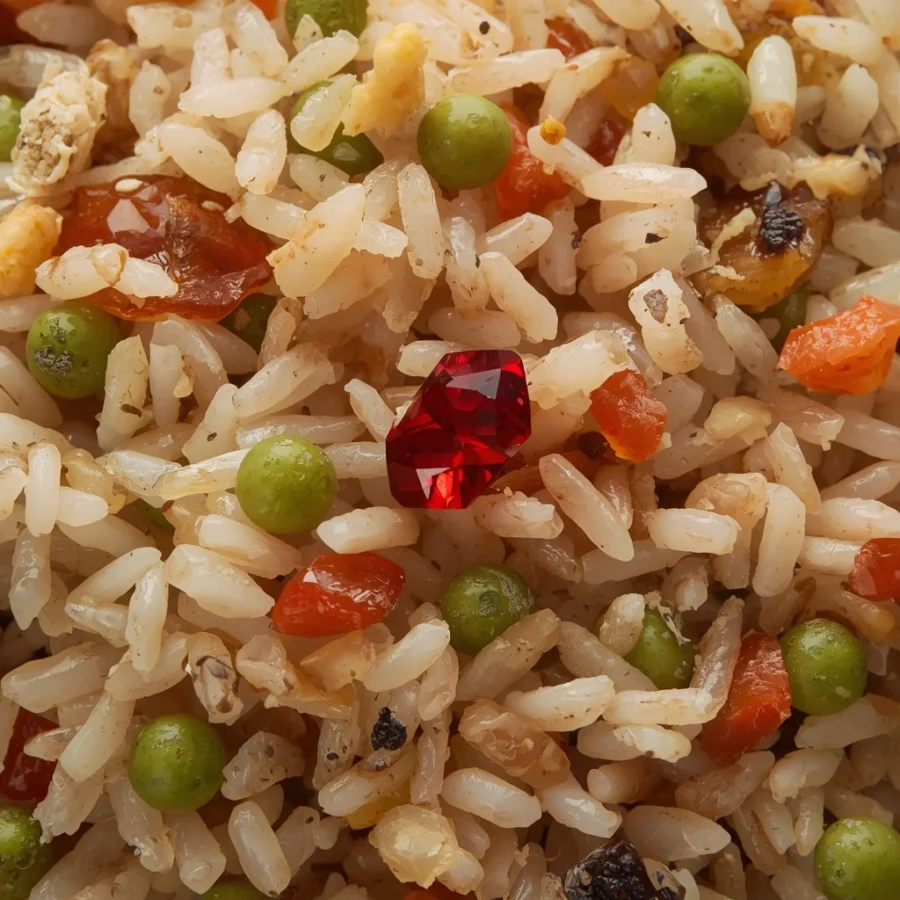
Preparing traditional Persian jeweled rice requires patience and proper sequencing. By following these clear steps, you can easily achieve perfectly separated grains of rice alongside a stunning presentation.
+-------------------------------------------------------+
|  STEP 1: Rinse basmati rice thoroughly until clear;   |
|          soak in salted water for thirty minutes.     |
+-------------------------------------------------------+
                           |
                           v
+-------------------------------------------------------+
|  STEP 2: Soak dried fruits in warm water for ten      |
|          minutes; drain well and set aside.           |
+-------------------------------------------------------+
                           |
                           v
+-------------------------------------------------------+
|  STEP 3: Caramelize sliced onions; stir in spices,    |
|          dried fruits, sugar, and fresh orange zest.  |
+-------------------------------------------------------+
                           |
                           v
+-------------------------------------------------------+
|  STEP 4: Parboil rice in salted boiling water for     |
|          five to seven minutes; drain completely.     |
+-------------------------------------------------------+
                           |
                           v
+-------------------------------------------------------+
|  STEP 5: Layer oil, rice, and spiced fruit mixture in |
|          a pot; drizzle with rose water and saffron.  |
+-------------------------------------------------------+
                           |
                           v
+-------------------------------------------------------+
|  STEP 6: Cover pot with kitchen towel and steam over  |
|          low heat for thirty to thirty-five minutes.  |
+-------------------------------------------------------+
                           |
                           v
+-------------------------------------------------------+
|  STEP 7: Toast nuts; fluff rice gently; garnish with  |
|          nuts, fruits, and golden onions before serving. |
+-------------------------------------------------------+
Step One: Wash and Soak the Basmati Rice
Place two cups of long-grain basmati rice into a large mixing bowl. Rinse the grains with cool tap water, swirly gently with your fingers, and pour off the cloudy liquid. Repeat this rinsing process four to five times until the water remains clear. Cover the washed rice with warm water, add one teaspoon of salt, and let it soak undisturbed for thirty minutes. Soaking lengthens the grains and prevents them from breaking during cooking.
Step Two: Hydrate the Dried Fruit Jewels
Place the one-fourth cup of golden raisins, one-fourth cup of dried cranberries, and one-fourth cup of finely chopped dried apricots into a small heatproof bowl. Pour warm water over the fruits and allow them to rehydrate for ten minutes. Drain the soaked fruits thoroughly through a fine-mesh sieve and set them aside.
Step Three: Caramelize Onions and Build the Fruit Base
Set a large skillet over medium heat and add one and one-half tablespoons of vegetable oil or ghee. Add the one large, thinly sliced yellow onion and cook slowly, stirring regularly, until the slices turn soft, sweet, and golden brown. Next, stir in one teaspoon of ground cinnamon, one-half teaspoon of ground cumin, one-fourth teaspoon of ground cardamom, and one-fourth teaspoon of ground turmeric. Cook the spices with the onions for two minutes until fragrant. Add the drained fruits, two tablespoons of granulated sugar, and two tablespoons of orange zest. Stir for two minutes until the sugar dissolves and the fruit shines, then remove the skillet from the heat.
Step Four: Parboil the Soaked Basmati Rice
Fill a large, deep stockpot with six cups of water and two tablespoons of salt. Bring the water to a rapid, rolling boil over high heat. Drain the soaking water from your basmati rice and carefully add the grains into the boiling pot. Cook uncovered for five to seven minutes. Test a grain by biting it: the outside should be soft and tender, while the absolute center remains firm and slightly undercooked. Immediately pour the rice into a colander to drain off all hot water.
Step Five: Build the Layered Pot
Place your large non-stick pot back on the stove over medium-low heat. Add the remaining one and one-half tablespoons of oil or ghee to coat the bottom evenly. If you desire a traditional crispy Tahdig bottom crust, lay thin potato slices or flatbread pieces across the oiled bottom. Add a thick layer of parboiled rice, followed by a scattered layer of the warm fruit and onion mixture. Repeat this alternating layering process, shaping the final top layer of rice into a gentle mound or pyramid shape. Drizzle two tablespoons of rose water and optional steep saffron water over the top of the mound.
Step Six: Steam to Fluffy Perfection
Wrap the lid of your pot in a clean, dry cotton kitchen towel, securing the edges around the top handle so they cannot touch the burner. Place the wrapped lid tightly onto the pot. The towel absorbs rising steam, preventing condensation drops from falling back onto the rice and making it soggy. Cook over low heat for thirty to thirty-five minutes, allowing the trapped heat to steam the grains until long, light, and completely tender.
Step Seven: Toast Nuts, Fluff, and Assemble
While the rice steams, place a dry skillet over medium-low heat. Add the one-fourth cup of slivered almonds and one-fourth cup of shelled pistachios. Toast the nuts for two to three minutes, stirring constantly until lightly warm and fragrant. Remove the lid from your steamed pot and gently fluff the top layers of rice using a wide wooden paddle or fork. Gently mix a portion of the fruit and toasted nuts into the fluffy grains, reserving a generous portion for the final top presentation.
Step Eight: Platter and Garnish
Gently scoop the steaming Persian jeweled rice onto a large, flat serving platter, forming a grand, decorative mound. Scatter the reserved caramelized onions, plump dried fruits, and toasted nuts across the top surface. Serve immediately while hot alongside roasted meats or grilled kebabs.
Pro Barista and Chef Tips for Success: Persian jeweled rice
Achieving exceptional quality requires attention to subtle culinary techniques. Here are expert tips to ensure your homemade dish surpasses restaurant expectations:
-
Gentle Hand Washing: Always handle raw basmati rice gently when washing. Rough rubbing fractures the delicate grains, releasing excess starch that leads to sticky, clumped rice.
-
The Magic of the Towel: Wrapping the pot lid in a clean kitchen towel is a crucial step. Without the towel, trapped steam turns into water droplets that fall directly back onto your rice, ruining its light, airy texture.
-
Saffron Preparation: For the most vibrant yellow color and authentic aroma, grind a pinch of saffron threads with a pinch of sugar using a small mortar and pestle. Steep the powder in two tablespoons of hot water for ten minutes before drizzling it over the rice mound.
-
Non-Stick Pans for Tahdig: If you want to create a golden, crispy potato or bread crust at the bottom of your pot, always use a reliable non-stick pot. This guarantees the crust releases cleanly without tearing or sticking to the metal.
Flavorful Variations on Javaher Polow
While the traditional recipe is cherished across the globe, you can easily adapt the fruit and nut components to suit dietary preferences or seasonal availability.
Traditional Barberry Swap (Zereshk Polow Hybrid)
In classic Persian home kitchens, red barberries, known as Zereshk, are used instead of dried cranberries. Barberries offer a unique, sharp sourness that contrasts beautifully with sweet sugar and rich ghee. If you can visit a local Middle Eastern market, source dried barberries, rinse them carefully, and sauté them gently in butter with a spoon of sugar before layering.
Savory Meat-Integrated Meal
While this rice dish usually serves as an elaborate side accompaniment to saffron chicken or lamb stew, you can transform it into a complete one-pot main meal. Fold two cups of cooked, shredded saffron chicken breast or tender braised lamb directly into the middle rice layers before starting the final steaming phase.
Citrus-Forward Orange and Carrot Variation
For extra texture and vibrant color, add one-half cup of thin, julienned carrot matchsticks to your skillet when cooking the onions. Sautéing carrots alongside orange zest releases beta-carotene into the oil, tinting the vegetables a deep, gorgeous amber hue that looks stunning scattered over white basmati grains.
Nut-Free Celebration Assembly
If you are serving guests with nut allergies, omit the almonds and pistachios entirely. Increase the quantity of dried fruits slightly, and add toasted pumpkin seeds or sunflower seeds right before serving to preserve that delightful crunchy texture without introducing nut allergens.
Frequently Asked Questions: Persian jeweled rice
What makes Persian jeweled rice different from standard pilaf?
Standard rice pilafs are usually cooked by simmering grains directly in seasoned broth until the liquid absorbs. In contrast, this traditional Persian recipe relies on a two-step cooking process: parboiling the grains in boiling water first, draining them, and then gently steaming them over low heat. Furthermore, the inclusion of sweet dried fruits, citrus zest, floral rose water, and vibrant nut garnishes gives this dish a unique flavor profile and gemstone appearance.
Can I prepare Persian jeweled rice ahead of time for large dinner parties?
Yes, you can complete several preparation steps in advance to save time on party days. You can slice the onions, chop the fruits, zest the orange, and toast the nuts a full day early, storing them separately in airtight containers. You can also parboil the rice a few hours ahead. Assemble the layers and perform the final thirty-minute steam right before your guests sit down to eat so the dish is served piping hot.
Why is my basmati rice turning out sticky instead of fluffy?
Sticky rice usually results from three common mistakes: skipping the thorough pre-washing step, overboiling during the parboiling phase, or allowing condensation to drip back into the pot. Make sure to rinse your rice until the water runs completely clear, drain the grains as soon as the outside turns tender, and always use a towel-wrapped lid during the steaming phase.
What main dishes pair best with Javaher Polow?
This sweet and savory rice dish pairs exceptionally well with rich, savory protein dishes. Excellent choices include Persian saffron baked chicken, slow-cooked lamb shanks, grilled beef kebabs, or roasted whole fish. The tart sweetness of the fruit jewels cuts through rich meats beautifully.
Can I use long-grain white rice instead of basmati?
While authentic basmati rice is strongly recommended due to its long shape and natural nutty aroma, you can use standard long-grain white rice if necessary. Avoid using short-grain, arborio, or sticky rice varieties, as they contain too much starch and will result in a heavy, gummy texture rather than separate grains.
Conclusion: Persian jeweled rice
Cooking a steaming platter of Persian jeweled rice is an enriching culinary journey that brings historical elegance, vibrant colors, and comforting warmth into your home. By pairing delicate long-grain basmati rice with sweet fruits, aromatic spices, citrus accents, and crunchy toasted nuts, you create a showstopping dish that delights every sense. The striking visual presentation, featuring jewel-toned garnishes set against golden and white grains, makes it the ultimate center-stage meal for family gatherings and holiday celebrations. Try preparing this timeless Javaher Polow recipe for your next special occasion, and enjoy sharing an unforgettable taste of authentic Persian hospitality with those you love.
Print
Persian Jeweled Rice (Javaher Polow)
- Total Time: 1 hour 15 minutes
- Yield: 6 servings 1x
- Diet: Vegetarian
Description
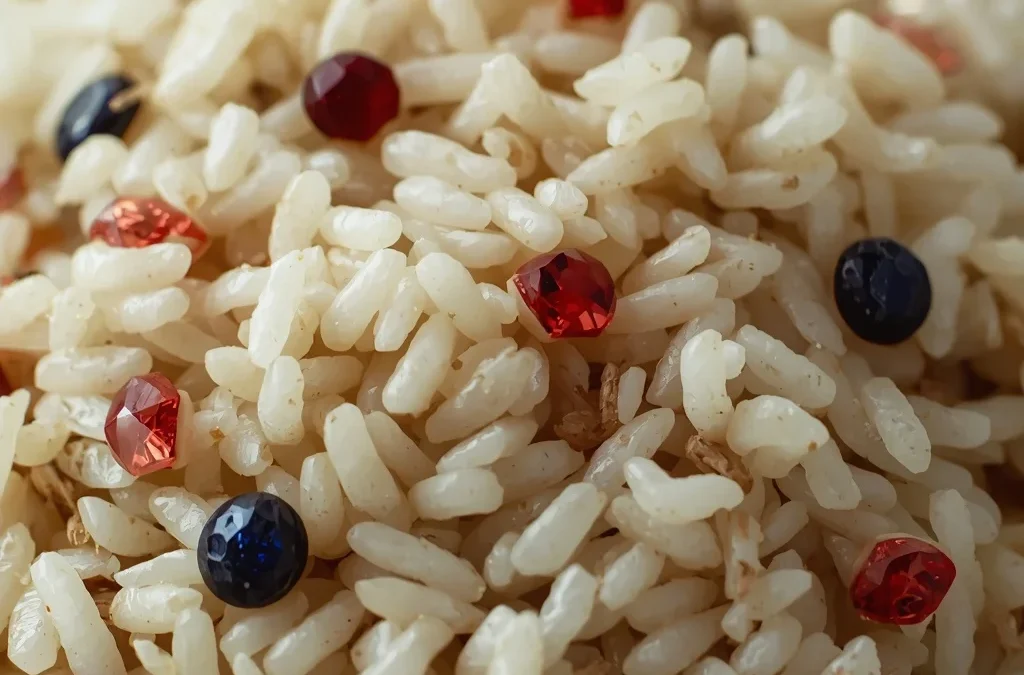
A batch of Persian jeweled rice is a traditional festive rice dish famous for its vibrant colors, rich textures, and royal history. In the Persian language, Javaher means jewels, and Polow refers to a cooked rice dish layered with fragrant ingredients. The dish earns its poetic name because the colorful garnishes scattered across the fluffy white and yellow rice resemble precious gems, including rubies, gold, emeralds, and pearls.
Ingredients
Scale
For the Rice
- 2 cups basmati rice
- 3 tbsp vegetable oil or ghee
- 1 large onion, thinly sliced
- 1 tsp ground cinnamon
- ½ tsp ground cumin
- ¼ tsp ground cardamom
- ¼ tsp ground turmeric
- ½ tsp salt
- 2 tbsp sugar
- ¼ cup raisins
- ¼ cup dried cranberries
- ¼ cup dried apricots, finely chopped
- ¼ cup slivered almonds
- ¼ cup shelled pistachios
- 2 tbsp orange zest
- 2 tbsp rose water
- 2½ cups water, plus more for soaking and boiling
- Optional: a pinch of saffron threads
Instructions
- Wash and soak the rice: Rinse the basmati rice several times until the water runs mostly clear. Soak it in salted water for 30 minutes.
- Prepare the dried fruits: In a small bowl, soak the raisins, cranberries, and chopped apricots in warm water for about 10 minutes. Drain well.
- Cook the onion: Heat 1½ tbsp oil or ghee in a large pan over medium heat. Add the sliced onion and cook until golden brown and caramelized.
- Add spices and fruits: Add cinnamon, cumin, cardamom, turmeric, and the dried fruits. Stir for 2–3 minutes. Add sugar and orange zest, then remove from the heat.
- Parboil the rice: Bring a large pot of salted water to a boil. Drain the soaked rice and add it to the boiling water. Cook for about 5–7 minutes, until the outside is tender but the center remains slightly firm. Drain.
- Create the rice layers: Add the remaining oil or ghee to the bottom of the pot. You can place thin slices of potato or pieces of flatbread on the bottom for a crispy tahdig, if desired.
- Steam the rice: Add a layer of rice, followed by some of the fruit and onion mixture. Continue layering until everything is used. Drizzle rose water and optional saffron over the top.
- Cook: Cover the pot with a clean kitchen towel and lid. Cook over low heat for 30–35 minutes, allowing the rice to steam and become fluffy.
- Add the nuts: Lightly toast the almonds and pistachios in a dry pan. Gently fluff the rice and mix in some of the nuts, reserving some for garnish.
- Serve: Transfer the jeweled rice to a serving platter and garnish with the remaining nuts, dried fruit, and caramelized onions.
Notes
For the most vibrant presentation, keep the colorful dried fruits and nuts partially separate rather than mixing everything into the rice. This creates the beautiful “jewels” effect that gives the dish its name.
- Prep Time: 30 minutes
- Cook Time: 45 minutes
- Category: Side Dish
- Method: Stovetop
- Cuisine: Persian
Nutrition
- Serving Size: 1 serving
- Calories: 390 kcal
Keywords: Javaher Polow recipe, Persian jewel rice, homemade Persian jeweled rice
