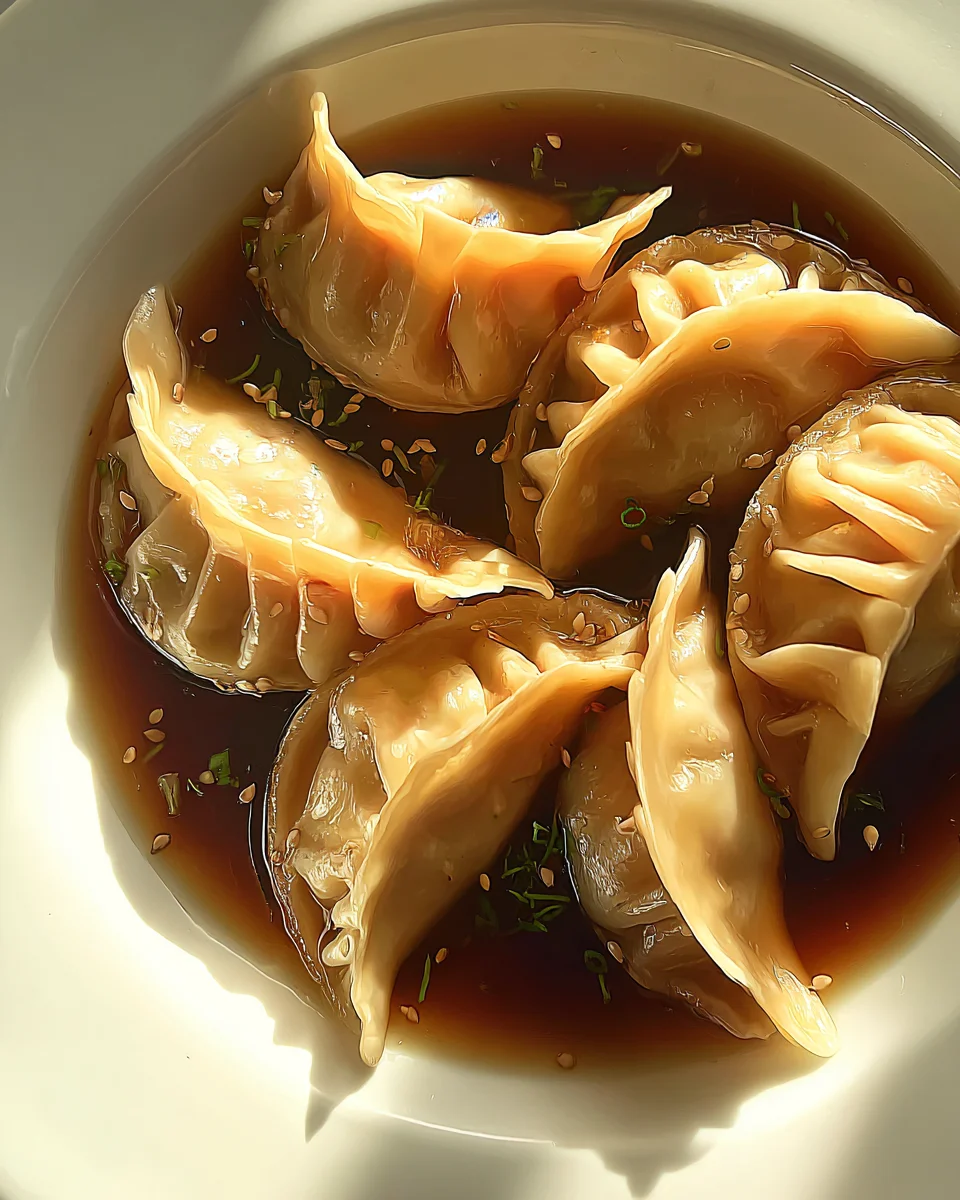
There is something inherently magical about the sound of a dumpling hitting a hot, oiled pan. That initial sizzle promises a texture that is both crispy and tender, a hallmark of a perfectly executed meal. When you pair that crunch with the earthy, fermented depth of a traditional Japanese soup base, you create a dish that transcends simple comfort food. Today, we are diving deep into the art of making Potstickers with Ginger Miso Broth, a recipe that balances savory proteins, aromatic aromatics, and a warm, soul-soothing liquid gold.
Whether you are looking for a weekend project to share with friends or a sophisticated weeknight dinner that feels like it came from a high-end bistro, this combination hits every mark. This guide will walk you through the nuances of folding, the science of the pan-fry-steam method, and the delicate balance of flavors required to make your broth stand out.
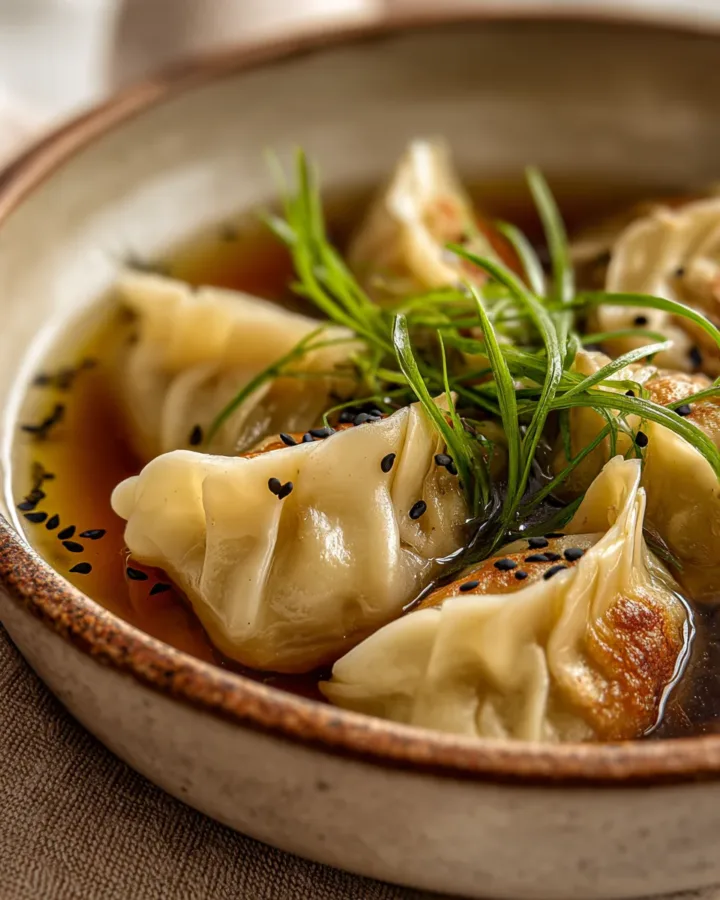
What is Potstickers with Ginger Miso Broth?
To understand this dish, we have to look at its two distinct components. Potstickers, known as guotie in Chinese cuisine or gyoza in Japan, are a type of dumpling defined by their cooking method. Unlike boiled or steamed dumplings, these are fried on the bottom to create a “crust” that sticks slightly to the pan before being steamed to cook the filling through.
The Ginger Miso Broth serves as the bath for these savory morsels. Miso is a traditional Japanese seasoning produced by fermenting soybeans with salt and koji. When combined with the sharp, spicy notes of fresh ginger, it creates a light yet complex soup base. Together, the potstickers and broth offer a contrast of textures: the chewy dough, the juicy interior filling, and the velvety, warm liquid that ties everything together.
Origin of the Recipe
The history of the potsticker is steeped in culinary legend. One popular story dates back to the Song Dynasty in China, where a chef supposedly left a pot of dumplings on the stove for too long. Instead of throwing away the burnt-bottomed snacks, he served them, and the “stuck-to-the-pot” dumpling became an instant hit. Over centuries, this style traveled across Asia, eventually evolving into the Japanese gyoza after World War Two.
The addition of a miso-based broth is a more modern, fusion-style approach. While dumplings are often served with a simple dipping sauce of soy and vinegar, placing them in a bowl of broth transforms the snack into a complete, balanced meal. It draws inspiration from Japanese ramen and Chinese wonton soup, merging the best of both worlds into a single, cohesive experience.
Essential Ingredients for Potstickers with Ginger Miso Broth
Quality matters when you are working with fermented flavors like miso and fresh aromatics like ginger. To make enough for a satisfying meal for four, you will need to gather the following items.
For the Potstickers
-
Twenty-five to thirty high-quality dumpling wrappers (store-bought or handmade)
-
Two hundred and fifty grams of ground protein (chicken, pork, or crumbled firm tofu)
-
One cup of finely chopped cabbage (napa cabbage is preferred for its softness)
-
Two green onions, finely chopped
-
Two cloves of garlic, minced into a paste
-
One teaspoon of grated fresh ginger
-
One tablespoon of soy sauce
-
One teaspoon of toasted sesame oil
-
A generous pinch of salt and pepper
-
One to two tablespoons of neutral vegetable oil for frying
-
One half cup of water for the steaming process
For the Ginger Miso Broth
-
Four cups of vegetable or chicken broth (low sodium is best to control the salt)
-
Two tablespoons of miso paste (white or yellow varieties are milder and work best here)
-
One tablespoon of freshly grated ginger
-
One tablespoon of soy sauce
-
One teaspoon of sesame oil
-
One clove of garlic, finely minced
-
Optional Additions: Sliced mushrooms, baby spinach, or small cubes of silken tofu
Step by Step Direction and Preparation Method: Potstickers with Ginger Miso Broth
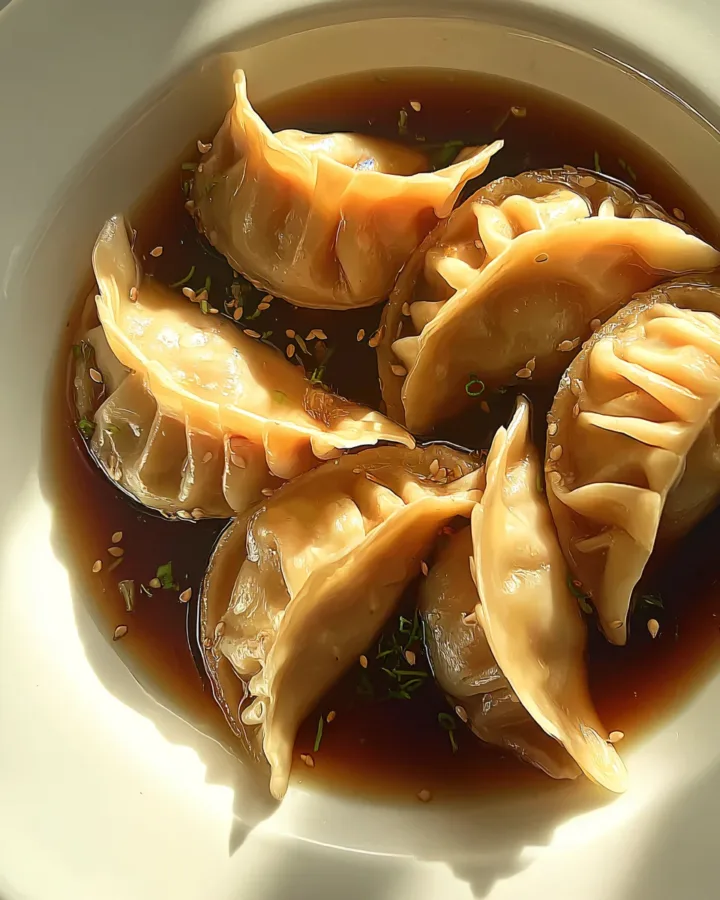
Creating Potstickers with Ginger Miso Broth is a labor of love that involves three main phases: preparing the filling, the assembly, and the dual-stage cooking process.
Phase One: Creating the Filling
Start by preparing your vegetables. If you are using cabbage, it is helpful to sprinkle a little salt on it first and let it sit for five minutes, then squeeze out the excess moisture. This prevents your dumplings from becoming soggy. In a large mixing bowl, combine your choice of protein—be it pork, chicken, or tofu—with the cabbage, green onions, garlic, ginger, soy sauce, and sesame oil. Mix vigorously until the mixture becomes slightly tacky; this ensures the filling stays together inside the wrapper.
Phase Two: The Art of Folding
Place a single dumpling wrapper on a clean surface. Put approximately one teaspoon of filling in the center. Avoid overfilling, as this will cause the wrapper to tear during cooking. Dip your finger in water and run it along the edge of the wrapper. Fold the wrapper in half over the filling. You can simply press the edges together for a half-moon shape, or create small pleats along one side for a professional look. Ensure there are no air bubbles trapped inside.
Phase Three: Achieving the Perfect Sear
Heat your vegetable oil in a large non-stick skillet over medium heat. Arrange the dumplings in the pan, flat-side down. Do not crowd them; they need space for the heat to circulate. Fry them for about two to three minutes until the bottoms are a deep golden brown.
Once the bottoms are crispy, pour in the one half cup of water and immediately cover the pan with a tight-fitting lid. The steam will cook the dough and the raw filling inside. Let them steam for about five to six minutes. Finally, remove the lid and continue cooking until the remaining water has evaporated and the bottoms become crisp once again.
Phase Four: Crafting the Ginger Miso Broth
While the dumplings are steaming, you can prepare the liquid component. Bring your four cups of broth to a gentle simmer in a medium pot. Add the ginger, garlic, and soy sauce. If you are using mushrooms or spinach, add them now and let them soften.
Crucial Step: Once the broth is hot, turn the heat to the lowest setting. Take a small ladle of the warm broth and put it into a separate bowl with your miso paste. Whisk it until the miso is completely dissolved into a smooth liquid, then pour that mixture back into the main pot. Never boil the broth once the miso has been added, as high heat destroys the delicate probiotic cultures and alters the nuanced flavor profile. Finish with a drizzle of sesame oil.
Variations to Suit Your Palate
The beauty of Potstickers with Ginger Miso Broth lies in its versatility. You can easily adapt this recipe to fit various dietary needs or flavor preferences.
-
The Seafood Twist: Substitute the ground meat with finely chopped shrimp. The sweetness of the shrimp pairs exceptionally well with the ginger in the broth.
-
Vegan Excellence: Use a mix of finely chopped shiitake mushrooms and crumbled extra-firm tofu for the filling. Ensure you use a high-quality vegetable stock for the broth.
-
Spicy Kick: If you enjoy heat, add a teaspoon of chili bean paste (Toban Djan) to the filling or swirl a generous amount of chili oil into the finished broth.
-
The Crunch Factor: Add finely diced water chestnuts to the filling for a refreshing crunch that survives the steaming process.
Pro-Tips for the Home Chef
To truly surpass the quality of a standard restaurant dish, keep these small tips in mind:
-
Temperature Control: When frying the dumplings, keep the heat at a steady medium. If the pan is too hot, the bottoms will burn before the steam has a chance to cook the insides.
-
Wrapper Freshness: If your wrappers feel dry or brittle, they are likely old. Fresh wrappers are more pliable and seal better without cracking.
-
The Miso Choice: White miso (Shiro Miso) is sweeter and lighter, making it perfect for a delicate broth. Red miso (Aka Miso) is saltier and more pungent; use it sparingly if you want a bolder flavor.
Frequently Asked Questions: Potstickers with Ginger Miso Broth
Can I freeze the dumplings before cooking?
Yes! In fact, potstickers freeze beautifully. Place the uncooked dumplings on a baking sheet in a single layer and freeze until solid. Then, transfer them to a freezer bag. When you are ready to eat, you can cook them directly from frozen—just add a couple of extra minutes to the steaming stage.
Why did my dumplings stick to the pan?
This usually happens if the pan wasn’t hot enough when you added the oil, or if you aren’t using a non-stick surface. Make sure the oil is shimmering before placing the dumplings down, and resist the urge to move them until the initial sear is complete.
Is miso broth healthy?
Miso is a fermented food, meaning it is rich in beneficial bacteria that support gut health. It also contains essential minerals and vitamins. By using a low-sodium broth and plenty of ginger, you are creating a nutrient-dense meal that is also easy on the digestive system.
What should I serve as a garnish?
The garnishes are what make the dish look “restaurant-ready.” Thinly sliced green onions, a sprinkle of toasted sesame seeds, and a few drops of bright red chili oil provide a beautiful contrast against the cloudy miso broth.
Can I make the broth ahead of time?
You can prepare the base broth (stock, ginger, garlic) in advance. However, wait until you are ready to serve before adding the miso paste and the cooked potstickers to ensure the best texture and flavor.
Conclusion: Potstickers with Ginger Miso Broth
Mastering the art of Potstickers with Ginger Miso Broth is a rewarding journey that brings the complex flavors of East Asian cuisine right into your kitchen. By focusing on the contrast between the crispy-bottomed dumplings and the savory, aromatic broth, you create a multi-sensory dining experience. It is a dish that feels sophisticated yet remains deeply rooted in the traditions of comfort food. As you assemble your ingredients and begin the process of folding and searing, remember that patience is your best friend. Taking the time to properly sear the dumplings and carefully dissolve the miso will result in a bowl of soup that is far superior to anything you might find in a standard takeout box. So, gather your ingredients, fire up the stove, and prepare to enjoy a meal that is as nourishing for the soul as it is for the body.
Print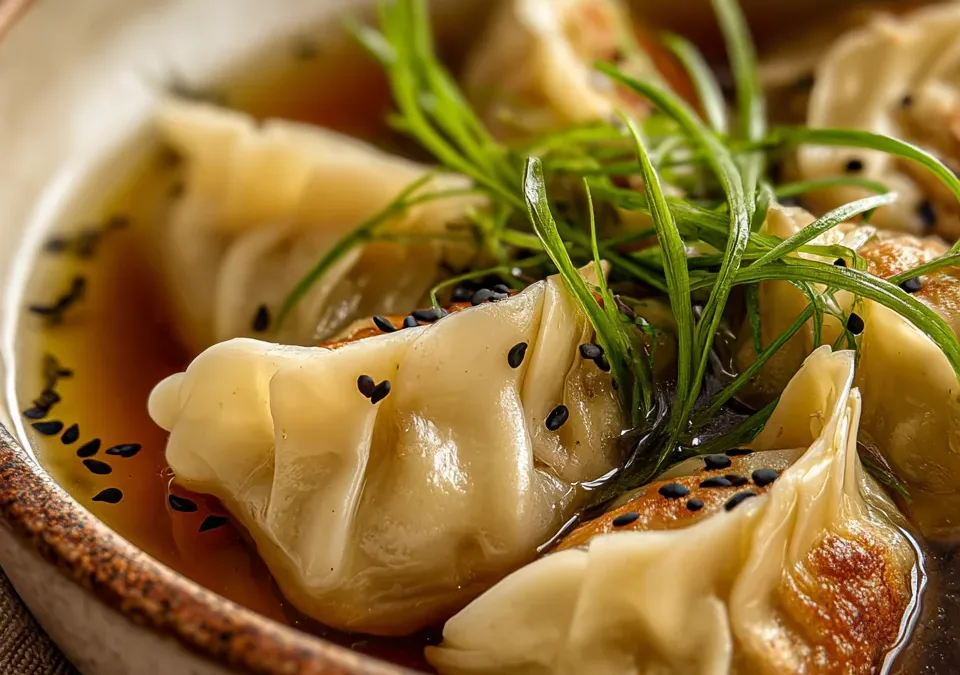
The Ultimate Guide to Crafting Potstickers with Ginger Miso Broth
- Total Time: 35 minutes
- Yield: 4 servings 1x
- Diet: Vegetarian
Description
To understand this dish, we have to look at its two distinct components. Potstickers, known as guotie in Chinese cuisine or gyoza in Japan, are a type of dumpling defined by their cooking method. Unlike boiled or steamed dumplings, these are fried on the bottom to create a “crust” that sticks slightly to the pan before being steamed to cook the filling through.
Ingredients
- 25–30 dumpling wrappers
- 250g ground chicken, pork, or tofu
- 1 cup finely chopped cabbage
- 2 green onions, chopped
- 2 cloves garlic, minced
- 1 tsp grated fresh ginger
- 1 tbsp soy sauce
- 1 tsp sesame oil
- Salt & pepper to taste
- 1–2 tbsp oil (for frying)
- ½ cup water (for steaming)
Instructions
- Make filling:
Mix meat/tofu, cabbage, green onions, garlic, ginger, soy sauce, sesame oil, salt, and pepper. - Fill dumplings:
Place ~1 tsp filling in each wrapper. Wet edges, fold, and seal (pleat if you like). - Cook potstickers:
- Heat oil in a nonstick pan over medium heat.
- Place dumplings flat-side down and cook until golden (2–3 min).
- Add water, cover immediately, and steam for 5–6 minutes.
- Remove lid and cook until water evaporates and bottoms crisp again.
Notes
The savory richness of the potstickers pairs beautifully with the umami depth of miso and the gentle heat of fresh ginger.
- Prep Time: 20 minutes
- Cook Time: 15 minutes
- Category: Main Course
- Method: Pan-fry
- Cuisine: Asian-inspired
Nutrition
- Serving Size: 6–8 potstickers with broth
- Calories: ~320 kcal
Keywords: Dumplings in Miso Soup, Pan-Fried Gyoza Broth, Ginger Miso Dumpling Soup, Crispy Potsticker Soup
