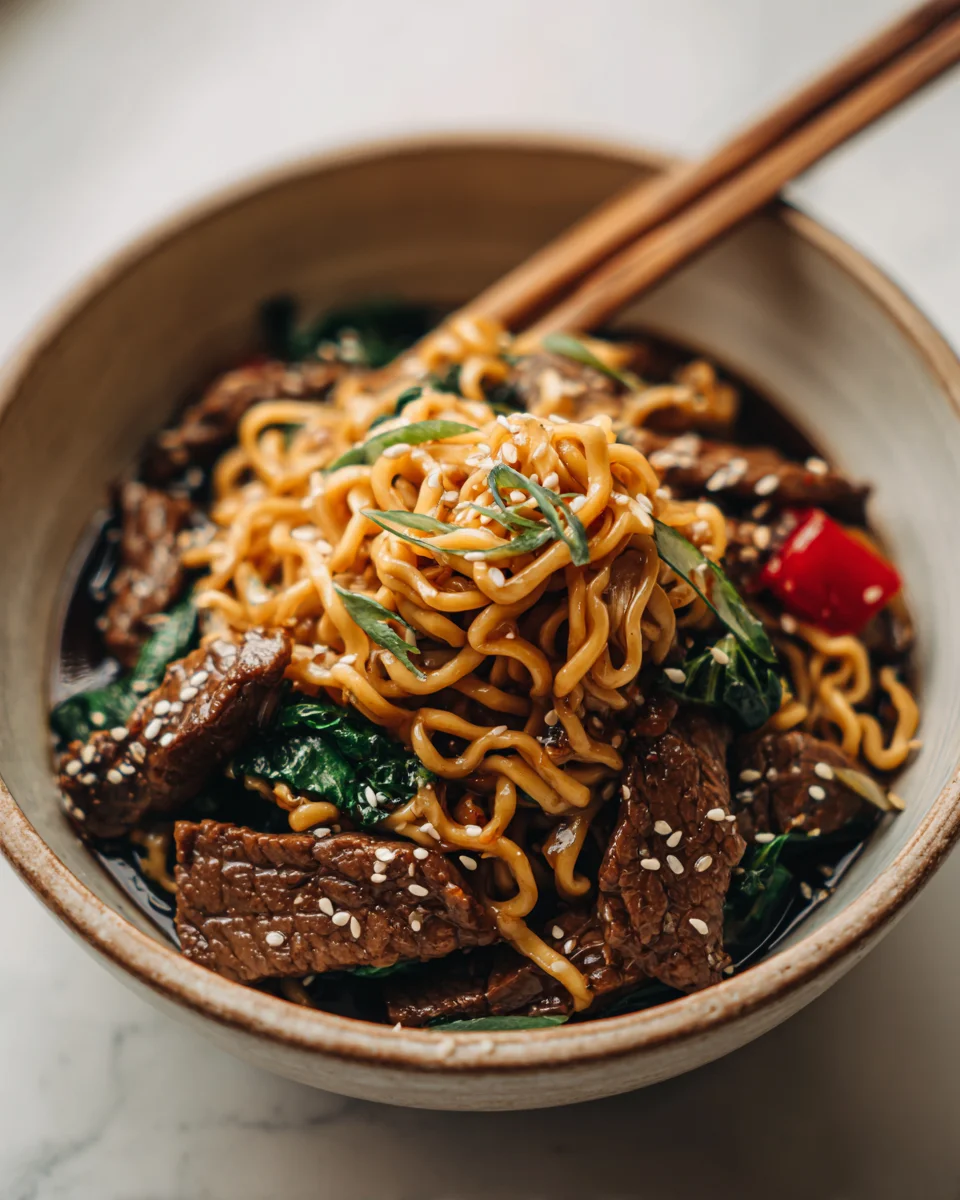
When you think about a quick meal, ramen often comes to mind as the quintessential comfort food. However, we are moving far beyond the simple styrofoam cup and the salty seasoning packet. Today, we are elevating this humble noodle into a sophisticated, nutrient-dense masterpiece known as the Protein Ramen Stir Fry. This dish is designed for anyone who needs a lightning-fast dinner that does not compromise on nutritional value or bold, savory flavors. It is the perfect marriage of chewy noodles, crisp vegetables, and high-quality protein, all brought together by a sauce that hits every note of the palate.
The beauty of a Protein Ramen Stir Fry lies in its incredible flexibility. Whether you are a busy professional, a student on a budget, or a fitness enthusiast looking for a post-workout refuel, this recipe provides a solid foundation that you can customize to your heart’s content. By stripping away the processed seasoning packets and replacing them with fresh aromatics and classic Asian condiments, you transform a pantry staple into a gourmet experience. In this guide, we will walk through the cultural roots of this dish, the essential components that make it successful, and a step-by-step method to ensure your noodles never turn into a soggy mess.
What Exactly is a Protein Ramen Stir Fry?
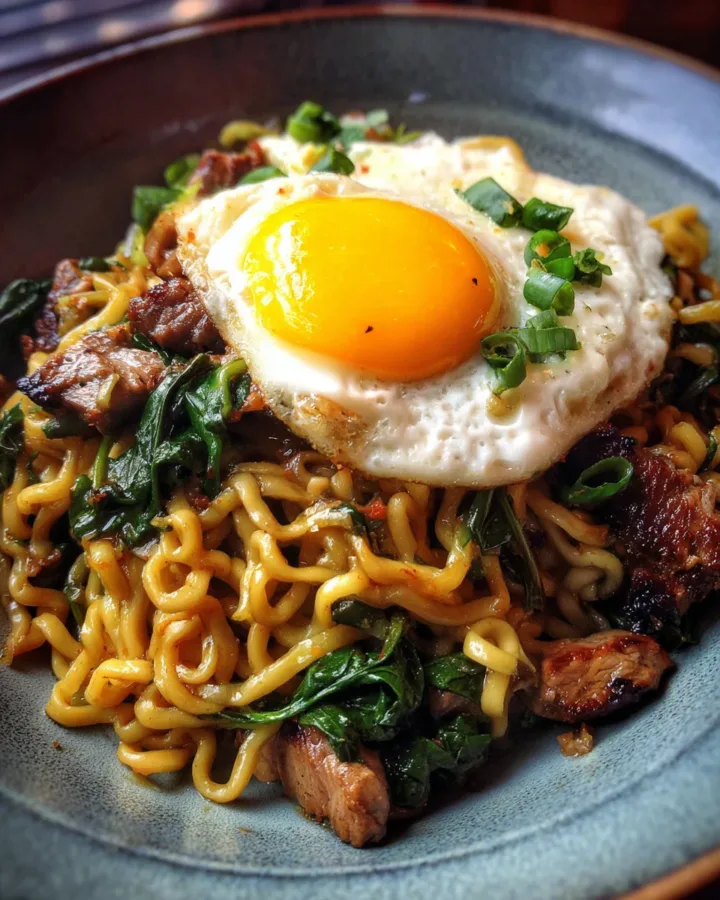
At its most basic definition, a Protein Ramen Stir Fry is a fusion dish that takes the quick-cooking wheat noodles traditionally used in Japanese soups and prepares them using a Chinese stir-frying technique. Unlike the soup version, which relies on a deep, complex broth, the stir-fry version focuses on the “wok hei” or the breath of the pan. The goal is to toss the ingredients over high heat so that the sauce coats every strand of noodle without drowning them.
This version is specifically labeled “protein-packed” because it moves the focus from the carbohydrates of the noodles to a balanced ratio of lean meats and eggs. It is a complete meal in a single pan, providing a structured balance of macro-nutrients. The noodles act as the vehicle, the vegetables provide the crunch and micronutrients, and the protein ensures that you stay full and satisfied for hours. It is a modern solution to the “what is for dinner” dilemma, offering a restaurant-quality taste in under twenty minutes of active cooking time.
The Origin of Ramen and the Stir Fry Evolution
To appreciate the Protein Ramen Stir Fry, one must look at the fascinating history of ramen itself. While often associated with Japan, ramen actually has its roots in Chinese wheat noodles. It was introduced to Japan in the late nineteenth or early twentieth century and eventually evolved into the regional broth-based specialties we know today. The invention of instant ramen by Momofuku Ando in the late nineteen fifties changed the world, making this style of noodle accessible to everyone, everywhere.
The transition from soup to stir-fry is a natural evolution of home cooking. Across Asia, various forms of fried noodles—such as Chow Mein, Lo Mein, or Yakisoba—have existed for centuries. As global home cooks looked for ways to make instant ramen more substantial and less processed, the technique of discarding the flavor packet and “frying” the boiled noodles became a viral sensation. This recipe represents the pinnacle of that evolution, focusing on fresh ingredients and balanced nutrition while retaining the beloved texture of the classic ramen noodle.
Why This Specific Protein Ramen Stir Fry Works
Many noodle recipes fall flat because they lack depth or become too greasy. This Protein Ramen Stir Fry succeeds because it balances the five basic tastes: salty, sweet, sour, bitter, and umami. The soy sauce and oyster sauce provide the deep umami base, while a touch of honey or brown sugar cuts through the saltiness to create a rounded flavor profile. The inclusion of fresh ginger and garlic adds a sharp, aromatic quality that wakes up the senses.
Furthermore, the cooking order is strategic. By cooking the eggs separately and adding them back at the end, you ensure they remain fluffy and distinct rather than disappearing into a muddy sauce. Similarly, flash-frying the vegetables ensures they maintain their vibrant colors and a “tender-crisp” bite, which provides a necessary textural contrast to the soft, chewy noodles. This attention to detail is what elevates a simple stir-fry into something truly special.
Essential Ingredients and Quantities: Protein Ramen Stir Fry
To make a truly great Protein Ramen Stir Fry, you need to gather high-quality ingredients. While the noodles are the base, the quality of your protein and vegetables will define the final dish.
The Foundation and Aromatics
-
Ramen Noodles: Two packs. You will want to discard the silver seasoning packets that come inside, as we are creating our own much healthier and tastier sauce from scratch.
-
Cooking Oil: One tablespoon. You can use a high-smoke-point vegetable oil, but using sesame oil will add an extra layer of toasted, nutty aroma that is quintessential to Asian cuisine.
-
Garlic: Two cloves, finely minced. Fresh garlic is non-negotiable here; the jarred version simply does not have the same punch.
-
Ginger: One teaspoon, minced. While optional, ginger provides a bright, peppery heat that balances the richness of the protein.
The Protein and Bulk
-
Cooked Protein: One cup. This is where you can get creative. Sliced chicken breast, succulent shrimp, pan-seared tofu cubes, or thinly sliced flank steak all work beautifully. Since the protein is already cooked, this is a fantastic way to use up leftovers.
-
Eggs: Two large eggs, lightly beaten. These add richness and an additional boost of protein.
-
Mixed Vegetables: One cup. A blend of red bell peppers, shredded carrots, small broccoli florets, and snap peas works best. The more colors you include, the more nutrients you get.
The Signature Stir Fry Sauce
-
Soy Sauce: Two tablespoons. This is the primary salt and umami source.
-
Oyster Sauce: One tablespoon. This adds a thick, savory sweetness and a beautiful glossy sheen to the noodles.
-
Chili Sauce or Sriracha: One teaspoon. This is optional for those who enjoy a bit of a kick.
-
Honey or Brown Sugar: One teaspoon. This balances the salt of the soy sauce and helps with caramelization.
-
Black Pepper: One half teaspoon. Freshly ground is best for a sharp, biting finish.
Garnishes
-
Green Onions: Finely chopped for a fresh, oniony bite.
-
Sesame Seeds: For a bit of crunch and visual appeal.
Step by Step Direction and Preparation Method: Protein Ramen Stir Fry
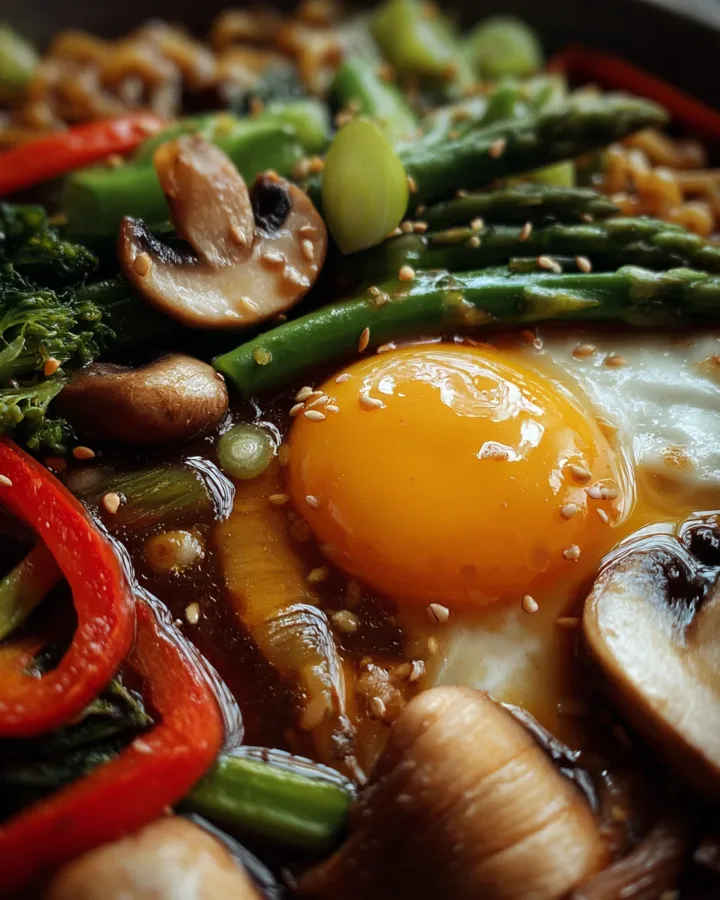
Precision in timing is the secret to a professional-level Protein Ramen Stir Fry. Because stir-frying happens so quickly, you should have all your ingredients chopped and your sauce pre-mixed before you even turn on the stove.
Step One: The Noodle Prep
Bring a pot of water to a boil and cook your ramen noodles according to the package instructions. However, here is a professional tip: cook them for one minute less than the package suggests. They should be “al dente,” or slightly firm to the bite. This is crucial because they will finish cooking in the pan later with the sauce. Once cooked, drain them immediately and rinse them under cold water to stop the cooking process and remove excess starch. Set them aside.
Step Two: Scrambling the Eggs
Heat your tablespoon of oil in a large skillet or a wok over medium-high heat. Once the oil is shimmering, pour in your lightly beaten eggs. Use a spatula to quickly scramble them until they are just set but still soft. Immediately remove the eggs from the pan and set them aside on a clean plate. This prevents them from becoming rubbery while you cook the rest of the ingredients.
Step Three: Sautéing the Aromatics
In the same pan, add another small drizzle of oil if it looks dry. Toss in your minced garlic and ginger. You only need to sauté these for about thirty seconds. You will know they are ready when the kitchen begins to smell incredible. Be careful not to let the garlic turn brown or black, as it will become bitter and ruin the flavor of your Protein Ramen Stir Fry.
Step Four: The Vegetable and Protein Flash Fry
Add your cup of mixed vegetables to the pan. If you are using harder vegetables like broccoli or carrots, add those first, followed by the softer peppers a minute later. Stir-fry these for about three to five minutes. You want them to be bright in color and slightly softened but still have a satisfying crunch. Once the veggies are ready, toss in your pre-cooked protein of choice just to warm it through and let it pick up the garlic and ginger flavors.
Step Five: The Great Assembly
Now, add your cooked and drained noodles back into the pan with the vegetables and protein. Pour your pre-mixed sauce (soy sauce, oyster sauce, chili sauce, honey, and pepper) over the top. Use a pair of tongs or a large spatula to toss everything together vigorously. The goal is to ensure every single noodle is coated in that dark, glossy sauce. The heat will cause the honey and sauces to bubble and thicken, clinging to the noodles.
Step Six: The Final Integration
Add your scrambled eggs back into the pan. Give everything one last thorough mix to distribute the eggs evenly. Let it cook for another one to two minutes, allowing the noodles to absorb the last bit of sauce and heat through completely.
Step Seven: Serving with Style
Transfer your Protein Ramen Stir Fry to bowls. While it is still steaming hot, garnish generously with chopped green onions and a sprinkle of sesame seeds. This adds a layer of freshness and texture that completes the dish.
Exciting Variations to Suit Your Cravings
The beauty of this recipe is that it can change every time you make it. Here are a few ways to switch things up.
-
The Vegan Powerhouse: Use firm tofu or tempeh as your protein and skip the eggs. Replace the oyster sauce with a vegetarian stir-fry sauce or extra thick soy sauce. Load up on mushrooms for that extra hit of umami.
-
The Spicy Seafood Special: Use shrimp and scallops as your protein. Double the amount of sriracha and add a few red pepper flakes. A squeeze of fresh lime juice at the end will brighten the seafood flavors beautifully.
-
The Nutty Satay Version: Whisk a tablespoon of peanut butter into your sauce mixture before adding it to the pan. This creates a creamy, Southeast Asian-inspired flavor profile that pairs perfectly with chicken and crushed peanuts on top.
-
The Healthier Twist: If you are watching your refined carb intake, swap the traditional ramen noodles for whole wheat noodles, buckwheat soba, or even rice noodles. The technique remains exactly the same.
-
The Kitchen Sink Method: This is the ultimate “clean out the fridge” meal. Have half an onion? A bit of leftover steak? Some frozen peas? Throw them all in. The robust sauce is very forgiving and ties disparate ingredients together seamlessly.
Frequently Asked Questions: Protein Ramen Stir Fry
Can I make Protein Ramen Stir Fry ahead of time for meal prep?
Yes, the Protein Ramen Stir Fry holds up quite well. You can store it in an airtight container in the refrigerator for up to three days. When reheating, I recommend adding a tiny splash of water or soy sauce to the container before microwaving to help loosen the noodles and restore the saucy consistency.
Why do my noodles always stick together?
Noodles stick together when they are overcooked or when they sit in their own starch for too long. To prevent this, always rinse your noodles in cold water immediately after draining. This washes away the surface starch. Additionally, a tiny drop of oil tossed into the cold noodles can keep them separated until you are ready to add them to the wok.
Is oyster sauce absolutely necessary?
While you can make a stir-fry with just soy sauce, oyster sauce provides a specific thickness and a savory-sweet depth that is hard to replicate. If you do not have it, you can substitute it with a mixture of soy sauce and extra honey, or use a hoisin sauce for a similar effect.
Can I use frozen vegetables?
Absolutely. Frozen stir-fry vegetable blends are a huge time-saver. Just make sure to thaw them slightly or cook them for an extra minute or two in the pan to ensure they are heated through and any excess moisture has evaporated before adding the noodles.
How do I make this more filling?
If you find you are still hungry, increase the volume of vegetables rather than the noodles. Cabbage, bok choy, and bean sprouts are excellent high-volume, low-calorie additions that make the portion look and feel much larger.
Conclusion: Protein Ramen Stir Fry
The Protein Ramen Stir Fry is a perfect example of how a few simple techniques can turn ordinary pantry items into a nutritious and exciting meal. It challenges the idea that “fast food” has to be unhealthy or uninspired. By taking control of the ingredients—choosing lean proteins, vibrant vegetables, and a balanced homemade sauce—you are fueling your body with the quality it deserves while satisfying your cravings for bold, savory flavors. This dish is a celebration of efficiency and taste, proving that you can be a gourmet chef in your own kitchen, even on your busiest nights.
As you master the basic rhythm of this recipe—prepping, searing, and tossing—you will find yourself reaching for this skillet time and time again. It is a reliable, delicious, and incredibly satisfying staple that belongs in every home cook’s arsenal. Whether you stick to the classic chicken and broccoli combo or venture into spicy shrimp satay territory, the result is guaranteed to be a hit. So, put away the flavor packets, fire up your pan, and enjoy the process of creating a meal that is as rewarding to cook as it is to eat.
Print
The Ultimate Guide to Crafting a Perfect Protein Ramen Stir Fry
- Total Time: 25 minutes
- Yield: 2 servings 1x
Description
At its most basic definition, a Protein Ramen Stir Fry is a fusion dish that takes the quick-cooking wheat noodles traditionally used in Japanese soups and prepares them using a Chinese stir-frying technique. Unlike the soup version, which relies on a deep, complex broth, the stir-fry version focuses on the “wok hei” or the breath of the pan. The goal is to toss the ingredients over high heat so that the sauce coats every strand of noodle without drowning them.
Ingredients
- 2 packs ramen noodles (discard seasoning packets)
- 1 tbsp oil (vegetable or sesame oil)
- 1 cup cooked protein (chicken, shrimp, tofu, or beef)
- 2 eggs (lightly beaten)
- 2 cloves garlic (minced)
- 1 tsp ginger (minced, optional)
- 1 cup mixed vegetables (bell peppers, carrots, broccoli, snap peas)
- 2 tbsp soy sauce
- 1 tbsp oyster sauce (optional)
- 1 tsp chili sauce or sriracha (optional)
- 1 tsp honey or brown sugar
- ½ tsp black pepper
- Green onions (for garnish)
- Sesame seeds (optional)
Instructions
- Cook noodles
Boil ramen noodles according to package instructions. Drain and set aside. - Cook eggs
Heat oil in a large pan or wok. Pour in beaten eggs, scramble quickly, then remove and set aside. - Stir-fry aromatics
In the same pan, add a little more oil if needed. Sauté garlic and ginger for about 30 seconds. - Add vegetables & protein
Toss in mixed vegetables and your cooked protein. Stir-fry for 3–5 minutes until veggies are tender-crisp. - Add noodles & sauce
Add cooked noodles back to the pan. Pour in soy sauce, oyster sauce, chili sauce, honey, and pepper. Toss everything well. - Combine & finish
Add scrambled eggs back in and mix thoroughly. Cook for another 1–2 minutes. - Serve
Garnish with green onions and sesame seeds. Serve hot!
Notes
- Prep Time: 10 minutes
- Cook Time: 15 minutes
- Category: Main Course
- Method: Stir-fry
- Cuisine: Asian-Inspired
Nutrition
- Serving Size: 1 bowl
- Calories: 450 kcal
Keywords: Healthy Ramen Noodle Stir Fry, High Protein Ramen Bowl, Ground Beef Ramen Stir Fry, Quick Chicken Ramen Skillet
