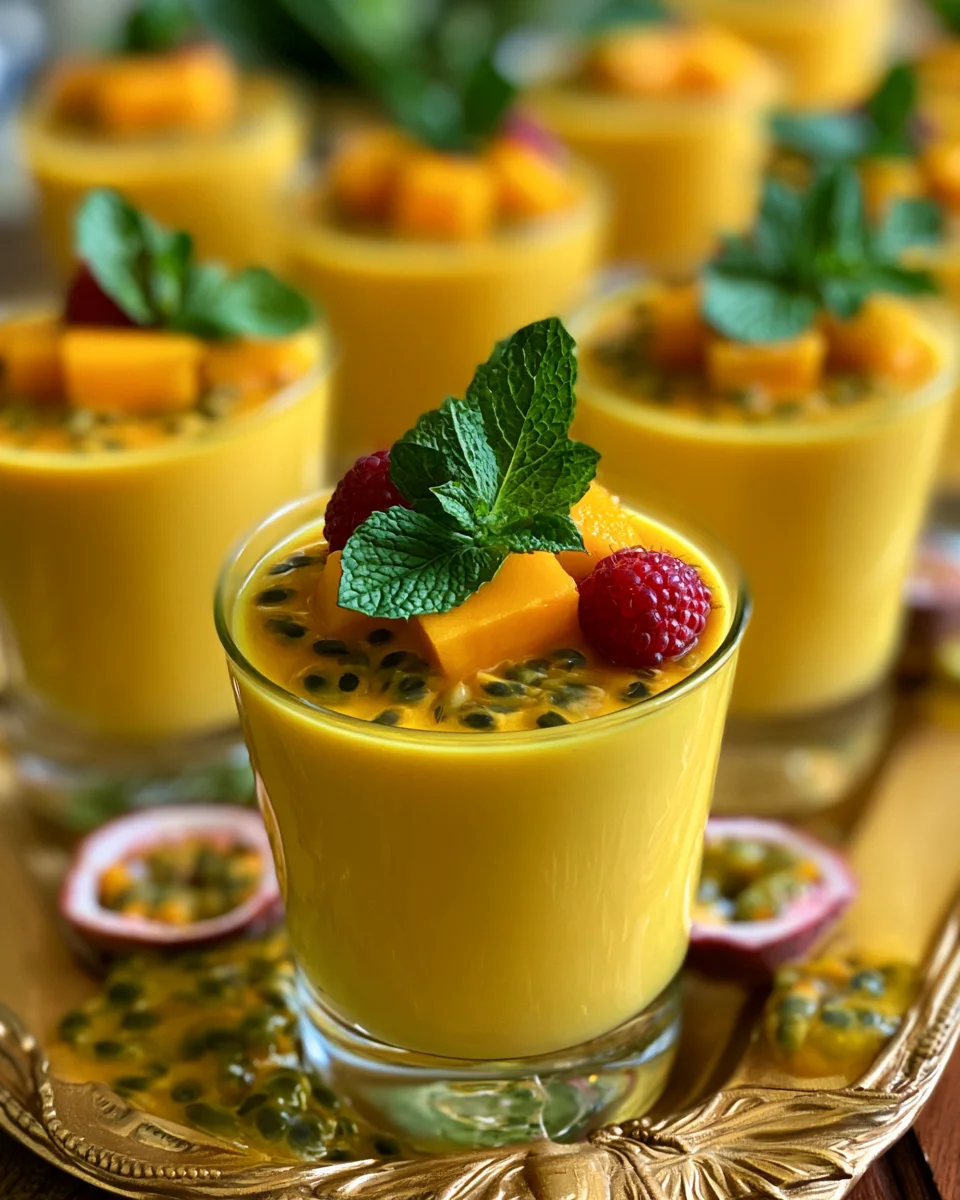
There is nothing quite like a smooth, creamy dessert that feels incredibly luxurious but does not require you to stand over a hot stove for hours. When the weather warms up or when you want to impress dinner party guests with minimal effort, a classic Italian custard with a tropical twist is the ultimate answer. That is exactly where this stunning refreshing mango passionfruit panna cotta comes into play. It balances the velvety, rich texture of a traditional dairy base with the sharp, vibrant acidity of tropical fruits, creating a dessert experience that is bright, sophisticated, and deeply satisfying.
When you master a refreshing mango passionfruit panna cotta, you unlock a reliable, make-ahead sweet treat that looks like it came straight out of a fine dining restaurant. The magic lies in the contrast between the silky vanilla custard and the punchy, aromatic fruit layer resting on top. In this ultimate guide, we will explore the deep history of this classic dessert, dissect how gelatin creates the perfect wobble, and walk through every phase of preparation to guarantee a flawless result every single time.
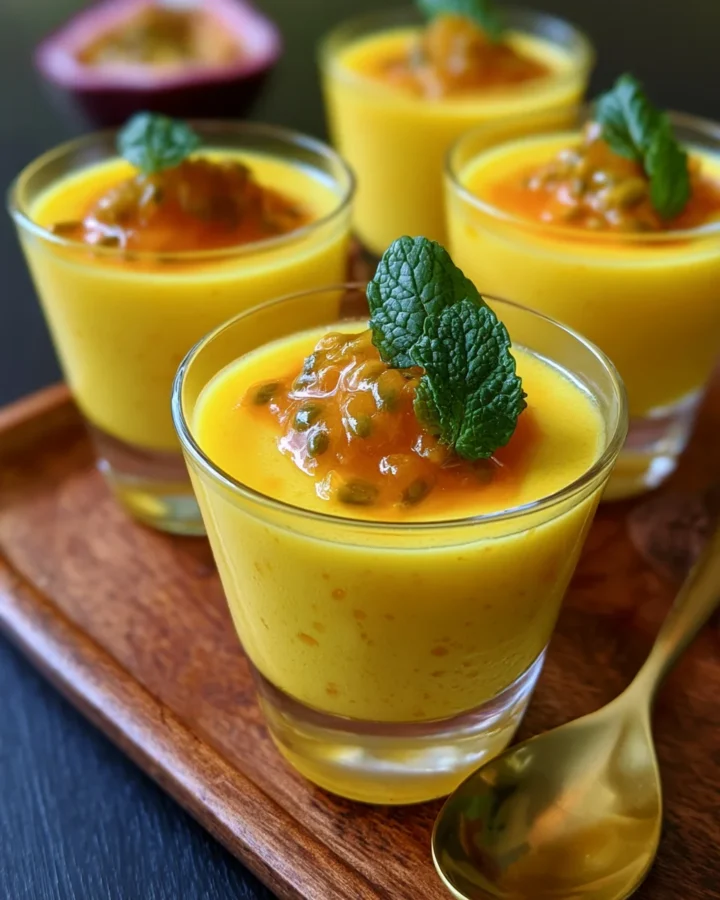
What is a Refreshing Mango Passionfruit Panna Cotta?
To truly appreciate this dessert, it helps to understand what the components bring to the table. At its core, a traditional panna cotta is a molded Italian cream dessert that is thickened with gelatin and served chilled. The words themselves literally translate to baked cream, though the modern process is much simpler, involving heating the liquid gently just enough to dissolve the sugar and activate the setting agent.
When we transform it into a refreshing mango passionfruit panna cotta, we are introducing a beautiful balance of flavors. The base layer is a rich mixture of heavy cream, whole milk, sugar, and pure vanilla extract. It provides a mellow, sweet foundation that coats the palate elegantly. Sitting directly on top of this creamy layer is a vibrant golden puree made from sweet mangoes and tart passionfruit pulp. The naturally sharp, exotic acidity of the fruit cuts right through the heavy dairy richness, ensuring that every spoonful feels refreshing rather than overwhelmingly heavy.
The Rich Culinary Origin of refreshing mango passionfruit panna cotta
While panna cotta is celebrated globally today as a staple of Italian fine dining, its historical roots are somewhat mysterious and deeply tied to the regional traditions of Northern Italy.
The Piedmontese Legend
The most widely accepted origin story traces the dessert back to the Piedmont region of Italy, specifically the area of Langhe, located just south of Turin. Local lore suggests that an old Hungarian woman living in the region invented the very first version of this dish in the early years of the nineteenth century. Dairy has always been an abundant and high-quality resource in Northern Italy, so local cooks were constantly finding creative ways to celebrate fresh cream and milk.
Historically, gelatin powder did not exist in grocery stores. Instead, early cooks would boil down fish bones to extract the natural collagens needed to set their liquids. Over time, as production methods modernized, the recipe evolved into the clean, flavorless gelatin method we enjoy today. In the year two thousand and one, the Piedmont region officially recognized panna cotta as a traditional regional food product, cementing its status in Italian culinary history.
The Tropical Convergence
Bringing mango and passionfruit into the mix is a beautiful example of modern global fusion. Mangoes trace their ancestral roots back to South Asia, particularly India, where they have been cultivated for thousands of years and are deeply tied to cultural traditions. Passionfruit, on the other hand, is native to South America, specifically Brazil, Paraguay, and Northern Argentina, where it thrives in warm, humid climates.
By combining these vibrant, tropical elements with an authentic Italian cream base, this recipe bridges culinary traditions from opposite sides of the world, creating a contemporary classic that appeals to modern palates.
The Science of Achieving the Perfect Panna Cotta Wobble
Creating a spectacular panna cotta is not difficult, but it does rely on a bit of kitchen science. The goal is to achieve a texture that is stable enough to hold its shape when spooned, yet fragile enough to melt away the moment it hits your tongue. This delicate structural balance relies entirely on how you handle the setting agent.
Understanding the Role of Gelatin
Gelatin is a protein derived from animal collagen. When you mix it with liquid and apply heat, the long protein chains unravel and separate. As the liquid cools down later, these proteins begin to form a complex three-dimensional web that traps the water molecules inside, transforming the liquid into a semi-solid state.
If you use too much gelatin, your dessert will end up firm, rubbery, and tough. If you use too little, it will remain a runny liquid that collapses into a puddle. The exact quantities specified in this recipe provide that sought-after restaurant-quality bounce, often referred to by professional pastry chefs as the perfect wiggle.
Ingredients with Quantity: refreshing mango passionfruit panna cotta
To create four generous servings of this spectacular refreshing mango passionfruit panna cotta, gather these simple, high-quality ingredients. Ensure your dairy is completely fresh for the cleanest flavor profile.
For the Silky Cream Base
-
Heavy cream: Two cups, which translates to four hundred and eighty milliliters. This provides the essential fat structure that gives the custard its signature velvety mouthfeel.
-
Whole milk: One cup, or two hundred and forty milliliters. Mixing milk with the heavy cream lightens the overall base so that it does not feel overly dense or heavy.
-
Granulated sugar: One third of a cup, which is roughly sixty-five grams. This provides a clean, moderate sweetness that enhances the natural creaminess without overpowering the dessert.
-
Vanilla extract: One teaspoon. A high-quality vanilla extract brings warmth and a complex floral aroma to the dairy mixture.
-
Unflavored gelatin: Two and one quarter teaspoons, equivalent to seven grams. This is the precise amount required to set the dairy into a delicate, spoonable custard.
-
Cold water: Three tablespoons. This is used exclusively to hydrate and soften the gelatin granules before they enter the hot cream.
For the Vibrant Tropical Topping
-
Mango puree: One cup. You can make this fresh by blending the flesh of sweet, ripe mangoes until completely smooth, or purchase a pre-made premium puree.
-
Passionfruit: Two to three whole fruits. You will need to slice them open and scoop out all the fresh pulp, including the crunchy black seeds which provide a wonderful texture.
-
Honey or sugar: One tablespoon. This ingredient is entirely optional and should be adjusted based on the natural sweetness of your fresh fruits.
-
Fresh mint leaves: A few beautiful leaves, used at the very end to provide a pop of green contrast and a hint of fresh aroma for garnish.
Step-by-Step Direction and Preparation Method: refreshing mango passionfruit panna cotta
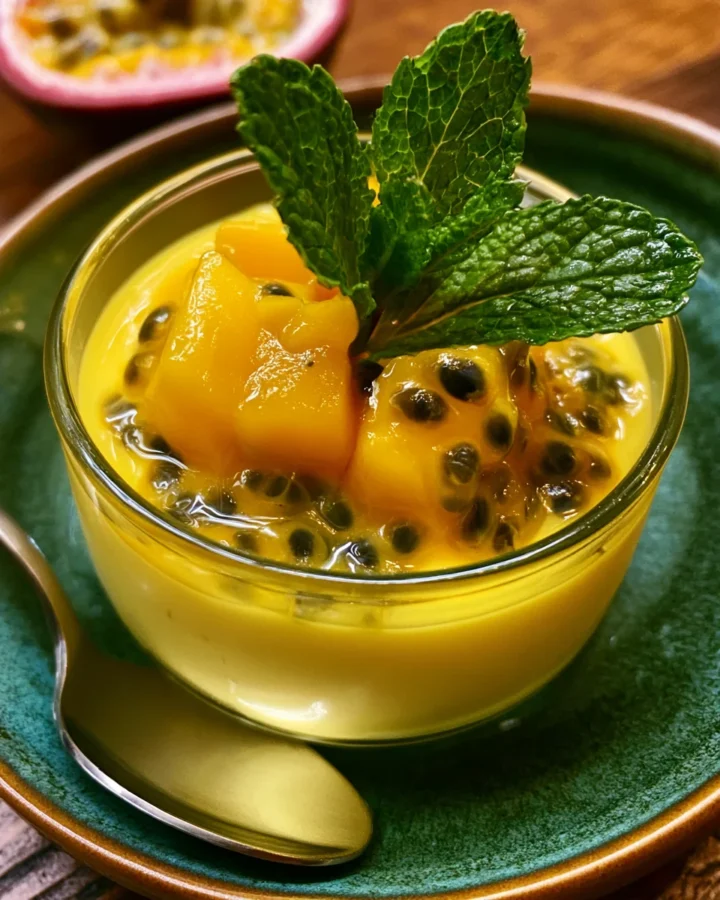
Preparing a refreshing mango passionfruit panna cotta requires careful attention to temperature and timing. Follow these sequential steps to ensure a smooth, lump-free custard and a beautifully layered presentation.
Step One: Blooming the Gelatin
Before gelatin can be introduced to hot liquids, it must undergo a process called blooming. Pour your three tablespoons of cold water into a small, clean bowl. Gently sprinkle the two and one quarter teaspoons of unflavored gelatin evenly across the surface of the water.
Avoid dumping it all in a single heavy pile, as this can trap dry powder in the center. Let this mixture sit completely undisturbed for five minutes. During this time, the gelatin granules will absorb the cold water, swelling up and transforming into a thick, spongy mass. This step ensures that the setting agent will dissolve smoothly and evenly later on without creating unpleasant lumps.
Step Two: Warming the Dairy Foundation
While your gelatin is busy blooming, select a medium-sized saucepan and place it over medium heat on your stove. Pour in the two cups of heavy cream, the single cup of whole milk, and the one third of a cup of granulated sugar.
Grab a wooden spoon or a whisk and stir the mixture continuously as it heats up. Your goal here is to completely dissolve the sugar crystals into the liquid. Watch the saucepan very carefully. You want the mixture to become hot and steamy, but you must prevent it from reaching a rolling boil. Boiling the dairy can alter its delicate protein structures and scorch the bottom of your pan.
Step Three: Integrating the Flavors and Setting Agent
The moment the dairy mixture is hot and the sugar has fully dissolved, turn off the burner and remove the saucepan entirely from the heat source. Drop your spongy, bloomed gelatin directly into the warm liquid. Add the single teaspoon of vanilla extract at the same time.
Stir the mixture gently but thoroughly for a full minute or two. The residual heat of the cream will melt the gelatin instantly, distributing the protein chains evenly throughout the liquid. Ensure you scrape the sides and bottom of the pan to leave no undissolved bits behind.
Step Four: Portioning and the First Chill
Carefully divide the warm cream mixture evenly among four elegant serving glasses, dessert bowls, or ceramic ramekins. If you notice any tiny air bubbles floating on the surface, you can gently pop them with the edge of a spoon to ensure a flawlessly smooth top.
Let the containers sit on your counter for a short while until they cool down to room temperature. Once they are no longer hot, transfer them into your refrigerator. Leave them to chill undisturbed for a minimum of four hours, though letting them rest overnight is even better. This extended cold period allows the gelatin network to firm up and fully set into a luxurious custard.
Step Five: Creating the Tropical Fruit Layer
While your cream base is setting in the fridge, you can prepare the bright topping. In a clean mixing bowl, combine your single cup of smooth mango puree with the fresh pulp scooped out from your two to three passionfruits.
Stir them together until the black passionfruit seeds are evenly distributed throughout the golden mango puree. Taste a small spoonful of the mixture. If your fruits are naturally very tart and you prefer a sweeter profile, stir in a single tablespoon of honey or granulated sugar. Cover the bowl and place it in the refrigerator to keep it beautifully chilled.
Step Six: Assembly and Presentation
Once the four hours have passed and your dairy base is completely set and stable, remove the glasses from the refrigerator. Grab your chilled tropical fruit mixture and carefully spoon an even layer over the top of each set custard. The bright golden color creates a striking visual contrast against the pale ivory cream below.
To add the final professional touch, place a fresh mint leaf gently in the center of the fruit layer on each serving. Serve this masterpiece immediately while it is perfectly chilled, allowing your guests to experience the refreshing harmony of cream and fruit.
Brilliant Variations to Customize Your Dessert: refreshing mango passionfruit panna cotta
Once you are comfortable with this classic method, you can use this recipe as a starting point to experiment with different flavor combinations and dietary adaptations. The core cream base is incredibly versatile and pairs beautifully with a wide variety of ingredients.
The Decadent Coconut Tropical Twist
For a variation that leans even harder into exotic, tropical beach vibes, you can easily substitute the dairy components. Swap out the one cup of whole milk for an equal amount of full-fat canned coconut milk.
This swap infuses the custard base with a delicate, nutty coconut flavor that pairs naturally with the mango and passionfruit topping. It creates an island-inspired flavor profile that is absolutely irresistible on a scorching summer afternoon.
Layered Fruit Jelly Effect
If you want to create an incredibly eye-catching presentation for a formal dinner party, you can transform the fruit topping into a clear, set jelly layer. To do this, simply reserve a small half teaspoon of your unflavored gelatin powder during the initial prep. Dissolve this extra gelatin into a small splash of warm water and mix it directly into your mango and passionfruit puree.
Spoon the liquid fruit mixture over the top of the partially set cream layer, then return the glasses to the refrigerator for another hour. The result is a clean, multi-layered dessert with a distinct, glossy fruit jelly tier that looks like it came from a professional pastry boutique.
Citrus Infused Cream Base
To make the entire experience even more vibrant, you can infuse a burst of bright citrus directly into the dairy layer itself. Before heating your cream, milk, and sugar, grate the fresh zest of a single lime or a small lemon directly into the saucepan.
Let the citrus zest steep in the hot cream as it warms up on the stove. Strain the liquid through a fine mesh sieve before pouring it into your serving glasses to remove the solid bits of zest. The subtle citrus oils trapped in the cream will echo the sharpness of the passionfruit topping beautifully.
Frequently Asked Questions: refreshing mango passionfruit panna cotta
Why did my panna cotta fail to set properly?
If your custard remains completely liquid after four hours in the refrigerator, it is usually tied to how the gelatin was handled. If you dump gelatin into boiling hot liquid, the extreme heat can break down the proteins permanently, destroying their ability to form a stabilizing web. Always ensure you remove your saucepan from the heat source before stirring in your bloomed gelatin. Additionally, make sure your gelatin has not passed its expiration date, as old powder loses its potency.
Can I make this refreshing mango passionfruit panna cotta ahead of time?
Yes, this is actually the ultimate make-ahead dessert. Because it requires a mandatory chilling window of at least four hours, you can easily prepare the cream base a full day or two before your event. Keep the ramekins wrapped tightly in plastic wrap in the fridge to prevent them from absorbing any unwanted refrigerator odors. For the best presentation, wait to add the fresh fruit topping and mint leaves until just an hour or two before you plan to serve it to your guests.
Is it possible to use frozen fruit for the topping?
You can absolutely use frozen fruit if fresh tropical options are not available in your local grocery store. Frozen mango chunks thaw beautifully and can be processed in a standard blender until completely smooth to create your puree. For the passionfruit, many specialty markets sell frozen passionfruit pulp in convenient blocks or pouches. Simply thaw the pulp completely and drain away any excessive excess water before mixing it into your mango puree.
How do I unmold the refreshing mango passionfruit panna cotta onto a flat plate?
If you want to serve your dessert on a plate rather than inside a glass, you must use a ceramic or metal ramekin for the chilling process. Once the custard is fully set, fill a shallow bowl with warm water. Dip the bottom of the ramekin into the warm water for roughly five to ten seconds to melt the outermost microscopic layer of fat. Run a thin knife carefully around the top inside edge, place a plate inverted over the ramekin, flip it upside down, and give it a firm shake to release it smoothly.
Conclusion: refreshing mango passionfruit panna cotta
The refreshing mango passionfruit panna cotta represents the absolute pinnacle of simple, elegant dessert design, proving that you do not need complicated baking techniques to create a truly memorable culinary experience. By understanding the straightforward science behind blooming gelatin and balancing the heavy richness of premium dairy with the sharp, acidic brilliance of real tropical fruit, anyone can produce a flawless restaurant-quality treat right at home. Whether you choose to follow the traditional recipe exactly or venture out into creative coconut milk substitutions and citrus infusions, this dish remains an incredibly reliable option for entertaining.
Print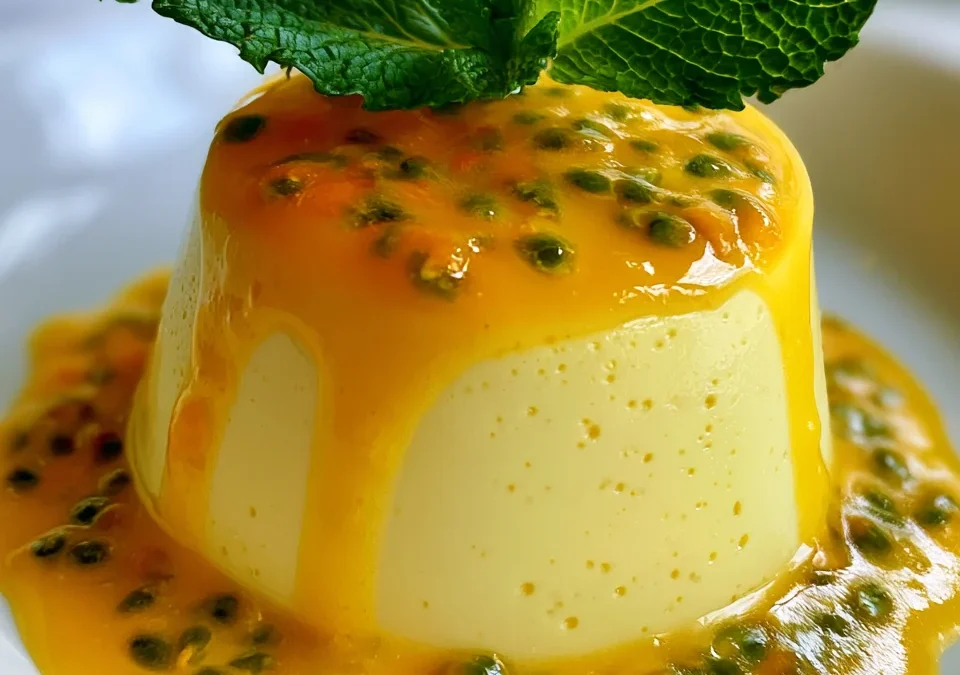
Refreshing Mango Passionfruit Panna Cotta
- Total Time: 4 hours
- Yield: 4 hours 25 minutes 1x
- Diet: Vegetarian
Description
To truly appreciate this dessert, it helps to understand what the components bring to the table. At its core, a traditional panna cotta is a molded Italian cream dessert that is thickened with gelatin and served chilled. The words themselves literally translate to baked cream, though the modern process is much simpler, involving heating the liquid gently just enough to dissolve the sugar and activate the setting agent.
Ingredients
For the Panna Cotta
- 2 cups (480 ml) heavy cream
- 1 cup (240 ml) whole milk
- ⅓ cup (65 g) granulated sugar
- 1 tsp vanilla extract
- 2¼ tsp (7 g) unflavored gelatin
- 3 tbsp cold water
For the Mango Passionfruit Topping
- 1 cup mango puree
- 2–3 passionfruits, pulp scooped out
- 1 tbsp honey or sugar (optional)
- Fresh mint leaves, for garnish
Instructions
- In a small bowl, sprinkle the gelatin over the cold water and let it bloom for 5 minutes.
- In a saucepan over medium heat, combine the heavy cream, milk, and sugar. Stir until the sugar dissolves and the mixture is hot but not boiling.
- Remove from the heat and stir in the vanilla extract and bloomed gelatin until completely dissolved.
- Divide the mixture evenly among 4 serving glasses or ramekins.
- Refrigerate for at least 4 hours, or until fully set.
- In a bowl, mix the mango puree with the passionfruit pulp. Sweeten with honey or sugar if desired.
- Once the panna cotta has set, spoon the mango passionfruit mixture over the top of each serving.
- Garnish with fresh mint leaves and serve chilled.
Notes
- Prep Time: 15 minutes
- Cook Time: 10 minutes
- Category: 4 servings
- Method: Chilling
- Cuisine: Italian
Nutrition
- Serving Size: 1 panna cotta (¼ of recipe)
- Calories: 340 kcal
Keywords: tropical mango panna cotta, passionfruit dessert recipe, silky italian cream custard
