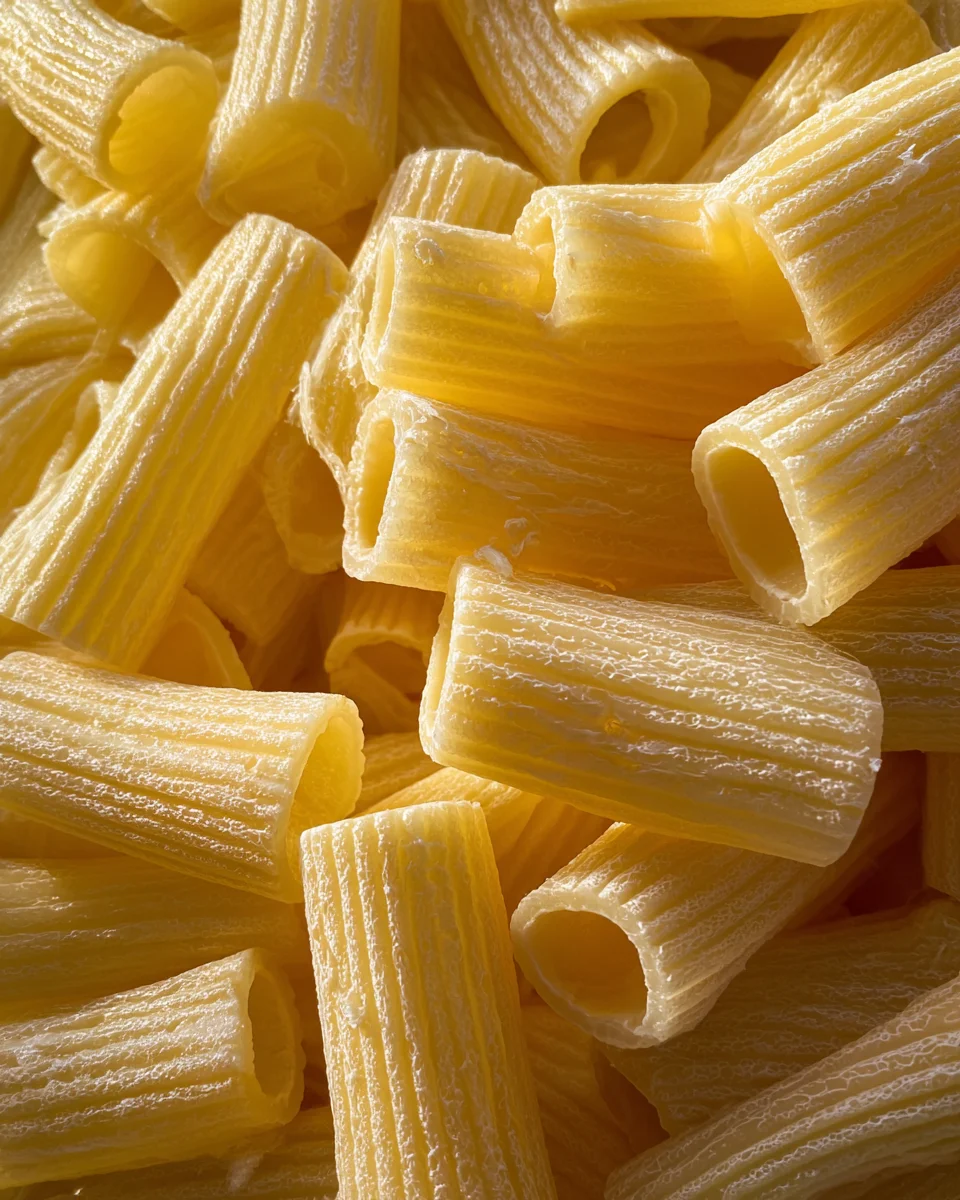
There is something inherently comforting about a large bowl of pasta. Among the dozens of shapes available in the culinary world, rigatoni stands out as a true champion of the dinner table. Its sturdy, ridged exterior and hollow center make it the perfect vessel for capturing rich, savory sauces. Whether you are cooking for a busy family on a Tuesday night or hosting a small gathering of friends over the weekend, having a reliable Rigatoni Pasta recipe in your repertoire is essential. This dish is the epitome of Italian-inspired comfort, balancing the acidity of sun-ripened tomatoes with the aromatic warmth of garlic and herbs.
In this guide, we are going to dive deep into the art of making a classic tomato-based rigatoni. We will explore the nuances of getting the texture just right, the history of this specific pasta shape, and how you can elevate simple pantry staples into a meal that tastes like it came straight from a professional kitchen in Rome. The beauty of this meal is its simplicity; it does not require expensive equipment or rare ingredients, yet the final result is consistently impressive and deeply satisfying.
What is This Rigatoni Pasta Recipe?
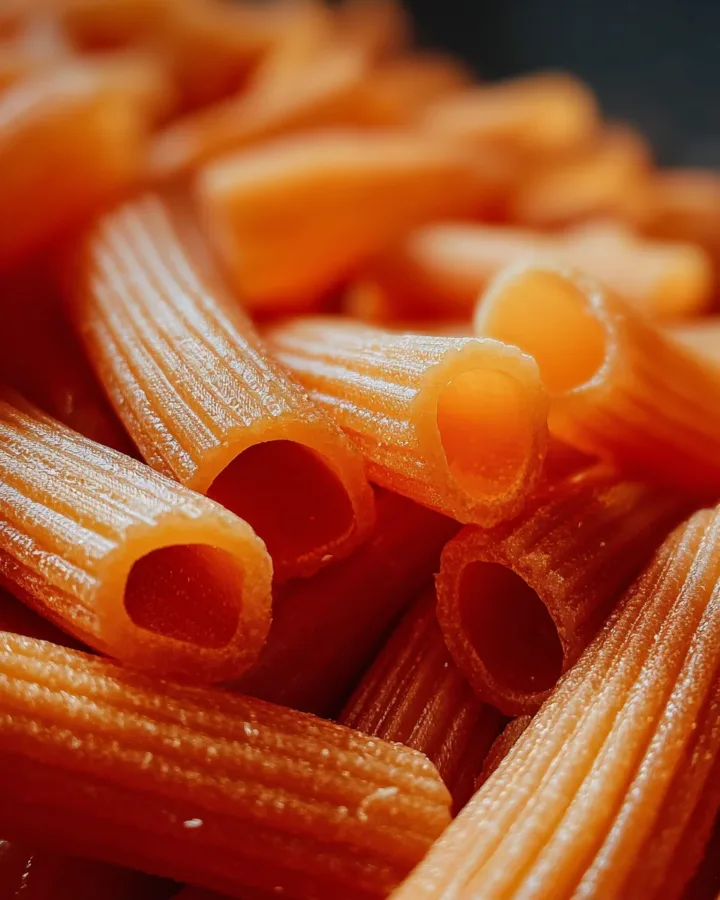
At its heart, this Rigatoni Pasta recipe is a celebration of the “red sauce” tradition. It focuses on a robust, herb-infused tomato sauce that clings to the ridges of the rigatoni noodles. Unlike thinner pastas like spaghetti that might slip through a chunky sauce, rigatoni is designed to be substantial. The word rigatoni actually comes from the Italian word “rigato,” which means ridged or lined. These ridges are not just for aesthetics; they serve a functional purpose by holding onto the sauce and the grated cheese, ensuring every single bite is packed with flavor.
This specific version of the recipe is vegetarian-friendly, focusing on the aromatic base of sautéed onions and garlic. It is a versatile dish that serves as a canvas for various additions, but even in its most basic form, it provides a complex flavor profile. The sauce is simmered until it thickens into a velvet-like consistency, while the pasta is cooked to a perfect firm texture. It is a hearty, wholesome meal that emphasizes quality over quantity, proving that a few well-chosen ingredients can create a world-class dining experience.
The Origin of the Rigatoni Pasta Recipe
Rigatoni is a pasta shape that finds its ancestral roots in central and southern Italy. While many regions claim to have perfected the shape, it is most famously associated with the culinary traditions of Rome. Historically, large, tubular pastas were favored because they were easy to produce and exceptionally durable, making them a staple for both the working class and the aristocracy.
The traditional pairing for rigatoni was often a heavy meat sauce or a simple “all’amatriciana.” However, as Italian cuisine spread across the globe, the Rigatoni Pasta recipe evolved to include various tomato-based interpretations. The version we are preparing today is a nod to the classic “pomodoro” style, which emphasizes the freshness of the tomato and the fragrance of dried Mediterranean herbs. It represents the evolution of Italian home cooking—efficient, flavorful, and deeply rooted in a love for communal eating. By following this method, you are participating in a tradition that has brought people together around the dinner table for generations.
Ingredients with Quantity for Success
To achieve the best results, you need to pay attention to your measurements and the quality of your produce. Here is exactly what you will need to gather before you start your stove.
The Foundation
-
Three hundred grams of rigatoni pasta: This is usually enough to serve three to four people. Look for a brand that uses durum wheat semolina for the best structural integrity.
-
Two tablespoons of olive oil: Use extra virgin olive oil if possible, as it provides a fruity, peppery base for your aromatics.
The Aromatics and Base
-
Three cloves of garlic: These should be finely minced. Garlic provides the pungent, savory backbone of the sauce.
-
One small onion: Chopped finely so that it melts into the sauce during the simmering process.
-
Four hundred grams of tomato puree or crushed tomatoes: This is the main body of your sauce. Crushed tomatoes provide a bit more texture, while puree offers a smoother finish.
The Seasonings
-
One teaspoon of salt: You may need to adjust this to your specific taste.
-
One half teaspoon of black pepper: Freshly cracked pepper always offers a superior aroma compared to pre-ground versions.
-
One teaspoon of dried oregano or Italian seasoning: This provides that classic “pizzeria” scent and earthy flavor.
-
One half teaspoon of chili flakes: This is optional, but it adds a subtle warmth that elevates the sweetness of the tomatoes.
The Finishing Touches
-
One half cup of grated cheese: Parmesan offers a salty, nutty kick, while mozzarella provides a creamy, melty pull. A blend of both is often the best choice.
-
Fresh basil: This is optional for garnishing but highly recommended for a burst of color and a fresh, peppery finish.
Step by Step Direction and Preparation Method: Rigatoni Pasta recipe
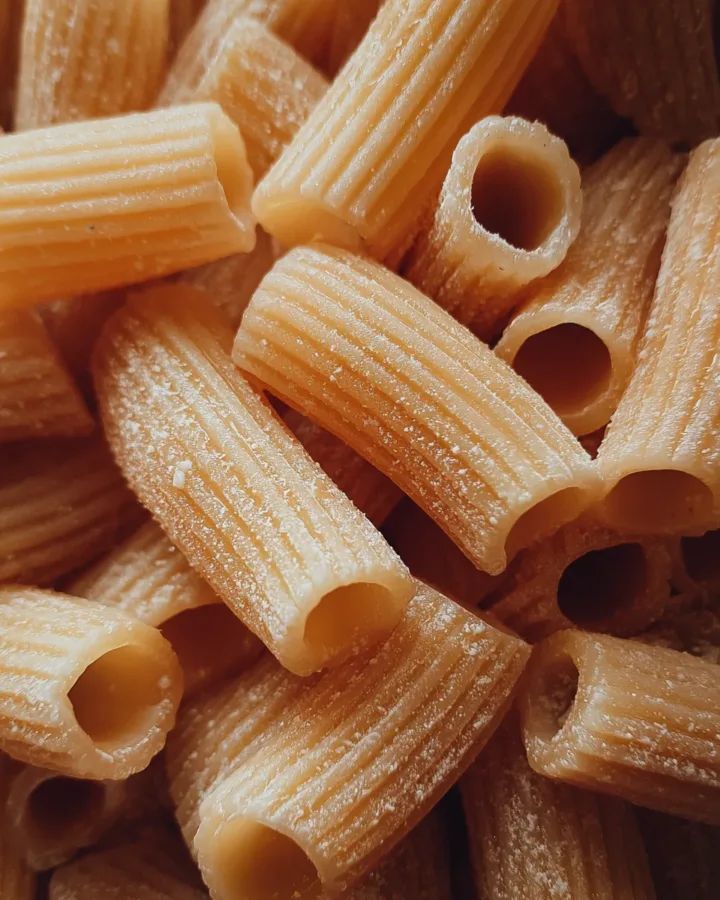
Cooking the perfect Rigatoni Pasta recipe requires a bit of multitasking and attention to detail. Follow these steps to ensure your pasta and sauce harmonize perfectly.
Step One: How to Cook Pasta Perfectly
Fill a large pot with water and bring it to a rolling boil. Add a generous palmful of salt to the water; it should taste like the sea. This is your only chance to season the pasta itself from the inside out. Add your three hundred grams of rigatoni pasta to the boiling water.
Cook the pasta until it is “al dente,” which literally translates to “to the tooth.” This means the pasta should be tender but still have a slight firmness or “bite” in the center. Usually, this takes about two minutes less than the package instructions suggest. Once finished, drain the pasta, but save a small cup of the starchy pasta water—this is a secret weapon for thinning your sauce later if needed. Set the drained pasta aside.
Step Two: Creating the Aromatic Base
In a large pan or skillet, heat your two tablespoons of olive oil over medium heat. Add your chopped onion and minced garlic. Sauté these ingredients, stirring frequently, until the onion becomes translucent and soft. You are not looking to brown the garlic, as burnt garlic becomes bitter. You want it to be fragrant and golden. This slow release of flavors into the oil is what creates a professional-tasting sauce.
Step Three: Simmering the Tomato Sauce
Pour your four hundred grams of tomato puree or crushed tomatoes into the pan with the onions and garlic. Stir in the one teaspoon of salt, one half teaspoon of black pepper, one teaspoon of dried oregano, and the chili flakes.
Turn the heat down to low and let the sauce simmer for ten to fifteen minutes. During this time, the water in the tomatoes will evaporate slightly, concentrating the sugars and flavors. The sauce should become thick and rich. If it looks too dry, add a splash of that reserved pasta water to bring it back to a silky consistency.
Step Four: Combining the Elements
Now comes the most satisfying part of the Rigatoni Pasta recipe. Add your cooked rigatoni directly into the pan with the simmering sauce. Use a large spoon or tongs to toss the pasta, ensuring that the sauce gets inside the hollow tubes and fills the ridges. Let the pasta cook in the sauce for about one minute; this allows the starch on the surface of the pasta to bond with the tomato base, creating a cohesive dish rather than just “noodles with sauce on top.”
Step Five: The Final Flourish
Remove the pan from the heat. Sprinkle your one half cup of grated cheese over the top. If you are using mozzarella, you can cover the pan with a lid for thirty seconds to help it melt. Tear some fresh basil leaves by hand and scatter them over the dish. Serve the pasta hot, straight from the pan to the bowl.
Creative Variations to Rigatoni Pasta recipe
While the basic version is a masterpiece of simplicity, you can easily adapt this Rigatoni Pasta recipe to suit different cravings or nutritional needs.
The Protein-Packed Version
If you want a heartier meal, you can brown some ground beef, Italian sausage, or turkey in the pan before adding the onions and garlic. This turns the dish into a rich meat sauce that provides extra satiety. For a plant-based protein boost, stir in a can of rinsed chickpeas or some sautéed mushrooms.
The Creamy Tomato Twist
If you prefer a “pink sauce” or “vodka sauce” style, stir in two tablespoons of heavy cream or a dollop of mascarpone cheese right at the end of the simmering process. This mellows the acidity of the tomatoes and creates a luxurious, silky mouthfeel.
The Vegetable Medley
You can increase the nutritional value of this meal by adding sautéed bell peppers, zucchini, or spinach. Spinach is particularly easy; just toss a few handfuls of fresh leaves into the sauce during the last minute of simmering, and they will wilt down perfectly into the pasta.
Pro Tips for a Superior Result: Rigatoni Pasta recipe
If you want your Rigatoni Pasta recipe to surpass the versions found on other websites, keep these small but impactful tips in mind:
-
Do not rinse your pasta. After draining, the starch on the surface of the rigatoni is what helps the sauce stick. Rinsing it with cold water removes that starch and makes the sauce slide right off.
-
Use high-quality canned tomatoes. Since the tomatoes are the star, look for “San Marzano” style tomatoes. They are naturally sweeter and have fewer seeds, which results in a much better sauce.
-
Grate your own cheese. Pre-shredded cheese is often coated in potato starch to prevent clumping, which can stop it from melting smoothly into your pasta. Grating a block of Parmesan or mozzarella fresh will give you a much better texture.
Frequently Asked Questions: Rigatoni Pasta recipe
Can I use a different pasta shape?
While this is specifically a Rigatoni Pasta recipe, you can use other tubular shapes like penne or ziti. However, the wide opening of rigatoni is particularly good for thick, chunky sauces, so keep that in mind when making substitutions.
How do I store and reheat leftovers?
Leftover rigatoni can be stored in an airtight container in the refrigerator for up to three days. When reheating, add a small splash of water or a little extra olive oil to the pasta before microwaving or heating on the stove. This prevents the pasta from drying out and restores the sauce’s creaminess.
Why is my sauce too acidic?
Sometimes canned tomatoes can be a bit sharp. If your sauce tastes too acidic, add a tiny pinch of granulated sugar (no more than half a teaspoon) to the sauce while it simmers. This balances the pH and brings out the natural sweetness of the fruit.
Is rigatoni the same as ziti?
Not quite. While both are tubular, rigatoni is larger and almost always has ridges on the outside. Ziti is usually smooth and a bit narrower. The ridges on the rigatoni make it superior for holding onto the sauce in this particular recipe.
Can I make this Rigatoni Pasta recipe in a slow cooker?
You can make the sauce in a slow cooker by combining the ingredients and cooking on low for four hours. however, you should still boil the pasta separately on the stove and combine it at the end to ensure the texture of the rigatoni remains perfect and does not become mushy.
Conclusion: Rigatoni Pasta recipe
Mastering a classic Rigatoni Pasta recipe is a milestone for any home cook. It is a dish that proves you do not need a complicated list of ingredients to create a meal that is both comforting and elegant. By focusing on the texture of the pasta and allowing the sauce enough time to simmer and develop its flavors, you transform humble pantry items into a vibrant, Italian-inspired feast. The ridges of the rigatoni, the warmth of the garlic, and the freshness of the basil all work together to create a symphony of flavors in every bite. Whether you serve it as a simple weeknight dinner or as part of a larger festive meal with garlic bread and salad, this pasta is guaranteed to be a crowd-pleaser. We hope this guide inspires you to get into the kitchen and enjoy the process of slow-simmering a beautiful sauce. Remember, the best ingredient in any recipe is the care you put into the preparation. Enjoy your homemade creation and the wonderful aromas it brings to your home.
Print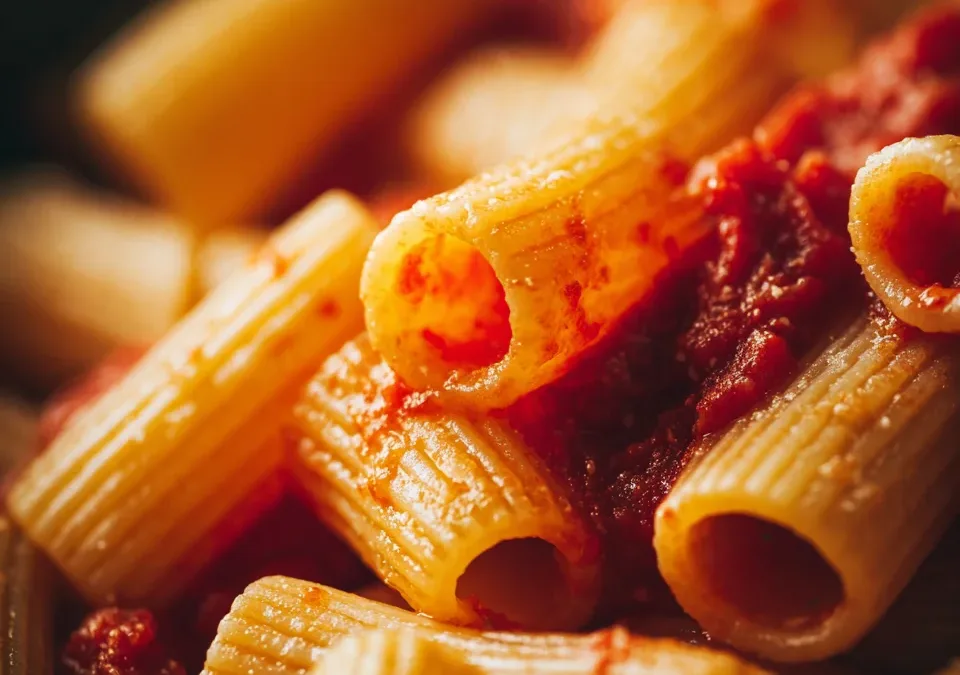
The Absolute Best Homemade Rigatoni Pasta Recipe for a Cozy Dinner
- Total Time: 30 minutes
- Yield: 4 servings 1x
- Diet: Vegetarian
Description
At its heart, this Rigatoni Pasta recipe is a celebration of the “red sauce” tradition. It focuses on a robust, herb-infused tomato sauce that clings to the ridges of the rigatoni noodles. Unlike thinner pastas like spaghetti that might slip through a chunky sauce, rigatoni is designed to be substantial. The word rigatoni actually comes from the Italian word “rigato,” which means ridged or lined. These ridges are not just for aesthetics; they serve a functional purpose by holding onto the sauce and the grated cheese, ensuring every single bite is packed with flavor.
Ingredients
- 300 g rigatoni pasta
- 2 tbsp olive oil
- 3 cloves garlic (minced)
- 1 small onion (chopped)
- 400 g tomato puree or crushed tomatoes
- 1 tsp salt (to taste)
- 1/2 tsp black pepper
- 1 tsp dried oregano or Italian seasoning
- 1/2 tsp chili flakes (optional)
- 1/2 cup grated cheese (Parmesan or mozzarella)
- Fresh basil (optional)
Instructions
Boil rigatoni in salted water until al dente. Drain and set aside.
Heat olive oil in a pan.
Add onion and garlic, sauté until soft and fragrant.
Pour in tomato puree. Add salt, pepper, oregano, and chili flakes.
Simmer for 10–15 minutes until thick.
Add cooked rigatoni into the sauce and mix well until fully coated.
Top with cheese and fresh basil. Serve hot.
Notes
A simple, hearty rigatoni dish that brings cozy comfort to the table with every bite.
- Prep Time: 10 minutes
- Cook Time: 20 minutes
- Category: Main Course
- Method: Boiling
- Cuisine: Italian
Nutrition
- Serving Size: 1 bowl
- Calories: 380 kcal
Keywords: Hearty tubular pasta instructions, homemade rigatoni dinner guide, Italian ridged pasta preparation, savory tomato pasta method
