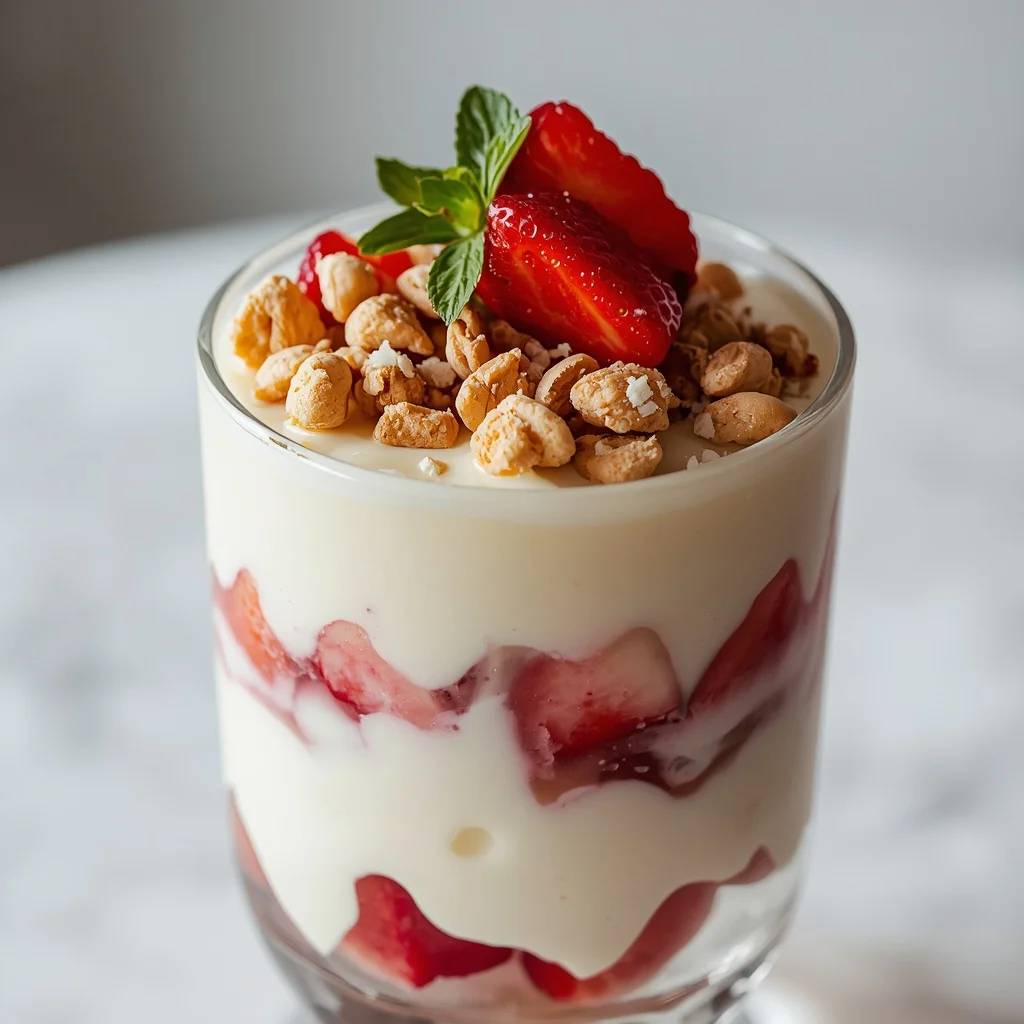
When looking for an elegant, aromatic, and deeply refreshing dessert, nothing captivates the senses quite like a rose falooda layered parfait. This enchanting creation takes inspiration from traditional South Asian street food delicacies and transforms them into a contemporary, visual masterpiece. Featuring vibrant layers of floral rose milk, delicate falooda noodles, swollen basil seeds, velvety yogurt, and crunchy roasted nuts, this dessert offers a symphony of contrasting textures in every single spoonful. It is a stunning dish that feels right at home during warm summer afternoons, festive gatherings, or intimate dinner parties.
In this comprehensive guide, we will break down everything you need to know about making an extraordinary rose falooda layered parfait. You will learn about the fascinating historical origins of falooda, exact ingredient measurements without confusing numerical shorthand, detailed step-by-step assembly instructions, creative recipe variations, and expert culinary tips to make your parfait look like it came straight from a luxury pastry shop.
What Is a Rose Falooda Layered Parfait?
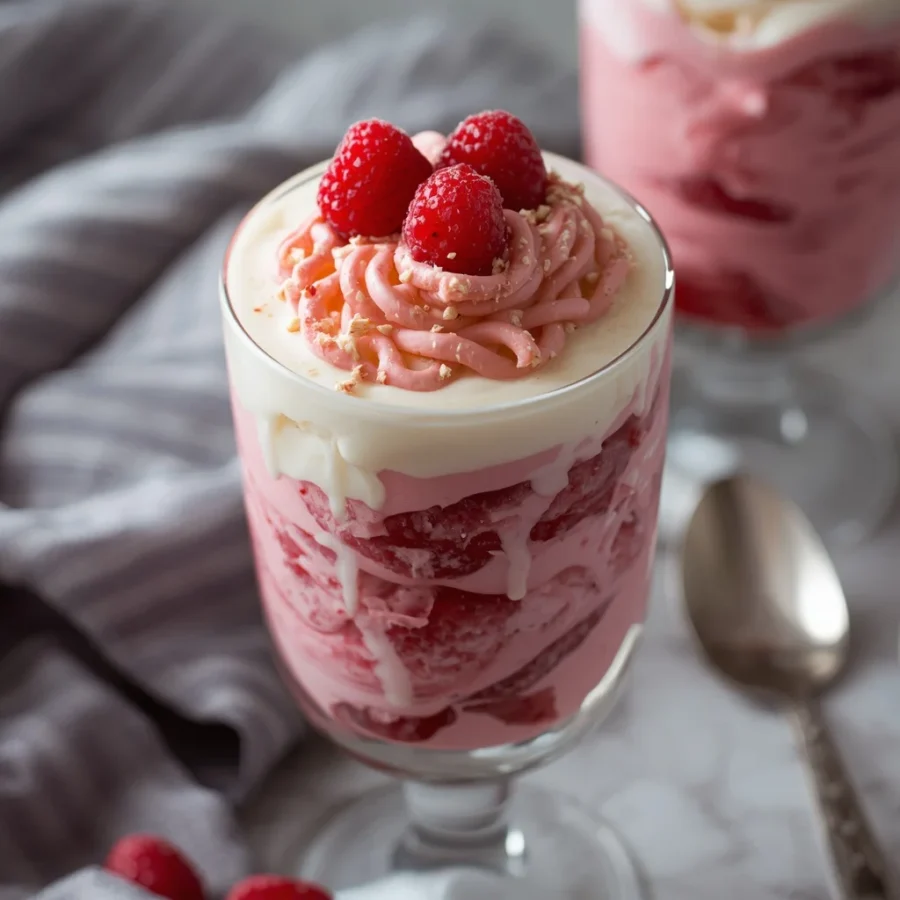
At its core, a rose falooda layered parfait is a modern fusion dessert that blends the rich heritage of traditional Indian falooda with the layered elegance of a classic European parfait. Traditional falooda is a cold beverage-dessert hybrid famously served in tall glasses, packed with flavored milk, cornstarch noodles, soaked basil seeds, and topped with rich ice cream.
This parfait version elevates that experience by introducing structured, spoonable layers. Instead of letting all the ingredients float freely in a liquid base, this recipe utilizes creamy whipped yogurt and chilled rose-infused milk to create clear, visually distinct strata inside glass tumblers. The gelatinous pop of hydrated basil seeds pairs wonderfully against the soft chewy pull of cooked vermicelli noodles, while crushed pistachios and edible rose petals add an irresistible crunch and floral aroma.
The Historical Origin of Falooda and Modern Parfaits
To fully appreciate the magic of a rose falooda layered parfait, it helps to take a brief journey through culinary history and explore how these distinct food traditions merged over centuries.
The Ancient Origins of Falooda
The root of falooda can be traced back to ancient Persia, where a cold dessert known as faloodeh was crafted using thin cornstarch noodles mixed with frozen sugar syrup, rose water, and lime juice. During the Mughal era in the sixteenth century, this Persian delicacy traveled to the Indian subcontinent. The royal Mughal kitchens adapted the recipe by adding rich whole milk, aromatic spices, crushed nuts, and local basil seeds, turning a simple ice dessert into a luxurious, royal drink. Over the generations, falooda became one of the most beloved street treats across India, Pakistan, Bangladesh, and the Middle East.
The European Parfait Influence
The word parfait originates from France, meaning perfect. Originally created in the late nineteenth century as a frozen coffee-flavored ice cream dessert, the term eventually evolved in North American cuisine to describe any layered dessert served in a clear glass featuring alternating tiers of yogurt, fruit, cream, and granola. Combining the floral notes of Mughal falooda with the clean, modern aesthetic of a parfait results in a stunning crossover treat that honors ancient flavors while satisfying modern presentation standards.
Complete Ingredients and Exact Quantity Breakdown: rose falooda layered parfait
To ensure your rose falooda layered parfait turns out absolutely perfect, gather fresh ingredients of highest quality. Below is the complete shopping list separated by component, written out cleanly without confusing numerical symbols or decimals.
Ingredients for the Rose Milk Base
-
Chilled Whole Milk: One and one-half cups of cold whole milk. Full-fat milk provides the rich creamy texture needed to balance the sweet rose flavors.
-
Rose Syrup: Two tablespoons of concentrated sweet rose syrup.
-
Granulated Sugar: One to two tablespoons of fine white sugar, adjusted to your personal taste.
-
Rose Water (Optional): One-half teaspoon of pure culinary rose water for an enhanced botanical aroma.
For the Falooda Layers
-
Falooda Noodles: One-half cup of traditional falooda sev, which are cornstarch noodles, or thin cornstarch vermicelli.
-
Basil Seeds: Two tablespoons of natural basil seeds, commonly known as sabja or tukmaria seeds.
-
Flavored Yogurt: One-half cup of smooth strawberry or vanilla yogurt. You can also use Greek yogurt for extra thickness.
-
Rose Syrup: Two additional tablespoons of rose syrup reserved for layering inside the glasses.
-
Chopped Nuts: One-quarter cup of finely chopped raw pistachios or blanched almonds.
-
Sweetened Condensed Milk (Optional): Two tablespoons of sweetened condensed milk for added richness.
Ingredients for Garnishing and Serving
-
Freshly whipped sweet cream
-
Dried or fresh food-grade edible rose petals
-
Additional chopped pistachios
-
Extra drizzle of concentrated rose syrup
-
Small scoops of gourmet vanilla ice cream or artisanal rose ice cream (optional)
Step-by-Step Preparation and Assembly Method
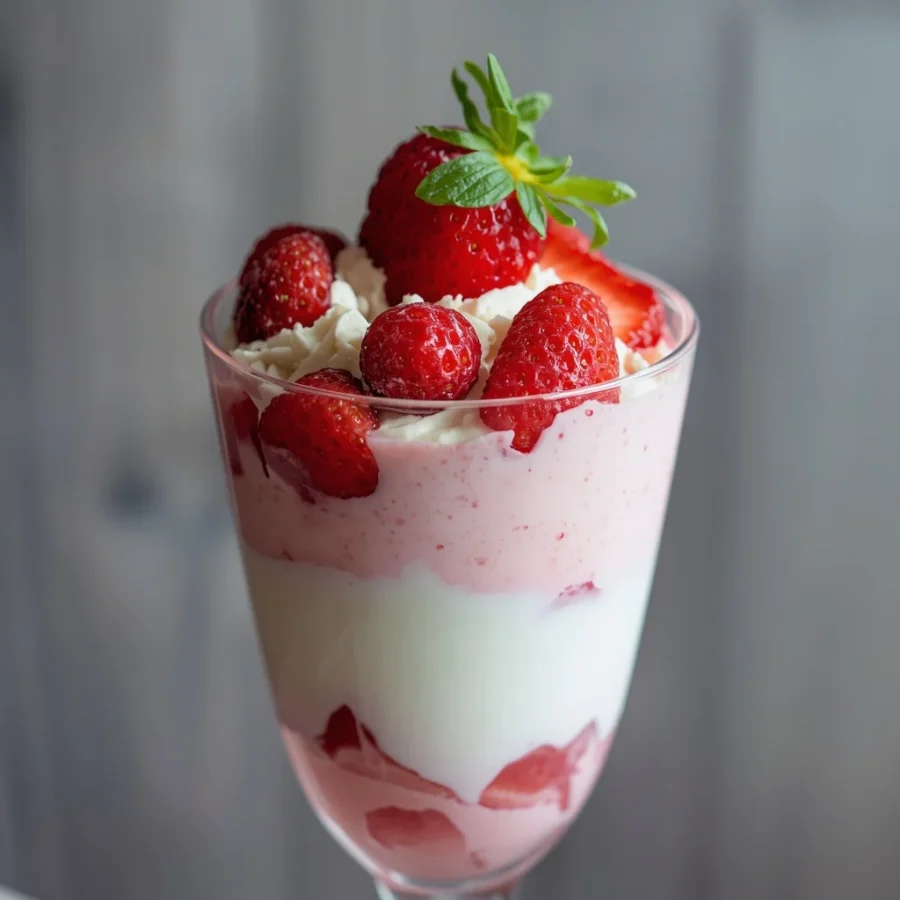
Making a rose falooda layered parfait at home is an enjoyable, stress-free process. The key to success lies in prepping every individual component beforehand so that assembly goes smoothly. Follow these detailed instructions.
Step One: Hydrate the Basil Seeds
Place two tablespoons of basil seeds into a small glass bowl. Pour about one-half cup of room temperature water over the seeds. Allow them to sit undisturbed for ten to fifteen minutes. As they absorb the water, the small black seeds will swell dramatically, developing a clear gelatinous outer coating. Once fully expanded, drain any excess water through a fine mesh strainer and set the seeds aside.
Step Two: Cook and Chill the Falooda Noodles
Bring a small pot of water to a rolling boil over medium-high heat. Add one-half cup of falooda sev or thin vermicelli. Cook the noodles according to the package directions, which usually takes about four to five minutes until they become tender. Immediately drain the hot water and submerge the cooked noodles in a bowl of ice-cold water. This stops the cooking process instantly and prevents the strands from sticking together. Once cold, drain thoroughly and set aside.
Step Three: Mix the Chilled Rose Milk
In a liquid measuring cup or small pitcher, combine one and one-half cups of chilled whole milk, two tablespoons of rose syrup, one to two tablespoons of sugar, and one-half teaspoon of rose water. Whisk vigorously until the sugar completely dissolves and the liquid turns a bright, uniform pink color. Place the pitcher in the refrigerator to stay thoroughly cold until you are ready to build the parfaits.
Step Four: Smooth and Flavor the Yogurt
In a separate small bowl, place one-half cup of strawberry or vanilla yogurt. Whisk the yogurt with a spoon until it becomes completely smooth and streak-free. If you want a deeper color and extra floral note, stir one teaspoon of rose syrup directly into the yogurt mixture.
Step Five: Layer the Parfait Glasses
Gather two or three tall, clear dessert glasses or glass jars. Begin the assembly by spooning one teaspoon of pure rose syrup directly into the bottom of each glass. Follow with a generous layer of hydrated basil seeds. Next, add a layer of chilled falooda noodles. Carefully spoon a layer of smooth yogurt over the noodles, then sprinkle a layer of chopped pistachios. Gently pour a portion of your chilled rose milk over the back of a spoon into the glass so it settles into the layers without disturbing them. Repeat these layers until the glass is filled within an inch of the top rim.
Step Six: Garnish and Serve Immediately
Finish the top of each rose falooda layered parfait with a swirl of freshly whipped cream or a small scoop of vanilla ice cream. Drizzle a tiny bit of extra rose syrup over the cream, then sprinkle with bright green chopped pistachios and delicate edible rose petals. Chill in the refrigerator for fifteen to twenty minutes before serving. Enjoy cold with a long-handled dessert spoon.
Creative Recipe Variations and Adaptations: rose falooda layered parfait
This rose falooda layered parfait is incredibly versatile, allowing you to tailor ingredients to accommodate different dietary restrictions or seasonal availability.
| Variation | Component Adjustments | Texture and Flavor Profile |
| Vegan & Dairy-Free | Use almond milk, coconut yogurt, and plant-based whipped cream. | Light, nutty, and completely plant-based |
| Mango Rose Twist | Layer fresh mango puree and diced fresh mango between noodles. | Tropical, sweet, and bright orange-pink contrast |
| Nut-Free Version | Replace pistachios with toasted sunflower seeds or crushed shortbread. | Allergy-friendly with a subtle buttery crunch |
| Protein-Packed Breakfast | Use thick plain Greek yogurt and unsweetened rose milk. | Tangy, filling, and lower in refined sugar |
Pro Culinary Secrets for Stunning Presentation: rose falooda layered parfait
-
Chill Every Component: Warm ingredients will melt the yogurt and cause distinct lines to blur together. Keep every element in the refrigerator right up until the moment of glass assembly.
-
Use the Spoon Technique: When pouring liquid elements like rose milk over solid layers, pour slowly over the back of a upside-down spoon. This diffuses the liquid’s force and maintains crisp, clean visual boundaries.
-
Soak Seeds Properly: Never rush the basil seed soaking process. Fully swollen seeds provide that characteristic silky pop that makes authentic falooda so unique.
Frequently Asked Questions (FAQs): rose falooda layered parfait
Can I substitute chia seeds for basil seeds?
Yes, you can substitute chia seeds if basil seeds are unavailable in your local market. While chia seeds take slightly longer to soak—about twenty to thirty minutes—they absorb liquid in a similar way and offer comparable health benefits and texture.
How far in advance can I make rose falooda layered parfaits?
You can prepare all individual components, such as cooking the noodles and soaking the seeds, up to one day in advance when kept in separate airtight containers in the refrigerator. However, it is best to assemble the actual layered parfaits within an hour or two of serving so the noodles remain firm and the whipped cream stays fresh.
What are falooda noodles made of?
Traditional falooda noodles are made from cornstarch or arrowroot starch, giving them a translucent appearance and a unique, slightly bouncy texture. If you cannot find authentic falooda sev at a local South Asian grocery store, fine wheat vermicelli or rice glass noodles make great alternatives.
Conclusion: rose falooda layered parfait
Creating a sensational rose falooda layered parfait is a wonderful way to bring rich heritage, vibrant color, and refreshing flavor to your dessert table. By pairing delicate rose-infused milk and springy noodles with velvety yogurt, plump basil seeds, and crisp nuts, you turn simple ingredients into a dish that delights both the eye and the palate. Whether you are hosting an elaborate dinner party or treating yourself to a soothing afternoon refreshment, this recipe offers a perfect balance of tradition and modern elegance. Prepare your components, grab your favorite glass tumblers, and enjoy every luxurious layer of this timeless sweet treat today.
Print

Rose Falooda Layered Parfait
- Total Time: 35 minutes
- Yield: 4 servings 1x
- Diet: Vegetarian
Description
At its core, a rose falooda layered parfait is a modern fusion dessert that blends the rich heritage of traditional Indian falooda with the layered elegance of a classic European parfait. Traditional falooda is a cold beverage-dessert hybrid famously served in tall glasses, packed with flavored milk, cornstarch noodles, soaked basil seeds, and topped with rich ice cream.
Ingredients
Scale
For the Rose Milk
- 1½ cups chilled whole milk
- 2 tbsp rose syrup
- 1–2 tbsp sugar, to taste
- ½ tsp rose water, optional
For the Falooda Layers
- ½ cup falooda sev or thin vermicelli
- 2 tbsp basil seeds (sabja/tukmaria)
- ½ cup strawberry or vanilla yogurt
- 2 tbsp rose syrup
- ¼ cup chopped pistachios or almonds
- 2 tbsp sweetened condensed milk, optional
For Garnishing
- Whipped cream
- Rose petals, preferably food-grade
- Chopped pistachios
- A drizzle of rose syrup
- Small scoops of vanilla or rose ice cream, optional
Instructions
- Prepare the basil seeds:
Place the basil seeds in a small bowl and cover with about ½ cup water. Let them soak for 10–15 minutes until they become plump and gelatinous. Drain well. - Cook the falooda noodles:
Cook the falooda sev or vermicelli according to the package directions. Drain, rinse with cold water, and set aside to cool completely. - Make the rose milk:
Combine chilled milk, rose syrup, sugar, and rose water. Stir well and refrigerate until ready to assemble. - Prepare the yogurt:
Stir the yogurt until smooth. If desired, mix in 1 teaspoon of rose syrup for extra flavor. - Layer the parfait:
Use clear glasses for the best presentation. Add a little rose syrup to the bottom, followed by basil seeds, falooda noodles, yogurt, rose milk, and chopped nuts. Repeat the layers as desired. - Add the topping:
Finish with whipped cream, a drizzle of rose syrup, chopped pistachios, and edible rose petals. - Chill and serve:
Refrigerate the parfaits for 15–20 minutes before serving. Serve cold with a spoon and enjoy the layers together.
Notes
For a beautiful layered look, use clear glasses and chill all the ingredients before assembling. Adjust the rose syrup according to your preferred sweetness, and garnish with pistachios and edible rose petals just before serving.
- Prep Time: 15 minutes
- Cook Time: 5 minutes
- Category: Dessert
- Method: No-Bake
- Cuisine: Indian
Nutrition
- Serving Size: 1 parfait
- Calories: ~310 kcal
Keywords: rose falooda parfait, layered rose falooda dessert, Indian rose milk parfait
