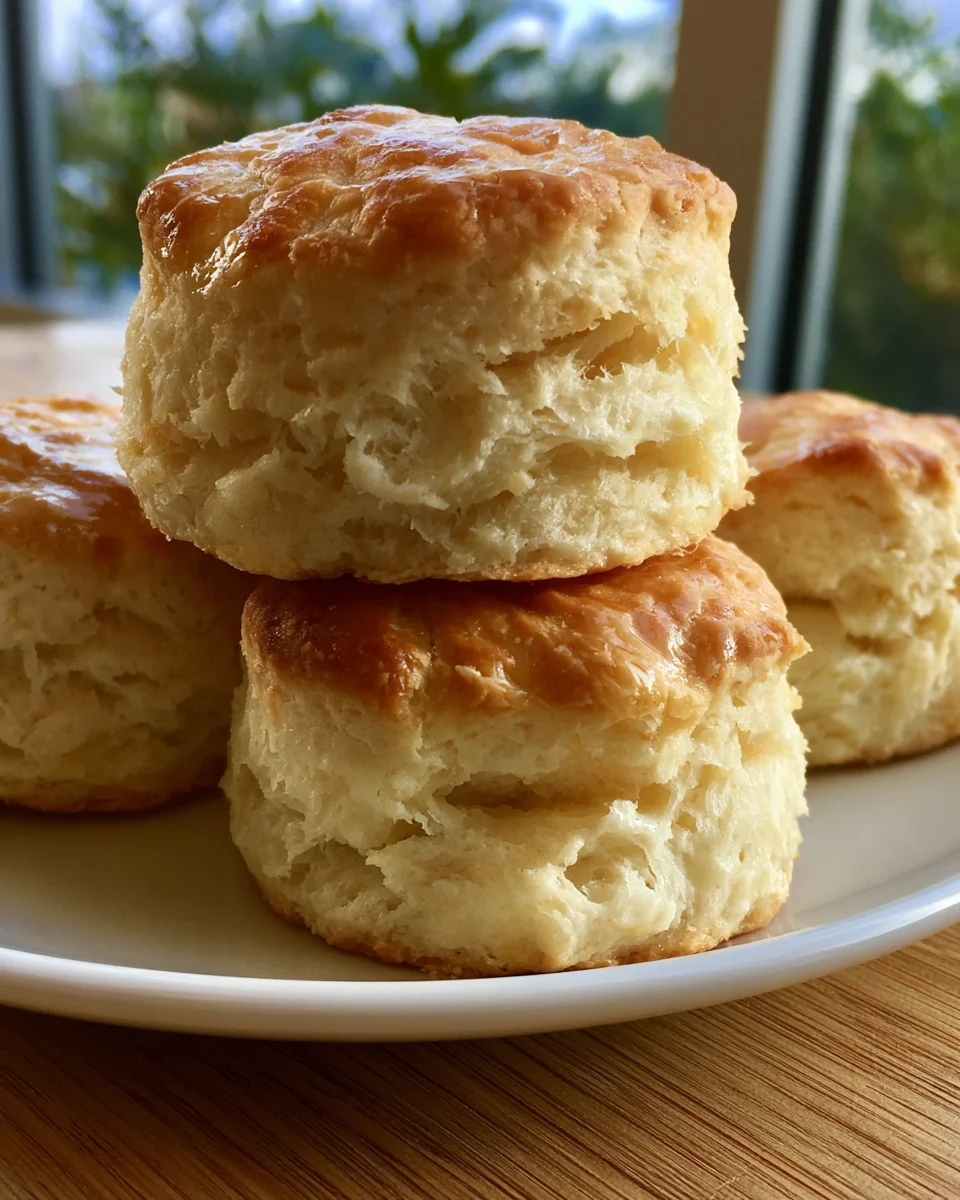
There is something deeply comforting about the aroma of fresh baking that fills a home on a quiet weekend morning. Among all the classic baked goods that grace the table, few carry the nostalgic charm and universal appeal of authentic southern-style flaky buttermilk biscuits. When done right, these biscuits possess a magical contrast of textures, boasting a golden-brown, lightly crisp exterior that gives way to a cloud-like, steaming interior built of hundreds of delicate, buttery layers. Making them at home from scratch is a culinary tradition that connects us to generations of home cooks who understood that simple ingredients, handled with care, could yield absolute perfection.
Mastering this recipe is not just about following a set of steps; it is about embracing a few fundamental techniques that transform ordinary kitchen staples into an extraordinary breakfast or dinner accompaniment. Whether you plan to smother them in savory sausage gravy, split them open to cradle a piece of crispy fried chicken, or simply slather them with sweet cream butter and a drizzle of local honey, these southern-style flaky buttermilk biscuits deserve a permanent spot in your cooking repertoire. Once you experience the unparalleled joy of pulling a tray of these towering, layered masterpieces out of your own oven, you will likely say goodbye to the pre-packaged grocery store varieties forever.
What is This Traditional southern-style flaky buttermilk biscuits?
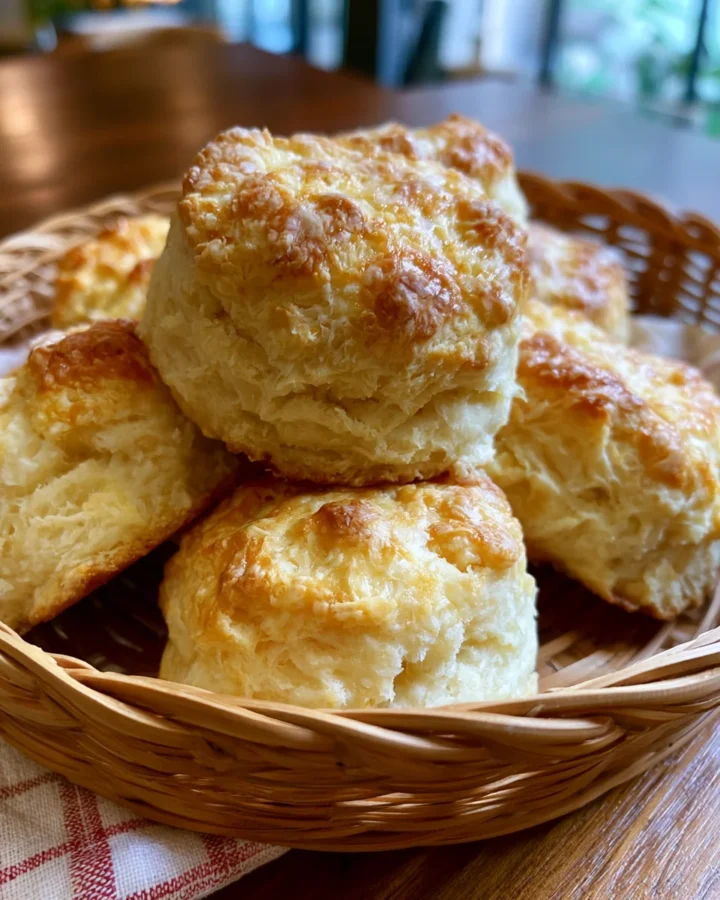
To understand what makes this particular version so special, we must look at the specific characteristics that define a true biscuit from the American South. Unlike European scones, which tend to be sweeter, denser, and often contain cream or eggs, these biscuits rely on a careful chemical reaction between leavening agents and acidic buttermilk to create an exceptionally airy rise. The structural hallmark of southern-style flaky buttermilk biscuits is their visible, peelable layers.
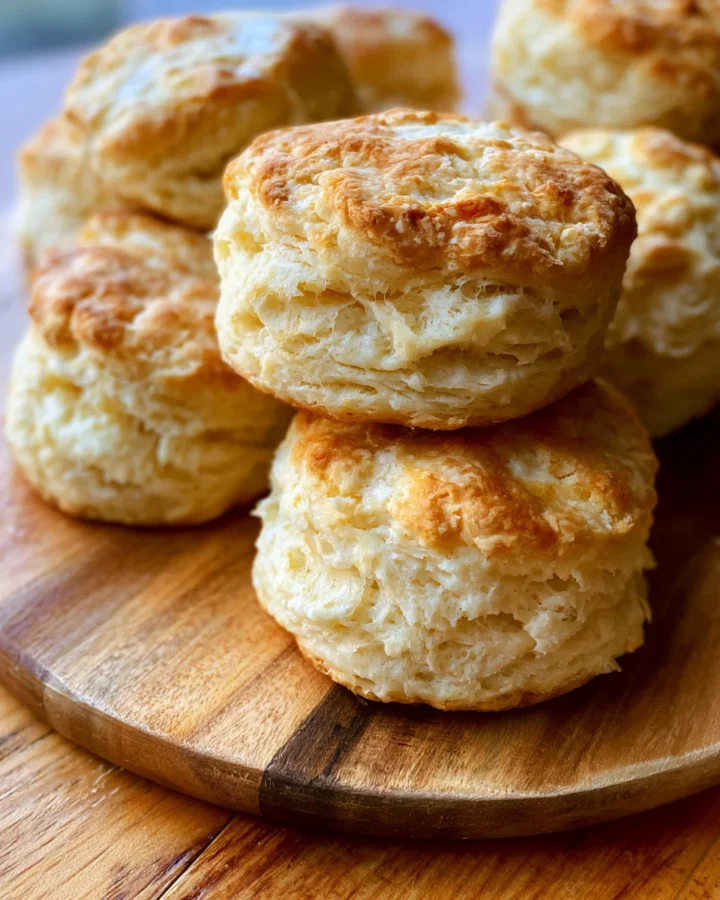
When you cut into one of these biscuits, it should almost separate naturally along distinct structural faults. This structural feature is achieved through a process called lamination, where cold fat is flattened into sheets within the flour matrix. As the biscuit bakes in a high-temperature oven, the water trapped inside the butter rapidly evaporates, turning into steam. This steam pushes the layers of flour upward, creating distinct pockets of air before the structural proteins and starches set. The result is a pastry that is incredibly rich and buttery, yet structurally light enough to melt in your mouth.
The Origin of southern-style flaky buttermilk biscuits
The history of the biscuit in the American South is a fascinating tale of agricultural adaptation, technological advancement, and cultural fusion. In the early days of American history, biscuits were not the light, fluffy delicacies we know today. They were closely related to hardtack, a dense, durable sea biscuit made from flour and water that was baked multiple times so it could survive long journeys without spoiling. These early versions were hard, flat, and used strictly for sustenance rather than enjoyment.
Two major shifts occurred in the nineteenth century that changed the trajectory of Southern baking forever. First, the widespread cultivation of soft winter wheat in the southern states provided a flour that was naturally low in protein and gluten. Unlike the hard spring wheat grown in the north, which was ideal for chewy, structured yeast breads, soft wheat produced a delicate, tender crumb that was perfect for quick breads. Second, the commercial introduction of chemical leaveners, specifically baking powder and baking soda, allowed bakers to achieve a dramatic rise without the lengthy fermentation times required by yeast. Combined with the abundance of dairy from local farms, particularly buttermilk left over from churning butter, home cooks perfected a rapid, high-rising bread that could be made fresh every morning, cementing the biscuit as a cornerstone of Southern identity and hospitality.
Ingredients with Quantity: southern-style flaky buttermilk biscuits
Achieving the perfect texture requires a balance of specific ingredients. It is best to measure your components carefully before beginning the assembly process. Below are the precise ingredients required to create these magnificent biscuits.
For the Biscuit Dough
-
All-purpose flour: Two and one half cups. Soft winter wheat flour is ideal, but a standard unbleached all-purpose flour works beautifully to provide the necessary structure without making the dough tough.
-
Baking powder: One tablespoon. This is the primary leavening agent responsible for giving the biscuits their initial dramatic lift in the hot oven.
-
Baking soda: One half teaspoon. Because buttermilk is highly acidic, a touch of baking soda is required to neutralize the acid, which releases carbon dioxide gas and helps create a tender crumb.
-
Salt: One teaspoon. Fine sea salt or standard table salt is crucial to enhance the natural flavor of the butter and to balance the tanginess of the buttermilk.
-
Granulated sugar: One tablespoon. This ingredient is entirely optional. While traditional purists often omit sugar, a small amount helps with the browning of the biscuit tops and adds a very subtle balance to the savory fats.
-
Unsalted butter: One half cup. It is absolutely imperative that this butter is very cold and cut into small cubes before you begin mixing.
-
Buttermilk: One cup. The buttermilk must be completely cold from the refrigerator. It provides the signature tangy flavor and activates the chemical leaveners.
For the Perfect Golden Finish
-
Melted butter: One tablespoon. This will be brushed over the tops of the unbaked biscuits to encourage a deep, golden color and to add an extra layer of richness to the crust.
Step by Step Direction and Preparation Method: southern-style flaky buttermilk biscuits
The process of making southern-style flaky buttermilk biscuits is incredibly tactile and requires a gentle touch. Follow these detailed directions carefully to achieve the maximum rise and the most distinct layers possible.
Preparing Your Kitchen and Tools
Begin by preheating your oven to four hundred and twenty-five degrees Fahrenheit. A hot oven is critical because the intense heat needs to hit the cold butter immediately, causing the water inside the fat to burst into steam before the fat simply melts into the flour. While the oven is heating, line a large, heavy-rimmed baking sheet with a piece of parchment paper to prevent the bottoms of the biscuits from scorching.
Combining the Dry Ingredients
In a large, wide mixing bowl, combine your two and one half cups of all-purpose flour, the tablespoon of baking powder, the one half teaspoon of baking soda, the single teaspoon of salt, and the optional tablespoon of granulated sugar. Use a wire whisk to thoroughly blend these ingredients together. Whisking for a full thirty seconds ensures that the leavening agents and salt are uniformly distributed throughout the flour, which prevents uneven rising or pockets of bitter taste in the finished product.
Cutting the Cold Butter into the Flour
Retrieve your half cup of cubed, very cold unsalted butter from the refrigerator. Drop the butter pieces directly into the flour mixture. Using a pastry cutter, or the tips of your fingers, begin cutting the butter into the dry ingredients. Your goal is to coat each piece of butter with flour while breaking it down into smaller pieces.
Work quickly so that the heat from your hands does not begin to soften the fat. Continue this process until the mixture resembles coarse crumbs, with the largest pieces of butter being roughly the size of small green peas. These pea-sized chunks of intact fat are the secret weapon that will create the beautiful, distinct layers later during the baking process.
Introducing the Cold Buttermilk
Make a small well in the center of your flour and butter mixture. Pour the one cup of cold buttermilk directly into this well. Using a large rubber spatula or a sturdy wooden spoon, gently stir the mixture from the outside in.
Stir just until the dry ingredients are moistened and a shaggy, uneven dough begins to form. It is perfectly fine if there are still a few loose, powdery streaks of flour at the bottom of the bowl. Over-activating the mixture at this stage will develop the gluten, resulting in a rubbery texture rather than a delicate, flaky crumb.
The Lamination Process for Ultimate Flakiness
Lightly dust a clean, cool countertop or a large cutting board with a thin layer of flour. Turn the shaggy biscuit dough out onto this prepared surface. Using your hands, gently pat the dough together into a rough, unified mass, and then shape it into a neat rectangle that is approximately one inch thick.
To create the legendary layers of a true southern-style flaky buttermilk biscuits recipe, you will perform a simple folding technique. Take one short side of your dough rectangle and fold it over into the center, then fold the opposite side over it, exactly like folding a business letter into thirds. Turn the folded dough ninety degrees, gently pat it out again into a one-inch-thick rectangle, and repeat this letter-folding process two more times. Each time you fold the dough, you are stacking layers of cold butter and flour on top of one another, which will expand beautifully in the oven.
Cutting the Perfect Biscuit Shapes
After your final fold, gently pat the dough down one last time until it forms a uniform rectangle that is exactly one inch thick. Do not use a rolling pin, as the heavy pressure can crush the delicate air pockets you have just created. Grab a sharp, two and one half inch circular biscuit cutter and dip the edges into a little bit of excess flour to prevent sticking.
Press the cutter straight down into the dough with firm, even pressure, and pull it straight back up. It is absolutely vital that you do not twist the cutter as you press or lift. Twisting the cutter pinches the exposed edges of the dough together, effectively sealing the layers shut and preventing the biscuit from rising to its full potential. Gather any remaining dough scraps, gently press them together once, and cut out your remaining biscuits.
Arrangement and Baking
Place your cut dough shapes onto the parchment-lined baking sheet. For biscuits with incredibly soft, tender sides, arrange them so that their edges are lightly touching one another; as they bake, they will push against each other and rise straight upward. If you prefer biscuits with crispier, crunchy sides, space them about one inch apart from one another.
Using a pastry brush, gently paint the tops of the biscuits with the single tablespoon of melted butter. Slide the baking sheet onto the middle rack of your preheated oven and bake for twelve to fifteen minutes. Keep a close eye on them around the twelve-minute mark. They are fully baked when they have expanded to nearly double their original height and the tops have turned a gorgeous, deep golden-brown color.
Cooling and Serving Your Masterpiece
Remove the baking sheet from the oven and allow the biscuits to rest on the hot pan for about five minutes. This brief cooling period allows the internal structure to stabilize so they do not collapse when handled. Serve them warm while the interior steam is still active, offering the perfect canvas for your favorite sweet or savory spreads.
Creative Flavor and Ingredient Variations: southern-style flaky buttermilk biscuits
Once you have mastered the foundational technique, you can easily adapt this versatile dough to suit different occasions or flavor profiles. Here are a few creative variations that can bring a unique twist to your table.
Savory Cheese and Herb Infusion
For an intensely savory experience, you can fold one cup of sharp, shredded cheddar cheese and one tablespoon of finely chopped fresh chives or rosemary into the dry flour mixture before you add the cold buttermilk. The cheese will melt throughout the layers as the biscuit bakes, creating crispy, caramelized edges and a rich interior flavor that pairs beautifully with roasted meats or hearty stews.
Spiced Sweet Potato Biscuits
You can introduce a beautiful autumn color and a subtle earthiness by replacing one fourth cup of the buttermilk with one fourth cup of smooth, mashed sweet potato puree. Add a tiny pinch of ground nutmeg and cinnamon to the flour mixture. This variation offers a lovely, natural sweetness that makes the biscuits an exceptional companion for a holiday ham or a Thanksgiving spread.
Cracked Black Pepper and Bacon
If you are looking for a biscuit that can stand up to the richest breakfast sandwiches, try adding a half cup of crisply cooked, crumbled bacon and one teaspoon of coarsely cracked black pepper directly into the dough. The smoky fat of the bacon integrates with the butter, while the sharp bite of the black pepper cuts through the richness, creating a wonderfully complex flavor profile.
Frequently Asked Questions: southern-style flaky buttermilk biscuits
Why did my biscuits turn out flat and dense instead of rising?
The most common culprit behind flat biscuits is the temperature of the ingredients. If the butter or buttermilk becomes warm during the mixing process, the fat melts into the flour instead of remaining as distinct pockets. When the biscuit bakes, there are no solid fat pieces to create steam, resulting in a heavy, dense texture. Always ensure your ingredients are icy cold.
Can I make southern-style flaky buttermilk biscuits ahead of time?
Yes, you can absolutely prepare the dough in advance. You can cut out the individual biscuits, place them on a baking sheet, cover them tightly with plastic wrap, and store them in the refrigerator for up to twenty-four hours before baking. Alternatively, you can freeze the unbaked biscuits on a tray, transfer them to a freezer-safe bag, and bake them directly from the freezer, adding an extra three to four minutes to the total baking time.
What can I use as a substitute if I do not have buttermilk?
If you do not have fresh buttermilk on hand, you can create a quick substitute by adding one tablespoon of fresh lemon juice or white vinegar to a liquid measuring cup, then filling the rest of the cup with whole milk. Stir the mixture and let it sit at room temperature for five minutes until it curdles slightly before chilling it thoroughly in the refrigerator before use.
Why are my biscuits tough instead of tender?
Toughness is almost always caused by overhandling the dough. When you mix the wet and dry ingredients together or fold the dough too many times, you develop the gluten proteins within the flour. Gluten creates elasticity and chewiness, which is great for pizza crust but detrimental to biscuits. Handle the dough as little as possible to keep it delicate.
Conclusion: southern-style flaky buttermilk biscuits
Mastering the art of making southern-style flaky buttermilk biscuits is a deeply satisfying kitchen accomplishment that rewards you with pure comfort food. By respecting the simple science of cold fats, minimal handling, and intense oven heat, you can transform basic pantry staples into a towering, golden masterpiece that elevates any meal. The visible, delicate layers and the rich flavor profile achieved through proper technique are simply unmatched by any shortcut or store-bought alternative. Whether you are hosting an elaborate holiday brunch or looking to add a touch of warmth to a simple weekday dinner, these biscuits bring a sense of tradition and genuine care to the table. Take your time, keep your ingredients cold, and enjoy the delicious reward of your handmade culinary creation.
Print
Southern-Style Flaky Buttermilk Biscuits Recipe
- Total Time: 30 minutes
- Yield: 10 biscuits 1x
- Diet: Vegetarian
Description
To understand what makes this particular version so special, we must look at the specific characteristics that define a true biscuit from the American South. Unlike European scones, which tend to be sweeter, denser, and often contain cream or eggs, these biscuits rely on a careful chemical reaction between leavening agents and acidic buttermilk to create an exceptionally airy rise. The structural hallmark of southern-style flaky buttermilk biscuits is their visible, peelable layers.
Ingredients
- 2½ cups (315g) all-purpose flour
- 1 tbsp baking powder
- ½ tsp baking soda
- 1 tsp salt
- 1 tbsp granulated sugar (optional)
- ½ cup (115g) unsalted butter, very cold and cubed
- 1 cup (240ml) cold buttermilk
- 1 tbsp melted butter, for brushing tops
Instructions
- Preheat oven to 425°F (220°C). Line a baking sheet with parchment paper.
- In a large bowl, whisk together the flour, baking powder, baking soda, salt, and sugar.
- Add the cold butter and cut it into the flour mixture using a pastry cutter or your fingertips until the mixture resembles coarse crumbs with pea-sized butter pieces.
- Pour in the cold buttermilk and gently stir just until the dough comes together.
- Turn the dough onto a lightly floured surface and pat it into a rectangle about 1 inch thick.
- Fold the dough in thirds like a letter, rotate, and gently pat it out again. Repeat this process 2–3 times to create flaky layers.
- Pat the dough to about 1-inch thickness and cut biscuits using a 2½-inch biscuit cutter. Press straight down without twisting.
- Place biscuits on the prepared baking sheet with sides touching for softer edges or spaced apart for crispier sides.
- Brush the tops lightly with melted butter.
- Bake for 12–15 minutes, or until the tops are golden brown.
- Serve warm with butter, jam, honey, gravy, or your favorite Southern accompaniments.
Notes
- Prep Time: 15 minutes
- Cook Time: 15 minutes
- Category: Bread
- Method: Baking
- Cuisine: Southern American
Nutrition
- Serving Size: 1 biscuit
- Calories: 190 kcal
Keywords: traditional southern biscuits, flaky homemade buttermilk biscuits, layered southern biscuits
