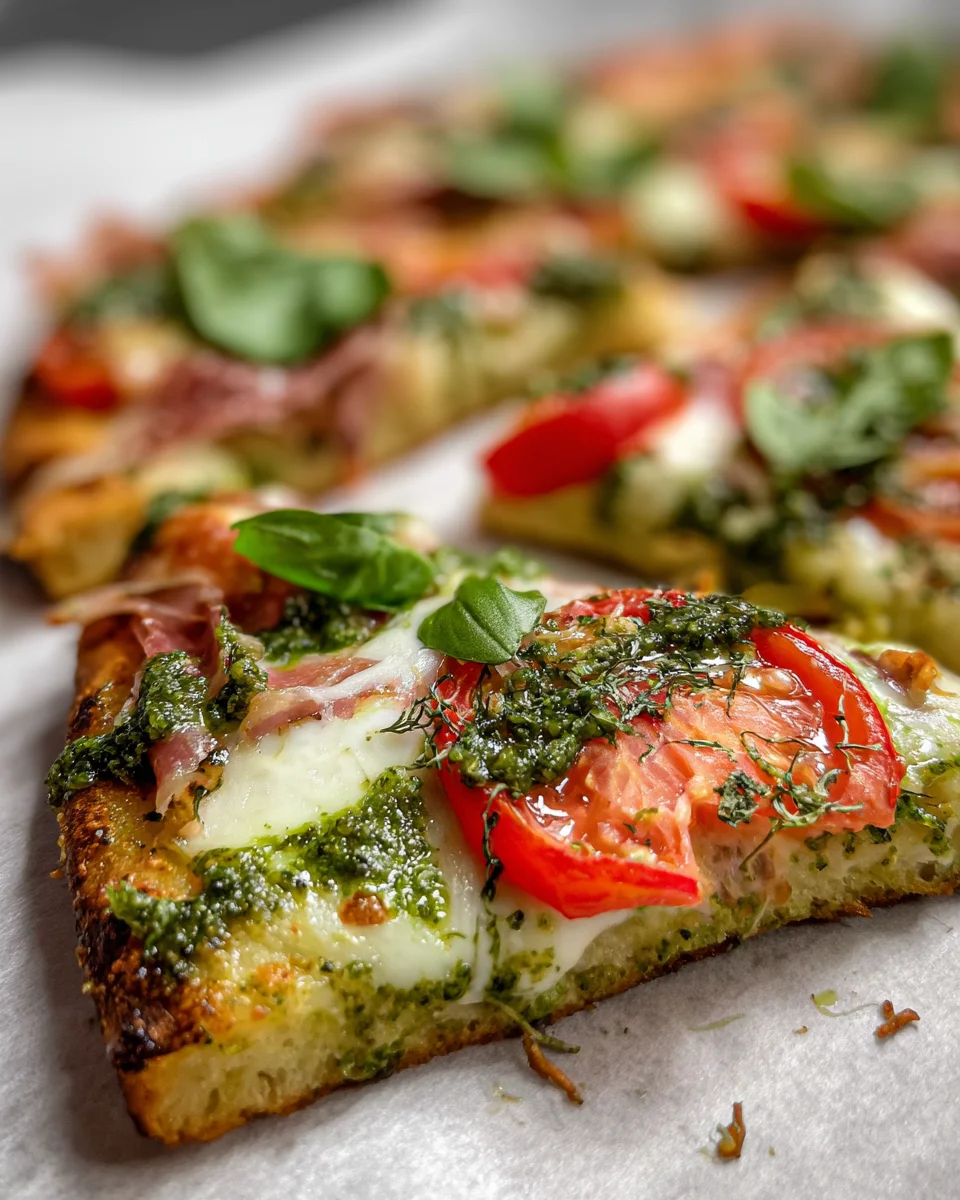
There is something truly magical about the aroma of fresh dough rising and the earthy, herbal scent of basil wafting through a warm kitchen. While traditional tomato-based pizzas have dominated our dinner tables for decades, the pesto pizza recipe offers a sophisticated, vibrant alternative that awakens the palate. If you are tired of the same old red sauce and want to elevate your home cooking, you have come to the right place. This guide is designed to walk you through every nuance of creating a restaurant-quality meal from the comfort of your own home.
Making pizza is more than just a kitchen task; it is an experience. It is about the tactile feel of the flour, the patience required for the dough to rise, and the creative freedom of selecting your favorite toppings. In this deep dive, we are going to explore why the pesto pizza recipe has become a global sensation and how you can master it with simple, high-quality ingredients.
What is a Pesto Pizza Recipe?
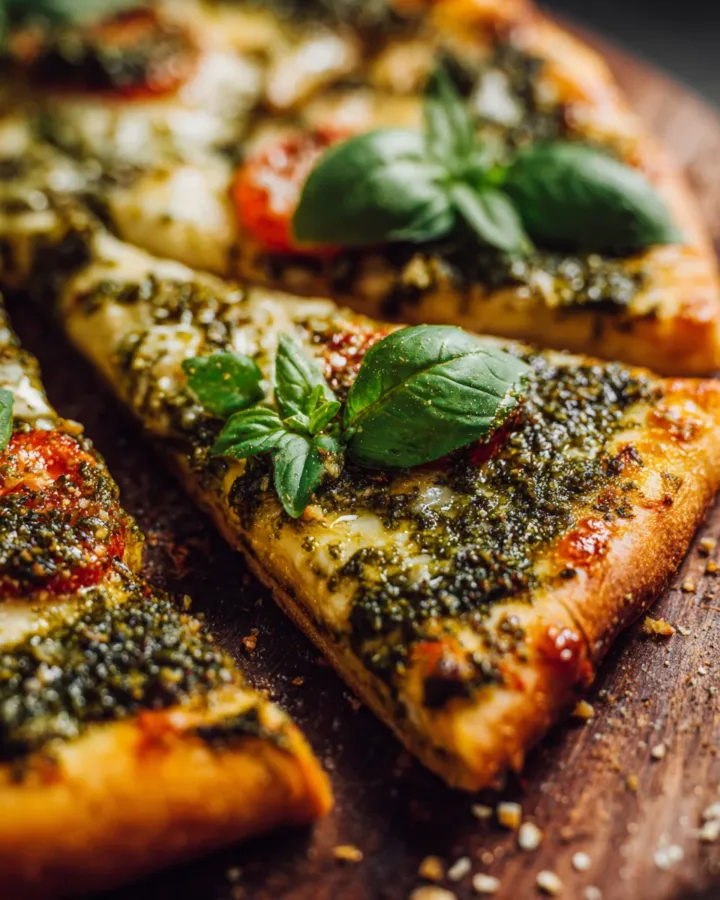
At its core, a pesto pizza recipe swaps out the traditional marinara or crushed tomato base for a lush, green sauce known as pesto. This sauce is traditionally a blend of fresh basil leaves, garlic, pine nuts, coarse salt, parmesan cheese, and a generous amount of extra virgin olive oil. When spread over a pizza crust, it creates a base that is rich, nutty, and incredibly aromatic.
Unlike tomato sauce, which can sometimes be acidic or overly sweet, pesto provides a savory depth that pairs beautifully with melted cheeses and fresh vegetables. The beauty of this specific dish lies in its versatility. You can keep it minimalist with just cheese and herbs, or you can use it as a canvas for a variety of colorful toppings like succulent cherry tomatoes, earthy mushrooms, or spicy peppers.
The Fascinating Origin of Pesto
To truly appreciate the pesto pizza recipe, we must look back at its roots in Northern Italy. The word pesto comes from the Genoese word pestare, which means to pound or to crush. This refers to the traditional method of preparation using a marble mortar and a wooden pestle. While the sauce itself dates back centuries to the Liguria region, specifically the city of Genoa, its application as a pizza topping is a more modern evolution.
Historically, pesto was served over pasta—specifically trofie or trenette—or stirred into minestrone soup. As pizza culture expanded globally and chefs began experimenting with regional Italian flavors, the marriage of Genoa’s famous green sauce and Naples’ legendary flatbread became inevitable. Today, it represents a fusion of Italian excellence, bringing together the garden-fresh flavors of the north with the comforting textures of southern Italian street food.
Essential Ingredients for Your Pesto Pizza
To achieve the best results, quality is everything. Because this recipe uses a handful of components, each one needs to shine. Here is what you will need to gather for one medium-sized pizza.
Crafting the Perfect Dough
The foundation of any great pizza is the crust. While you can certainly use a pre-made base, making it from scratch adds a level of love and texture that is hard to beat.
-
Two cups of all-purpose or bread flour: This provides the structure and chewiness.
-
One teaspoon of active dry yeast: The living ingredient that gives the dough its lift.
-
Three quarters of a cup of warm water: Ensure it is not too hot, as high heat can kill the yeast.
-
One teaspoon of white sugar: To feed the yeast and help with browning.
-
One half teaspoon of fine salt: Essential for flavoring the dough.
-
One tablespoon of extra virgin olive oil: This adds suppleness and a hint of richness to the crust.
Selecting the Toppings
This is where the pesto pizza recipe truly comes to life. The colors should be vibrant and the flavors balanced.
-
Three to four tablespoons of pesto sauce: You can use store-bought or homemade, but ensure it is thick and oil-rich.
-
One cup of mozzarella cheese: Freshly shredded melts better than the pre-packaged kind. For a plant-based version, a high-quality vegan cheese works wonders.
-
A handful of cherry tomatoes: Sliced in half to release their juices during the baking process.
-
Optional vegetables: Sliced mushrooms or bell peppers add texture and nutritional value.
-
Extra virgin olive oil: For brushing the crust to ensure a golden, crispy finish.
Step by Step Direction and Preparation Method: Pesto Pizza
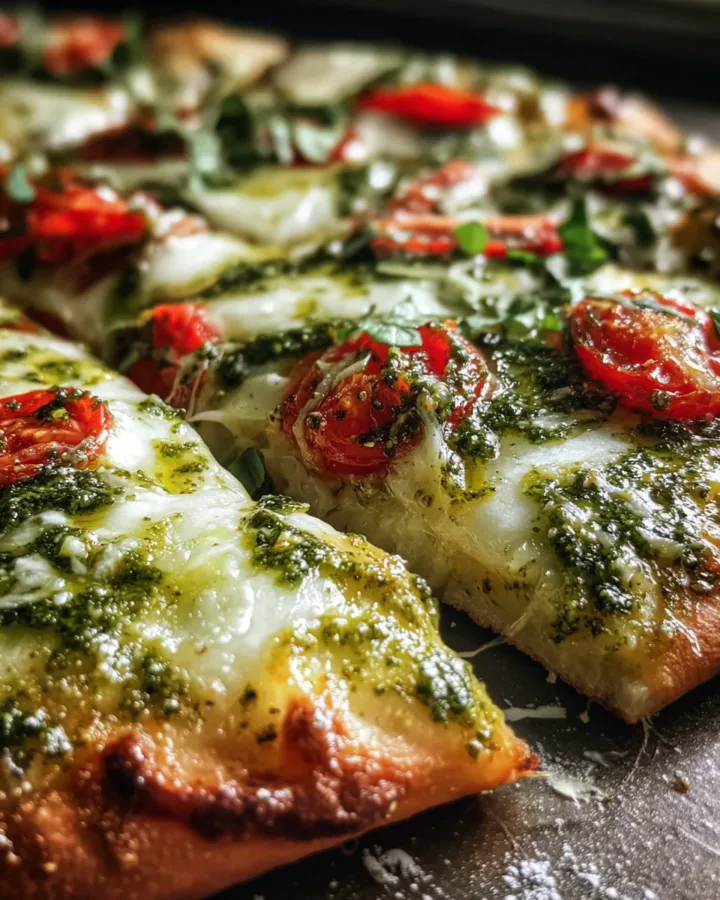
Creating this masterpiece requires a bit of timing and a lot of heart. Follow these steps to ensure your pesto pizza recipe turns out perfectly every single time.
Preparing the Homemade Dough
First, we begin with the activation of the yeast. In a small bowl, combine your warm water, the teaspoon of sugar, and the yeast. Give it a gentle stir and let it sit undisturbed for about five to ten minutes. You will know it is ready when a foamy, bubbly layer forms on the surface. This signifies that the yeast is alive and ready to work.
In a large mixing bowl, whisk together your flour and salt. Create a small well in the center and pour in the yeast mixture along with the tablespoon of olive oil. Using your hands or a sturdy spoon, begin incorporating the flour into the liquid until a shaggy dough forms.
Turn the dough out onto a lightly floured surface and begin the kneading process. This is the most therapeutic part of the pesto pizza recipe. Fold the dough over itself and push away with the palms of your hands. Repeat this rhythm for about five to eight minutes until the dough becomes smooth, elastic, and slightly tacky but not sticky. Once finished, place the dough in a lightly oiled bowl, cover it with a damp cloth, and let it rest in a warm, draft-free spot for about one hour. You are looking for it to double in size.
Shaping the Pizza Base
Once the hour has passed, gently punch down the dough to release the air bubbles. Preheat your oven to a high temperature, around four hundred degrees. While the oven heats, prepare your baking tray by lightly greasing it or lining it with parchment paper.
Place the dough on your floured surface and roll it out into a circle. If you prefer a thinner, New York-style crust, roll it out further. For a fluffier, thicker base, leave it a bit more substantial. Transfer the shaped dough to your baking tray. Use your fingers to create a slight indentation around the edges to form a crust that will hold the toppings in place.
Adding the Vibrant Toppings
Now comes the assembly. Take your pesto sauce and spread it evenly across the base of the dough. Be careful not to go too heavy; pesto is concentrated and oily, and too much can make the crust soggy. Leave about half an inch of space around the edges for the crust to rise and brown.
Sprinkle your mozzarella cheese generously over the pesto. Next, arrange your halved cherry tomatoes and any other vegetables you have chosen, such as mushrooms or bell peppers. The contrast of the green pesto against the red tomatoes and white cheese makes the pesto pizza recipe visually stunning even before it hits the oven. For a professional touch, brush the exposed edges of the dough with a little olive oil.
The Baking Process
Slide your pizza into the preheated oven. Bake for approximately twelve to fifteen minutes. You are looking for two main indicators of doneness: the cheese should be completely melted and bubbling with occasional golden-brown spots, and the crust should have a beautiful golden-brown hue and feel firm to the touch.
Keep a close eye on it during the final minutes, as every oven behaves differently. The high heat is necessary to crisp the bottom while keeping the toppings succulent.
Serving and Final Touches
Remove the pizza from the oven and let it sit for just a minute or two. This allows the cheese to set slightly so it doesn’t slide off when you cut it. Slice the pizza into wedges or squares, depending on your preference. Serving it hot is essential to appreciate the gooey texture of the cheese and the fresh kick of the basil.
Creative Variations of the Pesto Pizza
The classic version is incredible, but the pesto pizza recipe is highly adaptable to different dietary needs and flavor profiles.
The Mediterranean Twist
If you want to lean into the coastal flavors, consider adding some crumbled feta cheese and kalamata olives along with the mozzarella. The saltiness of the olives and the tang of the feta complement the garlic in the pesto perfectly. You can also add some artichoke hearts for a truly gourmet feel.
Protein-Packed Options
For those who want a more filling meal, grilled chicken is a natural partner for pesto. Slice cooked chicken breast thinly and layer it under the cheese. Alternatively, crispy pancetta or prosciutto added after the pizza comes out of the oven provides a salty, savory crunch that elevates the entire dish.
A Nutty and Herbaceous Finish
To add more texture, sprinkle some toasted pine nuts or walnuts over the pizza after baking. Fresh basil leaves added at the very end provide a burst of color and a fresh, peppery aroma that dried herbs simply cannot match. A light drizzle of balsamic glaze can also add a touch of sweetness to balance the salty cheese.
Frequently Asked Questions: Pesto Pizza
Can I use a different type of pesto?
Absolutely. While basil pesto is the gold standard, you can experiment with sun-dried tomato pesto for a red-green hybrid or even a kale and walnut pesto for a more earthy, bitter profile.
Is it possible to make this recipe vegan?
Yes, quite easily. Use a vegan-friendly pesto (many brands omit the parmesan) and swap the mozzarella for a dairy-free almond or soy-based cheese. The dough recipe provided is already naturally vegan.
What if I don’t have time to make dough from scratch?
Do not worry. You can use a store-bought pizza base, a pre-made flatbread, or even a large piece of naan. Just adjust the baking time based on the thickness of the pre-made base.
How do I prevent the pesto from turning brown in the oven?
Pesto can sometimes oxidize or lose its bright green color when exposed to high heat. To prevent this, you can cover the pesto with a generous layer of cheese, which acts as a heat shield, or you can dollop fresh pesto onto the pizza immediately after it comes out of the oven.
Can I freeze the leftover dough?
Yes. If you make a double batch of dough, you can wrap the extra portion tightly in plastic wrap and freeze it for up to three months. Just let it thaw in the refrigerator overnight before you plan to use it.
Conclusion: Pesto Pizza
Mastering the pesto pizza recipe is a rewarding journey that brings the flavors of an Italian summer directly into your home. By focusing on a few high-quality ingredients and taking the time to prepare your own dough, you create a meal that is significantly better than anything you could order from a delivery service. The combination of the herbaceous sauce, the creamy melted cheese, and the crisp, golden crust offers a symphony of textures and tastes. Whether you are hosting a casual dinner party or looking for a comforting weeknight meal, this recipe is sure to become a staple in your culinary repertoire. Remember that the best food is made with patience and a willingness to experiment, so do not be afraid to make this recipe your own. Enjoy the process of creating, and even more so, enjoy every delicious bite of your homemade creation.
Print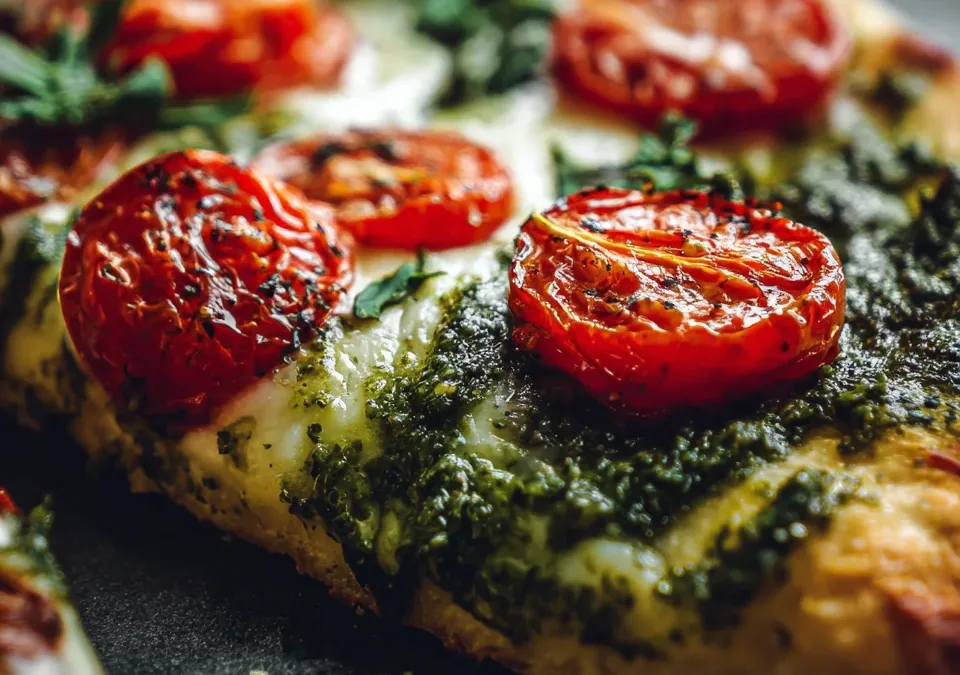
The Ultimate Homemade Pesto Pizza Recipe Guide
- Total Time: 1 hour 30 minutes
- Yield: 1 medium pizza (8 slices) 1x
- Diet: Vegetarian
Description
At its core, a pesto pizza recipe swaps out the traditional marinara or crushed tomato base for a lush, green sauce known as pesto. This sauce is traditionally a blend of fresh basil leaves, garlic, pine nuts, coarse salt, parmesan cheese, and a generous amount of extra virgin olive oil. When spread over a pizza crust, it creates a base that is rich, nutty, and incredibly aromatic.
Ingredients
- 200–250 g spaghetti
- 2 cups tomato sauce (store-bought or homemade)
- 2 tbsp olive oil
- 3 cloves garlic (minced)
- 1 small onion (finely chopped)
- Salt (to taste)
- Black pepper (to taste)
- 1 tsp sugar (optional, balances acidity)
- Fresh basil or dried herbs (optional)
- Grated cheese (optional, for topping)
Instructions
1. Cook the spaghetti
- Bring a large pot of salted water to a boil.
- Add spaghetti and cook according to package instructions (usually 8–10 minutes).
- Drain and set aside.
2. Prepare the sauce
- Heat olive oil in a pan over medium heat.
- Add chopped onion and sauté until soft.
- Add garlic and cook for about 30 seconds (don’t burn it).
3. Add tomato sauce
- Pour in the tomato sauce and stir well.
- Add salt, pepper, and sugar (if using).
- Let it simmer for 10–15 minutes so flavors develop.
4. Combine
- Add the cooked spaghetti into the sauce.
- Toss well so all noodles are coated.
5. Serve
- Garnish with basil or herbs and grated cheese if you like.
- Serve hot and enjoy!
Notes
- Prep Time: 1 hour 15 minutes (including dough resting)
- Cook Time: 15 minutes
- Category: Main Course
- Method: Baking
- Cuisine: Italian
Nutrition
- Serving Size: 2 slices
- Calories: ~320 kcal
