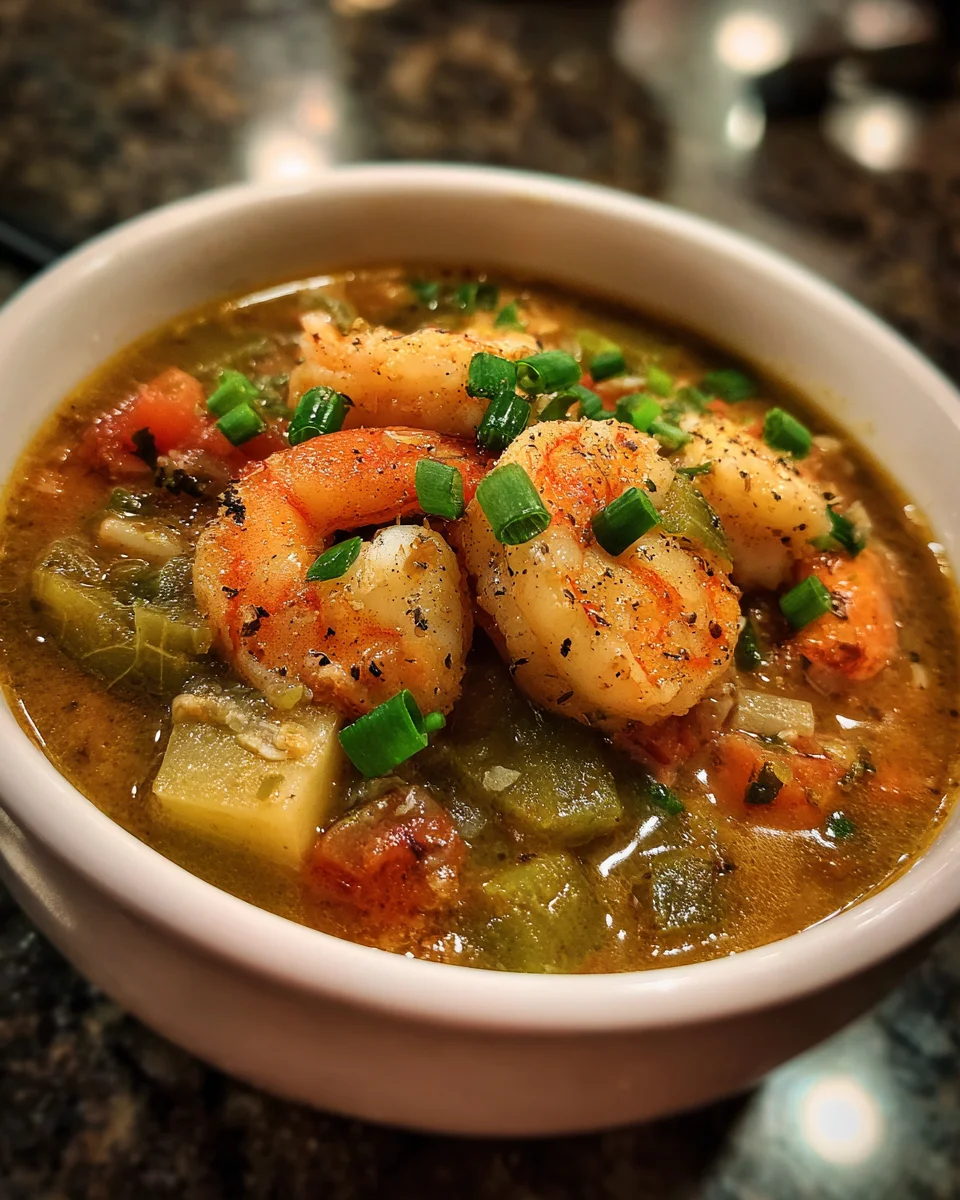
When it comes to the pantheon of great American comfort foods, few dishes carry as much soul, history, and complexity as a steaming bowl of gumbo. If you have ever traveled through the Gulf Coast, you know that this is more than just a stew; it is a cultural landmark. This seafood gumbo recipe is a deep dive into that rich tradition, offering a medley of the ocean’s finest treasures wrapped in a thick, smoky, and intensely flavorful broth. It is the kind of meal that takes time, patience, and a bit of love, but the reward is a culinary experience that stays with you long after the last spoonful.
In this comprehensive guide, we are going to explore the art of the roux, the importance of the holy trinity of vegetables, and how to balance the delicate textures of shrimp, crab, and fish. Whether you are looking to impress guests at a dinner party or simply want to bring a taste of New Orleans into your own kitchen, this recipe provides the perfect roadmap for a restaurant-quality result.
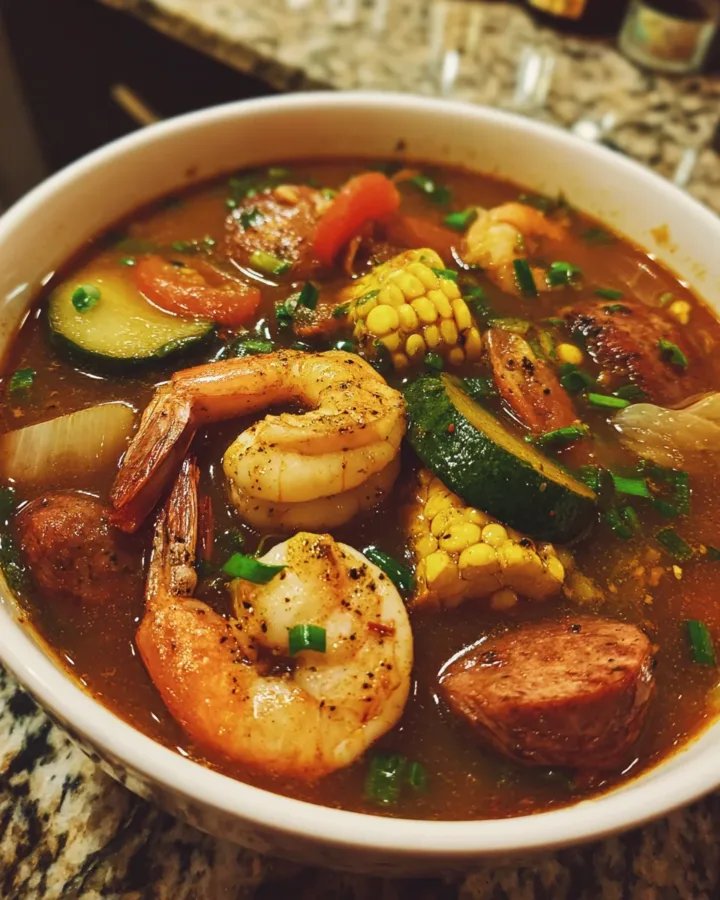
What is This Seafood Gumbo Recipe?
At its most basic definition, the seafood gumbo recipe is a savory, thick stew that features a variety of seafood, a dark roux, and a specific blend of aromatic vegetables. However, that description barely scratches the surface. Gumbo is characterized by its unique thickening agents—traditionally a roux made of flour and fat, okra, or filé powder (ground sassafras leaves). In this version, we utilize both a dark chocolate-colored roux and okra to achieve a luscious, hearty consistency that coats the back of a spoon.
What makes this specific recipe stand out is the layering of flavors. We start with a base that is almost bitter and nutty from the toasted flour, then brighten it with sweet tomatoes, savory stock, and a punch of Southern spices. The seafood is added at the very end to ensure it remains tender and succulent, absorbing the essence of the broth without becoming overcooked. It is a dish that celebrates the bounty of the sea in a way that feels both rustic and incredibly sophisticated.
The Deep Roots and Origin of Gumbo
The history of gumbo is as layered as the dish itself. It is a true “melting pot” creation, reflecting the diverse influences of French, Spanish, African, and Native American cultures in Louisiana. The name “gumbo” is widely believed to be derived from the West African word for okra, kingombo. Okra was brought to the Americas by enslaved people and served as a primary thickener for early versions of the stew.
The French influence is seen in the use of the roux, though the Louisiana version is pushed much darker than a traditional French blonde roux. Native Americans contributed filé powder, which provided a different texture and an earthy flavor. Over the centuries, these influences merged to create the various styles of gumbo we see today—from the meat-heavy versions featuring sausage and chicken to the lighter, brine-forward versions like this seafood gumbo recipe. It is a dish that tells the story of survival, adaptation, and the eventual celebration of local ingredients.
The Secret is in the Roux
If you ask any seasoned Southern cook the secret to a great gumbo, they will point to the heavy-bottomed pot and say one word: roux. Making a roux for a seafood gumbo recipe is an exercise in mindfulness. You are essentially toasted flour in oil until it changes color and flavor.
A “blonde” roux is used for gravies, but for gumbo, we aim for a “dark chocolate” roux. As the flour toasts, it loses its thickening power but gains an incredible, smoky, nutty depth. You have to stand over the pot, stirring constantly, because the difference between a perfect dark roux and a burnt, ruined mess is only a matter of seconds. This base is what gives the gumbo its soul and its characteristic murky, mysterious appearance.
Ingredients with Full Quantity: seafood gumbo recipe
To make a truly authentic gumbo, you need to gather your ingredients with care. While frozen options work in a pinch, fresh, local seafood will always provide the most vibrant flavor profile.
-
Vegetable Oil: one-half cup. You need a fat with a high smoke point for the long roux-making process.
-
All-Purpose Flour: one-half cup. This combines with the oil to create your thickening agent.
-
Onion: one large onion, chopped.
-
Green Bell Pepper: one large bell pepper, chopped.
-
Celery: two stalks, chopped. (Together with the onion and pepper, this forms the “Holy Trinity”).
-
Garlic: four cloves, minced for a sharp aromatic kick.
-
Diced Tomatoes: one can (fourteen ounces). These add acidity and body to the broth.
-
Seafood or Chicken Stock: four cups. Seafood stock is preferred for a deeper ocean flavor.
-
Dried Thyme: one teaspoon.
-
Paprika: one teaspoon for color and a mild sweetness.
-
Cayenne Pepper: one teaspoon. You can adjust this based on your preferred level of heat.
-
Bay Leaf: one whole leaf.
-
Salt and Black Pepper: to taste.
-
Shrimp: one-half pound, peeled and deveined.
-
Crab Meat: one-half pound. Lump crab meat is excellent, but imitation crab can be used for a budget-friendly version.
-
White Fish: one-half pound of cod or tilapia, cut into bite-sized chunks.
-
Okra: one cup, fresh or frozen. Okra acts as a natural thickener.
-
Worcestershire Sauce: two tablespoons for a salty, umami depth.
-
White Rice: cooked separately for serving.
-
Garnish: chopped green onions and fresh parsley.
Step by Step Direction and Preparation Method: seafood gumbo recipe
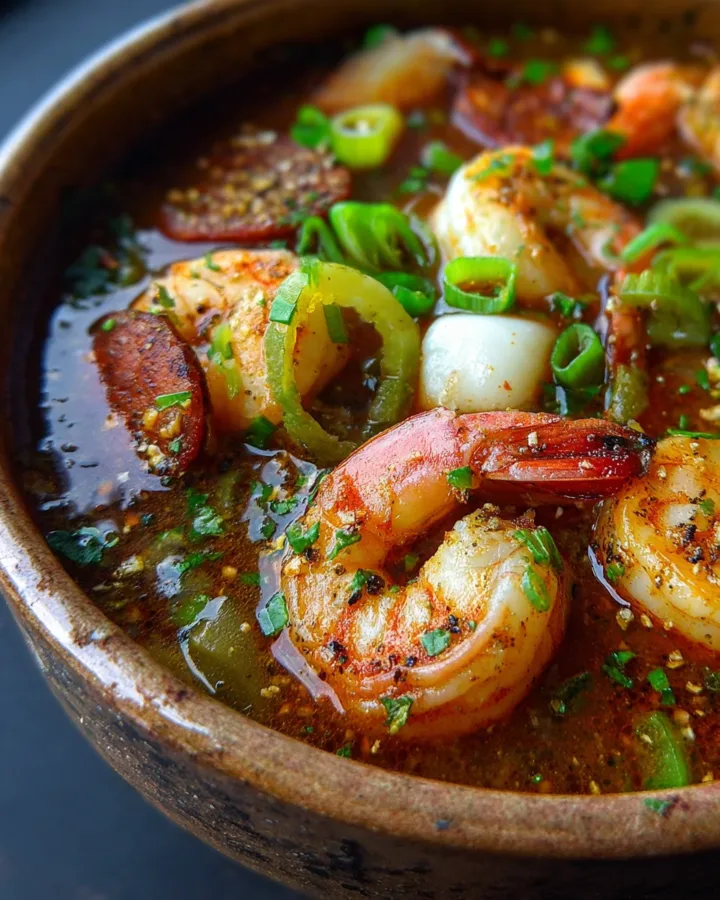
Follow these instructions closely. The timing of when you add each ingredient is just as important as the ingredients themselves.
Step One: The Sacred Art of the Roux
In a large, heavy-bottomed pot or Dutch oven, heat the vegetable oil over medium-low heat. Once the oil is shimmering, slowly whisk in the all-purpose flour. Now comes the part that requires patience. You must stir this mixture constantly for fifteen to twenty minutes.
Initially, the roux will be light and smell like pie crust. As you continue, it will turn peanut butter colored, then copper, and finally a deep, dark brown similar to dark chocolate. This is the stage where you must be most vigilant. If you see black specks, it has burnt and you must start over. The smell should be intensely nutty and toasted.
Step Two: Sautéing the Holy Trinity
Once your roux has reached that perfect dark brown shade, immediately stir in your chopped onion, green bell pepper, and celery. The moisture from the vegetables will stop the roux from cooking further. Sauté these for five to seven minutes until they are softened and translucent. Add the minced garlic during the last sixty seconds of this process so it becomes fragrant without burning.
Step Three: Building the Flavorful Base
Now, it is time to turn that roux into a soup. Slowly pour in the seafood or chicken stock while whisking to ensure no lumps form. Add the diced tomatoes with their juices, the thyme, paprika, cayenne, bay leaf, salt, pepper, and Worcestershire sauce. Stir the mixture well to combine all the elements. The liquid should look rich and dark.
Step Four: The Long Simmer
Bring the pot to a boil, then immediately reduce the heat to low. Let the gumbo simmer, uncovered, for thirty minutes. This time allows the flavors to meld together and for the “raw” taste of the spices to mellow out. The kitchen will begin to smell absolutely incredible during this phase.
Step Five: Adding the Bounty of the Sea
Once the base has simmered and thickened slightly, add your chunks of white fish, the shrimp, the crab meat, and the okra. Stir them in gently so you do not break up the fish. Cook for another eight to ten minutes. You will know it is ready when the shrimp turn pink and opaque and the fish flakes easily with a spoon. The okra will release its natural starches, giving the seafood gumbo recipe its final, perfect consistency.
Step Six: The Final Presentation
Remove the bay leaf and discard it. Taste the broth one last time to see if it needs an extra pinch of salt or a dash of hot sauce. Ladle a generous portion of the hot gumbo into a bowl, making sure to get a mix of all the different seafood. Place a large scoop of warm white rice right in the middle or on the side. Garnish with a handful of chopped green onions and fresh parsley for a burst of color and freshness.
Delicious Variations for seafood gumbo recipe
While this seafood gumbo recipe is a classic, the beauty of Southern cooking is that it is often adapted based on what is available.
The Land and Sea Hybrid
Many people love to add sliced andouille sausage to their seafood gumbo. The smoky, spicy pork adds a completely different dimension of flavor. If you choose to do this, brown the sausage slices before you start the roux and add them back in when you add the stock.
The Shellfish Extravaganza
If you want to make this even more luxurious, you can add whole crawfish or even small lobster tails. Shucked oysters are also a traditional addition in many coastal Louisiana homes, added during the last three minutes of cooking so they stay plump and juicy.
The Filé Powder Finish
If you cannot find okra or simply do not like the texture, you can use filé powder. However, do not boil the gumbo once the filé is added, as it can become stringy. Stir it in after you have turned off the heat right before serving.
Frequently Asked Questions: seafood gumbo recipe
Can I make the seafood gumbo recipe ahead of time?
Yes, you can actually make a large batch of roux and store it in a jar in the refrigerator for weeks. When you are ready to make your seafood gumbo recipe, just melt the cold roux in your pot before adding your vegetables.
What if my gumbo is too thin?
If your gumbo has finished simmering and you feel it needs more body, you can mix a little cornstarch with cold water and stir it in. However, keep in mind that gumbo is a stew, not a gravy; it should have some liquid movement.
How do I store leftovers?
Seafood gumbo actually tastes even better the next day as the flavors continue to develop. Store it in an airtight container in the fridge for up to two days. Reheat it gently on the stove over low heat so you do not overcook the shrimp.
Why is okra used in gumbo?
Okra contains a substance called mucilage, which acts as a natural thickener when heated in liquid. It gives the gumbo a specific “silky” mouthfeel that is traditional to the dish.
Can I use a different type of oil for the roux?
You can use any oil with a high smoke point, such as canola, peanut, or even lard. Avoid using butter for a dark roux, as the milk solids in the butter will burn long before the flour reaches the chocolate stage.
Professional Tips for Success: seafood gumbo recipe
To ensure your seafood gumbo recipe surpasses the expectations of even the toughest critics, keep these tips in mind:
-
Do Not Rush the Roux: If you try to speed it up by turning the heat to high, you will burn the flour. Low and slow is the only way to get that deep, complex flavor.
-
Use Quality Stock: The broth is the canvas for your seafood. If you use a thin, flavorless stock, the final dish will lack depth.
-
Freshness is Key: If you can find shrimp with the heads still on, use the heads to make a quick stock before you start the recipe. That “shrimp butter” in the heads adds an incredible richness to the gumbo.
-
The Holy Trinity Ratio: Stick to the ratio of two parts onion to one part bell pepper and one part celery. This is the foundational balance of Cajun and Creole cooking.
The Joy of the Gumbo Tradition
Making a seafood gumbo recipe is a ritual. It is a slow process that rewards the cook with a sense of accomplishment. In the South, gumbo is often the center of social gatherings—”gumbo parties” where a massive pot is shared among friends and family. It represents a way of life that values the time it takes to build something great from humble beginnings.
When you serve this dish, you are not just serving a meal; you are serving hundreds of years of history. The contrast between the dark, earthy roux and the bright, briny seafood is a testament to the brilliance of home cooks who learned to use everything at their disposal to create a masterpiece. It is a hearty, warming, and deeply satisfying dish that is perfect for any occasion that calls for real comfort food.
Conclusion: seafood gumbo recipe
The seafood gumbo recipe remains one of the most iconic and beloved dishes in American culinary history for a very good reason. It is a complex, flavorful, and deeply satisfying stew that manages to be both humble and extravagant at the same time. By mastering the art of the dark roux and respecting the delicate nature of fresh seafood, you can create a meal that is truly extraordinary. This dish is a celebration of history, culture, and the incredible flavors of the Gulf Coast. Whether you are eating it on a cold winter night or at a summer celebration, a well-made gumbo is a reminder of the power of slow, intentional cooking. Take your time, stir your roux with care, and enjoy the rich, smoky, and seafood-packed results of your labor. It is a culinary journey that is well worth every minute spent at the stove.
Print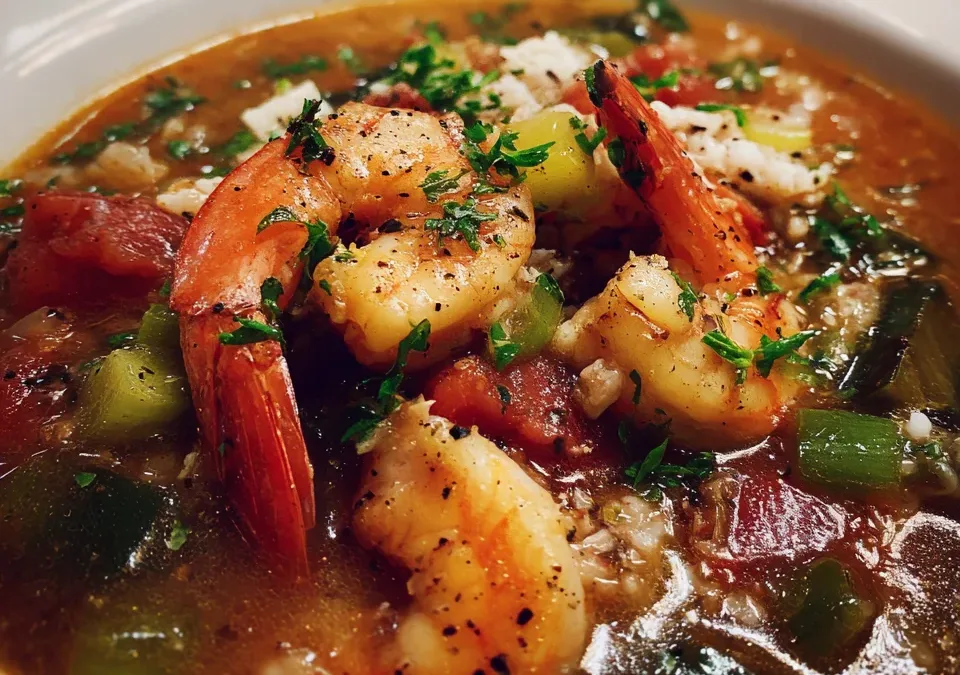
The Ultimate Traditional Seafood Gumbo Recipe
- Total Time: 1 hour 35 minutes
- Yield: 6 servings 1x
Description
At its most basic definition, the seafood gumbo recipe is a savory, thick stew that features a variety of seafood, a dark roux, and a specific blend of aromatic vegetables. However, that description barely scratches the surface. Gumbo is characterized by its unique thickening agents—traditionally a roux made of flour and fat, okra, or filé powder (ground sassafras leaves). In this version, we utilize both a dark chocolate-colored roux and okra to achieve a luscious, hearty consistency that coats the back of a spoon.
Ingredients
- ½ cup vegetable oil
- ½ cup all-purpose flour (for roux)
- 1 onion, chopped
- 1 green bell pepper, chopped
- 2 celery stalks, chopped
- 4 cloves garlic, minced
- 1 can (14 oz) diced tomatoes
- 4 cups seafood or chicken stock
- 1 tsp dried thyme
- 1 tsp paprika
- 1 tsp cayenne pepper (adjust for spice)
- 1 bay leaf
- Salt & black pepper to taste
- ½ lb shrimp, peeled and deveined
- ½ lb crab meat (or imitation crab if needed)
- ½ lb white fish (like cod or tilapia), cut into chunks
- 1 cup okra (fresh or frozen)
- 2 tbsp Worcestershire sauce
- Cooked white rice (for serving)
- Green onions & parsley (for garnish)
Instructions
- Make the roux
Heat oil in a large pot. Slowly whisk in flour and cook on medium-low heat, stirring constantly for 15–20 minutes until it becomes dark brown (like chocolate). - Add vegetables
Stir in onion, bell pepper, and celery. Cook for 5–7 minutes until softened. Add garlic and cook 1 minute more. - Build the base
Add diced tomatoes, stock, thyme, paprika, cayenne, bay leaf, salt, pepper, and Worcestershire sauce. Stir well. - Simmer
Bring to a boil, then reduce heat and simmer for 30 minutes. - Add seafood
Add fish, shrimp, crab, and okra. Cook for 8–10 minutes until seafood is tender and cooked through. - Serve
Remove bay leaf and serve hot over rice. Garnish with green onions and parsley.
Notes
This seafood gumbo is a rich, hearty dish packed with bold flavors and comforting Southern-style warmth.
- Prep Time: 25 minutes
- Cook Time: 1 hour 10 minutes
- Category: Main Dish
- Method: Simmer
- Cuisine: Cajun
Nutrition
- Serving Size: 1 bowl
- Calories: ~420 kcal
Keywords: traditional cajun seafood gumbo, easy shrimp and crab gumbo, authentic creole seafood stew, dark roux seafood gumbo, southern style seafood gumbo
