Hosting a holiday dinner calls for a centerpiece that feels deeply luxurious. Learning how to roast
thyme butter Cornish hens gives you an effortless route to an
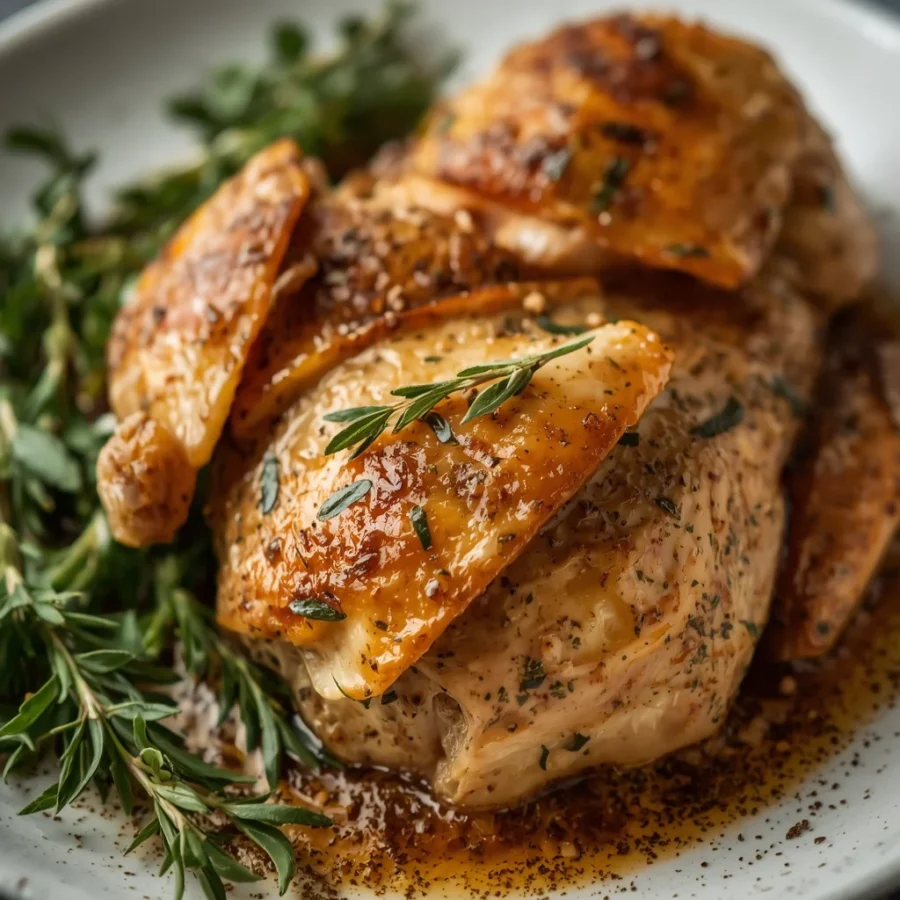
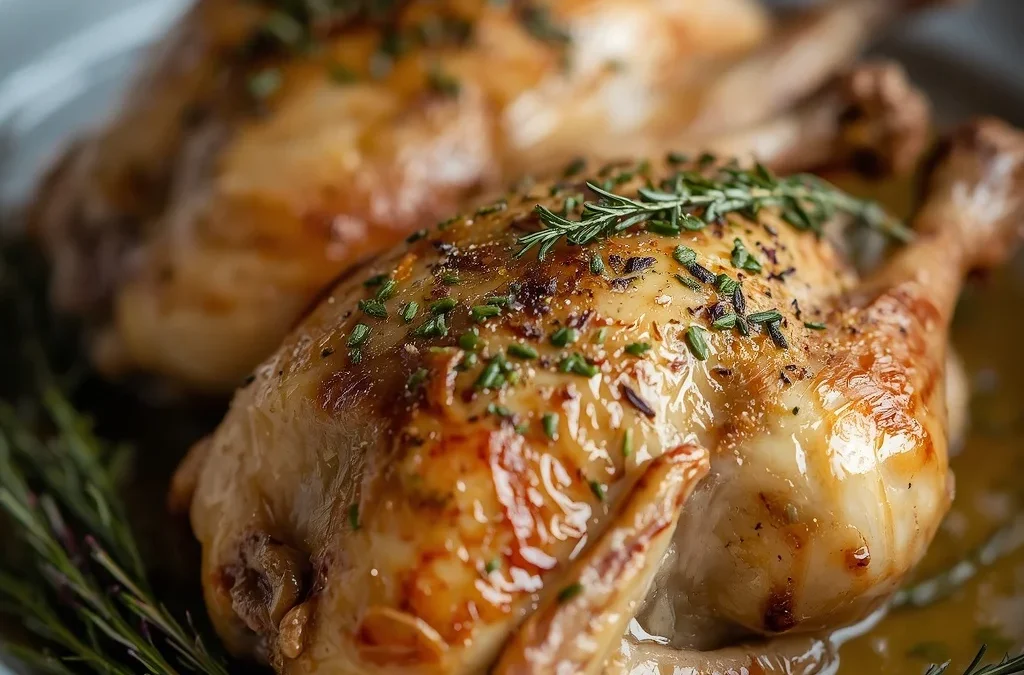
extraordinary meal. These compact game birds roast much faster than a traditional large turkey. Yet, they offer a tender texture and deep savory flavor that pleases every dinner guest. We tuck a fragrant compound butter made with fresh garden herbs, minced garlic, citrus zest, and spices under the skin. This step locks in moisture while creating a crisp golden-brown exterior. The combination of rich butter, aromatic thyme, and bright lemon juices produces a savory pan reduction. That rich sauce elevates simple roasted root vegetables into a memorable, comfort-rich feast.
Preparing individual roasted poultry portions brings a refined touch to your holiday table arrangements. Each guest enjoys their own beautifully browned bird, complete with crispy skin and juicy breast meat. Whether you plan a cozy Christmas Eve
dinner or celebrate a special anniversary, this reliable
recipe guarantees maximum flavor. Kitchen stress stays remarkably low throughout the entire cooking process. In this comprehensive guide, you will learn everything about Cornish game hens. We cover step-by-step preparation techniques, clever flavor variations, ingredient swaps, and answers to common cooking questions. Your main course will turn out moist and delicious every single time.
What are Thyme Butter Cornish Hens?
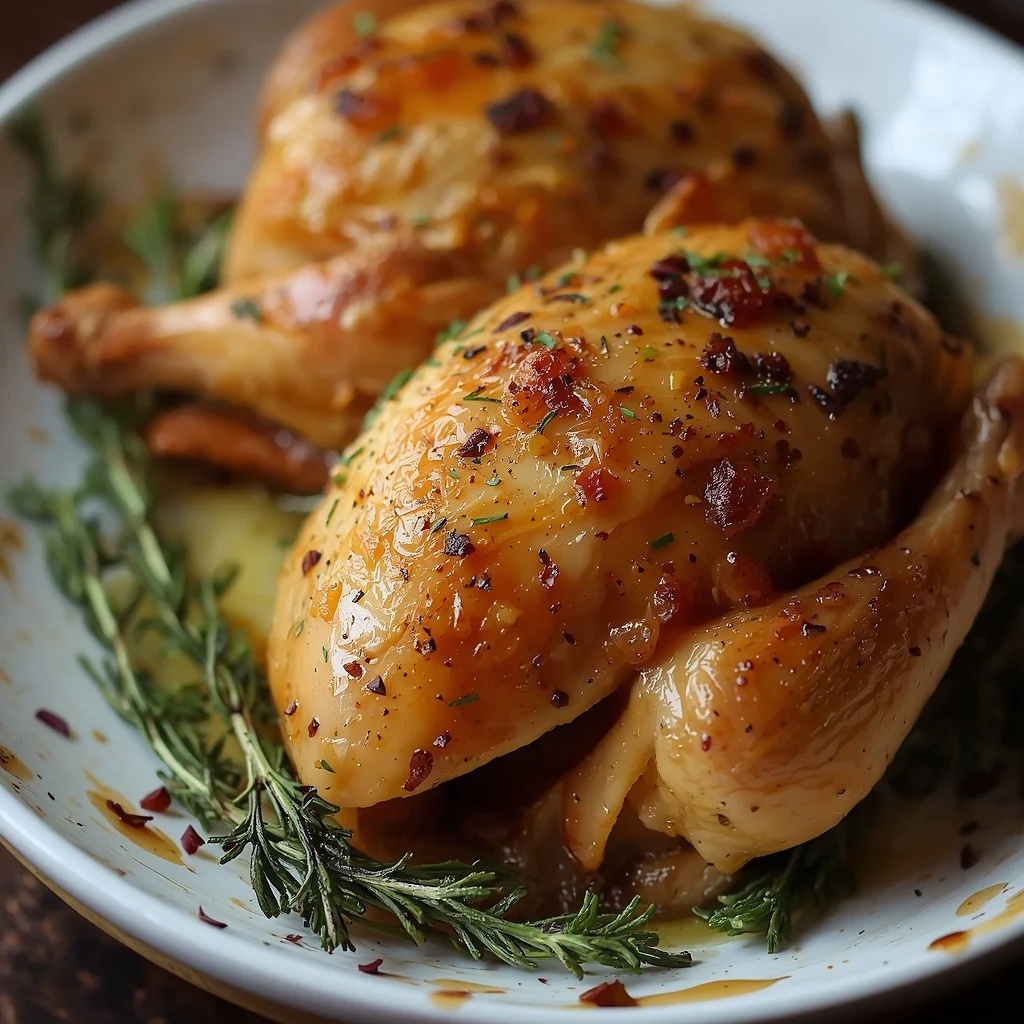
Thyme butter Cornish hens are young, tender game birds roasted whole after being seasoned with an aromatic compound butter. That smooth paste mixes fresh thyme leaves, minced garlic, lemon juice, lemon zest, paprika, onion powder, salt, and black pepper. The term Cornish hen refers to a specific breed of small young chicken. These birds typically weigh between one and two pounds. Because of their compact size, they feature remarkably tender, fine-grained meat. The breast stays naturally juicy when cooked at moderate roasting temperatures.
The defining characteristic of this dish lies in applying the herb butter both under and over the poultry skin. Subsurface seasoning allows the fat, citrus, and herbs to baste the delicate breast meat directly throughout roasting. Meanwhile, the outer coating crisps under the steady oven heat, creating a glossy skin. Aromatics like sliced yellow onion, fresh lemon wedges, and whole sprigs of thyme fill the interior cavity. They release fragrant steam from within as heat builds inside the oven. Every single bite remains balanced, savory, and wonderfully moist.
Origin of Cornish Game Hens and Herb Butter Roasting
Despite their European-sounding name, Cornish game hens originated in the United States during the nineteen fifties. Alphonsine and Jacques Makowsky crossbred specialized chicken strains on their Connecticut farm to create a small, fast-growing bird. This unique breed boasted a high proportion of white breast meat. Their creation quickly caught the attention of fine-dining chefs across North America. Upscale restaurants prized the birds as individual single-serving main courses for formal dinner parties.
Pairing small game birds with compound herb butter roots itself in classical French culinary tradition. French chefs recognized long ago that lean poultry requires added fats like softened unsalted butter. The fat protects breast meat from drying out during high-heat roasting. Combining European basting methods with mid-century American poultry breeding produced a timeless dinner staple. Today, roasting thyme butter Cornish hens with seasonal root vegetables remains a favorite choice for home cooks. It provides an elegant main course for holiday celebrations and family gatherings alike.
Ingredients and Exact Quantities: thyme butter cornish hens
To roast the best thyme butter Cornish hens, select high-quality birds and fresh produce. Measuring all items and bringing them to room temperature guarantees a smooth, easy preparation process.
For the Main Poultry Dish
-
Cornish Hens: Two whole Cornish hens, weighing one to one and one-half pounds each, completely thawed.
-
Unsalted Butter: Four full tablespoons of quality unsalted butter, softened to room temperature.
-
Olive Oil: One tablespoon of extra virgin olive oil for the butter mixture, plus one extra tablespoon for vegetables.
-
Fresh Thyme: One full tablespoon of minced fresh thyme leaves (or one teaspoon of dried thyme leaves).
-
Garlic: Four fresh garlic cloves, finely minced or pressed.
-
Lemon Juice: One tablespoon of freshly squeezed lemon juice.
-
Lemon Zest: One teaspoon of finely grated fresh lemon zest.
-
Salt: One teaspoon of fine sea salt, adjusted to personal taste.
-
Black Pepper: One-half teaspoon of freshly ground black pepper.
-
Paprika: One-half teaspoon of sweet or smoked paprika.
-
Onion Powder: One-half teaspoon of fine onion powder.
-
Aromatic Cavity Fillers: One small yellow onion quartered, one whole fresh lemon cut into wedges, and four to six fresh thyme sprigs.
Optional Roasting Vegetables
-
Carrots: Two large fresh carrots, peeled and sliced into thick chunks.
-
Baby Potatoes: Two full cups of small baby potatoes, washed and cut into halves.
-
Seasonings: Extra olive oil, salt, and ground black pepper to toss with the vegetables.
Step-by-Step Directions and Preparation Method: thyme butter cornish hens
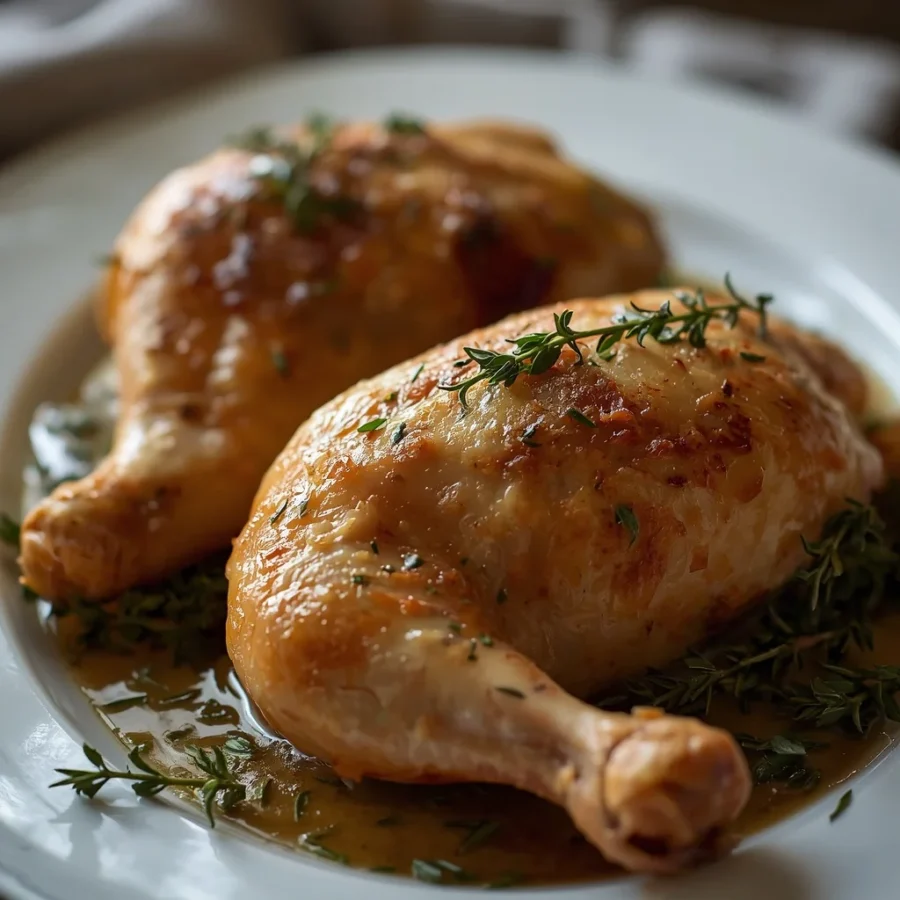
Roasting tender thyme butter Cornish hens requires simple preparation steps. Following this methodical technique ensures maximum moisture retention, crisp skin, and perfectly cooked meat.
Step One: Oven Setup and Poultry Preparation
Set your oven rack to the middle position. Preheat the oven temperature to four hundred degrees Fahrenheit. Remove the thawed Cornish hens from their packaging carefully. Check inside the body cavities and remove any giblets or neck pieces if present. Place the birds onto a clean work surface. Pat them completely dry inside and out using fresh paper towels. Removing external surface moisture is crucial because dry skin crisps up much faster in the oven.
Step Two: Mix the Garlic Thyme Butter
In a small mixing bowl, combine four tablespoons of softened unsalted butter and one tablespoon of olive oil. Add four minced garlic cloves, one tablespoon of minced fresh thyme, and one tablespoon of fresh lemon juice. Sprinkle in one teaspoon of lemon zest, one teaspoon of salt, one-half teaspoon of black pepper, one-half teaspoon of paprika, and one-half teaspoon of onion powder. Stir vigorously with a fork until all spices and green herbs fully blend into a smooth paste.
Step Three: Season Under and Over the Skin
Slide your fingers gently between the breast meat and the thin skin of each hen. Start at the lower cavity opening and work upward toward the neck. Take care not to tear the delicate skin layer. Scoop up about one-third of your thyme butter mixture. Push it directly underneath the skin, pressing down on the outside to smooth the butter evenly across both breast lobes. Rub the remaining herb butter thoroughly across the entire exterior of both birds, covering the wings, legs, and back completely.
Step Four: Stuff the Interior Cavities
Divide the small quartered yellow onion, fresh lemon wedges, and whole thyme sprigs evenly between the two interior cavities. Stuffing the cavity with moisture-rich aromatics steams the interior of the birds as they cook. This process imparts subtle lemon, onion, and herbal flavors straight into the bone structure. It also prevents internal dry spots from forming during the long bake.
Step Five: Prepare the Roasting Pan and Vegetables
Place the seasoned hens breast-side up in a large rimmed baking dish or heavy roasting pan. If you choose to include roasting vegetables, place the halved baby potatoes and carrot chunks into a separate bowl. Toss them with one tablespoon of olive oil, a pinch of salt, and a pinch of black pepper. Arrange the vegetable pieces in a single layer around the outer edges of the hens in the roasting pan so they absorb savory butter drippings.
Step Six: Roast and Baste to Perfection
Transfer the roasting pan into your preheated oven. Roast uncovered at four hundred degrees Fahrenheit for sixty to seventy-five minutes. Halfway through the cooking duration, carefully spoon some of the accumulated melted butter and pan juices over the top of the hens. If the breast skin starts to brown too deeply before the interior cooks fully, loosely drape a sheet of aluminum foil over the birds to protect them from scorching.
Step Seven: Verify Internal Temperature and Rest
Insert an instant-read digital meat thermometer into the thickest section of the breast meat. Check the innermost part of the thigh as well, ensuring the probe tip avoids touching bone. The internal temperature must read at least one hundred sixty-five degrees Fahrenheit in all tested sections before removing the hens from the oven. Once fully cooked, transfer the roasted birds to a board. Let them rest for ten to fifteen minutes so hot juices redistribute evenly throughout the meat fibers.
Delicious Variations for Every Menu Theme: thyme butter cornish hens
The versatile nature of thyme butter Cornish hens makes them easy to adapt for different dietary preferences or seasonal themes. You can easily tweak the fat base, exchange herbs, or alter aromatics to create an entirely new flavor experience.
| Variation Style |
Key Substitutions or Additions |
Flavor & Texture Profile |
| Rosemary Garlic |
Swap thyme with minced rosemary and extra garlic |
Bold, earthy, deeply savory |
| Honey Glazed |
Blend honey, Dijon mustard, and butter |
Sweet, tangy, caramel color |
| Smokey Paprika |
Add smoked paprika, cumin, and lime juice |
Warm, smoky, zesty citrus notes |
| Dairy-Free Herb |
Replace butter with avocado oil or olive oil spread |
Light, crisp, allergen-friendly |
| Cranberry Citrus |
Add orange zest, juice, and fresh cranberries |
Tangy, festive, bright ruby pan sauce |
Rosemary and Roasted Garlic Variation
For a deeper, earthy flavor profile, replace the fresh thyme with one tablespoon of finely chopped fresh rosemary leaves. Increase the minced garlic to six full cloves. Rosemary holds up exceptionally well against higher roasting heat. It releases a woodsy pine aroma that complements rich poultry fat and pairs wonderfully with roasted root vegetables.
Sweet Honey Dijon Glaze
If you enjoy a touch of sweetness with savory roasted meats, add two tablespoons of clover honey and one tablespoon of smooth Dijon mustard directly into your thyme butter mixture. As the hens roast, natural sugars in the honey caramelize under the oven heat. This creates a rich mahogany glaze over the skin that delivers a delightful sweet and tangy finish.
Dairy-Free Olive Oil Modification
To accommodate guests who avoid dairy products, replace the softened butter with an equal amount of high-quality extra virgin olive oil or a plant-based butter alternative. While olive oil creates a slightly thinner rub, it produces an exceptionally crispy skin. It allows the natural flavor of the poultry, fresh garlic, and lemon juice to shine through cleanly.
Festive Citrus and Cranberry Version
Enhance your holiday presentation by replacing the lemon juice and zest with fresh orange juice and grated orange zest. Toss a cup of fresh whole cranberries into the roasting pan around the birds alongside the carrots and potatoes. As orange and cranberry juices cook down with poultry drippings, they form a vibrant, tart-sweet pan gravy that looks stunning on a festive platter.
Frequently Asked Questions: thyme butter cornish hens
How long does it take to thaw frozen Cornish hens?
The safest way to thaw frozen game birds is inside your refrigerator. Allow approximately twenty-four hours of refrigeration time for every one to two pounds of poultry. Place the packaged birds inside a rimmed dish to catch condensation or drips as they thaw. If you need a faster method, submerge the sealed package in a bowl of cold tap water. Change the water every thirty minutes until the birds feel soft throughout.
Why is it important to rub butter underneath the skin?
Applying compound butter directly under the skin places fat, salt, and seasonings in direct contact with lean breast meat. Breast meat cooks faster and dries out more easily than leg meat. Melting butter bastes the muscle fibers constantly from the outside in as the hens roast. This technique keeps the breast juicy while helping the skin above it brown into a crisp shell.
How do I store and reheat leftovers?
Store leftover cooked hens in an airtight glass container inside your refrigerator for up to three to four days. To reheat without drying out the white meat, place leftover pieces into a baking dish. Add a few tablespoons of chicken broth to the bottom, cover tightly with foil, and warm in a three hundred fifty degree Fahrenheit oven until heated through completely.
Can I double thyme butter cornish hens for a larger group?
Yes, you can easily double or triple the ingredients to serve a larger crowd. Use a large double-burner roasting pan or two separate rimmed baking sheets to avoid overcrowding the birds. Ensure there is at least an inch of space between each hen. Free air circulation allows all skin surfaces to brown evenly without steaming in the pan.
Conclusion: thyme butter cornish hens
Serving
thyme butter Cornish hens brings warmth, elegance, and incredible savory flavor to any holiday table or special
weekend meal. Combining simple ingredients like rich softened butter, fresh thyme, minced garlic, and bright lemon citrus creates a deeply flavorful dish that transforms compact game birds into a stunning main course. The simple process of tucking herb butter beneath the skin keeps every bite moist, while roasting over a bed of seasoned carrots and baby potatoes creates a complete, comforting meal with minimal cleanup required. Whether you host a formal Christmas dinner or simply treat your family to a cozy home-cooked feast, this reliable recipe delivers golden crispy skin, tender juicy meat, and unforgettable aroma every single time.