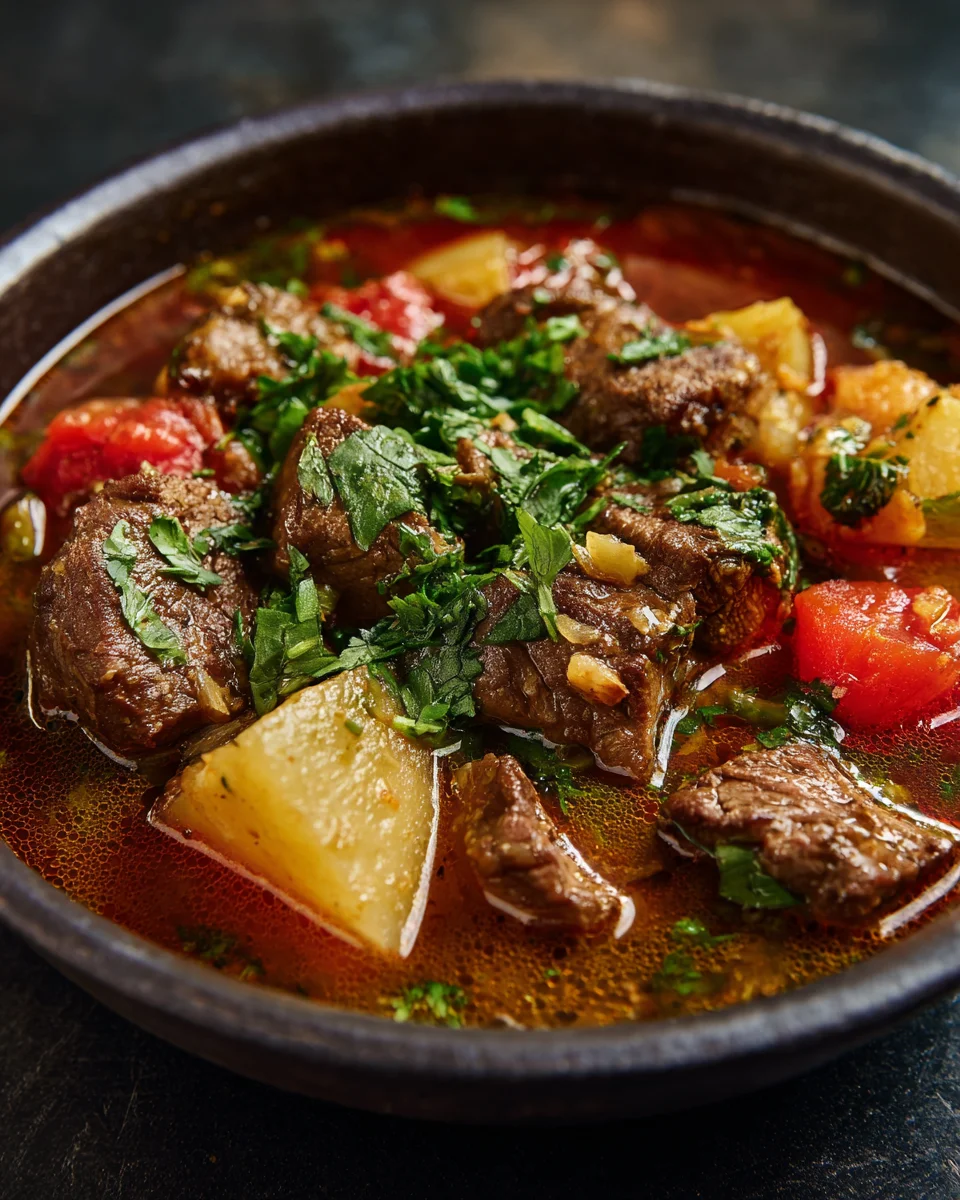
When you think about the soul of Mexican cuisine, your mind might jump to tacos or enchiladas, but there is a deeper, more comforting layer to this culinary heritage that locals hold close to their hearts. That layer is Pozole. It is not just a soup; it is a celebration in a bowl. Whether it is a chilly evening, a national holiday, or a large family gathering, this traditional Mexican stew has a way of bringing people together like nothing else.
In this guide, we are going to dive deep into everything that makes Pozole a masterpiece of flavor. We will explore its fascinating origins, the specific ingredients that give it that signature punch, and a step-by-step method to ensure you can recreate this magic in your own kitchen. If you are looking for a meal that is hearty, vibrant, and packed with history, you have come to the right place.
What is This Traditional Mexican Stew Recipe?
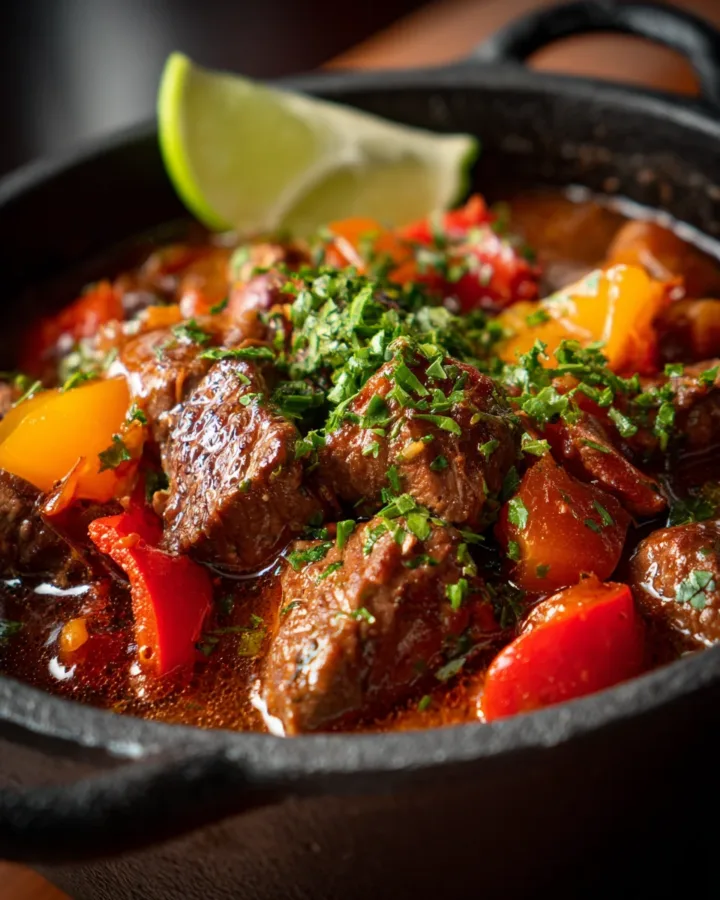
At its core, Pozole is a thick, broth-based stew featuring hominy and meat, typically pork or chicken. The name itself comes from the Nahuatl word pozolli, which refers to the foaming or bubbling of the corn as it cooks. The defining characteristic of this dish is the use of nixtamalized corn, known as hominy. These large, puffy kernels have a unique chewy texture and an earthy flavor that serves as the perfect canvas for the spicy and savory broth.
While there are many variations across the different regions of Mexico, the Pozole Rojo or “Red Pozole” is perhaps the most iconic. Its deep red color comes from a blend of dried chilies that provide a smoky, rich undertone without being overly spicy. The beauty of this dish lies in the contrast between the hot, slow-cooked broth and the fresh, crunchy toppings added at the table. It is an interactive dining experience where every guest can customize their bowl to their liking.
The Ancient Origin of Traditional Mexican Pozole
To truly appreciate a bowl of Pozole, you have to understand its history, which stretches back to the Aztec Empire. This was a sacred dish, often reserved for special religious ceremonies and the ruling elite. In those ancient times, the corn used in the stew was considered a sacred plant, and the preparation was a ritualistic process.
After the Spanish conquest, the recipe evolved. The indigenous traditions merged with European influences, such as the introduction of domestic pigs. This led to the pork-based version that we know and love today. Over the centuries, Pozole transitioned from a ritualistic meal to a staple of Mexican national identity. Today, it is synonymous with Fiestas Patrias (Mexican Independence Day) and is a common sight at birthdays and weddings. Understanding this history makes every spoonful feel like a connection to a centuries-old tradition.
Essential Ingredients for Pozole Rojo
Creating an authentic traditional Mexican stew requires a balance of pantry staples and specific Mexican ingredients. While the list is relatively short, the quality of these items determines the depth of the final flavor.
The Meat and Base
-
Five hundred grams of pork shoulder: This cut is ideal because it has enough fat to stay tender during a long simmer. You can substitute chicken if you prefer a lighter version.
-
Six cups of water: This serves as the foundation for your broth.
-
One can of four hundred grams of hominy: Ensure it is drained and rinsed. This is the heart of the dish.
The Red Chili Sauce
-
Three dried guajillo chilies: These provide the color and a mild, fruity heat.
-
Two cloves of garlic: For that essential aromatic base.
-
One small onion: To add sweetness and body to the sauce.
-
One teaspoon of oregano: If possible, use Mexican oregano, which has citrusy notes compared to the Mediterranean variety.
-
Salt to taste: Vital for bringing all the complex flavors forward.
The Toppings (Crucial for Contrast)
-
Shredded cabbage or lettuce: Adds a refreshing crunch.
-
Sliced radishes: Provides a sharp, peppery bite.
-
Lime wedges: The acidity cuts through the richness of the pork.
-
Chopped onion: For a bit of raw pungency.
-
Dried oregano and chili flakes: For extra seasoning at the end.
Step by Step Direction and Preparation Method
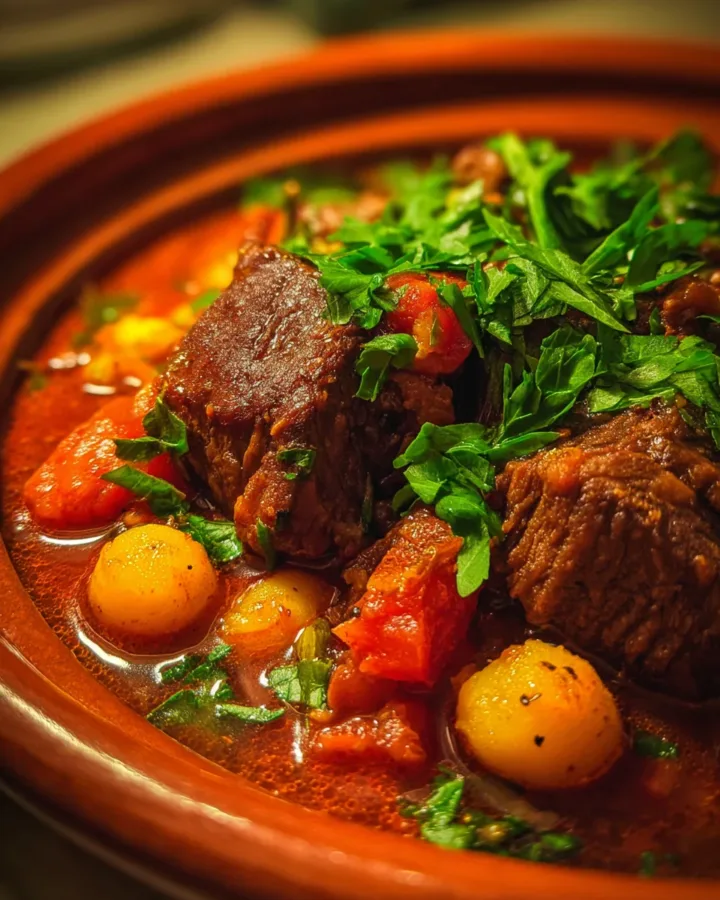
Preparing a traditional Mexican stew like Pozole is a labor of love. While the steps are straightforward, patience is your best friend. Follow this method to achieve a restaurant-quality result at home.
Step One: Simmering the Meat
Start by placing your pork shoulder into a large, heavy-bottomed pot. Cover it with the six cups of water. Bring the mixture to a boil over high heat. Once it reaches a boil, reduce the heat to a low simmer. As the meat cooks, you will notice some gray foam rising to the surface; use a spoon to skim this off to ensure your broth remains clear and clean. Let the meat simmer for about forty-five to sixty minutes. You are looking for the pork to be tender enough to pull apart but not completely disintegrated yet.
Step Two: Crafting the Red Chili Sauce
While the meat is simmering, it is time to build the flavor profile. Take your dried guajillo chilies and remove the stems and seeds. In a dry skillet over medium heat, lightly toast the chili skins for a minute until they are fragrant, being careful not to burn them. Place the toasted chilies in a bowl of hot water and let them soak for about ten minutes until they are soft and pliable.
Once softened, place the chilies into a blender. Add the two cloves of garlic, the small onion, and a small amount of the chili soaking water. Blend on high until the mixture is completely smooth. For an even more refined texture, you can pour this sauce through a fine-mesh strainer to remove any remaining bits of chili skin.
Step Three: Integrating the Flavors
Now comes the transformation. Add the blended red chili sauce into the pot with the simmering meat. Stir in the drained hominy and the teaspoon of oregano. This is where the traditional Mexican stew takes on its vibrant red hue. Allow the mixture to simmer for another thirty minutes. This additional time allows the hominy to soak up the spicy broth and the meat to finish softening.
Step Four: The Final Seasoning
Taste your broth. Add salt gradually until the flavors pop. If the liquid has reduced too much and the stew is too thick, feel free to add a little more water. The consistency should be substantial but still very much a soup.
Mastering the Art of Serving Pozole
The way you serve Pozole is just as important as how you cook it. In Mexico, this dish is usually served in deep ceramic bowls. However, the stew itself is only half the story. The magic happens when the fresh toppings hit the hot liquid.
Place the pot in the center of the table and surround it with small bowls containing the shredded cabbage, sliced radishes, chopped onions, and lime wedges. This allows each person to build their own bowl. The heat of the broth slightly wilts the cabbage while the radishes stay crisp. A generous squeeze of lime juice at the very end is non-negotiable; it brightens the entire dish and balances the earthy hominy.
Regional Variations of Traditional Mexican Stew
While the red version is the most common internationally, Pozole actually comes in a trinity of colors, mirroring the Mexican flag.
Pozole Blanco (White)
This is the simplest form and the base for the other two. It does not include a blended chili sauce, resulting in a clear, clean broth that emphasizes the natural flavor of the corn and pork. It is often seasoned at the table with dried chilies or salsa.
Pozole Verde (Green)
A favorite in the state of Guerrero, this version uses a sauce made from tomatillos, pumpkin seeds (pepitas), and green chilies like jalapeños or serranos. It has a tangy, nutty flavor that is quite distinct from the smoky red version.
Alternative Proteins
While pork shoulder is the traditional choice, many families use pork neck or even pig feet to add more gelatin and body to the soup. If you prefer poultry, chicken thighs are an excellent substitute and cook much faster while staying juicy.
Frequently Asked Questions about Traditional Mexican stew
Can I make this dish ahead of time?
Absolutely. In fact, many people argue that Pozole tastes even better the next day. As it sits in the refrigerator, the hominy continues to absorb the spices from the broth, and the flavors meld together more deeply. Just reheat it gently on the stove.
What if I cannot find Mexican oregano?
While Mexican oregano has a unique citrus-like profile, you can use standard Mediterranean oregano if that is all you have available. Just use a slightly smaller amount as the flavor profiles differ.
Is hominy the same as regular corn?
Not exactly. Hominy is corn that has undergone a process called nixtamalization, where it is soaked in an alkaline solution. This removes the hull and softens the corn, giving it a puffy texture and a distinct nutritional profile. You cannot substitute sweet corn for hominy in this traditional Mexican stew.
How do I store leftovers?
Store the stew in an airtight container in the fridge for up to four days. Keep the fresh toppings in separate containers so they stay crisp. You can also freeze the broth and meat for up to three months.
Pro Tips for the Best Stew Experience: Traditional Mexican stew
To truly surpass other recipes and create a dish that feels authentic, consider these extra touches:
-
Low and Slow: If you have the time, let the pork simmer for up to two hours. The longer it cooks, the more the fat renders into the broth, creating a luxurious mouthfeel.
-
Toast the Oregano: Before adding the dried oregano to the pot, rub it between your palms. This friction releases the essential oils and intensifies the aroma.
-
Quality Hominy: If you can find nixtamalized corn that isn’t canned, the texture will be even firmer and more satisfying. However, canned hominy is a fantastic and convenient alternative for home cooks.
Conclusion: Traditional Mexican stew
In conclusion, Pozole is far more than just a meal; it is a storied piece of cultural history that has survived and thrived through centuries. By combining simple ingredients like pork, hominy, and dried chilies, you create a complex symphony of flavors that is both comforting and exhilarating. This traditional Mexican stew rewards patience and attention to detail, resulting in a dish that is deeply satisfying to the soul. Whether you are cooking for a festive celebration or simply looking to expand your culinary horizons, this red pozole recipe provides a genuine taste of Mexico that you can share with your friends and family. So grab your large pot, prep your toppings, and get ready to enjoy one of the world’s most beloved comfort foods.
Print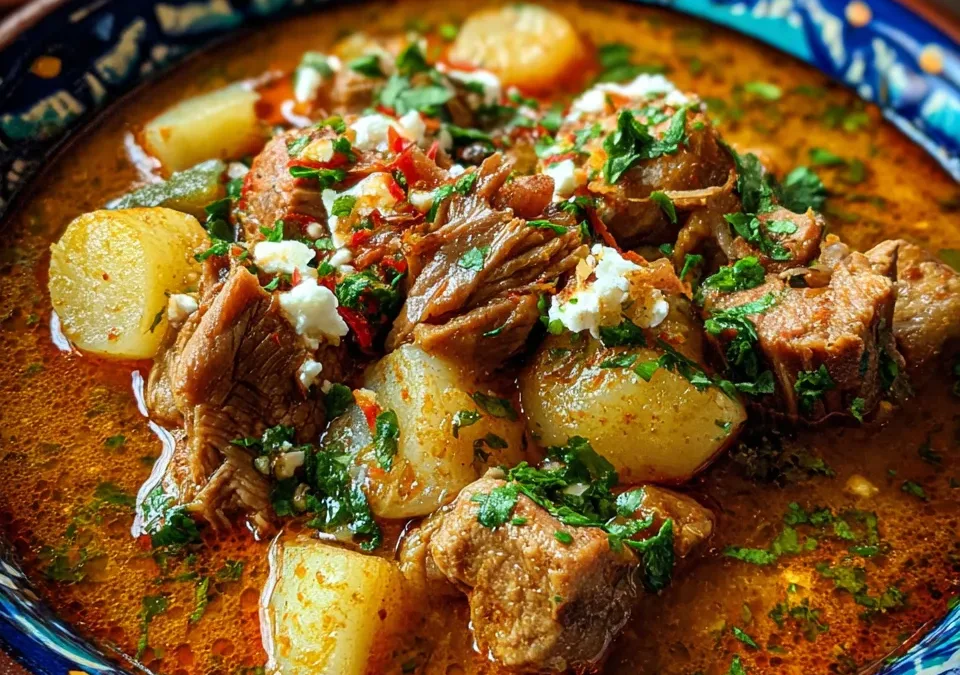
The Ultimate Guide to Traditional Mexican Pozole Rojo
- Total Time: 1 hour 30 minutes
- Yield: 4–6 servings 1x
Description
At its core, Pozole is a thick, broth-based stew featuring hominy and meat, typically pork or chicken. The name itself comes from the Nahuatl word pozolli, which refers to the foaming or bubbling of the corn as it cooks. The defining characteristic of this dish is the use of nixtamalized corn, known as hominy. These large, puffy kernels have a unique chewy texture and an earthy flavor that serves as the perfect canvas for the spicy and savory broth.
Ingredients
- 500g pork shoulder (or chicken as alternative)
- 6 cups water
- 1 can (400g) hominy (maíz pozolero), drained
- 3 dried guajillo chilies
- 2 cloves garlic
- 1 small onion
- 1 tsp oregano (preferably Mexican oregano)
- Salt to taste
For serving (toppings):
- Shredded cabbage or lettuce
- Sliced radishes
- Lime wedges
- Chopped onion
- Dried oregano
- Chili flakes or salsa
Instructions
- Cook the meat
In a large pot, add pork and water. Bring to a boil, then simmer for about 45–60 minutes until tender. Skim off foam. - Prepare the chili sauce
- Remove seeds from guajillo chilies and soak them in hot water for ~10 minutes.
- Blend softened chilies with garlic, onion, and a bit of soaking water until smooth.
- Combine everything
- Add the chili sauce to the pot with the meat.
- Add hominy and oregano.
- Simmer for another 30 minutes so flavors blend well.
- Season
Add salt to taste and adjust thickness with water if needed.
Notes
Pozole is more than just a meal—it’s a dish often shared during celebrations and family gatherings in Mexico. Traditionally served on special occasions, it brings people together with its rich flavors and customizable toppings. Feel free to adjust the spice level and ingredients to suit your taste while still enjoying its authentic essence.
- Prep Time: 15 minutes
- Cook Time: 1 hour 15 minutes
- Category: Main Course
- Method: Simmering
- Cuisine: Mexico
Nutrition
- Serving Size: 1 bowl
- Calories: ~350 kcal
Keywords: Authentic Mexican soup, Red Pozole recipe, Mexican hominy stew, Pozole Rojo recipe
