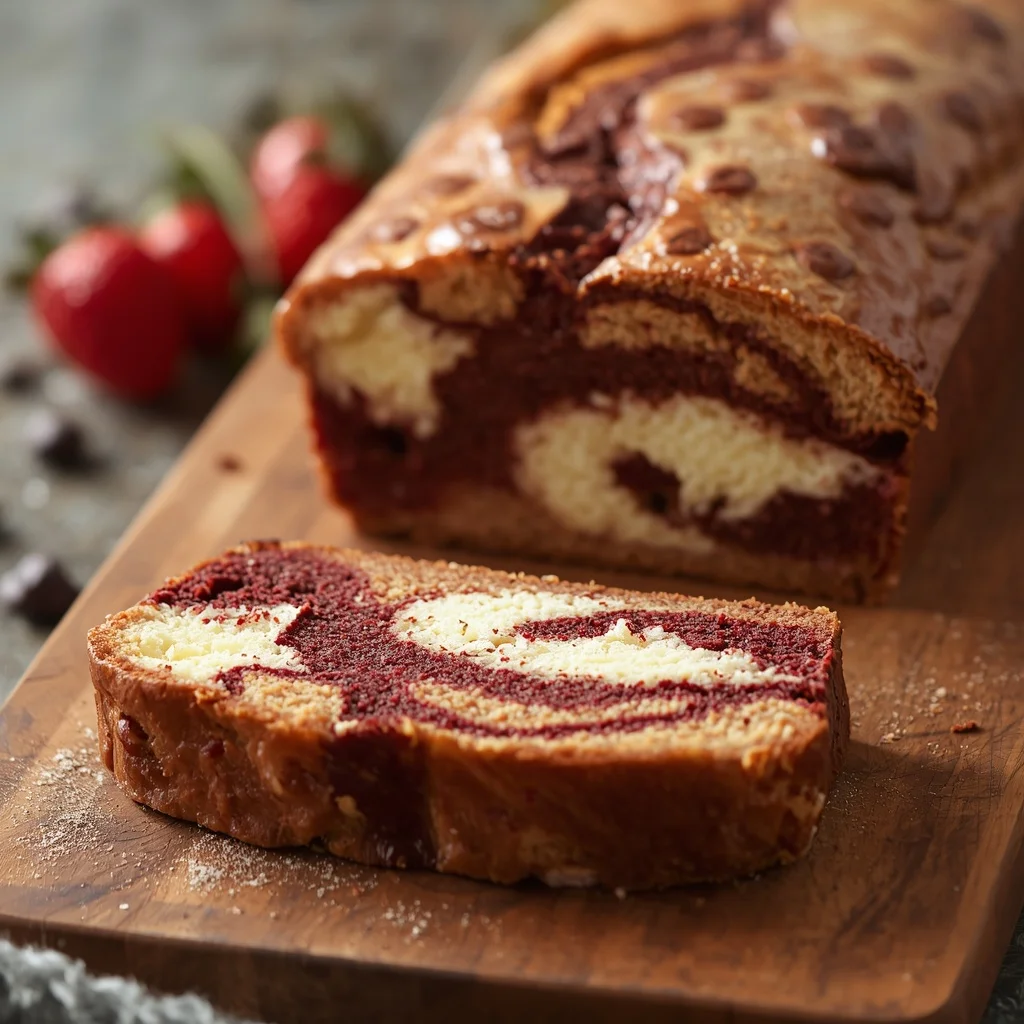
If you are looking for an extraordinary dessert that combines elegant floral notes with rich chocolate, the Turkish Delight Marble Loaf Cake is the absolute answer to your baking desires. This breathtaking loaf cake marries the time-honored charm of classic marbled sponge with the exotic, romantic aroma of rosewater and tender gems of authentic Turkish delight, also known as lokum. Every single slice reveals a striking ribbon pattern where buttery vanilla and aromatic cocoa intertwine, punctuated by gooey, sweet bites of candy. Baking a Turkish Delight Marble Loaf Cake at home transforms an ordinary tea time into a luxurious feast for the senses, bringing together Middle Eastern confectionary traditions and Western European cake craft in one seamless, sliceable masterpiece.
What is a Turkish Delight Marble Loaf Cake?
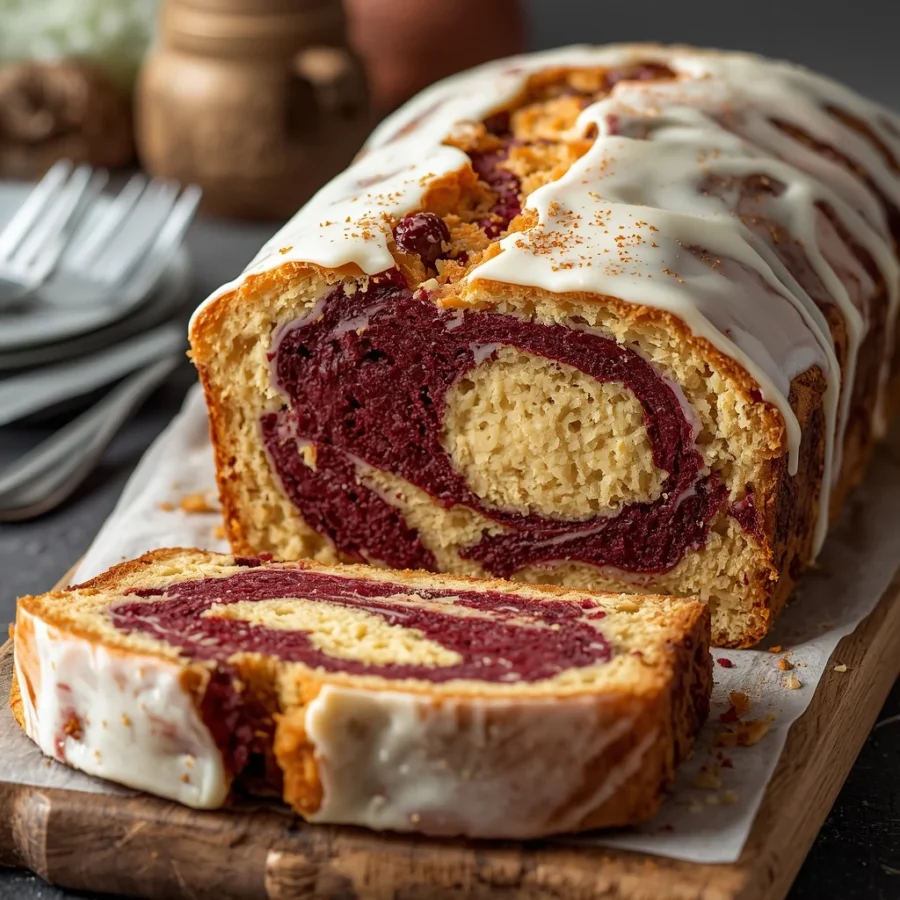
At its core, a Turkish Delight Marble Loaf Cake is a sophisticated twist on the traditional two-tone marble cake. Standard marble cakes rely on a simple balance of vanilla and chocolate batter swirled together prior to baking. This recipe elevates that foundation by introducing two distinct aromatic elements that complement each other with astounding harmony: pure culinary rosewater and chewable pieces of rose-flavored Turkish delight.
When you cut into the golden loaf, the aroma of gentle rose blossoms instantly fills the air, grounded by the comforting scent of baked cocoa and fresh butter. The chocolate component provides an earthy depth that cuts through the floral sweetness, ensuring that the cake tastes balanced rather than perfume-like. The addition of lokum creates tiny pockets of melted, jelly-like texture throughout the moist crumb, offering a delightful contrast against the tender cake structure. It is a dessert that looks like it came straight from an artisanal boutique bakery, yet it relies on simple home baking techniques that anyone can master.
The Origin of Turkish Delight Marble Loaf Cake
To appreciate the magic of this Turkish Delight Marble Loaf Cake, it helps to look at the fascinating history behind its main inspirations. The star ingredient, Turkish delight or lokum, has an ancient and esteemed legacy rooted in the Ottoman Empire. Historians credit a master confectioner named Hacı Bekir Effendi with popularizing the sweet in Istanbul during the late eighteenth century. Crafting soft gels from starch, refined sugar, flavored syrups, and floral waters, Bekir created a confection that captivated the royal court and eventually spread across Europe under the name Turkish delight. Rosewater quickly became the signature flavor of traditional lokum, symbolizes hospitality, celebration, and refined taste across Middle Eastern and Mediterranean cultures.
On the other side of this culinary marriage is the classic marble cake, which originated in Germany during the nineteenth century as MarmorKuchen. German bakers developed the technique of swirling light and dark batters together, using spices, raisins, or molasses before cocoa powder became widely available. As marble cake recipes traveled across Europe and North America, cocoa powder became the standard pairing for vanilla batter. Combining the rich history of Ottoman confections with the structured comfort of European tea cakes creates a fusion dessert that honors centuries of baking evolution while offering something completely modern and fresh.
Ingredients with Quantities and Detailed Selection Guides
To achieve a bakery-quality texture and balanced flavor profile, using fresh, high-quality ingredients is crucial. Below is the precise ingredient list along with guide notes on selecting the best components for your bake.
For the Cake Batter
-
One and three-quarters cups (two hundred twenty grams) all-purpose flour: Standard all-purpose flour provides the ideal structure for a sturdy loaf that can support the weight of the candy pieces without becoming dense.
-
One and one-half teaspoons baking powder: Gives the loaf its gentle lift, producing a soft and airy crumb.
-
One-quarter teaspoon fine salt: Essential for balancing the sugar and enhancing both the cocoa and rose notes.
-
One-half cup (one hundred fifteen grams) unsalted butter, softened: High-fat butter beaten at room temperature creates the buttery foundation required for a rich marble cake.
-
Three-quarters cup (one hundred fifty grams) granulated sugar: Provides clean sweetness without overpowering the subtle floral hints.
-
Three large eggs, at room temperature: Room temperature eggs emulsify seamlessly into the butter mixture, preventing curdling.
-
One-half cup (one hundred twenty milliliters) whole milk: Adds moisture and tenderizes the crumb.
-
One teaspoon pure vanilla extract: Anchors the base batter with warmth.
-
One to one and one-half teaspoons rosewater: Choose culinary-grade distilled rosewater. Start with one teaspoon if you prefer a subtle hint, or use one and a half teaspoons for a pronounced floral bouquet.
-
One hundred grams Turkish delight, cut into small cubes: Look for rose-flavored lokum without nuts for the most harmonious flavor profile.
-
Two tablespoons all-purpose flour: Used specifically for dusting the Turkish delight cubes to prevent them from sinking to the bottom of the tin during baking.
-
Two tablespoons unsweetened cocoa powder: Dark or Dutch-processed cocoa powder yields a rich flavor and a deep visual swirl.
-
One tablespoon extra milk: Loosens the chocolate portion of the batter so both batters maintain an equal consistency.
For the Optional Decorative Topping
-
Seventy-five grams dark or milk chocolate, melted: Provides a glossy finish and a smooth outer layer of chocolate indulgence.
-
Two tablespoons chopped pistachios: Adds vibrant green color and a pleasant nutty crunch.
-
Small pieces of extra Turkish delight: Visual indication of the sweet surprises hidden inside the loaf.
-
Edible dried rose petals: Offers an elegant, rustic finish that makes the cake visually unforgettable.
Step-by-Step Directions and Preparation Method: Turkish Delight Marble Loaf Cake
Creating this stunning marble loaf cake requires attention to detail, but the process is straightforward when broken down step by step. Follow these instructions carefully to ensure your cake rises evenly, swirled beautifully, and bakes to perfection.
Step One: Prepare the Oven and Baking Tin
Begin by preheating your kitchen oven to three hundred fifty degrees Fahrenheit, which is equivalent to one hundred seventy-five degrees Celsius. Proper preheating ensures that the leavening agents activate instantly when the batter enters the oven. Prepare a standard nine by five inch (twenty-three by thirteen centimeter) loaf tin by lightly greasing the inside walls with softened butter or cooking spray. Line the tin with parchment paper, leaving a small overhang on the long sides. This parchment sling will allow you to lift the baked cake effortlessly out of the tin without damaging its delicate crust.
Step Two: Measure and Whisk the Dry Ingredients
In a medium mixing bowl, sift together the one and three-quarters cups of all-purpose flour, one and one-half teaspoons of baking powder, and one-quarter teaspoon of fine salt. Sifting removes any clumps and aerates the dry mixture, contributing to a uniform texture. Whisk these ingredients gently for thirty seconds to ensure the salt and baking powder are evenly distributed throughout the flour, then set the bowl aside.
Step Three: Cream the Butter and Sugar
Place the one-half cup of softened unsalted butter and three-quarters cup of granulated sugar into a large mixing bowl or the bowl of a stand mixer fitted with the paddle attachment. Beat on medium-high speed for three to four full minutes. The mixture should transform from yellow and dense to extremely pale, light, and fluffy. Creaming incorporates microscopic air pockets into the fat, which expands in the oven to produce a velvety cake structure.
Step Four: Incorporate the Eggs and Floral Aromatics
Lower the mixer speed to medium and add the three large room-temperature eggs one at a time. Beat thoroughly after each addition until the egg is completely incorporated before adding the next. If the mixture appears slightly split, add a tablespoon of your pre-measured flour mixture to bind it back together. Once the eggs are fully blended, pour in the one teaspoon of pure vanilla extract and one to one and one-half teaspoons of rosewater. Mix for another fifteen seconds until fragrant.
Step Five: Combine Dry and Wet Batter Components
With the mixer on low speed, alternate adding the flour mixture and the one-half cup of whole milk into the creamed butter base. Begin with one-third of the flour, follow with half of the milk, add another third of flour, the remaining milk, and finish with the final portion of flour. Mix each addition just until combined. Be careful not to overmix at this stage, as overworking wheat flour develops gluten, which can make your Turkish Delight Marble Loaf Cake tough rather than soft.
Step Six: Prepare and Fold the Turkish Delight
Take the one hundred grams of small-cubed Turkish delight and place them in a small bowl. Add the two reserved tablespoons of all-purpose flour and toss the candy pieces until every side is lightly coated in a dusty layer of flour. This crucial step creates friction, helping the lokum suspend itself in the thick batter rather than dropping straight to the bottom of the tin during the bake. Gently fold the flour-dusted Turkish delight cubes into the main cake batter using a rubber spatula.
Step Seven: Separate and Create the Swirl Pattern
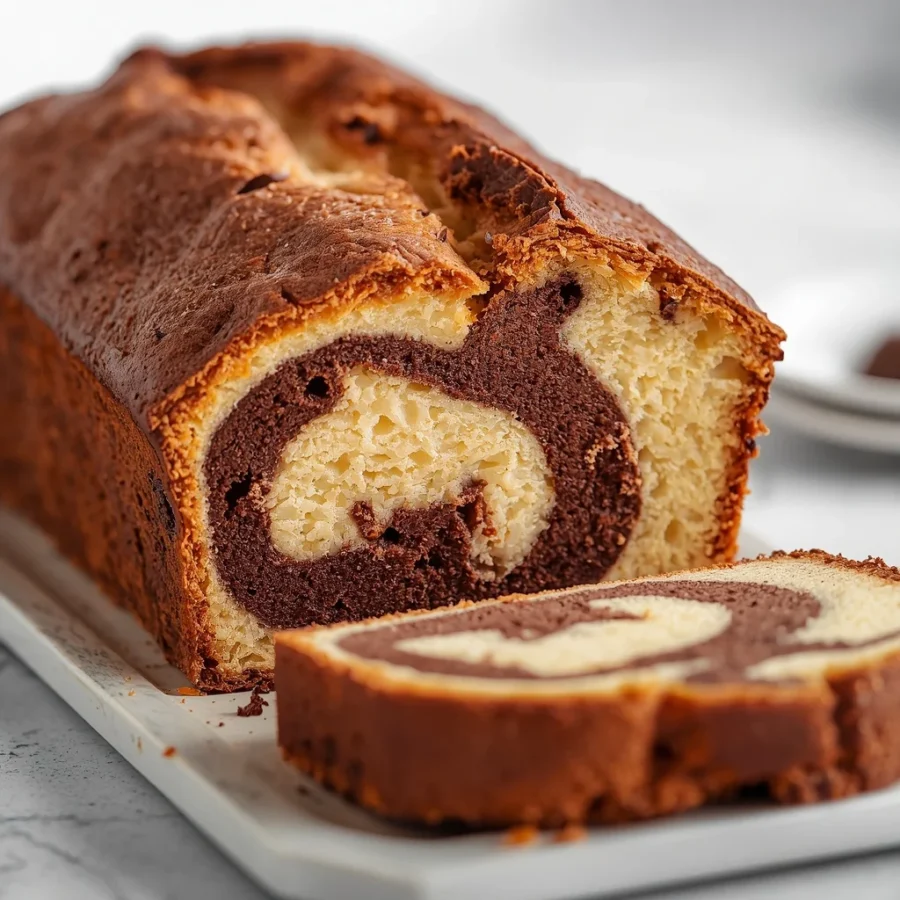
Transfer approximately two-thirds of your vanilla and rose batter into a separate bowl, leaving one-third of the batter in the original bowl. To the smaller portion of batter, add the two tablespoons of unsweetened cocoa powder and one extra tablespoon of milk. Stir gently until the cocoa is completely integrated and smooth.
To assemble the loaf, use two separate spoons to drop alternating dollops of vanilla batter and chocolate batter into your prepared nine by five inch loaf tin. Layer the dollops randomly until all the batter is used. Take a butter knife, skewer, or thin chopstick and insert it vertically into the batter. Drag the tool through the batter in a few large, fluid figure-eight swirls. Limit yourself to three or four gentle passes; over-swirling will blend the colors together into a dull brown instead of producing clean, marbled ribbons.
Step Eight: Bake the Loaf Cake
Place the loaf tin onto the center rack of your preheated oven. Bake for approximately fifty to sixty minutes. The cake is finished when a wooden skewer inserted directly into the center comes out clean or with a few moist, soft crumbs attached. If you hit a melted piece of Turkish delight, test a different spot nearby to verify the cake crumb itself is fully baked. If you notice the top crust browning too quickly around the forty-minute mark, loosely tent a sheet of aluminum foil over the tin to protect the surface while the interior finishes cooking.
Step Nine: Cooling Process
Remove the baked cake from the oven and set the tin on a wire cooling rack. Allow the loaf to rest undisturbed in its tin for fifteen minutes. This resting phase allows the delicate hot crumb and softened Turkish delight pieces to set firmly. After fifteen minutes, run a thin butter knife along the unlined short edges of the tin, use the parchment paper handles to gently lift the cake out, and place it directly onto the wire rack to cool completely to room temperature.
Step Ten: Decorate and Finish
Once the cake has cooled completely, prepare your optional topping. Melt the seventy-five grams of dark or milk chocolate over a double boiler or in short bursts in the microwave. Drizzle the warm chocolate generously across the top of the loaf. Immediately scatter the two tablespoons of chopped green pistachios, small extra pieces of Turkish delight, and dried rose petals over the wet chocolate drizzle so they adhere as it sets. Let the chocolate firm up for twenty minutes before slicing into neat, picturesque portions.
Creative Variations for Your Marble Loaf Cake
While the classic combination of rosewater, dark cocoa, and rose lokum is truly divine, this versatile recipe adapts easily to unique flavor twists. Here are four creative variations you can explore in your home kitchen:
1. Pistachio and Cardamom Turkish Delight Loaf
Infuse the base batter with one-half teaspoon of freshly ground green cardamom powder alongside the rosewater. Fold one-quarter cup of finely chopped unsalted pistachios directly into the batter alongside the Turkish delight. Cardamom and pistachio are classic partners in Middle Eastern confectionery and add a warm, spicy nuttiness to every bite.
2. Orange Blossom and Citrus Marble Cake
If you prefer citrus notes over floral rose, substitute the rosewater with one teaspoon of pure orange blossom water and add the freshly grated zest of one whole organic orange to the butter and sugar mixture. Use orange-flavored Turkish delight instead of rose-flavored lokum. The bright citrus notes lift the rich cocoa batter beautifully.
3. White Chocolate and Raspberry Rose Fusion
Replace the dark chocolate drizzle on top with smooth melted white chocolate. Swap out half of the Turkish delight cubes for freeze-dried raspberries folded into the batter. The tartness of the raspberries cuts through the sweetness of the lokum and white chocolate, creating a vibrant red-streaked crumb.
4. Triple Chocolate Lokum Delight
For chocolate lovers, substitute the vanilla portion of the batter entirely so the base becomes a light chocolate cake, and use a rich fudge ganache for the marble swirl. Use chocolate-covered Turkish delight cubes tossed in flour inside the cake to deliver intense, multi-layered cocoa indulgence in every single slice.
Frequently Asked Questions: Turkish Delight Marble Loaf Cake
Why did my Turkish delight pieces sink to the bottom of the tin?
Turkish delight pieces sink when they are too large, too heavy, or unassisted by a flour coating. To prevent sinking, chop the candy into very small, bite-sized cubes no larger than a pea. Additionally, always toss the cubes thoroughly in two tablespoons of flour before folding them into the batter. The flour absorbs surface moisture from the sweet and helps it cling to the raw cake batter during the initial stages of baking.
Can I make this Turkish Delight Marble Loaf Cake in advance?
Yes, this cake is actually fantastic when made a day in advance! As the loaf rests overnight in an airtight container, the floral rose notes settle into the buttery crumb, making the flavor deeper and more harmonious. Wrap the un-drizzled cool cake tightly in plastic wrap at room temperature overnight, then apply the melted chocolate drizzle, pistachios, and rose petals on the day you plan to serve it.
How do I choose the best rosewater for baking?
Always look for culinary-grade distilled rosewater in the baking or Middle Eastern aisle of your local grocery store. Check the ingredient label to ensure it contains pure rose distillate rather than artificial fragrance oils or synthetic flavorings. Pure rosewater should smell fresh and floral, not chemical. Because brands vary in potency, start with one teaspoon, taste your raw batter, and add an additional half-teaspoon if you desire a stronger rose aroma.
What is the best way to store leftovers?
Store leftover slices of your Turkish Delight Marble Loaf Cake in an airtight container at room temperature for up to three days. If you live in a warm or humid climate, you can refrigerate the cake in a sealed container for up to five days. However, because cold temperature firms up butter-based cakes, always bring cold slices back to room temperature for thirty minutes before serving so the crumb regains its soft, velvety texture.
Can I freeze this marble loaf cake for later?
You can easily freeze the baked loaf! For best results, freeze the cake plain without the melted chocolate drizzle or garnish. Allow the baked loaf to cool completely, wrap it tightly in two layers of plastic wrap, and cover it with a final layer of aluminum foil. Freeze for up to two months. Thaw the wrapped cake on your kitchen counter overnight at room temperature, then apply the fresh melted chocolate drizzle and toppings right before serving.
Conclusion: Turkish Delight Marble Loaf Cake
Mastering this sensational Turkish Delight Marble Loaf Cake brings an unforgettable fusion of rich cocoa, aromatic rosewater, and soft candy gems straight to your dessert table, proving that sophisticated flavor pairings can be effortlessly achieved in your home kitchen.
The Ultimate Turkish Delight Marble Loaf Cake: A Floral and Chocolate Indulgence
- Total Time: 1 hour 15 minutes
- Yield: 1 loaf (10 servings) 1x
- Diet: Vegetarian
Description
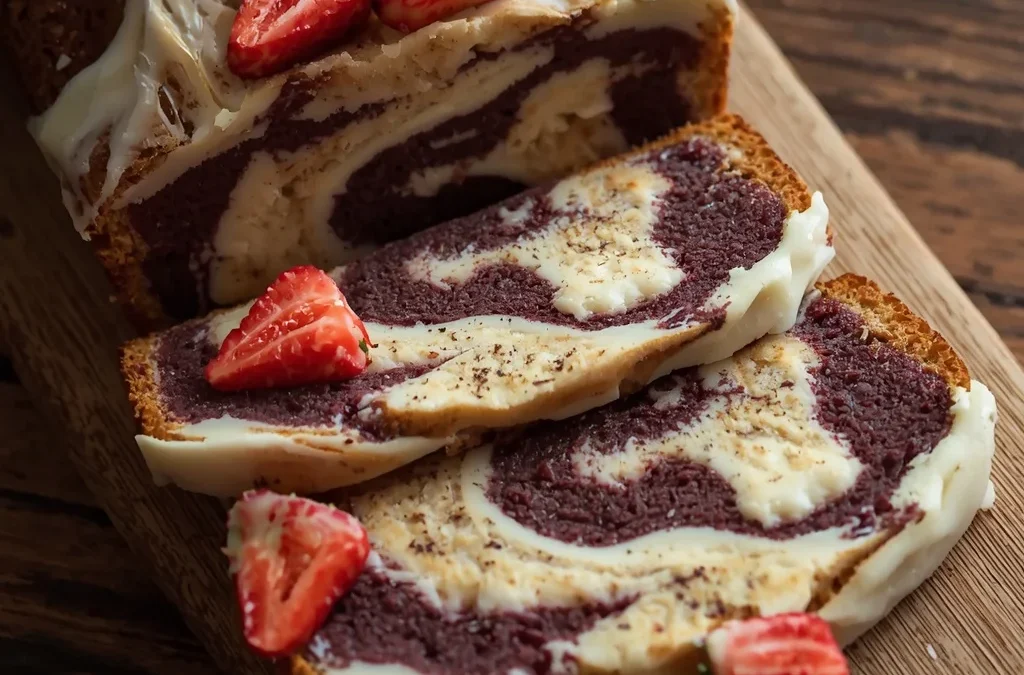
At its core, a Turkish Delight Marble Loaf Cake is a sophisticated twist on the traditional two-tone marble cake. Standard marble cakes rely on a simple balance of vanilla and chocolate batter swirled together prior to baking. This recipe elevates that foundation by introducing two distinct aromatic elements that complement each other with astounding harmony: pure culinary rosewater and chewable pieces of rose-flavored Turkish delight.
Ingredients
For the cake
- 1¾ cups (220 g) all-purpose flour
- 1½ tsp baking powder
- ¼ tsp salt
- ½ cup (115 g) unsalted butter, softened
- ¾ cup (150 g) granulated sugar
- 3 large eggs, room temperature
- ½ cup (120 ml) whole milk
- 1 tsp vanilla extract
- 1–1½ tsp rosewater
- 100 g Turkish delight, cut into small cubes
- 2 tbsp all-purpose flour, for coating the Turkish delight
- 2 tbsp unsweetened cocoa powder
- 1 tbsp milk, extra
Optional topping
- 75 g dark or milk chocolate, melted
- Chopped pistachios
- A few small pieces of Turkish delight
- Dried rose petals
Instructions
- Prepare the oven and tin
Preheat the oven to 175°C (350°F). Grease and line a 9 × 5-inch (23 × 13 cm) loaf tin with parchment paper. - Prepare the dry ingredients
Whisk together the flour, baking powder, and salt. - Cream the butter and sugar
Beat the softened butter and sugar for 3–4 minutes, until pale and fluffy. - Add the eggs and flavorings
Beat in the eggs one at a time, mixing well after each addition. Add the vanilla and rosewater. - Make the batter
Add the dry ingredients in two or three additions, alternating with the milk. Mix only until combined. - Add the Turkish delight
Toss the chopped Turkish delight with 2 tablespoons of flour. Gently fold it into the batter. Coating the pieces helps reduce sinking and sticking. -
Create the marble effect
Spoon about two-thirds of the batter into a separate bowl. Mix the cocoa powder and extra tablespoon of milk into the remaining one-third.Spoon alternating portions of vanilla and chocolate batter into the loaf tin. Run a skewer or thin knife through the batter in a few gentle swirls to create the marble pattern. Don’t over-swirl.
Notes
- Prep Time: 20 minutes
- Cook Time: 55 minutes
- Category: Dessert
- Method: Baking
- Cuisine: Turkish-inspired
Nutrition
- Serving Size: 1 slice
- Calories: 320 kcal
Keywords: Rosewater Marble Cake, Lokum Marble Loaf, Rose and Chocolate Swirl Cake
