
When it comes to creating a dessert that surprises the senses, few things compare to the magic of a hidden filling. Imagine biting into a delicate, melt-in-your-mouth pastry and discovering a sweet, aromatic center that offers a completely different texture. That is exactly what you get with Turkish delight stuffed cookies (no gelatin), a beautiful fusion of a buttery shortbread-style crust and a soft, chewy middle. These treats are perfect for elegant afternoon tea gatherings, festive holiday spreads, or thoughtful homemade gifts. Because they rely entirely on starch-based fillings rather than animal-derived gelling agents, they are completely vegetarian-friendly, making them an inclusive option for your family and guests.
Creating a dessert with a surprise center can sometimes feel intimidating, but this recipe keeps things approachable and straightforward. The dough is exceptionally forgiving, and the step-by-step preparation ensures your fillings stay perfectly sealed inside. Let us explore how this traditional flavor pairing works, look into its fascinating cultural background, and go through the exact method to recreate these stunning cookies in your own kitchen.
What Is This Unique Cookie Recipe?
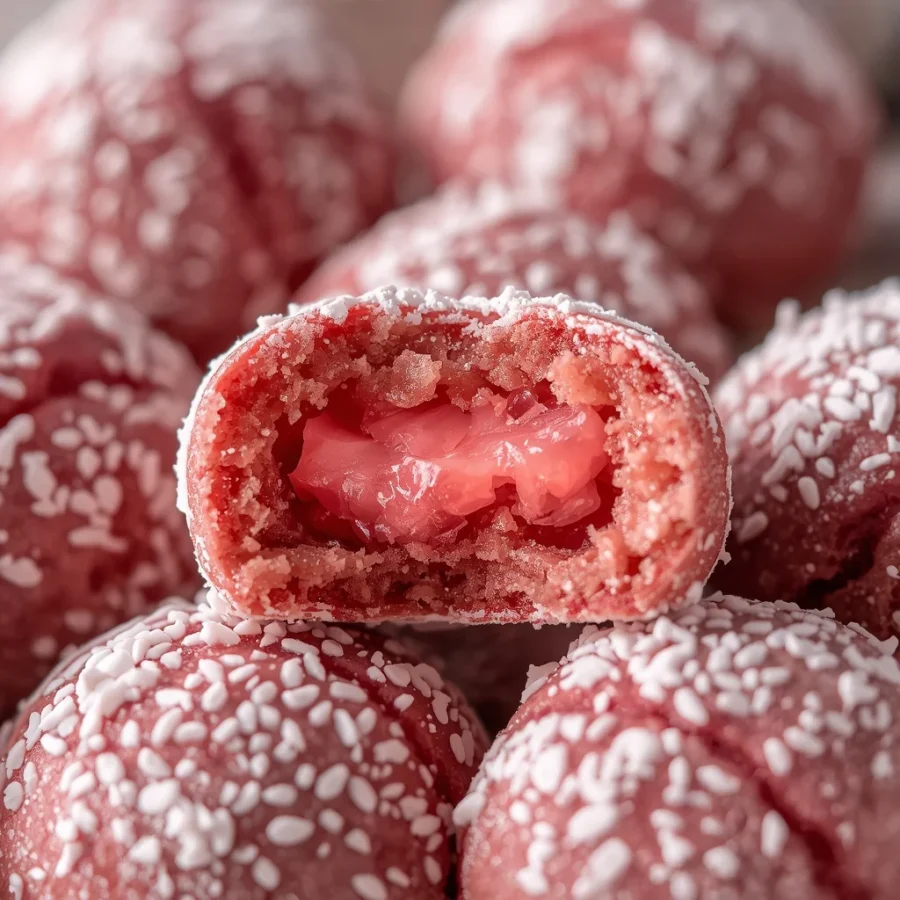
At its core, this dessert is a masterclass in contrasting textures. The exterior consists of a traditional melt-in-your-mouth cookie dough, heavily inspired by Mediterranean and Middle Eastern shortbreads. It uses a balance of fat and flour to achieve an incredibly tender, crumbly structure that dissolves the moment you take a bite. It is lightly sweetened because the real star of the show is tucked safely inside.
The star ingredient, of course, is a solid cube of authentic Turkish delight. By choosing a variety made without gelatin, you ensure that the filling retains its signature soft, pliable stretch even after passing through the heat of the oven. As the cookies bake, the filling warms up slightly, becoming delightfully gooey without melting into a liquid mess. The result is a perfect balance where the crumbly exterior tempers the sweet, chewy center.
Origin of Turkish Delight Stuffed Cookies (No Gelatin)
The marriage of tender pastry dough and sweet fruit or nut fillings has deep roots in Mediterranean and Levantine baking traditions. For centuries, bakers across Turkey, Greece, and Lebanon have crafted delicate pastries designed to be enjoyed alongside strong, bitter beverages. Recipes like Turkish kurabiye or Levantine ma’amoul frequently showcase how beautifully a simple flour-and-butter dough can highlight rich fillings like dates, nuts, or local confections.
Middle Eastern Baking Heritage
   │
   ├── Butter & Flour Dough (Kurabiye / Shortbread)
   └── Starch-Based Confectionery (Lokum / Turkish Delight)
           │
           └── Combined to create the modern Stuffed Cookie
The filling itself, traditionally known as lokum, dates back to the late eighteenth century in Istanbul. Handcrafted by master confectioners using a precise mixture of starch, sugar, and flavored waters, original lokum never relied on animal gelatin for its structure. Instead, a slow-simmering process activated the starches to create a naturally vegan, chewy candy. Stuffing these artisanal cubes into a buttery cookie dough became a brilliant way for households to elevate standard tea-time snacks into luxurious treats for special occasions and honored guests.
The Ultimate Turkish Delight Stuffed Cookies (No Gelatin) Shopping List
To make sure your baking session goes as smoothly as possible, gather high-quality ingredients before you begin. Because the dough relies on minimal flavorings, using fresh, real butter will make a massive difference in the overall taste and quality of your final bake.
For the Butter Cookie Base
-
Unsalted butter: One cup, which must be thoroughly softened at room temperature.
-
Powdered sugar: Half of a cup, sifted to remove any stubborn lumps.
-
Vanilla extract: One teaspoon of pure extract to add depth to the dough.
-
All-purpose flour: Two and one-quarter cups, leveled accurately.
-
Cornstarch: One-quarter of a cup, which gives the cookies their delicate, melt-in-your-mouth texture.
-
Salt: One-quarter of a teaspoon of fine salt to balance the sweetness.
Chewy Center
-
Turkish delight: Twenty to twenty-four individual cubes. Make sure the packaging specifically states it is gelatin-free, which is standard for traditional varieties made with cornstarch. Excellent flavor choices include classic rose, bright lemon, fragrant pomegranate, or a vibrant mix of flavors.
-
Powdered sugar: Two tablespoons, completely optional, used for coating the candy cubes if they feel a bit too sticky to handle easily.
For the Final Garnish
-
Powdered sugar: A generous amount kept on hand for a snow-like dusting over the cooled cookies.
-
Pistachios: A handful, very finely chopped, providing a bright green color and a pleasant crunch.
-
Edible rose petals: A small scattering of dried petals to mirror the traditional flavors inside the cookie.
Step-by-Step Direction and Preparation Method
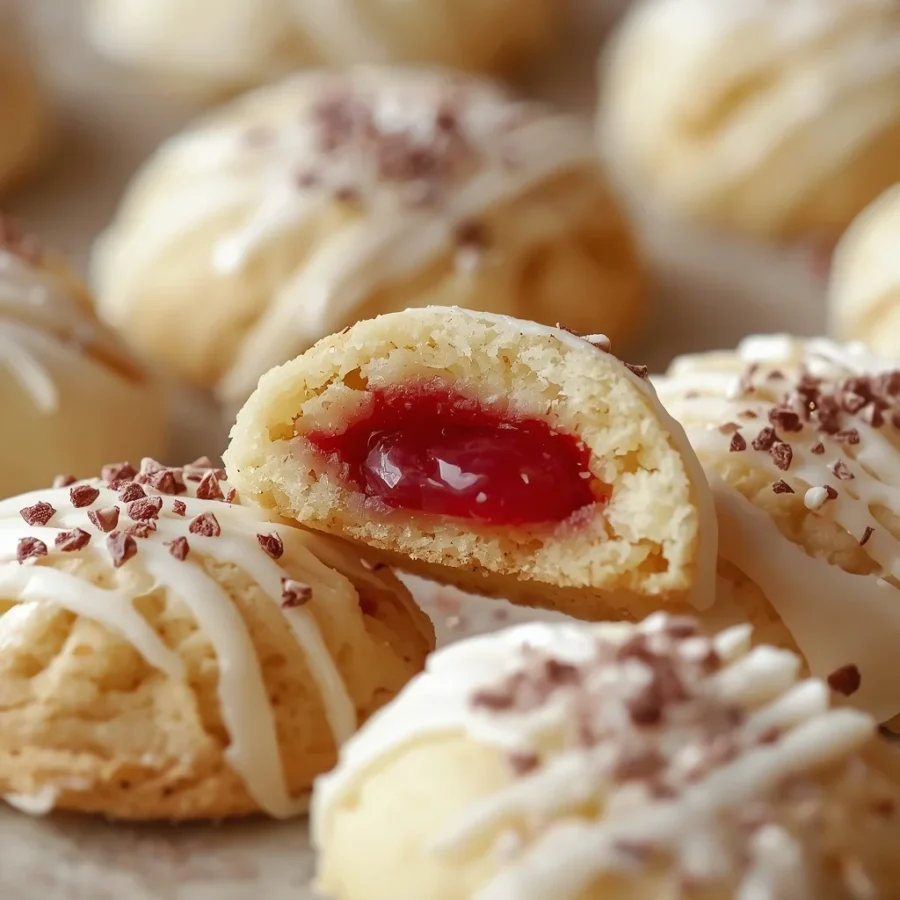
Achieving the perfect balance between a fully baked cookie and a intact filling requires a careful, methodical approach. Follow these detailed steps to ensure your stuffed pastries turn out beautifully, keeping their shape without leaking.
Preparing the Perfect Cookie Dough
To start, you will need to prepare your baking environment. Line a large, flat baking tray with a sheet of quality parchment paper to prevent sticking, and set your oven to preheat to three hundred and fifty degrees Fahrenheit, which is equivalent to one hundred and seventy-five degrees Celsius.
In a large mixing bowl, combine your one cup of softened unsalted butter with the half cup of sifted powdered sugar. Using a hand mixer or a sturdy spatula, beat the two ingredients together vigorously until the mixture looks pale, light, and incredibly creamy. This step is vital because it incorporates tiny air pockets into the fat, which helps give the cookie its signature lightness. Once creamy, stir in your one teaspoon of vanilla extract until it is fully integrated.
In a separate, medium-sized bowl, whisk together the dry components: your two and one-quarter cups of all-purpose flour, one-quarter cup of cornstarch, and one-quarter teaspoon of fine salt. The addition of cornstarch is a professional baking secret; it relaxes the gluten in the flour, ensuring the crumb remains tender rather than tough. Gradually introduce these dry ingredients into your creamed butter mixture. Mix gently just until a cohesive, soft dough forms. Avoid overworking the dough, as excess mixing can make the final texture dense.
Stuffing and Shaping the Pastries
Once your dough is ready, divide it evenly into twenty to twenty-four equal portions. If you want perfect uniformity, you can use a small cookie scoop to keep the portions identical. Take one portion of dough and roll it between your palms into a smooth ball. Gently press down on the ball with your fingers to flatten it into a small, even disc.
[Portion Dough] ──> [Roll into Ball] ──> [Flatten into Disc] ──> [Insert Filling] ──> [Seal & Reshaping]
Place one cube of your gelatin-free Turkish delight directly into the center of the dough disc. If your candy cubes are particularly large, you can slice them in half with a sharp, sugar-dusted knife. Carefully fold the edges of the dough upward, wrapping them entirely around the sweet center. Pinch the seams together firmly to create a complete seal, then roll the dough gently between your hands once more to form a smooth, seamless ball. It is absolutely crucial that the filling is completely enclosed with no visible cracks, as any small opening will allow the candy to escape during baking.
Baking and Cooling Protocol
Arrange your beautifully shaped dough balls on your prepared parchment-lined baking tray, leaving a clear space of about two inches between each cookie. Before putting them into the oven, let us utilize an expert baker’s tip: place the entire tray of stuffed dough balls into your refrigerator to chill for fifteen to twenty minutes. Chilling firms up the butter, which prevents the cookies from spreading too flat in the hot oven and keeps the sweet center safely locked away.
Once chilled, transfer the tray directly into your preheated oven. Bake for twelve to fifteen minutes. Keep a close eye on them during the final minutes; you want the bottoms of the cookies to turn a delicate, light golden color, while the tops should remain beautifully pale.
Remove the tray from the oven and let the cookies sit undisturbed on the hot baking sheet for five minutes. They will be incredibly fragile right out of the oven, and this brief resting period allows them to firm up. Afterward, use a flat spatula to carefully transfer them to a wire cooling rack so they can cool completely to room temperature.
Creative Variations to Try: Turkish delight stuffed cookies
While the classic version of this recipe is undeniable in its elegance, you can easily customize the flavors to match your personal preferences or theme a holiday platter.
The Citrus and Nut Fusion
If you enjoy a bit of zest, look for lemon or orange-flavored confections for your filling. To complement the bright citrus notes, you can add half a teaspoon of fresh orange or lemon zest directly into the cookie dough during the creaming stage. Instead of rolling the finished dough into a simple ball, roll the exterior of the shaped, unbaked cookie into finely crushed walnuts or almonds before baking to add an earthier flavor profiles.
Rich Pomegranate and Chocolate Twist
For a richer, more modern twist, use a deep red pomegranate filling. Before wrapping the dough around the candy, place a few miniature dark chocolate chips right alongside the sweet cube inside the cookie. The combination of tart pomegranate and rich chocolate creates a luxurious flavor profile reminiscent of high-end artisan truffles.
Frequently Asked Questions
Why did my fillings leak out during baking?
Leaking usually happens for two reasons: either the dough had a small, unnoticed crack during the shaping process, or the dough was too warm when it entered the oven. Always make sure to pinch the seams tightly and take advantage of the fifteen-minute chilling step before baking to keep the structural integrity intact.
Can I use standard gelatin-based candies instead?
It is highly recommended to stick to traditional starch-based sweets. Gelatin responds poorly to the high dry heat of an oven, causing it to liquefy completely and break through the cookie walls. Starch-bound confections hold their shape beautifully while becoming wonderfully soft.
What is the best way to serve Turkish delight stuffed cookies?
These pastries are best enjoyed alongside a hot, unsweetened beverage. A strong, dark Turkish coffee or a robust black tea balances the sweet, chewy surprise inside the cookie perfectly. They are also excellent additions to festive dessert platters.
Storing Your Freshly Baked Treats: Turkish delight stuffed cookies
To preserve that incredible contrast between the crumbly cookie exterior and the chewy center, proper storage is essential.
-
Room Temperature: Keep your completely cooled pastries in a single layer inside a reliable airtight container. They will stay fresh and delicious at room temperature for up to five days. If you need to stack them, place a sheet of parchment paper between the layers to avoid smudging the sugar.
-
Refrigeration: If you live in a particularly warm or humid environment, you can store the container in the refrigerator for up to one week. Just make sure to bring them back to room temperature before serving so the center regains its signature softness.
-
Freezing: You can easily freeze the fully baked cookies for up to two months. Wrap them securely to prevent freezer burn, and let them thaw completely on your kitchen counter for a couple of hours before dusting them with fresh sugar.
Conclusion: Turkish delight stuffed cookies
Baking a batch of Turkish delight stuffed cookies (no gelatin) is a wonderful way to bring an elegant, time-honored Mediterranean tradition into your modern kitchen. By focusing on simple techniques like achieving a light butter cream base, ensuring a tight seal around your starch-based fillings, and utilizing a brief chilling period before baking, you can reliably create a dessert that looks like it came straight out of an artisanal bakery. Whether you stick with classic aromatic rosewater fillings or experiment with bright citrus variations, these delicate, powdered-sugar-dusted gems are bound to become a requested favorite for your quiet afternoon teas and large family celebrations alike.
Print
Turkish Delight Stuffed Cookies (No Gelatin)
- Total Time: 35 minutes
- Yield: 20–24 cookies 1x
- Diet: Vegetarian
Description
At its core, this dessert is a masterclass in contrasting textures. The exterior consists of a traditional melt-in-your-mouth cookie dough, heavily inspired by Mediterranean and Middle Eastern shortbreads. It uses a balance of fat and flour to achieve an incredibly tender, crumbly structure that dissolves the moment you take a bite. It is lightly sweetened because the real star of the show is tucked safely inside.
Ingredients
For the Cookies
- 1 cup (225 g) unsalted butter, softened
- ½ cup (60 g) powdered sugar
- 1 tsp vanilla extract
- 2¼ cups (280 g) all-purpose flour
- ¼ cup (30 g) cornstarch
- ¼ tsp salt
For the Filling
- 20–24 cubes Turkish delight (gelatin-free), rose, lemon, pomegranate, or mixed flavors
- 2 tbsp powdered sugar (for coating, optional)
For Garnish (Optional)
- Powdered sugar, for dusting
- Finely chopped pistachios
- Dried edible rose petals
Instructions
- Preheat the oven to 350°F (175°C). Line a baking tray with parchment paper.
- In a large bowl, beat the softened butter and powdered sugar until light and creamy.
- Mix in the vanilla extract.
- In another bowl, whisk together the flour, cornstarch, and salt.
- Gradually add the dry ingredients to the butter mixture and mix until a soft dough forms.
- Divide the dough into 20–24 equal portions.
- Flatten each portion into a small disc and place one cube of gelatin-free Turkish delight in the center.
- Wrap the dough around the filling and roll gently into a smooth ball, making sure the filling is completely sealed.
- Arrange the cookies on the prepared baking tray about 2 inches apart.
- Bake for 12–15 minutes, or until the bottoms are lightly golden. The tops should remain pale.
- Let the cookies cool on the baking tray for 5 minutes, then transfer to a wire rack to cool completely.
- Dust with powdered sugar and garnish with chopped pistachios or edible rose petals, if desired.
Serving Suggestions
- Serve with hot Turkish tea or coffee.
- Add to a holiday cookie platter.
- Package in decorative boxes for homemade gifts.
Notes
- Prep Time: 20 minutes
- Cook Time: 15 minutes
- Category: Dessert
- Method: Baked
- Cuisine: Turkish
Nutrition
- Serving Size: 1 cookie
- Calories: 145
Keywords: gelatin-free lokum cookies, vegetarian stuffed cookies, turkish delight shortbread biscuits
