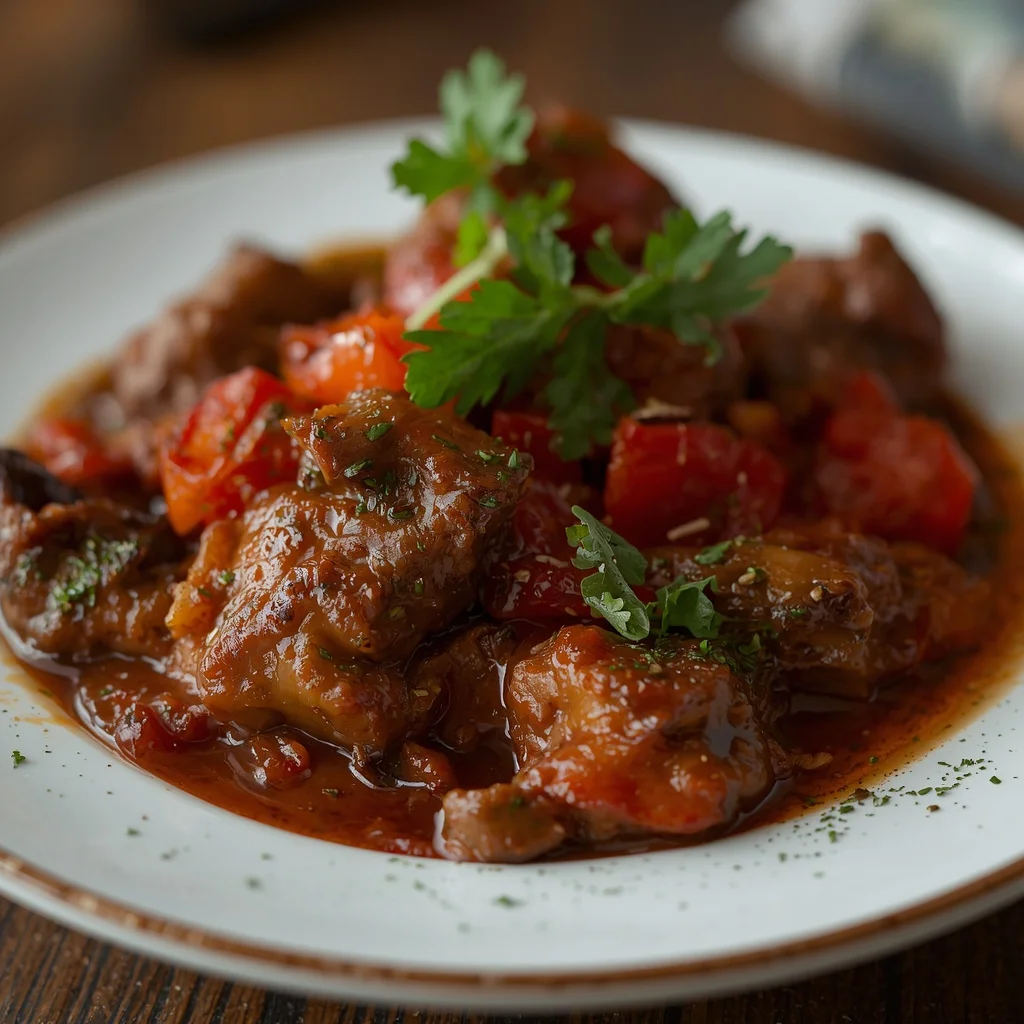
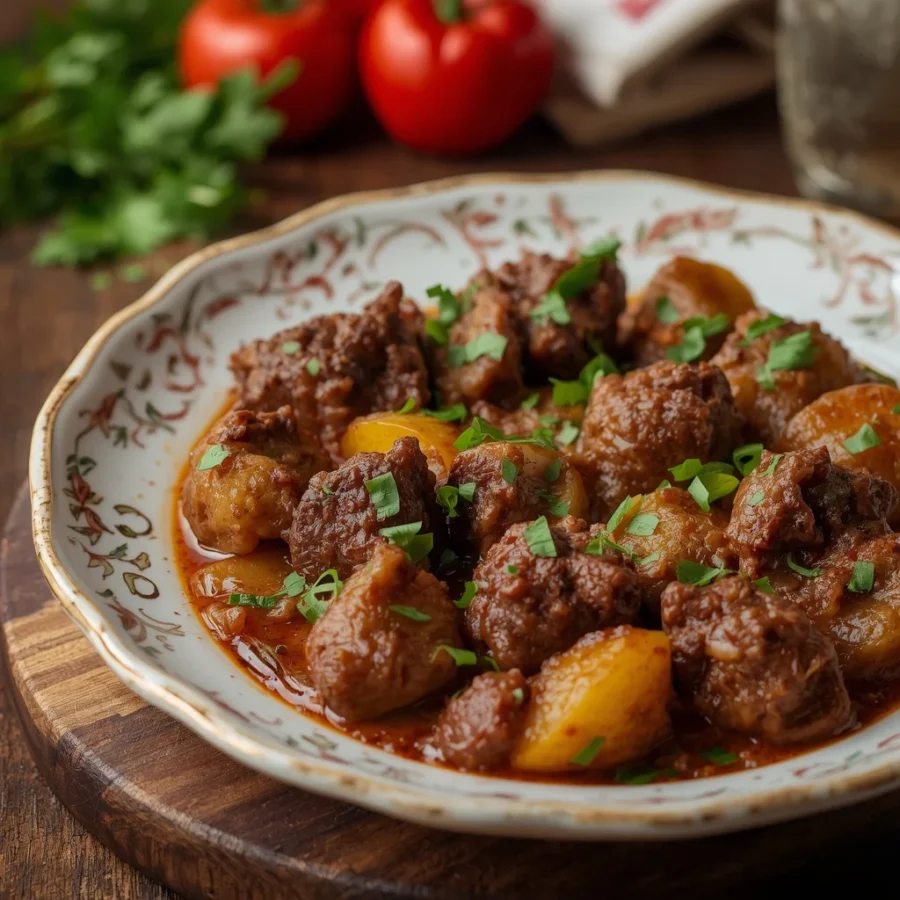
Turkish Lamb and Eggplant Casserole Recipe

If you are looking for an extraordinary culinary journey that warms the home and brings families together, learning to master a classic Turkish lamb and eggplant casserole will immediately elevate your kitchen repertoire. This satisfying dish unites succulent meat, silky roasted eggplants, sweet tomatoes, and aromatic Mediterranean spices into an unforgettable meal. The magic of a well-prepared Turkish lamb and eggplant casserole lies in its incredible depth of flavor and rich, comforting textures, making it an ideal candidate for cozy weekend dinners or special gatherings with friends. In this thorough cooking guide, you will learn the fascinating history behind this Mediterranean feast, master the step by step techniques required for success, and discover useful variations that turn simple ingredients into a genuine masterpiece.
Turkish Lamb & Eggplant Casserole

What is a Turkish Lamb and Eggplant Casserole?

A Turkish lamb and eggplant casserole is a traditional, slow-baked baked dish that features tender ground or finely diced lamb simmered in a savory tomato sauce and gently combined with roasted aubergines. Known in regional cooking traditions under names like Patlican Kebab, Guvec, or Hunkar Begendi adaptations, this preparation focuses on merging the deep, savory notes of high quality meat with the soft, melt-in-your-mouth texture of cooked eggplants.
Unlike fast stir-fries or pan-seared dishes, this meal benefits from a two-stage cooking process. First, the vegetables and meat are prepared individually to maximize their natural flavors and achieve perfect textures. Then, they are combined in a baking dish or clay pot and baked together. This allows the creamy roasted eggplant to soak up the rich juices, garlic, tomato paste, and warm Mediterranean spices.
The end result is a luxurious, hearty dish with a glossy red sauce, tender meat curds, and luscious vegetable bites. It strikes an exquisite balance between bright acidity from fresh tomatoes and the comforting richness of quality olive oil and roasted lamb fat. It is traditionally served piping hot, straight out of the baking vessel, accompanied by warm flatbreads or fluffy grain sides.

Origin and History of the Turkish Lamb and Eggplant Casserole

To fully appreciate the appeal of this dish, one must explore the rich history of Ottoman and Turkish culinary traditions. Turkey sits at the historic crossroads between Europe, Asia, and the Middle East, a geographical positioning that fostered one of the world’s most sophisticated food cultures.

The Royal Ottoman Legacy

During the height of the Ottoman Empire, imperial palace kitchens in Istanbul employed hundreds of specialized chefs who competed to create decadent meals for the sultan. Eggplant, often referred to as the king of vegetables in the region, held a place of honor on royal menus. Palace cooks developed hundreds of distinct ways to prepare aubergines, frequently pairing them with rich meats like lamb or beef.

Traditional Rural Clay Pot Cooking

While imperial chefs crafted complex presentations, rural Anatolian villagers perfected practical, slow-cooked casseroles known as guvec. Farmers used heavy, unglazed terracotta earthenware pots to assemble seasonal vegetables and local meats. These clay vessels were placed in community wood-fired ovens or left to simmer over slow coal embers for hours. The porous nature of the earthenware trapped steam and distributed heat evenly, transforming humble cuts of lamb and fresh garden vegetables into tender culinary treasures. Today, this tradition lives on in every home-cooked casserole, preserving the earthy simplicity and welcoming hospitality of Anatolian food culture.

Ingredients and Quantities for Turkish Lamb and Eggplant Casserole

Achieving authentic regional flavor depends entirely on fresh produce, quality oils, and the proper balance of traditional pantry spices.

Essential Components for the Eggplant Base

  • Two large eggplants: Select firm, heavy eggplants with smooth, shiny dark purple skin.
  • Two tablespoons of extra virgin olive oil: High quality olive oil aids in caramelization during roasting.
  • One half teaspoon of salt: Helps draw out excess moisture and seasons the vegetable flesh.

Essential Components for the Savory Lamb Sauce

  • One pound of ground lamb or finely diced lamb: Fresh ground lamb creates a lovely, sausage-like texture, while small diced lamb shoulder delivers a meatier bite.
  • One medium yellow onion: Finely chopped to provide a sweet, aromatic base.
  • Three cloves of fresh garlic: Minced finely to infuse the warm tomato gravy.
  • One fresh green bell pepper: Chopped into uniform pieces. Mild Turkish green peppers can also be used.
  • Two medium ripe tomatoes: Diced finely. Select sweet, vine-ripened tomatoes for optimal natural juice and color.
  • Two tablespoons of concentrated tomato paste: Adds deep umami notes and thickens the sauce.
  • One half cup of water or broth: Lamb broth or beef broth adds rich body to the simmered gravy.
  • One teaspoon of ground cumin: A essential warming spice with earthy notes.
  • One teaspoon of sweet paprika: Imparts a subtle smokiness and vibrant red hue.
  • One half teaspoon of dried oregano: Offers a classic Mediterranean herbal aroma.
  • One quarter teaspoon of chili flakes: Adds a gentle background warmth. Traditional Aleppo pepper flakes are highly recommended.
  • Salt and ground black pepper: Added to taste to heighten every layer of flavor.

Optional Finishing Touches and Garnishes

  • Fresh flat-leaf parsley: Finely chopped for a bright, refreshing green contrast.
  • A drizzle of extra virgin olive oil: Added right before serving for a brilliant sheen and rich mouthfeel.
  • Plain Greek yogurt: Served on the side to provide a cool, creamy element that balances the spiced meat.

Step-by-Step Preparation Method: Turkish lamb and eggplant casserole
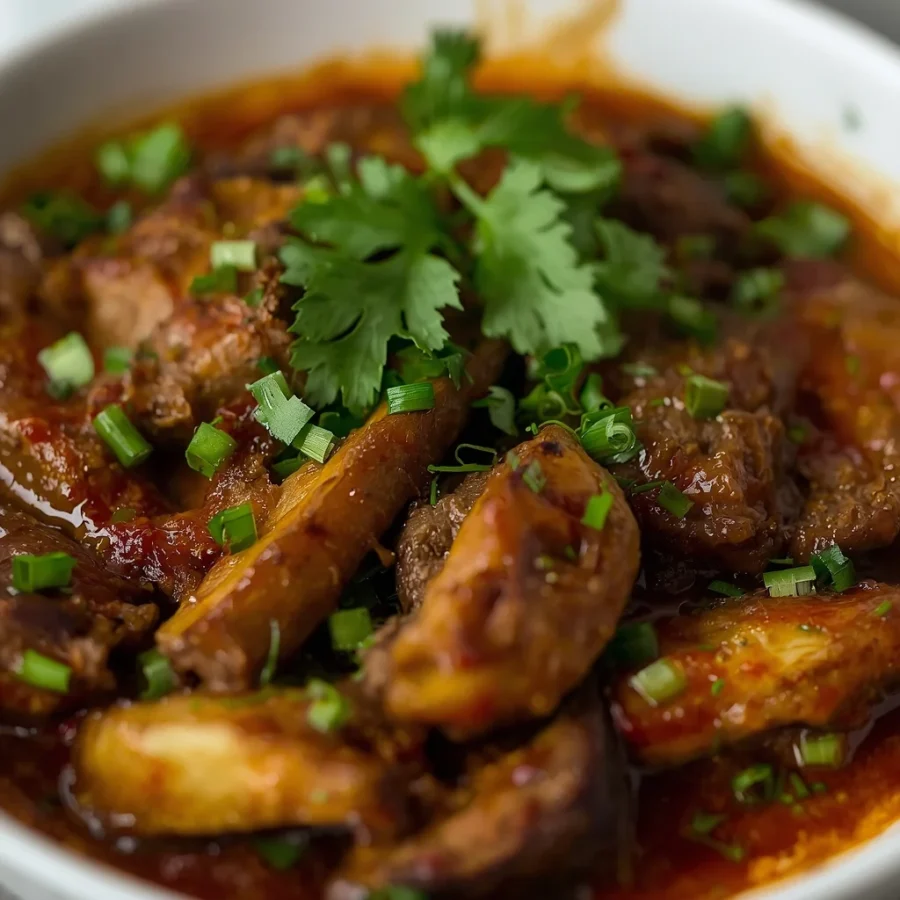
Turkish Lamb & Eggplant Casserole

Preparing this classic meal is a relaxing, structured process. Following these step-by-step instructions ensures your aubergines achieve a silky texture without becoming greasy, while keeping the meat juicy and tender.
+-----------------------------------------------------------------------+
|                       COOKING & BAKING TIMELINE                       |
+-----------------------------------------------------------------------+
| 1. Roast Eggplant Cubes in Oven       -->  Twenty to twenty-five mins |
| 2. Brown the Lamb in Skillet          -->  Five to seven minutes      |
| 3. Soften Aromatics and Vegetables    -->  Five to six minutes        |
| 4. Simmer Tomato Gravy Base           -->  Eight to ten minutes       |
| 5. Combine and Bake Casserole         -->  Fifteen to twenty minutes  |
+-----------------------------------------------------------------------+

Stage One: Preparing and Roasting the Eggplant

Set your oven temperature to four hundred degrees Fahrenheit. Wash the two large eggplants thoroughly and pat them dry. Trim off the green stem caps. You may choose to peel the eggplants in alternating zebra-style stripes for an attractive look and better texture, or leave the skins entirely intact. Cut the flesh into uniform, bite-sized cubes.
In a large mixing bowl, toss the eggplant cubes with two tablespoons of extra virgin olive oil and one half teaspoon of salt until every piece is coated. Spread the cubes in a single layer across a large rimmed baking sheet lined with parchment paper. Place in the preheated oven and roast for twenty to twenty-five minutes, turning the pieces once halfway through with a spatula. The eggplant is ready when it is completely tender, golden brown, and slightly collapsed. Remove from the oven and set aside.

Stage Two: Cooking the Lamb and Softening Vegetables

While the eggplant roasts, place a large oven-safe skillet or heavy cast iron pan over medium high heat on your stovetop. Add the one pound of ground lamb or finely diced lamb to the dry pan. Cook for five to seven minutes, using a wooden spoon to break the meat into smaller pieces as it browns evenly. Lamb naturally releases its own delicious fats as it cooks, so extra oil is usually unnecessary at this step.
Once the meat is nicely browned, add the finely chopped medium yellow onion and the chopped green bell pepper directly into the pan with the lamb. Reduce the heat slightly to medium and sauté for four to five minutes until the vegetables soften and become translucent. Add the three minced cloves of garlic and cook for one additional minute until fragrant, taking care not to scorch the garlic.

Stage Three: Building the Tomato Base and Simmering

Add the two tablespoons of concentrated tomato paste into the center of the skillet and stir it into the meat for two minutes to toast the paste slightly. Next, stir in the two diced medium tomatoes, one teaspoon of ground cumin, one teaspoon of sweet paprika, one half teaspoon of dried oregano, one quarter teaspoon of chili flakes, and salt and black pepper to taste.
Pour in one half cup of water or broth and mix everything together thoroughly. Lower the burner heat, bring the mixture to a gentle simmer, and let it cook uncovered for eight to ten minutes. The sauce will thicken slightly into a rich, aromatic gravy coating the ground meat and vegetables.

Stage Four: Combining Ingredients and Final Oven Bake

Gently fold the warm roasted eggplant cubes into the simmering lamb mixture inside your skillet. Use your spoon to mix them carefully, ensuring you do not crush the soft vegetable pieces. If your pan is not safe for high oven temperatures, transfer the combined mixture into a clean ceramic or stoneware baking dish and smooth the top surface evenly.
Adjust your oven temperature down to three hundred seventy-five degrees Fahrenheit. Place the uncovered skillet or casserole dish into the oven and bake for fifteen to twenty minutes. This final bake allows the roasted eggplant to absorb the spiced tomato juices and creates a wonderfully cohesive dish.

Stage Five: Garnishing and Serving

Carefully remove the bubbling casserole from the oven using thick oven mitts. Allow the dish to settle at room temperature for five minutes before serving. Sprinkle the top generously with freshly chopped flat-leaf parsley and finish with a light drizzle of extra virgin olive oil. Serve warm directly from the pan.

Culinary Secrets for Success: Turkish lamb and eggplant casserole

While the steps are easy to master, keeping a few professional kitchen secrets in mind will ensure your Turkish lamb and eggplant casserole turns out exceptional every single time.

Roasting Versus Pan-Frying the Eggplant

Traditional recipes often call for deep-frying the eggplant pieces in heavy oil before assembling the casserole. While delicious, deep-frying can cause aubergines to soak up excessive grease, resulting in a heavy, overly oily end product. Oven-roasting the cubed eggplant with a controlled drizzle of olive oil yields the same velvety texture and smoky depth while keeping the meal light, digestible, and well-balanced.

Selecting the Ideal Cut of Meat

If you prefer using whole cuts of meat rather than ground meat, select lamb shoulder or lamb leg. Lamb shoulder contains the perfect ratio of intramuscular fat and collagen, which breaks down during the simmering and baking steps to create incredibly moist, fork-tender bites. Be sure to trim away tough outer silver skin before chopping the meat into small pieces.

Popular Variations of the Casserole

One of the great features of this meal is its versatility. You can easily modify the ingredients to suit different dietary preferences or ingredient availability in your pantry.

The Creamy Béchamel and Cheese Version

For a more indulgent take reminiscent of classic Greek moussaka, top the meat and eggplant mixture with a layer of velvety béchamel sauce made from butter, flour, milk, and a pinch of ground nutmeg. Sprinkle shredded kashar cheese or mozzarella over the top before baking until golden and bubbling.

Beef or Poultry Alternatives

If lamb is not readily available or preferred, you can seamlessly substitute lean ground beef, sirloin steak cuts, or ground turkey. When using leaner meats like turkey, consider adding an extra tablespoon of olive oil or butter during the sautéing stage to maintain moisture.

Plant-Based Vegetarian Adaptation

To create a satisfying vegetarian version, swap the ground lamb for cooked brown lentils, chickpeas, or a mixture of chopped wild mushrooms and walnuts. The earthy flavor of mushrooms combined with sweet tomatoes and roasted eggplant offers a hearty, satisfying plant-based alternative.

Serving Suggestions and Side Pairings: Turkish lamb and eggplant casserole

To transform your casserole into an authentic Mediterranean banquet, pair the main dish with traditional side elements that complement its rich flavors.
+-----------------------------------------------------------------------+
|                    MEDITERRANEAN MEAL PAIRINGS                        |
+-----------------------------------------------------------------------+
|  [ Main Star    ]  <--->  Turkish Lamb & Eggplant Casserole           |
|  [ Warm Breads  ]  <--->  Pide Bread, Lavash, or Warm Pita            |
|  [ Grain Sides  ]  <--->  Butter Rice Pilaf or Toasted Orzo Rice      |
|  [ Dairy Touch  ]  <--->  Garlic Yogurt Dip or Cold Haydari           |
|  [ Fresh Salad  ]  <--->  Coban Salatasi (Shepherd Salad)             |
+-----------------------------------------------------------------------+
  • Warm Artisanal Breads: Freshly baked Turkish pide bread, lavash, or sourdough loaves are essential for scooping up the rich tomato gravy.
  • Traditional Rice Pilaf: Serve the casserole over a bed of buttery Turkish rice pilaf made with toasted orzo noodles or vermicelli.
  • Cooling Yogurt Sauces: Offer a side bowl of garlic-infused yogurt or traditional haydari (strained yogurt dip with herbs) to cut through the richness of the meat.
  • Shepherd Salad: A crisp, refreshing salad made with diced cucumbers, ripe tomatoes, green peppers, flat-leaf parsley, lemon juice, and olive oil offers a bright, palate-cleansing contrast.

Frequently Asked Questions: Turkish lamb and eggplant casserole

Do I need to salt and drain the eggplant before roasting?

Modern varieties of eggplant are far less bitter than historical heritage varieties, so long soaking periods in saltwater are generally unnecessary. However, lightly salting the cubed eggplant right before tossing it with olive oil helps draw out surface moisture, allowing the pieces to brown beautifully in the oven without absorbing too much oil.

Can I prepare Turkish lamb and eggplant casserole ahead of time?

Yes, this casserole is an ideal choice for advance meal preparation. In fact, like many simmered stews and baked casseroles, the flavors often deepen and improve after sitting overnight in the refrigerator. Assemble the dish completely, let it cool to room temperature, cover tightly, and store in the fridge for up to three days. Reheat covered in a preheated oven until warm throughout.

Can I freeze cooked Turkish lamb and eggplant casserole?

You can freeze cooked leftovers easily. Allow the casserole to cool completely, then transfer portion sizes into airtight, freezer-safe containers. Freeze for up to three months. To serve, thaw overnight in the refrigerator and reheat gently on the stovetop or in the oven until piping hot. Keep in mind that roasted eggplant may become slightly softer after freezing and thawing, but the flavor will remain wonderful.

What is the best alternative to Aleppo pepper flakes?

If you cannot source authentic Turkish Aleppo pepper, you can substitute a mixture of three parts sweet paprika and one part red chili flakes or cayenne pepper. This combination replicates the mild warmth, subtle fruitiness, and rich color characteristic of traditional Turkish spice blends.

Why is my casserole watery at the bottom?

A watery consistency usually happens if the tomatoes release extra liquid or if the eggplant was not roasted long enough prior to assembling the casserole. To avoid this, make sure your tomato sauce simmers uncovered until it reduces into a thick gravy before folding in the aubergines, and ensure your eggplant cubes are fully tender and roasted before combining.

Conclusion: Turkish lamb and eggplant casserole
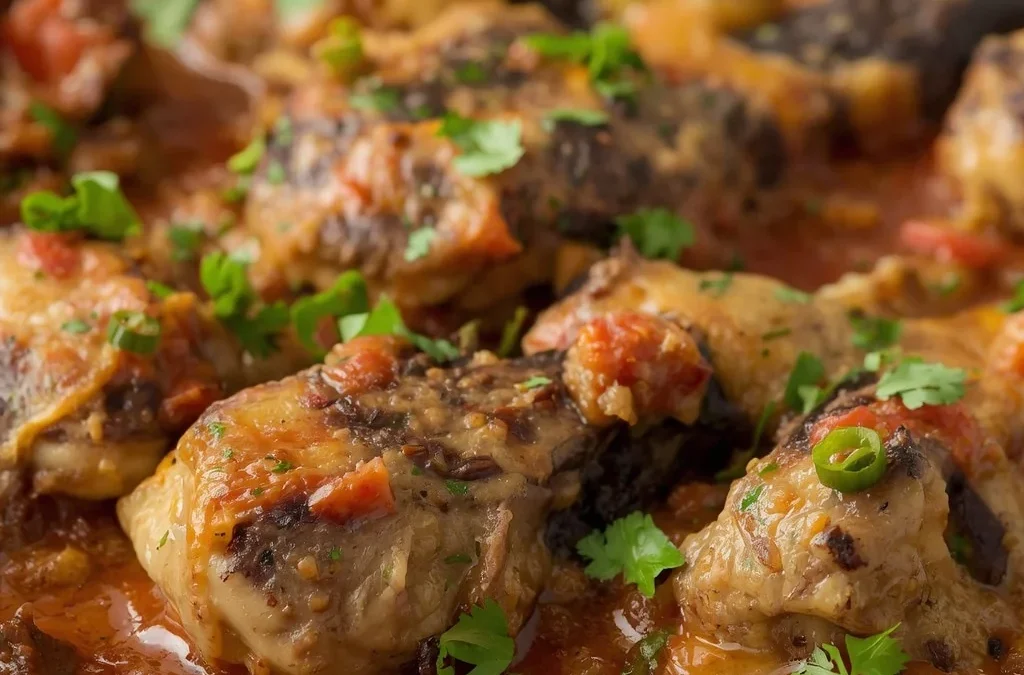
Mastering the art of cooking a genuine Turkish lamb and eggplant casserole brings the rich traditions, warm aromas, and incredible hospitality of Mediterranean cooking directly into your home. By taking the time to roast your aubergines to silky perfection, browning quality lamb with fragrant spices, and bringing everything together in a gentle oven bake, you create a deeply satisfying meal that nourishes both body and soul. Gather your fresh ingredients, warm up your oven, and enjoy this classic recipe with those you love most.
Print
clock clock iconcutlery cutlery iconflag flag iconfolder folder iconinstagram instagram iconpinterest pinterest iconfacebook facebook iconprint print iconsquares squares iconheart heart iconheart solid heart solid icon
Turkish Lamb & Eggplant Casserole

Turkish Lamb and Eggplant Casserole Recipe


  • Author: David Andersson
  • Total Time: 1 hour 10 minutes
  • Yield: 4 servings 1x

Description

A Turkish lamb and eggplant casserole is a traditional, slow-baked baked dish that features tender ground or finely diced lamb simmered in a savory tomato sauce and gently combined with roasted aubergines. Known in regional cooking traditions under names like Patlican Kebab, Guvec, or Hunkar Begendi adaptations, this preparation focuses on merging the deep, savory notes of high quality meat with the soft, melt-in-your-mouth texture of cooked eggplants.


Ingredients

Scale

For the Eggplant

  • 2 large eggplants
  • 2 tbsp olive oil
  • ½ tsp salt

For the Lamb Mixture

  • 1 lb (450 g) ground lamb or finely diced lamb
  • 1 medium onion, finely chopped
  • 3 cloves garlic, minced
  • 1 green bell pepper, chopped
  • 2 medium tomatoes, diced
  • 2 tbsp tomato paste
  • ½ cup water or lamb/beef broth
  • 1 tsp ground cumin
  • 1 tsp paprika
  • ½ tsp dried oregano
  • ¼ tsp chili flakes (optional)
  • Salt and black pepper, to taste

For Garnish

  • Fresh parsley, chopped
  • A drizzle of extra-virgin olive oil
  • Optional: plain yogurt for serving

Instructions

  • Prepare the eggplant:
    Preheat the oven to 400°F (200°C). Cut the eggplants into bite-sized cubes. Toss with olive oil and salt, then spread them on a baking sheet.
  • Roast the eggplant:
    Roast for 20–25 minutes, turning once halfway through, until softened and lightly browned.
  • Cook the lamb:
    Meanwhile, heat a large oven-safe skillet over medium-high heat. Add the lamb and cook for 5–7 minutes, breaking it apart as it browns.
  • Add the vegetables:
    Add the onion and bell pepper. Cook for 4–5 minutes, then add the garlic and cook for another minute.
  • Build the sauce:
    Stir in the tomatoes, tomato paste, cumin, paprika, oregano, chili flakes, salt, pepper, and broth. Simmer for 8–10 minutes, until the sauce thickens slightly.
  • Combine:
    Gently fold the roasted eggplant into the lamb mixture. Spread everything evenly in the skillet or transfer it to a baking dish.
  • Bake:
    Reduce the oven temperature to 375°F (190°C) and bake uncovered for 15–20 minutes, allowing the flavors to meld.
  • Garnish and serve:
    Sprinkle with fresh parsley and drizzle with a little olive oil. Serve hot with warm bread, rice, or a spoonful of plain yogurt.

Notes

For the best flavor, allow the casserole to rest for a few minutes before serving. Garnish with fresh parsley and a drizzle of olive oil, and serve with warm flatbread, rice, or creamy yogurt for a delicious and satisfying meal.

  • Prep Time: 15 minutes
  • Cook Time: 55 minutes
  • Category: Main Course
  • Method: Baked
  • Cuisine: Turkish

Nutrition

  • Serving Size: 1 serving
  • Calories: ~470 kcal

Keywords: Turkish eggplant casserole, Turkish lamb casserole, lamb and eggplant bake, Turkish Patlican casserole

Author

Leave a Comment

Recipe rating