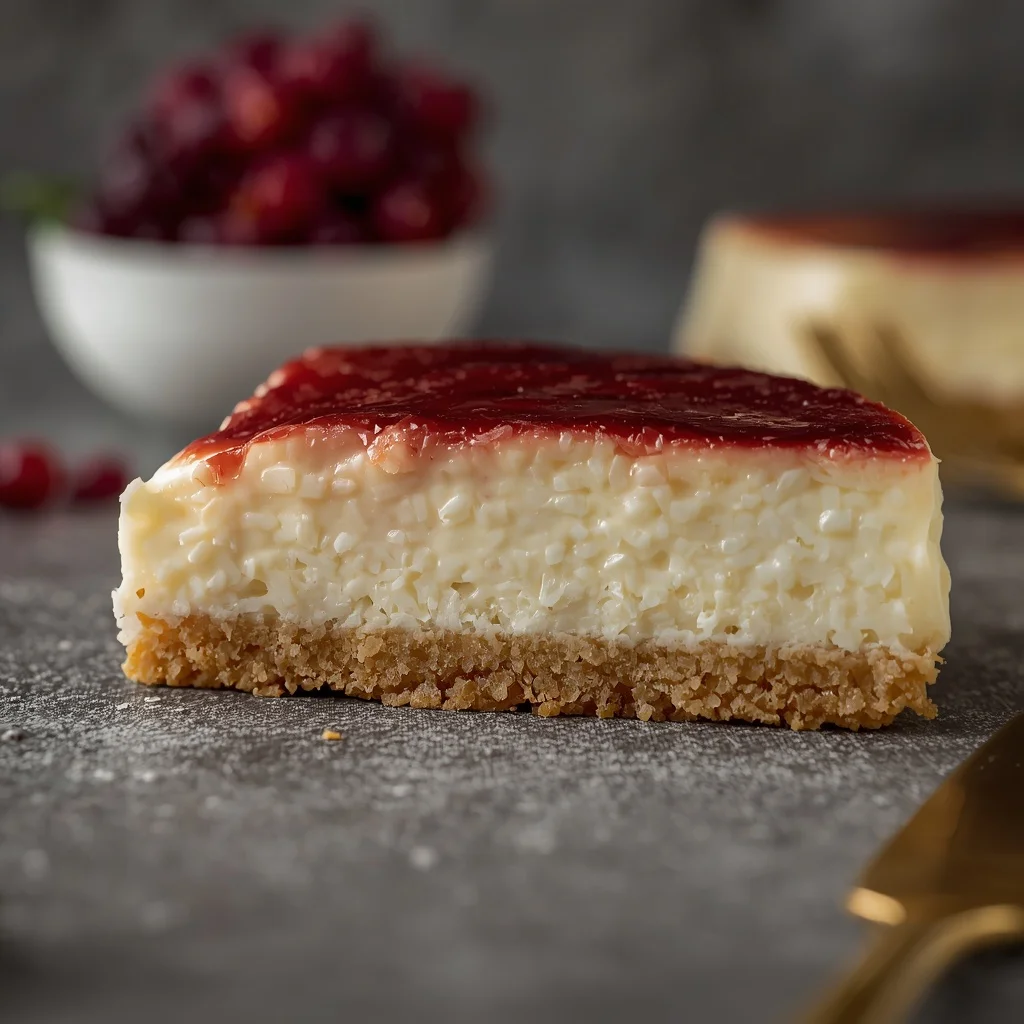
If you are a fan of velvety custards, buttery pastries, and classic comfort food, the Turkish Rice Pudding Tart is bound to become your new favorite dessert. Combining the deeply comforting elements of traditional fırın sütlaç with the delicate structure of a French-style pastry crust, this impressive dessert bridges two rich culinary traditions. The creamy filling is lightly sweetened, rich with natural rice starch, and baked until the top forms a gorgeous, caramelized skin that offers a subtly smoky, roasted sweetness. Whether you are hosting an elegant dinner party or looking to elevate your weekend baking routine, making a Turkish Rice Pudding Tart promises an incredible sweet treat that will leave everyone asking for seconds.
What is a Turkish Rice Pudding Tart?
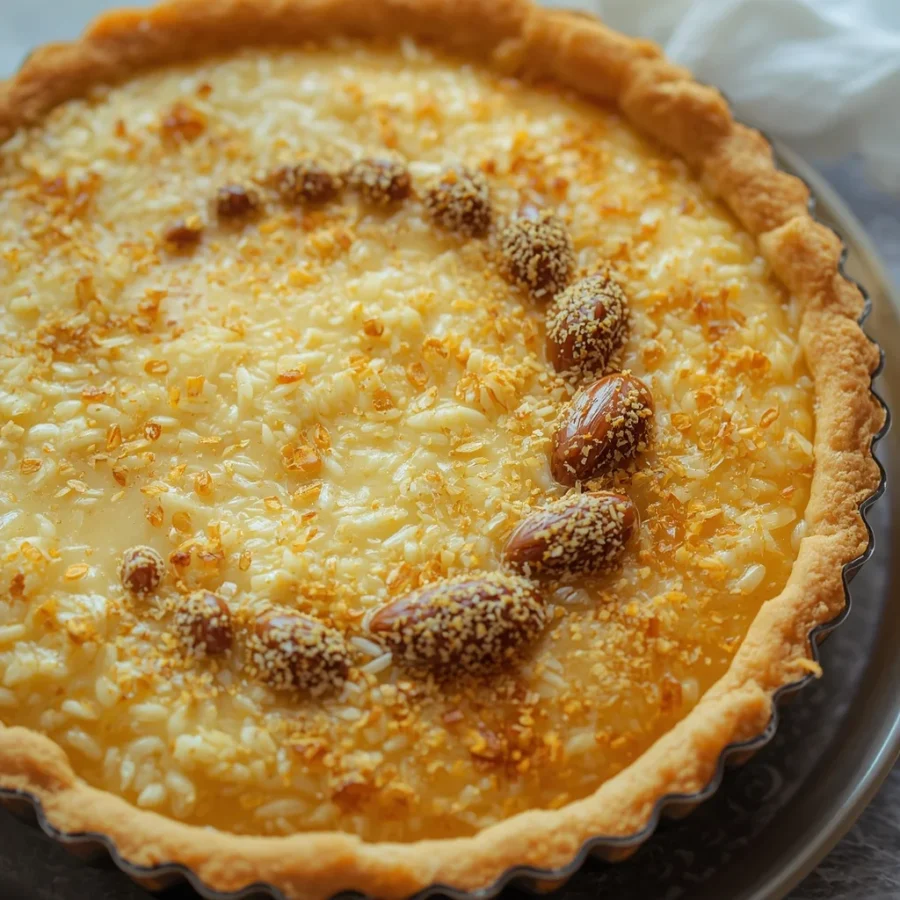
The Turkish Rice Pudding Tart is a modern fusion dessert that takes the iconic baked rice pudding of Turkey—known locally as fırın sütlaç—and encases it inside a crisp, golden-brown shortcrust pastry shell.
Unlike Western-style rice puddings that often rely heavily on nutmeg, heavy cream, or raisins, the Turkish version centers around pure, clean milk flavors balanced by subtle vanilla and a warm dusting of cinnamon. The texture of the filling is silky and pourable when warm, setting into a tender, sliceable custard as it cools. What truly sets this dessert apart is its signature top surface. When exposed to high heat in the final minutes of baking, the natural sugars and proteins in the milk caramelize into dark, golden patches, creating a stunning visual contrast and a rich depth of flavor that offsets the delicate sweet cream underneath.
The Origin and History of Fırın Sütlaç
To truly appreciate the Turkish Rice Pudding Tart, it helps to understand the long, distinguished history of its parent dish, sütlaç. The word itself is a contraction of the Turkish words sütlü aş, which translates directly to “milk dish.”
Milk-based puddings have been a cornerstone of Middle Eastern and Anatolian cuisine for centuries, dating back to the grand kitchens of the Ottoman Empire. In the royal palaces of Istanbul, chefs prepared elaborate dairy desserts for sultans and visiting dignitaries. Rice pudding was prized for its soothing qualities and simple elegance. Over time, cooks began baking the pudding in individual earthenware clay dishes, called güveç, over wood-fired bread ovens. This intense top heat produced the famous scorched skin that defines modern fırın sütlaç.
In recent years, innovative pastry chefs have taken this beloved household staple and reimagined it within a classic tart crust. The addition of a flaky, buttery base adds a delightful textural contrast to the soft, comforting pudding, transforming a rustic comfort food into a show-stopping pastry shop centerpiece.
Ingredients and Exact Quantities
Creating the perfect balance between a crisp pastry and a delicate pudding filling requires exact proportions. Here is everything you will need to prepare this show-stopping recipe from scratch.
Ingredients for the Tart Crust
-
All-purpose flour: One and a half cups (one hundred ninety grams)
-
Unsalted butter: Half a cup (one hundred fifteen grams), cold and cut into small cubes
-
Granulated sugar: One quarter cup (fifty grams)
-
Egg yolk: One large egg yolk
-
Cold water: One to two tablespoons of ice-cold water
-
Salt: One quarter teaspoon of fine salt
Ingredients for the Rice Pudding Filling
-
Short-grain rice: Half a cup (one hundred grams) of Arborio, Baldo, or standard short-grain white rice
-
Water: One and a half cups (three hundred sixty milliliters) for pre-cooking the rice
-
Whole milk: Four cups (one liter) of high-quality full-fat whole milk
-
Granulated sugar: Three quarters cup (one hundred fifty grams)
-
Cornstarch: Three tablespoons
-
Vanilla extract: One teaspoon of pure vanilla extract
-
Egg yolk: One large egg yolk to add richness and encourage top caramelization
-
Ground cinnamon: Half a teaspoon (optional, for garnishing)
Step-by-Step Directions and Preparation Method: Turkish Rice Pudding Tart
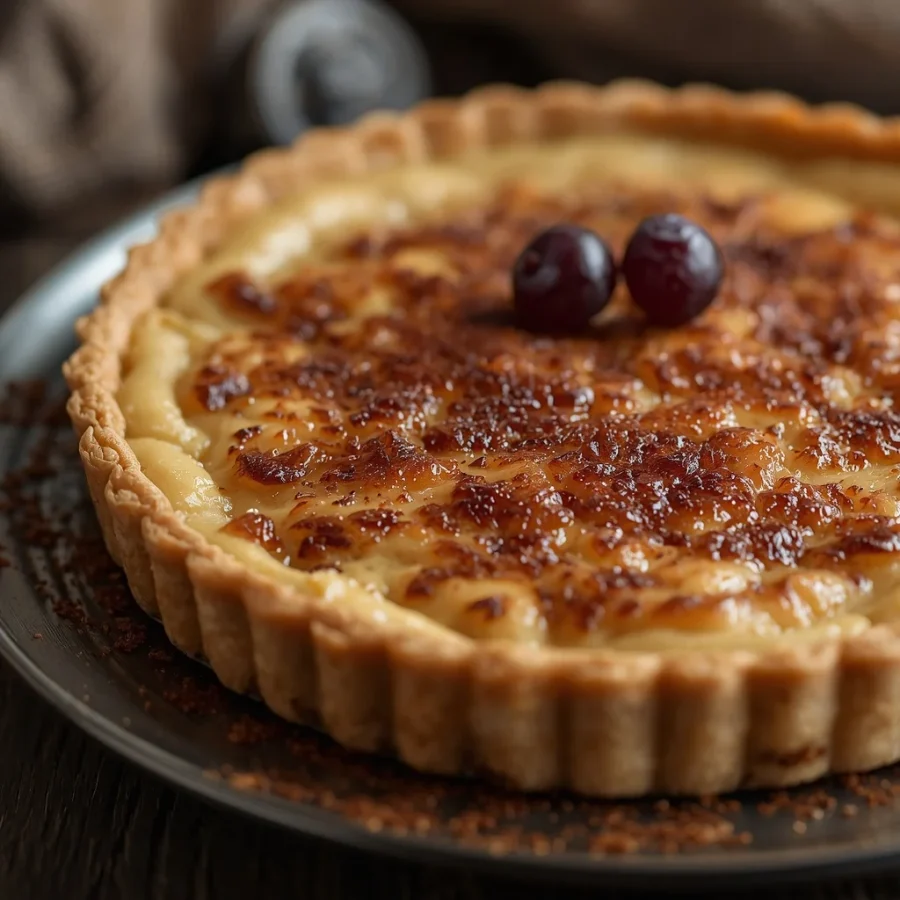
Preparing a homemade Turkish Rice Pudding Tart requires a two-stage process: first creating and pre-baking the pastry shell, and second preparing the creamy filling before bringing them together in the oven.
Step 1: Preparing the Pastry Dough
Begin by combining the all-purpose flour, granulated sugar, and fine salt in a large mixing bowl. Add the cold, cubed unsalted butter to the dry mixture. Using your fingertips or a pastry cutter, rub the cold butter into the flour mixture until it resembles coarse breadcrumbs with small, pea-sized bits of butter remaining.
Add the single egg yolk along with one tablespoon of ice-cold water. Gently mix the dough together just until it holds its shape when pressed. If the dough seems too dry or crumbly, add the second tablespoon of cold water. Do not overwork the dough, as excess handling develops gluten and will make your tart shell tough rather than tender and flaky. Gently shape the dough into a flat disc, wrap it tightly in plastic wrap, and place it in the refrigerator to chill for at least thirty minutes.
Step 2: Shaping and Blind-Baking the Crust
Once chilled, lightly flour your work surface and rolling pin. Roll the pastry disc out into a circle roughly twelve inches in diameter and about one eighth of an inch thick. Carefully lift the dough and drape it over a nine-inch tart pan with a removable bottom. Gently press the pastry into the bottom corners and up the fluted sides of the pan. Trim any excess dough flush with the top edge of the pan using your rolling pin or a sharp knife.
Use a fork to gently prick the bottom surface of the dough several times to prevent air pockets from expanding during baking. Place the lined tart pan back into the refrigerator to chill for another fifteen minutes while you preheat your oven.
Preheat your oven to three hundred fifty degrees Fahrenheit (one hundred eighty degrees Celsius). Line the chilled pastry shell with a sheet of parchment paper, leaving enough overhang to easily lift it out later. Fill the parchment liner with ceramic baking weights, pie weights, or dried beans. Bake the crust in the center of the oven for fifteen minutes.
Carefully lift out the parchment paper and weights, then return the tart crust to the oven for an additional five to eight minutes, or until the bottom looks dry and lightly golden. Remove the crust from the oven and set it aside to cool slightly while you prepare the filling.
Step 3: Cooking the Rice Base
Rinse the short-grain rice under cool running water in a fine-mesh sieve to remove excess surface dust. Transfer the rinsed rice to a medium heavy-bottomed saucepan and add the one and a half cups of water. Bring the mixture to a gentle boil over medium heat, then turn the heat down to low, cover the pan with a lid, and allow the rice to simmer gently.
Cook for approximately fifteen to twenty minutes, or until the rice grains are very soft, tender, and most of the water has been fully absorbed. Cooking the rice thoroughly in water first ensures that the grains are fully softened before milk and sugar are introduced, as sugar can slow down the softening of raw rice starches.
Step 4: Preparing the Creamy Sütlaç Filling
Once the rice is soft, pour the four cups of whole milk and the three quarters cup of granulated sugar into the saucepan with the cooked rice. Stir well to combine, bring the saucepan to a low simmer over medium heat, and cook gently for ten minutes, stirring occasionally so the milk does not scorch on the bottom of the pan.
In a small bowl, whisk the three tablespoons of cornstarch with three to four tablespoons of cold milk or cold water until completely smooth to create a slurry. Gradually pour the cornstarch slurry into the simmering rice pudding mixture while stirring constantly with a wooden spoon or whisk.
Continue cooking over medium-low heat, stirring continuously for about five to eight minutes. As the starch heats up, the liquid will thicken into a rich, velvety pudding consistency that coats the back of a spoon. Remove the saucepan from the heat source and stir in the pure vanilla extract.
In a small heatproof bowl, whisk the remaining egg yolk. Ladle a small amount of the hot rice pudding into the yolk while whisking rapidly to temper the egg. This gradual heating prevents the egg from scrambling. Once warm, pour the tempered egg mixture back into the main saucepan and stir vigorously until fully incorporated.
Step 5: Assembling and Baking the Tart
Pour the warm rice pudding filling directly into your pre-baked tart crust, using a spatula to smooth the surface evenly.
Increase your oven temperature to four hundred twenty-five degrees Fahrenheit (two hundred twenty degrees Celsius). Place the filled tart onto a sturdy baking sheet to make transfer easy and safe. Carefully slide the baking sheet onto the top rack of your oven. Bake for approximately ten to fifteen minutes, watching closely until dark golden-brown patches develop across the top surface of the pudding filling.
If you desire an authentic, deeply caramelized top that closely mirrors traditional Turkish clay-dish baked puddings, turn on your oven broiler for the final one to two minutes of baking. Keep a very close eye on the tart during broiling, as high heat can turn a beautiful caramel skin into an over-charred top very quickly.
Step 6: Cooling and Chilling
Remove the finished Turkish Rice Pudding Tart from the oven and set it on a wire cooling rack at room temperature. The pudding center will still be slightly wobbly while warm, but it will firm up naturally as it cools. Allow the tart to cool completely at room temperature, then transfer it to the refrigerator to chill for at least two to three hours before unmolding and slicing.
Pro Tips for Culinary Success: Turkish Rice Pudding Tart
-
Do not overcook the pudding on the stove: Remember that the rice pudding will continue to set as it bakes and chills in the refrigerator. When you pour it into the tart shell, it should be creamy and pourable rather than stiff.
-
Choose short-grain rice: Short-grain varieties like Arborio or Baldo release higher amounts of amylopectin starch during cooking. This extra natural starch contributes significantly to the signature velvety texture of authentic fırın sütlaç.
-
Temper the egg yolk carefully: Never add a cold egg yolk directly into hot liquid without tempering, or it will curdle and leave small yellow specks throughout your silky pudding filling.
-
Watch the broiler closely: Oven broilers vary greatly in heat intensity. Stay right by the oven door when browning the top skin to achieve golden patches rather than burnt edges.
Delicious Recipe Variations: Turkish Rice Pudding Tart
While this classic preparation delivers timeless flavor, you can easily adapt this dish to fit different preferences and occasions.
Citrus Infused Tart
Add a bright, aromatic twist to your fırın sütlaç tart by grating the fresh zest of half an orange or half a lemon directly into the milk mixture while it simmers. The natural citrus oils lift the richness of the dairy and add a wonderful fragrant bouquet.
Spiced Nut Crust
Swap out a tablespoon of the all-purpose flour in the crust for finely ground toasted hazelnuts or pistachios. Nut flour adds a lovely, crumbly texture and a nutty flavor that pairs wonderfully with Mediterranean and Middle Eastern desserts.
Mastic Resin Flavoring
For a truly traditional regional variation, crush two small tears of natural mastic resin with a tiny pinch of sugar using a mortar and pestle, then stir it into the warm pudding along with the vanilla extract. Mastic adds a subtle piney, resinous aroma that is widely beloved across Turkey and Greece.
Chocolate Layer Fusion
Spread a thin layer of melted dark chocolate over the bottom of the pre-baked tart crust before pouring in the warm rice pudding. Once sliced, the tart will reveal an eye-catching dark chocolate line beneath the creamy white rice pudding filling.
Frequently Asked Questions (FAQs): Turkish Rice Pudding Tart
Can I make the Turkish Rice Pudding Tart in advance?
Yes, this dessert is actually best made ahead of time. Preparing the tart a day in advance allows the rice pudding filling to set completely in the refrigerator, making it much easier to slice into clean, elegant pieces. It will stay fresh and delicious covered in the refrigerator for up to three days.
Why is short-grain rice required instead of long-grain rice?
Short-grain rice contains a much higher concentration of starch compared to long-grain varieties like Jasmine or Basmati. This natural starch releases slowly into the milk as it simmers, giving the pudding its characteristic creaminess without needing heavy cream or excess thickeners.
How do I prevent my pastry crust from becoming soggy?
Blind-baking the tart crust thoroughly before adding the warm pudding filling is the absolute best way to ensure a crisp base. Additionally, letting the baked crust cool slightly creates a barrier that prevents moisture from soaking into the pastry floor.
Can I use low-fat milk instead of whole milk?
While you can technically use reduced-fat milk, whole milk is strongly recommended for this recipe. The natural milk fats provide the necessary richness, body, and smooth mouthfeel required for authentic fırın sütlaç. Using low-fat milk may result in a watery filling with less caramelization on top.
Why did my filling not caramelize on top?
The caramelization on top of a Turkish Rice Pudding Tart requires intense top heat. If your oven heat is indirect, the surface may take too long to color. Utilizing the top broiler feature for the last minute of baking—or using a kitchen torch—will instantly produce those classic golden-brown spots.
Serving and Storing Suggestions: Turkish Rice Pudding Tart
When you are ready to serve your Turkish Rice Pudding Tart, remove the outer ring of the tart pan and place the pastry on a decorative serving platter. Dust the top lightly with finely ground cinnamon for a classic presentation. For extra texture and colorful Turkish flair, sprinkle crushed green pistachios or toasted chopped hazelnuts around the rim.
This tart pairs exquisitely with a hot cup of strong Turkish tea served in traditional tulip-shaped glasses, or a rich cup of Turkish coffee cooked with cardamom. Leftovers should be stored covered in the refrigerator, where the tart will maintain its wonderful texture and flavor for up to three to four days.
Conclusion: Turkish Rice Pudding Tart
The Turkish Rice Pudding Tart stands out as a brilliant celebration of global baking traditions, combining the crisp elegance of a butter shortcrust with the comforting, caramelized creaminess of authentic fırın sütlaç. By following these clear preparation methods, pre-cooking your short-grain rice to soft perfection, and carefully controlling your oven heat for that golden top, you can create a stunning centerpiece dessert that honors traditional Ottoman flavors in a modern pastry format.
Print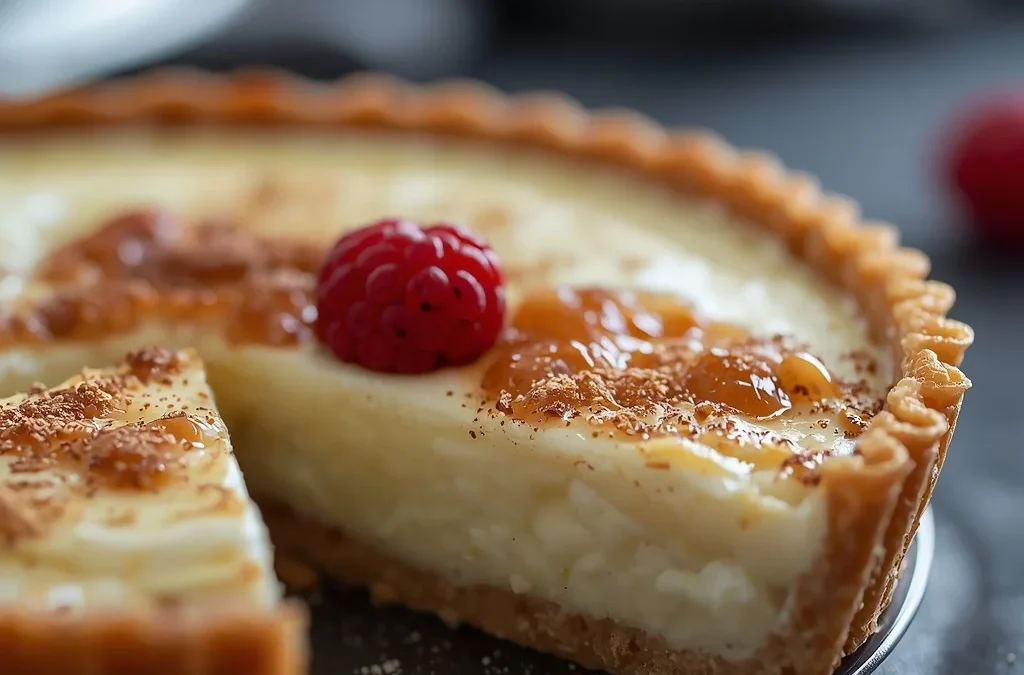
Turkish Rice Pudding Tart (Fırın Sütlaç Tart)
- Total Time: 1 hour 20 minutes + chilling
- Yield: 8 servings 1x
Description
The Turkish Rice Pudding Tart is a modern fusion dessert that takes the iconic baked rice pudding of Turkey—known locally as fırın sütlaç—and encases it inside a crisp, golden-brown shortcrust pastry shell.
Ingredients
For the tart crust
- 1½ cups (190 g) all-purpose flour
- ½ cup (115 g) unsalted butter, cold and cubed
- ¼ cup (50 g) granulated sugar
- 1 egg yolk
- 1–2 tbsp cold water
- ¼ tsp salt
For the rice pudding filling
- ½ cup (100 g) short-grain rice
- 1½ cups (360 ml) water
- 4 cups (1 liter) whole milk
- ¾ cup (150 g) granulated sugar
- 3 tbsp cornstarch
- 1 tsp vanilla extract
- 1 egg yolk
- ½ tsp ground cinnamon, optional
Instructions
- Make the crust: Mix flour, sugar, and salt. Rub in the cold butter until the mixture resembles breadcrumbs. Add the egg yolk and enough cold water to form a dough.
- Shape into a disc, wrap, and refrigerate for 30 minutes.
- Roll the dough out and use it to line a 9-inch (23 cm) tart pan. Prick the bottom with a fork. Chill for another 15 minutes.
- Blind-bake: Heat the oven to 180°C (350°F). Cover the crust with parchment and baking weights or dried beans. Bake for 15 minutes, then remove the weights and bake for another 5–8 minutes, until lightly golden.
- Cook the rice: Rinse the rice. Put it in a saucepan with the water and simmer until the rice is very soft and most of the water has evaporated, about 15–20 minutes.
- Add the milk and sugar. Simmer gently for 10 minutes, stirring occasionally.
- Mix the cornstarch with a few tablespoons of cold milk or water to make a smooth slurry. Stir it into the rice mixture.
- Continue cooking over medium-low heat, stirring constantly, until the mixture thickens to a creamy pudding consistency.
- Remove from the heat. Stir in the vanilla. Whisk the egg yolk with a little of the hot pudding, then return it to the saucepan and mix well.
- Fill the tart: Pour the warm rice pudding into the baked tart shell and smooth the surface.
- Bake: Increase the oven temperature to 220°C (425°F). Bake for about 10–15 minutes, until the surface develops golden-brown patches. For an especially caramelized Turkish-style top, place it under the broiler/grill for 1–2 minutes, watching it carefully.
- Cool to room temperature, then refrigerate for at least 2 hours before slicing.
Notes
For the best texture, don’t overcook the rice pudding before filling the tart. It should be thick enough to coat a spoon but still pourable, because it will continue to set as it cools.
- Prep Time: 45 minutes
- Cook Time: 35 minutes
- Category: Dessert
- Method: Baking
- Cuisine: Turkish
Nutrition
- Serving Size: 1 slice
- Calories: ~380 kcal
Keywords: Fırın Sütlaç Tart, Baked Turkish Rice Pudding Pie, Turkish Rice Pudding Pie
