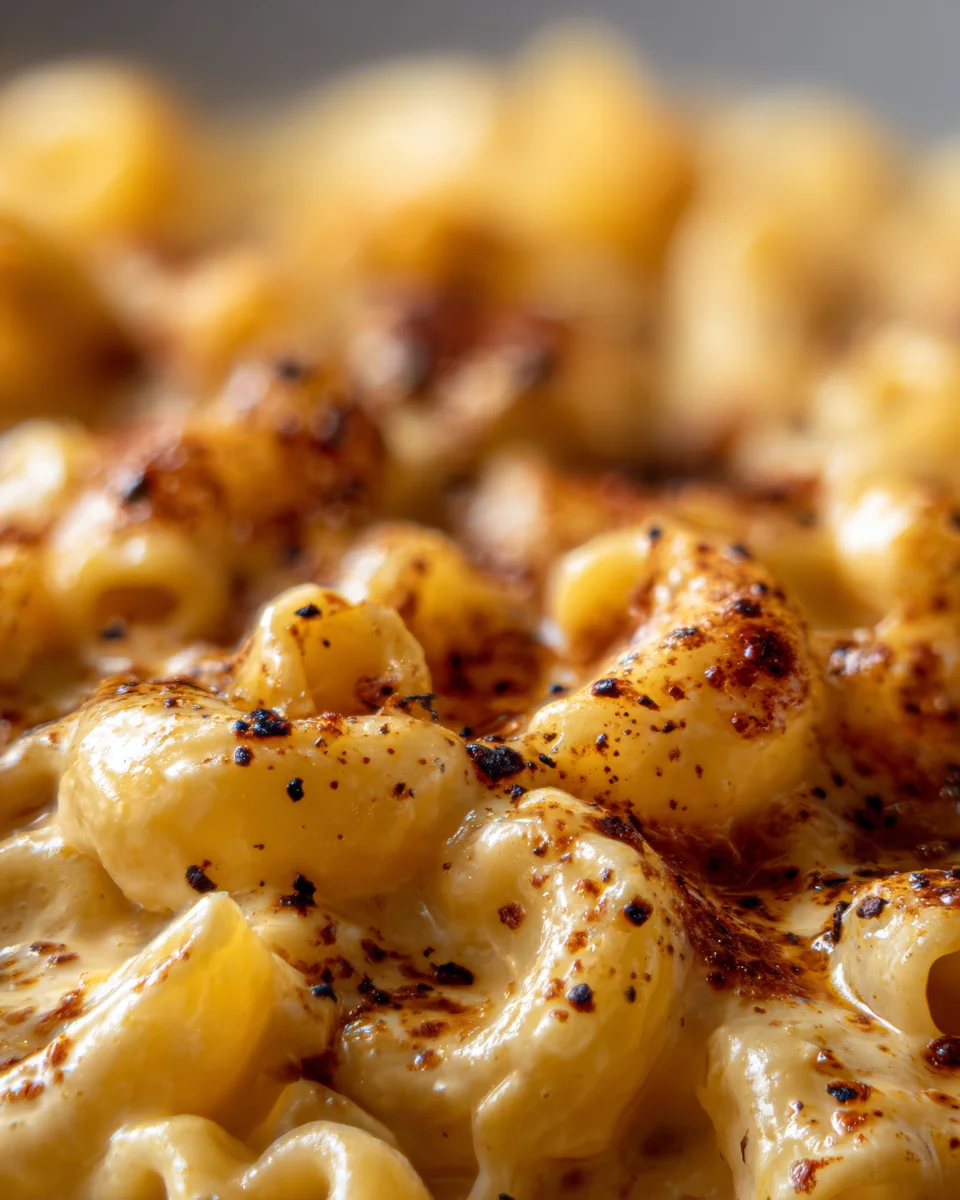
Finding a meal that satisfies both the craving for comfort food and the requirements of a plant-based diet can sometimes feel like a challenge. However, Vegan Mac and Cheese has emerged as a true champion in the world of dairy-free cooking. It offers that familiar, velvety texture and savory depth that we all grew up loving, but it does so using wholesome, plant-derived ingredients. This dish is not just a substitute for the traditional version; it is a culinary masterpiece in its own right, beloved by vegans and omnivores alike for its rich flavor and nutritional profile.
In this comprehensive guide, we are going to explore everything there is to know about creating the perfect bowl of pasta. From the science of the sauce to the history of how this dish became a global sensation, you will learn how to master the art of the cashew-based cheese alternative. Whether you are hosting a dinner party or just looking for a quick weeknight meal, this recipe is guaranteed to become a new favorite in your household.
What is This Vegan Mac and Cheese Recipe?
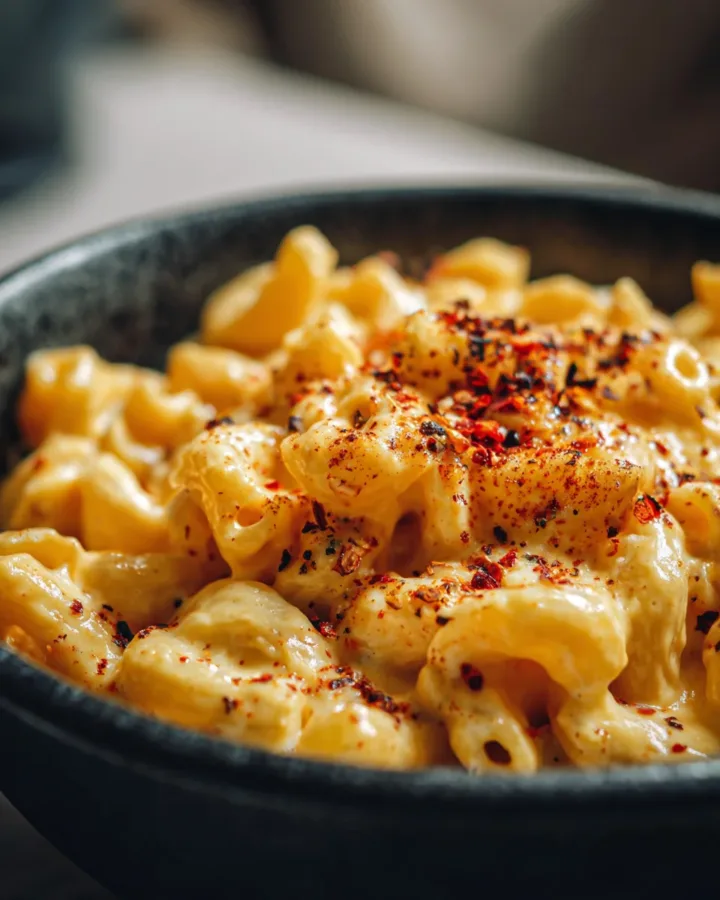
When people talk about Vegan Mac and Cheese, they are referring to a clever reimagining of the classic macaroni dish. Instead of using cow milk, butter, and processed cheddar, this recipe utilizes the natural creaminess of nuts and the savory punch of nutritional yeast to replicate the cheesy experience. The goal is to achieve a sauce that is smooth, thick, and coats every single noodle perfectly.
The magic behind this specific recipe lies in the use of raw cashews. When soaked and blended, cashews transform into a neutral, high-fat base that carries other flavors beautifully. Unlike some store-bought vegan cheeses that can have a waxy or artificial texture, a homemade cashew sauce feels incredibly luxurious and artisanal. It is a clean-label alternative that prioritizes whole foods while delivering maximum satisfaction.
The Origin of the Vegan Mac and Cheese and the Plant Based Movement
The history of macaroni and cheese itself dates back centuries, with roots in Italy and France before becoming a staple in American culture. However, the rise of Vegan Mac and Cheese is a much more recent phenomenon, closely tied to the explosion of the plant-based movement over the last few decades. As people became more conscious of animal welfare, environmental impact, and personal health, the demand for dairy alternatives skyrocketed.
Early versions of vegan cheese often relied on starches and oils, which frequently missed the mark on flavor. It was the creative home cooks and vegan chefs of the late twentieth century who began experimenting with nutritional yeast—a deactivated yeast that has a naturally nutty and cheesy taste. Over time, the addition of soaked nuts like cashews or almonds became the gold standard for achieving the right mouthfeel. Today, this dish is celebrated globally as a testament to the versatility of plant-based ingredients and the innovation of modern vegan cuisine.
Ingredients with Quantity: Vegan Mac and Cheese
To create a meal that serves two to three people, you will need to gather the following ingredients. Quality matters here, so try to find the freshest versions of these staples to ensure your Vegan Mac and Cheese tastes its absolute best.
The Pasta Base
-
Two hundred grams of macaroni: You can use traditional elbow macaroni or any small pasta shape like shells or fusilli that will hold onto the sauce.
The Creamy Sauce Elements
-
One cup of raw cashews: It is essential to use raw, unsalted cashews. These should be soaked in warm water for fifteen to twenty minutes to soften them for blending.
-
One cup of unsweetened plant milk: Almond milk or soy milk works best due to their neutral flavors, but cashew milk is also an excellent choice.
-
Two tablespoons of nutritional yeast: This is the secret ingredient that provides the yellow color and the savory, cheesy flavor.
-
One tablespoon of lemon juice: The acidity helps to mimic the natural tang of aged cheese.
-
One to two cloves of garlic: Fresh garlic adds a sharp, aromatic depth that balances the richness of the nuts.
Fat and Flavor Enhancers
-
One tablespoon of olive oil or vegan butter: This adds a silkiness to the sauce and helps it emulsify.
-
One half teaspoon of salt: Adjust this to your personal preference.
-
One half teaspoon of paprika: This is optional but adds a lovely warmth and a hint of smoky color.
-
One half teaspoon of mustard: This provides an extra layer of complexity that is often found in high-end cheese sauces.
Step by Step Direction and Preparation Method: Vegan Mac and Cheese
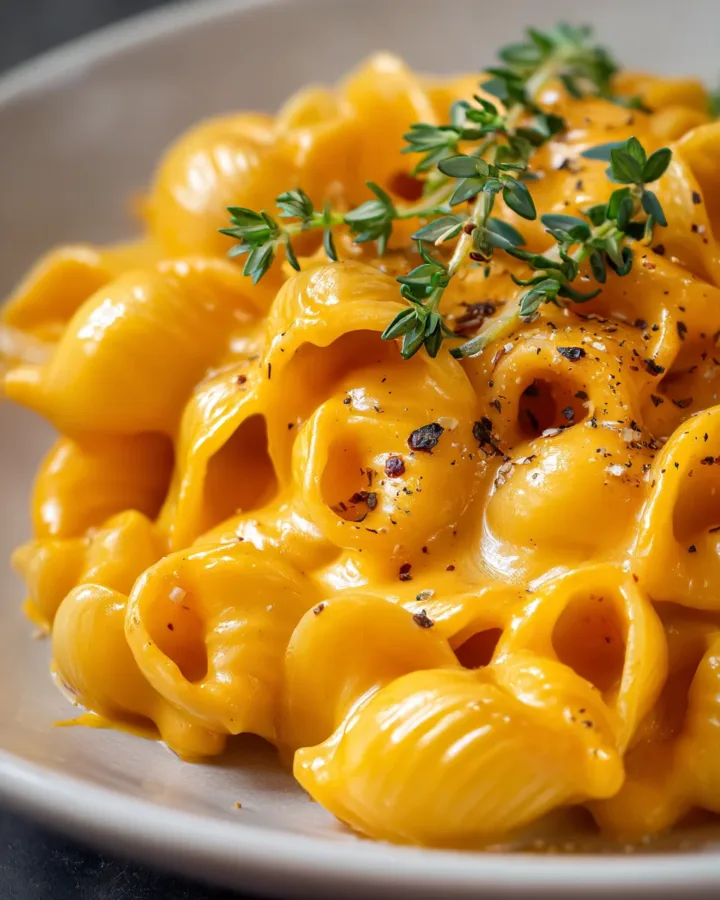
Cooking Vegan Mac and Cheese is a straightforward process, but following the correct order of operations is key to achieving that signature creamy consistency. Follow these steps carefully for the best results.
Step One: Preparing the Pasta
The first thing you want to do is get your pasta water going. Bring a large pot of water to a rolling boil and add a generous amount of salt. Cook your two hundred grams of macaroni according to the instructions on the package. You want the pasta to be tender but still firm to the bite. Once it is finished, drain the macaroni well. Do not rinse it, as the natural starches on the surface of the pasta will help the vegan sauce adhere better.
Step Two: Soaking and Blending the Cashews
While your pasta is boiling, you can focus on the heart of the dish: the sauce. If you have not already, soak your cup of raw cashews in warm water for about twenty minutes. This softens the outer layers and ensures that your blender can turn them into a liquid rather than a gritty paste.
Once soaked, drain the cashews and place them into a high-speed blender. Add your cup of plant milk, the nutritional yeast, lemon juice, garlic, olive oil, salt, and spices. Blend on high until the mixture is completely smooth. If you see any small bits of nuts left, keep blending. The goal is a texture that looks like heavy cream.
Step Three: Heating and Thickening the Sauce
Pour your blended cashew mixture into a medium-sized pan over medium heat. It is important to stir the sauce constantly during this stage. As the cashews and plant milk heat up, the proteins and fats will begin to thicken. This should only take about three to five minutes. You are looking for a glossy, thick consistency that resembles a traditional melted cheese sauce. If it becomes too thick too quickly, you can always whisk in a small splash of extra plant milk to loosen it up.
Step Four: The Grand Combination
Turn the heat down to low and add your cooked macaroni into the pan with the warm sauce. Use a large spoon or spatula to fold the pasta into the liquid. Make sure every single piece of macaroni is fully submerged and coated. The heat from the sauce will further soften the pasta slightly, allowing it to absorb some of the savory flavors.
Step Five: Serving the Dish
Transfer your Vegan Mac and Cheese into bowls while it is still steaming hot. This is the time to add your finishing touches. A light sprinkle of paprika on top adds a beautiful pop of color, or you can add some fresh cracked black pepper for a bit of bite. Serve it immediately to enjoy the creamiest possible texture.
Variations of Vegan Mac and Cheese
One of the best things about this recipe is how easy it is to customize. You can adapt it to fit your nutritional goals or simply to satisfy a specific craving.
The Baked Version
If you prefer a bit of texture, you can turn this into a baked dish. After combining the pasta and sauce, transfer everything to a greased baking dish. Top it with a mixture of breadcrumbs, a little more nutritional yeast, and a drizzle of olive oil. Bake it in the oven for about ten minutes at a high temperature until the top is golden brown and crispy.
Veggie Packed Options
To make this a more well-rounded meal, consider adding steamed vegetables. Broccoli is a classic pairing with cheese sauce, but roasted cauliflower, sautéed mushrooms, or even peas work wonderfully. You can stir these directly into the sauce along with the pasta.
Smoky and Spicy Flavors
For those who like a little heat, you can add a chopped chipotle pepper in adobo sauce or a teaspoon of hot sauce to the blender. This creates a smoky, spicy profile that takes the dish in a completely different direction. You can also add smoked paprika instead of regular paprika to give it a wood-fired flavor.
Nut Free Alternatives
If you have a nut allergy, you can still enjoy this dish. You can replace the cashews with steamed potatoes and carrots blended together. This is a popular “hidden veggie” method that creates a bright orange sauce that is surprisingly close in flavor to traditional cheddar.
Frequently Asked Questions: Vegan Mac and Cheese
Why do I need to soak the cashews?
Soaking is non-negotiable if you want a creamy sauce. It softens the nuts so they can break down entirely. If you have a very high-powered professional blender, you might get away with a shorter soak, but for most household blenders, twenty minutes is the minimum required to avoid a grainy texture in your Vegan Mac and Cheese.
Is nutritional yeast the same as baking yeast?
No, they are very different. Nutritional yeast is a deactivated yeast sold in flakes or powder form. It cannot be used to make bread rise. It is used specifically for its savory, cheesy flavor and its high B-vitamin content. You can usually find it in the health food aisle of most grocery stores.
Can I make Vegan Mac and Cheese gluten free?
Absolutely. The sauce itself is already naturally gluten-free. To make the entire dish gluten-free, simply use your favorite gluten-free macaroni variety. Pasta made from chickpeas or brown rice works exceptionally well with this heavy cashew sauce.
How do I store and reheat leftovers?
You can store leftovers in an airtight container in the refrigerator for up to four days. When reheating, the sauce will likely have thickened significantly as it cooled. Add a tablespoon or two of water or plant milk before microwaving or heating on the stove to bring back that creamy consistency.
Can I use a different nut?
While cashews are the most popular because of their neutral flavor and high fat content, you can use blanched almonds or even sunflower seeds. However, keep in mind that almonds have a stronger flavor and sunflower seeds may turn the sauce a slightly different color.
What is the best plant milk to use?
Unsweetened and unflavored soy or almond milk are the best choices. Avoid any milks that have added vanilla or sugar, as these will clash terribly with the savory garlic and mustard flavors in the cheese sauce.
Conclusion: Vegan Mac and Cheese
Mastering the perfect Vegan Mac and Cheese is a rewarding journey that proves you do not have to sacrifice flavor to follow a plant-based lifestyle. By using simple, whole ingredients like raw cashews and nutritional yeast, you can create a meal that is both comforting and nourishing. This recipe offers a beautiful balance of creamy textures and savory notes, making it a versatile staple for any kitchen. Whether you are cooking for a family, prepping meals for the week, or just treating yourself to some soulful comfort food, this dish stands as a testament to the power of creative, plant-based cooking. We hope this guide inspires you to get into the kitchen and experience the joy of a truly great bowl of pasta. Enjoy the process of blending, heating, and finally tasting the rich results of your hard work.
Print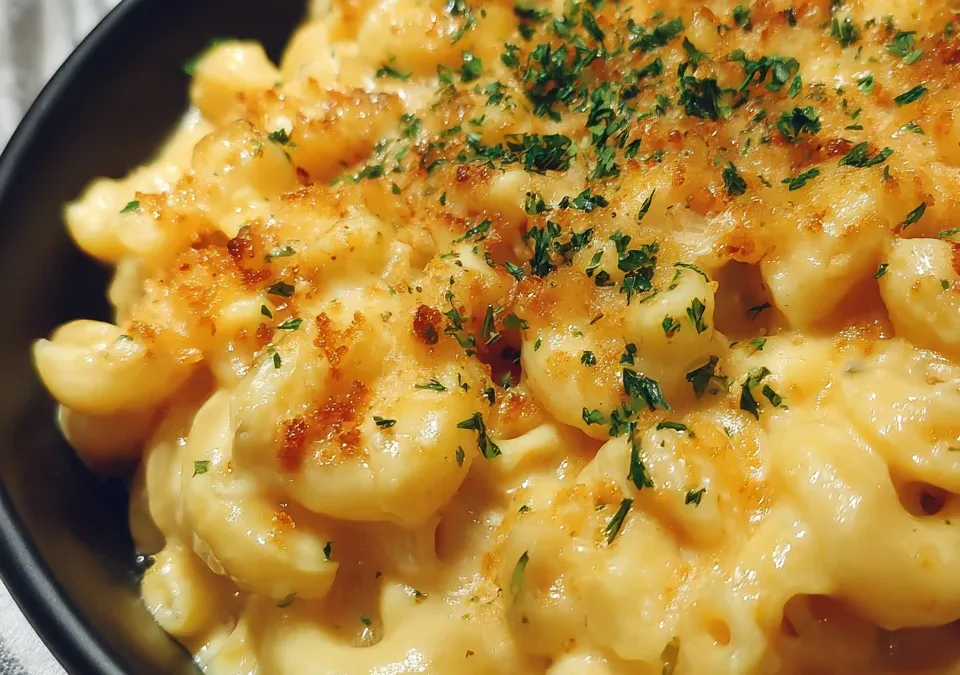
The Ultimate Guide to Creamy and Delicious Vegan Mac and Cheese
- Total Time: 30 minutes
- Yield: 2–3 servings 1x
- Diet: Vegan
Description
When people talk about Vegan Mac and Cheese, they are referring to a clever reimagining of the classic macaroni dish. Instead of using cow milk, butter, and processed cheddar, this recipe utilizes the natural creaminess of nuts and the savory punch of nutritional yeast to replicate the cheesy experience. The goal is to achieve a sauce that is smooth, thick, and coats every single noodle perfectly.
Ingredients
- 200 g macaroni
- 1 cup raw cashews (soaked in warm water for 15–20 mins)
- 1 cup unsweetened plant milk (like almond or soy)
- 2 tbsp nutritional yeast
- 1 tbsp lemon juice
- 1–2 cloves garlic
- 1 tbsp olive oil or vegan butter
- ½ tsp salt (adjust to taste)
- ½ tsp paprika (optional)
- ½ tsp mustard (optional, for cheesy flavor)
Instructions
1. Cook the pasta
- Boil salted water and cook macaroni according to package instructions.
- Drain and set aside.
2. Make the vegan cheese sauce
- Blend soaked cashews, plant milk, nutritional yeast, lemon juice, garlic, salt, and spices until smooth and creamy.
3. Heat the sauce
- Pour the blended sauce into a pan.
- Cook on medium heat for 3–5 minutes, stirring until it thickens.
4. Combine
- Add cooked macaroni to the sauce.
- Mix well until all pasta is coated.
5. Serve
- Serve hot. You can sprinkle paprika or herbs on top for extra flavor.
Notes
- Prep Time: 15 minutes
- Cook Time: 15 minutes
- Category: Main Course
- Method: Boiling
- Cuisine: American
Nutrition
- Serving Size: 1 bowl
- Calories: ~350 kcal
Keywords: Dairy Free Macaroni and Cheese, Plant Based Pasta Sauce, Cashew Cheese Macaroni, Vegan Cheesy Pasta, Non-Dairy Mac and Cheese
