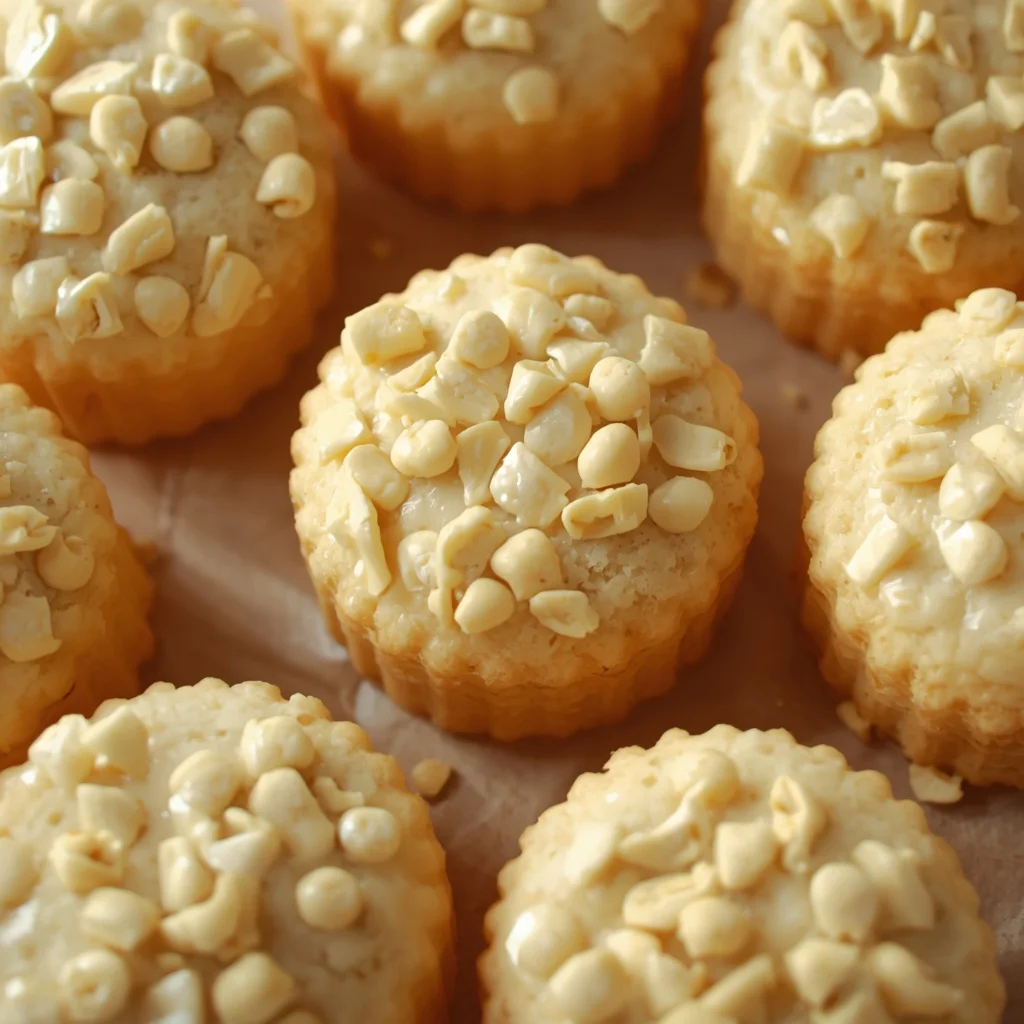
If you have spent any time browsing food trends online recently, you have likely come across a baking phenomenon that has taken kitchens by storm. The viral butter swim biscuits have captured the hearts and appetites of millions of home cooks, and for a very good reason. Imagine a biscuit that requires absolutely zero rolling pins, no messy flour-covered countertops, and no tedious cutting of cold fat into dry ingredients. Instead, you get a decadent, cloud-like quick bread that literally bathes in a pool of rich, melted butter while it bakes. The result is an incredibly dramatic contrast of textures: an ultra-crispy, golden-brown crust on the outside and an unbelievably tender, moist, and pillowy crumb on the inside.
This recipe is the ultimate definition of comfort food made simple. Whether you are an experienced baker looking for a quick addition to your Sunday brunch or a complete novice who has always been intimidated by the precise science of traditional pastry making, this dish is practically foolproof. In this comprehensive guide, we are going to dive deep into everything you need to know to master these famous biscuits, exploring what makes them work, where they came from, and how you can replicate this internet sensation flawlessly in your own home oven.

Why the Viral Butter Swim Biscuits Took Over the Internet
To truly appreciate this dish, it helps to understand exactly what sets it apart from the classic baking canon. Traditional Southern biscuits rely on creating distinct layers of dough and cold fat, usually lard, shortening, or unsalted butter. Bakers are taught to handle the dough as little as possible to keep the fat from melting before it hits the oven, which is what creates those coveted flaky layers.
A Radical Departure from Tradition
The viral butter swim biscuits throw that entire rulebook right out the window. Instead of keeping the fat cold and tucked away inside the flour matrix, this method instructs you to melt an entire stick of butter and pour it directly into the bottom of your baking pan. The wet, high-hydration dough is then nestled right on top of this golden liquid.
The Magic of the Baking Process
As the pan heats up in a very hot oven, the butter begins to bubble and boil around the edges and up through the sides of the dough. This effectively fries the exterior of the biscuit dough while the interior steams and rises, thanks to a heavy hit of leavening agents and acidic buttermilk. It is a completely different style of baking that yields a product closer to a hybrid of a traditional drop biscuit, a rich savory cake, and a premium artisanal focaccia.
The Surprising Origin of the Butter Swim Biscuit
While social media platforms certainly propelled this specific iteration into global stardom, the concept of baking dough in a massive pool of fat is not entirely brand new. It is deeply rooted in regional American heritage cooking, particularly across the Midwest and parts of the Deep South, where quick breads were historically adapted based on available kitchen equipment and time constraints.
From Heritage Kitchens to Social Media
For generations, grandmothers and camp cooks have utilized heavy cast-iron skillets filled with bacon grease or melted lard to quickly fry and bake cornbreads and rough doughs. The specific modern title and streamlined five-ingredient method for these viral butter swim biscuits gained widespread traction through food bloggers and digital creators who wanted to strip away the labor-intensive steps of traditional biscuit making without sacrificing an ounce of flavor.
The Power of Accessible Baking
When a few prominent home cooks shared videos of the dough being sliced directly inside a pool of shimmering, melted butter, the visual was so mesmerizing that it instantly went viral. It proved to the world that high-quality, comforting homemade bread does not require hours of proofing, kneading, or specialized culinary skills. It democratized the homemade biscuit, making it accessible to anyone with a single mixing bowl and a baking dish.
Ingredients and Exact Quantities: viral butter swim biscuits
One of the most beautiful aspects of this recipe is that it relies almost entirely on basic pantry staples. You do not need to hunt down exotic flours or specialized ingredients. However, because the list is so brief, the quality and measurement of each component play a vital role in achieving that perfect texture.
Here is what you will need to gather, with all measurements fully spelled out to ensure complete clarity:
-
All-Purpose Flour: Two and a half cups, properly fluffed and leveled. This provides the structural framework for your dough.
-
Baking Powder: One tablespoon. This is a relatively generous amount, which ensures the heavy dough achieves a dramatic rise despite the weight of the liquid.
-
Granulated Sugar: One tablespoon. This small amount does not make the dish sweet; rather, it balances the salt and assists in the beautiful golden browning of the crust.
-
Salt: One teaspoon. Fine sea salt or standard table salt works best here to evenly distribute flavor throughout the flour.
-
Buttermilk: Two cups, preferably full-fat. The acid in the buttermilk reacts beautifully with the baking powder, producing carbon dioxide bubbles that make the crumb incredibly light and tender.
-
Unsalted Butter: One-half cup, which is equivalent to exactly one standard stick.
Step-by-Step Direction and Preparation Method: viral butter swim biscuits
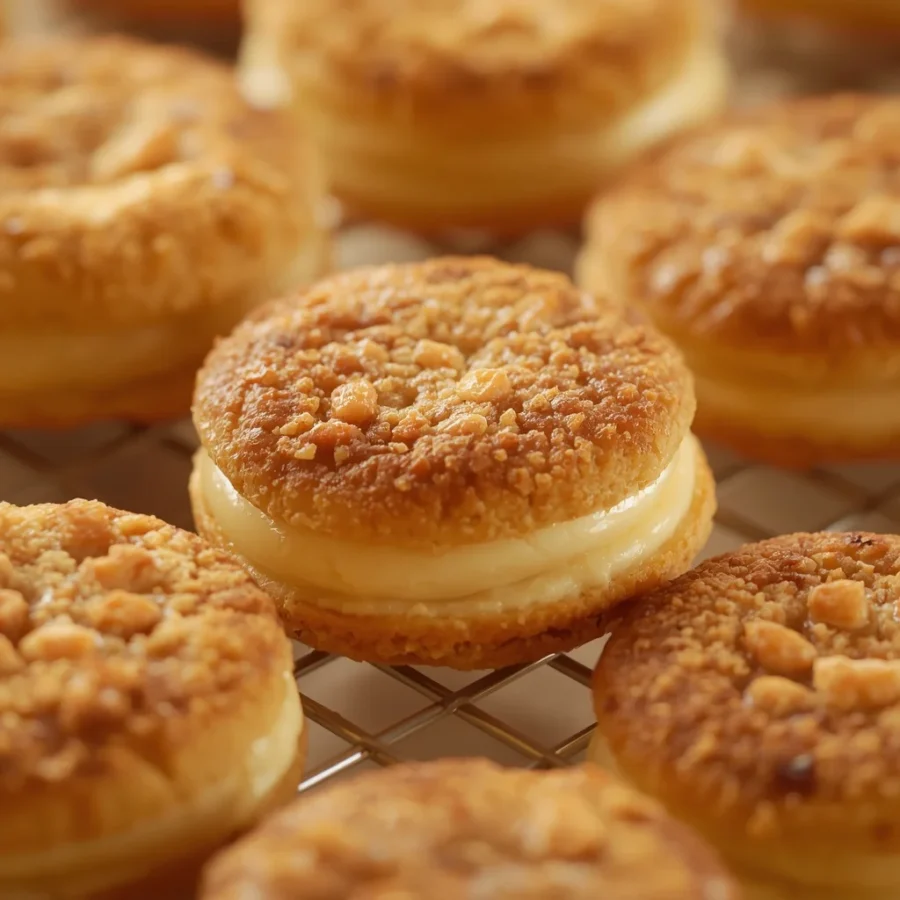
Now that you have your ingredients assembled, it is time to walk through the actual preparation. The entire process takes less than ten minutes of active hands-on time, but paying close attention to the behavior of the dough will guarantee spectacular results.
Preheating and Dish Preparation
The first step is to ensure your oven is thoroughly heated before the pan ever goes inside. Set your oven temperature to four hundred and fifty degrees Fahrenheit, which is roughly equivalent to two hundred and thirty degrees Celsius. A hot oven is absolutely crucial because it triggers an immediate reaction in the leavening agents and causes the butter to boil rapidly, which seals the edges of the biscuits.
While the oven is warming up, take your one-half cup of unsalted butter and melt it completely. You can do this in a small saucepan over low heat or in a microwave-safe bowl. Once liquid, pour the entire amount into an eight-inch by eight-inch baking dish. Ensure the melted butter coats the bottom of the dish evenly from corner to corner.
Mixing the Dry and Wet Ingredients
In a large mixing bowl, combine your two and a half cups of all-purpose flour, one tablespoon of baking powder, one tablespoon of granulated sugar, and one teaspoon of salt. Use a wire whisk to thoroughly blend these dry ingredients together, ensuring that the baking powder and salt are evenly distributed throughout the flour.
Next, pour the two cups of cold buttermilk directly into the center of the dry mixture. Grab a sturdy wooden spoon or a silicone spatula and begin to gently stir the mixture together. The key here is moderation. You want to stir just until a thick, wet dough forms and no pockets of dry flour remain. The dough will look quite shaggy, sticky, and significantly wetter than a traditional biscuit dough that you would roll out on a counter. Avoid the temptation to overmix, as overworking the dough develops the gluten networks, which can make the finished product tough and dense instead of light and fluffy.
Assembling the Swim
Once your dough is formed, transfer it directly from the mixing bowl into the center of your prepared baking dish, dropping it right into the middle of the melted butter. Do not panic if the butter splashes up around the sides; that is exactly what is supposed to happen.
Using your spatula or clean, lightly floured hands, gently pat and spread the dough out until it fills the dish in an even layer, reaching all four corners. The butter will displace and begin to pool heavily on top of and around the edges of the dough, making it look like the dough is literally floating or swimming.
+-----------------------------------+
|          MELTED BUTTER            |
|   +---------------------------+   |
|   |                           |   |
|   |     STICKY DOUGH LAYER    |   |
|   |                           |   |
|   +---------------------------+   |
|          MELTED BUTTER            |
+-----------------------------------+
Scoring and Baking
Before sliding the pan into the hot oven, you need to score the dough. Take a sharp kitchen knife or a metal bench scraper and gently slice through the wet dough to form nine equal squares. You do not need to separate the pieces; simply cutting lines into the raw dough creates designated pathways for the boiling butter to seep deep into the center of the biscuits while they bake. It also helps you separate the biscuits easily once they are fully cooked.
Place the baking dish on the center rack of your preheated oven. Bake for anywhere from twenty to twenty-five minutes. Keep a close eye on the oven during the last few minutes of baking. You are looking for the top to turn a deep, majestic golden brown, and the edges should look incredibly crisp.
The Crucial Resting Period
Once the baking time is up, carefully remove the dish from the oven. The aroma at this point will be absolutely intoxicating. However, you must exercise a tiny bit of patience. Let the biscuits rest undisturbed inside the pan for five minutes.
During these five minutes, any remaining pockets of liquid butter will finish soaking back into the crumb, locking in an immense amount of moisture and flavor. After the resting period, use a knife to retrace your scored lines, lift out the individual squares, and serve them while they are still gloriously warm.
Creative Flavor Variations to Try: viral butter swim biscuits
Once you have mastered the classic version of these viral butter swim biscuits, you can easily use the base recipe as a canvas for a wide variety of delicious flavor profiles. Because the dough is so forgiving, incorporating mix-ins is an effortless way to customize the dish for different meals.
The Savory Garlic and Herb Twist
If you love the complimentary garlic breads served at popular seafood restaurants, you can easily replicate that flavor profile here. Fold one cup of shredded sharp cheddar cheese and one-half teaspoon of garlic powder directly into the dry ingredients before adding the buttermilk.
Additionally, you can stir some finely chopped fresh parsley or chives into the melted butter bath before dropping the dough into the pan. This creates a deeply savory, cheesy bread that pairs phenomenally well with hearty soups, chilis, or roasted meats.
Jalapeño Cheddar Boldness
For those who enjoy a bit of heat with their comfort food, adding diced jalapeños is a fantastic option. Remove the seeds from one or two fresh jalapeños and chop them finely. Fold the peppers along with a cup of shredded Monterey Jack or Colby cheese into the dough. The bright, spicy kick of the peppers cuts through the richness of the butter beautifully, making these a standout side dish for a backyard barbecue or a Mexican-inspired brunch.
Sweet Cinnamon Sugar Breakfast Style
Who says biscuits have to stay entirely savory? You can easily pivot this recipe into a sweet morning treat that rivals the flavor of a classic cinnamon roll. Increase the granulated sugar in the dough to two tablespoons.
Before scoring the dough in the pan, generously sprinkle a mixture of three tablespoons of brown sugar and one tablespoon of ground cinnamon across the top surface. As it bakes, the cinnamon sugar merges with the bubbling butter to create a sticky, caramelized, praline-like crust that turns breakfast into a true celebration.
Frequently Asked Questions: viral butter swim biscuits
Can I use regular milk if I do not have buttermilk?
While authentic full-fat buttermilk yields the absolute best texture and flavor, you can make a quick substitute in a pinch. Pour two tablespoons of fresh lemon juice or white vinegar into a liquid measuring cup, then add enough standard whole milk to reach the two-cup line. Let the mixture sit undisturbed on your counter for about five to ten minutes until it looks slightly curdled. This simulated buttermilk provides the necessary acid to activate the baking powder, though the final biscuit may be slightly less rich than the original version.
Why did my biscuits turn out dense instead of fluffy?
The most common culprit behind a dense quick bread is overmixing the dough. When you stir buttermilk into flour, gluten begins to form immediately. If you stir too vigorously or for too long, those gluten strands become tightly wound and tough. Mix the ingredients with a gentle hand and stop the very moment you no longer see dry streaks of flour. Another possibility is that your baking powder has lost its potency. Baking powder degrades over time, so ensure your canister is fresh and has not been sitting in the pantry for more than six months.
How should I store and reheat any leftovers?
If you happen to have any biscuits left over, allow them to cool completely to room temperature first. Store them in an airtight container or a zip-top bag at room temperature for up to three days. To revive that magical contrast of textures, avoid using the microwave, which can make the bread rubbery. Place the leftover biscuits on a baking sheet and reheat them in a 350°F (175°C) oven or toaster oven for 5–8 minutes, until they’re heated through and the edges turn wonderfully crisp again.
Can I freeze viral butter swim biscuits for later use?
Yes, these freeze remarkably well. You can freeze them after they are fully baked and cooled. Wrap each individual biscuit tightly in aluminum foil and place them all inside a heavy-duty freezer bag for up to three months. When you are ready to enjoy them, thaw them on your counter for an hour and warm them up in the oven. Alternatively, you can reheat them directly from the freezer by keeping them wrapped in foil and baking them at three hundred and fifty degrees Fahrenheit for roughly fifteen to twenty minutes.
Conclusion: viral butter swim biscuits
The immense popularity of these easy-to-make biscuits highlights how thoughtful techniques can transform basic ingredients into an extraordinary dish. By allowing the dough to bake directly within a rich bath of melted butter, you achieve a level of flavor and structural contrast that rival traditional, labor-intensive pastry methods. Whether enjoyed plain, drizzled with honey, or customized with your favorite herbs and cheeses, these biscuits are an exceptional option for any meal. Gather your ingredients, preheat your oven, and experience firsthand why this simple baking method has captured the attention of home cooks everywhere.
Print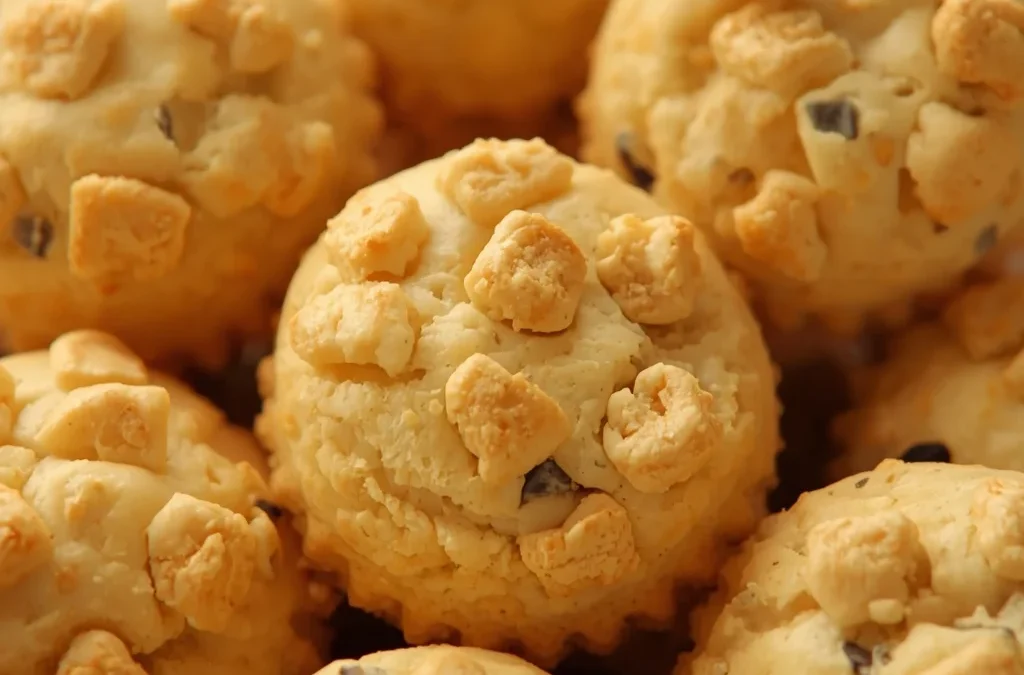
The Ultimate Guide to Making Viral Butter Swim Biscuits
- Total Time: 35 minutes
- Yield: 9 biscuits 1x
- Diet: Vegetarian
Description
To truly appreciate this dish, it helps to understand exactly what sets it apart from the classic baking canon. Traditional Southern biscuits rely on creating distinct layers of dough and cold fat, usually lard, shortening, or unsalted butter. Bakers are taught to handle the dough as little as possible to keep the fat from melting before it hits the oven, which is what creates those coveted flaky layers.
Ingredients
- 2½ cups all-purpose flour
- 1 tbsp baking powder
- 1 tbsp granulated sugar
- 1 tsp salt
- 2 cups buttermilk
- ½ cup (1 stick) unsalted butter, melted
Instructions
- Preheat the oven to 450°F (230°C).
- Pour the melted butter into an 8×8-inch baking dish, coating the bottom evenly.
- In a large bowl, whisk together the flour, baking powder, sugar, and salt.
- Add the buttermilk and stir just until a thick dough forms. Do not overmix.
- Transfer the dough directly into the buttered baking dish and gently spread it into an even layer.
- Use a knife or bench scraper to score the dough into 9 equal squares before baking.
- Bake for 20–25 minutes, or until the top is golden brown and the biscuits are cooked through.
- Let the biscuits rest for 5 minutes before serving. Separate along the scored lines and enjoy warm.
Notes
One bite is all it takes to see why these Butter Swim Biscuits have gone viral. They’re buttery, fluffy, and incredibly easy to make!
- Prep Time: 10 minutes
- Cook Time: 25 minutes
- Category: Bread
- Method: Baking
- Cuisine: American
Nutrition
- Serving Size: 1 biscuit
- Calories: 250 kcal
Keywords: butter swim biscuit recipe, viral butter biscuits, easy butter biscuits
