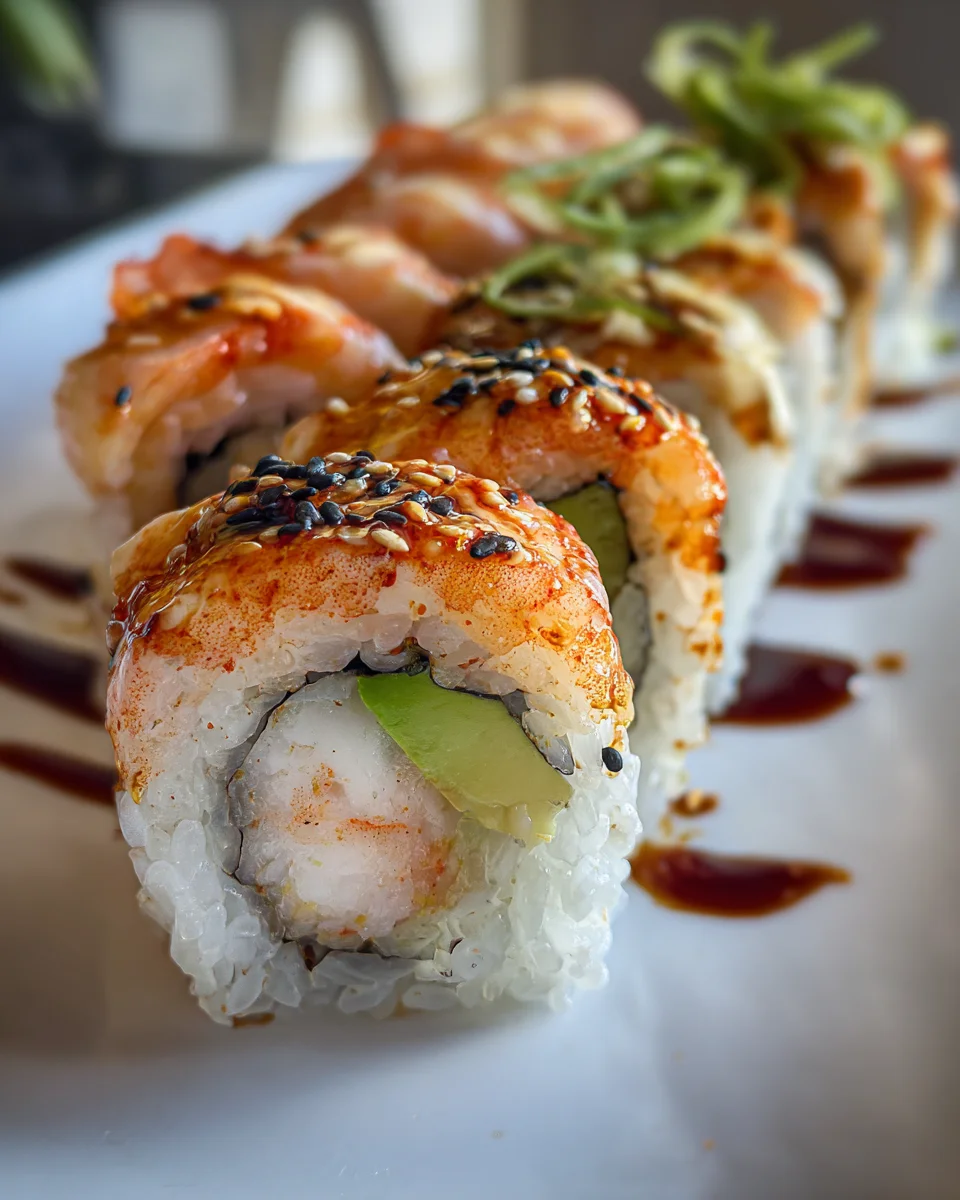
Making sushi in your own kitchen often feels like a daunting task reserved for professional chefs with years of specialized training. However, once you strip away the mystique, you will find that creating beautiful, delicious rolls is surprisingly accessible, fun, and incredibly rewarding. Whether you are looking for a healthy lunch option or a creative way to entertain guests, learning these 3 easy sushi roll recipes will completely transform your home cooking repertoire.
The beauty of sushi lies in its balance. It is a harmonious marriage of seasoned grains, crisp vegetables, and savory proteins, all wrapped in a delicate sheet of seaweed. In this extensive guide, we are going to walk through the fundamentals of sushi making, explore the origins of this global phenomenon, and provide detailed instructions for three distinct varieties: a refreshing veggie roll, a hearty chicken roll, and a zesty spicy tuna roll. By the time you finish reading, you will have all the knowledge needed to host your very own sushi night.
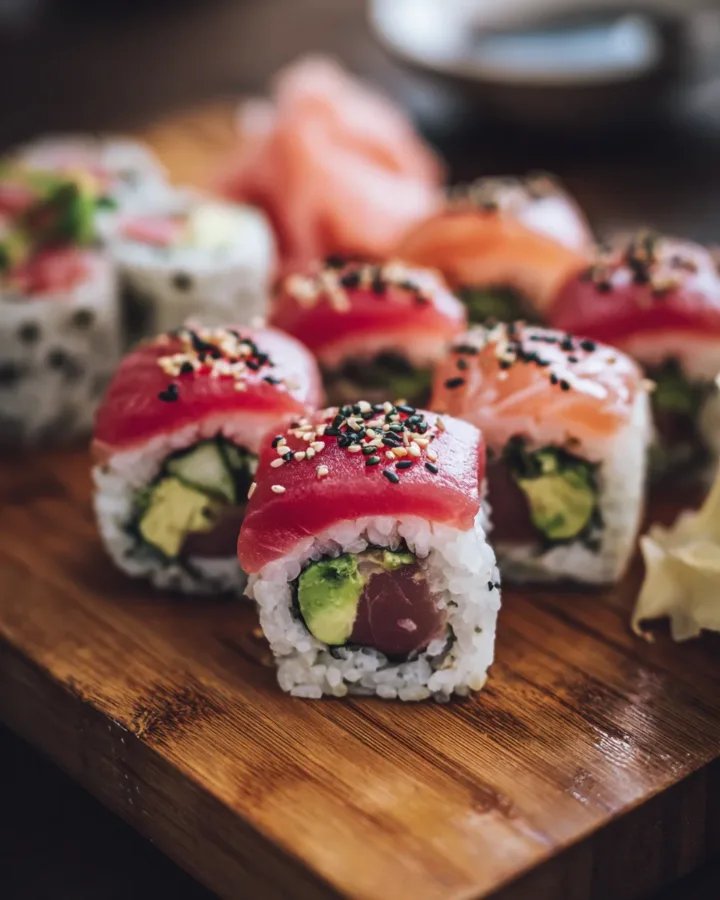
What Are These Easy Sushi Roll Recipes?
When we talk about 3 easy sushi roll recipes, we are specifically referring to “Maki” sushi. Maki translates to “rolled,” and it is the most recognizable form of sushi in the Western world. These recipes focus on placing a sheet of nori on a bamboo mat, covering it with a layer of vinegared rice, adding a selection of fillings, and rolling it into a cylinder that is then sliced into bite-sized pieces.
These three specific variations are chosen for their approachability. We have selected ingredients that are easy to find at any local grocery store, ensuring you do not have to hunt for specialty fish markets to get started. The vegetable roll provides a light, crunchy base; the chicken roll offers a familiar, cooked protein option for those hesitant about raw ingredients; and the spicy tuna roll brings that iconic restaurant-style kick that most sushi lovers crave.
The Cultural Origin of the Sushi Roll
The history of sushi is a fascinating journey that spans over a thousand years. While we associate modern sushi with Japan, its earliest ancestor, known as “narezushi,” originated in Southeast Asia as a way to preserve fish using fermented rice. Eventually, this practice moved to Japan, where the fermentation process was shortened, and people began eating the rice along with the fish.
The specific “Maki” or rolled style of sushi became popular in the Edo period of Japan, around the late eighteenth century. It was designed as a convenient, portable snack that could be eaten by hand at theaters or while traveling. Over time, as Japanese cuisine traveled to the West, innovative chefs began adapting the fillings to suit local tastes, leading to the creation of non-traditional rolls like the California roll or the chicken rolls we enjoy today. Learning these 3 easy sushi roll recipes allows you to participate in a culinary tradition that is constantly evolving and blending different cultures.
Mastering the Foundation: The Sushi Rice
Before we dive into the specific rolls, we must discuss the most important ingredient: the rice. Sushi rice is a specific short-grain variety that becomes sticky when cooked, allowing the roll to hold its shape. You cannot substitute this with long-grain or basmati rice, as they will simply fall apart.
To prepare your rice base, you will need two cups of sushi rice, which should be rinsed under cold water until the water runs clear. Once cooked according to package instructions, you must season it while it is still warm with a mixture of three tablespoons of rice vinegar, one tablespoon of sugar, and one teaspoon of salt. Fold this seasoning in gently with a wooden paddle to avoid smashing the grains. Let the rice cool to room temperature before you begin rolling.
1. The Classic Veggie Sushi Roll
This is the perfect starting point for any beginner. It is vibrant, healthy, and highlights the importance of texture. The crunch of the cucumber and carrot against the creamy avocado creates a perfect bite.
Ingredients with Quantities
-
Two cups of seasoned sushi rice (divided among the rolls)
-
Four sheets of nori (dried seaweed)
-
One large cucumber (peeled and julienned into thin matchsticks)
-
One medium carrot (peeled and julienned)
-
One ripe avocado (pitted and cut into thin slices)
-
Optional: A sprinkle of toasted sesame seeds
Step by Step Direction and Preparation Method
-
Prepare your station: Lay your bamboo rolling mat on a flat surface. You may want to wrap the mat in plastic wrap to keep it clean and prevent the rice from sticking to the wood.
-
Position the nori: Place one sheet of nori on the mat with the rough side facing up and the shiny side facing down.
-
Apply the rice: Dip your fingers in a bowl of water to prevent sticking. Take a handful of rice and spread it in a thin, even layer over the nori. Leave about one inch of space at the top edge of the seaweed bare.
-
Arrange the filling: About two inches from the bottom edge, lay down a horizontal row of cucumber, carrot, and avocado slices. Do not overstuff, or the roll will not close.
-
The roll: Using the mat, lift the bottom edge of the nori over the filling. Tuck it in tightly and continue rolling forward, applying gentle pressure.
-
Seal and slice: Use a drop of water to dampen the bare top edge of the nori to seal the cylinder. Using a very sharp, wet knife, slice the roll into six or eight even pieces.
2. The Savory Chicken Sushi Roll
For those who enjoy a more substantial, cooked meal, the chicken roll is a fantastic choice. It is a great bridge for children or anyone who is skeptical about traditional sushi.
Ingredients with Quantities
-
Sushi rice and nori sheets (prepared as described above)
-
Cooked chicken strips: You can use leftover roasted chicken, pan-seared breast, or even crispy fried chicken strips.
-
One cucumber: Sliced into thin strips for that essential crunch.
-
Mayonnaise or Spicy Mayo: A thin line of creaminess to bind the chicken.
Step by Step Direction and Preparation Method
-
Rice Layering: Spread your seasoned rice across the nori sheet, again leaving that small gap at the top.
-
Adding Protein: Lay your chicken strips in a neat line across the center of the rice. If the chicken pieces are too thick, slice them into smaller ribbons so the roll stays manageable.
-
Adding Texture: Place the cucumber strips alongside the chicken.
-
The Sauce: Carefully squeeze a thin line of mayonnaise or spicy mayo over the chicken. This adds moisture and a rich flavor that complements the poultry.
-
Rolling Technique: Roll the mat away from you, keeping the tension firm so the chicken stays centered.
-
Cutting: Wipe your knife blade with a damp cloth between each cut to ensure the mayonnaise does not smear and the rice does not tear.
3. The Zesty Spicy Tuna Sushi Roll
This is often the most popular choice at sushi bars. While restaurants often use raw, sushi-grade tuna, you can make a delicious home version using high-quality canned tuna or fresh tuna steaks that have been lightly seared or diced.
Ingredients with Quantities
-
Sushi rice and nori sheets
-
Tuna: One can of high-quality tuna (drained) or six ounces of fresh tuna.
-
Spicy Mayo: A mixture of two tablespoons of mayonnaise and one teaspoon of sriracha or chili sauce.
-
One cucumber: Julienned to provide a cool contrast to the heat.
Step by Step Direction and Preparation Method
-
The Tuna Mix: In a small bowl, flake your tuna and mix it thoroughly with the spicy mayo. Taste it to ensure the heat level is to your liking.
-
The Base: Spread the rice over the nori sheet with wet fingers.
-
The Filling: Place a generous line of the spicy tuna mixture across the rice. Top it with a few strips of cucumber to balance the spice.
-
Rolling: Roll the sushi tightly using the bamboo mat. The spicy tuna can be a bit softer than the other fillings, so be extra careful to maintain a firm grip as you roll.
-
Finishing: Once sliced, you can add an extra dot of spicy mayo on top of each piece for a professional presentation.
Creative Variations to Try
Once you have mastered these 3 easy sushi roll recipes, the possibilities for customization are endless. Sushi is a canvas for your creativity, and you can swap ingredients based on what is in your fridge.
Fruit Infusions
Many people enjoy adding a touch of sweetness to their rolls. Try adding thin slices of mango to the veggie roll or the spicy tuna roll. The tropical sweetness of the mango pairs beautifully with the acidity of the rice vinegar and the heat of the chili sauce.
Crunchy Toppings
To mimic the “crunchy rolls” found in restaurants, you can top your finished slices with crushed tempura flakes, toasted panko breadcrumbs, or even crushed potato chips. Drizzle a little “eel sauce” (a sweet soy reduction) or extra spicy mayo over the top to help the crunch stick.
Inside-Out Rolls (Uramaki)
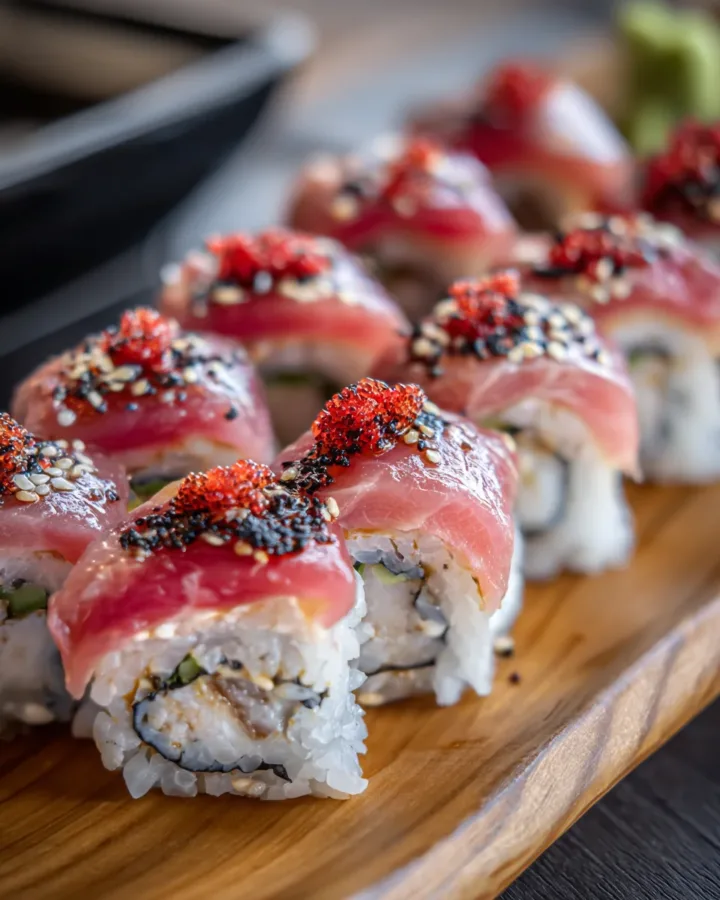
If you want to get fancy, you can make an inside-out roll where the rice is on the outside. To do this, cover the rice with plastic wrap once you have spread it on the nori, then flip the whole thing over so the nori is facing up. Place your fillings on the seaweed and roll as usual. The result is a beautiful white roll that you can coat in sesame seeds or fish roe.
FAQs for Successful Home Sushi Making
What if I do not have a bamboo mat?
While a bamboo mat (makisu) is ideal for even pressure, you can use a clean, thick kitchen towel covered in plastic wrap. It won’t be quite as firm, but it works in a pinch for these 3 easy sushi roll recipes.
Why is my sushi rice falling apart?
This usually happens for two reasons: either you used the wrong type of rice (like long-grain), or you did not use enough rice vinegar and sugar. The sugar in the seasoning helps create the “glue” that keeps the grains together. Also, ensure you are pressing firmly enough when rolling.
Can I use brown rice?
Yes, you can use short-grain brown rice, but it requires more water and a longer cooking time. It won’t be quite as sticky as white sushi rice, so you may need to press the roll a bit harder to keep it from crumbling.
How long does home-made sushi stay fresh?
Sushi is best enjoyed immediately. However, you can store these rolls in an airtight container in the refrigerator for up to twenty-four hours. Note that the rice will eventually become hard in the cold, so try to eat it sooner rather than later.
Is it safe to use canned tuna?
Absolutely! Using canned tuna is a brilliant “hack” for making sushi at home without the cost or safety concerns of sourcing raw, sushi-grade fish. Just make sure to drain the liquid well so the roll doesn’t become soggy.
Pro-Tips for the Perfect Presentation: 3 easy sushi roll recipes
To make your home-cooked meal look like it came from a high-end restaurant, pay attention to the small details. Always use a very sharp knife. A dull blade will squash the roll and tear the seaweed. Wetting the blade between every single cut is the secret to those clean, professional edges.
Furthermore, don’t forget the accompaniments. Serve your rolls with a small mound of pickled ginger, a dollop of wasabi, and a small bowl of high-quality soy sauce. The ginger is meant to be eaten between different types of rolls to cleanse your palate, while the wasabi and soy sauce enhance the savory notes of the fillings.
Conclusion: 3 easy sushi roll recipes
Learning these 3 easy sushi roll recipes is a journey into a world of flavor that is both nutritious and incredibly satisfying. By understanding the fundamentals of preparing the rice, selecting fresh fillings, and mastering the rolling technique, you have opened the door to endless culinary possibilities. Whether you stick to the refreshing veggie roll, the comforting chicken roll, or the bold spicy tuna roll, the most important thing is to enjoy the process. Sushi making is an art form, but it is also a craft that improves with every roll you create. So, gather your ingredients, wet your hands, and start rolling. You will find that the best sushi in town might just be the ones you make in your own kitchen!
Print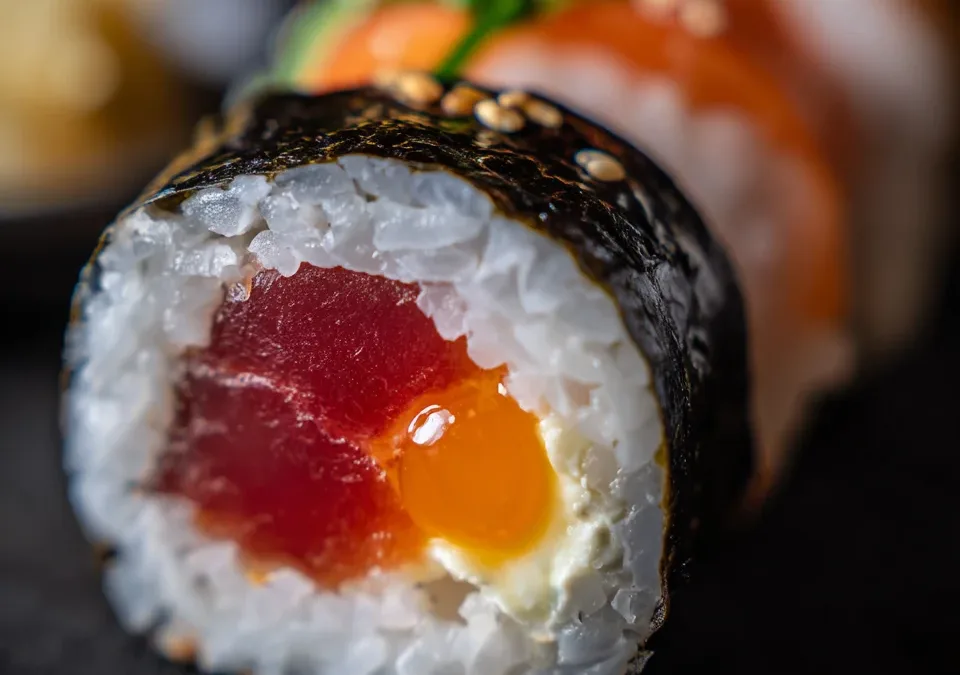
The Ultimate Guide to 3 Easy Sushi Roll Recipes You Can Master at Home
- Total Time: 45 minutes
- Yield: 4 servings 1x
Description
When we talk about 3 easy sushi roll recipes, we are specifically referring to “Maki” sushi. Maki translates to “rolled,” and it is the most recognizable form of sushi in the Western world. These recipes focus on placing a sheet of nori on a bamboo mat, covering it with a layer of vinegared rice, adding a selection of fillings, and rolling it into a cylinder that is then sliced into bite-sized pieces.
Ingredients
- 2 cups sushi rice (cooked & seasoned)
- 4 sheets nori
- 1 cucumber (julienned)
- 1 carrot (julienned)
- 1 avocado (sliced)
- Rice vinegar, sugar, salt (for seasoning rice)
Instructions
- Place nori on bamboo mat.
- Spread thin layer of sushi rice.
- Add cucumber, carrot, avocado.
- Roll tightly using mat.
- Slice into pieces and serve.
Notes
Easy to make and fun to roll, these sushi recipes are perfect for a quick meal or a creative cooking session at home!
- Prep Time: 25 minutes
- Cook Time: 20 minutes
- Category: Main Dish
- Method: Rolling
- Cuisine: Japanese
Nutrition
- Serving Size: 6–8 pieces
- Calories: 300 kcal
Keywords: simple homemade maki rolls, beginner sushi making guide, easy sushi varieties to try, healthy DIY sushi rolls, homemade chicken and tuna sushi
