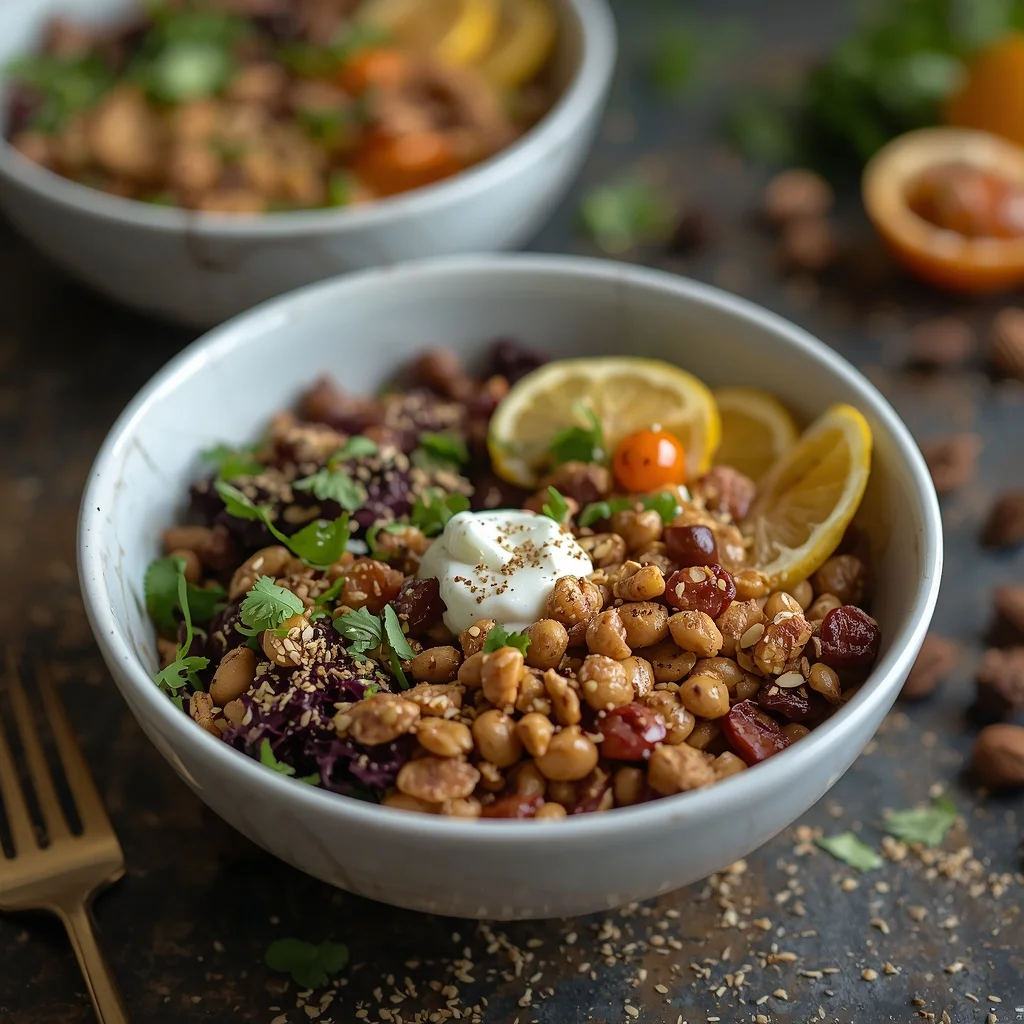
There is a distinct kind of magic that happens when you sit down to a meal that looks just as incredible as it tastes. In the fast-paced world we live in today, eating has become more than just a way to fuel our bodies; it is an experience, a ritual, and for many, a moment of creative expression. If you have been searching for a dish that perfectly balances vibrant nutrition with absolute visual appeal, look no further than aesthetic Mediterranean grain bowls. This dish is a complete celebration of color, texture, and wholesome goodness. It is the kind of meal that makes you want to pause, take a photo, and appreciate the art of fresh food before taking your first bite.
When we talk about creating aesthetic Mediterranean grain bowls, we are diving into a culinary philosophy that values simplicity, high-quality ingredients, and thoughtful assembly. This recipe brings together the earthy comfort of warm ancient grains, the deep sweetness of roasted vegetables, the crisp bite of fresh produce, and a luxurious, velvety dressing that ties everything together. The beautiful thing about this meal is that it completely dispels the myth that healthy eating has to be boring or restrictive. Instead, it proves that eating well can be an incredibly indulgent, joyful experience. Whether you are prepping meals for a busy work week or hosting a casual weekend lunch with friends, this guide will show you exactly how to build a bowl that stands out in flavor, nutrition, and sheer beauty.
What is an Aesthetic Mediterranean Grain Bowl?
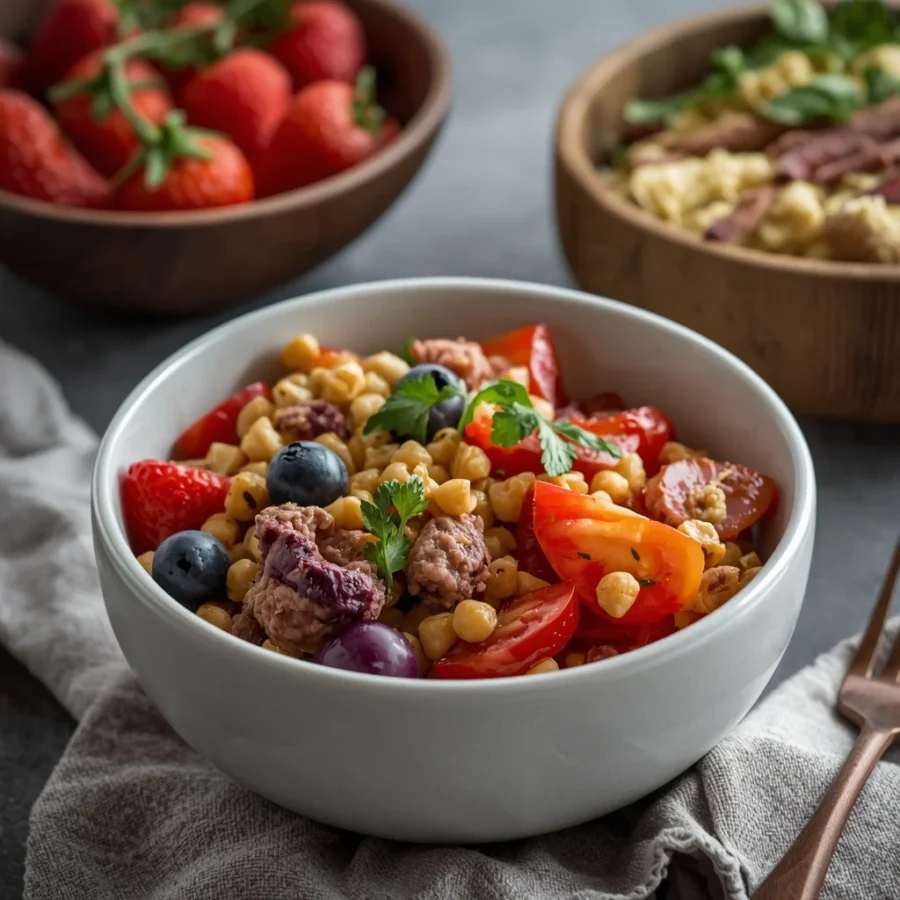
To truly appreciate this dish, it helps to understand what makes it so unique compared to a standard salad or a basic rice dish. At its core, an aesthetic Mediterranean grain bowl is a deeply satisfying, nutritionally balanced meal built in layers within a single vessel. Unlike a traditional tossed salad where everything is mixed together into a uniform mass, a grain bowl treats each component with individual respect. Each ingredient is prepared to bring out its absolute best qualities and then arranged thoughtfully so that every bite offers a new combination of flavors.
The term aesthetic in this context goes far beyond just looking pretty for social media. It speaks to a mindful approach to cooking where the visual appeal directly enhances our appetite and our enjoyment of the meal. Human beings eat with their eyes first. When you look at a bowl filled with deep purple onions, bright red tomatoes, emerald green cucumbers, and golden roasted zucchini, your brain instantly registers abundance and variety. It feels like a luxury.
From a nutritional standpoint, these bowls are an absolute powerhouse. They follow the fundamental principles of the traditional Mediterranean lifestyle, which has been celebrated for generations as one of the healthiest patterns of eating in the world. By focusing heavily on unrefined grains, abundance of vegetables, heart-healthy fats like olive oil, lean plant-based proteins, and fermented dairy, you create a meal that keeps your energy stable for hours. It is a harmonious marriage of macronutrients and micronutrients that leaves you feeling light, vibrant, and completely satisfied.
The Fascinating History and Origin of Grain Bowls
While the modern concept of the grain bowl has taken over contemporary cafes and wellness blogs, the roots of this eating style stretch back thousands of years across the historical landscapes of the Mediterranean basin. The idea of combining a staple starch with whatever fresh vegetables, legumes, and wild herbs were available is as old as agriculture itself. In ancient times, communities across Greece, Italy, Egypt, and the Levant relied heavily on what the land provided seasonally, creating simple, rustic dishes that laid the foundation for what we enjoy today.
Grains like barley, emmer, farro, and later couscous and rice, were the literal foundation of life in these ancient empires. They were storage-stable, highly nutritious, and provided the necessary stamina for physical labor. People would boil these grains and top them with wild greens, cultivated root vegetables, a splash of local olive oil, and a sprinkle of wild herbs like oregano or thyme. If a family kept goats or sheep, a small amount of preserved cheese might be crumbled over the top. This was not fancy food; it was the honest, sustaining daily bread of the common people.
The modern reincarnation of this ancient practice into the aesthetic Mediterranean grain bowls we recognize today represents a beautiful full-circle moment in food history. In the late twentieth and early twenty-first centuries, nutritionists and food lovers began to look closely at the incredible health outcomes of people living in rural Mediterranean regions. This sparked a global movement toward whole foods. Chefs began reimagining these traditional, rustic ingredients through a contemporary lens, focusing on artful presentation and complex texture contrasts. Today, when we assemble a grain bowl, we are participating in a rich, centuries-old lineage of clean, mindful eating that honors the bounty of the earth.
Essential Ingredients and Precise Quantities
Creating a truly magnificent bowl requires a harmony of components. To make four generous, beautiful servings of these aesthetic Mediterranean grain bowls, gather the following high-quality ingredients.
The Hearty Grain Base
-
One cup of dry quinoa (you can also use brown rice or traditional couscous depending on your preference)
-
Two cups of water or organic vegetable broth for cooking
-
One tablespoon of extra virgin olive oil
-
A generous pinch of fine sea salt
The Roasted Vegetable Medley
-
One medium zucchini, sliced into even rounds
-
One vibrant red bell pepper, cored and chopped into bite-sized pieces
-
One cup of sweet cherry tomatoes left whole
-
One small red onion, peeled and beautifully sliced
-
One tablespoon of extra virgin olive oil
-
One half of a teaspoon of fragrant dried oregano
-
Sea salt and freshly cracked black pepper to taste
The Fresh and Crisp Toppings
-
One cup of crisp English cucumber, diced small
-
One half of a cup of rich, briny Kalamata olives, pitted
-
One cup of plump chickpeas (either cooked from scratch or canned, thoroughly rinsed and drained)
-
One half of a cup of high-quality feta cheese, gently crumbled
-
A handful of fresh parsley or fragrant dill, finely chopped for a burst of green
The Creamy Tahini Dressing
-
One quarter of a cup of premium, smooth sesame tahini
-
Two tablespoons of freshly squeezed lemon juice
-
One tablespoon of extra virgin olive oil
-
One teaspoon of raw honey or pure maple syrup
-
One small garlic clove, peeled and finely minced
-
Two to four tablespoons of filtered water (added gradually to reach the perfect drizzling consistency)
-
Fine sea salt to adjust to your personal taste
Step by Step Direction and Preparation Method: aesthetic mediterranean grain bowls
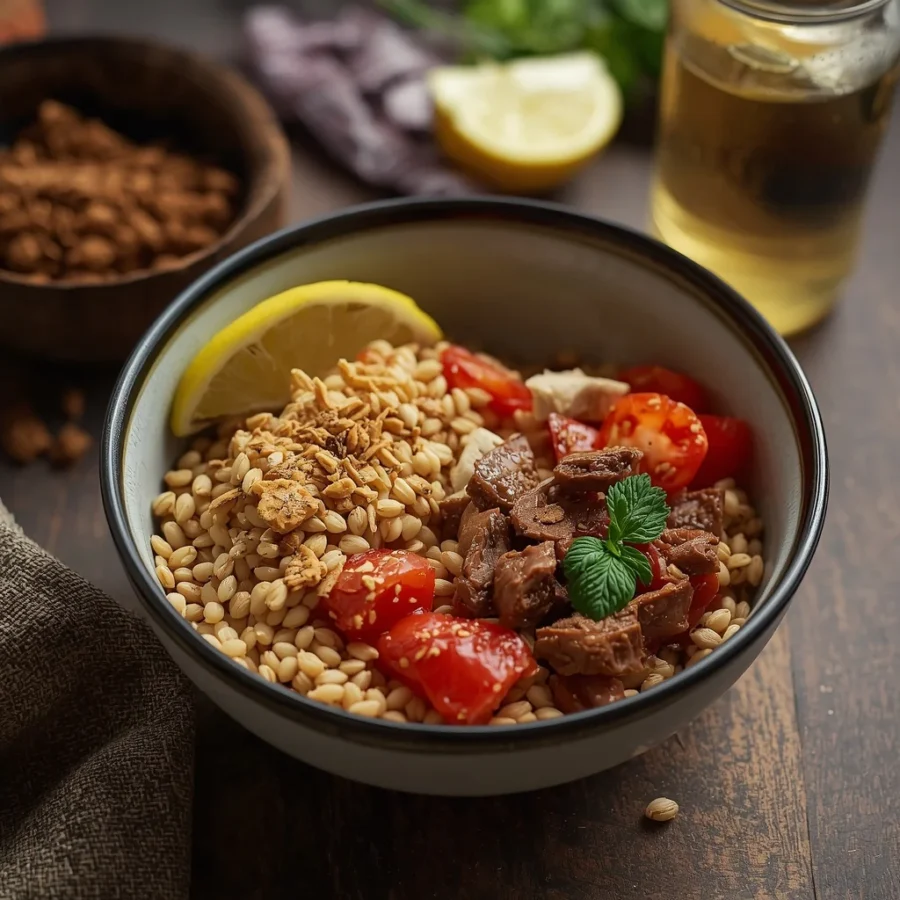
Building these aesthetic Mediterranean grain bowls is a rhythmic and deeply therapeutic process. Follow these steps carefully to ensure every element is cooked to perfection and arranged beautifully.
Step One: Preparing the Golden Grain Base
The journey to an incredible bowl begins with a flawless base. If you are using quinoa, place it in a fine-mesh strainer and rinse it thoroughly under cold running water for at least sixty seconds. This simple step removes saponin, a naturally occurring bitter coating on the outside of the grain.
Once rinsed, transfer the quinoa to a medium saucepan. Pour in your two cups of water or vegetable broth, add one tablespoon of olive oil, and a pinch of salt. Bring the liquid to a rolling boil over medium-high heat. As soon as it boils, turn the heat down to low, cover the pan with a tight-fitting lid, and let it simmer undisturbed for fifteen minutes.
After fifteen minutes, remove the saucepan from the hot burner but keep the lid securely on. Let it steam in its own residual heat for another five minutes. Finally, remove the lid and use a fork to gently fluff the grains. You will see tiny spirals separate from the seeds, showing that the quinoa is perfectly cooked, light, and ready to act as a fluffy cushion for your toppings.
Step Two: Roasting the Vegetables to Caramelized Perfection
While your grain base is simmering, it is time to transform your vegetables. Preheat your oven to four hundred degrees Fahrenheit, which is equivalent to two hundred degrees Celsius. Line a large, sturdy baking sheet with parchment paper to prevent sticking and ensure easy cleanup.
In a large mixing bowl, combine your sliced zucchini, chopped red bell pepper, sliced red onion, and whole cherry tomatoes. Drizzle the remaining tablespoon of olive oil over the top, then sprinkle with the dried oregano, sea salt, and black pepper. Use your hands or a large spoon to toss the vegetables thoroughly, ensuring every single piece is lightly coated in oil and herbs.
Spread the seasoned vegetables out across your prepared baking sheet in a single, even layer. It is crucial not to crowd the pan; if the vegetables are piled on top of each other, they will steam instead of roast, and you will miss out on those beautiful charred edges. Slide the sheet into the hot oven and bake for twenty to twenty-five minutes. Keep an eye on them—you want the zucchini to be tender, the onions to soften and sweeten, and the cherry tomatoes to blister and burst with concentrated juices. Once achieved, remove them from the oven and let them cool slightly.
Step Three: Emulsifying the Creamy Tahini Dressing
A great dressing is the secret weapon that transforms a collection of dry ingredients into a cohesive, luxurious meal. In a small bowl or a glass jar, combine the sesame tahini, fresh lemon juice, olive oil, honey or maple syrup, and minced garlic.
When you first begin to whisk these ingredients together, do not be alarmed if the mixture suddenly seizes up and becomes thick, clumpy, and separated. This is a completely natural reaction between the fats in the sesame paste and the acid of the lemon juice.
To transform it into silk, begin adding your filtered water one tablespoon at a time, whisking vigorously after each addition. Watch closely as the paste magical turns pale, smooth, and incredibly creamy. Keep adding water until the dressing flows easily from your spoon but is still thick enough to coat the back of it. Taste a small amount and add a pinch of salt if needed.
Step Four: The Art of Assembling Your Masterpiece
Now comes the absolute best part—bringing your vision to life. Take four wide, shallow bowls. Divide your warm, cooked quinoa evenly among the bowls, creating a neat, welcoming bed of grain at the bottom of each.
Instead of dumping all your toppings in a chaotic pile, imagine the surface of your bowl as a canvas divided into sections. Working clockwise, place a generous scoop of your warm roasted vegetables in one area. Next to it, add a neat mound of crisp, diced cucumber. Continue around the bowl, adding a section of rinsed chickpeas, a cluster of briny Kalamata olives, and a beautiful pile of crumbled feta cheese.
By keeping the ingredients grouped together rather than mixed, you preserve the individual textures and allow whoever is eating to choose their own flavor adventure with every forkful. This deliberate arrangement is exactly how you achieve that signature aesthetic look.
Step Five: The Finishing Touches
To complete your creation, take your creamy tahini dressing and drizzle it elegantly across the entire bowl in a zigzag pattern. You can use a spoon or transfer the dressing to a small squeeze bottle for ultimate precision.
Finally, shower the bowls with a generous handful of finely chopped fresh parsley or dill. The bright green herbs contrast beautifully against the rich reds and purples of the vegetables, adding an instant hit of freshness that wakes up all the cooked flavors. Serve immediately while the grains and roasted veggies are still warm and the toppings are cool.
Creative Variations to Suit Your Lifestyle: aesthetic mediterranean grain bowls
One of the greatest strengths of aesthetic Mediterranean grain bowls is their incredible versatility. This recipe is an open canvas that can be easily modified to match what you have in your refrigerator or to accommodate specific dietary needs.
If you want to boost the protein content of your meal to satisfy a larger appetite, there are several fantastic options. For a meat-based addition, grilled chicken breast marinated in lemon, garlic, and oregano slots into this flavor profile flawlessly. If you prefer to keep the meal entirely plant-based but want more substance, adding a few crispy, golden falafel pieces provides a wonderful crunch and a boost of satisfying protein.
You can also completely change the personality of the dish by swapping out the grain base. While quinoa is fantastic for its light texture and high protein content, ancient grains like farro or bulgur wheat offer a deeply nutty flavor and a delightful, chewy texture that feels incredibly rustic and satisfying. If you are looking for a lighter, quicker option on a hot summer day, traditional couscous steams in minutes and provides an incredibly delicate base that lets the toppings truly shine.
Do not be afraid to experiment with different flavor enhancers to make the bowl your own. Adding a generous dollop of smooth, creamy hummus right in the center of the bowl provides an extra layer of richness that pairs beautifully with the tahini dressing. For a pop of complex flavor, you can sprinkle a heavy pinch of za’atar—a traditional Middle Eastern spice blend of thyme, toasted sesame seeds, and tangy sumac—over the top of the entire bowl just before serving.
Frequently Asked Questions: aesthetic mediterranean grain bowls
Can I prepare aesthetic mediterranean grain bowls ahead of time for weekly meal prep?
Absolutely. These bowls are exceptional for meal prep because many of the components hold up beautifully in the refrigerator. To keep everything tasting as fresh as possible, store the individual elements separately. Cook your grain and roast your vegetables, then let them cool completely before placing them in airtight containers. Keep your chopped fresh cucumber, olives, and feta in a separate container, and store your dressing in a small glass jar. When you are ready to eat, simply warm up the grains and roasted vegetables if you prefer them hot, assemble your bowl fresh, and drizzle the dressing at the very last moment. Stored properly, the components will stay delicious for up to four consecutive days.
What can I use as a substitute for tahini if I have a sesame allergy?
If you cannot eat sesame or simply do not enjoy the distinct, slightly bitter flavor of tahini, you can still enjoy a wonderfully creamy dressing. A fantastic alternative is to create a base using plain, unsweetened Greek yogurt. Mix the yogurt with the same amounts of lemon juice, olive oil, garlic, and a touch of honey, thinning it with a splash of water or milk until it reaches a pourable consistency. This creates a tangy, refreshing dressing that matches the Mediterranean theme beautifully while remaining completely free of sesame.
Is this recipe naturally gluten-free?
Yes, as long as you construct the bowl using the quinoa base as written, this recipe is entirely free of gluten. Quinoa is a naturally gluten-free seed that behaves like a grain, making it an excellent option for anyone with a gluten sensitivity or celiac disease. If you decide to explore variations and switch up your grain base, just be mindful that farro, bulgur, and couscous are all derivatives of wheat and do contain gluten. If you need to keep the meal gluten-free but want an alternative to quinoa, wild rice, brown rice, or millet are all fantastic, safe options.
How do I prevent my diced cucumbers from getting soggy in the bowl?
If you are planning to eat the bowls immediately, soggy cucumbers will not be an issue. However, if you are packing the bowl to take to work or school several hours later, the salt in the cheese or dressing can draw moisture out of the cucumber, making it watery. To prevent this, place your diced cucumber at the very bottom of your transport container or keep it in a small separate pouch. Avoid letting the dressing touch the fresh vegetables until the exact moment you sit down to enjoy your lunch.
Conclusion: aesthetic mediterranean grain bowls
Bringing a meal like aesthetic Mediterranean grain bowls into your regular culinary rotation is a wonderful way to honor both your body and your senses. This dish proves that preparing healthy, nutritious food does not require you to sacrifice flavor, satisfaction, or visual beauty. By taking the time to cook your grains mindfully, roast your vegetables to caramelized perfection, and arrange your colorful ingredients with care, you turn a simple lunch into a deeply satisfying experience. Food is meant to nourish us, but it is also meant to bring us joy. The next time you find yourself wanting a meal that feels like a true act of self-care, gather these fresh ingredients, clear off your kitchen counter, and enjoy the beautiful process of building your own masterpiece bowl.
Print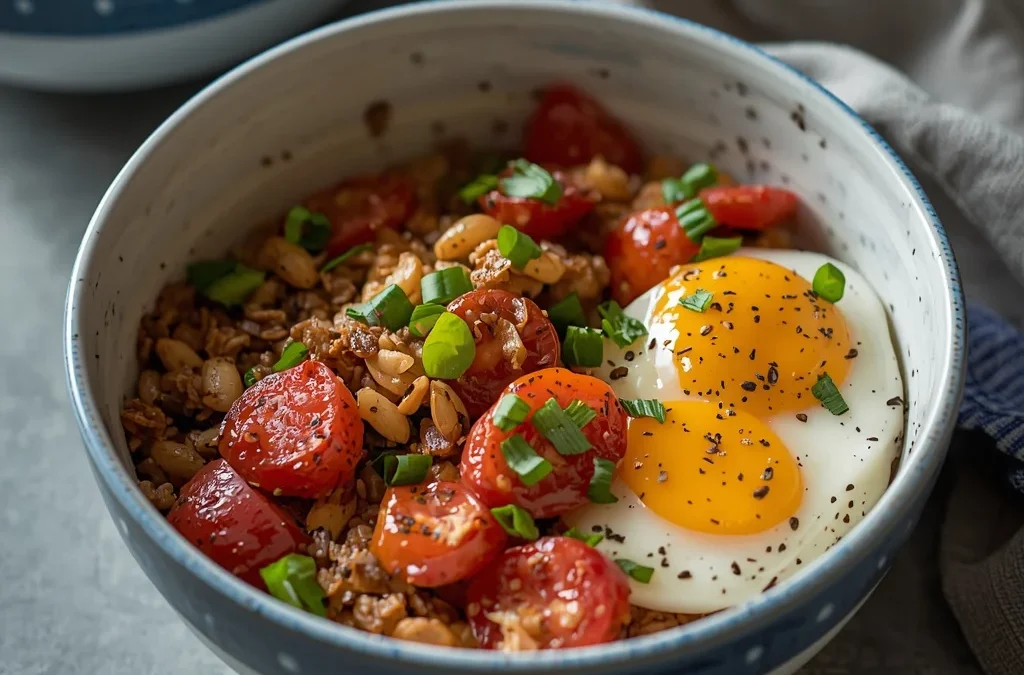
How to Make the Best Aesthetic Mediterranean Grain Bowls
- Total Time: 45 minutes
- Yield: 4 servings 1x
- Diet: Vegetarian
Description
While the modern concept of the grain bowl has taken over contemporary cafes and wellness blogs, the roots of this eating style stretch back thousands of years across the historical landscapes of the Mediterranean basin. The idea of combining a staple starch with whatever fresh vegetables, legumes, and wild herbs were available is as old as agriculture itself. In ancient times, communities across Greece, Italy, Egypt, and the Levant relied heavily on what the land provided seasonally, creating simple, rustic dishes that laid the foundation for what we enjoy today.
Ingredients
Base
- 1 cup quinoa (or brown rice / couscous)
- 2 cups water or vegetable broth
- 1 tablespoon olive oil
- Pinch of salt
Roasted Vegetables
- 1 zucchini, sliced
- 1 red bell pepper, chopped
- 1 cup cherry tomatoes
- 1 small red onion, sliced
- 1 tablespoon olive oil
- ½ teaspoon dried oregano
- Salt & pepper to taste
Fresh Toppings
- 1 cup cucumber, diced
- ½ cup Kalamata olives
- 1 cup chickpeas (cooked or canned, drained)
- ½ cup feta cheese, crumbled
- Fresh parsley or dill, chopped
Creamy Tahini Dressing
- ¼ cup tahini
- 2 tablespoons lemon juice
- 1 tablespoon olive oil
- 1 teaspoon honey or maple syrup
- 1 small garlic clove, minced
- 2–4 tablespoons water (to thin)
- Salt to taste
Instructions
- Cook the grain
- Rinse quinoa and cook with water or broth until fluffy (about 15 minutes). Fluff with a fork.
- Roast vegetables
- Toss zucchini, bell pepper, onion, and tomatoes with olive oil, oregano, salt, and pepper.
- Roast at 400°F (200°C) for 20–25 minutes until tender and slightly caramelized.
- Make dressing
- Whisk tahini, lemon juice, olive oil, honey, garlic, and water until smooth and creamy.
- Assemble bowls
- Add quinoa as the base.
- Top with roasted vegetables, cucumber, chickpeas, olives, and feta.
- Finish
- Drizzle with tahini dressing and sprinkle fresh herbs on top.
Notes
Serve these grain bowls warm or chilled as a healthy lunch or dinner. They pair beautifully with grilled chicken, falafel, or hummus for extra flavor and protein.
- Prep Time: 20 minutes
- Cook Time: 25 minutes
- Category: Bowl / Healthy Meal
- Method: Assembling
- Cuisine: Mediterranean
Nutrition
- Serving Size: 1 bowl
- Calories: Approximately 420 kcal
Keywords: beautiful mediterranean buddha bowl, visual mediterranean salad bowl, aesthetic mediterranean power bowl
