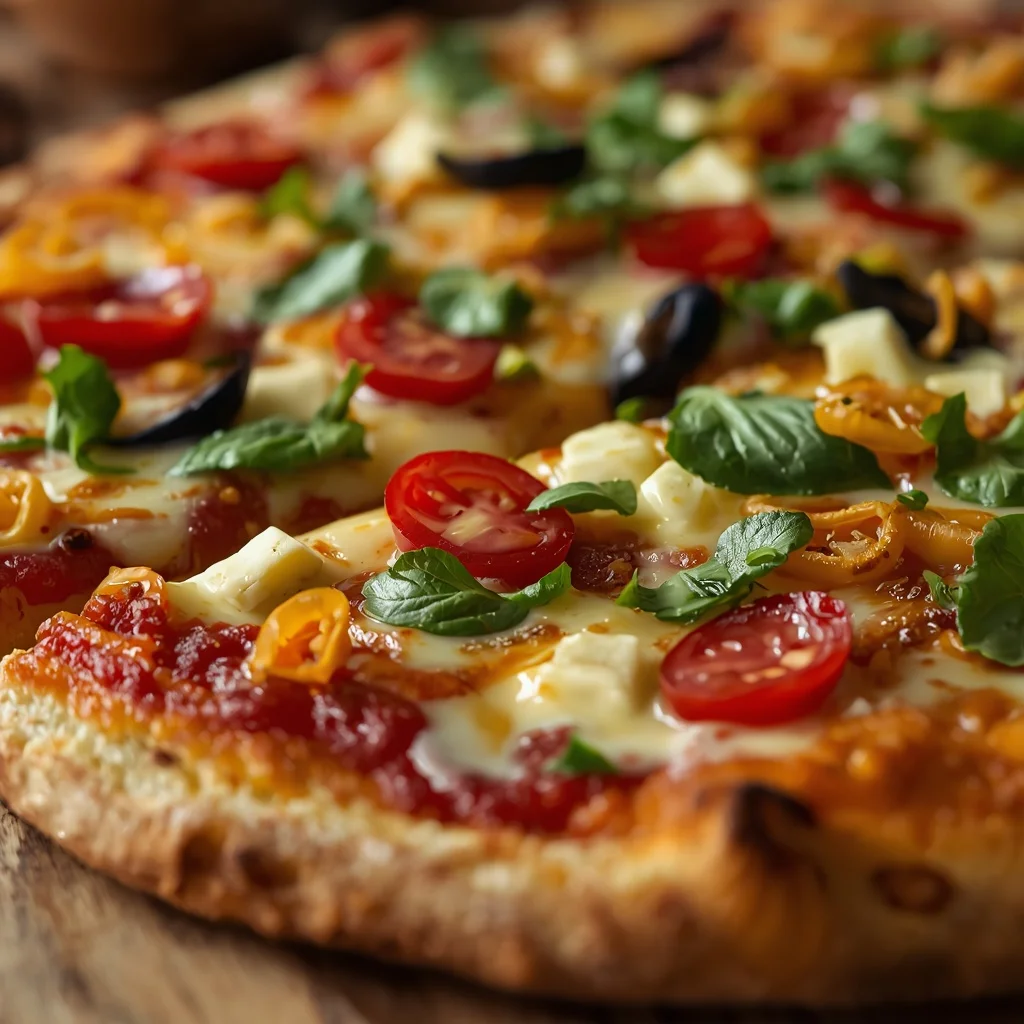
Have you ever bitten into a dish so perfectly balanced that it instantly transports you across the globe? If you are looking to recreate the ultimate street food masterpiece in your own kitchen, this authentic lahmacun recipe is exactly what you need. Often referred to by food lovers as Turkish flatbread pizza, this incredible dish features a paper-thin, shatteringly crisp crust topped with a deeply savory, aromatic mixture of finely minced meat, vibrant vegetables, and warm spices. It is a beautiful culinary tradition that dates back centuries, blending simplicity with an explosion of rich flavors. By making this authentic lahmacun recipe at home, you get to control the quality of the ingredients, ensuring a fresher and much more satisfying experience than anything you can buy at a standard takeout joint.
Many people feel intimidated by the thought of working with yeast dough or achieving that signature wood-fired texture in a conventional home oven. However, the process is incredibly straightforward when broken down into manageable steps. This comprehensive guide will walk you through every phase of preparation, from kneading the supple dough to blending the perfect meat topping, so you can achieve professional-quality results on your very first try. Gather your ingredients, clear off your counter space, and prepare to embark on a delicious journey into Turkish comfort food that will delight your family and friends.
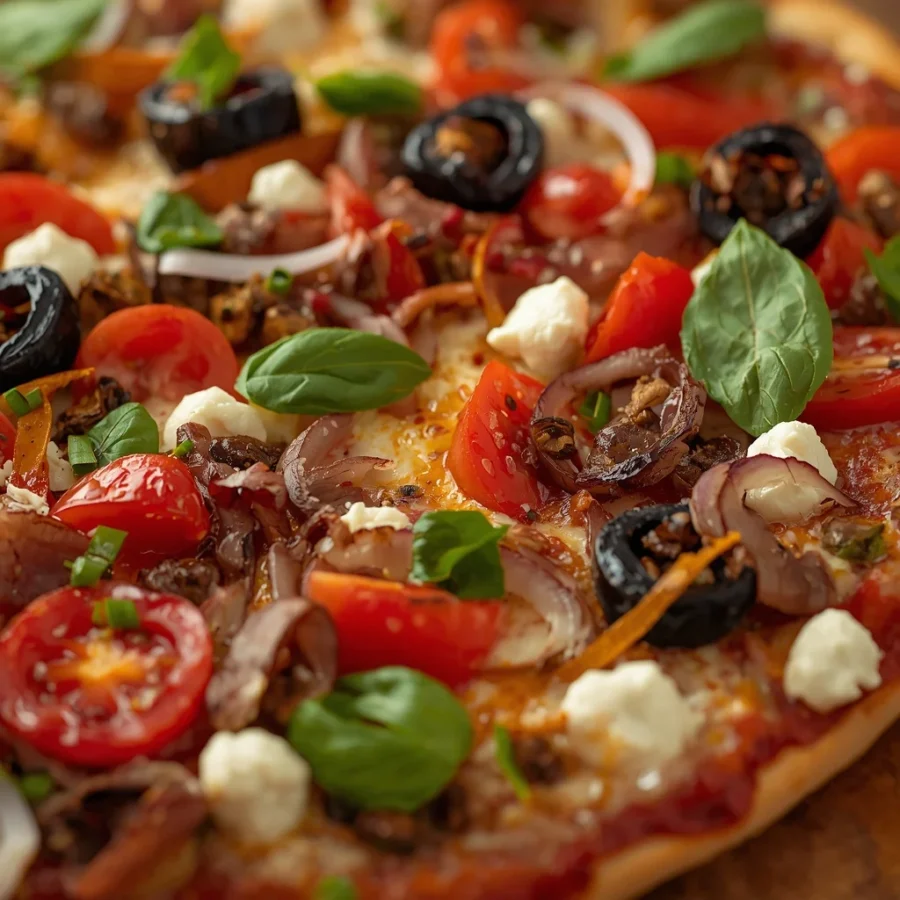
What is an Authentic Lahmacun Recipe?
To truly appreciate this dish, it helps to understand what makes it so unique compared to other flatbreads around the world. At its core, an authentic lahmacun recipe delivers a delicate balance between a ultra-thin, almost cracker-like crust and a heavily seasoned meat paste that bakes directly into the dough. The name itself derives from the Arabic words meaning meat with dough, which perfectly summarizes the elegant simplicity of the concept.
Unlike a traditional Italian pizza, there is no thick layer of tomato sauce, and you will never find shredded mozzarella cheese pulling away from the surface. Instead, the moisture and fat from the finely minced lamb or beef infuse into the flatbread as it bakes, keeping the center incredibly flavorful while the edges crisp up to a beautiful golden brown. It is designed to be highly flexible, light, and easy to handle.
The magic of eating a fresh lahmacun lies entirely in how it is consumed. You do not cut it into neat little wedges with a rolling wheel. Instead, you pile the hot, steaming flatbread high with cool, refreshing garnishes like fresh sprigs of flat-leaf parsley, crunchy slices of red onion, and a heavy squeeze of zesty lemon juice. Once your toppings are assembled, you roll the entire piece tightly into a wrap and eat it by hand. This interplay of hot meat, crisp dough, cold vegetables, and sharp citrus creates a sensory experience that is genuinely unmatched.
The Fascinating Origin of authentic lahmacun recipe
The history of this incredible dish stretches back thousands of years through the fertile regions of the Middle East and the Levant. For generations, different cultures across the Ottoman Empire prepared variations of flatbreads topped with seasoned meats, adapting the spices and techniques to whatever ingredients were locally available. Over time, the southeastern provinces of Turkey, particularly cities like Sanliurfa and Gaziantep, became world-renowned for perfecting this specific style of thin, meat-topped bread.
In these historic regions, families would carefully prepare their specialized meat toppings at home using large, heavy stone knives to chop the ingredients by hand. Once the mixture reached the perfect consistency, they would carry their bowls down to the local bakery. The neighborhood baker would roll out portions of simple leavened dough, spread the family’s custom meat mixture over the top, and slide the creations into massive, wood-burning stone ovens.
As globalization brought these regional specialties into major metropolitan areas like Istanbul, and eventually across Western Europe and North America, the dish earned its widespread popularity. Today, it remains an essential pillar of Turkish street food culture, loved by millions as a quick lunch, a satisfying dinner, or a late-night comforting snack. Bringing this authentic lahmacun recipe into your modern kitchen allows you to honor those ancient, time-tested cooking methods while utilizing everyday appliances to achieve that same timeless, comforting taste.
Ingredients You Will Need: authentic lahmacun recipe
To create a flawless batch of six to eight flatbreads, you will need to gather a handful of simple, wholesome pantry staples for the dough, along with a fresh selection of aromatics and quality ground meat for the savory topping.
For the Dough
-
Three and one half cups of all-purpose flour or high-quality bread flour
-
One teaspoon of instant yeast
-
One teaspoon of fine sea salt
-
One tablespoon of extra virgin olive oil
-
One and one quarter cups of warm water
Meat Topping
-
Three hundred grams of ground lamb or lean ground beef
-
One medium yellow onion, roughly chopped
-
Two medium tomatoes, seeded and roughly chopped
-
One green bell pepper, chopped with seeds removed
-
Two cloves of fresh garlic
-
One half cup of fresh flat-leaf parsley leaves
-
One tablespoon of concentrated tomato paste
-
One tablespoon of extra virgin olive oil
-
One teaspoon of sweet paprika
-
One teaspoon of ground cumin
-
One half teaspoon of Aleppo pepper or crushed chili flakes
-
One half teaspoon of freshly cracked black pepper
-
One teaspoon of fine sea salt
For Serving and Garnish
-
One medium red onion, very thinly sliced
-
One large bunch of fresh flat-leaf parsley
-
Two whole lemons, cut into thick wedges
-
One tablespoon of ground sumac for a tangy twist
Step-by-Step Direction and Preparation Method: authentic lahmacun recipe
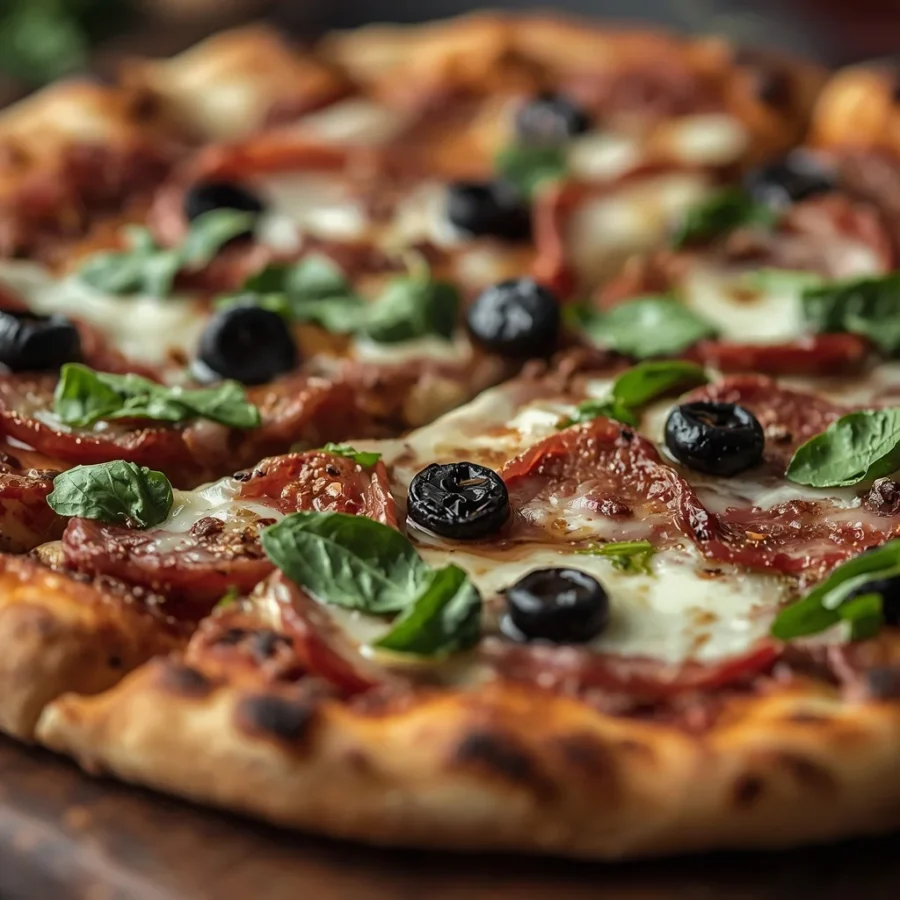
Creating this stunning meal is an incredibly rewarding process. Follow these detailed stages carefully to ensure your crust turns out beautifully crisp and your topping remains perfectly balanced and flavorful.
Phase One: Crafting and Rising the Dough
The foundation of any great authentic lahmacun recipe is a dough that can be rolled out to near-transparency without tearing apart.
To begin, take a large, deep mixing bowl and combine your three and one half cups of flour, the single teaspoon of instant yeast, and the teaspoon of salt. Whisk these dry components together thoroughly so the yeast is evenly distributed throughout the flour.
Next, make a small well right in the center of your dry mixture. Pour in your one and one quarter cups of warm water along with the tablespoon of extra virgin olive oil. Using a sturdy wooden spoon or your clean hands, begin incorporating the flour from the edges of the well into the liquid. Continue stirring until a shaggy, cohesive dough begins to pull away from the sides of your bowl.
[Flour + Yeast + Salt] ---> Add Warm Water + Olive Oil ---> Knead 10 Mins ---> Rise 1 Hour
Dust a clean, flat countertop with a light coating of flour and turn your shaggy dough out onto the surface. Now, it is time to develop the gluten. Knead the dough vigorously for a full eight to ten minutes. Push the dough away from you using the palms of your hands, fold it back over itself, rotate it ninety degrees, and repeat.
As you continue this rhythmic process, you will feel the texture transform from a sticky, uneven mass into an incredibly smooth, supple, and elastic ball. If the dough feels a bit too tacky during kneading, dust on an extra tablespoon of flour, but be careful not to add too much, as we want to keep the dough soft.
Phase Two: Blending the Masterful Topping
While your dough is rising peacefully, you can focus on building the incredibly flavorful meat paste that gives this dish its iconic personality.
Pull out your food processor and drop in the chopped medium yellow onion, the two seeded tomatoes, the chopped green bell pepper, the two cloves of fresh garlic, and the half cup of fresh flat-leaf parsley. Pulse the machine in short, sharp bursts. Your goal here is to finely mince all of these ingredients until they are thoroughly integrated, but you must be careful not to over-process them into a watery, mushy puree. The vegetables should still retain a tiny bit of texture.
+-------------------------------------------------------+
|  Pulse Onion, Tomatoes, Pepper, Garlic, and Parsley  |
|         (Keep it finely minced, not watery!)          |
+-------------------------------------------------------+
                           |
                           v
+-------------------------------------------------------+
| Mix with Ground Meat, Tomato Paste, Oil, and Spices   |
+-------------------------------------------------------+
                           |
                           v
+-------------------------------------------------------+
|       Refrigerate Topping While Dough Finishes        |
+-------------------------------------------------------+
Once your vegetable mixture is finely minced, tip the contents out into a large mixing bowl. Add your three hundred grams of ground lamb or lean beef directly to the bowl. Next, drop in the tablespoon of concentrated tomato paste, the tablespoon of olive oil, and your entire array of spices: the sweet paprika, ground cumin, Aleppo pepper, cracked black pepper, and salt.
Using your hands, mix the contents together thoroughly. Work the spices and minced vegetables deep into the fibers of the meat until the entire mixture resembles a uniform, easily spreadable paste. Cover the bowl and pop it into your refrigerator to chill while your dough finishes rising. This resting time allows the bold flavors of the garlic, cumin, and peppers to marry beautifully with the meat.
Phase Three: Shaping and Portioning
Once your hour of rising time is up, gently punch down your doubled dough to release any large pockets of accumulated air. Turn the dough back out onto your lightly floured countertop and shape it into a neat log. Using a bench scraper or a sharp knife, divide the log evenly into six to eight equal portions. Roll each individual portion between your palms to create smooth, tight little dough balls. Cover these balls with your damp kitchen towel so they do not dry out while you work.
Take your first dough ball and place it in the center of your floured work surface. Using a heavy rolling pin, begin rolling the dough outward from the center, rotating it frequently to maintain a circular or oval shape. You want to press down firmly, rolling the dough until it is incredibly thin, aiming for a diameter of roughly eight to ten inches. The dough should be thin enough that you can almost see the outline of your counter through it, yet strong enough to hold the topping.
Phase Four: Applying the Topping with Precision
Preheating your cooking environment is absolutely vital for success. Turn your home oven up as high as it will safely go, aiming for a temperature of two hundred and fifty degrees Celsius. If you own a heavy pizza stone or a thick baking steel, place it on the middle rack of your oven during the preheat phase. If you do not have one, simply flip a large, sturdy baking tray upside down and let it heat up inside the oven.
Carefully transfer your rolled-out circle of dough onto a large piece of parchment paper. This parchment will make it incredibly easy to slide the flatbread onto your hot stone later on.
Retrieve your chilled meat mixture from the refrigerator. Take a few spoonfuls of the paste and place them directly onto the center of your dough circle. Using the back of a spoon or your fingertips, gently spread the meat out in a very thin, uniform layer across the entire surface of the flatbread. Be sure to leave a tiny, bare border around the absolute edge of the crust.
Important Pro-Tip: It is critical to keep this meat layer incredibly thin. If you pile the meat on too thick, the moisture from the vegetables and fat will pool on top, causing your delicate dough to become soggy and wet rather than beautifully crisp.
Phase Five: Baking to Golden Perfection
Once your oven has reached its maximum heat, carefully slide the parchment paper supporting your prepared flatbread directly onto the preheated pizza stone or your inverted baking sheet.
Bake the lahmacun for roughly six to eight minutes. Keep a very close eye on it through your oven window. You are looking for the edges of the dough to puff up slightly, turn a gorgeous deep golden brown, and develop a lovely crisp texture, while the meat on top should be completely cooked through and sizzling merrily.
Carefully remove the hot flatbread from the oven using a pizza peel or by sliding the parchment paper onto a cutting board. Immediately place your next prepared flatbread into the oven to bake. Stack your finished flatbreads on top of one another on a clean serving platter, covering them loosely with a clean towel to keep them warm and pliable while you finish the rest of the batch.
Exciting Flavor and Ingredient Variations: authentic lahmacun recipe
While sticking to a traditional preparation is deeply satisfying, this versatile flatbread easily lends itself to a variety of creative culinary twists depending on your dietary needs or what you happen to have inside your refrigerator.
The Vegetarian Adaptation
If you prefer to skip the meat entirely while enjoying this authentic lahmacun recipe, you can easily create a sensational vegetarian or vegan alternative. Replace the ground lamb or beef with a mixture of finely minced mushrooms, brown lentils, or a high-quality plant-based meat substitute.
Combine this base with the exact same minced onion, tomato, pepper, garlic, and spice blend outlined in the original instructions. The mushrooms add a wonderful depth of umami flavor that mimics the richness of traditional lamb beautifully, ensuring that your vegetarian guests do not miss out on the incredible texture or robust taste of this classic street food.
The Cheesy Fusion Twist
Though purists might point out that cheese has no place on a traditional lahmacun, adding a light sprinkle of dairy can create a wonderfully indulgent fusion dish.
If you want to experiment, try scattering a small handful of crumbled feta cheese or low-moisture shredded mozzarella over the meat layer just before you slide the flatbread into your roaring hot oven. The cheese will melt into the seasoned meat paste, creating a rich, bubbly, and gooey topping that pairs beautifully with the crispness of the thin crust.
Playing with Regional Spices
The character of your flatbread can change dramatically based on the specific chili flakes you choose to use in your kitchen. If you can track down authentic Urfa biber, which is a unique Turkish isotope pepper, you can add a stunning smoky, dark color and a subtle undertone of chocolate and raisin notes to your meat paste.
If you prefer a brighter, fruitier heat, increasing the amount of Aleppo pepper will give your topping a gorgeous crimson hue and a pleasant, mild kick that does not overwhelm the delicate flavors of the fresh parsley and sweet tomatoes.
Frequently Asked Questions: authentic lahmacun recipe
Can I make the dough ahead of time and store it?
Absolutely. You can easily prepare the dough through the kneading phase, place it into an oiled bowl, and cover it tightly with plastic wrap before transferring it straight into your refrigerator overnight. The cold environment will slow down the yeast fermentation dramatically, allowing the dough to rise slowly over several hours. This extended cold fermentation actually helps develop a much deeper, more complex flavor within the dough. When you are ready to bake, simply bring the dough back to room temperature for about thirty minutes before portioning and rolling it out.
What should I do if I do not own a pizza stone or baking steel?
Do not worry if you do not have specialized baking gear in your kitchen. You can achieve fantastic results by flipping a large, heavy baking sheet completely upside down and placing it on your middle oven rack while the oven preheats. The flat surface of the inverted tray acts as an excellent heat conductor, allowing you to slide your parchment paper directly onto it to get that fast, intense bottom heat necessary for a perfectly crisp crust.
How do I store and reheat any leftover flatbreads?
If you happen to have any leftovers, allow them to cool down completely to room temperature. Stack them up with a piece of parchment paper separating each flatbread so they do not stick together, then wrap the entire stack tightly in aluminum foil or place them inside a large airtight container. Store them in your refrigerator for up to three days. To reheat them and restore that magnificent crispiness, place an individual flatbread into a hot, dry skillet over medium heat for two to three minutes, or pop them back into a two hundred degree oven until they are hot and sizzling. Avoid using the microwave, as it will make the delicate crust rubbery and soft.
Can I use ground chicken or turkey instead of lamb or beef?
Yes, you certainly can. If you are looking for a lighter, lower-fat alternative to traditional lamb or lean beef, ground chicken or ground turkey will work beautifully. Because poultry tends to be significantly leaner than red meat, you may want to add an extra tablespoon of extra virgin olive oil to your vegetable and meat mixture to ensure the topping remains wonderfully moist and juicy as it bakes in the high heat of your oven.
Conclusion: authentic lahmacun recipe
Mastering this authentic lahmacun recipe at home is an incredibly fulfilling culinary adventure that brings the bright, bustling energy of a traditional Turkish market straight into your dining room. By taking the time to knead your own supple dough, finely mincing a vibrant array of fresh vegetables, and balancing warm spices like cumin and paprika, you create a high-quality meal that easily outshines standard takeout options.
The rewarding contrast between the thin, intensely crisp crust and the rich, deeply savory meat topping creates a perfect canvas for your fresh garnishes of sliced red onion, bright parsley, and tart lemon juice. Whether you are hosting a lively weekend dinner party for friends or simply looking to expand your weeknight cooking repertoire with an exciting new global dish, this versatile and accessible recipe is guaranteed to become a beloved favorite in your household for many years to come.
Print
The Ultimate Authentic Lahmacun Recipe: Master the Crispy Turkish Flatbread Pizza at Home
- Total Time: 1 hour 28 minutes (includes dough rising)
- Yield: 6 servings 1x
Description
To truly appreciate this dish, it helps to understand what makes it so unique compared to other flatbreads around the world. At its core, an authentic lahmacun recipe delivers a delicate balance between a ultra-thin, almost cracker-like crust and a heavily seasoned meat paste that bakes directly into the dough. The name itself derives from the Arabic words meaning meat with dough, which perfectly summarizes the elegant simplicity of the concept.
Ingredients
Dough
- 3½ cups (450 g) all-purpose or bread flour
- 1 tsp instant yeast
- 1 tsp salt
- 1 tbsp olive oil
- 1¼ cups (300 ml) warm water
Topping
- 300 g ground lamb or lean beef
- 1 medium onion, roughly chopped
- 2 tomatoes, seeded and chopped
- 1 green bell pepper, chopped
- 2 cloves garlic
- ½ cup fresh parsley
- 1 tbsp tomato paste
- 1 tbsp olive oil
- 1 tsp paprika
- 1 tsp ground cumin
- ½ tsp Aleppo pepper or chili flakes
- ½ tsp black pepper
- 1 tsp salt
To Serve
- Thinly sliced red onion
- Fresh parsley
- Lemon wedges
- Sumac (optional)
Instructions
1. Make the Dough
- Mix flour, yeast, and salt.
- Add warm water and olive oil.
- Knead for 8–10 minutes until smooth.
- Cover and let rise for 1 hour, or until doubled.
2. Prepare the Topping
- Blend the onion, tomatoes, bell pepper, garlic, and parsley until finely minced (don’t make it watery).
- Mix with the ground meat, tomato paste, olive oil, and spices.
- Refrigerate while the dough rests.
3. Shape
- Divide dough into 6–8 balls.
- Roll each into a very thin circle or oval (about 8–10 inches / 20–25 cm).
4. Top
- Spread a very thin layer of the meat mixture over each flatbread, leaving only a tiny border.
5. Bake
- Preheat the oven to 250°C (480°F) with a pizza stone or baking tray inside if possible.
- Bake each lahmacun for 6–8 minutes, until the edges are crisp and the meat is fully cooked.
Notes
Roll the dough as thin as possible and spread the topping in a thin, even layer. This creates the signature crispy crust and perfectly cooked topping that make traditional lahmacun so delicious.
- Prep Time: 20 minutes
- Cook Time: 8 minutes
- Category: Main Course
- Method: Baked
- Cuisine: Turkish
Nutrition
- Serving Size: 1 lahmacun
- Calories: 320 kcal
Keywords: traditional lahmacun recipe, homemade turkish lahmacun, original lahmacun recipe
