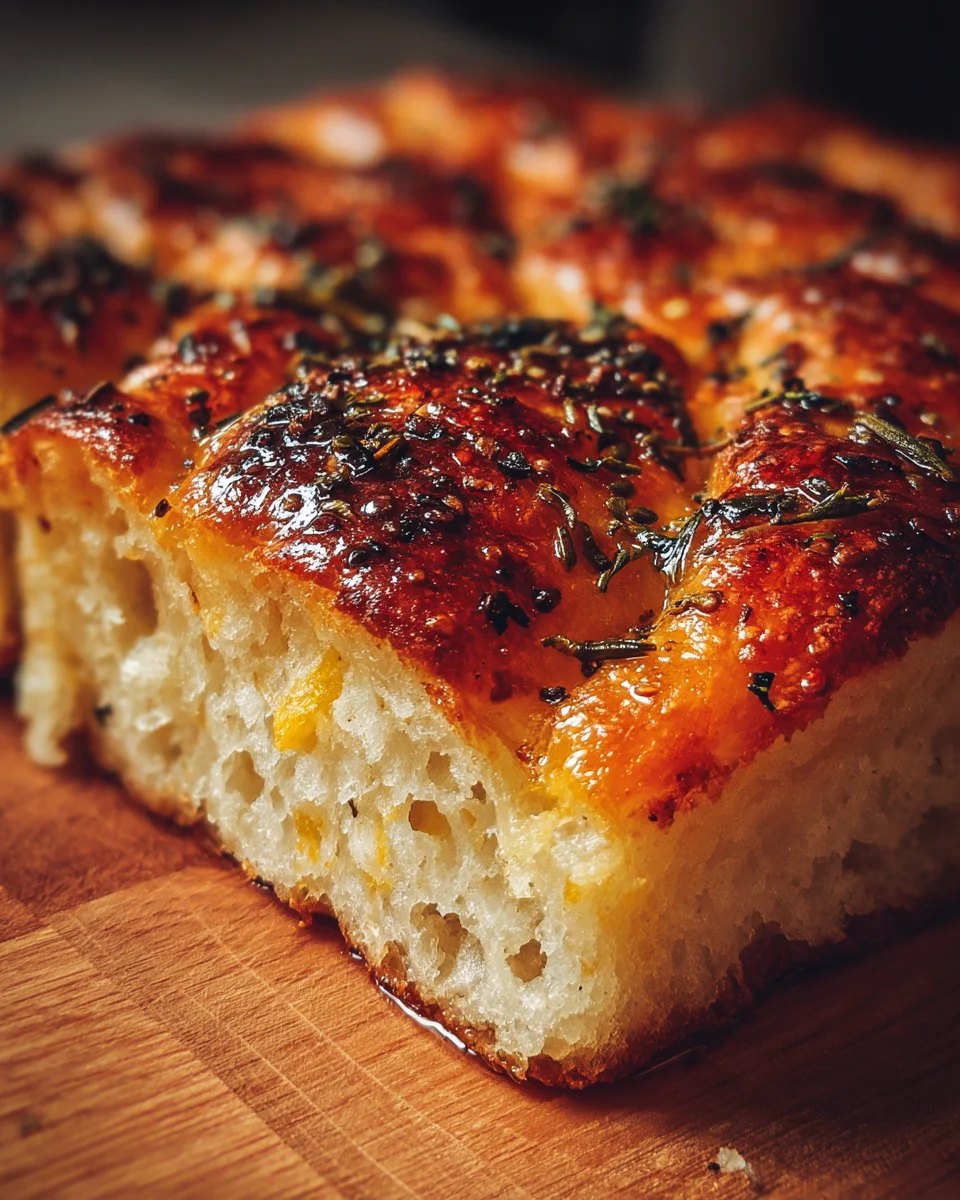
There is something deeply spiritual about the smell of fresh yeast and olive oil mingling in a warm kitchen. If you have ever walked past an Italian bakery and felt pulled in by the scent of golden, dimpled crusts, you have likely encountered the magic of focaccia. Today, we are exploring a specific, high-quality version known as cardinal focaccia bread. This is not just a side dish; it is a centerpiece of Italian baking tradition that manages to be airy on the inside while maintaining a signature crunch on the outside.
Baking bread can often feel intimidating for the uninitiated, but focaccia is perhaps the most forgiving and rewarding place to start. It does not require the complex shaping of a baguette or the intense maintenance of a sourdough starter. Instead, it relies on quality fat, a bit of patience for the rise, and the fun process of dimpling the dough with your fingertips. In this guide, we will walk through the history, the science, and the step-by-step methodology to ensure your kitchen produces a loaf that surpasses anything you can buy at a standard grocery store.
What is Cardinal Focaccia Bread?
When we talk about cardinal focaccia bread, we are referring to a classic Italian-style flatbread that stands out due to its height and rich olive oil infusion. Unlike a pizza crust, which is thin and meant to support heavy toppings, this focaccia is meant to be thick and pillowy. The term “cardinal” in culinary contexts often implies a recipe of high importance or a standard-bearing version that serves as the foundation for all others.
The texture of this bread is its most defining characteristic. Because of the high hydration levels and the generous use of olive oil, the crumb is full of irregular air pockets. The exterior, meanwhile, practically fries in the oven as it makes contact with the oiled pan, creating a salty, savory crust that shatters slightly when you bite into it. It is a sensory experience that balances softness and strength, making it the perfect vessel for sandwiches, dipping into balsamic vinegar, or eating entirely on its own while still warm from the oven.
The Ancient Origin of cardinal focaccia bread
To truly master the cardinal focaccia bread, it helps to respect where it came from. The word itself is derived from the Latin term “panis focacius,” which translates roughly to “hearth bread.” In the days of the Roman Empire, flatbreads were baked directly on the hearth or in the ashes of a fire. While many regions in Italy have their own version, the most famous comes from Liguria, particularly the city of Genoa.
A Bread for the People
Historically, focaccia was a staple for sailors and travelers because it stayed fresh longer than other breads due to its high oil content. Over centuries, the recipe migrated from the simple hearths of ancient Rome to the sophisticated bakeries of modern Italy. The addition of herbs like rosemary and coarse sea salt became standard because they enhanced the natural aroma of the wheat. Today, it remains a symbol of Italian hospitality, often served as a welcoming snack before a larger meal.
Ingredients with Quantity for cardinal focaccia bread
Success in baking starts with accurate measurements. For this cardinal focaccia bread, we are using accessible ingredients, but I encourage you to use the best quality olive oil you can find, as its flavor will be very prominent in the finished loaf.
-
Three and one half cups of all-purpose flour: This provides the structure. If you prefer a chewier texture, you can substitute bread flour.
-
One and one quarter cups of warm water: Ensure the water is warm to the touch but not hot, as excessive heat will kill the leavening agent.
-
Two and one quarter teaspoons of yeast: You can use either instant or active dry yeast for this recipe.
-
Two tablespoons of olive oil: This goes into the dough itself. You will also need extra for the pan and the topping.
-
One teaspoon of salt: Fine salt is best for the dough to ensure it distributes evenly.
-
One teaspoon of sugar: This helps to feed the yeast and assists in the browning of the crust.
-
Fresh rosemary: This is optional but highly recommended for that classic Mediterranean aroma.
-
Coarse salt: For the topping, to provide a crunch and a burst of flavor.
Step by Step Direction and Preparation Method: cardinal focaccia bread
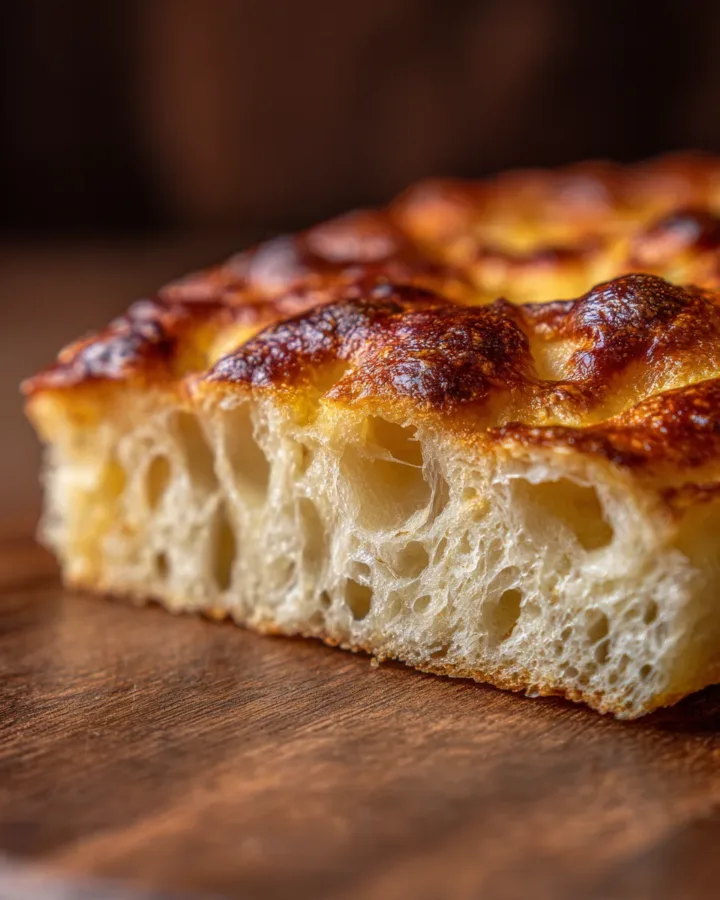
Follow these instructions carefully. Baking is as much about the process as it is about the ingredients. Each rise and each knead contributes to the final airy structure of your cardinal focaccia bread.
Phase One: Activating the Yeast
The first step is ensuring your leavening agent is alive and healthy. In a small bowl, combine your one and one quarter cups of warm water with the teaspoon of sugar and the yeast. Stir it gently and let it sit for five to ten minutes. You are looking for a foamy, bubbly head to form on the surface. If the water remains flat, your yeast may be expired, and you should start over with a fresh batch to avoid a heavy, dense loaf.
Phase Two: Mixing the Dough
In a large mixing bowl, whisk together the three and one half cups of flour and the teaspoon of salt. Make a well in the center and pour in the foamy yeast mixture along with the two tablespoons of olive oil. Using a sturdy spoon or your hands, mix until a shaggy, sticky dough forms. Do not worry if it looks a bit messy at this stage; the hydration is necessary for the final texture.
Phase Three: The Kneading Process
Turn the dough out onto a lightly floured surface. Knead the dough for approximately eight to ten minutes. You want to stretch and fold the dough until it transitions from a sticky mass to a smooth, elastic ball. If you press a finger into the dough, it should spring back slowly. This process develops the gluten, which creates the “walls” that will trap the air bubbles later.
Phase Four: The First Rise
Lightly oil a clean bowl and place your dough inside, turning it once to coat it in oil. Cover the bowl with a damp cloth or plastic wrap and place it in a warm, draft-free spot. Let the dough rise for one to one and one half hours. You are waiting for it to double in size. This slow fermentation is where the flavor truly develops.
Phase Five: Shaping and Dimpling
Once the dough has risen, prepare a rectangular baking pan by coating the bottom with a generous layer of olive oil. Gently transfer the dough to the pan. Use your fingertips to stretch it toward the corners. If the dough shrinks back, let it rest for five minutes and try again. Now, use your fingers to press deep dimples all over the surface of the dough, pushing nearly to the bottom of the pan. This is the hallmark of cardinal focaccia bread.
Phase Six: The Second Rise
Cover the pan and let the dough rest for another twenty to thirty minutes. During this time, the dough will puff up around the dimples you created, ensuring that the olive oil you add later will pool in those little craters.
Phase Seven: Adding the Toppings
Drizzle a liberal amount of olive oil over the top of the dough. Sprinkle your coarse salt and the fresh rosemary leaves across the surface. The oil will fill the dimples, which helps the crust fry and prevents the bread from drying out in the high heat of the oven.
Phase Eight: The Baking Stage
Preheat your oven to two hundred degrees Celsius. Place the pan on the center rack and bake for twenty to twenty-five minutes. You are looking for a beautiful, uniform golden brown color across the top. The edges should look crisp and slightly pulled away from the sides of the pan.
Phase Nine: Cooling and Serving
Remove the bread from the oven and let it cool in the pan for a few minutes. This allows any residual oil to be absorbed back into the crust. Slide it onto a wire rack to finish cooling so the bottom remains crisp. Slice into squares or long strips and serve while still slightly warm.
Creative Variations of Cardinal Focaccia Bread
While the rosemary and salt version is the gold standard, the cardinal focaccia bread acts as a blank canvas for your culinary imagination.
The Mediterranean Vegetable Load
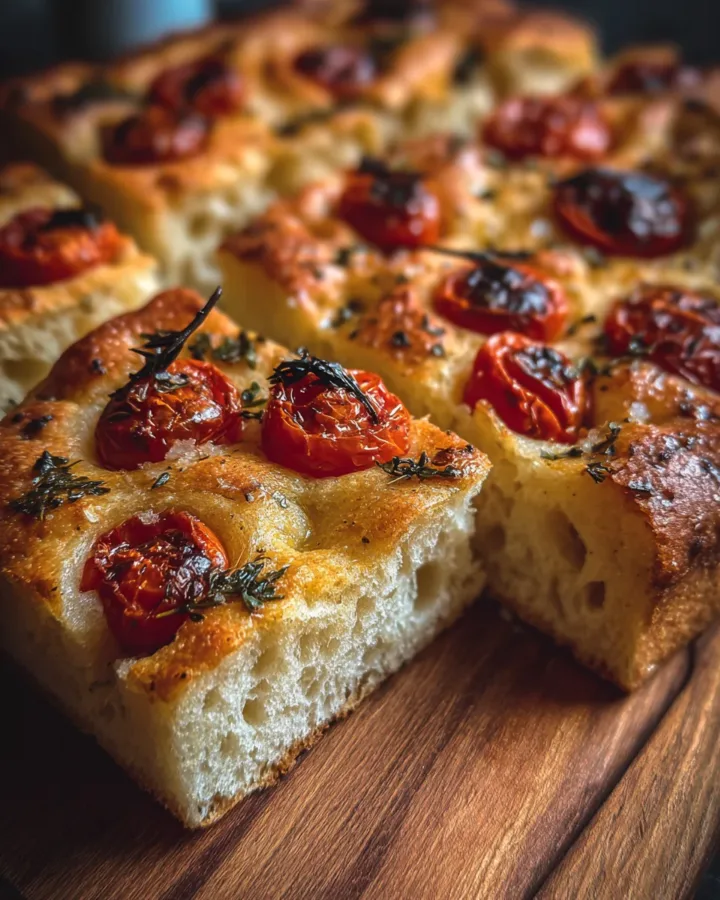
Before baking, press halved cherry tomatoes, sliced kalamata olives, and thin slivers of red onion into the dimples. The juices from the tomatoes will mingle with the olive oil, creating a soft, flavorful topping that is perfect for a summer lunch.
The Garlic and Parmesan Twist
Mince four cloves of garlic and mix them into your topping oil. After drizzling it on the dough, sprinkle a generous amount of freshly grated parmesan cheese. This creates a savory, umami-rich crust that tastes similar to high-end garlic bread but with a much better texture.
The Sweet Side of Focaccia
In some parts of Italy, a dessert version is made by replacing the rosemary and coarse salt with thinly sliced grapes or apples and a sprinkling of granulated sugar. It sounds unusual, but the salty-sweet combination with the olive oil is sophisticated and delicious.
Frequently Asked Questions: cardinal focaccia bread
Why did my focaccia turn out flat?
This usually happens if the yeast was not properly activated or if the dough did not get enough time for the first rise. Ensure your water is the correct temperature and give the dough a warm environment to grow. Also, make sure you are not over-kneading the dough in a way that makes it too tight.
Can I make the dough ahead of time?
Yes! In fact, many bakers believe that a cold ferment in the refrigerator for twenty-four hours results in the best cardinal focaccia bread. Simply put your dough in the fridge after the initial mix and let it rise slowly overnight. Bring it to room temperature before shaping it in the pan.
What is the best way to reheat focaccia?
To restore that “just baked” crunch, avoid the microwave. Instead, place slices in a toaster oven or a regular oven at one hundred and eighty degrees Celsius for about five minutes. This will re-crisp the exterior without drying out the middle.
Do I really need that much olive oil?
In short, yes. Focaccia is defined by its relationship with oil. If you skimp on the oil, you will end up with something that feels more like a standard dinner roll or a thick pizza crust. The oil is what creates the unique texture and the rich flavor profile.
Expert Tips for a cardinal focaccia bread
-
The Finger Test: When dimpling the dough, do not be afraid to go deep. You want to see the bottom of the pan through the dough in some spots.
-
The Flour Choice: While all-purpose flour works great, trying a “double zero” Italian flour can give you an even softer, more authentic crumb.
-
Steam in the Oven: For an even better crust, you can place a small pan of water on the bottom rack of the oven to create steam during the first ten minutes of baking.
-
Salt Selection: Use a flaky sea salt if you can. The large flakes provide a better visual appeal and a more pleasant crunch than standard table salt.
Conclusion: cardinal focaccia bread
The journey to baking the perfect cardinal focaccia bread is one of the most satisfying endeavors a home cook can undertake. It is a recipe that teaches you the importance of patience, the value of high-quality fats, and the sheer joy of working with your hands. By following this method, you are not just making bread; you are participating in a tradition that spans thousands of years. Whether you serve it alongside a hearty bowl of pasta or use it to build the ultimate deli sandwich, this focaccia will undoubtedly become a favorite in your household. Remember to keep your ingredients fresh, your water warm, and your olive oil plentiful. Happy baking.
Print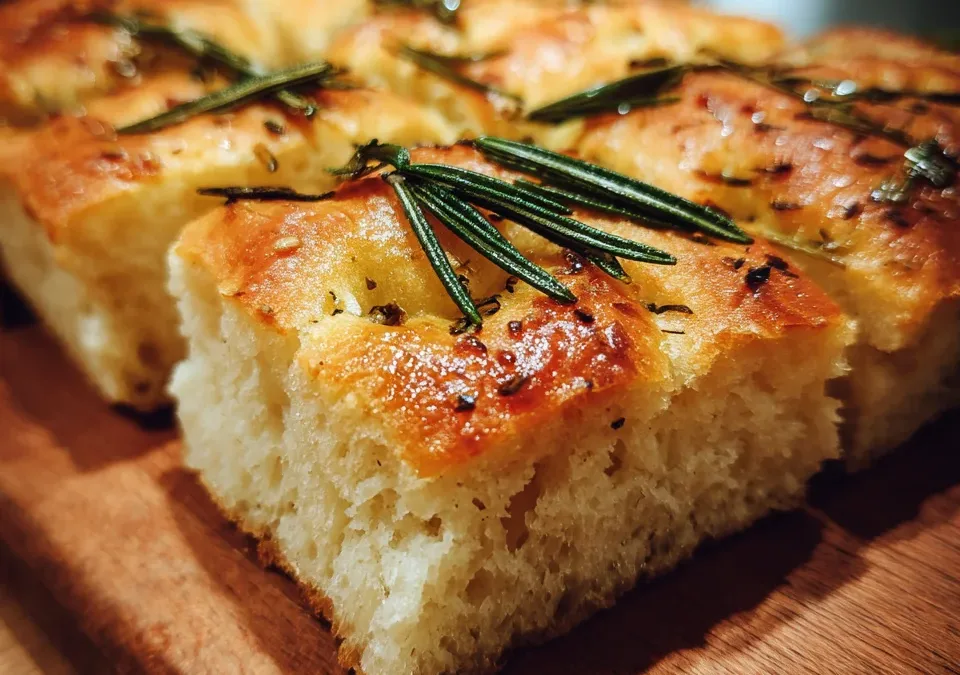
The Art of Baking Perfect Cardinal Focaccia Bread at Home
- Total Time: 40 minutes (+ rising time)
- Yield: 6–8 servings 1x
- Diet: Vegetarian
Description
When we talk about cardinal focaccia bread, we are referring to a classic Italian-style flatbread that stands out due to its height and rich olive oil infusion. Unlike a pizza crust, which is thin and meant to support heavy toppings, this focaccia is meant to be thick and pillowy. The term “cardinal” in culinary contexts often implies a recipe of high importance or a standard-bearing version that serves as the foundation for all others.
Ingredients
- 3 ½ cups all-purpose flour
- 1 ¼ cups warm water
- 2 ¼ tsp yeast (instant or active dry)
- 2 tbsp olive oil (plus extra for topping)
- 1 tsp salt
- 1 tsp sugar
- Fresh rosemary (optional)
- Coarse salt for topping
Instructions
- Activate yeast
Mix warm water, sugar, and yeast. Let it sit for 5–10 minutes until foamy. - Make dough
In a bowl, combine flour and salt. Add yeast mixture and olive oil. Mix until a sticky dough forms. - Knead
Knead for about 8–10 minutes until smooth and elastic. - First rise
Cover and let dough rise for 1–1.5 hours until doubled in size. - Shape dough
Spread dough into an oiled baking pan. Gently press fingers into the dough to create dimples. - Second rise
Let it rest for 20–30 minutes. - Add toppings
Drizzle olive oil, sprinkle salt, and add rosemary if using. - Bake
Bake at 200°C (400°F) for 20–25 minutes until golden brown. - Cool & serve
Let it cool slightly before slicing.
Notes
A traditional-style focaccia with a light, fluffy texture and rich olive oil flavor, ideal for pairing with soups, salads, or pasta.
- Prep Time: 15 minutes
- Cook Time: 25 minutes
- Category: Bread
- Method: Baking
- Cuisine: Italian
Nutrition
- Serving Size: 1 slice
- Calories: ~180–220 kcal
Keywords: classic italian focaccia recipe, homemade rosemary flatbread, authentic focaccia bread dough
