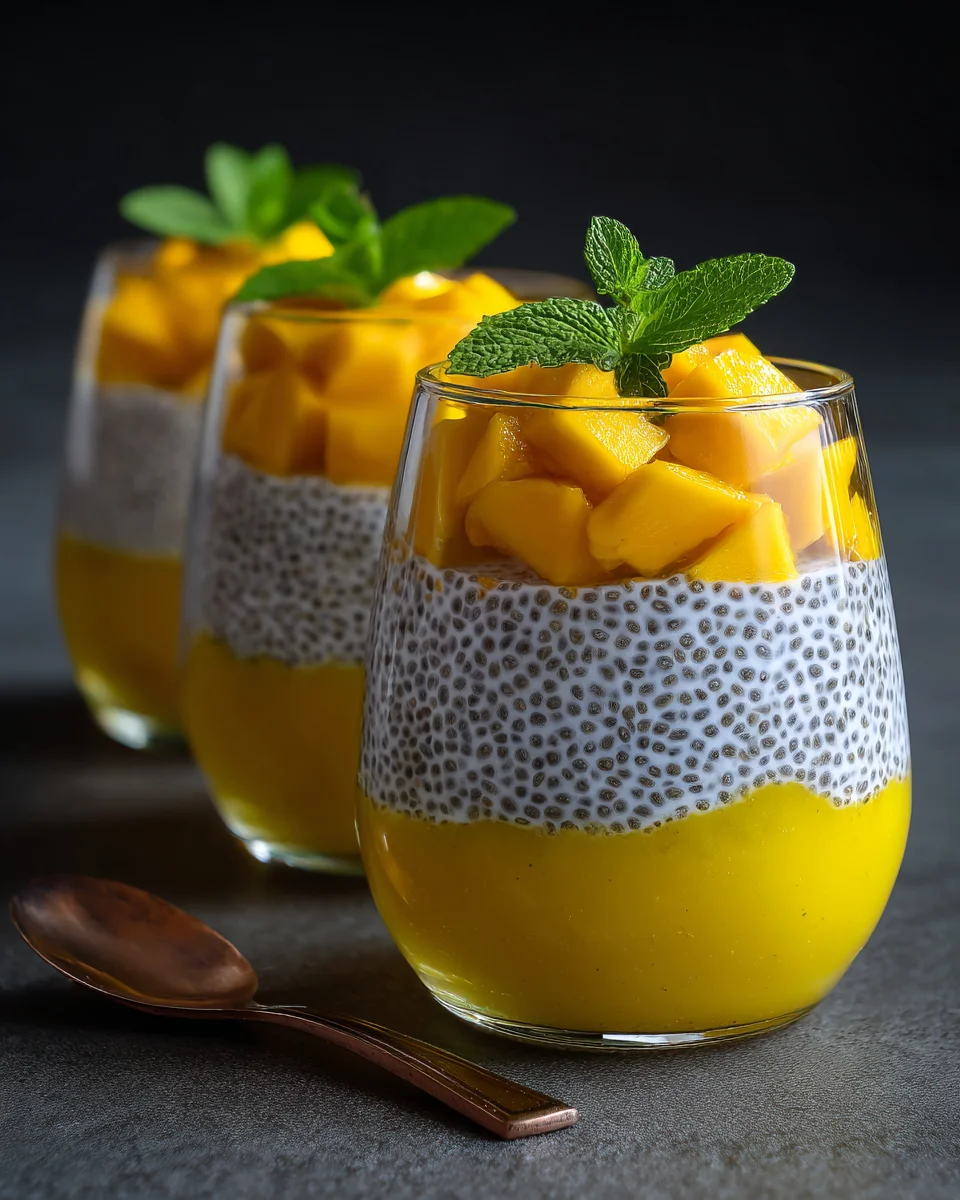
When summer heat hits or you simply crave a vibrant, creamy treat that transports you directly to a tropical beach, finding the perfect balance between a healthy breakfast and a decadent dessert can be a challenge. That is exactly where chilled mango sago chia seed pudding jars come into play. This stunning, layerable dish brings together the natural sweetness of sun-ripened tropical fruit, the playful chew of traditional Asian tapioca pearls, and the deeply satisfying, nutrient-rich crunch of swollen seeds. It is a brilliant make-ahead option that stores beautifully in your refrigerator, ready to be grabbed on a busy morning or pulled out as a show-stopping finale to a backyard dinner party.
Creating a treat that feels luxurious while relying entirely on wholesome, fruit-forward components is a culinary magic trick anyone can master. This specific combination relies heavily on texturing techniques that keep each bite interesting, ensuring that you never feel like you are eating a standard, boring porridge. In this ultimate guide, we will break down the fascinating history behind these components, provide an incredibly detailed walkthrough of the entire preparation process, explore unique ingredient adaptations, and answer the most common questions to ensure your kitchen experiments are a resounding success.
What is this Tropical Layered Treat?
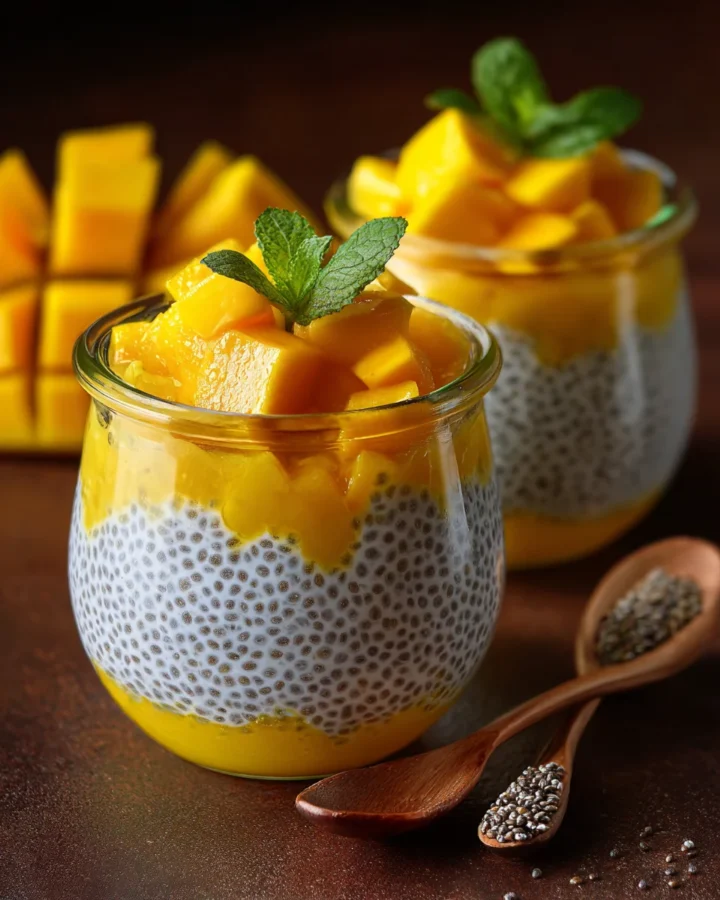
To truly appreciate chilled mango sago chia seed pudding jars, it helps to dissect the unique textural components that make up this modern fusion creation. At its core, this dish is a magnificent hybrid that bridges the gap between classic Western breakfast meal prep and traditional Eastern sweet soups. The foundation relies on a smooth, blended base of fresh fruit flesh combined with rich, high-fat plant milk. This liquid is then used to hydrate small seeds that swell up to create a thick, stable matrix resembling a delicate custard or pudding.
Woven throughout this creamy foundation are soft, translucent pearls made from starch extracted from tropical palm stems. These small spheres provide a delightful, slippery chewiness that contrasts beautifully with the thick, velvety purée. When layered carefully inside individual glass vessels, the contrast between the sunny yellow fruit cream, the gelled seeds, and the clear pearls creates a beautiful presentation that looks like it stepped right out of a high-end city café. It is cool, deeply refreshing, and highlights the natural sugars of the earth without relying on heavy artificial sweeteners.
Origin of the Mango Sago and Chia Fusion
The fascinating story behind this dessert spans across continents and centuries, representing a beautiful meeting of culinary traditions. The concept of mixing tropical fruit with small starch pearls trace its roots directly back to Hong Kong during the mid-nineteen-eighties. It is widely believed that a famous restaurant first created a sweet, cold soup featuring pomelo, diced fresh fruit, and coconut milk to offer a refreshing palate cleanser for diners during the humid summer months. This classic combination quickly spread across Southeast Asia, becoming a beloved staple in dim sum houses and night markets from Taiwan to Singapore.
Meanwhile, thousands of miles away in Central and South America, ancient civilizations had spent thousands of years cultivating tiny, nutrient-dense seeds as a primary source of endurance and energy for warriors. Fast forward to the modern era, and health-conscious food lovers began to realize that these ancient seeds possessed the incredible ability to absorb many times their weight in liquid, creating a thick, gel-like texture perfect for dairy-free puddings.
By combining the traditional Hong Kong soup concept with the modern texture-building properties of these ancient seeds, creative contemporary chefs invented chilled mango sago chia seed pudding jars. This modern fusion retains all the nostalgic comfort of the classic Asian street food while upgrading the nutritional profile and making the dish thick enough to eat with a spoon from a portable glass jar.
Ingredients and Exact Quantities: chilled mango sago chia seed pudding jars
Achieving the perfect balance between liquid absorption and chewiness requires exact measurements. Because different types of seeds and starches absorb moisture at varying rates, sticking to these specified amounts will ensure your pudding sets up beautifully without becoming dry or remaining too watery.
The Creamy Pudding Components
-
Two large, completely ripe mangoes, peeled and neatly diced into small cubes
-
One full cup of high-quality, full-fat canned coconut milk for maximum richness
-
One-half cup of whole milk, or a premium unsweetened almond milk for a lighter profile
-
Three level tablespoons of organic white or black chia seeds
-
One-third cup of small, uncooked sago pearls
-
Two to three tablespoons of raw honey, or pure dark maple syrup depending on sweetness preference
-
One teaspoon of pure, high-quality vanilla extract
-
A small, delicate pinch of fine sea salt to balance the natural sugars
The Textured Toppings and Garnishes
-
A generous handful of extra diced mango cubes kept separate for assembly
-
Two tablespoons of unsweetened coconut flakes, gently toasted until golden brown
-
A few fresh, vibrant green mint leaves for color contrast and aromatics
-
One teaspoon of freshly grated lime zest, completely optional but highly recommended for a bright pop
Step-by-Step Direction and Preparation Method: chilled mango sago chia seed pudding jars
Patience is key when working with starches and water-loving seeds. Follow these precise phases to make sure your starch pearls remain perfectly chewy and your pudding achieves an ultra-luxurious, velvet consistency.
Phase One: Cooking the Sago Pearls to Perfection
Bring a medium-sized saucepan filled with roughly four to five cups of filtered water to a rolling boil over high heat. It is vital that the water is completely boiling before you introduce the starch. If you drop the pearls into cool or lukewarm water, they will begin to dissolve into the liquid and turn into a sticky, gummy paste instead of holding their individual spherical shapes.
Slowly pour in your one-third cup of small sago pearls, stirring immediately with a wooden spoon or silicone spatula to prevent any pieces from sticking to the bottom of the pan. Lower the stove heat slightly to a medium setting, maintaining a gentle but active boil. Cook the starch spheres for approximately ten to twelve minutes, stirring frequently.
You will notice the pearls gradually transform from solid white chalky beads into mostly clear circles with a tiny white dot left in the absolute center. At this exact point, turn off the heat source completely, place a tight-fitting lid over the saucepan, and let it sit undisturbed on the warm burner for an additional five to ten minutes. The residual heat trapped inside will complete the cooking process, making the spheres entirely translucent.
Immediately pour the contents of the pan through a fine-mesh strainer to drain away the hot, starchy cooking water. Run cold tap water over the strainer for at least sixty seconds, gently moving the pearls around. This rapid cooling halts the cooking process instantly and washes away any excess exterior starch, ensuring that the individual spheres remain distinct, slippery, and beautifully separate rather than clumping into a giant, solid mass. Set the drained pearls aside to cool completely.
Phase Two: Blending the Velvet Mango Foundation
Take your two large, ripe mangoes. Using a sharp knife, slice the flesh away from the flat central pit. Scoop the golden fruit flesh out of the skin, cutting it into even cubes. Set aside a small handful of these beautiful cubes in a separate small dish to use later for your final topping layers.
Place the remaining majority of the fruit cubes directly into the jug of a high-speed blender or food processor. Pour in your one full cup of rich coconut milk, followed by the one-half cup of whole milk or unsweetened almond milk. Add your chosen sweetener, starting with two tablespoons of raw honey or pure maple syrup. Drop in the one teaspoon of pure vanilla extract and that crucial, tiny pinch of fine sea salt.
Secure the blender lid firmly and process the mixture on high speed for at least one to two minutes. You are aiming for an absolutely seamless, silky-smooth liquid consistency with zero stringy fruit fibers or unblended chunks remaining. Stop the blender, take a small clean spoon, and taste the liquid mixture. If your fresh fruit was naturally very tart, you can add the remaining third tablespoon of sweetener now and blend briefly for another ten seconds to incorporate.
Phase Three: Incorporating the Seeds and Hydrating
Pour your gorgeous, velvety smooth yellow fruit liquid out of the blender jar and into a medium-sized ceramic or glass mixing bowl. Grab your three level tablespoons of chia seeds and sprinkle them evenly across the entire surface of the liquid.
Using a wire whisk, immediately begin stirring the seeds into the fruit mixture, ensuring that they are fully submerged and spread out evenly throughout the bowl. Let the mixture sit undisturbed on your countertop for roughly ten minutes. During this brief waiting window, the outer shells of the seeds will begin to absorb the moisture from the fruit milk, creating a thin, clear gel coating.
After the ten minutes have elapsed, take your wire whisk and give the mixture a second, incredibly thorough stir for about sixty seconds. This second mixing phase is absolutely essential; it breaks up any small pockets or clusters of seeds that have bonded together, ensuring an even distribution and preventing hard, dry clumps from forming in your final dessert jars.
Phase Four: Elegant Assembly of the Jars
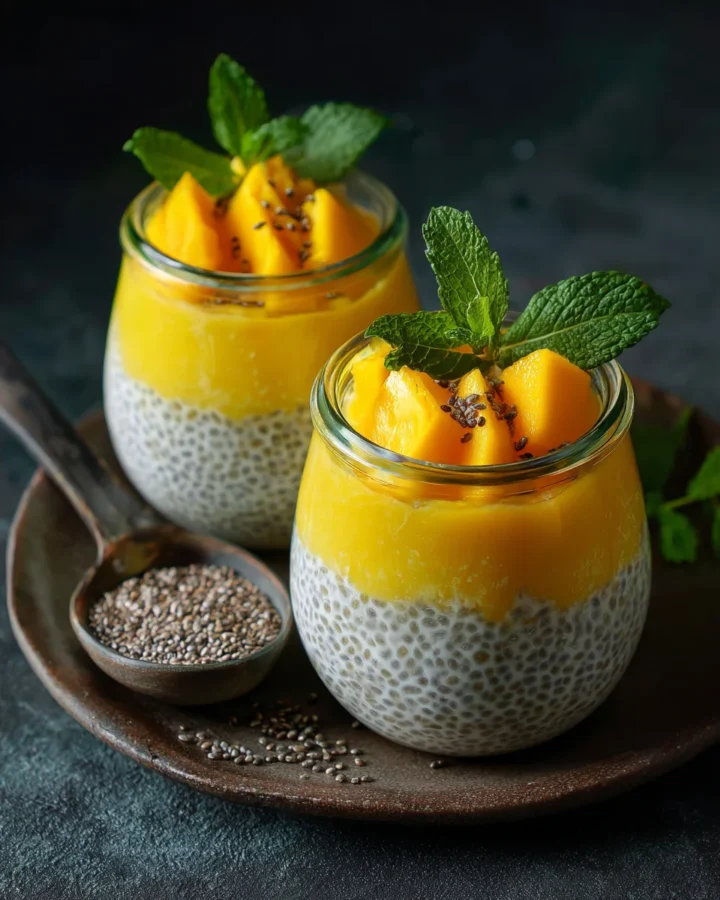
Gather your clear serving vessels. Small glass mason jars, elegant dessert cups, or clean half-pint jelly jars work beautifully for this presentation, as they allow you to see the distinct textures through the glass sides.
Take your cooled, translucent sago pearls and divide them evenly among the bottoms of your serving jars, creating a clean, clear foundation layer. Next, carefully ladle or pour the yellow fruit and seed mixture over the top of the starch pearls, filling each jar until it is roughly three-quarters of the way full. If you like a marbled look, you can take a small butter knife or a long spoon and gently swirl the jars once or twice from bottom to top, partially mixing the clear starch spheres into the golden fruit cream.
Phase Five: The Critical Chilling Window
Wipe any accidental drips or spills off the inner rims of your glass jars using a clean, damp paper towel. Cover the top of each individual jar tightly with its matching lid, or stretch a piece of plastic wrap securely across the openings.
Place the assembled jars into the cold depths of your refrigerator. Leave them to chill completely undisturbed for a minimum of four hours, though letting them sit overnight is highly recommended. During this prolonged chilling window, the seeds will complete their hydration cycle, soaking up the remaining liquid and transforming the watery fruit mixture into a thick, luxurious, scoopable pudding consistency that holds its shape beautifully on a spoon.
Phase Six: Final Garnishing and Elegant Service
When you are ready to enjoy your hard work, pull the chilled jars out of the refrigerator and remove the lids. The pudding should now look thick, set, and beautifully opaque.
Take the reserved fresh mango cubes you set aside earlier and pile a generous spoonful directly on top of the pudding layer in each jar. Sprinkle a dusting of the golden, toasted coconut flakes over the fruit cubes to introduce a fantastic, crispy element. Drop a few small, fresh green mint leaves right in the center for an elegant contrast of colors. If you want to elevate the flavor profile even further, use a microplane to grate a tiny whisper of fresh lime zest across the top. Serve immediately while ice-cold.
Flavor and Ingredient Variations: chilled mango sago chia seed pudding jars
One of the greatest joys of masterfully preparing chilled mango sago chia seed pudding jars is how easily the base recipe can be adapted to suit unique flavor preferences or specific dietary requirements without losing its luxurious texture.
The Tangy Passion Fruit Explosion
If you find that pure mango is a bit too sweet or heavy for your personal taste, you can easily introduce a bright, tropical acidity to the dish. Purchase two fresh passion fruits, slice them in half, and scoop out the crunchy, tart seeds. When assembling your jars, place a thin layer of raw passion fruit pulp directly between the clear starch pearls and the golden fruit pudding. The intense, sharp tang of the passion fruit cuts through the ultra-rich fat of the coconut milk beautifully, creating an incredibly balanced flavor profile that mimics premium tropical resort desserts.
The Oat Milk Dairy-Free Alternative
For those who follow a strict vegan lifestyle or suffer from severe dairy intolerances, keeping this dessert entirely plant-based is simple. While the recipe already utilizes coconut milk, the secondary dairy component can easily be swapped. Simply replace the one-half cup of whole milk with an equal quantity of extra-creamy barista-style oat milk. Oat milk is an excellent alternative because it possesses a natural, subtle sweetness and a thick, heavy mouthfeel that prevents the fruit purée from becoming watery, maintaining that classic pudding texture effortlessly.
The Dramatic Café Style Multi Layer Presentation
If you are hosting a formal dinner party and want your presentation to look as close to a professional pastry shop as possible, you can create a striking multi-layered visual effect. Instead of blending all your ingredients together into one mixture, take half of your diced fresh fruit and blend it completely solo, without any dairy or sugar, to create a thick, pure neon-orange fruit sauce. When building your jars, alternate thin layers of the clear starch pearls, the pure fruit sauce, and the creamy white seed pudding. The resulting sharp, colorful stripes look absolutely spectacular through clear glassware.
Frequently Asked Questions: chilled mango sago chia seed pudding jars
Can I substitute regular large tapioca pearls if I cannot find sago?
Yes, you can absolutely use standard small tapioca pearls as a direct substitute. In the modern culinary world, true sago, which comes from the sago palm tree, and tapioca pearls, which are made from cassava root starch, are often used interchangeably because they behave almost identically when cooked. Just ensure that you purchase the small variety rather than the large boba pearls used for bubble tea, as the large versions can become unpleasantly tough and rubbery when stored in a cold pudding base over a long period.
How long will chilled mango sago chia seed pudding jars keep in the refrigerator?
When stored in airtight glass jars with secure, tightly fitting lids, these completed puddings will stay fresh, delicious, and safe to consume for up to three to four days. This makes them an absolutely ideal option for weekend meal prepping. However, for the absolute best sensory experience, it is highly recommended that you store the jars plain and hold off on adding your toasted coconut flakes, fresh mint leaves, and extra fruit toppings until the exact morning or evening you plan to eat them, ensuring your garnishes stay completely crisp and vibrant.
Why are my chia seeds settling at the bottom instead of staying suspended?
If you notice a thick layer of seeds sinking to the bottom of your mixing bowl or jars, it almost always means that the secondary stirring phase was skipped or done too quickly. Because these seeds are dense, they naturally sink when first introduced to liquid. It takes about ten minutes for them to develop their sticky outer gel layer. If you do not give them a second, thorough whisking after that initial ten-minute window, they will clump together and sink permanently rather than staying beautifully suspended throughout the thick fruit cream.
Is it possible to make chilled mango sago chia seed pudding jars completely sugar-free?
Yes, this dish can easily be adapted for sugar-free or low-carbohydrate lifestyles. Fresh mangoes naturally contain a high amount of fructose, so the base will always have inherent fruit sugars, but you can completely eliminate the added sweeteners. Simply omit the honey or maple syrup from the blender stage. If the natural fruit flesh needs a bit of a flavor boost, you can substitute a few drops of liquid stevia or an unflavored monk fruit sweetener to achieve your desired sweetness level without adding simple sugars.
Conclusion: chilled mango sago chia seed pudding jars
Mastering the art of satisfying, texturally interesting desserts is all about understanding how simple, raw ingredients interact with heat and time. These beautiful chilled mango sago chia seed pudding jars showcase how traditional Eastern flavor elements can be seamlessly combined with modern Western preparation habits to create something truly spectacular. By taking the time to properly boil your starch spheres until they are perfectly translucent, tempering their starch under cold water, and allowing the nutrient-dense seeds plenty of quiet time to hydrate inside a velvet blanket of fresh tropical fruit cream, you create a treat that is as nourishing as it is indulgent. The delightful contrast between the slippery, chewy spheres, the thick, creamy fruit foundation, and the crunch of golden toasted coconut flakes ensures that every single spoonful feels like an escape to a tropical paradise.
Print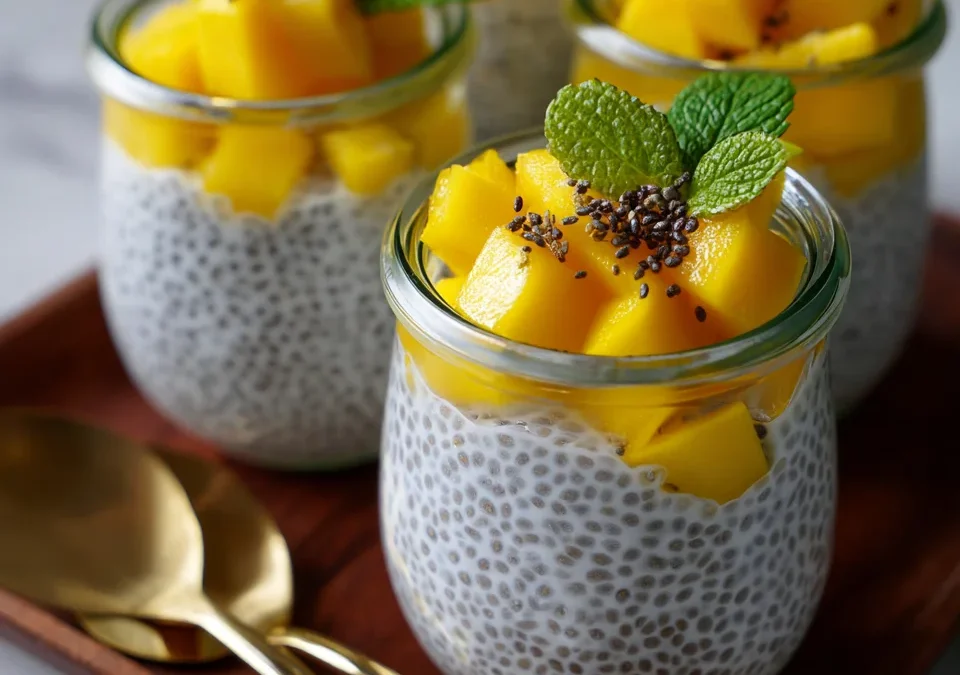
The Ultimate Chilled Mango Sago Chia Seed Pudding Jars
- Total Time: 30 minutes + chilling time
- Yield: 4–6 jars 1x
- Diet: Vegetarian
Description
To truly appreciate chilled mango sago chia seed pudding jars, it helps to dissect the unique textural components that make up this modern fusion creation. At its core, this dish is a magnificent hybrid that bridges the gap between classic Western breakfast meal prep and traditional Eastern sweet soups. The foundation relies on a smooth, blended base of fresh fruit flesh combined with rich, high-fat plant milk. This liquid is then used to hydrate small seeds that swell up to create a thick, stable matrix resembling a delicate custard or pudding.
Ingredients
- 2 ripe mangoes, diced
- 1 cup coconut milk
- 1/2 cup whole milk or almond milk
- 3 tbsp chia seeds
- 1/3 cup small sago pearls
- 2–3 tbsp honey or maple syrup
- 1 tsp vanilla extract
- Pinch of salt
Instructions
- Cook the sago
Bring water to a boil and cook sago pearls according to package instructions until translucent. Drain and rinse under cold water. - Prepare the mango base
Blend one mango with coconut milk, milk, honey, vanilla, and salt until smooth. - Add chia seeds
Stir chia seeds into the mango mixture and let sit for 10 minutes. Stir again to prevent clumping. - Assemble the jars
Divide cooked sago among serving jars. Pour over the mango chia mixture. - Chill
Refrigerate for at least 4 hours or overnight until thick and creamy. - Garnish and serve
Top with diced mango, coconut flakes, mint, and a little lime zest before serving.
Notes
A tropical blend of mango, sago, and chia seeds that’s both satisfying and refreshing.
- Prep Time: 15 minutes
- Cook Time: 15 minutes
- Category: Dessert
- Method: Chilling
- Cuisine: Asian-Inspired
Nutrition
- Serving Size: 1 jar
- Calories: 220 kcal
Keywords: mango sago chia pudding recipe, tropical mango tapioca dessert jars, layered mango sago pudding
