There is a reason why
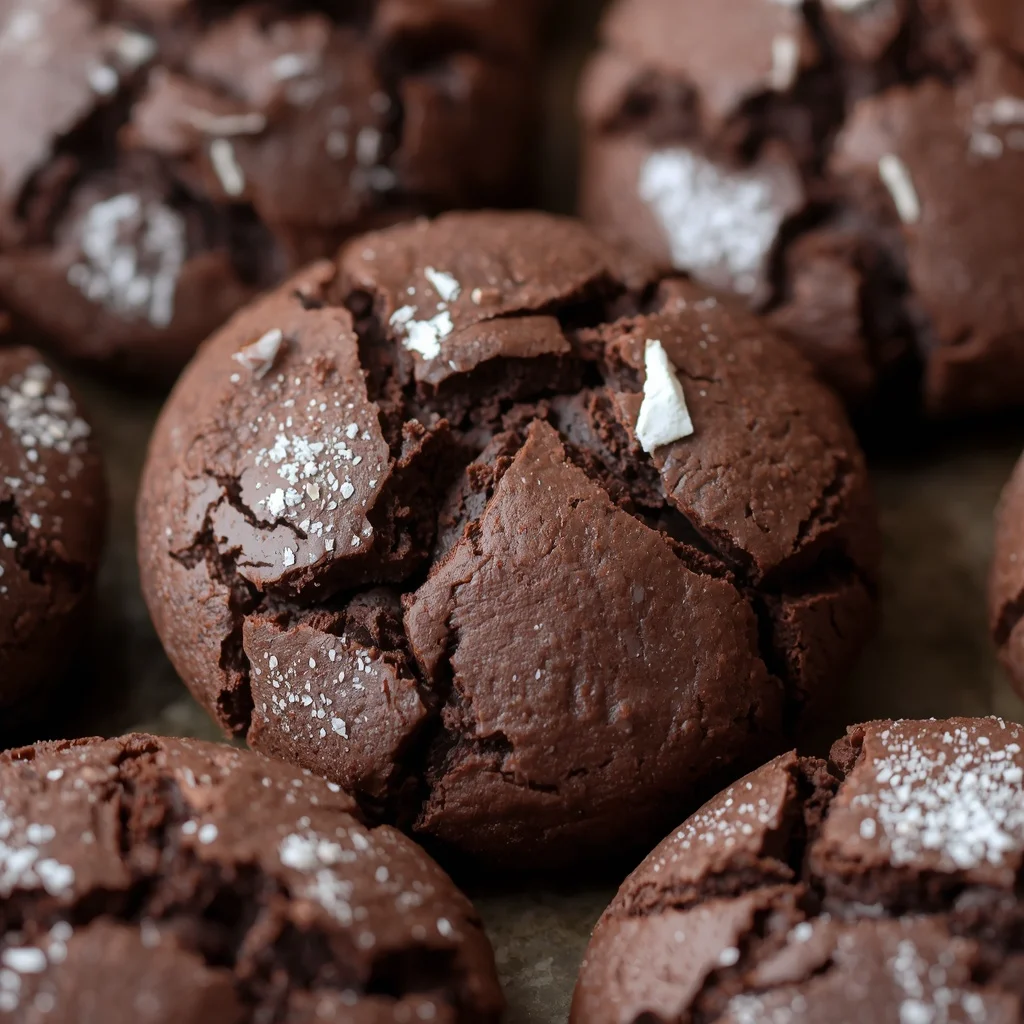
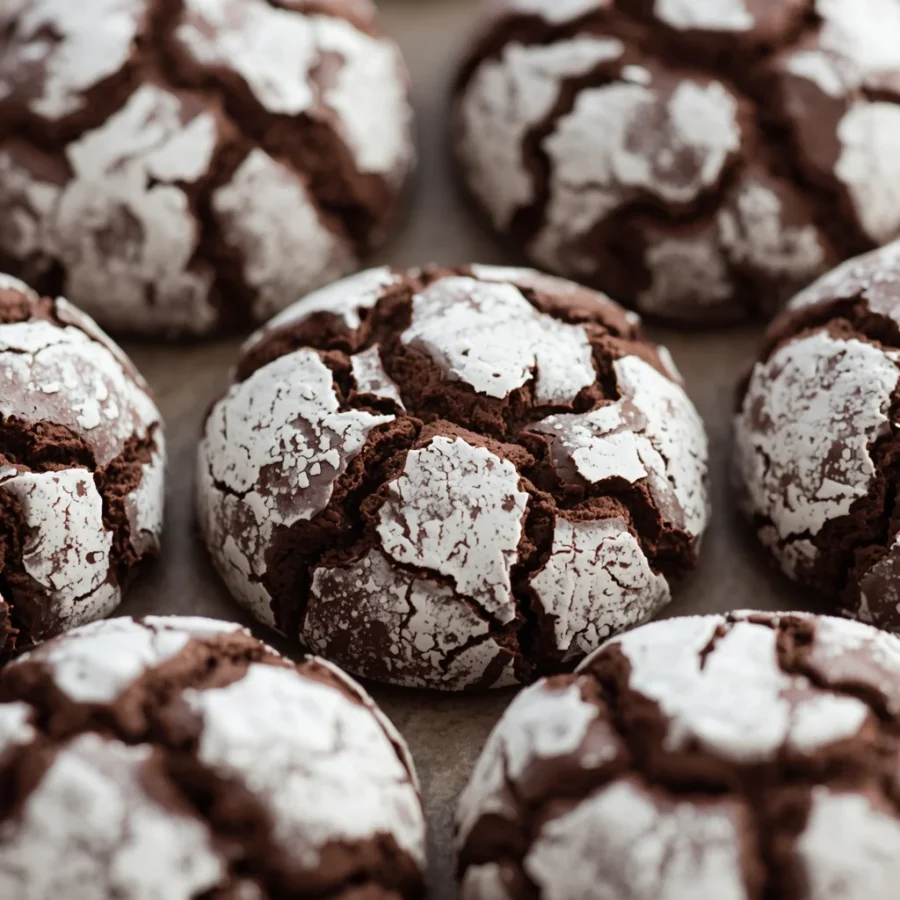
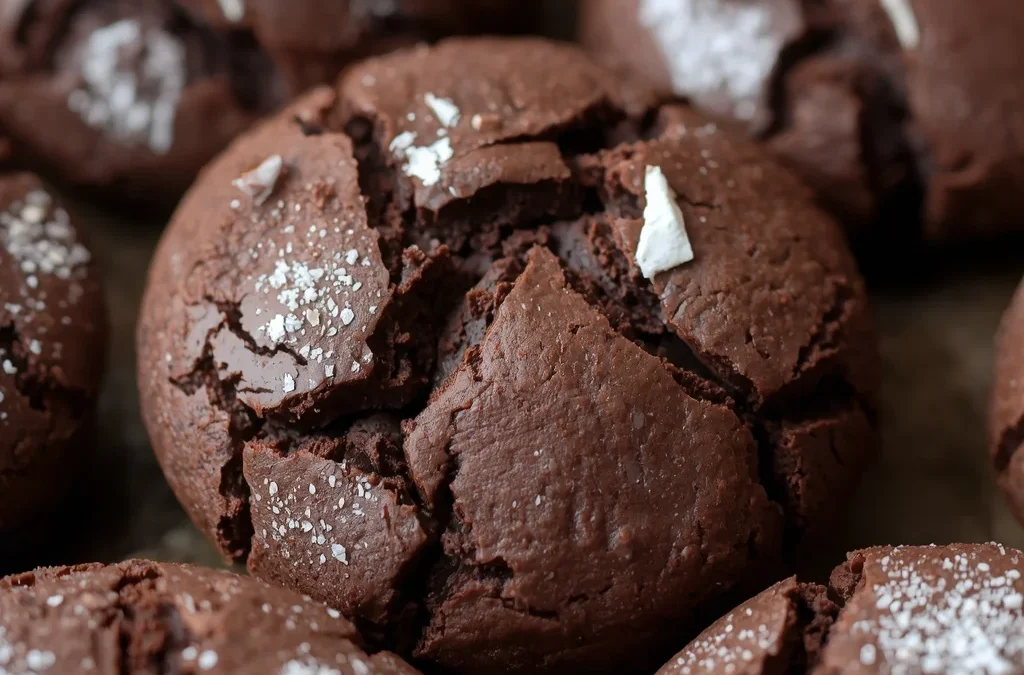
Chocolate Crinkle Cookies appear on nearly every holiday cookie platter, bake sale table, and cozy winter baking list year after year. At first glance, their striking visual contrast immediately catches your eye: a snowy white coat of powdered sugar split wide open into dramatic fissures, revealing a deep, dark chocolate interior underneath. Then you take a bite, and you realize why people never stop at just one. Instead of a dry, crumbly biscuit, you get the dense, chewy, melt-in-your-mouth richness of a freshly baked fudge brownie wrapped in a delicate, crisp sugar crust. Best of all, making a batch of homemade
Chocolate Crinkle Cookies requires zero fancy mixers, melted chocolate bars, or complicated decorating skills—just everyday pantry staples stirred together in a single bowl.
Even though this
recipe is wonderfully straightforward, achieving those bold, bright white cracks instead of soggy, disappearing sugar takes a few smart baking habits. If you have ever pulled a tray out of the oven only to find that the powdered sugar melted straight into the dough, you are certainly not alone. Below, you will find everything needed to bake bakery-worthy
Chocolate Crinkle Cookies every single time, including the fascinating story behind their creation, exact ingredient measurements, a detailed step-by-step guide, creative flavor variations, storage advice, and answers to the most frequently asked
baking questions.
What Are Chocolate Crinkle Cookies
Chocolate Crinkle Cookies are classic American drop cookies made from a rich, oil-based cocoa batter that is chilled, rolled into balls, coated heavily in confectioners’ sugar, and baked until puffed and fissured. Unlike traditional chocolate chip cookies that rely on creamed butter and brown sugar for a crisp edge and chewy center, crinkle cookies use neutral vegetable oil and unsweetened cocoa powder. This unique combination creates an intensely chocolatey, brownie-like crumb that stays remarkably soft and moist for days after baking.
The magic of their signature appearance happens inside the hot oven. Before baking, each round ball of chilled dough is buried in a thick layer of dry white powdered sugar. As the outside of the cookie heats up and begins to set in the dry oven air, the interior continues to warm, expand, and rise thanks to the baking powder and eggs. Because the outer sugar crust cannot stretch along with the expanding dough, it fractures into intricate, dramatic cracks—creating that unmistakable snow-covered cobblestone look that makes Chocolate Crinkle Cookies look as festive as they taste.
Origin of Chocolate Crinkle Cookies
While the exact flavor combination of chocolate and powdered sugar feels timeless, the documented history of Chocolate Crinkle Cookies traces directly back to mid-twentieth-century American home baking in the Midwest. Culinary historians credit a Minnesota home baker named Helen Fredell of St. Paul with inventing the original recipe in the early nineteen-fifties. According to baking lore, Fredell created the treat using simple pantry staples—including vegetable oil instead of scarce or expensive butter—and shared her creation with friends and neighbors.
Her recipe caught national attention in nineteen fifty-four when it was featured in the iconic Betty Crocker Cooky Book, where it appeared under the name “Chocolate Crinkles.” Home bakers across the United States immediately fell in love with the recipe because it required no stand mixer, used affordable kitchen ingredients, and produced dramatic, party-ready cookies without needing frosting or sprinkles. Over the decades that followed, the Chocolate Crinkle Cookies recipe became a permanent fixture in community cookbooks, family recipe boxes, and holiday baking traditions nationwide, inspiring dozens of spiced, peppermint, and peanut butter adaptations along the way.
Essential Ingredients for Your Chocolate Crinkle Cookies
Because this recipe uses only eight basic pantry ingredients, each component plays an important structural role in flavor, moisture, and crackle definition. Measure everything carefully before you start mixing.
For the Fudgy Cookie Dough
-
Granulated sugar: One full cup, which equals two hundred grams, of white granulated sugar to sweeten the cocoa and provide structure as the cookies bake and set.
-
Vegetable oil: One half cup, equal to one hundred twenty milliliters, of neutral-flavored vegetable oil or canola oil. Using liquid oil rather than solid butter keeps the crumb ultra-moist, shiny, and brownie-like even after cooling.
-
Unsweetened cocoa powder: One half cup, which equals forty-five grams, of good-quality unsweetened natural cocoa powder or Dutch-process cocoa powder for deep, rich chocolate flavor.
-
Large eggs: Two large eggs, ideally at room temperature so they emulsify smoothly into the oil and sugar mixture, giving the dough lift and chewy richness.
-
Pure vanilla extract: One full teaspoon of pure vanilla extract to round out the bitterness of the cocoa and add warm bakery aroma.
-
All-purpose flour: One cup, equal to one hundred twenty-five grams, of standard all-purpose flour. Spoon the flour lightly into your measuring cup and level it off with a knife so you do not accidentally pack in too much dry flour.
-
Baking powder: One teaspoon of fresh baking powder, which provides the essential upward lift that forces the outer crust to split into crisp crinkles.
-
Salt: One quarter teaspoon of fine table salt to sharpen the chocolate notes and balance the sweetness of the sugar coating.
For the Snowy Sugar Coating
-
Powdered sugar: One half cup, which equals sixty grams, of finely sifted confectioners’ sugar, plus a little extra if needed, for rolling the chilled dough balls right before they go into the oven.
Step by Step Direction and Preparation Method
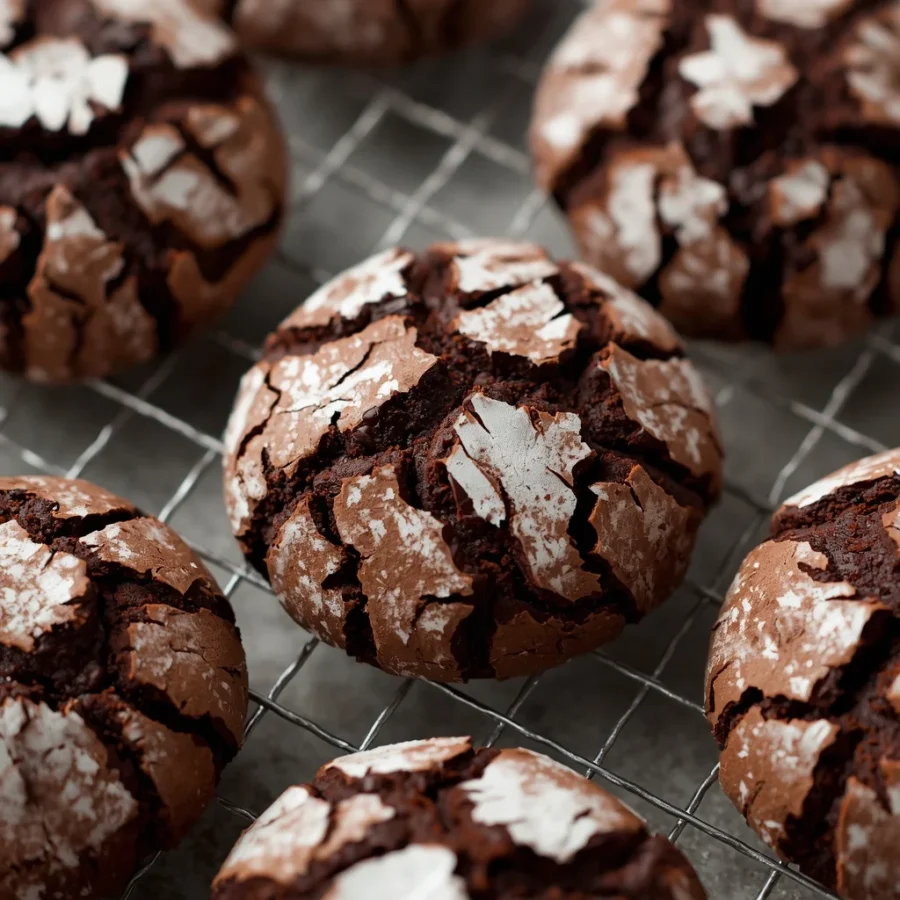
Follow this detailed, easy-to-follow preparation method to yield twenty-four soft, fudgy Chocolate Crinkle Cookies with bold white cracks.
Step One: Whisk Together Sugar, Oil, and Cocoa Powder
In a large mixing bowl, combine the granulated sugar, vegetable oil, and unsweetened cocoa powder. Whisk briskly by hand for about one minute until the cocoa powder dissolves completely into the oil and sugar, forming a glossy, thick, dark chocolate paste with no dry cocoa lumps remaining.
Step Two: Beat in the Eggs and Vanilla Extract
Crack the two large eggs into the chocolate mixture one at a time, whisking thoroughly after each addition until the batter turns smooth, shiny, and slightly thicker. Pour in the pure vanilla extract and stir well until evenly incorporated.
Step Three: Combine the Dry Ingredients
In a separate medium mixing bowl, whisk together the all-purpose flour, baking powder, and fine salt. Taking twenty seconds to blend the dry ingredients ensures the baking powder distributes evenly throughout the batter so every single cookie rises and crackles uniformly.
Step Four: Mix the Cookie Dough
Gradually add the flour mixture into the wet chocolate base in two or three additions, stirring gently with a sturdy wooden spoon or silicone spatula just until all streaks of white flour disappear. Avoid overmixing once the flour is combined. The finished dough will look very soft, glossy, and sticky—almost like thick brownie batter rather than firm roll-out cookie dough.
Step Five: Chill the Dough Thoroughly
Cover the mixing bowl tightly with plastic wrap and place it into the refrigerator for at least two hours, or even overnight if you want to prep ahead. Chilling is completely non-negotiable here: cold temperatures solidify the mixture enough for you to roll neat balls without sticking to your palms, and cold dough prevents the cookies from spreading into flat puddles in the oven.
Step Six: Preheat the Oven and Prep Your Pans
When your dough is firm and ready to shape, position an oven rack in the center of your oven and preheat to three hundred fifty degrees Fahrenheit, which equals one hundred seventy-five degrees Celsius. Line two large rimmed baking sheets with parchment paper or silicone baking mats so the sugar-coated bottoms never stick.
Step Seven: Scoop and Roll the Dough Balls
Pour your powdered sugar into a shallow bowl or wide rimmed plate. Remove the chilled dough from the refrigerator and scoop out portions measuring approximately one level tablespoon each. Roll each portion briskly between the palms of your hands into a smooth, round ball about one inch in diameter.
Step Eight: Coat Generously in Powdered Sugar
Drop several dough balls into the bowl of powdered sugar and roll them around thoroughly until every square millimeter is buried in a thick, snowy white coat. Do not shake off the excess sugar—the thicker the blanket of powdered sugar, the brighter and cleaner your crinkles will look after baking.
Step Nine: Arrange on the Baking Sheet
Transfer the heavily coated dough balls onto your parchment-lined baking sheets, spacing them roughly two inches apart in all directions so they have plenty of room to puff and spread naturally without touching.
Step Ten: Bake Until Crackled and Soft in the Center
Bake one sheet at a time on the center rack for ten to twelve minutes. Watch closely near the ten-minute mark: the cookies are ready when they have puffed up, spread nicely, and developed wide, dramatic cracks across their tops, while the centers still look slightly soft and underbaked. Avoid waiting until the centers feel firm, or you will lose that signature fudgy texture.
Step Eleven: Cool Properly Before Serving
Remove the baking sheet from the oven and let the cookies rest undisturbed directly on the warm pan for five full minutes. During these five minutes, the residual heat finishes setting the bottoms while locking in moisture. Afterward, slide a thin spatula underneath each cookie and transfer them to a wire cooling rack to cool completely, or enjoy one while still slightly warm alongside a cold glass of milk, hot coffee, or tea.
Expert Secrets for Foolproof Chocolate Crinkle Cookies
Even experienced bakers occasionally run into disappearing powdered sugar or overly flat cookies. Keep these practical kitchen habits in mind to guarantee stunning results every batch:
-
Do not skip or rush the chilling stage: Because this dough uses liquid vegetable oil instead of butter, room-temperature batter is far too sticky to shape and will spread rapidly on a hot pan. Two full hours in the refrigerator firms up the starches and fats so the cookies puff upward first before spreading outward.
-
Use the double-sugar rolling trick for bold white contrast: If your powdered sugar tends to absorb into the dough and turn gray or translucent during baking, try rolling each dough ball in plain granulated sugar first, then rolling it heavily in powdered sugar right afterward. The granulated sugar creates a dry moisture barrier that keeps the outer powdered sugar bright white and crisp.
-
Check the freshness of your baking powder: Baking powder loses potency after sitting open in a pantry for more than six months. Fresh baking powder gives the cookies the burst of upward lift required to split that top sugar crust wide open.
-
Pull them out while they still look slightly soft: Chocolate dough hides browning easily, making it tempting to leave cookies in the oven too long. Remember that cookies continue baking on the hot tray after you pull them out. Taking them out at ten to eleven minutes preserves a rich, moist brownie heart.
Delicious Variations to Try
Once you have mastered the classic recipe, you can easily customize your Chocolate Crinkle Cookies for holidays, celebrations, or different flavor cravings:
Peppermint Mocha Holiday Crinkles
Add one half teaspoon of pure peppermint extract alongside the vanilla extract, and stir one teaspoon of instant espresso powder into the cocoa mixture. For an extra festive finish, press a tiny piece of crushed candy cane gently into the center of each cookie the moment it comes out of the oven.
Mexican Hot Chocolate Spiced Crinkles
Whisk one teaspoon of ground cinnamon and a tiny pinch of cayenne pepper into the dry flour mixture. The warm cinnamon spice and subtle background heat elevate the dark cocoa flavor into something truly memorable.
Peanut Butter Stuffed Crinkles
Freeze twenty-four small half-teaspoon dollops of creamy peanut butter on a lined plate until solid. Wrap your chilled chocolate cookie dough around each frozen peanut butter center, roll in powdered sugar, and bake for a surprise molten peanut butter core.
Orange Dark Chocolate Crinkles
Rub the finely grated zest of one fresh navel orange directly into the granulated sugar with your fingertips before whisking in the oil and cocoa powder. Bright citrus oils and dark chocolate create an elegant pairing worthy of any dessert tray.
Espresso Dark Chocolate Chip Crinkles
Fold one half cup of mini semi-sweet chocolate chips into the dough right after adding the flour. The tiny pockets of melted chocolate make the interior even richer and more indulgent.
How to Store and Freeze Your Cookies
Proper storage keeps Chocolate Crinkle Cookies soft, chewy, and fresh long after baking day:
-
Room temperature storage: Place completely cooled cookies into an airtight container with a sheet of parchment paper between layers so the powdered sugar stays neat. They will remain soft and fudgy at room temperature for up to five days.
-
Refrigerator storage: If your kitchen is particularly warm or humid, store the cookies in a sealed airtight container in the refrigerator for up to one week. Let them sit at room temperature for ten minutes before eating so the fudge center softens back up.
-
Freezing baked cookies: Arrange cooled cookies in a single layer on a baking sheet to freeze solid for one hour, then transfer them to a freezer-safe zip-top bag or airtight container separated by wax paper. Freeze for up to two months, and thaw at room temperature for thirty minutes whenever a chocolate craving strikes.
-
Freezing unbaked dough balls: You can also roll the chilled dough into balls, freeze them uncoated on a tray, and store them in a freezer bag for up to two months. When ready to bake, roll the frozen balls generously in powdered sugar and bake straight from frozen, adding just one or two extra minutes to the baking time.
Frequently Asked Questions
Why did the powdered sugar melt into my cookies while baking?
Powdered sugar usually disappears when the dough is too warm, the surface is overly wet, or the cookies are baked too slowly at a low oven temperature. Make sure your dough is thoroughly chilled for at least two hours, coat each ball generously right before placing the tray into a fully preheated oven, and consider rolling the balls in granulated sugar first as a protective moisture barrier.
Can I substitute melted butter for the vegetable oil?
While melted butter adds lovely dairy flavor, replacing vegetable oil with butter changes the texture significantly—making the cookies flatter, crisper, and slightly drier once cooled. Vegetable oil stays liquid at room temperature, which is the exact secret behind that ultra-moist, chewy brownie texture Chocolate Crinkle Cookies are famous for.
Why did my crinkle cookies turn out flat instead of thick and puffy?
Flat cookies typically result from one of three causes: skipping the two-hour dough chill time, using expired baking powder that no longer provides lift, or placing dough balls onto a warm baking sheet left over from a previous batch. Always let your baking sheets cool completely between batches.
Should I use natural cocoa powder or Dutch-process cocoa powder?
Both varieties work well in this recipe because baking powder is a double-acting leavening agent that does not rely on acidic cocoa to activate. Natural unsweetened cocoa powder delivers a classic, bright chocolate flavor, while Dutch-process cocoa powder yields a darker, almost black cookie color with smoother, deeper cocoa notes.
How can I tell when Chocolate Crinkle Cookies are done baking?
Look for visual cues rather than poking the dough too roughly. The cookies should be puffed around the edges with deep, dry cracks across the snowy sugar top, while the centers inside those cracks still appear moist, soft, and slightly glossy. They will firm up nicely as they cool on the baking pan.
Conclusion
Few
homemade treats combine visual drama, effortless preparation, and pure chocolate comfort quite like
Chocolate Crinkle Cookies. With just one bowl, basic pantry ingredients, and a little patience while the dough chills, you can pull tray after tray of bakery-worthy cookies from your oven—each one boasting a crisp, snowy powdered sugar shell wrapped around a rich, chewy brownie heart. Whether you bake them for festive holiday gift boxes, school parties, or a cozy afternoon treat with coffee, these
Chocolate Crinkle Cookies are guaranteed to become a permanent favorite in your kitchen.