Few baked goods fill a kitchen with warmth and instant comfort quite like a fresh tray of
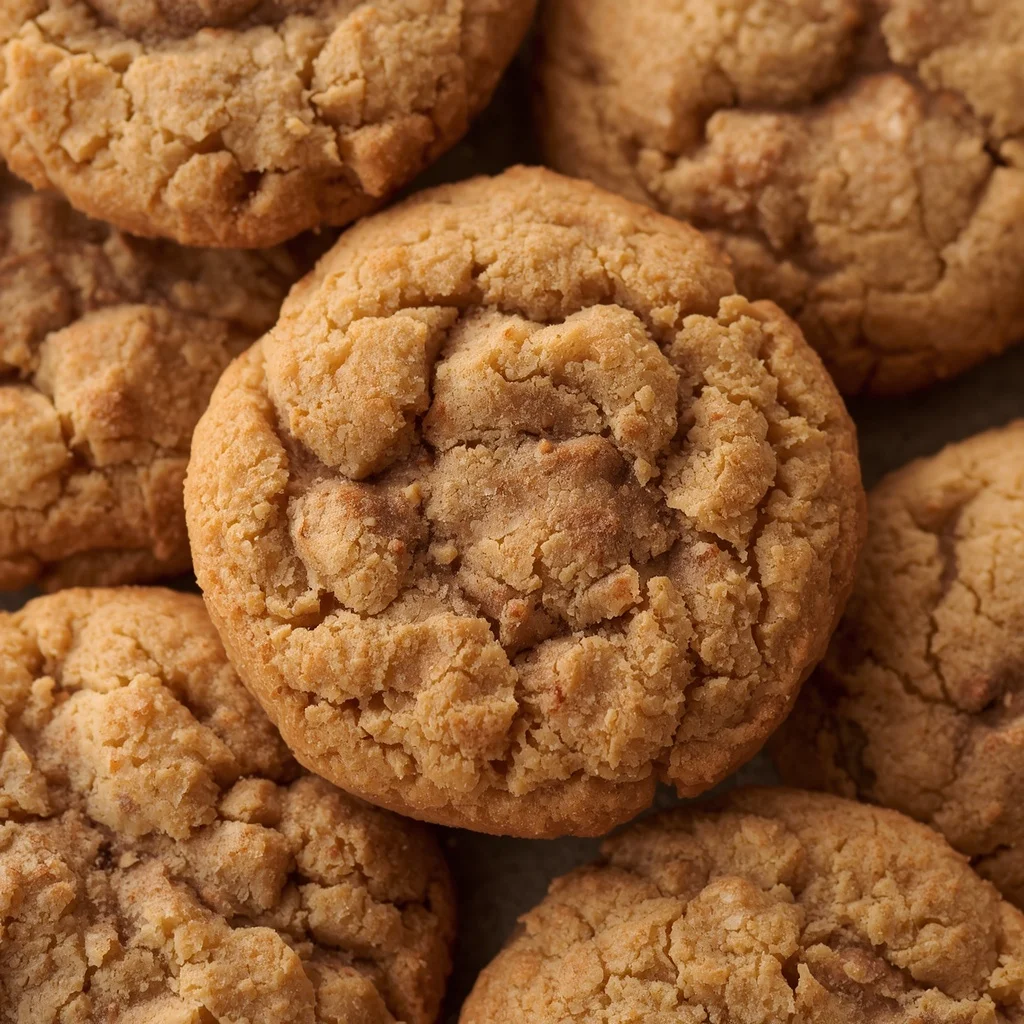
Classic Snickerdoodles cooling on the counter. With their crackled, golden cinnamon-sugar tops, lightly crisp edges, and irresistibly pillowy centers, these timeless cookies strike a balance between simple nostalgia and unforgettable flavor. Unlike an ordinary sugar cookie rolled in spice, authentic
Classic Snickerdoodles carry a subtle, bright tanginess that cuts right through the buttery sweetness, keeping every bite lively and addictively soft. Best of all, you can whip up a batch from scratch in just thirty minutes using everyday
baking staples already sitting in your pantry.
Whether you are filling holiday
cookie tins, packing an afternoon lunchbox surprise, or brewing a fresh pot of coffee on a rainy Sunday, mastering
Classic Snickerdoodles is a skill every home baker deserves in their collection. Even though the ingredient list is remarkably short, small details—like butter temperature, leavening balance, and bake time—make all the difference between a flat, crispy wafer and a thick, bakery-style cookie with a tender heart. Below, you will find everything needed to bake
Classic Snickerdoodles to perfection, including the intriguing history behind their playful name, exact ingredient quantities, step-by-step instructions, creative flavor twists, storage tips, and answers to the most common baking questions.
What Are Classic Snickerdoodles
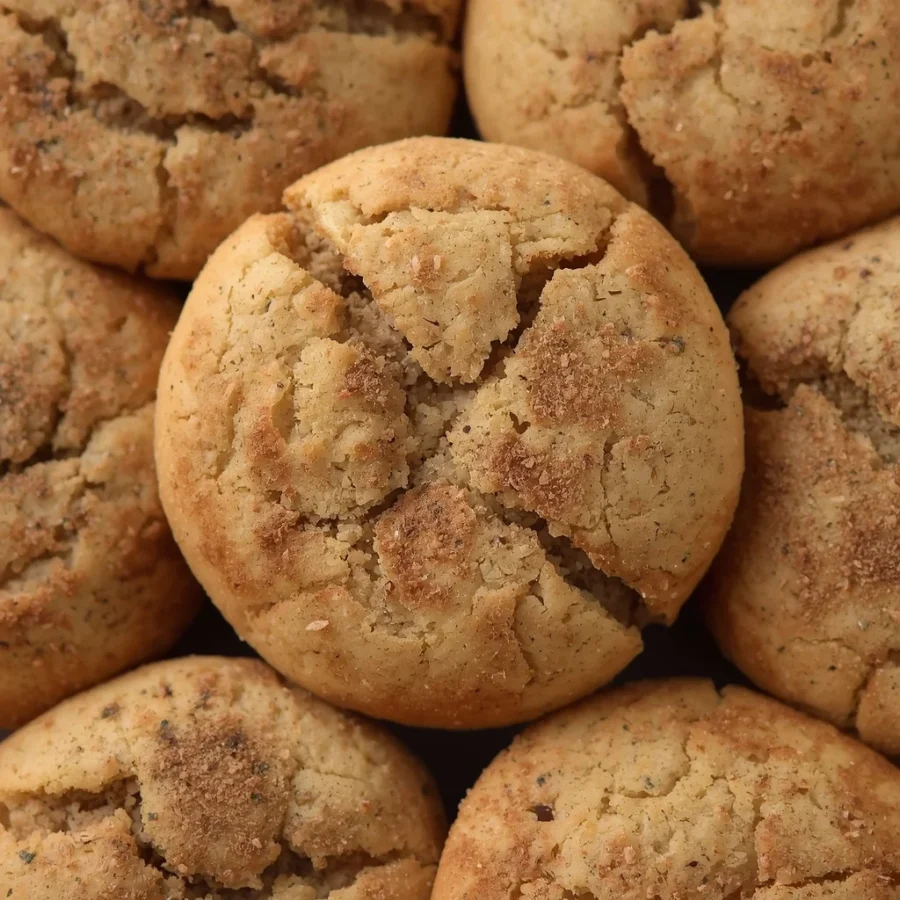
Classic Snickerdoodles are traditional American drop cookies made from a rich butter-and-sugar dough leavened with cream of tartar and baking soda, then rolled generously in a sweet mixture of granulated sugar and ground cinnamon before baking. As the dough balls bake, they puff up and gently settle into thick rounds covered in delicate surface cracks, creating pockets where the sparkling cinnamon sugar clings to every bite.
What truly separates Classic Snickerdoodles from standard sugar cookies is the inclusion of cream of tartar. This acidic white powder reacts with baking soda to lift the dough quickly in the oven while simultaneously preventing sugar crystals from bonding tightly together. That chemical partnership gives the finished cookie its hallmark chewy, tender crumb alongside a gentle, pleasant tang that lingers softly on the palate. Because they contain no chocolate chips, nuts, or heavy frostings, their pure vanilla, sweet cream butter, and aromatic cinnamon flavors take center stage.
Origin of Classic Snickerdoodles
The story behind Classic Snickerdoodles blends nineteenth-century European baking traditions with playful American culinary creativity. Many food historians trace the roots of the cookie to German-Dutch immigrant communities who settled in the northeastern United States, particularly Pennsylvania and New England, during the nineteenth century. In German baking, small spiced pastries and sugar-dusted cakes were often called Schneckennudeln, meaning “snail noodles,” named after their rolled, spiral shape. Over generations, English-speaking neighbors adapted both the pronunciation and the recipe itself into a drop cookie known as the snickerdoodle.
Another popular branch of baking folklore points toward New England kitchens in the late eighteen hundreds, where home cooks delighted in inventing whimsical, lighthearted names for everyday treats—giving rise to playful titles like snickerdoodles, jumbles, and ginger snaps. Recipes for snickerdoodles began appearing regularly in American community cookbooks and newspapers during the eighteen-nineties, originally baked as small square or round spiced cakes topped with sugar and cinnamon. By the mid-twentieth century, the chewy, cream-of-tartar drop cookie version cemented its status as an iconic American favorite, passed down from generation to generation on handwritten index cards.
Essential Ingredients for Your Classic Snickerdoodles
Every single ingredient in this
recipe serves a specific purpose in flavor, structure, and chewiness. Gather and measure everything accurately before you begin mixing so your dough comes together smoothly.
For the Buttery Cookie Dough
-
All-purpose flour: Two and three-quarters cups, which equals three hundred forty-five grams, of standard all-purpose flour. Spoon the flour lightly into your measuring cup and sweep the top level with a straight knife so you do not pack in excess dry flour.
-
Granulated sugar: One and one-half cups, equal to three hundred grams, of fine white granulated sugar to cream with the butter, creating a tender crumb and lightly crisp golden edges.
-
Unsalted butter: One full cup, which equals two hundred twenty-five grams or two standard sticks, softened to cool room temperature. Using unsalted butter lets you control the exact salt balance while delivering pure sweet cream flavor.
-
Large eggs: Two large eggs, brought to room temperature so they blend smoothly into the creamed butter without causing the batter to curdle or separate.
-
Cream of tartar: Two full teaspoons of cream of tartar. Do not leave this out—it is the signature ingredient responsible for both the gentle tang and the soft, chewy texture.
-
Baking soda: One teaspoon of fresh baking soda, which pairs with the acidic cream of tartar to give the cookies generous lift and soft crackled tops.
-
Salt: One half teaspoon of fine table salt to sharpen the vanilla and cinnamon notes and balance the sweetness.
-
Pure vanilla extract: One teaspoon of pure vanilla extract for warm, aromatic depth throughout the dough.
For the Cinnamon-Sugar Coating
-
Granulated sugar: One quarter cup, which equals fifty grams, of white granulated sugar for a sparkling, lightly crisp exterior crust.
-
Ground cinnamon: Two teaspoons of fragrant ground cinnamon—Ceylon or Saigon cinnamon both work beautifully depending on whether you prefer mild floral sweetness or bold spice warmth.
Step by Step Direction and Preparation Method
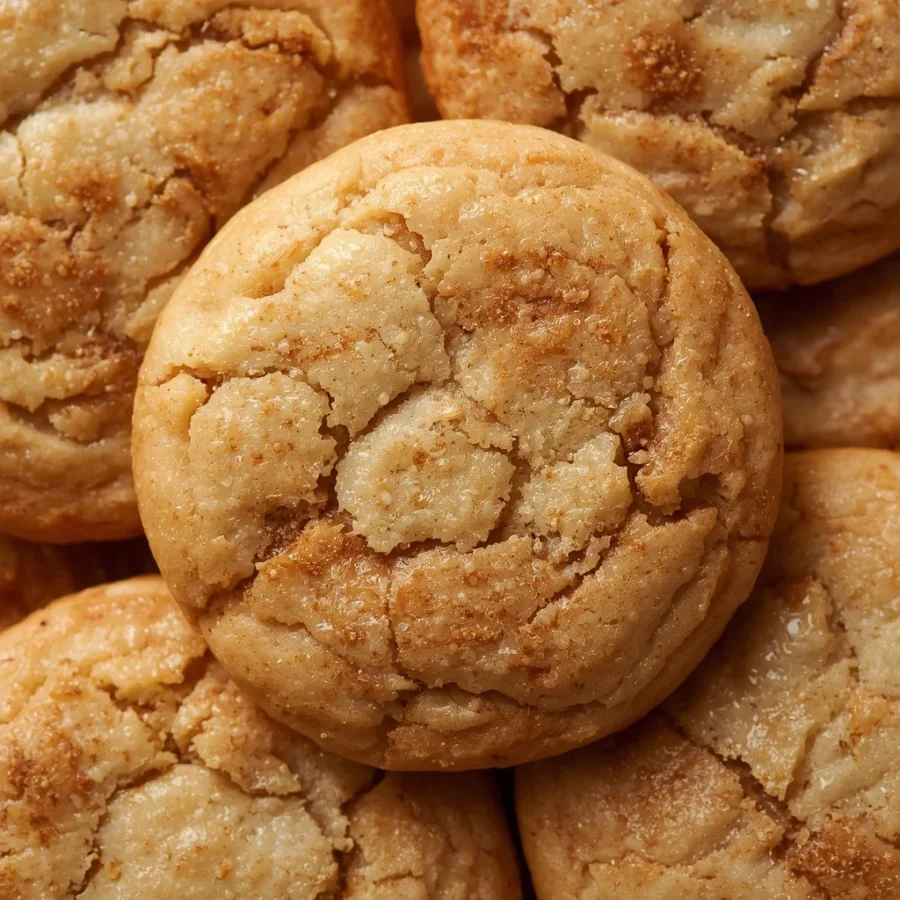
Follow this clear, chronological method to yield twenty-four soft, chewy Classic Snickerdoodles with golden crackled tops.
Step One: Preheat Your Oven and Prep the Baking Sheets
Position an oven rack in the center of your oven and preheat to three hundred fifty degrees Fahrenheit, which equals one hundred eighty degrees Celsius. Line two large rimmed baking sheets with parchment paper or silicone baking mats so the cookies bake evenly without sticking or browning too dark on the bottom.
Step Two: Cream the Softened Butter and Sugar
Place the softened unsalted butter and one and one-half cups of granulated sugar into a large mixing bowl. Using an electric hand mixer or stand mixer fitted with the paddle attachment, beat the butter and sugar together on medium speed for two to three full minutes until the mixture looks pale, creamy, and noticeably fluffy. Scrape down the sides of the bowl once halfway through so everything incorporates evenly.
Step Three: Beat in the Eggs and Vanilla Extract
Crack the two large eggs into the bowl one at a time, beating well on medium speed after each addition until fully absorbed into the butter mixture. Pour in the pure vanilla extract and mix for another fifteen seconds until the batter looks glossy and smooth.
Step Four: Whisk Together the Dry Ingredients
In a separate medium bowl, whisk together the all-purpose flour, cream of tartar, baking soda, and fine salt. Taking thirty seconds to whisk these dry ingredients thoroughly ensures the leavening agents distribute evenly throughout the flour so every cookie rises at the exact same rate.
Step Five: Combine Wet and Dry Mixtures into Soft Dough
Gradually add the dry flour mixture into the creamed butter mixture in two or three batches, mixing on low speed—or stirring gently with a sturdy wooden spoon—just until the last streaks of white flour disappear. Stop mixing right away once combined; overworking the dough develops excess gluten and makes cookies tough instead of tender.
Step Six: Mix the Cinnamon-Sugar Coating
In a small, shallow bowl, stir together the one quarter cup of granulated sugar and two teaspoons of ground cinnamon until the spice coats every grain of sugar evenly.
Step Seven: Scoop and Roll the Cookie Dough
Using a medium cookie scoop or measuring spoon, portion out roughly one and one-half tablespoons of dough for each cookie. Roll each portion gently between the palms of your hands into a smooth, uniform round ball. If your kitchen is warm and the dough feels slightly sticky, cover the bowl and chill it in the refrigerator for twenty to thirty minutes before rolling.
Step Eight: Coat Generously in Cinnamon Sugar
Drop each dough ball into your bowl of cinnamon sugar and roll it around thoroughly until the entire surface is covered in a thick, fragrant coat of spiced sugar.
Step Nine: Arrange on the Prepared Baking Sheets
Place the coated dough balls onto your parchment-lined baking sheets, spacing them about two inches apart in all directions so they have plenty of room to puff up and spread naturally without merging together.
Step Ten: Bake Until Edges Are Set and Centers Stay Soft
Bake one sheet at a time on the center rack for nine to eleven minutes. Keep a close eye on the cookies during the final two minutes: they are ready to come out when the edges look lightly golden and set, the tops have puffed and developed delicate cracks, and the very centers still look soft and slightly underbaked.
Step Eleven: Cool on the Pan Before Transferring
Remove the baking sheet from the oven and allow the cookies to rest undisturbed directly on the hot pan for five full minutes. As they cool slightly, the puffed centers gently settle into classic crinkles while residual pan heat finishes setting the bottoms without drying them out. Transfer the cookies with a thin spatula to a wire cooling rack to cool completely, and serve alongside cold milk, hot coffee, or spiced tea.
Expert Secrets for Bakery-Worthy Snickerdoodles
Even straightforward drop cookies shine brightest when you pay attention to small baking details. Keep these practical kitchen habits in mind whenever you bake a batch:
-
Start with properly softened butter: Your butter should give slightly when pressed gently with a fingertip while still feeling cool to the touch—never shiny, greasy, or half-melted. Melted butter causes the dough to spread too thin in the oven, robbing your cookies of their thick, chewy centers.
-
Never substitute baking powder for cream of tartar: While baking powder contains cream of tartar mixed with baking soda, using pure cream of tartar alongside baking soda gives Classic Snickerdoodles their unmistakable tangy flavor and signature chewiness.
-
Pull them from the oven slightly early: Cookies continue cooking on the warm baking sheet for several minutes after leaving the oven. Removing them at nine to ten minutes while the centers still look pale and soft guarantees they stay moist for days.
-
Use fresh ground cinnamon: Ground spices lose their aromatic essential oils after sitting in a cabinet for over a year. Opening a fresh jar of cinnamon fills your cookies with warm, vibrant sweetness.
Delicious Variations to Try
Once you master the traditional recipe, you can easily adapt your Classic Snickerdoodles for seasonal celebrations or new flavor cravings:
Brown Butter Maple Snickerdoodles
Melt the unsalted butter in a light-colored saucepan over medium heat until golden brown flecks form and it smells nutty, then chill until solid again before creaming with the sugar. Add one half teaspoon of pure maple extract alongside the vanilla for deep caramel warmth.
Pumpkin Spice Autumn Snickerdoodles
Replace the two teaspoons of plain ground cinnamon in the sugar coating with two teaspoons of pumpkin pie spice, and add a pinch of ground nutmeg directly into the cookie dough for cozy fall flavor.
Chai Spiced Snickerdoodles
Whisk one teaspoon of ground cardamom, one half teaspoon of ground ginger, and one quarter teaspoon of ground cloves into the cinnamon-sugar coating. The fragrant masala chai spices pair wonderfully with the buttery vanilla base.
White Chocolate Chip Snickerdoodles
Fold three-quarters of a cup of creamy white chocolate chips into the dough right after mixing in the dry flour. Sweet pockets of melted white chocolate turn every bite into an extra-indulgent bakery treat.
Caramel Stuffed Snickerdoodles
Flatten each portion of dough slightly in your palm, tuck a soft square caramel candy into the center, seal the dough completely around the caramel, roll in cinnamon sugar, and bake for a gooey surprise center.
How to Store and Freeze Your Snickerdoodles
Proper storage keeps Classic Snickerdoodles remarkably soft, tender, and full of fresh cinnamon aroma long after baking day:
-
Room temperature storage: Place completely cooled cookies in an airtight container at room temperature, layering sheets of parchment paper between stacks so the cinnamon sugar stays neat. They stay soft and chewy for up to five days—tucking a small piece of plain sandwich bread into the container helps lock in extra moisture.
-
Refrigerator storage for raw dough: You can cover your mixed cookie dough tightly and refrigerate it for up to three days before baking. Let chilled dough sit on the counter for ten minutes so it is easy to scoop and roll, then coat in cinnamon sugar and bake as directed.
-
Freezing baked cookies: Arrange cooled cookies in a single layer on a tray to freeze firm for one hour, then transfer them to a freezer-safe bag or airtight container for up to two months. Thaw at room temperature for twenty to thirty minutes before serving.
-
Freezing unbaked dough balls: Scoop and roll the dough into balls, freeze them uncoated on a lined baking sheet until solid, and store in a freezer bag for up to two months. When ready to bake, roll the frozen dough balls directly in cinnamon sugar and bake straight from frozen, adding one to two extra minutes to the baking time.
Frequently Asked Questions
Why is cream of tartar used in snickerdoodles?
Cream of tartar is an acidic byproduct of winemaking that works alongside baking soda to leaven the dough quickly while slowing down sugar crystallization. This dual action gives Classic Snickerdoodles their signature soft, chewy texture as well as that bright, subtle tanginess that sets them apart from ordinary cinnamon sugar cookies.
Why did my snickerdoodles turn out flat and crispy instead of thick and chewy?
Flat cookies usually happen when the butter was overly warm or melted during creaming, when the dough was placed onto a hot baking sheet from an earlier batch, or when the leavening agents were expired. Make sure your butter is cool room temperature, chill the dough for twenty minutes if your kitchen is warm, and always cool baking sheets between batches.
Can I make snickerdoodles without cream of tartar?
If you completely run out of cream of tartar, you can omit both the cream of tartar and baking soda and replace them with two teaspoons of standard baking powder. Your cookies will still bake into tasty cinnamon sugar cookies, though they will lack the classic tangy flavor and ultra-chewy crumb of authentic Classic Snickerdoodles.
How do I know when snickerdoodles are finished baking?
Look closely at the edges and tops rather than waiting for the entire cookie to turn brown. The outer edges should be set and lightly golden, the surface should show gentle cracks, and the center should still look puffy, pale, and slightly soft. Allowing them to cool on the baking pan for five minutes finishes the bake gently without drying them out.
Should I chill snickerdoodle dough before baking?
Because this dough uses creamed softened butter, you can scoop, roll, and bake it immediately if your butter started at cool room temperature. However, if your kitchen is warm or the dough feels soft and sticky in your hands, chilling it in the refrigerator for twenty to thirty minutes makes rolling effortless and guarantees thicker, puffier cookies.
Conclusion
Few homemade desserts deliver so much comfort, aroma, and nostalgic charm with such simple, everyday ingredients as
Classic Snickerdoodles. From the lively tang of cream of tartar to the sparkling crunch of cinnamon sugar wrapped around a pillowy, buttery center, every batch brings timeless bakery magic straight to your kitchen table. Whether you stick faithfully to the traditional recipe or explore warm seasonal twists, keep this reliable method close at hand whenever you want a soft, crowd-pleasing treat that disappears right off the cooling rack.