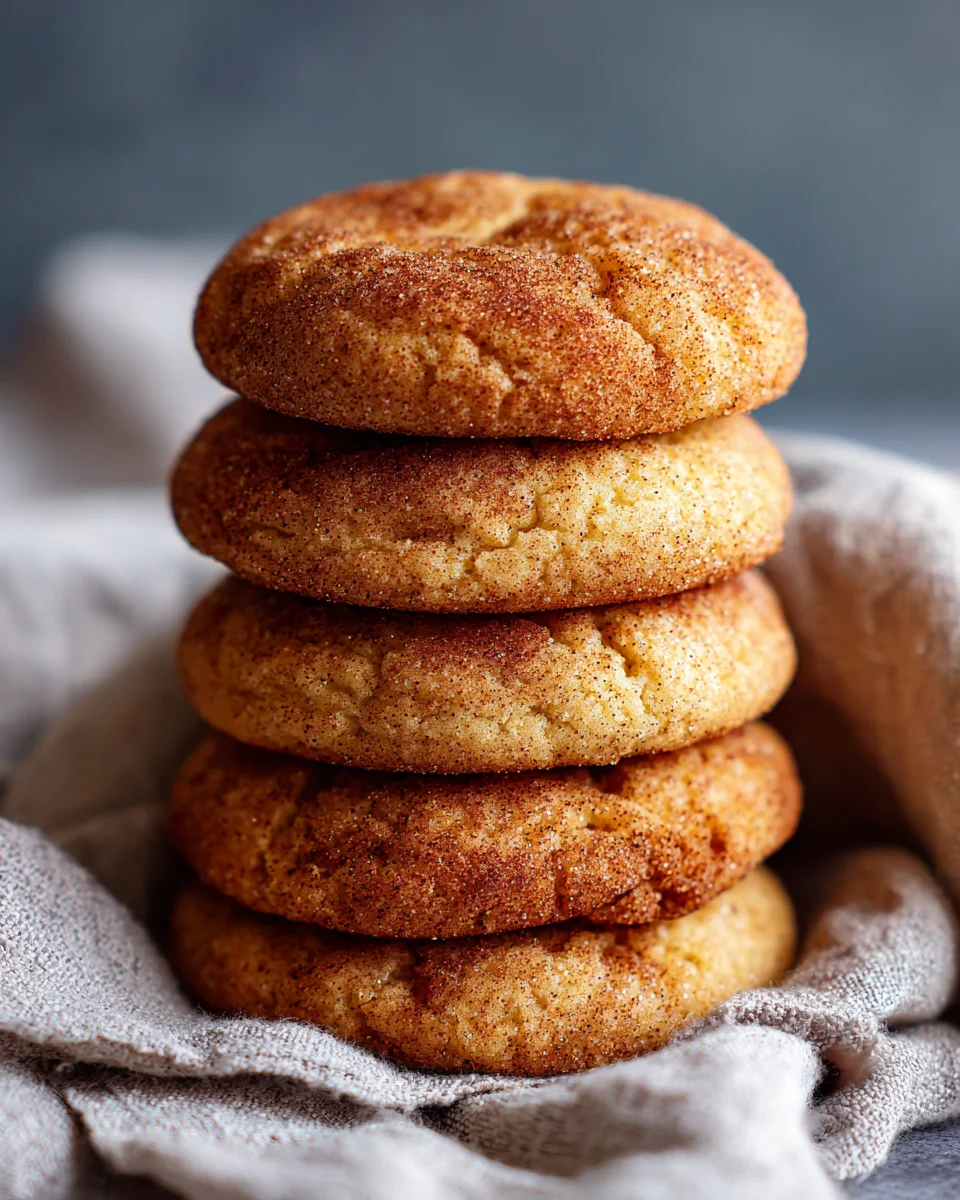
When it comes to cozy baking, few treats comfort the soul quite like a batch of freshly made Soft-Baked Brown Butter Snickerdoodles. If you are searching for a dessert that perfectly pairs a rich, nutty depth with the nostalgic warmth of cinnamon sugar, this recipe will quickly become your new kitchen obsession. Traditional snickerdoodles are already beloved for their signature tangy chew, but introducing toasted dairy elements completely transforms the experience into something extraordinary. This specific baking project yields thick, pillowy cookies that remain wonderfully tender for days, easily surpassing any standard bakery offering.
Creating an exceptional cookie requires an understanding of how distinct flavors interact on your palate. By transforming standard fats into a golden, fragrant liquid before mixing your dough, you unlock complex flavor notes that standard recipes simply cannot replicate. In the following sections, we will explore the fascinating background of this classic treat, detail the exact components required, and walk through every step of the preparation method to ensure your baking endeavor is an absolute triumph.
What is a Soft-Baked Brown Butter Snickerdoodles Recipe?
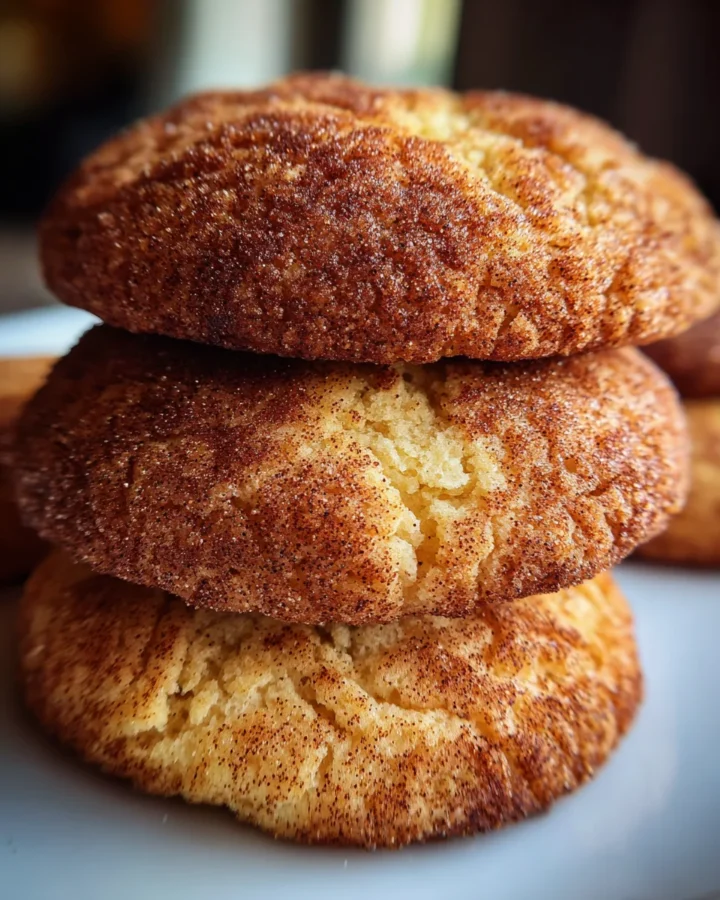
This particular baking concept is an elevated take on a classic sugar cookie, defined by its ultra-tender texture and a distinctive spice coating. A traditional version relies on standard creamed fats, but a true Soft-Baked Brown Butter Snickerdoodles recipe alters the very foundation of the dough by heating the dairy until the milk solids toast and caramelize. This simple adjustment introduces a complex, toffee-like undertone that perfectly complements the bright, sharp spice surface.
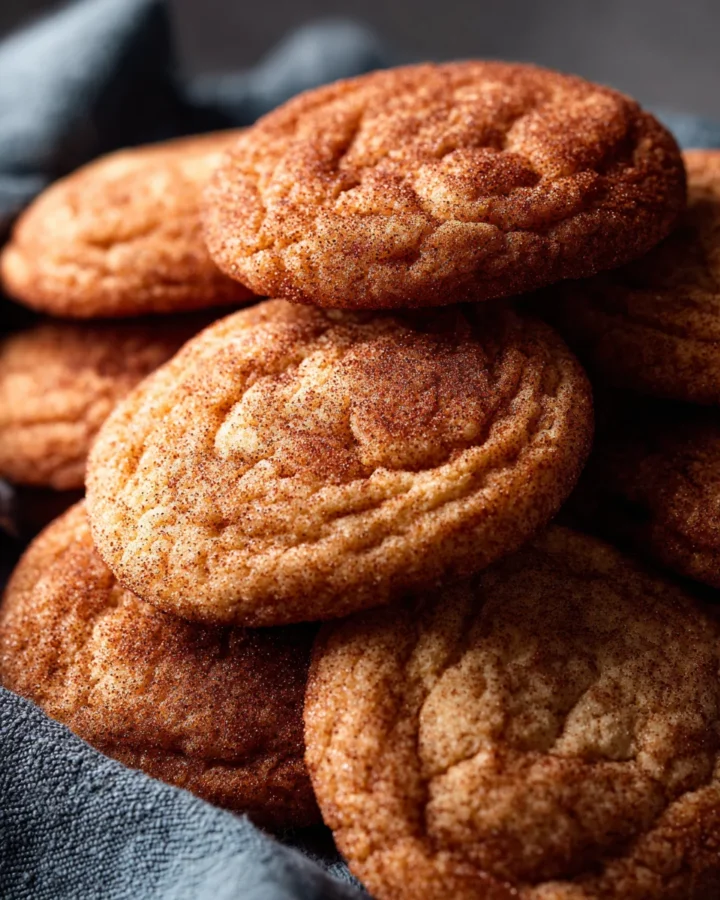
The resulting dough is portioned into generous spheres, completely submerged in a sweet spice blend, and baked until the outer perimeter sets while the interior remains incredibly pillowy. The contrast between the crisp, sugary shell and the meltingly soft center is what makes this cookie a perennial favorite among dessert enthusiasts.
The Role of Essential Ingredients
Every component in this dough serves a specific scientific purpose to ensure the ultimate texture. The combination of both brown and white sugars guarantees a deep caramel notes while retaining enough moisture to keep the crumb tender.
Unlike standard sugar cookies, this dough incorporates a unique acidic leavening agent that creates the signature cracked appearance and characteristic chewiness. When these elements interact with the flour and eggs, they produce a robust structure capable of holding immense moisture without becoming dense or heavy.
Origin of Soft-Baked Brown Butter Snickerdoodles
The history of the snickerdoodle is filled with culinary debate, with various regions claiming its creation. Many food historians believe the concept originated in Germany, descending from a traditional pastry known as Schneckennudeln, which translates roughly to snail noodles due to their coiled shape. When Dutch and German immigrants settled in the New World, they brought these spice traditions with them, adapting their techniques to available ingredients.
The whimsical name itself has sparked plenty of curiosity over the decades. Some linguistic experts suggest it is simply a nonsensical word created in New England bakeries, a regional trend where bakers loved inventing playful, eccentric names for their sweet creations. Regardless of whether the title stems from European roots or American linguistic creativity, the treat secured a permanent place in global baking culture during the late nineteenth century and has remained a staple of holiday platters ever since.
Ingredients and Exact Quantities: Soft-Baked Brown Butter Snickerdoodles
To achieve the ultimate melt-in-your-mouth consistency, you need to measure your components precisely. Gather the following items before beginning your baking session. Please note that all components should be handled with care to ensure the dough comes together seamlessly.
For the Rich Cookie Dough
-
Unsalted Butter: One cup, which is equivalent to two hundred and twenty-five grams. This will be completely melted and toasted to create our flavor base.
-
Brown Sugar: One cup, or two hundred grams, packed firmly to provide moisture and a deep molasses undertone.
-
Granulated Sugar: One-half of a cup, or one hundred grams, to assist with structural crispness on the edges.
-
Large Eggs: Two large eggs, preferably kept at room temperature to ensure clean emulsification with the warm fats.
-
Vanilla Extract: Two teaspoons of pure vanilla extract to enhance the sweet, comforting aroma of the dough.
-
All-Purpose Flour: Two and three-quarters cups, which translates to three hundred and forty-five grams, serving as the primary structure.
-
Baking Soda: One teaspoon to help the cookies rise and spread perfectly within the oven.
-
Cream of Tartar: One-half of a teaspoon, providing the classic tangy flavor and encouraging a soft, chewy texture.
-
Salt: One-half of a teaspoon to cut through the heavy sugars and highlight the toasted dairy notes.
-
Ground Cinnamon: One teaspoon mixed directly into the dry base for an internal layer of spice warmth.
For the Sweet Cinnamon Sugar Coating
-
Granulated Sugar: One-quarter of a cup, or fifty grams, used as the grainy foundation for the exterior crunch.
-
Ground Cinnamon: One and one-half teaspoons of aromatic ground spice, thoroughly blended with the sugar crystals.
Step by Step Direction and Preparation Method: Soft-Baked Brown Butter Snickerdoodles
Achieving a flawless result requires a careful sequence of actions. Follow these detailed stages to ensure your dough develops the perfect consistency and bakes into a masterpiece.
Mastering the Toasting Stage
The journey to making incredible Soft-Baked Brown Butter Snickerdoodles begins with preparing your fat source. Place your one cup of unsalted butter into a medium saucepan set over medium heat. As the dairy melts, it will begin to foam and bubble vigorously. This is entirely normal, as the water content within the dairy is evaporating.
+-----------------------------------+
|  ( o )   ( o )   ( o )   ( o )    |  <- Butter foaming actively
|    o       o       o       o      |     Keep stirring to prevent
|  ~~~~~~~~~~~~~~~~~~~~~~~~~~~~~~~  |     milk solids from burning
+-----------------------------------+
Stir the liquid frequently with a heatproof spatula or a wire whisk, ensuring you scrape the bottom of the pan constantly. After a few minutes, the loud bubbling will subside, and a quieter foam will cover the surface. Watch closely at this point, as the milk solids settling at the bottom of the pan will rapidly turn a beautiful golden brown.
As soon as you notice a deeply amber hue and a rich, nutty aroma reminiscent of toasted hazelnuts, immediately remove the saucepan from the heat source. Pour the golden liquid, along with all the dark, flavorful bits from the bottom of the pan, into a heatproof mixing bowl. Allow it to sit undisturbed for fifteen to twenty minutes until it cools down close to room temperature. It should remain liquid but no longer feel hot to the touch.
Constructing the Cookie Base
Once your liquid base has cooled adequately, you can proceed to create the main dough.
-
Emulsify Fats and Sugars: Pour your one cup of brown sugar and one-half cup of granulated white sugar directly into the bowl with the cooled, toasted dairy. Whisk the mixture vigorously for about one minute until the sugars begin to dissolve into the fat and no lumps remain.
-
Incorporate Liquids: Add the two large room-temperature eggs one at a time, whisking thoroughly after each addition. Pour in the two teaspoons of vanilla extract. Continue mixing until the entire combination appears completely smooth, glossy, and slightly thickened.
-
Sift Dry Components: In a separate medium-sized bowl, combine your two and three-quarters cups of all-purpose flour, one teaspoon of baking soda, one-half teaspoon of cream of tartar, one-half teaspoon of salt, and one teaspoon of ground cinnamon. Use a dry whisk to stir these powders together until they are completely uniform.
-
Combine the Mixtures: Gradually introduce the dry powder blend into your wet bowl. Use a heavy wooden spoon or a sturdy rubber spatula to fold the ingredients together. Work slowly, lifting from the bottom of the bowl, just until the flour disappears and a soft, cohesive dough forms. Avoid overworking the dough at this stage, as excessive mixing can develop the gluten strands, resulting in a tough cookie rather than a delicate, pillowy treat.
The Chilling and Shaping Sequence
Because the fat was completely melted earlier, the resulting dough will feel quite soft and pliable. To ensure the cookies do not flatten into thin discs inside the oven, you must firm up the mixture. Cover the bowl tightly with plastic wrap and place it into your refrigerator for a minimum of thirty minutes. This resting time also allows the flour particles to hydrate fully, intensifying the rich caramel undertones.
While the dough is chilling, you can prepare your baking area. Heat your oven to three hundred and fifty degrees Fahrenheit, which corresponds to one hundred and seventy-five degrees Celsius. Take two large baking sheets and line them with sheets of parchment paper or silicone baking mats to prevent any sticking.
In a small, shallow bowl, combine the one-quarter cup of granulated sugar and the one and one-half teaspoons of ground cinnamon for the exterior layer. Stir them together with a fork until the spice is evenly distributed through the white crystals.
Remove your chilled dough from the refrigerator. Using a cookie scoop or a large spoon, portion out pieces of dough measuring roughly two tablespoons each. Roll the portions between the palms of your clean hands to form smooth, round spheres. Drop each sphere directly into your cinnamon sugar bowl, rolling it around gently until the entire surface is completely coated in a thick layer of the sweet spice mixture.
[ Dough Ball ] --> ( Cinnamon-Sugar Bowl ) --> [ Fully Coated Sphere ]
The Baking and Cooling Process
Arrange your coated dough spheres onto the prepared baking sheets, leaving a space of roughly two inches between each piece to allow room for natural spreading. Place the sheets onto the center racks of your preheated oven.
Bake the cookies for ten to twelve minutes. Keep a very close eye on them during the final minutes of baking. You are looking for the outer edges to appear stable, set, and lightly golden, while the very center of the cookies should still look slightly soft and underbaked. This intentional underbaking is the ultimate secret to preserving that prized pillowy consistency once the treats cool completely.
Remove the baking sheets from your oven and place them onto a heatproof surface. Let the cookies rest undisturbed on the hot sheets for exactly five minutes. During these moments, the residual heat from the metal pans will finish cooking the centers gently without drying them out.
After five minutes, use a flat spatula to carefully transfer the snickerdoodles over to a wire cooling rack. Allow them to air cool completely before serving or packing away.
Flavorful Variations to Try: Soft-Baked Brown Butter Snickerdoodles
The classic flavor profile of this Soft-Baked Brown Butter Snickerdoodles recipe is spectacular on its own, but it can also serve as a wonderful canvas for creative culinary adjustments.
The Autumn Pumpkin Twist
To infuse your baking with cozy autumnal vibes, you can incorporate real pumpkin puree into the mixture. Reduce the butter quantity slightly and add two tablespoons of blotted pumpkin puree alongside your eggs. You can also substitute the standard cinnamon coating for a fragrant pumpkin pie spice blend containing nutmeg, ginger, and allspice to deepen the seasonal complexity.
Decadent Stuffed Caramel Centers
For a truly luxurious surprise, you can elevate the interior texture by burying a soft caramel inside each dough ball before baking. Take a small piece of soft caramel candy and wrap the cookie dough entirely around it, ensuring no caramel is left exposed to leak onto the pan. As the cookie bakes, the candy center transforms into a warm, gooey pocket that flows beautifully when bitten into.
White Chocolate and Spice Integration
White chocolate pairs magnificently with the toasted tones of browned dairy and the sharpness of cinnamon. Gently fold one-half cup of high-quality white chocolate chips into your completed dough just before placing it into the refrigerator to chill. The sweet, milky pockets of chocolate provide an excellent textural contrast to the soft, spiced crumb.
Frequently Asked Questions: Soft-Baked Brown Butter Snickerdoodles
Why do my snickerdoodles look flat instead of thick and puffy?
Flat cookies generally occur when the dough enters the oven while the fat content is too warm or melted. Because this recipe requires melting your dairy, chilling the dough for the full thirty minutes is absolutely mandatory. If your kitchen is particularly warm, you may need to chill the shaped balls for an additional ten minutes before placing them into the oven to lock in their height.
Can I substitute the cream of tartar with something else?
Cream of tartar provides the iconic tang and specific chew that differentiates a true snickerdoodle from a standard cinnamon sugar cookie. If you do not have any on hand, you can replace both the cream of tartar and the baking soda with one and one-half teaspoons of standard baking powder. However, please note that the texture will be slightly more cake-like, and you will lose that traditional signature tanginess.
What is the best way to store these cookies to keep them soft?
To maintain that irresistible melt-in-your-mouth texture, place your cooled cookies into a tightly sealed airtight container. A fantastic old-fashioned baker’s secret is to place a single slice of plain white bread inside the container along with the cookies. The cookies will naturally absorb moisture from the bread, keeping them incredibly soft and fresh for up to five days at room temperature.
Can I freeze the cookie dough for future baking?
Yes, this dough freezes beautifully, making it perfect for preparing snacks in advance. After shaping your dough portions into spheres and rolling them in the cinnamon sugar mixture, place them tightly together on a tray and freeze until completely solid. Transfer the frozen spheres into a heavy-duty freezer bag for up to three months. When a craving strikes, you can bake them directly from the freezer, simply adding an extra two minutes to the total baking time.
Why is it necessary to toast the butter before mixing?
Toasting the dairy completely alters the flavor profile by driving off water and caramelizing the natural milk solids. This process replaces a simple sweet taste with deep notes of hazelnut, toffee, and caramel. This extra layer of flavor acts as a bridge between the sugar base and the sharp cinnamon coating, creating a much more sophisticated dessert.
Conclusion: Soft-Baked Brown Butter Snickerdoodles
Baking an exceptional batch of comforting treats is a wonderful way to bring joy to your home and share love with those around you. This refined take on a Soft-Baked Brown Butter Snickerdoodles recipe demonstrates how making a singular, intentional modification to a classic method can yields spectacular rewards. By simply taking the time to toast your dairy solids before creating your dough, you introduce a luxurious depth of flavor that elevates a humble childhood favorite into a gourmet bakery masterpiece. The contrast of the crackled, crunchy spice exterior with the pillow-soft, melting interior ensures that every single bite is a completely memorable experience. Gather your measuring tools, follow each phase of the method with patience, and enjoy the comforting warmth of freshly baked treats coming straight from your kitchen oven.
Print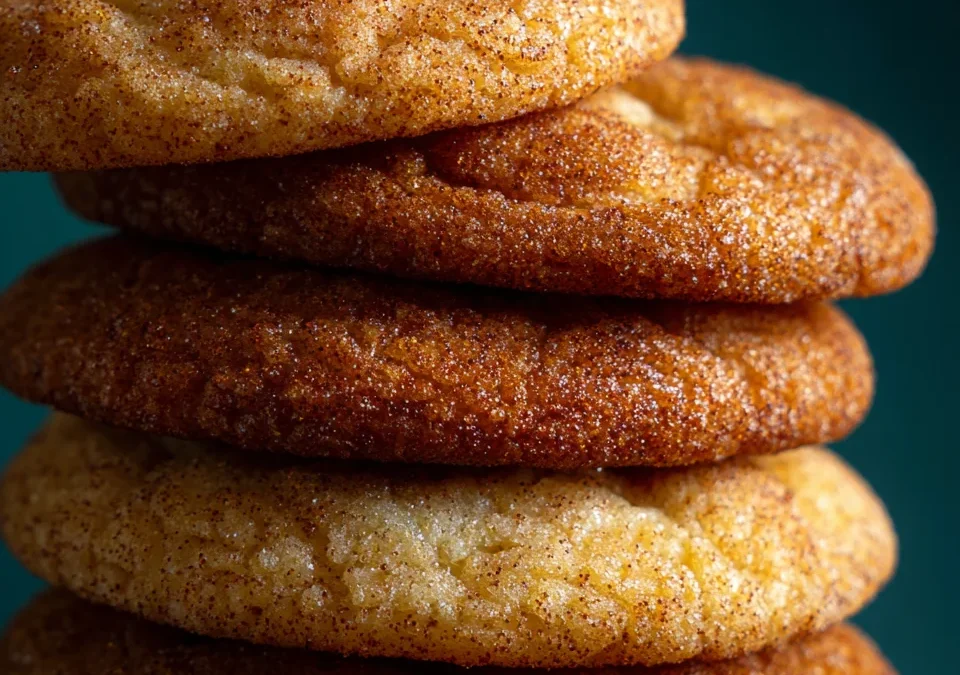
Soft-Baked Brown Butter Snickerdoodles
- Total Time: 32 minutes (+ 30 minutes chilling)
- Yield: 24 cookies 1x
- Diet: Vegetarian
Description
At its core, a Cookies and Cream Milk Cake is a modern, cookie-infused spin on the classic Latin American dessert known as tres leches. A traditional milk cake relies on a sponge cake base that is intentionally baked to be light and airy. This specific texture is crucial because the cake essentially acts like a sponge, waiting to absorb a rich bath of different dairy products.
Ingredients
For the Cookies
- 1 cup (225 g) unsalted butter
- 1 cup (200 g) brown sugar
- ½ cup (100 g) granulated sugar
- 2 large eggs
- 2 tsp vanilla extract
- 2¾ cups (345 g) all-purpose flour
- 1 tsp baking soda
- ½ tsp cream of tartar
- ½ tsp salt
- 1 tsp ground cinnamon
For the Cinnamon-Sugar Coating
- ¼ cup (50 g) granulated sugar
- 1½ tsp ground cinnamon
Instructions
1. Brown the Butter
- Melt the butter in a saucepan over medium heat.
- Continue cooking, stirring frequently, until golden brown with a nutty aroma.
- Remove from heat and let cool for 15–20 minutes.
2. Make the Dough
- In a large bowl, whisk together the browned butter, brown sugar, and granulated sugar.
- Add eggs and vanilla extract; mix until smooth.
- In a separate bowl, combine flour, baking soda, cream of tartar, salt, and cinnamon.
- Gradually add the dry ingredients to the wet ingredients and mix until a soft dough forms.
3. Chill
- Cover and refrigerate the dough for at least 30 minutes.
4. Prepare the Coating
- Mix the sugar and cinnamon in a small bowl.
5. Shape and Coat
- Preheat oven to 350°F (175°C).
- Line baking sheets with parchment paper.
- Scoop about 2 tablespoons of dough per cookie and roll into balls.
- Roll each ball in the cinnamon-sugar mixture.
6. Bake
- Place cookies 2 inches apart on the prepared baking sheet.
- Bake for 10–12 minutes, until the edges are set and the centers look slightly underbaked.
- Cool on the baking sheet for 5 minutes before transferring to a wire rack.
Notes
These Soft-Baked Brown Butter Snickerdoodles are perfectly chewy, rich, and packed with warm cinnamon flavor. The browned butter adds a delicious nutty depth that takes this classic cookie to the next level.
- Prep Time: 20 minutes
- Cook Time: 12 minutes
- Category: Dessert
- Method: Baking
- Cuisine: American
Nutrition
- Serving Size: 1 cookie
- Calories: 165 kcal
